Growing an Herb Garden in Santa Cruz County: The Complete Local Guide


A few of the product links in this guide are affiliate links. If you buy through one, Ambitious Harvest may earn a small commission at no extra cost to you, which helps keep these guides free. We only point to gear we would use in our own Santa Cruz garden. As an Amazon Associate, we earn from qualifying purchases. Read our full disclosure.
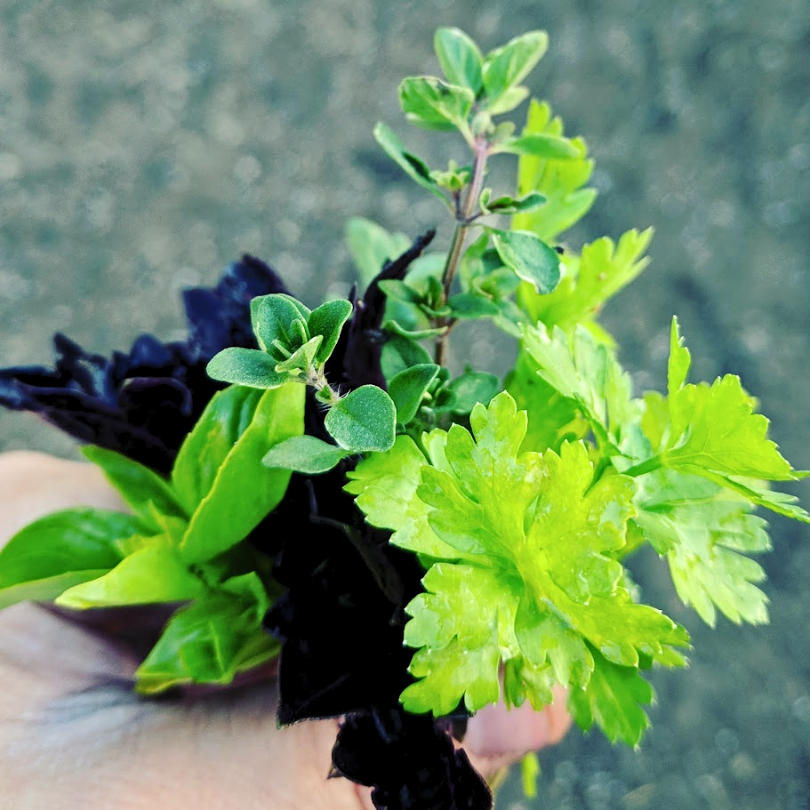
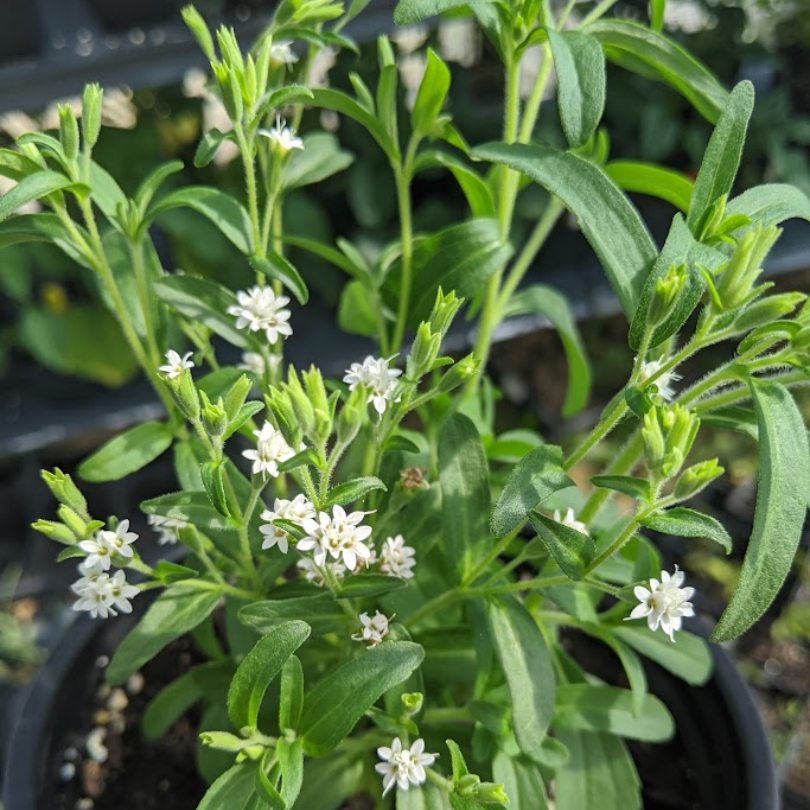
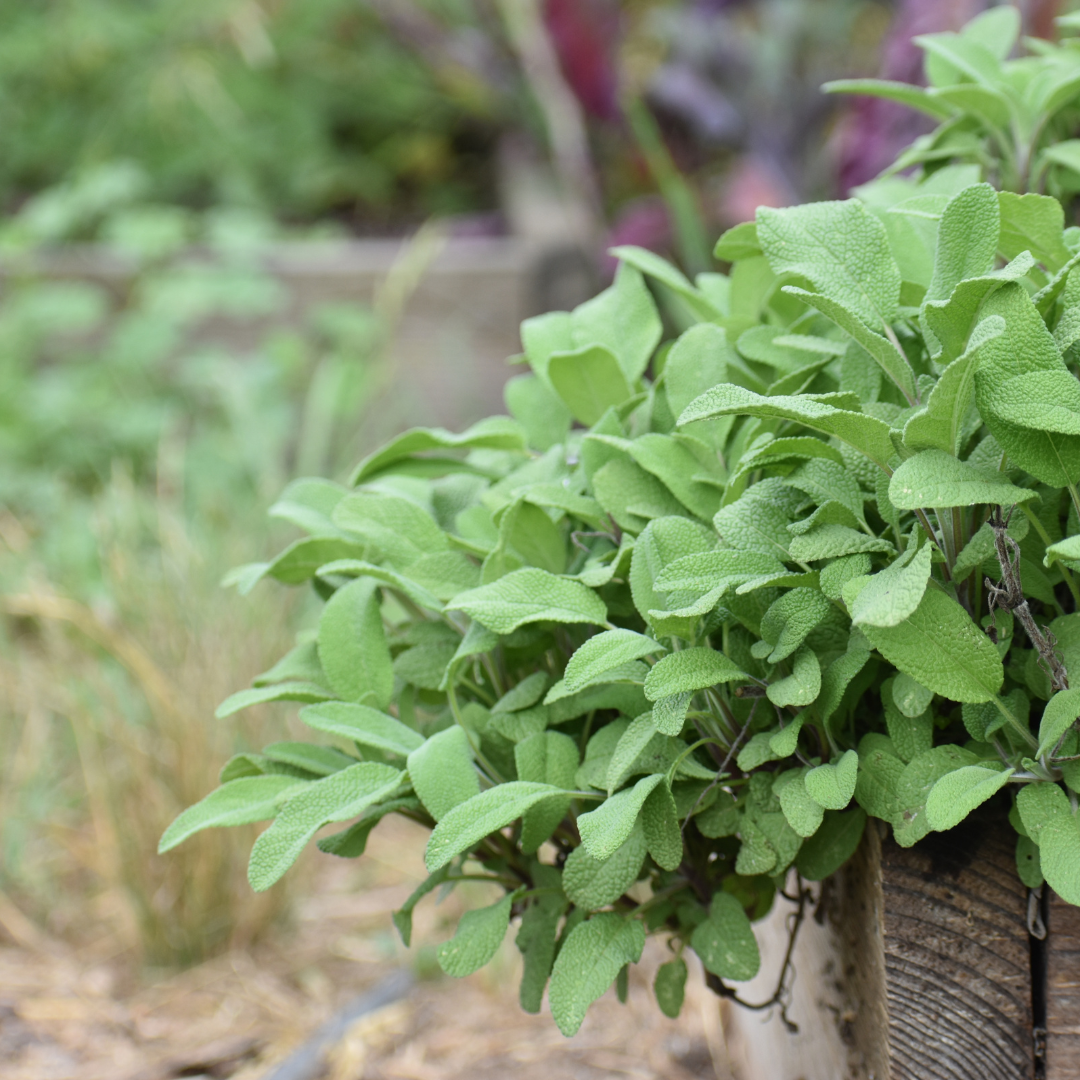
There's a moment every herb gardener knows: you step outside, scissors in hand, and snip fresh basil for tonight's pasta, rosemary for roasted potatoes, or a handful of mint for afternoon tea. The fragrance rises up, impossibly fresh compared to anything from a grocery store's plastic clamshell. That moment is available to every Santa Cruz County gardener, and it's easier to achieve than you might think.
Herbs are the perfect entry point for new gardeners and a constant source of satisfaction for experienced ones. Many require minimal water once established (a real advantage in our dry summers), most laugh off our mild winters, and a small planting provides harvests that would cost a small fortune at the farmers market.
The key to success is understanding that Santa Cruz County isn't one climate but many. The herbs that thrive in foggy Aptos may struggle on a sunny Boulder Creek ridge, while heat-loving basil that flourishes in Watsonville might bolt within weeks in coastal Santa Cruz. This guide will help you choose the right herbs for your specific conditions and keep them productive throughout the year.
Why Is Santa Cruz County Ideal for Herb Growing?
Our Mediterranean climate (characterized by dry summers and mild, wet winters) closely matches the native conditions of many popular culinary herbs. According to UC ANR, Mediterranean herbs like rosemary, thyme, oregano, sage, and lavender evolved in conditions remarkably similar to coastal California, making them naturally adapted to our rainfall patterns and summer drought.
This gives Santa Cruz gardeners several advantages. Many herbs actually prefer our lean, well-drained soils over rich garden beds. They thrive with minimal irrigation once established. And our mild winters mean perennial herbs remain productive year-round rather than dying back for months as they do in colder climates.
The challenge is matching herbs to your specific microclimate. Coastal gardens with regular fog have different conditions than sunny inland valleys, and the choices that succeed in each location differ accordingly.
What Is Your Microclimate for Herb Growing?
Before selecting herbs, assess your garden's conditions. The herbs that thrive depend heavily on your specific microclimate. For a deeper understanding of local growing conditions, see Navigating Santa Cruz County's Microclimates.
Coastal and Fog-Influenced Areas (Aptos, Capitola, Live Oak, Santa Cruz)
Summer fog reduces heat and increases humidity, which affects herb selection significantly. Mediterranean herbs still do well here, but they need excellent drainage to prevent root rot in our foggy, cool conditions. Heat-loving herbs like basil struggle without a warm, protected spot.
Best choices for coastal gardens:
Rosemary, thyme, oregano, sage (with good drainage)
Parsley, chives, chervil (appreciate the cooler conditions)
Cilantro (bolts more slowly in cool weather)
Mint (thrives in moist conditions, but contain it)
Challenging in coastal fog:
Basil (needs a warm microclimate or greenhouse)
Lemon verbena (prefers more heat)
For more on coastal growing conditions, see Gardening in Coastal Aptos and Capitola.
Inland Valleys and Sunny Exposures (Scotts Valley, Soquel, Watsonville, Ben Lomond ridges)
Warmer temperatures and more sun hours open up your options considerably. Heat-loving herbs perform well, and Mediterranean herbs thrive with even less water than coastal gardens require.
Best choices for inland gardens:
All Mediterranean herbs (rosemary, thyme, oregano, sage, lavender)
Basil (plant after soil warms, usually mid-May)
Lemon verbena, lemongrass
Marjoram, summer savory
Watch for:
Cilantro and dill bolt quickly in heat (plant in fall through spring)
Afternoon shade helps parsley and chives in hot spots
Under the Redwoods (Felton, Ben Lomond canyons, shaded areas)
Dappled shade and acidic soil create unique conditions. Most Mediterranean herbs struggle here because they need full sun and neutral to alkaline soil. Focus instead on herbs that tolerate shade and acidic conditions.
Best choices for shaded gardens:
Mint (actually prefers some shade)
Parsley, chervil, cilantro
Chives
Lemon balm
Challenging under redwoods:
Rosemary, lavender, sage (need full sun)
Basil (needs heat and sun)
For more on gardening in shade, see Growing Under the Redwoods.
How Should You Design Your Herb Garden?
Before buying plants, consider how you'll use your herbs and where they'll grow best. A little planning prevents the common mistake of putting shade-lovers in full sun or planting aggressive spreaders next to delicate herbs.
Location Considerations
Sunlight: Most culinary herbs need at least 6 hours of direct sun daily. According to Oregon State University Extension, Mediterranean herbs in particular require full sun for best flavor and oil production. The exception is mint family herbs, which tolerate (and sometimes prefer) partial shade.
Drainage: This matters more than soil fertility for most herbs. Mediterranean herbs evolved in rocky, lean soils and will rot in heavy, wet clay. If your soil stays soggy after rain, consider raised beds or containers. According to UC Davis, poor drainage is the leading cause of herb garden failures.
Accessibility: Plant herbs you use frequently near the kitchen door. You're more likely to snip fresh rosemary for dinner if it's ten steps away rather than across the yard.
Water zones: Group herbs by water needs. Mediterranean herbs (rosemary, thyme, oregano, sage, lavender) need far less water than basil, parsley, or mint. Mixing them in the same bed leads to either overwatered rosemary (root rot) or underwatered basil (bitter, tough leaves).
Garden Styles That Work in Santa Cruz
Raised beds offer the excellent drainage Mediterranean herbs need and warm up quickly in spring. Use a well-draining soil mix (not pure garden soil) and avoid placing beds in low spots where water collects.
Containers provide ultimate control over soil and drainage. They're ideal for aggressive spreaders like mint (which will take over any bed it's planted in) and for gardeners with heavy clay soil. Terracotta pots dry out faster than plastic, which suits drought-tolerant herbs but means more frequent watering for thirsty ones like basil.
In-ground planting works well if you have naturally well-drained soil. Amend heavy clay with coarse sand and compost to improve drainage. Plant Mediterranean herbs on slight mounds to keep crowns dry.
Landscape integration tucks herbs among ornamentals, along pathways, or as edging for vegetable beds. Low-growing thyme makes an excellent pathway border, while upright rosemary provides structure in mixed plantings.
Fire-Wise Considerations
If you garden in a fire-prone area of Santa Cruz County, herb placement matters for safety. According to CAL FIRE, some herbs are better choices than others near structures.
Fire-resistant herbs (low-growing, can be irrigated):
Thyme, oregano (excellent as groundcovers in Zone 1)
Chives
Parsley
Use with caution near structures:
Rosemary and lavender have high oil content and burn intensely, despite being drought-tolerant. Plant them in Zone 2 (30+ feet from structures) rather than against the house.
Sage (also high oil content)
For more information, see Fire-Wise Gardening 101.
How Should You Choose Herbs for Santa Cruz County?
Here's a detailed guide to the most rewarding herbs for local gardens, organized by growing requirements.
Mediterranean Herbs (Drought-Tolerant Once Established)
These herbs evolved in conditions similar to Santa Cruz County and require minimal water once their roots are established. They prefer lean, well-drained soil and actually produce more flavorful leaves when not overwatered or overfertilized.
Rosemary
The ultimate low-maintenance herb for Santa Cruz gardens. Upright varieties reach 4 to 6 feet tall; trailing types cascade over walls and containers. Once established, rosemary needs almost no irrigation except during extreme heat or drought.
Best varieties: Tuscan Blue (upright, strong flavor), Prostratus (trailing), Arp (cold-hardy for mountain areas)
Planting: Full sun, excellent drainage essential. Plant from nursery starts.
Local note: Rosemary burns intensely due to high oil content. Position away from structures in fire-prone areas.
For complete growing information, see Growing Rosemary in Santa Cruz.
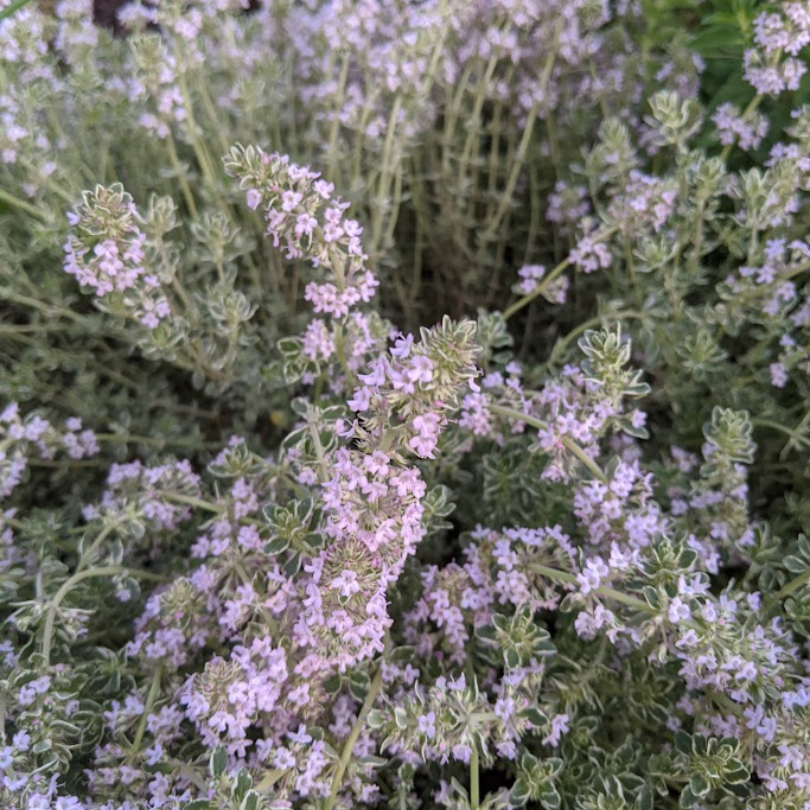
Thyme
A low-growing workhorse that thrives in Santa Cruz gardens. Dozens of varieties offer different flavors (lemon, English, French) and growth habits. Excellent as pathway edging or groundcover.
Best varieties: English thyme (classic flavor), Lemon thyme (citrus notes), Creeping thyme (groundcover)
Planting: Full sun, well-drained soil. Space plants 6 to 12 inches apart.
Santa Cruz advantage: Our dry summers prevent the fungal problems that plague thyme in humid climates.
For complete growing information, see Growing Thyme in Santa Cruz.
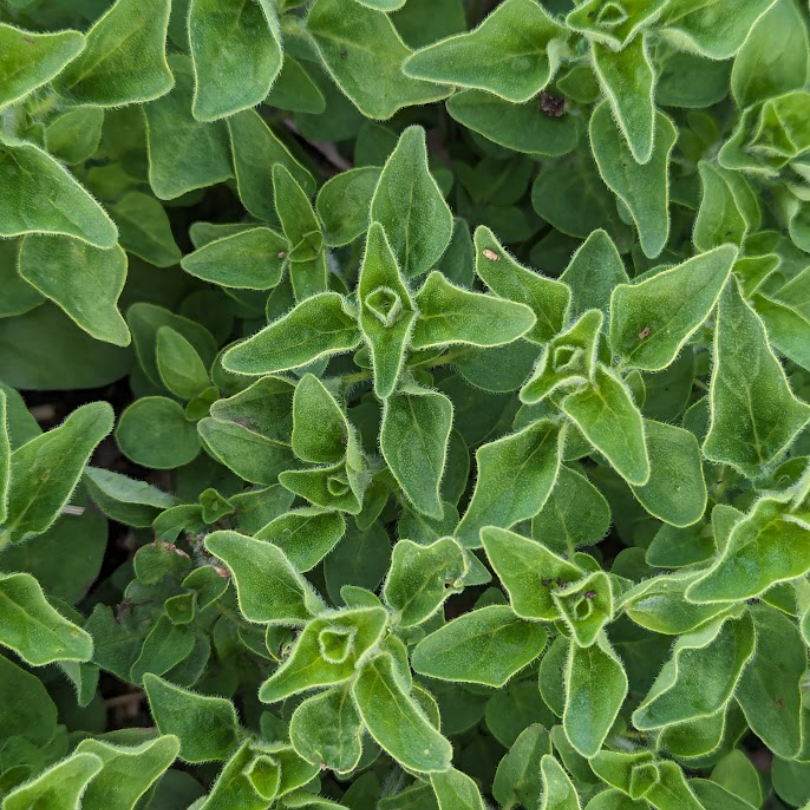
Oregano
Essential for Italian and Greek cooking, oregano thrives with minimal care in Santa Cruz County. Greek oregano has the strongest flavor for cooking; Italian oregano is milder.
Best varieties: Greek oregano (most flavorful), Italian oregano, Hot and Spicy oregano
Planting: Full sun, lean soil. Can spread aggressively; consider containers.
Harvesting: Cut stems just before flowers open for best flavor.
For complete growing information, see Growing Oregano in Santa Cruz.
Sage
Beautiful silver-green foliage and essential for poultry dishes. Common sage is the culinary standard, but purple and tricolor varieties add ornamental interest.
Best varieties: Common sage (culinary standard), Purple sage (ornamental and edible), Berggarten (large leaves)
Planting: Full sun, excellent drainage. Becomes woody with age; replace every 4 to 5 years.
Local note: Like rosemary, sage has high oil content. Position thoughtfully in fire-prone areas.
Lavender
Technically an herb, lavender is grown more for fragrance and beauty than cooking, though culinary varieties are excellent in baked goods and beverages. Requires excellent drainage and struggles in heavy soil.
Best varieties: Munstead and Hidcote (culinary), Grosso (fragrance), Spanish lavender (tolerates more moisture)
Planting: Full sun, raised beds or slopes for drainage. Avoid heavy clay.
Santa Cruz challenge: Coastal fog can cause fungal issues. Ensure good air circulation.
For complete growing information, see Growing Lavender in Santa Cruz.
Warm-Season Herbs (Need Heat to Thrive)
These herbs need warm soil and air temperatures. In coastal Santa Cruz, they require protected spots or greenhouse growing. Inland gardens can grow them outdoors from late spring through fall.
Basil
The most popular culinary herb and the most challenging in foggy coastal areas. Basil needs consistent warmth and sulks in cool, foggy conditions. Even in warm microclimates, don't rush planting; wait until night temperatures stay above 50°F consistently.
Best varieties: Genovese (classic pesto), Thai basil (anise flavor), Lemon basil (citrus notes), African Blue (perennial, ornamental)
Planting: Full sun, rich soil, consistent moisture. Plant after soil reaches 60°F (usually mid-May inland, June on coast).
Santa Cruz strategy: Coastal gardeners should grow basil in containers that can be moved to warm spots, against south-facing walls, or in greenhouses. Inland gardeners have much more flexibility.
Harvesting: Pinch growing tips regularly to encourage bushiness and delay flowering. Harvest entire stems rather than individual leaves.
For complete growing information, see Growing Basil in Santa Cruz.
Lemon Verbena
Intensely citrusy leaves make incredible tea, desserts, and marinades. A woody shrub that can reach 6 feet in warm locations. Deciduous (loses leaves in winter) but returns reliably in spring.
Best for: Inland gardens with warm summers
Planting: Full sun, protected from wind, well-drained soil
Coastal note: May struggle without a warm, sheltered microclimate
Lemongrass
Essential for Thai and Vietnamese cooking. Forms large clumps of grassy foliage. Needs warm conditions and struggles in coastal fog.
Best for: Watsonville, Scotts Valley, warm inland microclimates
Planting: Full sun, rich soil, regular water. Grow as an annual in cooler areas or bring containers indoors for winter.
Cool-Season Herbs (Bolt in Heat)
These herbs prefer our cooler months and bolt (go to flower and seed) quickly when temperatures rise. In Santa Cruz County, plant them fall through spring for longest harvests.
Cilantro
Love it or hate it, cilantro is a staple in Mexican, Asian, and Indian cuisines. It bolts rapidly in heat, but our cool coastal areas and mild winters allow nearly year-round growing with succession planting.
Best varieties: Slow-bolt types (Calypso, Santo, Long Standing)
Planting: Direct sow (doesn't transplant well) every 2 to 3 weeks for continuous harvest. Fall through spring is prime season.
Santa Cruz advantage: Coastal fog extends the cilantro season significantly. Inland gardeners should focus on fall, winter, and early spring plantings.
Bonus: Let some plants bolt and flower. The seeds are coriander, and the flowers attract beneficial insects.
For complete growing information, see Growing Cilantro in Santa Cruz.
Dill
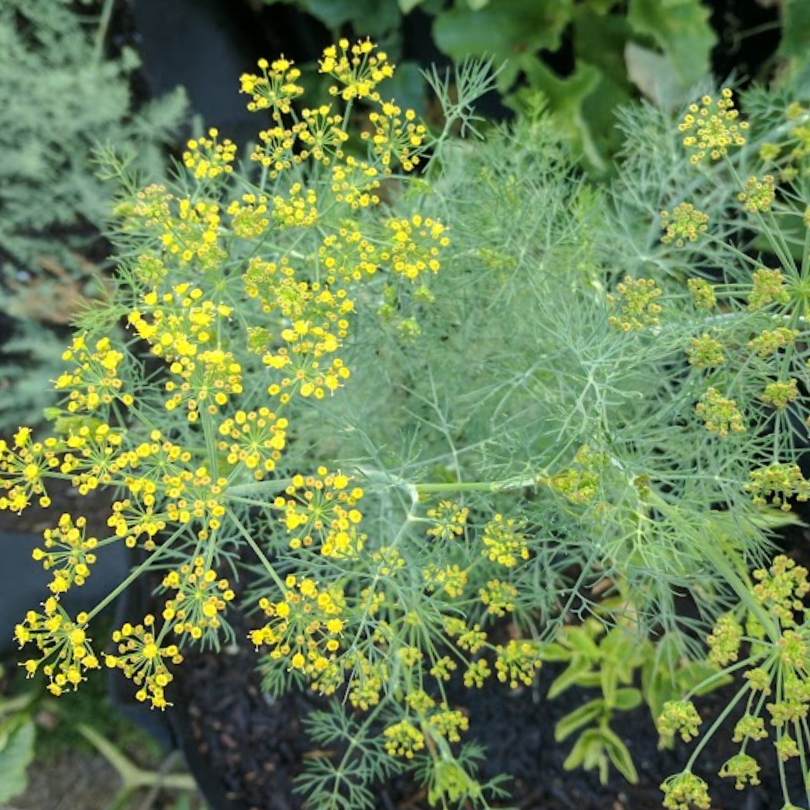
Essential for pickles, salmon, and potato salads. Like cilantro, dill bolts quickly in heat. Direct sow in cool weather for best results.
Best varieties: Bouquet (good for seeds and leaves), Fernleaf (compact, slower to bolt)
Planting: Direct sow fall through spring. Dill has a taproot and doesn't transplant well.
Companion planting: Dill attracts beneficial insects including swallowtail butterflies (their caterpillars eat dill leaves). Plant extra if you want both harvests and butterflies.
For complete growing information, see Growing Dill in Santa Cruz.
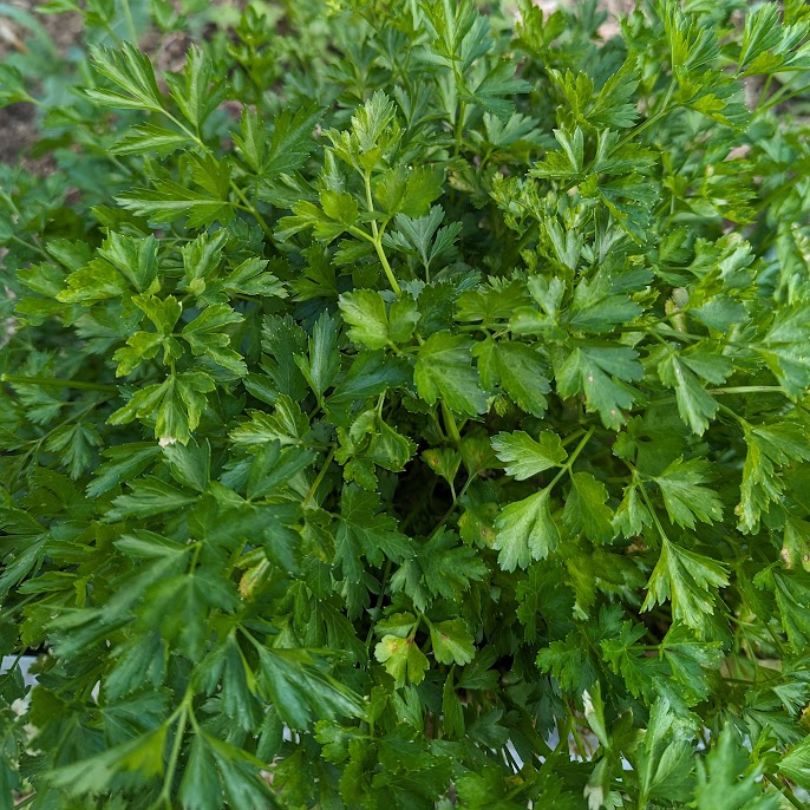
Parsley
A biennial (lives two years) that provides harvests for many months before flowering. Flat-leaf (Italian) parsley has stronger flavor; curly parsley is traditional for garnishes.
Best varieties: Italian flat-leaf (best flavor), Curly (garnishes)
Planting: Start from seedlings (seeds are slow to germinate). Tolerates partial shade.
Harvesting: Cut outer stems first, allowing center to keep producing.
Chervil
An underused herb with delicate anise-parsley flavor. Essential in French cooking for fines herbes. Bolts quickly in heat but thrives in our cool, foggy conditions.
Best for: Coastal gardens, shaded spots
Planting: Direct sow fall through spring. Prefers partial shade and cool conditions.
Aggressive Herbs (Contain or Regret)
These herbs are easy to grow but will take over your garden if not contained. Plant them in containers or isolated beds with barriers.
Mint
Delicious and vigorous to a fault. Mint spreads by underground runners and will colonize any bed it's planted in. The solution is simple: grow it in containers or in beds surrounded by hardscape.
Best varieties: Spearmint (classic), Peppermint (intense), Chocolate mint (desserts), Mojito mint (cocktails)
Planting: Partial shade to full sun. Appreciates more water than Mediterranean herbs.
Container tip: Even in pots, mint can escape through drainage holes. Set containers on hardscape, not soil.
For complete growing information, see Growing Mint in Santa Cruz.
Lemon Balm
A mint relative with lemon-scented leaves for tea and cooking. Spreads aggressively by both runners and self-seeding. Contain it or be prepared to pull volunteers.
Planting: Partial shade to full sun. Tolerant of varied conditions.
Containment: Grow in containers or remove flower heads before seeds form.
Beyond the Basics (For Adventurous Gardeners)
Once you've mastered the standards, consider these rewarding additions:
Shiso (Perilla)
A Japanese herb with distinctive flavor used in sushi, salads, and pickles. Green and purple varieties available. Self-seeds readily.
Borage
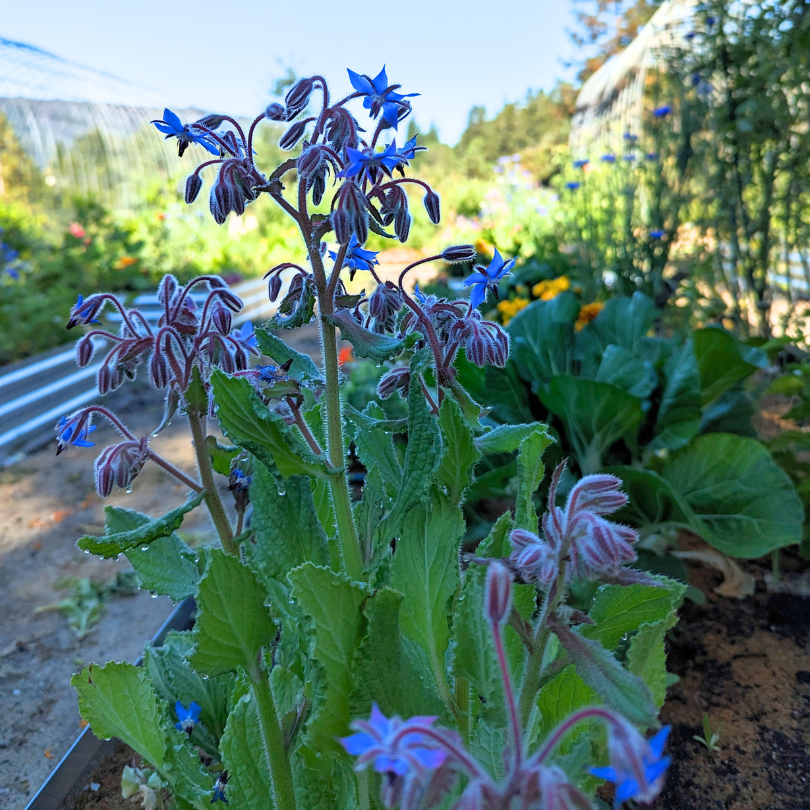
Beautiful blue flowers with cucumber flavor. Flowers are edible and gorgeous in salads or frozen in ice cubes. Attracts bees prolifically. Self-seeds.
Curry Leaf
Essential for South Indian cooking. A small tree that needs protection from frost. Best for containers that can be brought indoors in cold weather.
Mexican Oregano
Not true oregano but has similar (some say superior) flavor for Mexican and Tex-Mex dishes. More heat-tolerant than Mediterranean oregano.
When Should You Plant Herbs in Santa Cruz County?
Timing varies by herb type and your microclimate. Here's a general guide:
Mediterranean perennials (rosemary, thyme, oregano, sage, lavender): Fall planting (September through November) is ideal. Winter rains help establish root systems, and plants are well-rooted before summer drought. Spring planting (March through May) also works but requires more attention to watering the first summer.
Warm-season herbs (basil, lemon verbena, lemongrass): Wait until soil warms to at least 60°F. For coastal areas, this usually means late May or June. Inland gardens can plant in early to mid-May. Planting too early in cold soil results in stunted, struggling plants.
Cool-season herbs (cilantro, dill, parsley, chervil): Plant fall through spring for longest harvests. Cilantro and dill planted in summer will bolt within weeks. Succession plant every 2 to 3 weeks for continuous supply.
Mint family herbs: Plant anytime from spring through fall. These adaptable herbs establish easily in our climate.
For month-by-month planting guidance, see our Seasonal Planting Guides.
What Is the Difference Between Seeds and Starts: Which to Choose?
Both approaches work for herbs, but some are better suited to one method than the other.
Best grown from seed:
Cilantro and dill (don't transplant well due to taproots)
Basil (easy from seed, many variety options)
Parsley (though slow to germinate)
Chervil
Best purchased as starts:
Rosemary (slow to germinate, slow to mature)
Thyme (tiny seeds, slow growth)
Lavender (challenging from seed)
Mint (so easy from divisions or cuttings that seeds aren't worth it)
Tarragon (French tarragon doesn't come true from seed; must be grown from cuttings or divisions)
Either way works:
Oregano
Sage
Chives
Where to Buy Herb Starts in Santa Cruz County
San Lorenzo Garden Center (Santa Cruz): Good selection of culinary herbs, especially in spring.
Scarborough Gardens (Scotts Valley): Carries common and some specialty herbs.
Sierra Azul Nursery (Watsonville): California native and Mediterranean plants, including herb-like natives.
Dig Gardens (Santa Cruz and Aptos): Curated selection with knowledgeable staff.
Mountain Feed & Farm Supply (Ben Lomond): Good organic herb starts in season.
Santa Cruz and Westside Farmers Markets: Local growers often sell herb starts in spring.
Where to Buy Herb Seeds
Renee's Garden Seeds (Felton): Local company with excellent herb varieties. Available at local nurseries and online.
Botanical Interests: Widely available at local nurseries.
Kitazawa Seed Company: Excellent source for Asian herbs including shiso and specialty basils.
How Should You Care for Your Herb Garden?
Watering
Mediterranean herbs (rosemary, thyme, oregano, sage, lavender): Water regularly until established (first growing season), then reduce dramatically. Established plants need deep watering only during extended dry spells or heat waves. Overwatering is the most common cause of death for these herbs.
Basil and annual herbs: Keep soil consistently moist but not waterlogged. Basil in particular needs regular water; drought stress makes leaves bitter and tough.
Mint: Appreciates more water than most herbs. Soil should stay moist (but not soggy). Container-grown mint may need daily watering in summer.
For comprehensive watering guidance, see The Complete Guide to Watering Your Garden in Santa Cruz County.
Fertilizing
Most herbs need minimal fertilization. According to Penn State Extension, overfertilized herbs produce lush growth with diluted flavor and fragrance. The essential oils that create flavor are more concentrated in plants grown in lean conditions.
Mediterranean herbs: Little to no fertilizer. A light topdressing of compost in spring is sufficient.
Basil and leafy herbs: Benefit from moderate fertility. Add compost at planting and a light feeding mid-season if growth slows.
Container herbs: Need more regular feeding since nutrients leach with watering. Use a diluted liquid fertilizer (half-strength) every few weeks during active growth.
Pruning and Harvesting
Regular harvesting is the best thing you can do for most herbs. It encourages bushy growth, delays flowering (which can make some herbs bitter), and gives you the fresh herbs you planted them for in the first place.
General principles:
Harvest in the morning after dew dries but before midday heat. Essential oils are most concentrated then.
Never remove more than one-third of a plant at once.
Cut stems rather than picking individual leaves. This stimulates new growth.
Pinch off flower buds on basil, oregano, thyme, and mint to prolong leaf harvest.
Let some plants flower if you want to attract pollinators or save seeds.
Herb-specific tips:
Basil: Pinch stems above a leaf pair. Two new stems will grow from each cut.
Rosemary: Cut sprigs as needed. Annual light pruning maintains shape.
Thyme: Shear back by half after flowering to keep plants compact.
Parsley: Cut outer stems at the base; inner stems continue producing.
Cilantro: Harvest whole stems. Once flowering starts, switch to harvesting seeds (coriander).
How Can You Preserve Your Herb Harvest?
Even a small herb garden produces more than most kitchens can use fresh. Here's how to preserve the excess.
Drying works best for Mediterranean herbs with sturdy leaves and high oil content:
Rosemary, thyme, oregano, sage, lavender
Bundle stems and hang upside down in a warm, dry, well-ventilated area.
When completely dry (usually 1 to 2 weeks), strip leaves and store in airtight containers away from light.
Freezing preserves flavor better than drying for tender herbs:
Basil, parsley, cilantro, dill, chives, mint
Chop herbs and freeze in ice cube trays covered with olive oil or water.
Or freeze whole leaves on a baking sheet, then transfer to bags.
Basil pesto freezes beautifully in ice cube trays.
Herb-infused oils and vinegars capture flavors for later use:
Combine fresh herbs with oil or vinegar and steep for several weeks.
Note: Garlic-infused oils can harbor botulism if not handled properly. Refrigerate and use within a week, or freeze.
What Are the Most Common Herb Problems?
Herbs dying or yellowing despite regular care: Usually overwatering or poor drainage. Mediterranean herbs in particular cannot tolerate wet roots. Check soil moisture before watering and improve drainage if needed.
Basil leaves turning black or brown: Cold damage. Basil is extremely cold-sensitive and will show damage at temperatures below 50°F. Wait until weather is consistently warm to plant, and bring containers indoors if cold nights are forecast.
Herbs bolting (flowering) quickly: Environmental stress, usually heat for cool-season herbs like cilantro and dill. Plant these in fall through spring instead of summer. For basil, bolting signals the end of the plant's life cycle; pinching flower buds delays but doesn't prevent it.
Sparse, leggy growth: Usually insufficient sunlight. Most herbs need at least 6 hours of direct sun. Move containers to sunnier spots or accept that some herbs won't thrive in shaded locations.
Pests eating leaves: Aphids, caterpillars, and slugs occasionally bother herbs, though most herbs are relatively pest-resistant due to their aromatic oils. Strong water sprays dislodge aphids. Hand-pick caterpillars. For slugs, see our guide to Pest Management in Santa Cruz Gardens.
Frequently Asked Questions
What are the easiest herbs to grow in Santa Cruz County?
Rosemary, thyme, oregano, and chives are nearly foolproof in most Santa Cruz microclimates. They're drought-tolerant once established, pest-resistant, and forgiving of neglect. Mint is also extremely easy but must be contained or it will take over your garden.
Can I grow basil in coastal Santa Cruz?
Yes, but it requires a warm microclimate. Plant basil against a south-facing wall, in containers you can move to sunny spots, or in a greenhouse. Even then, coastal basil won't be as lush as plants grown in warmer inland areas. Consider growing Thai basil, which tolerates cooler conditions better than Italian varieties.
When should I plant herbs in Santa Cruz?
It depends on the herb. Mediterranean perennials (rosemary, thyme, lavender) do best planted in fall so winter rains establish their roots. Warm-season herbs like basil should wait until late spring when soil has warmed. Cool-season herbs (cilantro, dill, parsley) can be planted fall through spring.
How much sun do herbs need?
Most culinary herbs need at least 6 hours of direct sun daily. Mediterranean herbs need full sun for best flavor. Exceptions include mint, parsley, chives, and chervil, which tolerate partial shade (and parsley and chervil actually prefer it in hot areas).
Why does my rosemary keep dying?
Overwatering and poor drainage are the most common causes. Rosemary evolved in rocky Mediterranean soils and cannot tolerate wet feet. Plant in raised beds or containers with excellent drainage, and water only when soil is dry several inches down.
Can I grow herbs indoors in Santa Cruz?
Most herbs struggle indoors because they need more light than typical homes provide. South-facing windows may work for some herbs, but supplemental grow lights improve success. Windowsill herbs tend to be leggy and less flavorful than outdoor-grown ones. If you have limited outdoor space, prioritize it for herbs and grow other plants inside.
How do I keep cilantro from bolting?
Cilantro bolts in response to heat and long days. In Santa Cruz, plant cilantro fall through spring to avoid summer heat. Use slow-bolt varieties (Calypso, Santo), and harvest regularly to delay flowering. Once cilantro starts bolting, let it flower and harvest the seeds as coriander.
Are there fire-safe herbs for Santa Cruz gardens?
Low-growing herbs like thyme and oregano can be used as fire-resistant groundcovers in Zone 1 (5 to 30 feet from structures) when kept irrigated. However, rosemary, lavender, and sage have high oil content and should be planted farther from structures (Zone 2, 30+ feet away) in fire-prone areas.
Downloadable Guides
These free PDF guides support your herb-growing success:
Companion Planting Guide: Learn which herbs benefit vegetables and deter pests.
Water-Wise Gardening Guide: Strategies for growing with less water, including drought-tolerant herb recommendations.
Seasonal Planting Calendar: Month-by-month planting guidance for Santa Cruz County.
Know Your Microclimate Worksheet: Identify your garden's unique conditions.
Local Resources
UC Master Gardeners of Monterey and Santa Cruz Counties: Free gardening advice hotline and educational programs.
UCSC Farm & Garden: Tours, workshops, and a model for sustainable herb growing.
Cabrillo College Horticulture Program: Classes on herb growing and garden design.
What Are the Key Takeaways for Herb Gardening in Santa Cruz?
An herb garden rewards you out of all proportion to the effort invested. A few square feet of rosemary, thyme, and oregano can transform your cooking and your garden with minimal water, minimal fuss, and minimal expense. Add basil in a sunny spot, cilantro in the cool months, and mint safely contained in a pot, and you have the foundation of cuisines from around the world growing steps from your kitchen door.
Start with what you cook with most. There's no point growing tarragon if you never make béarnaise sauce. But do experiment with at least one herb you've never grown before each year. That burst of lemon verbena in your iced tea or the first taste of fresh-picked Thai basil might become your next garden obsession.
Related Articles
Herb Growing Guides
Growing Herbs in Santa Cruz County - Complete guide to growing culinary herbs
Growing Basil in Santa Cruz - Tips for our most popular summer herb
Growing Rosemary in Santa Cruz - The easiest Mediterranean herb
Growing Lavender in Santa Cruz - Fragrant, drought-tolerant beauty
Growing Mint in Santa Cruz - Vigorous grower for mojitos and more
Growing Thyme in Santa Cruz - Versatile culinary and cocktail herb
Growing Oregano in Santa Cruz - Mediterranean kitchen essential
Growing Sage in Santa Cruz - Savory herb for cooking and cocktails
Growing Parsley in Santa Cruz - The underrated two-year herb
Growing Cilantro in Santa Cruz - Cool-season favorite
Growing Dill in Santa Cruz - Quick-growing annual herb
Growing Chives in Santa Cruz - Easy perennial onion flavor
Herb Care & Preservation
Preventing Basil from Bolting - Keep basil productive all season
Preserving Fresh Herbs - Drying, freezing, and infusing methods
Special Topics
Growing Herbs for Cocktails - From garden to glass
Fire-Wise Herb Gardens - Low-growing, high-moisture plants for defensible space