

Growing Chives in Santa Cruz: The Easiest Perennial Herb for Your Garden
A few of the product links in this guide are affiliate links. If you buy through one, Ambitious Harvest may earn a small commission at no extra cost to you, which helps keep these guides free. We only point to gear we would use in our own Santa Cruz garden. As an Amazon Associate, we earn from qualifying purchases. Read our full disclosure.
If you're looking for an herb that truly earns its garden space, chives deserve a spot at the top of your list. These unassuming clumps of hollow, grass-like leaves deliver mild onion flavor to your kitchen, beautiful purple flowers to your landscape, pest-deterring benefits to your vegetables, and pollinator support to your garden ecosystem, all while asking almost nothing in return.
Unlike many herbs that demand specific conditions, chives adapt to nearly any situation Santa Cruz County can offer. Coastal fog? They're fine. Inland heat? Still fine. Partial shade under a fruit tree? They'll grow there too. Heavy clay soil? They'll manage. Chives are the kind of plant that makes gardeners look good without requiring much actual gardening skill.
This guide covers everything you need to know to grow chives successfully in Santa Cruz County, from choosing the right variety to maximizing harvests and using these versatile alliums as hardworking companion plants throughout your garden. For a broader look at herb growing in our area, see our complete guide to growing herbs in Santa Cruz County.
Why Do Chives Thrive in Santa Cruz County?
Chives (Allium schoenoprasum) are native to temperate regions across Europe, Asia, and North America. They evolved to handle a wide range of conditions, which is why they adapt so readily to Santa Cruz County's varied microclimates.
According to UC ANR, chives are among the most adaptable alliums, tolerating conditions that would stress onions or garlic. They handle our dry summers better than you'd expect for a plant that appreciates regular moisture, bounce back after frost in mountain areas, and don't bolt in heat the way cilantro or lettuce do.
Santa Cruz advantages for chives:
Year-round production: Our mild winters mean chives keep producing leaves when gardens in colder regions go dormant. Even in Felton or Boulder Creek, chives rarely die back completely.
Microclimate flexibility: Unlike Mediterranean herbs that need full sun and perfect drainage, or basil that demands heat, chives perform well across all Santa Cruz microclimates.
Natural pest control: Chives' mild onion scent helps mask vegetables from pests, making them valuable companion plants, a significant benefit given our year-round pest pressure.
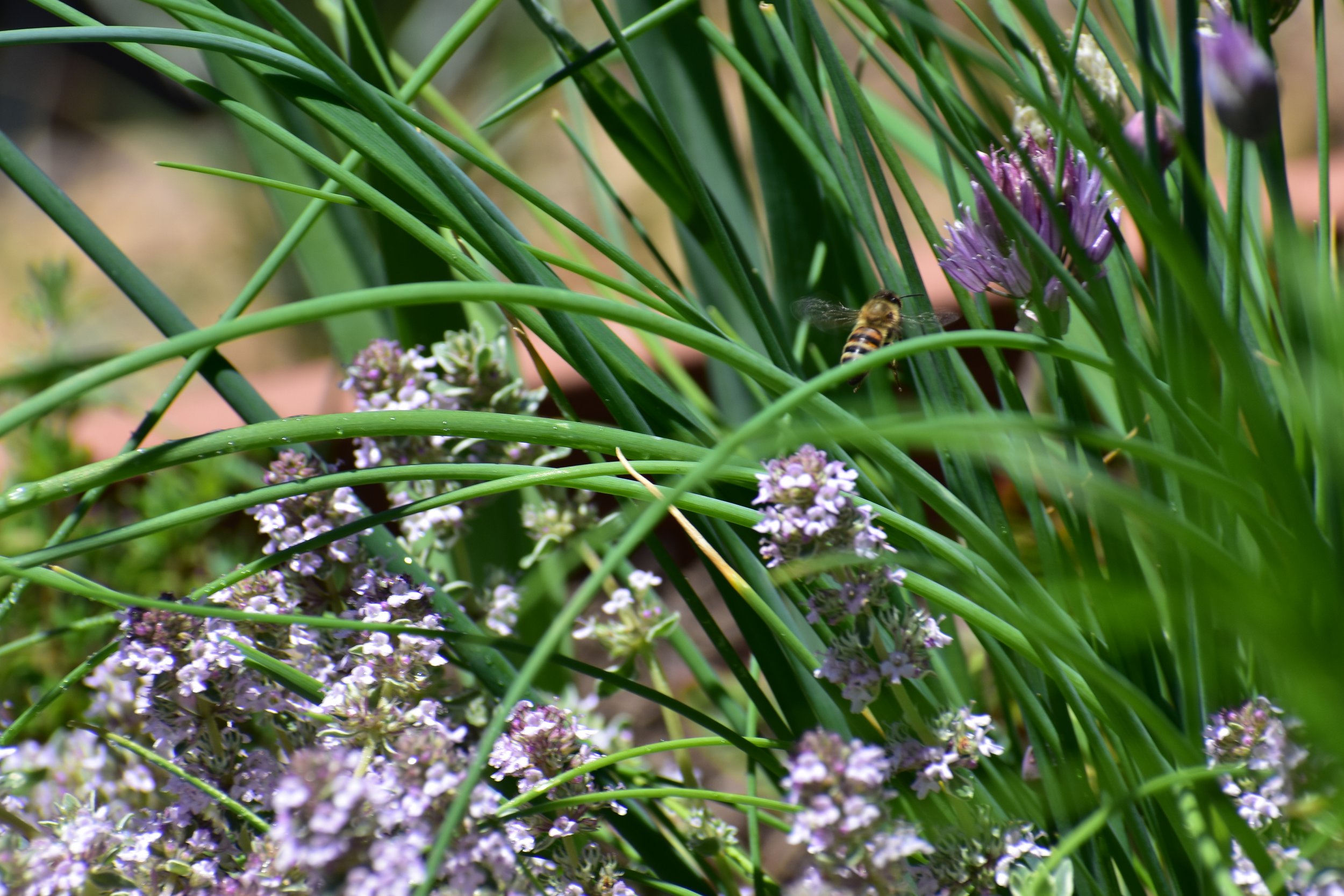
Pollinator support: Chive flowers bloom in late spring when many native pollinators are active, providing an important nectar source.
What Is the Difference Between Common Chives and Garlic Chives?
Two main types of chives are grown in home gardens, and understanding their differences helps you choose the right one (or grow both).
Common Chives (Allium schoenoprasum)
The classic chive, with hollow, tubular leaves and a mild onion flavor. Common chives produce round purple-pink flower heads in late spring that are as ornamental as they are edible.
Characteristics:
Hollow, grass-like leaves (6 to 12 inches tall)
Mild onion flavor
Purple-pink globe-shaped flowers (late spring)
Forms tight clumps that expand gradually
Prefers consistent moisture
Best uses: Baked potatoes, cream cheese, omelets, salads, soups, any dish where you want subtle onion flavor without the bite of raw onions.
Garlic Chives (Allium tuberosum)
Also called Chinese chives, these have flat, broader leaves with a mild garlic flavor instead of onion. The white, star-shaped flowers bloom later (mid to late summer) and have a pleasant fragrance.
Characteristics:
Flat, solid leaves (12 to 18 inches tall)
Mild garlic flavor
White star-shaped flowers (summer)
Spreads more aggressively than common chives
More drought-tolerant once established
Best uses: Asian stir-fries, dumplings, egg dishes, anywhere you want gentle garlic flavor. The flower buds are a delicacy in Chinese cooking.
Important difference: Garlic chives self-seed more aggressively than common chives. If you don't want them spreading throughout your garden, remove flowers before they set seed, or grow them in containers.
Other Chive Varieties
Giant Siberian Chives: Larger plants (up to 2 feet) with more robust onion flavor. Good choice if you want bigger harvests from fewer plants.
Fine-Leaved Chives: More delicate appearance with thinner leaves. Good for containers and windowsills.
Curled Chives: Decorative variety with twisted, curly leaves. More ornamental than culinary.
For most Santa Cruz gardeners, common chives are the best starting point. They're widely available, reliably productive, and their flowers are particularly attractive to pollinators.
How Do You Grow Chives by Santa Cruz Microclimate?
Unlike many herbs that perform dramatically differently across Santa Cruz County's microclimates, chives are remarkably consistent. Still, a few adjustments optimize their performance in different areas.
Coastal Areas (Aptos, Capitola, Live Oak, Santa Cruz)
Chives love coastal conditions. Regular fog provides moisture, mild temperatures prevent stress, and the cooler weather extends the harvest season. Coastal chives often look their best in summer when inland plants show heat stress.
Coastal tips:
Full sun is fine; no afternoon shade needed
Watch for slugs in foggy, moist conditions
Excellent companion for coastal vegetable gardens where pest pressure is constant
Inland Valleys (Scotts Valley, Soquel, Watsonville)
Warmer temperatures mean faster growth but also more water needs. Chives perform well in inland gardens with regular irrigation.
Inland tips:
Afternoon shade helps during heat waves but isn't essential
Mulch around plants to retain soil moisture
May go semi-dormant (stop producing new leaves) during extreme heat; they'll recover when temperatures moderate
San Lorenzo Valley (Boulder Creek, Ben Lomond, Felton)
Mountain gardeners will find chives more reliable than many other herbs. They handle frost, tolerate the variable conditions of mountain microclimates, and grow in partial shade.
Mountain tips:
Full sun to partial shade both work
Excellent choice for shaded areas where Mediterranean herbs struggle
May die back after hard frosts but will regrow from roots in spring
Under the Redwoods
One of chives' great strengths is their tolerance of partial shade. While most herbs need full sun, chives produce respectably even in dappled light, making them one of the best herb choices for shaded Santa Cruz gardens.
Redwood shade tips:
4 to 6 hours of sunlight is sufficient (less than most herbs need)
Won't be as productive as full-sun plants, but will grow
The onion scent may help deter some of the slugs that thrive in moist, shaded conditions
For more on gardening in different areas, see Navigating Santa Cruz County's Microclimates.
When Should You Plant Chives in Santa Cruz?
Chives can be planted almost any time in Santa Cruz County, but some seasons give better results than others.
Best Planting Times
Fall (September through November): Ideal timing. Fall planting allows roots to establish during cool, moist weather. Plants will be well-rooted and productive by the following spring.
Early Spring (February through April): Good second choice. Plant after the coldest weather passes. Spring-planted chives will produce some harvest their first year but hit their stride in year two.
Any time (with irrigation): Chives are forgiving enough that you can plant them whenever you find them at the nursery. Just provide regular water until established.
Avoid Planting
Mid-summer (July through August): Hot weather and dry soil stress new transplants. If you must plant in summer, choose a partially shaded spot and water consistently until roots establish.
How Do You Plant Chives?
Chives grow easily from seeds, starts, or divisions. Here's how to succeed with each method.
From Nursery Starts (Easiest)
Most Santa Cruz nurseries carry chive starts, especially in spring. This is the fastest way to a producing plant.
Choose healthy plants with upright green leaves (avoid yellowing or wilting)
Dig a hole slightly larger than the root ball
Plant at the same depth as the nursery pot
Water well and keep soil moist for the first few weeks
Begin light harvesting once new growth appears (usually 2 to 3 weeks)
Where to buy: San Lorenzo Garden Center, Scarborough Gardens, Dig Gardens, Mountain Feed & Farm Supply, and local farmers markets all carry herb starts seasonally.
From Seed
Growing chives from seed is easy but requires patience. Seeds are slow to germinate (2 to 3 weeks) and plants take several months to reach harvestable size.
Sow seeds indoors 8 to 10 weeks before your target transplant date, or direct sow outdoors in early spring
Barely cover seeds with soil (they need some light to germinate)
Keep soil consistently moist until germination
Thin seedlings to 4 to 6 inches apart once they have several leaves
Transplant to final location when plants are 4 to 6 inches tall
Seed sources: Renee's Garden Seeds (based in Felton), Botanical Interests, and Kitazawa Seed Company (for garlic chives and Asian varieties).
From Divisions
If you know someone with established chives, divisions are free and establish quickly. Chives should be divided every 3 to 4 years anyway to maintain vigor, so gardeners are often happy to share.
Dig up a clump of established chives in spring or fall
Separate into smaller sections (each should have roots and several leaf shoots)
Replant divisions immediately at the same depth
Water well and keep moist until new growth appears
Where Should You Plant Chives?
In the Ground
Chives aren't fussy about soil but perform best with:
Well-drained soil (not waterlogged)
Moderate fertility (no need for rich soil)
pH between 6.0 and 7.0 (most Santa Cruz soils work fine)
Spacing: Plant individual starts 6 to 8 inches apart. Clumps will expand to fill gaps within a year or two.
In Containers
Chives make excellent container plants. Their compact growth, attractive foliage, and purple flowers look great on patios, balconies, or kitchen windowsills.
Container tips:
Use at least a 6-inch pot for a single clump (larger is better)
Ensure drainage holes
Use quality potting mix
Water when top inch of soil is dry
Containers dry out faster than garden soil; check moisture regularly
As Edging and Borders
Chives' neat, clumping growth habit makes them ideal for edging vegetable beds, herb gardens, and pathways. The spring flowers add ornamental appeal while the onion scent helps confuse pests.
How Do You Care for Chives?
Chives are remarkably low-maintenance, but a little attention maximizes their productivity.
Watering
Chives prefer consistent moisture but tolerate some drought once established. They're more forgiving than most herbs about irregular watering.
Watering guidelines:
Keep soil evenly moist for newly planted chives
Established plants can go longer between waterings
Water deeply when the top inch of soil is dry
Mulch helps retain moisture during dry summers
Wilting leaves indicate underwatering; yellowing may indicate overwatering
For complete watering guidance, see The Complete Guide to Watering Your Garden in Santa Cruz County.
Fertilizing
Chives don't need much fertilizer. Overfertilizing produces lush growth with diluted flavor.
Fertilizing guidelines:
A light application of compost in spring is usually sufficient
If growth seems slow or leaves are pale, apply a balanced organic fertilizer at half strength
Container chives may need more regular feeding since nutrients leach with watering
Pruning and Deadheading
Regular harvesting is the best "pruning" for chives, encouraging fresh, tender growth. Beyond that:
After flowering: Cut flower stalks at the base once blooms fade to redirect energy to leaf production. Alternatively, leave some flowers to attract pollinators and produce seeds (for common chives) or remove all flowers to prevent self-seeding (especially important for garlic chives).
End of season: In mountain areas where chives die back in winter, cut back dead foliage in late fall or early spring before new growth emerges.
Dividing
Chives benefit from division every 3 to 4 years. Without division, clumps become crowded, less productive, and may die out in the center.
Signs it's time to divide:
Reduced production from a mature clump
Dead or dying center with growth only at edges
Crowded, congested appearance
How to divide:
Dig up the entire clump in spring or fall
Shake off excess soil
Pull or cut apart into smaller sections (each with roots and shoots)
Replant divisions immediately
Share extras with gardening friends
When Should You Harvest Chives?
One of chives' best features is the long harvest season. In Santa Cruz County, you can harvest chives nearly year-round with proper technique.
Harvesting Leaves
When to start: Begin harvesting once plants are 6 inches tall and well-established (usually 60 days from seed, 30 days from transplants).
How to harvest:
Use scissors or a sharp knife
Cut leaves about 2 inches above soil level (leaving this stub allows regrowth)
Harvest from the outside of the clump, working inward
Take up to one-third of the plant at a time
Regular harvesting encourages fresh, tender growth
Harvest frequency: In peak growing season (spring and fall in Santa Cruz), you can harvest every 2 to 3 weeks. Growth slows in summer heat and winter cold, so harvest less frequently during those times.
Harvesting Flowers
Chive flowers are edible with a mild onion flavor. They make beautiful garnishes and can be separated into individual florets for salads.
When to harvest flowers:
Pick when flowers are fully open but before they start to fade
Morning harvest captures best flavor
Use immediately or refrigerate for a day or two
Flower uses:
Whole flower heads as garnishes
Individual florets scattered on salads
Chive blossom vinegar (steep flowers in white wine vinegar)
Preserving Chives
Fresh chives have the best flavor, but you can preserve excess harvest:
Freezing (best method):
Chop chives into small pieces
Spread on a baking sheet and freeze
Transfer frozen pieces to an airtight container
Use directly from freezer (no need to thaw)
Alternatively:
Freeze chopped chives in ice cube trays with a little water or olive oil
Pop out cubes as needed for cooking
Drying (not recommended): Dried chives lose most of their flavor. If you must dry them, use the lowest setting on a dehydrator or oven, but expect diminished results.
How Do Chives Work as Companion Plants?
Chives are garden multitaskers that benefit neighboring vegetables in several ways. According to research documented by Oregon State University Extension, alliums like chives can help deter certain pests through their sulfur compounds.
Pest-Deterring Properties
The mild onion scent of chives helps mask the smell of vegetables that pests locate by scent. While chives won't create an impenetrable pest barrier, they contribute to a confusing aromatic environment that makes it harder for pests to find their targets.
Pests chives may help deter:
Aphids
Japanese beetles
Carrot rust fly
Some species of mites
Best Companion Plantings
Plant chives near:
Carrots: Chives may help deter carrot rust fly and aphids
Tomatoes: The onion scent can confuse some tomato pests; some gardeners believe chives improve tomato flavor (though this is anecdotal)
Roses: Traditional companion for deterring aphids and black spot
Fruit trees: Plant in a ring around apple trees to help deter apple scab
Strawberries: Compatible companions; chives don't compete aggressively
Avoid planting chives near:
Beans and peas: Alliums may inhibit the growth of legumes
Asparagus: Some sources suggest alliums can stunt asparagus growth
For more companion planting information, see our Companion Planting Guide.
Using Chives Throughout the Garden
Rather than confining chives to the herb garden, consider planting small clumps throughout your vegetable beds. The flowers attract beneficial insects, the scent helps confuse pests, and you'll always have chives within reach when harvesting vegetables.
What Are Common Chive Problems?
Chives are remarkably trouble-free, but occasional issues arise.
Yellowing Leaves
Possible causes:
Overwatering: Chives prefer moist but not waterlogged soil. Improve drainage or reduce watering.
Underwatering: Less common, but drought-stressed chives may yellow before wilting.
Nutrient deficiency: If soil is very poor, apply a balanced organic fertilizer.
Natural aging: Outer leaves yellow naturally; harvest them to encourage fresh growth.
Rust (Orange Spots on Leaves)
Rust is a fungal disease that occasionally affects chives, appearing as orange-brown spots or pustules on leaves.
Management:
Remove and destroy affected leaves (don't compost them)
Improve air circulation around plants
Avoid overhead watering
If severe, cut entire plant back to 2 inches and allow regrowth
Onion Thrips
Tiny insects that can damage chive leaves, causing silvery streaks or distorted growth.
Management:
Spray with water to dislodge thrips
Insecticidal soap for severe infestations
Encourage beneficial insects that prey on thrips
No Flowers
If your chives don't flower, they may be:
Too young (first-year plants may not bloom)
Growing in too much shade
Being harvested too heavily (constant cutting prevents flower formation)
Crowded and in need of division
If you want flowers, stop harvesting one clump in early spring and let it grow uncut until it blooms.
Gophers
Interestingly, gophers generally avoid alliums including chives. Some gardeners plant chives around the edges of beds or near particularly vulnerable plants in hopes of deterring gopher activity. While this isn't a guaranteed solution, it's one of chives' potential benefits in gopher-prone Santa Cruz gardens. For more on gopher management, see The Ultimate Guide to Gopher Control.
Frequently Asked Questions
Are chives easy to grow in Santa Cruz?
Yes, chives are among the easiest herbs for Santa Cruz gardens. They tolerate all local microclimates, from coastal fog to inland heat to partial shade under redwoods. They're more forgiving than most herbs about soil, water, and light conditions.
What's the difference between common chives and garlic chives?
Common chives have hollow, tubular leaves with mild onion flavor and purple flowers. Garlic chives have flat, solid leaves with mild garlic flavor and white flowers. Garlic chives also spread more aggressively by self-seeding.
When should I plant chives in Santa Cruz?
Fall (September through November) is ideal because roots establish during cool, wet weather. Early spring (February through April) is also good. Chives are forgiving enough to plant almost any time with adequate water.
Can chives grow in shade?
Yes, chives tolerate partial shade better than most herbs. They won't be as productive as in full sun, but they'll grow with 4 to 6 hours of sunlight. This makes them one of the best herbs for shaded Santa Cruz gardens.
How often should I harvest chives?
During peak growing season (spring and fall), harvest every 2 to 3 weeks. Cut leaves about 2 inches above soil level, taking up to one-third of the plant. Regular harvesting encourages fresh, tender growth.
Are chive flowers edible?
Yes, chive flowers have a mild onion flavor and are completely edible. Use whole flower heads as garnishes, separate into individual florets for salads, or steep in vinegar for chive blossom vinegar.
Do chives come back every year?
Yes, chives are hardy perennials that return year after year. In Santa Cruz's mild climate, they often remain productive through winter without dying back completely. Divide clumps every 3 to 4 years to maintain vigor.
Will chives deter pests in my garden?
Chives' onion scent can help mask vegetables from pests that locate plants by smell. They're traditionally planted near carrots, tomatoes, and roses to help deter aphids and other pests. While not a guaranteed pest solution, they contribute to a confusing aromatic environment.
Downloadable Guides
These free PDF guides support your herb-growing success:
Companion Planting Guide: Learn which plants benefit from chives as companions.
Seasonal Planting Calendar: Month-by-month planting guidance for Santa Cruz County.
Garden Troubleshooting Guide: Quick fixes for common garden problems.
Know Your Microclimate Worksheet: Identify your garden's unique conditions.
Local Resources
UC Master Gardeners of Monterey and Santa Cruz Counties: Free gardening advice hotline and educational programs.
San Lorenzo Garden Center: Carries herb starts including chives.
Renee's Garden Seeds: Felton-based seed company with quality herb seeds.
Mountain Feed & Farm Supply: Organic herb starts and gardening supplies for mountain gardeners.
Why Should Every Santa Cruz Garden Include Chives?
Chives are the herb garden equivalent of a reliable friend: always there when you need them, never demanding, and consistently useful. A single clump provides years of harvests with almost no effort, and the purple spring flowers are a bonus that benefits both your garden's appearance and its pollinators.
If you're new to herb gardening, start with chives. They're nearly impossible to kill, they thrive in every Santa Cruz microclimate, and they'll make you feel like a successful gardener while you learn the basics. If you're an experienced gardener, make sure you have chives scattered throughout your vegetable beds where they can do double duty as culinary herbs and companion plants.
Either way, you'll wonder why you didn't plant more of them sooner.
Related Articles
Herb Growing Guides
Growing Herbs in Santa Cruz County - Complete guide to growing culinary herbs
Growing Basil in Santa Cruz - Tips for our most popular summer herb
Growing Rosemary in Santa Cruz - The easiest Mediterranean herb
Growing Lavender in Santa Cruz - Fragrant, drought-tolerant beauty
Growing Mint in Santa Cruz - Vigorous grower for mojitos and more
Growing Thyme in Santa Cruz - Versatile culinary and cocktail herb
Growing Oregano in Santa Cruz - Mediterranean kitchen essential
Growing Sage in Santa Cruz - Savory herb for cooking and cocktails
Growing Parsley in Santa Cruz - The underrated two-year herb
Growing Cilantro in Santa Cruz - Cool-season favorite
Growing Dill in Santa Cruz - Quick-growing annual herb
Herb Care & Preservation
Preventing Basil from Bolting - Keep basil productive all season
Preserving Fresh Herbs - Drying, freezing, and infusing methods
Special Topics
Growing Herbs for Cocktails - From garden to glass
Fire-Wise Herb Gardens - Low-growing, high-moisture plants for defensible space
