

Growing Oregano in Santa Cruz: The Mediterranean Herb That Thrives Here
A few of the product links in this guide are affiliate links. If you buy through one, Ambitious Harvest may earn a small commission at no extra cost to you, which helps keep these guides free. We only point to gear we would use in our own Santa Cruz garden. As an Amazon Associate, we earn from qualifying purchases. Read our full disclosure.
If you've ever compared the flavor of fresh oregano to the dried stuff in a grocery store jar, you know there's no comparison. Fresh oregano has a complex, pungent warmth that transforms pizza, pasta sauces, and grilled vegetables. And here's the good news for Santa Cruz County gardeners: oregano is practically designed for our climate.
This Mediterranean native evolved in hot, dry conditions with rocky soil and minimal rainfall. Sound familiar? Our summer drought, well-draining soils, and mild winters create near-perfect conditions for growing oregano. While other herbs like basil and cilantro demand constant attention, oregano rewards benign neglect. Water it too much, fuss over it too often, and you'll actually diminish its flavor. The essential oils that make oregano so aromatic concentrate when the plant experiences mild stress from dry conditions.
Oregano earns its place for cooking, for drying, and for its looks in the garden (it produces lovely pink or white flowers that attract pollinators), this guide will help you succeed in any Santa Cruz County microclimate.
Why Does Oregano Thrive in Santa Cruz County?
Oregano originated in the Mediterranean basin, where summers are hot and dry and winters are cool and rainy. Our local climate closely mimics these conditions, making Santa Cruz County ideal oregano territory. According to the UC Agriculture and Natural Resources herb garden program, oregano is well suited to California's Mediterranean climate zones and requires minimal care once established.
Summer drought is an advantage, not a problem. Most gardening guides will tell you to water herbs regularly. For oregano, this advice can backfire. Oregano grown in constantly moist soil produces lush green growth but bland flavor. The aromatic oils we prize develop when plants experience some drought stress, a pattern confirmed by UC Master Gardener research on Mediterranean herbs. Our dry summers (typically May through October with little to no rainfall) naturally create these conditions.
Our mild winters keep oregano growing year-round. Unlike gardeners in colder climates who lose their oregano plants to hard freezes, Santa Cruz County gardeners can harvest fresh oregano twelve months a year. Oregano is hardy to about 10°F, well below our typical winter lows. Even in the San Lorenzo Valley, where frost is more common, established oregano plants sail through winter without protection.
Rocky, alkaline soils suit oregano perfectly. If you've struggled with our heavy clay or rocky soils, oregano is your answer. This herb actually prefers soil that would stress other plants. Good drainage matters more than fertility. If water puddles in your garden after rain, either plant oregano in a raised bed or container, or work in generous amounts of coarse sand and gravel to improve drainage.
One caveat for redwood country: if you garden under the redwoods in Felton or shaded parts of Ben Lomond, your acidic soil may need amendment. Oregano prefers neutral to slightly alkaline soil (pH 6.5-8.0), as noted in the UC IPM guidelines for oregano. A simple soil test from your local nursery will tell you where you stand. If your soil is too acidic, add garden lime according to package directions.
How Should You Choose the Right Oregano Variety?
Not all oregano is created equal. The genus Origanum includes many species and varieties, and they differ dramatically in flavor, growth habit, and culinary usefulness. Here's what works best in Santa Cruz County gardens.
Greek oregano (Origanum vulgare subsp. hirtum) is the standard for cooking. This is what you want for pizza, tomato sauces, Greek salads, and most Mediterranean dishes. Look for plants labeled "Greek" or "True Greek" oregano. The leaves are small, gray-green, and intensely aromatic. Taste a leaf before buying (any nursery will let you). Good Greek oregano should have a sharp, peppery bite that lingers on your tongue.
Italian oregano is often a hybrid between oregano and marjoram, offering a milder, sweeter flavor that works well in pasta dishes and herb blends. It's more compact than Greek oregano and slightly less drought-tolerant, making it a good choice for coastal gardens in Aptos or Capitola where fog provides some summer moisture.
Syrian oregano (Origanum syriacum) is the variety used in za'atar blends. If you love Middle Eastern cooking, this oregano is worth seeking out. The flavor is complex, with hints of thyme and marjoram. It's slightly less cold-hardy than Greek oregano, so give it a warm spot if you garden in the San Lorenzo Valley.
Ornamental oreganos like 'Kent Beauty' and 'Barbara Tingey' are beautiful but flavorless. These make excellent additions to drought-tolerant flower gardens and attract plenty of pollinators, but don't expect to use them in cooking. Plant them for their cascading pink and green bracts, which look stunning in hanging baskets or trailing over raised bed edges.
Mexican oregano (Lippia graveolens) isn't technically oregano at all (it's in the verbena family), but it's essential for authentic Mexican and Tex-Mex cooking. The flavor is more citrusy and less minty than true oregano. Mexican oregano is tender to frost, so Watsonville and coastal gardens will have better luck than mountain gardeners. Treat it as an annual in colder microclimates, or grow it in a pot you can move indoors for winter.
For most Santa Cruz County gardeners, Greek oregano is the best all-around choice. It's the most flavorful, the most drought-tolerant, and the easiest to grow. Start there, then branch out to specialty varieties as your herb garden expands.
When and How Should You Plant Oregano in Santa Cruz?
Oregano can be planted almost any time of year in Santa Cruz County, but some seasons work better than others.
Spring (March through May) is ideal for starting new oregano plants. Soil temperatures are warming, winter rains have settled the soil, and plants have the entire growing season to establish roots before summer drought arrives. This timing works well across all microclimates, from coastal Aptos to inland Scotts Valley.
Fall (September through November) is a good alternative, especially if you're buying established plants from a local nursery. Fall-planted oregano benefits from winter rain and establishes strong root systems before the dry season. This timing is particularly smart for inland and mountain gardens where summer heat and drought stress newly planted herbs.
Avoid planting in summer (June through August) unless you're committed to regular watering until plants establish. Summer-planted oregano can succeed, but it requires more babysitting than spring or fall plantings.
Starting from seed vs. plants: Oregano is easy to start from seed, but patience is required. Seeds germinate in 7-14 days and seedlings grow slowly for the first month. If you're eager to harvest, buy established plants from a local nursery. You'll be harvesting within weeks instead of months.
To start from seed, sow indoors 6-8 weeks before your planned transplant date. Barely cover the tiny seeds with soil (they need light to germinate), keep the soil moist, and provide bottom heat if possible. Once seedlings have several sets of true leaves, harden them off for a week before transplanting outdoors.
To plant nursery starts, dig a hole slightly larger than the root ball, set the plant at the same depth it was growing in the pot, and water well. Space plants 12-18 inches apart for good air circulation. If you're planting multiple oregano varieties, keep them separated by at least 3 feet to prevent crossing (important if you plan to save seeds).
Soil preparation is minimal. Unless your soil is heavy clay, oregano rarely needs amendments. If drainage is poor, work in coarse sand or small gravel. Avoid adding compost or fertilizer at planting time. Rich soil produces weak-flavored oregano.
Container planting works well for oregano, especially if your garden soil is too acidic (under the redwoods) or too wet (heavy clay). Use a pot at least 8 inches in diameter with excellent drainage holes. Terra cotta is ideal because it allows the soil to dry out between waterings. Use a standard potting mix, and don't add fertilizer. Place containers where they'll receive at least 6 hours of direct sunlight.
How Do You Care for Oregano Throughout the Year?
Once established, oregano is one of the lowest-maintenance herbs in the garden. Here's how to keep your plants healthy and productive through Santa Cruz County's seasons.
Watering is where most gardeners go wrong with oregano. The instinct to water regularly produces plants that look lush but taste bland. In the ground, established oregano rarely needs supplemental water, even during our dry summers. The plants may look a bit wilted on hot afternoons, but they perk up overnight. This stress actually concentrates the essential oils that give oregano its flavor.
For container-grown oregano, water when the top 2 inches of soil are dry. In summer, this might mean watering once or twice a week. In winter, once every 2-3 weeks is usually sufficient. When in doubt, underwater rather than overwater. Soggy roots cause root rot, the most common cause of oregano failure.
Coastal gardeners in Aptos, Capitola, and Santa Cruz should be especially careful about overwatering. Summer fog provides enough moisture for established oregano plants, so additional irrigation is rarely needed.
Fertilizing is generally unnecessary and potentially harmful. Oregano evolved in poor soils and produces its best flavor when slightly stressed. If you feel compelled to fertilize, apply a light dose of balanced organic fertilizer once in early spring. Heavy feeding produces lots of leaves with little flavor.
Pruning keeps oregano compact and productive. Without regular harvesting or pruning, oregano becomes woody and leggy, with flavor concentrated only in the newest growth. Make pruning part of your routine.
In spring, cut plants back by about half to encourage bushy new growth. Remove any dead or woody stems at the base. This rejuvenation pruning transforms scraggly plants into compact mounds of fresh leaves.
Throughout the growing season, harvest regularly (more on this below). Each cut encourages branching, which means more leaves for future harvests.
After flowering (typically July through September), cut back the entire plant by one-third to one-half. This prevents the plant from putting energy into seed production and encourages a flush of new growth before winter.
Pest and disease problems are rare in Santa Cruz County. Oregano's aromatic oils repel most insects. The only common issue is root rot from overwatering or poor drainage. If your oregano suddenly wilts and doesn't recover after watering, root rot is the likely culprit. Unfortunately, there's no cure. Remove the plant, improve drainage, and start fresh.
Occasionally, spider mites attack oregano during extended hot, dry periods. Look for tiny webbing on the undersides of leaves and stippled, yellowing foliage. The UC IPM spider mite management guide recommends a strong spray of water from the hose to knock mites off as a first step. For severe infestations, insecticidal soap works well.
Winter care is minimal in Santa Cruz County. Oregano is reliably cold-hardy throughout our region. In the San Lorenzo Valley and other frost-prone areas, plants may die back partially in winter, but they'll regrow vigorously in spring. No mulching or protection is needed.
Container-grown oregano may need some attention during extended cold spells. Move pots against a south-facing wall or under eaves for extra warmth. Don't bring oregano indoors for winter unless you can provide very bright light. Low indoor light leads to stretched, weak growth.
When Should You Harvest Oregano?
Timing and technique matter when harvesting oregano. Done right, harvesting improves both flavor and plant health.
Harvest in the morning after dew has dried but before the heat of the day. Research from UC Davis Postharvest Technology Center confirms that essential oil concentration peaks in the morning hours. By afternoon, volatile oils begin to dissipate.
Harvest before flowering for the strongest flavor. Once oregano flowers, the plant directs energy away from leaf production, and flavor diminishes. If you see flower buds forming, harvest immediately for the best flavor. After harvesting, cut the flowering stems back to encourage new leaf growth.
That said, oregano flowers are beautiful and attract bees, butterflies, and other pollinators. Consider letting one plant flower for the wildlife while keeping others pruned for culinary use.
Cut stems, not individual leaves. Use sharp scissors or pruners to cut stems just above a leaf node (the point where two leaves emerge from the stem). The plant will branch from this point, producing two new stems. This technique keeps plants bushy and productive.
Never harvest more than one-third of the plant at one time. Removing too much growth at once stresses the plant and slows recovery. For established plants, this isn't a concern since you can harvest a large volume while still leaving two-thirds of the plant intact.
First-year plants need gentler treatment. Allow new plants to establish for at least 6-8 weeks before harvesting. Then begin with light harvests, taking just a few stems at a time until the plant is well-established.
How Can You Preserve Your Oregano Harvest?
One oregano plant produces far more than most families can use fresh. Fortunately, oregano preserves beautifully, retaining much of its flavor when dried.
Air drying is the traditional method and works perfectly in Santa Cruz County's dry summers. Bundle 4-6 stems together with a rubber band, then hang upside down in a warm, dry, well-ventilated spot out of direct sunlight. A garage, covered porch, or garden shed works well. Drying takes 1-2 weeks depending on humidity. Oregano is ready when leaves crumble easily between your fingers.
Dehydrator drying produces more consistent results, especially for coastal gardeners dealing with foggy conditions. Set your dehydrator to 95-105°F and dry for 6-12 hours, checking every few hours. Lower temperatures preserve more flavor than higher ones.
Oven drying works in a pinch. Set your oven to its lowest temperature (usually 170-200°F) and spread oregano stems on a baking sheet. Prop the door open slightly to allow moisture to escape. Check every 30 minutes. This method is fast but can scorch leaves if you're not careful.
Once dried, strip leaves from stems and store in airtight containers away from light and heat. A dark pantry or cupboard is ideal. Properly stored dried oregano retains good flavor for about a year.
Freezing preserves oregano's fresh flavor better than drying. Wash and dry stems, strip leaves, and freeze them flat on a baking sheet. Once frozen, transfer to freezer bags. Frozen oregano works best in cooked dishes where texture doesn't matter. Add frozen leaves directly to soups, stews, and sauces without thawing.
Oregano oil and vinegar make excellent preserving projects. Pack fresh oregano leaves into a jar and cover with olive oil or white wine vinegar. Let steep in the refrigerator for 1-2 weeks, then strain. Oregano-infused olive oil adds Mediterranean flavor to dressings, marinades, and bread dipping. Oregano vinegar brightens Greek salads and roasted vegetables.
How Do You Grow Oregano in Different Santa Cruz Microclimates?
While oregano thrives throughout Santa Cruz County, slight adjustments help optimize growth in each microclimate.
Coastal gardens (Aptos, Capitola, Santa Cruz, Live Oak): Your moderate temperatures and summer fog create ideal oregano conditions. The main challenge is ensuring adequate drainage since coastal soils can be heavy. Raise beds or plant in containers if drainage is poor. You may be able to skip summer watering entirely since fog provides moisture. Watch for powdery mildew during foggy stretches; good air circulation prevents problems.
San Lorenzo Valley (Boulder Creek, Ben Lomond sunny exposures): Sunny ridges and south-facing slopes are oregano heaven. Your warm days and cool nights intensify flavor. Frost is your main concern; while established oregano survives freezes, newly planted starts need protection through their first winter. A layer of straw mulch helps. The drier conditions here mean less worry about overwatering.
Under the redwoods (Felton, Ben Lomond canyons): Shade and acidic soil present the biggest challenges. Oregano needs at least 6 hours of direct sun, so plant in the sunniest spot you can find. Test your soil pH and add lime if it falls below 6.5. Container growing in a sunny patio spot may be more successful than in-ground planting.
Inland valleys (Scotts Valley, Soquel hills): You have excellent oregano-growing conditions. Moderate temperatures, decent drainage, and less fog than the coast all work in your favor. Follow standard growing practices and enjoy abundant harvests.
Pajaro Valley (Watsonville): Your warmer temperatures and longer growing season mean oregano grows vigorously. The main challenge is avoiding overwatering in your rich agricultural soils. Plant in raised beds with excellent drainage, or amend heavy soil with sand and gravel.
Where Can You Buy Oregano Plants and Seeds Locally?
Santa Cruz County offers excellent sources for starting your oregano garden.
San Lorenzo Garden Center (235 River Street, Santa Cruz) carries herb starts year-round, including Greek oregano and sometimes specialty varieties. Their knowledgeable staff can help you choose varieties suited to your microclimate.
Dig Gardens (420 Water Street, Santa Cruz, and 7765 Soquel Drive, Aptos) stocks beautiful herb starts and often carries interesting oregano varieties beyond the basics. Their plants are well-grown and transition easily to home gardens.
Mountain Feed & Farm Supply (9550 Highway 9, Ben Lomond) is a great resource for San Lorenzo Valley gardeners. They carry herb starts in spring and early summer, plus seeds year-round. Their bulk herb seeds are an economical way to grow lots of oregano.
Sierra Azul Nursery (2660 E. Lake Avenue, Watsonville) focuses on California natives but also carries Mediterranean herbs that thrive in similar conditions. Check their selection for oregano varieties.
For seeds, Renee's Garden Seeds is based right here in Felton and offers Greek oregano seeds selected for home gardeners. Their seeds are fresh and germinate reliably. Find them at local nurseries or order online at reneesgarden.com.
Kitazawa Seed Company (kitazawaseed.com) carries oregano seeds along with their extensive selection of Asian vegetable seeds. A good option if you're placing a larger seed order.
The old mission and adobe gardens south of us have been growing Mediterranean herbs here for a very long time. Our guide to the public gardens south of Santa Cruz covers which ones still keep working herb beds you can walk through.
Frequently Asked Questions About Growing Oregano in Santa Cruz
Can I grow oregano from cuttings?
Yes, oregano roots easily from stem cuttings. Take 4-6 inch cuttings from healthy stems in spring or early summer, strip the lower leaves, and place them in moist potting mix or a glass of water. Roots develop in 2-3 weeks. This is an excellent way to propagate a favorite variety or share plants with gardening friends. Cuttings taken from established plants produce identical flavor profiles, which isn't guaranteed with seed-grown plants.
Why does my oregano have no flavor?
The most common causes are overwatering, over-fertilizing, or too much shade. Oregano needs some stress to concentrate its essential oils. Let the soil dry between waterings, stop fertilizing, and make sure plants receive at least 6 hours of direct sunlight. Also check your variety. Some ornamental oreganos and common oregano (Origanum vulgare) have very little flavor compared to Greek oregano. Taste a leaf before assuming the plant is the problem.
Should I let my oregano flower?
That depends on your priorities. Flowering signals the plant to slow leaf production, so flavor and harvest volume decline during bloom. If you're growing primarily for cooking, cut flower buds as they form to keep plants in leaf production mode. If you want to support pollinators or save seeds, let some plants flower. Many gardeners compromise by maintaining one plant for harvesting and letting another bloom freely.
Can oregano grow in part shade?
Oregano can survive in part shade (4-6 hours of sun) but won't thrive or develop full flavor. In shaded Santa Cruz locations like under the redwoods, grow oregano in the sunniest available spot or in containers on a sunny patio. Without adequate sun, plants become leggy and bland-tasting.
How long do oregano plants live?
In Santa Cruz County's mild climate, oregano plants can live indefinitely with proper care. Plants typically remain productive for 4-5 years before becoming woody and less flavorful. At that point, take cuttings from the best-tasting stems to start new plants, and compost the old ones. This renewal process ensures you always have vigorous, flavorful plants.
Is oregano deer resistant?
Yes, deer generally avoid oregano due to its strong aromatic oils. This makes oregano an excellent choice for gardens in deer-prone areas like the San Lorenzo Valley and rural parts of Santa Cruz County. While no plant is completely deer-proof (hungry deer will eat almost anything), oregano is about as close as you can get.
Can I grow oregano indoors?
It's challenging but possible with very bright light. Oregano needs at least 6-8 hours of direct sunlight or 12-14 hours under grow lights. Without adequate light, indoor oregano becomes stretched and flavorless. If you want fresh oregano in winter, you're better off drying or freezing summer harvests than struggling to grow it indoors. For Santa Cruz gardeners, outdoor growing is possible year-round anyway.
What grows well with oregano?
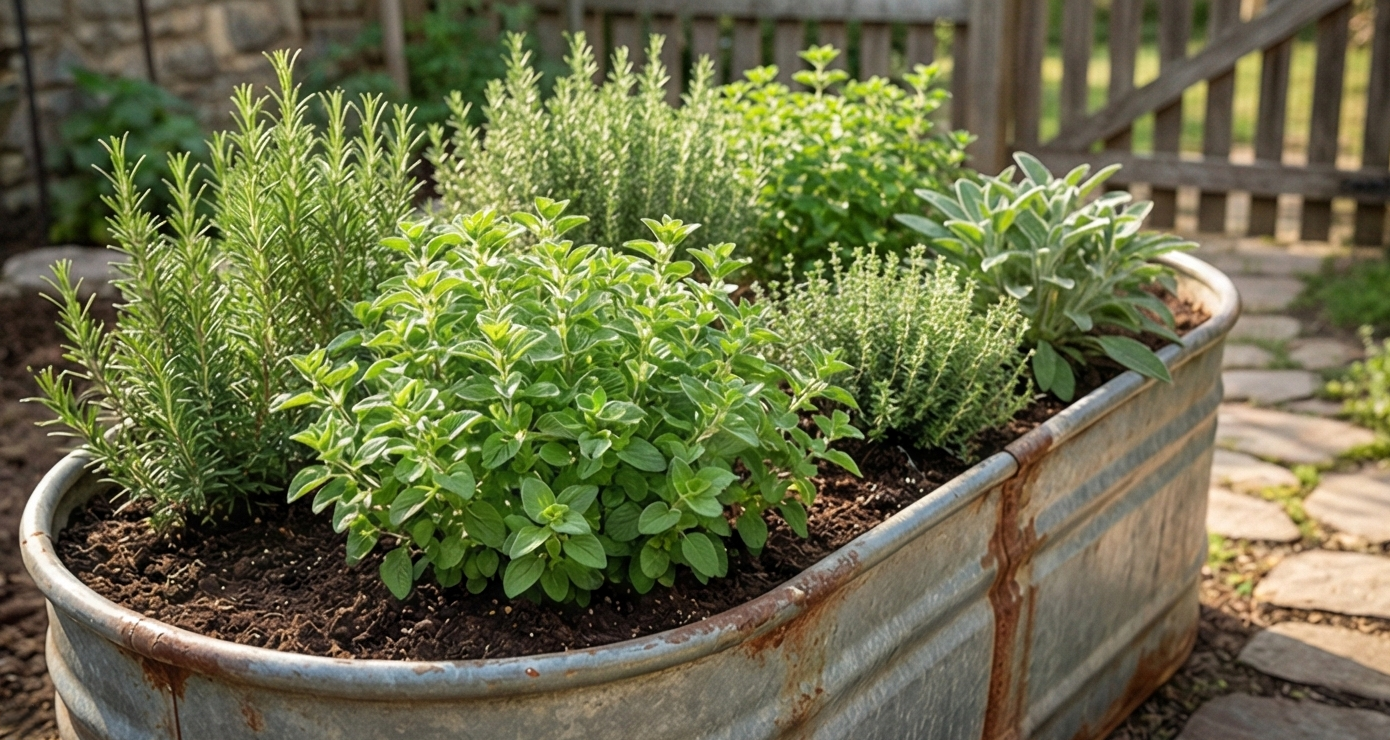
Oregano makes an excellent companion for other Mediterranean herbs like thyme, rosemary, sage, and lavender. All share similar water and soil requirements. Oregano also grows well near tomatoes, peppers, and other vegetables in the nightshade family. Its aromatic oils may help repel some pest insects, though research on this is mixed. Avoid planting oregano near moisture-loving herbs like basil, cilantro, and mint, which need more water than oregano prefers.
Free Herb-Growing Resources
Companion Planting Guide: Discover which plants grow well together, including Mediterranean herbs like oregano, thyme, and rosemary.
Water-Wise Gardening Guide: Learn strategies for thriving gardens with minimal irrigation, perfect for drought-tolerant herbs.
Seasonal Planting Calendar: Plan your herb garden with month-by-month planting guidance for Santa Cruz County.
Know Your Microclimate Worksheet: Identify your garden's unique conditions to choose the best herbs and planting locations.
Start Growing Oregano Today
Oregano is one of the most rewarding herbs you can grow in Santa Cruz County. It asks for little (sunshine, drainage, benign neglect) and gives so much in return (year-round harvests, intense flavor, pollinator-friendly flowers). First herb or established collection, oregano deserves a spot.
Start with a single Greek oregano plant from a local nursery. Plant it in a sunny spot, resist the urge to overwater, and within weeks you'll be harvesting aromatic leaves that make your cooking taste like it came from a Mediterranean kitchen. That grocery store jar of dried oregano will never be quite the same once you've experienced the real thing, fresh from your Santa Cruz garden.
Related Articles
Herb Growing Guides
Growing Herbs in Santa Cruz County - Complete guide to growing culinary herbs
Growing Basil in Santa Cruz - Tips for our most popular summer herb
Growing Rosemary in Santa Cruz - The easiest Mediterranean herb
Growing Lavender in Santa Cruz - Fragrant, drought-tolerant beauty
Growing Mint in Santa Cruz - Vigorous grower for mojitos and more
Growing Thyme in Santa Cruz - Versatile culinary and cocktail herb
Growing Sage in Santa Cruz - Savory herb for cooking and cocktails
Growing Parsley in Santa Cruz - The underrated two-year herb
Growing Cilantro in Santa Cruz - Cool-season favorite
Growing Dill in Santa Cruz - Quick-growing annual herb
Growing Chives in Santa Cruz - Easy perennial onion flavor
Herb Care & Preservation
Preventing Basil from Bolting - Keep basil productive all season
Preserving Fresh Herbs - Drying, freezing, and infusing methods
Special Topics
Growing Herbs for Cocktails - From garden to glass
Fire-Wise Herb Gardens - Low-growing, high-moisture plants for defensible space
