

Growing Thyme in Santa Cruz: Varieties, Care, and Culinary Uses
A few of the product links in this guide are affiliate links. If you buy through one, Ambitious Harvest may earn a small commission at no extra cost to you, which helps keep these guides free. We only point to gear we would use in our own Santa Cruz garden. As an Amazon Associate, we earn from qualifying purchases. Read our full disclosure.
Few herbs offer as much versatility as thyme. This tiny-leaved Mediterranean native works equally well tucked between stepping stones, cascading over raised bed edges, or growing in a kitchen windowsill pot. Its flavor ranges from classic savory notes to hints of lemon, orange, or caraway depending on variety. And for Santa Cruz County gardeners, thyme offers something even better: it practically grows itself.
Like its Mediterranean cousins oregano and rosemary, thyme evolved in conditions remarkably similar to our local climate. Hot, dry summers and cool, wet winters are exactly what thyme expects. Our well-draining soils, mild temperatures, and extended dry season create an environment where thyme thrives with minimal intervention. While fussier herbs demand constant attention, thyme rewards you for leaving it alone.
Thyme can be a culinary workhorse, a fragrant groundcover, or an easy-care pollinator plant. This guide will help you choose the right thyme varieties and grow them successfully in any Santa Cruz County microclimate.
Why Does Thyme Thrive in Santa Cruz County?
Understanding thyme's origins helps explain why it performs so well here. Wild thyme species blanket the rocky hillsides of Greece, Italy, Spain, and southern France. These landscapes share key characteristics with Santa Cruz County: Mediterranean climate patterns, mineral-rich but not particularly fertile soils, and months of summer drought followed by winter rains.
Our dry summers intensify thyme's flavor. The essential oils that give thyme its distinctive taste concentrate when plants experience drought stress. Gardeners who water thyme like other herbs often end up with lush plants that taste like nothing. Our natural summer drought does the work for you, producing intensely aromatic leaves without any effort on your part. Research from the UC Agriculture and Natural Resources program confirms that Mediterranean herbs develop stronger essential oil profiles under mild drought conditions typical of California's Central Coast.
Mild winters allow year-round growth. Most thyme varieties are hardy to around 10 degrees F, well below our typical winter lows. While thyme slows down in the coldest months, it never fully goes dormant in Santa Cruz County. You can harvest fresh thyme on Christmas Day just as easily as on the Fourth of July.
Poor soil is actually an advantage. Thyme's shallow root system evolved to extract nutrients from rocky, mineral soils. Rich garden soil or heavy feeding produces weak, floppy growth prone to disease. If you've been told your soil needs improvement, thyme disagrees. Plant it where other herbs struggle.
Fog and coastal conditions work fine. Unlike some Mediterranean herbs that suffer in fog, thyme tolerates our coastal moisture reasonably well as long as drainage is excellent. The key is preventing water from sitting around stems and roots. Coastal gardeners in Aptos and Capitola can grow beautiful thyme with attention to drainage and air circulation.
How Should You Choose Thyme Varieties for Santa Cruz Gardens?
The world of thyme extends far beyond the generic bundles at the grocery store. With over 300 species and countless cultivars, you can spend years exploring different varieties. Here are the most useful and reliable options for Santa Cruz County.
Culinary Thymes
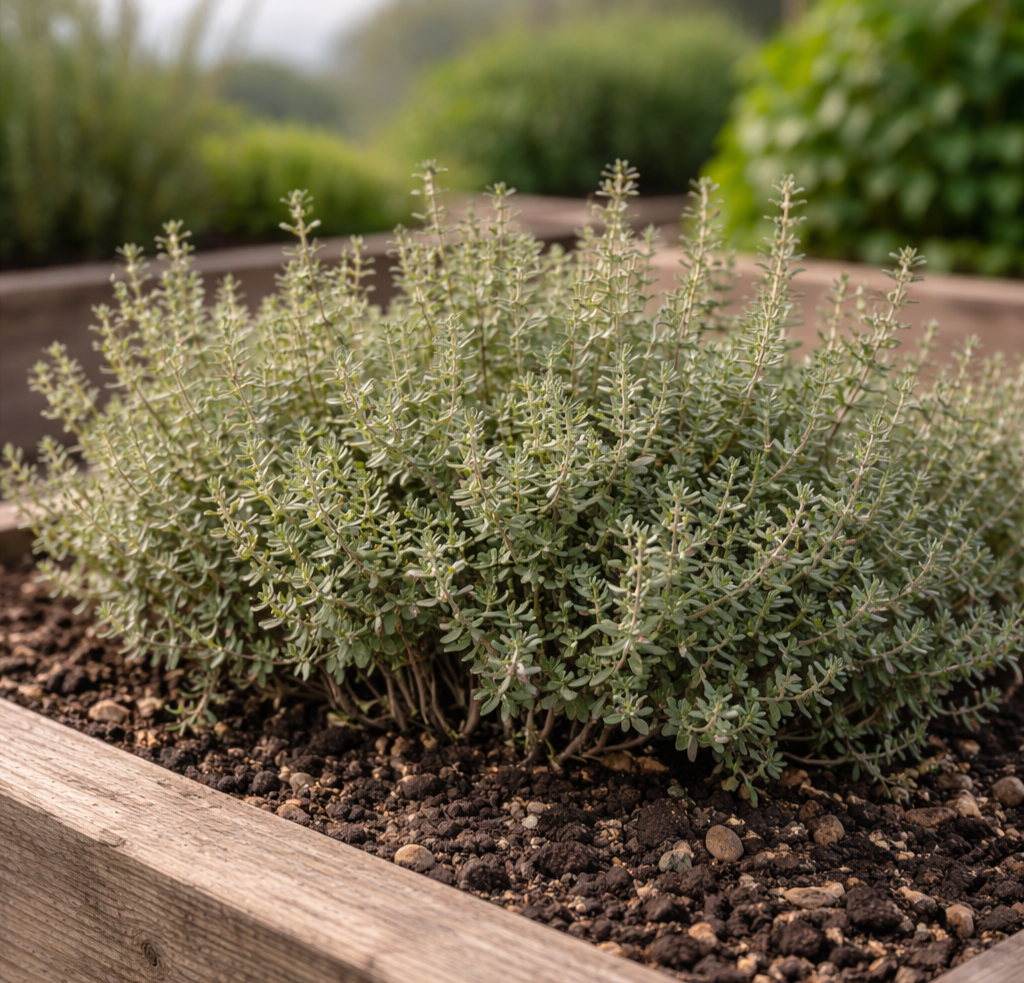
English thyme (Thymus vulgaris) is the classic cooking variety and should be in every herb garden. Its robust, earthy flavor holds up to long cooking, making it essential for stocks, braises, stews, and roasted meats. English thyme forms a tidy mound about 12 inches tall and wide, with small gray-green leaves and pale purple flowers in late spring. This is your go-to thyme for French and Mediterranean cooking.
French thyme is a selection of English thyme with slightly narrower leaves and a more refined flavor. Some cooks prefer its subtler taste for delicate dishes. In the garden, it's virtually identical to English thyme. Either works beautifully in Santa Cruz gardens.
Lemon thyme (Thymus citriodorus) adds bright citrus notes to fish, chicken, vegetables, and desserts. The lemon scent is immediately apparent when you brush against the leaves. Lemon thyme is slightly less drought-tolerant than English thyme, so coastal gardeners may have better luck than those in the driest inland areas. Several variegated forms exist, including 'Golden Lemon' (yellow-edged leaves) and 'Silver Queen' (cream-edged leaves), which are as ornamental as they are useful.
Orange thyme offers subtle citrus flavor with hints of orange rather than lemon. It's wonderful with poultry and in herbal teas. Less common than lemon thyme, but worth seeking out if you enjoy experimenting with herb flavors.
Caraway thyme (Thymus herba-barona) has an unexpected caraway-like flavor that works well with root vegetables, pork, and rye bread. This low-growing species forms a dense mat and tolerates light foot traffic. It's native to Corsica and Sardinia, so it's well-adapted to Mediterranean conditions.
Ornamental and Groundcover Thymes
Creeping thyme (Thymus praecox and related species) stays low (2-4 inches tall) and spreads to form a dense, fragrant carpet. It's perfect between stepping stones, at raised bed edges, or anywhere you want a tough groundcover. Creeping thyme tolerates light foot traffic and releases fragrance when stepped on. 'Coccineus' (red creeping thyme) produces stunning magenta flowers. 'Elfin' stays especially compact. While edible, creeping thymes have less flavor than upright culinary varieties.
Woolly thyme (Thymus pseudolanuginosus) forms a soft, fuzzy gray carpet that looks like a miniature sheepskin rug. It's purely ornamental (virtually no flavor) but makes a beautiful, drought-tolerant groundcover. Woolly thyme is especially useful in hot, dry spots where other groundcovers struggle.
Mother-of-thyme (Thymus serpyllum) is a European native that naturalizes easily. It spreads by runners and self-seeds freely, eventually forming large colonies. The purple flowers attract tremendous numbers of bees. Consider carefully before planting, as it can become invasive in ideal conditions. For wild or naturalized areas, this aggressive growth is an asset. For tidy gardens, you may prefer better-behaved varieties.
Specialty Thymes Worth Trying
Lavender thyme combines thyme's savory notes with hints of lavender. It's lovely in herb blends and teas but too floral for some culinary applications. The pale purple flowers are beautiful.
Oregano thyme splits the difference between thyme and oregano flavors. Use it when you want elements of both herbs, or when you can't decide which to reach for.
Pennsylvania Dutch tea thyme was selected specifically for brewing herbal tea. It has a milder, sweeter flavor than English thyme and makes a soothing cup.
For most Santa Cruz County gardeners, English thyme plus one or two specialty varieties provides plenty of range. Add a creeping variety for ornamental groundcover, and you've covered all the bases.
When and How Should You Plant Thyme in Santa Cruz County?
Thyme establishes easily from nursery transplants. Seeds are possible but slow, taking months to reach harvestable size. Unless you're growing unusual varieties unavailable as plants, start with transplants for faster results.
When to Plant
Fall (September through November) is ideal for planting thyme in Santa Cruz County. Cool temperatures reduce transplant stress, and winter rains establish root systems without supplemental watering. Fall-planted thyme hits the ground running in spring. The UC Master Gardeners of Sonoma County recommend fall planting for most Mediterranean herbs, including thyme, to take advantage of our natural rainfall patterns.
Spring (March through May) also works well. Plants have the growing season ahead of them to establish before summer drought. Water regularly until plants show new growth, then reduce irrigation.
Avoid planting in summer unless you're prepared to water frequently until plants establish. Summer heat and drought stress newly planted thyme, even though established plants thrive in these conditions.
Site Selection
Full sun is essential. Thyme needs at least 6 hours of direct sunlight daily, and more is better. In too much shade, plants become leggy, sparse, and prone to fungal diseases. The sunniest spot in your garden is the right spot for thyme.
Drainage matters more than soil quality. Thyme tolerates poor, rocky, sandy soil far better than heavy, wet clay. If water pools in your intended planting area after rain, either improve drainage (raised beds, added gravel) or choose a different location. Soggy roots kill thyme faster than anything else.
Slightly alkaline soil is ideal but not required. Thyme prefers pH 6.5-8.0. Most Santa Cruz County soils fall within this range. If you garden under redwoods with acidic soil, add garden lime according to package directions, or grow thyme in containers with standard potting mix.
Raised beds work exceptionally well for thyme in Santa Cruz County. The improved drainage prevents winter rot, and the elevated position puts thyme's fragrance at nose level. Even a simple 6-inch raised bed makes a difference.
How to Plant
Space thyme plants 12-18 inches apart for upright culinary varieties, allowing room for mature growth. Creeping varieties can be planted closer (6-12 inches) since they'll knit together into a continuous groundcover.
Dig a hole slightly larger than the root ball. Don't add compost or fertilizer to the planting hole. Set the plant at the same depth it was growing in the nursery pot (planting too deep encourages stem rot). Water well at planting, then hold back on irrigation unless conditions are very dry.
For container planting, use a pot at least 6-8 inches in diameter with excellent drainage holes. Terra cotta pots work well because they allow soil to dry between waterings. Use standard potting mix without added fertilizer. Group thyme with other Mediterranean herbs like oregano and rosemary that share similar water needs.
How Should You Care for Thyme Through the Seasons?
Established thyme asks very little of gardeners. Here's a season-by-season guide to keeping your plants healthy and productive.
Watering
Less is more. Thyme's Mediterranean origins mean it evolved to survive (and thrive) with minimal water. Overwatering is the most common cause of thyme failure in Santa Cruz County gardens.
For established in-ground plants, summer irrigation is rarely necessary. The plants may look a bit wilted on hot afternoons but recover overnight. This mild stress concentrates essential oils and intensifies flavor. Only water if plants show sustained wilting that doesn't recover by morning, or during exceptional heat waves.
Winter rains provide all the moisture thyme needs from November through April. If you're tempted to water during dry spells in winter, resist. Wet soil plus cool temperatures equals root rot.
Container-grown thyme needs more attention since pots dry out faster than garden soil. Water when the top inch of soil is dry, typically every 5-7 days in summer and every 2-3 weeks in winter. When you water, soak thoroughly until water runs from drainage holes, then don't water again until the soil dries.
Coastal gardeners should be especially cautious about watering. Summer fog provides significant moisture, and additional irrigation can tip plants into rot territory.
Feeding
Skip the fertilizer. Thyme grown in rich soil or fed regularly produces weak, floppy growth with diminished flavor. The essential oils concentrate when plants experience mild nutrient stress.
If your thyme looks genuinely unhealthy (yellow leaves, stunted growth), a light application of balanced organic fertilizer in early spring may help. But nine times out of ten, problems stem from overwatering or poor drainage, not nutrient deficiency.
Pruning
Regular pruning keeps thyme compact, prevents woody buildup, and extends the plant's productive life. Plan to prune at least twice a year.
After flowering (late spring to early summer), cut plants back by about one-third. This removes spent flowers and encourages fresh growth for summer harvests. Don't cut into old, woody stems, as thyme doesn't regenerate well from old wood. Cut just above points where you see green growth.
In early spring, before new growth begins, remove any dead or damaged stems from winter. Shape plants as desired. This is also a good time to divide overgrown clumps (more on propagation below).
Throughout the growing season, regular harvesting serves as ongoing pruning. Every time you snip stems for cooking, you're encouraging the plant to branch and produce more growth.
Winter Care
Thyme needs no special winter protection in Santa Cruz County. Plants may slow down during the coldest months but continue growing. Avoid the temptation to mulch heavily around thyme; moisture-retaining mulch can cause stem rot during wet winters. A thin layer of gravel mulch is fine and helps drainage.
In the San Lorenzo Valley and other frost-prone areas, thyme still survives winter without protection. Hard freezes may cause some dieback at stem tips, but plants recover quickly in spring. If you're concerned about an especially tender variety, a light cover of floating row cover during cold snaps provides insurance.
Pest and Disease Issues
Thyme's aromatic oils repel most insects, making pest problems rare. The main threats are cultural rather than biological.
Root rot from overwatering kills more thyme than any disease. Symptoms include sudden wilting, brown or black roots, and a general look of collapse. Prevention is the only cure: ensure excellent drainage and don't overwater. Remove affected plants to prevent spread.
Fungal diseases occasionally appear during wet weather, especially on plants with poor air circulation. Powdery mildew shows as white patches on leaves. Gray mold (botrytis) causes fuzzy gray growth on stems and leaves. Improve air circulation by spacing plants adequately and avoiding overhead watering. Remove and destroy affected plant parts. The UC Master Gardeners of Sonoma County note that established thyme needs very little water, because over-watering causes fungal disease and rot.
Spider mites may attack thyme during hot, dry periods. Look for stippled, yellowing leaves and fine webbing. A strong spray of water from the hose usually controls them. For severe infestations, insecticidal soap is effective.
When and How Should You Harvest Thyme?
Knowing when and how to harvest thyme ensures the best flavor for your cooking.
Timing
Morning is best for harvesting thyme. Essential oil concentration peaks after dew dries but before midday heat. The oils become most concentrated just before flowering, so this is the ideal time for major harvests. However, thyme remains flavorful enough for casual use anytime.
Harvest before flowers open for maximum culinary quality. Once thyme blooms, leaves become smaller and less flavorful as the plant directs energy toward reproduction. That said, the flowers are edible and make pretty garnishes. If you want both leaves and flowers, grow multiple plants and manage them differently.
Year-round harvesting is possible in Santa Cruz County. Thyme never goes fully dormant here, so you can snip fresh sprigs even in winter. Flavor is strongest in spring and early summer but remains perfectly acceptable year-round.
Technique
Cut stems rather than picking leaves. Use sharp scissors or pruners to snip 3-4 inch stem tips. Cutting above a leaf node encourages branching, producing bushier plants with more future harvest potential.
Never remove more than one-third of the plant at once. This rule applies to all woody herbs. Taking too much at once stresses the plant and slows recovery. For large harvests (before flowering, for drying), spread your cutting across multiple plants.
Strip leaves from stems after cutting for cooking use. Thyme stems are woody and unpleasant to eat. The quickest stripping method: hold the tip of a stem and run your fingers down against the direction of growth. Leaves pop off easily.
How Can You Preserve Your Thyme Harvest?
One thyme plant produces far more than most cooks can use fresh. Here's how to preserve your bounty.
Drying
Thyme dries beautifully and retains excellent flavor. Our dry summer conditions make air drying easy.
To air dry, bundle 4-6 stems together and hang upside down in a warm, dry spot out of direct sunlight. A garage, covered porch, or garden shed works well. Thyme dries in 1-2 weeks. When stems snap rather than bend, and leaves crumble easily, it's ready.
Dehydrator drying produces faster, more consistent results. Set temperature to 95-105 degrees F and dry for 4-8 hours, checking periodically. Low temperatures preserve the most flavor.
Once dried, strip leaves from stems and store in airtight containers away from light and heat. Properly stored dried thyme retains good flavor for about a year.
Freezing
Freezing preserves thyme's fresh flavor better than drying, though texture suffers. Two methods work well.
Flash freezing: Spread clean, dry thyme sprigs on a baking sheet and freeze until solid. Transfer to freezer bags. Use frozen sprigs directly in cooking without thawing.
Herb cubes: Strip leaves from stems and pack into ice cube trays. Cover with water or olive oil and freeze. Pop out cubes and store in freezer bags. Drop whole cubes into soups, stews, and sauces.
Infusions
Thyme-infused oils and vinegars add herb flavor to cooking year-round. Pack fresh thyme into clean jars, cover with olive oil or white wine vinegar, and let steep in the refrigerator for 1-2 weeks. Strain and store. Use thyme oil for sauteing and dressings; use thyme vinegar in marinades and vinaigrettes.
Safety note for herb oils: Homemade herb-infused oils must be kept refrigerated and used within 2-3 weeks. The moist environment of fresh herbs in oil can support botulism bacteria at room temperature. For shelf-stable herb oils, use commercially dried herbs or follow tested canning protocols. The UC Davis Food Safety program provides detailed guidance on safe herb oil preparation.
How Do You Propagate Thyme?
Once you have established thyme plants, you can easily make more through division, cuttings, or layering.
Division
Thyme clumps naturally spread over time and can be divided every 3-4 years to maintain vigor. In early spring, dig up an established clump and pull or cut it into sections, each with roots and top growth. Replant divisions immediately and water well. This method produces mature, blooming plants fastest.
Stem Cuttings
Take 4-6 inch cuttings from healthy stems in late spring or early summer. Strip leaves from the bottom half and insert into moist potting mix or a glass of water. Roots develop in 3-4 weeks. Cuttings root more reliably than seeds and produce plants identical to the parent.
Layering
Creeping thymes and low-growing varieties often layer themselves naturally, rooting where stems touch soil. To encourage layering, pin a low stem to the ground with a rock or landscape staple, leaving the tip exposed. Roots develop at the pinned section over several weeks. Once rooted, cut the new plant from the parent and transplant.
How Do You Grow Thyme in Different Santa Cruz Microclimates?
Thyme adapts well throughout Santa Cruz County with minor adjustments for local conditions.
Coastal gardens (Aptos, Capitola, Santa Cruz, Live Oak): Summer fog keeps temperatures moderate, which thyme tolerates well. The main challenge is ensuring adequate drainage during wet winters and foggy summers. Raised beds help. Choose well-draining soil mixes and avoid low spots where water collects. Creeping thymes may spread more slowly here than in sunnier inland areas.
San Lorenzo Valley (Boulder Creek, Ben Lomond): Sunny exposures and well-draining slopes provide excellent thyme habitat. Your warmer, drier conditions intensify flavor. Frost is more common here than at the coast, but established thyme handles it without protection. New transplants benefit from light frost cover their first winter.
Under the redwoods (Felton, Ben Lomond canyons): Shade is your biggest challenge. Thyme really does need full sun, and deep shade under redwoods won't work. Look for sunny openings, south-facing edges, or grow thyme in containers on a sunny deck or patio. Acidic soil may need lime amendment.
Inland valleys (Scotts Valley, Soquel hills): You have ideal thyme-growing conditions. Moderate temperatures, decent drainage, and good sun exposure all work in your favor. Follow standard care practices and enjoy abundant harvests.
Pajaro Valley (Watsonville): Your warm, sunny conditions produce vigorous thyme growth. The main consideration is rich agricultural soil, which can cause thyme to grow soft and leggy. Amend with sand or gravel to improve drainage and reduce fertility, or grow in raised beds with leaner soil.
Where Can You Buy Thyme in Santa Cruz County?
Santa Cruz County nurseries offer good thyme selections, especially in spring.
San Lorenzo Garden Center (235 River Street, Santa Cruz) carries herb starts including various thyme varieties. Their selection varies seasonally, so spring offers the best choices.
Dig Gardens (420 Water Street, Santa Cruz, and 7765 Soquel Drive, Aptos) stocks herbs including culinary thymes and sometimes ornamental varieties. Their plants are well-grown and ready to thrive.
Mountain Feed & Farm Supply (9550 Highway 9, Ben Lomond) serves San Lorenzo Valley gardeners with herb starts in spring and summer. They often carry English thyme and lemon thyme.
Sierra Azul Nursery (2660 E. Lake Avenue, Watsonville) specializes in California natives but also carries Mediterranean herbs suited to similar conditions. Worth checking for thyme varieties.
Scarborough Gardens (33 El Pueblo Road, Scotts Valley) carries herbs including thyme. Good selection and knowledgeable staff.
For unusual thyme varieties, online nurseries expand your options. Mountain Valley Growers (mountainvalleygrowers.com) specializes in herbs and offers dozens of thyme varieties shipped as healthy plants.
Frequently Asked Questions About Growing Thyme in Santa Cruz
How often should I water thyme in Santa Cruz?
Established in-ground thyme rarely needs supplemental water, even during our dry summers. The plant evolved for Mediterranean drought and actually tastes better with some water stress. Container thyme needs water every 5-7 days in summer when the top inch of soil is dry. Overwatering causes root rot, which is the most common cause of thyme failure locally.
Can thyme survive our coastal fog?
Yes, thyme tolerates coastal fog well as long as drainage is excellent. The moisture from fog won't hurt plants, but wet roots from poor drainage will. Raise beds, add gravel to heavy soil, or grow in containers if your coastal garden has drainage issues. Good air circulation also helps prevent fungal problems during foggy stretches.
Why is my thyme turning brown and dying?
The most likely cause is root rot from overwatering or poor drainage. Check the roots: healthy roots are white and firm, while rotted roots are brown, black, or mushy. Unfortunately, once rot sets in, there's no saving the plant. Remove it, improve drainage in that spot, and start fresh with a new plant. Other possibilities include extreme cold damage (rare in Santa Cruz County) or spider mites (look for webbing and stippled leaves).
Should I cut back thyme after it flowers?
Yes, pruning after flowering encourages fresh growth and prevents plants from becoming woody. Cut back by about one-third, being careful not to cut into old wood below green growth. Thyme doesn't regenerate well from bare brown stems. This post-bloom pruning also tidies plants and promotes bushier growth for fall and winter harvests.
Can I grow thyme from cuttings?
Absolutely. Thyme roots easily from stem cuttings taken in late spring or early summer. Cut 4-6 inch stem tips, strip the lower leaves, and place in moist potting mix or a glass of water. Roots develop in 3-4 weeks. This is an easy way to propagate favorite varieties or replace aging plants without buying new ones.
What's the difference between English thyme and French thyme?
Both are varieties of Thymus vulgaris and can be used interchangeably in cooking. French thyme has slightly narrower leaves and a more delicate flavor that some cooks prefer for lighter dishes. English thyme has broader leaves and a more robust flavor that holds up well to long cooking. In the garden, care requirements are identical. Either performs well in Santa Cruz County.
Is thyme safe to plant near my vegetable garden?
Yes, thyme makes an excellent vegetable garden companion. Its flowers attract beneficial insects including pollinators and predatory wasps that help control pest populations. Thyme grows well near tomatoes, peppers, eggplant, and brassicas. Avoid planting thyme too close to moisture-loving vegetables, as their watering needs conflict. Edge plantings or separate herb beds work best. For more details on pairing herbs with vegetables, see our companion planting guide.
How long do thyme plants live?
With proper care, thyme plants can live for many years in Santa Cruz County's mild climate. However, plants often become woody and less productive after 4-5 years. At that point, take cuttings or divisions to start new plants and remove the old ones. Regular pruning extends productive life by preventing excessive woodiness.
Free Herb-Growing Resources
Companion Planting Guide - Learn which plants grow well together, including Mediterranean herbs and their vegetable garden companions.
Water-Wise Gardening Guide - Discover strategies for beautiful, productive gardens with minimal irrigation, perfect for drought-tolerant herbs like thyme.
Seasonal Planting Calendar - Plan your herb garden with month-by-month planting guidance tailored to Santa Cruz County.
Know Your Microclimate Worksheet - Identify your garden's unique conditions to choose the best locations for thyme and other herbs.
Bring Thyme Into Your Garden
Thyme deserves a place in every Santa Cruz County garden. It asks for so little (sun, drainage, neglect) while offering so much in return (year-round fresh herbs, fragrant groundcover, pollinator support, and culinary versatility). Thyme delivers in classic French cooking, in herb blends, and in the fragrance you catch brushing past it on a garden path.
Start with a classic English thyme and a lemon thyme for the kitchen, then add a creeping variety to fill spaces between stepping stones or soften raised bed edges. Within a season, you'll wonder how you ever cooked without fresh thyme at hand. Those plastic containers of sad, dried herbs at the grocery store will become a distant memory.
Your Santa Cruz garden is already designed for Mediterranean herbs. Thyme is just waiting for you to invite it in. For more herb-growing guidance, explore our complete guide to growing herbs in Santa Cruz County.
Related Articles
Herb Growing Guides
Growing Herbs in Santa Cruz County - Complete guide to growing culinary herbs
Growing Basil in Santa Cruz - Tips for our most popular summer herb
Growing Rosemary in Santa Cruz - The easiest Mediterranean herb
Growing Lavender in Santa Cruz - Fragrant, drought-tolerant beauty
Growing Mint in Santa Cruz - Vigorous grower for mojitos and more
Growing Thyme in Santa Cruz - Versatile culinary and cocktail herb
Growing Oregano in Santa Cruz - Mediterranean kitchen essential
Growing Sage in Santa Cruz - Savory herb for cooking and cocktails
Growing Parsley in Santa Cruz - The underrated two-year herb
Growing Cilantro in Santa Cruz - Cool-season favorite
Growing Dill in Santa Cruz - Quick-growing annual herb
Growing Chives in Santa Cruz - Easy perennial onion flavor
Herb Care & Preservation
Preventing Basil from Bolting - Keep basil productive all season
Preserving Fresh Herbs - Drying, freezing, and infusing methods
Special Topics
Growing Herbs for Cocktails - From garden to glass
Fire-Wise Herb Gardens - Low-growing, high-moisture plants for defensible space
Companion Planting Guide - Maximize your garden's potential with smart plant pairings
