

Organic Pest Control in Santa Cruz County: What Works

A few of the product links in this guide are affiliate links. If you buy through one, Ambitious Harvest may earn a small commission at no extra cost to you, which helps keep these guides free. We only point to gear we would use in our own Santa Cruz garden. As an Amazon Associate, we earn from qualifying purchases. Read our full disclosure.
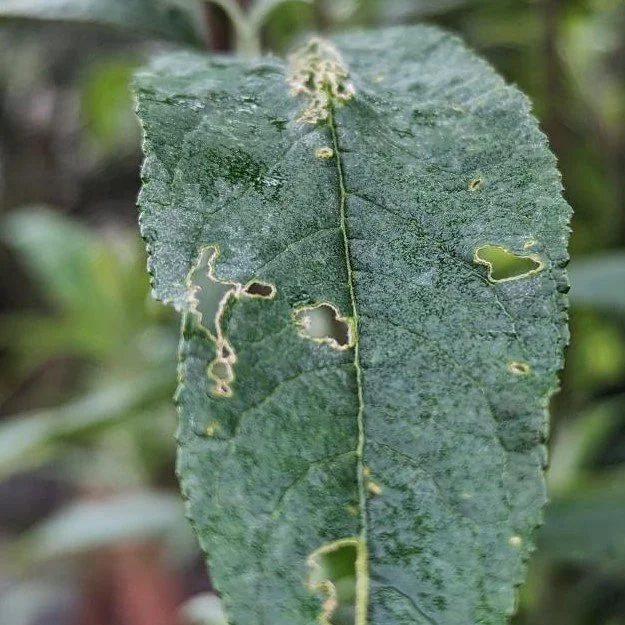
Every Santa Cruz County gardener faces pests. Aphids colonize your kale, gophers pull tomatoes underground, deer browse your beans, and slugs turn lettuce into lace. The question isn't whether you'll have pest problems; it's how you'll manage them without harming the beneficial insects, soil life, and wildlife that make your garden thrive.
This guide covers organic pest control strategies that actually work in our local conditions, based on research from UC Integrated Pest Management and the experience of Santa Cruz County gardeners. You'll learn to identify our most common pests, understand which organic controls are effective (and which are a waste of money), and build a garden ecosystem that naturally resists pest outbreaks.
What Is the Philosophy Behind Organic Pest Control?
Organic pest control isn't about eliminating all insects from your garden. That's neither possible nor desirable. According to UC IPM, the vast majority of insects in any garden are either beneficial or neutral. Only a small percentage cause significant crop damage.
The goal is creating conditions where pest populations stay at manageable levels while beneficial insects, birds, and other predators do much of the control work for you. This approach, called Integrated Pest Management (IPM), combines prevention, observation, physical barriers, biological controls, and targeted organic treatments when necessary.
Core principles of organic pest management:
Prevention first. Healthy plants in healthy soil resist pests better than stressed plants. Choose varieties suited to your microclimate, build soil with compost, and water consistently.
Observation always. Walk your garden regularly and catch problems early. A few aphids are easy to manage; a full infestation is not.
Tolerance when possible. Some pest damage is acceptable. A few holes in leaves don't affect yields. Cosmetic damage isn't worth treating.
Targeted intervention when needed. When you must act, use the least toxic effective method. Start with physical controls, then biological, then organic sprays as a last resort.
What Are Santa Cruz County's Most Troublesome Garden Pests?
Our Mediterranean climate, year-round growing season, and diverse ecosystems create specific pest challenges. Here are the pests that cause the most problems for local gardeners, with proven organic control strategies for each.
Gophers
Gophers are the single most destructive pest for Santa Cruz County vegetable gardeners. These underground rodents can devastate an entire garden overnight, pulling plants down into their tunnels.
Identification: Fan-shaped dirt mounds; plants suddenly wilting or disappearing; tunnels plugged with soil (unlike moles, which leave raised surface tunnels).
What actually works:
Physical barriers (the only guaranteed protection): Line raised beds with 1/2-inch hardware cloth on bottom and sides. Use gopher baskets for individual plants, especially fruit trees and perennials.
Trapping: Cinch traps, Macabee traps, or GopherHawk traps are effective when properly placed. Set traps in pairs facing opposite directions in the main tunnel.
Predator encouragement: Install barn owl boxes (one owl family can eat 1,000+ gophers per year). Welcome gopher snakes; they hunt gophers in their tunnels.
What doesn't work: UC IPM research confirms that ultrasonic devices, vibrating stakes, castor oil granules, "gopher spurge" plants, flooding tunnels, and chewing gum are all ineffective. Save your money.
See: Our comprehensive Gopher Control Guide for detailed trapping instructions.
Aphids
Aphids are soft-bodied insects that cluster on new growth, sucking plant juices and excreting sticky "honeydew." They're present year-round in Santa Cruz County but peak in spring and fall.
Identification: Tiny (1/8 inch) pear-shaped insects in clusters, usually green, black, or gray. Look for curled or distorted new growth, sticky residue, and sometimes black sooty mold growing on the honeydew.
What actually works:
Strong water spray: UC IPM recommends this as the first line of defense. A hard spray from the hose dislodges aphids; most can't climb back up. Repeat every few days.
Beneficial insects: Ladybugs, lacewings, and syrphid flies all prey on aphids. Attract them with flowering plants (see below).
Insecticidal soap: Effective contact killer for severe infestations. Must directly contact aphids to work. Use a labeled product and follow its dilution, application interval, weather, and plant-sensitivity precautions. Rain or irrigation alone does not authorize another application.
Neem oil: Disrupts feeding and reproduction. Neem oil, clarified hydrophobic extract of neem oil, and azadirachtin differ. Use the exact formulation labeled for the crop and pest and follow its pollinator, weather, and application directions. Evening application does not cancel precautions.
What doesn't work: Broad-spectrum insecticides kill the beneficial insects that control aphids naturally, often making problems worse in the long run.
Slugs and Snails
Our coastal humidity and mild temperatures create ideal slug and snail habitat. They feed at night, leaving characteristic slime trails and ragged holes in leaves.
Identification: Slime trails on plants and soil; irregular holes in leaves (especially low-growing plants); actual slugs/snails visible at night or early morning.
What actually works:
Hand-picking: Most effective when done at night with a flashlight. Drop into soapy water.
Iron phosphate baits: Products like Sluggo can be effective, but bait is not risk-free. Prevent children, pets, and wildlife from eating it and scatter only as the exact product label directs.
Beer traps: Shallow containers of beer attract and drown slugs. Empty and refill regularly.
Barriers: Copper tape around raised beds provides some deterrence (slugs dislike the electrical charge). Diatomaceous earth works when dry but loses effectiveness when wet.
Habitat reduction: Remove boards, pots, and debris where slugs hide during the day. Water in morning so soil surface dries by evening.
Santa Cruz note: Coastal areas have higher slug pressure than inland valleys due to humidity. Expect ongoing management rather than elimination.
Deer
Identification: Ragged, torn edges on leaves (deer lack upper front teeth and tear rather than cut); browse damage typically 2-6 feet high; tracks and droppings nearby.
What actually works:
Fencing: The only reliable solution. UC IPM recommends 8-foot fencing for complete exclusion. Shorter fencing (6 feet) with an outward angle can work for smaller areas.
Netting: Individual bed covers or row covers can protect specific crops.
Deer-resistant plants: No plant is truly deer-proof when they're hungry, but some are less preferred. Focus edibles inside protected areas.
What doesn't work reliably: Repellent sprays, soap bars, human hair, predator urine, and motion-activated devices may work temporarily but deer habituate quickly. Fencing is the only long-term solution.
Squash Bugs
These shield-shaped insects suck plant juices from squash, pumpkins, and cucumbers, weakening plants and potentially transmitting diseases.
Identification: Adults are gray-brown, about 5/8 inch long. Nymphs are smaller with green-gray bodies. Look for bronze-colored egg clusters on leaf undersides. Wilting leaves despite adequate water is a key sign.
What actually works:
Egg removal: Check leaf undersides regularly and scrape off bronze egg clusters before they hatch.
Hand-picking: Most effective in morning when bugs are sluggish. Drop into soapy water.
Trap boards: Lay boards near plants overnight; squash bugs congregate underneath and can be collected in morning.
Crop rotation: Don't plant cucurbits in the same location year after year.
Fall cleanup: Remove all plant debris where adults overwinter.
Santa Cruz note: Squash bugs are less severe in coastal areas than inland valleys. Hot summers increase populations.
Cucumber Beetles
Yellow and black striped or spotted beetles that chew leaves and flowers and transmit bacterial wilt to cucumbers, melons, and squash.
Identification: Small (1/4 inch) beetles with yellow and black stripes or spots. Chewed holes in leaves and flowers; wilting vines (bacterial wilt transmitted by beetles).
What actually works:
Row covers: Cover plants with lightweight fabric until flowering begins. Remove for pollination.
Kaolin clay: Products like Surround create a particle barrier that deters beetles.
Hand-picking: Effective for small populations. Drop into soapy water.
Trap crops: Plant Blue Hubbard squash as a trap crop; beetles prefer it over other cucurbits.
Crop rotation: Break disease cycles by not planting cucurbits in the same location.
Tomato Hornworms
Large green caterpillars that can defoliate tomato plants quickly if uncontrolled.
Identification: Large (3-4 inch) green caterpillars with white diagonal stripes and a horn on the rear. Look for dark droppings on leaves and stripped stems.
What actually works:
Hand-picking: The most effective control. Check plants in morning and evening when hornworms are most active.
Braconid wasps: If you see a hornworm covered with small white cocoons, leave it alone. Those are parasitic wasp cocoons that will hatch and kill more hornworms.
Bt (Bacillus thuringiensis): Organic bacterial insecticide that kills caterpillars when they eat treated leaves. Use a Btk product labeled for the crop and caterpillar, protect non-target butterfly and moth larvae, and reapply only as the label directs.
Attract beneficial wasps: Plant dill, fennel, and other small-flowered plants to support parasitic wasps.
Caterpillars (Cabbage Loopers, Cabbageworms, etc.)
Various caterpillars attack brassicas (broccoli, cabbage, kale, cauliflower), leaving holes in leaves and contaminating heads with droppings.
Identification: Green caterpillars on brassica leaves; irregular holes; dark droppings; white butterflies hovering around plants (adult cabbage whites laying eggs).
What actually works:
Row covers: Prevent adult butterflies from laying eggs on plants. Most effective prevention.
Bt (Bacillus thuringiensis): Highly effective against caterpillars. Apply when caterpillars are small for best results.
Hand-picking: Effective for small infestations.
Encourage birds: Many bird species eat caterpillars. Provide water and habitat.
Powdery Mildew
While technically a disease rather than a pest, powdery mildew is so common on squash, cucumbers, and melons in Santa Cruz County that it deserves mention here.
Identification: White, powdery patches on leaf surfaces that spread over time.
What actually works:
Prevention: Choose resistant varieties, space plants for air circulation, water at soil level (never overhead), water in morning.
Sulfur-based fungicides: Use only an exact product labeled for the crop and disease. UC IPM warns against sulfur near or above 90 degrees Fahrenheit or within two weeks of an oil spray; follow any stricter label restrictions.
Potassium bicarbonate: Products like MilStop can slow spread.
Remove affected leaves: Can slow spread if caught early.
Santa Cruz reality: Some powdery mildew is nearly inevitable on squash family plants in our humid climate. The goal is keeping plants healthy enough to produce, not eliminating mildew entirely.
Which Beneficial Insects Help Control Garden Pests?
Beneficial insects are the backbone of organic pest control. A healthy population of predators and parasites can control many pest problems without any intervention from you. The key is creating habitat that supports them.
Ladybugs (Lady Beetles)
Both adults and larvae eat aphids, mites, and small soft-bodied insects. A single ladybug can eat 50+ aphids per day.
Attract them with: Dill, fennel, yarrow, tansy, dandelions. Avoid broad-spectrum insecticides.
Note on purchased ladybugs: Most fly away within days. Building resident populations through habitat is more effective than buying them.
Lacewings
Larvae are voracious predators of aphids, mites, thrips, and small caterpillars. Called "aphid lions" for good reason.
Attract them with: Dill, fennel, coreopsis, cosmos, sweet alyssum. Provide water sources.
Syrphid Flies (Hover Flies)
Adults look like small bees hovering near flowers. Larvae eat aphids. Also important pollinators.
Attract them with: Sweet alyssum, yarrow, fennel, dill, cosmos, coreopsis. Plant in clusters.
Parasitic Wasps
Tiny wasps (most are barely visible) that lay eggs in pest insects. The developing larvae kill the host. Essential for controlling aphids, caterpillars, whiteflies, and many other pests.
Attract them with: Small-flowered plants: dill, fennel, yarrow, Queen Anne's lace, sweet alyssum, cilantro (let it flower).
Ground Beetles
Nocturnal predators that eat slugs, snails, cutworms, and other soil-dwelling pests.
Attract them with: Permanent pathways, mulch, and ground cover that provides shelter. Avoid tilling entire garden.
Spiders
Often overlooked, spiders consume enormous numbers of pest insects. All garden spiders in our area are beneficial.
Support them by: Leaving webs intact when possible. Providing diverse plant structure. Avoiding broad-spectrum insecticides.
What Organic Pest Control Products Work and When Should You Use Them?
When prevention and beneficial insects aren't enough, these organic products can help. Always start with the least toxic option and use products only when necessary.
Physical Controls (First Choice)
Row covers: Lightweight fabric that excludes insects while allowing light and water through. Highly effective prevention for many pests. Remove for pollination of fruiting crops.
Hand-picking: Time-consuming but effective for larger pests (hornworms, squash bugs, slugs). Most effective early morning or evening.
Water spray: Strong water spray dislodges aphids, spider mites, and other soft-bodied pests. Repeat every few days.
Copper tape/barriers: Provides some slug deterrence around raised beds.
Biological Controls (Second Choice)
Bt (Bacillus thuringiensis): Bacterial insecticide that kills caterpillars when they eat treated leaves. Very effective for cabbage worms, loopers, and hornworms. Btk can also kill non-target butterfly and moth caterpillars that eat treated plants. Protect host plants and reapply only as the exact label directs.
Spinosad: Derived from soil bacteria. Effective against caterpillars, thrips, and some beetles. Spinosad is highly toxic to bees. Follow the exact formulation's pollinator restrictions; evening application and drying do not override label precautions.
Beneficial nematodes: Microscopic worms that parasitize soil-dwelling pests including grubs and some borers. Apply to moist soil in evening.
Organic Sprays (Last Resort)
According to UC IPM, even organic sprays should be used sparingly as they can harm beneficial insects.
Insecticidal soap: Kills soft-bodied insects (aphids, whiteflies, spider mites) on contact. Must directly hit the pest to work. Can injure sensitive or stressed plants. Follow the exact product dilution, application interval, weather, and plant-sensitivity directions; rain alone does not authorize redosing.
Neem oil: Disrupts feeding and reproduction of many insects. Also has some fungicidal properties. Neem oil, clarified hydrophobic extract of neem oil, and azadirachtin differ. Use the exact formulation labeled for the crop and pest and follow its pollinator, weather, and application directions. Evening application does not cancel precautions.
Pyrethrin: Derived from chrysanthemum flowers. Broad-spectrum contact killer. Use only as last resort as it kills beneficial insects too. Breaks down quickly in sunlight.
Kaolin clay (Surround): Creates a particle barrier that deters many insects. Reapply only as the exact product label directs, including after rain. Follow its harvest and produce-cleaning directions.
What to Avoid
Even some "organic" products can cause more harm than good:
Broad-spectrum insecticides (even organic ones) kill beneficial insects and can make pest problems worse long-term.
Rotenone is toxic to fish and has been linked to health concerns. Avoid.
Homemade sprays with dish soap can damage plants if too concentrated. Use true insecticidal soap products instead.
How Does Pest Control Change by Season in Santa Cruz County?
Pest pressure varies throughout the year. Understanding seasonal patterns helps you anticipate problems and act preventively.
Spring (March-May)
Aphid populations explode as new growth emerges
Slugs and snails active after winter rains
Cucumber beetles emerge as soil warms
Install row covers on transplants before pests find them
Summer (June-August)
Tomato hornworms peak in mid-summer
Squash bugs and vine borers most active
Spider mites increase in hot, dry weather
Powdery mildew appears on squash family plants
Hand-pick regularly; maintain beneficial insect habitat
Fall (September-November)
Aphids resurge with cooler weather
Cabbage worms active on fall brassicas
Gophers particularly active
Clean up plant debris to reduce overwintering pests
Winter (December-February)
Lowest pest pressure overall
Slugs remain active in mild coastal areas
Good time to install barriers and plan prevention
How Does Pest Management Differ by Microclimate?
Pest pressure varies across Santa Cruz County's microclimates:
Coastal Fog Belt (Aptos, Capitola, Westside SC, Live Oak)
Higher slug and snail pressure due to humidity
Powdery mildew more severe on squash family
Lower squash bug and cucumber beetle pressure
Aphids active year-round
Focus on: Slug management, fungal disease prevention, maintaining air circulation
Inland Valleys (Scotts Valley, Soquel Hills, SLV Sunny Slopes)
Higher squash bug and cucumber beetle populations
Spider mites more common in hot summers
Tomato hornworms peak in warm areas
Gophers active throughout
Focus on: Row covers for cucurbits, hand-picking caterpillars, gopher barriers
Mountain Areas (Boulder Creek, Ben Lomond)
Deer pressure often higher
Gophers prevalent
Shorter pest season overall
Focus on: Deer fencing, gopher barriers, season extension
How Do You Build a Pest-Resistant Garden Ecosystem?
The best long-term pest control is creating conditions where pests never become a serious problem. These practices build resilience over time.
Soil Health
Healthy soil grows healthy plants that resist pest damage better than stressed plants.
Add 2-4 inches of compost annually
Minimize tilling to protect soil life
Use cover crops in off-season
Maintain consistent soil moisture with mulch
Plant Diversity
Monocultures attract pests. Diverse plantings confuse them and support beneficial insects.
Mix plant families throughout the garden
Include flowering plants for beneficial insects
Practice crop rotation annually
Plant in blocks rather than long single rows
Beneficial Insect Habitat
Create year-round habitat for your pest control allies.
Plant insectary strips with small-flowered plants (alyssum, yarrow, dill, fennel)
Provide water sources (shallow dishes with pebbles)
Leave some areas undisturbed for ground-nesting beneficials
Avoid broad-spectrum insecticides
Cultural Practices
Good gardening habits reduce pest problems.
Remove diseased plant material promptly
Clean up fallen fruit
Rotate crops annually
Time plantings to avoid peak pest periods
Choose pest-resistant varieties when available
Two cautions worth reading first: whether dish soap is safe to spray on plants, and whether organic pesticides are always safe.
Frequently Asked Questions About Organic Pest Control in Santa Cruz County
What's the most effective organic aphid control?
A strong water spray is the first and often best response. It dislodges aphids physically, and most can't climb back up. Repeat every few days until populations decline. For severe infestations, insecticidal soap applied directly to aphids is effective. Long-term, build beneficial insect populations by planting flowering herbs and avoiding broad-spectrum sprays.
How do I protect my garden from gophers organically?
Physical barriers are the only guaranteed protection. Line raised beds with 1/2-inch hardware cloth on bottom and sides. Use gopher baskets for individual plants. Trapping (Cinch, Macabee, or GopherHawk traps) reduces populations. Install barn owl boxes and welcome gopher snakes as natural predators. Ultrasonic devices, castor oil, and "repellent" plants don't work.
Is neem oil safe for bees?
Risk depends on the active ingredient, formulation, exposure, and exact product label. Neem oil and azadirachtin are not interchangeable. Follow the label's pollinator restrictions and avoid direct exposure of bees; evening application or a dry deposit does not override those restrictions.
What's eating my tomato leaves, and how do I stop it?
Large irregular holes with dark droppings suggest tomato hornworms (large green caterpillars). Hand-pick and destroy them, or apply Bt if populations are high. Smaller holes might be flea beetles or other insects; row covers prevent damage to young plants. If you see hornworms covered with white cocoons, leave them; those are beneficial parasitic wasp cocoons.
How do I control slugs organically in coastal Santa Cruz?
Combine multiple approaches: hand-pick at night with a flashlight, apply iron phosphate baits (Sluggo), set beer traps, and reduce hiding spots by removing boards and debris. Water in morning so soil surface dries by evening. Coastal humidity means ongoing management is necessary; you won't eliminate slugs completely.
Do purchased ladybugs actually work?
Most purchased ladybugs fly away within 24-48 hours. They may provide short-term aphid control but don't establish lasting populations. Building habitat for resident ladybugs (plant dill, fennel, yarrow, and other flowering plants; avoid pesticides) is more effective long-term.
When should I use Bt for caterpillars?
Apply Bt (Bacillus thuringiensis) when you first see caterpillars or their damage, while larvae are small. Bt must be eaten to work, so good leaf coverage is important. Use a Btk product labeled for the crop and caterpillar. It can harm non-target butterfly and moth larvae that eat treated plants, so protect their host plants. Reapply only at label-directed intervals; rain alone does not authorize another application.
How do I keep deer out of my garden organically?
Fencing is the only reliable long-term solution. An 8-foot fence provides complete exclusion; 6-foot angled fencing can work for smaller areas. Individual plants can be protected with netting or cages. Repellent sprays, soap, and motion devices may work temporarily but deer habituate quickly.
Free Resources for Pest Management
Gopher Control Guide: Comprehensive strategies for managing Santa Cruz County's most destructive pest
Garden Troubleshooting Guide: Quick reference for identifying and solving common problems
Companion Planting Guide: Plant combinations that deter pests naturally
Local Pest Control Resources
UC Master Gardeners of Monterey Bay Free advice from trained volunteers. Visit their website or attend their plant clinics at local farmers markets.
UC Integrated Pest Management The authoritative source for research-based pest control information. Visit ipm.ucanr.edu for detailed pest identification and management guides.
Local Nurseries San Lorenzo Garden Center, Sierra Azul Nursery, and Dig Gardens stock beneficial insect habitat plants, organic pest control products, and can provide local advice.
Organic pest control isn't about fighting nature; it's about working with it. Build healthy soil, attract beneficial insects, practice prevention, and intervene only when necessary with the gentlest effective method. Over time, you'll develop a balanced garden ecosystem that largely manages itself.
Start by identifying which pests cause the most problems in your specific garden, then focus your efforts there. You don't need to do everything at once. Even small changes, like adding a few flowering plants for beneficial insects or switching to drip irrigation to reduce fungal diseases, make a difference.
Check our Garden Events Calendar for local workshops on pest management, and visit our Garden Conditions Dashboard to track conditions that affect pest pressure.
Related Articles
Common Garden Pests in Santa Cruz County: Detailed identification and control for specific pests
Growing Squash in Santa Cruz County: Managing squash bugs, cucumber beetles, and powdery mildew
Companion Planting Guide: Plant combinations that deter pests naturally
Pollinator-Friendly Gardens Guide: Attracting beneficial insects while protecting pollinators
