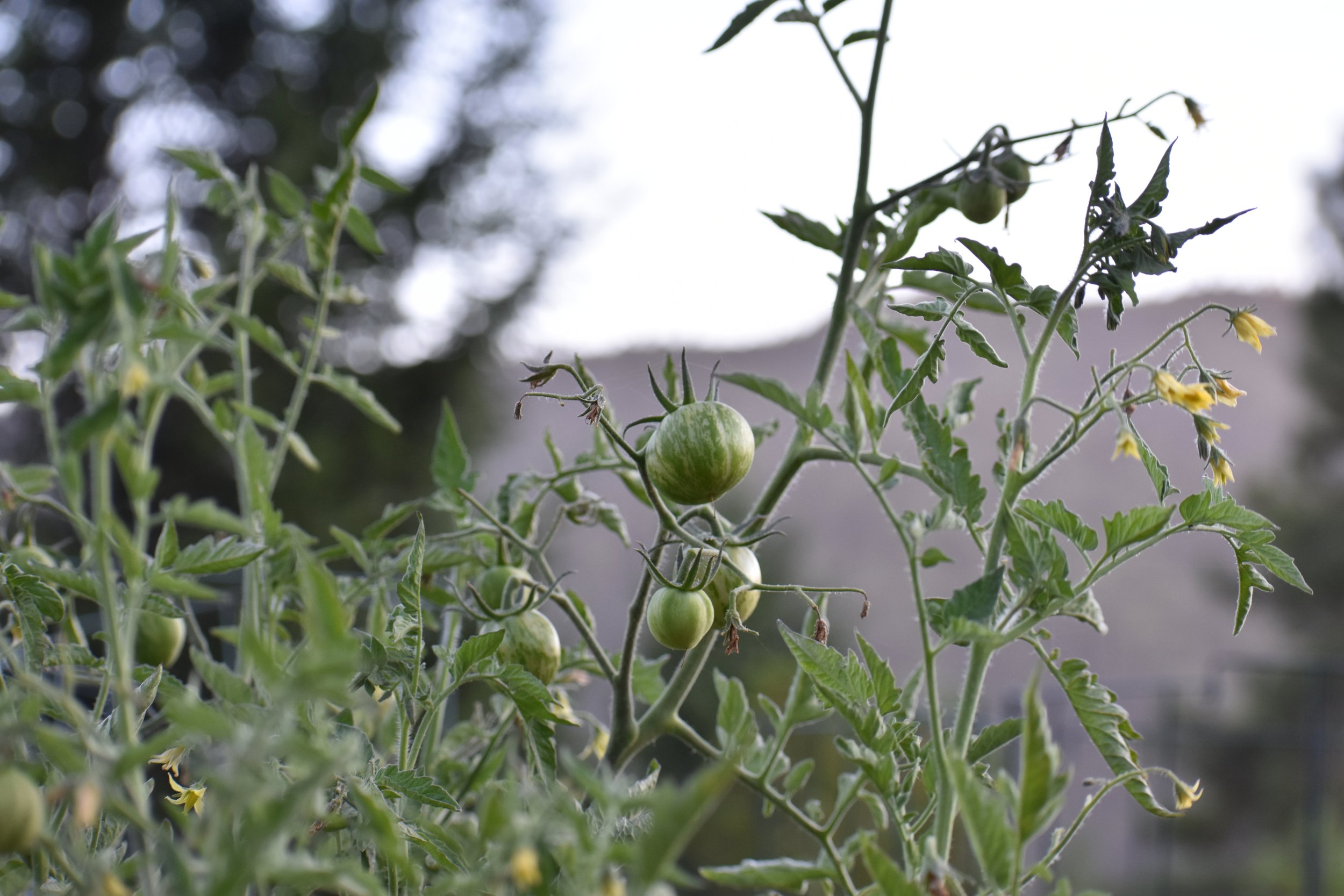
What to Plant in Santa Cruz & the Bay Area in January
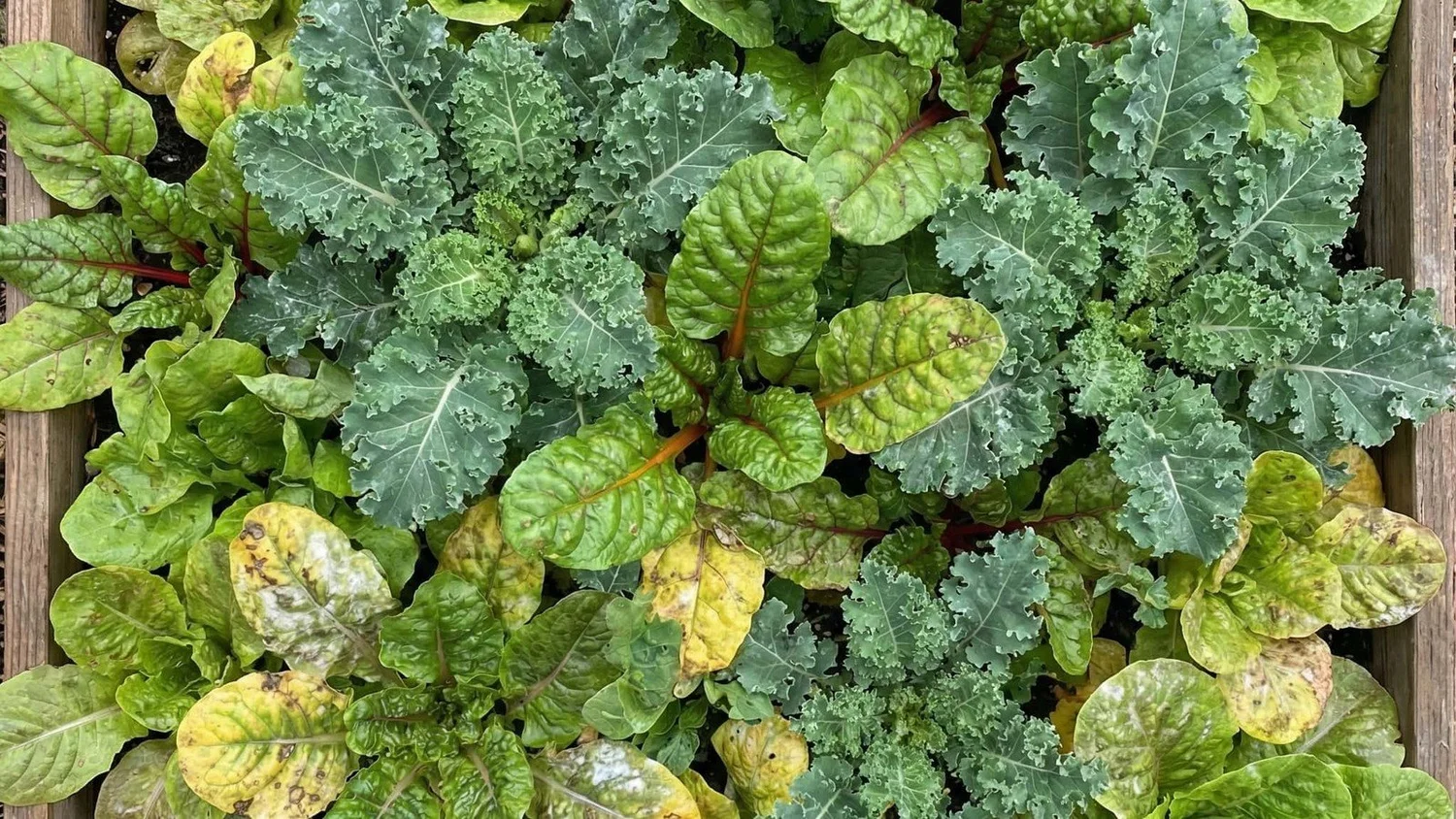
Winter kale, chard and lettuce growing in a Boulder Creek raised bed, with ordinary weather and leaf wear visible. Photo: Adrienne Gaughan / Ambitious Harvest Co
A few of the product links in this guide are affiliate links. If you buy through one, Ambitious Harvest may earn a small commission at no extra cost to you, which helps keep these guides free. We only point to gear we would use in our own Santa Cruz garden. As an Amazon Associate, we earn from qualifying purchases. Read our full disclosure.
January might feel like the depths of winter elsewhere, but in Santa Cruz County and the Bay Area, it's one of the most productive gardening months of the year. While the rest of the country is buried in snow, we're planting cool-season crops that will feed us through spring.
This is the month to get serious about your winter garden if you haven't already - and to start planning for the abundant harvests ahead.
What Makes January Special Here
Our mild winters mean January is prime time for cool-season vegetables. Nighttime temperatures rarely dip below freezing in most of the county (though inland and mountain areas should watch for frost), and daytime temps in the 50s-60s are perfect for greens, brassicas, and root vegetables.
The key is understanding your microclimate: coastal gardeners in Aptos and Capitola can plant almost anything on this list, while gardeners in Boulder Creek or Felton should wait until late January or early February for the most frost-sensitive crops.
Direct Seed These in January
Leafy Greens
Arugula
Lettuce (all varieties)
Spinach
Chard
Mustard greens
Mizuna
Mâche (corn salad)
Root Vegetables
Carrots
Radishes (especially quick varieties like 'French Breakfast')
Beets
Turnips
Parsnips (early in the month)
Legumes
Peas (snap, snow, and shelling)-plant early for spring harvest
Fava beans (if you haven't already)
Herbs
Cilantro
Dill
Parsley
Chervil
Transplant These in January
If you started seeds indoors in December or picked up starts at the nursery, January is perfect for transplanting:
Broccoli
Cauliflower
Cabbage
Kale
Collards
Brussels sprouts (for late spring harvest)
Kohlrabi
Onions (from sets or starts)
Start Seeds Indoors This Month
Get a jump on spring by starting these indoors now:
Tomatoes (late January for coastal areas; wait until February inland)
Peppers (hot and sweet)
Eggplant
Artichokes
Celery
Leeks
Microclimate Adjustments
Coastal (Aptos, Capitola, Santa Cruz beaches, Live Oak): You can plant everything on this list. The fog keeps things mild (50s-60s), and frost is rare. Growth may be slower than inland sunny areas, but it's steady. Your stable temperatures are an advantage for winter plantings.
San Lorenzo Valley & Scotts Valley - Sunny Ridges/Chaparral (Boulder Creek mountains, Ben Lomond sunny exposures, Scotts Valley hills): Watch for frost in low spots, but ridges often stay warmer. You can plant cool-season crops all winter long thanks to your sun exposure and warm days (50s-60s). Direct seeding works well. Wait until late January for tender transplants. Your sunny microclimate is perfect for year-round cool-season gardening.
San Lorenzo Valley & Scotts Valley - Under the Redwoods (Felton canyons, Ben Lomond shaded areas, Scotts Valley valleys): Focus on shade-tolerant greens (lettuce, arugula, spinach, chard). Growth will be slower but steady. You have more moisture retention, which is good, but less sun. You may experience more frost in valleys than on sunny ridges.
Inland Valleys (Scotts Valley, Soquel hills): Check frost forecasts before transplanting tender crops. Direct seeding is your friend this month - works well for most cool-season crops. Temperatures vary by location - sunny slopes are warmer than valley bottoms.
Watsonville/Pajaro Valley: You have the warmest conditions - take advantage! Plant everything on this list. Your mild winter (50s-60s) means faster growth than other areas.
What to Harvest in January
If you planted in fall, you should be harvesting:
Winter greens (kale, chard, collards)
Brassicas (broccoli, cauliflower, cabbage)
Root vegetables (carrots, beets, turnips)
Leeks
Citrus (lemons, oranges)
Herbs (rosemary, thyme, sage)
January Garden Tasks
Beyond planting, this is a great month to:
Prune fruit trees and berries while they're dormant
Add compost to beds before planting
Plan your spring/summer garden on paper
Order seeds for warm-season crops (tomatoes, peppers, squash)
Repair trellises and supports before the growing season
Start a compost pile with holiday plant debris
What Are the Most Common January Questions?
Can I still plant garlic? Technically, garlic should go in the ground in October or November. But if you forgot, you can still plant it in January-you'll just get smaller bulbs. Hardneck varieties are less forgiving of late planting than softneck.
What about potatoes? January is perfect for planting potatoes in coastal areas. Inland gardeners should wait until February to avoid frost damage to emerging shoots.
Should I cover my crops? Most January plantings don't need protection in Santa Cruz County, but if a frost is forecasted, throw row cover over tender transplants. Established cool-season crops can handle light frost.
Make the Most of January
This is one of my favorite months in the garden. The weather is usually pleasant for working outside, the soil is moist from winter rains (so less watering!), and there's a real sense of abundance as you harvest winter crops while planting for spring.
Don't let the calendar fool you-January is not a dormant month here. It's a planting month. Get out there and dig in!
Frequently Asked Questions
When should I start tomato seeds indoors?
Late January works well for coastal gardens in Aptos, Capitola, and similar spots, while inland gardeners should wait until February. Starting indoors gives seedlings six to eight weeks of protected growth before transplanting weather arrives. Peppers, eggplant, artichokes, celery, and leeks can go into seed trays on the same schedule.
Should I direct seed broccoli and cabbage, or buy transplants?
In January, go with transplants. Brassicas like broccoli, cauliflower, cabbage, kale, and Brussels sprouts establish much faster from starts than from seed in cold soil, and nursery six-packs are widely available now. Save your direct seeding for the crops that prefer it, like carrots, radishes, peas, and leafy greens.
Can I still grow winter vegetables under redwoods or in deep shade?
Yes, just adjust your expectations. Shaded canyon gardens around Felton do best with shade-tolerant greens like lettuce, arugula, spinach, and chard, and everything grows more slowly with less winter light. Skip the sun-hungry brassicas and root crops in the darkest spots, or tuck them into whatever pocket gets the most open sky.