

Chiltepin Peppers: Growing the Wild Ancestor of the Jalapeno
A few of the product links in this guide are affiliate links. If you buy through one, Ambitious Harvest may earn a small commission at no extra cost to you, which helps keep these guides free. We only point to gear we would use in our own Santa Cruz garden. As an Amazon Associate, we earn from qualifying purchases. Read our full disclosure.
There's something magical about growing a pepper that has remained essentially unchanged for thousands of years. The Chiltepin (Capsicum annuum var. glabriusculum) is the wild ancestor of many domesticated Capsicum annuum peppers, including familiar types like jalapenos, serranos, cayennes, and bell peppers. Genetic and archaeological research confirms this ancient lineage, and growing Chiltepin connects you directly to the origins of this remarkable plant family.
These tiny peppers pack an intense punch, registering 50,000 to 100,000 Scoville heat units, comparable to Thai peppers and hotter than most cayenne varieties. But their appeal goes beyond heat. The flavor is complex, earthy, and smoky, distinctly different from domesticated varieties. Birds love them because they have a form of the TRPV1 receptor that capsaicin does not trigger, the receptor that makes capsaicin feel hot to mammals, which is how wild Chiltepins spread across the southwestern United States and Mexico. The cultural and culinary significance of Chiltepin stretches back thousands of years. The name comes from the Nahuatl word "chiltecpin," meaning "flea chili," a reference to their small size.
The chiltepin pepper (Capsicum annuum var. glabriusculum) is the only wild native pepper in the United States, producing tiny, round, intensely hot berries rated at 50,000 to 100,000 Scoville Heat Units. The USDA PLANTS Database records it as native to the lower 48 states, and the US Forest Service documents wild stands in southern Arizona. Texas Parks and Wildlife places it in South, Central and East Texas, so its range reaches well beyond the desert. USDA PLANTS records chiltepin as both annual and perennial. In Santa Cruz County it can carry over for several years if it is protected from hard frost, which is easiest in a container you can move.
What Makes Chiltepin Peppers Different from Domesticated Varieties?
Before we get to growing specifics, it's worth understanding what makes Chiltepins unique in the pepper world. Unlike domesticated peppers bred for larger fruits, faster germination, and predictable growth, Chiltepins retain their wild characteristics.
In their native habitat across Sonora, Arizona, parts of Texas, and throughout much of Mexico, Chiltepins grow as understory plants beneath nurse plants like mesquite, ironwood, and desert hackberry that provide partial shade and organic mulch. The Arizona Native Plant Society documents how these wild populations thrive in rocky foothills and mesquite bosques. They've adapted to hot days, cool nights, and the dappled shade of their nurse plants. This natural history informs everything about how we grow them successfully.
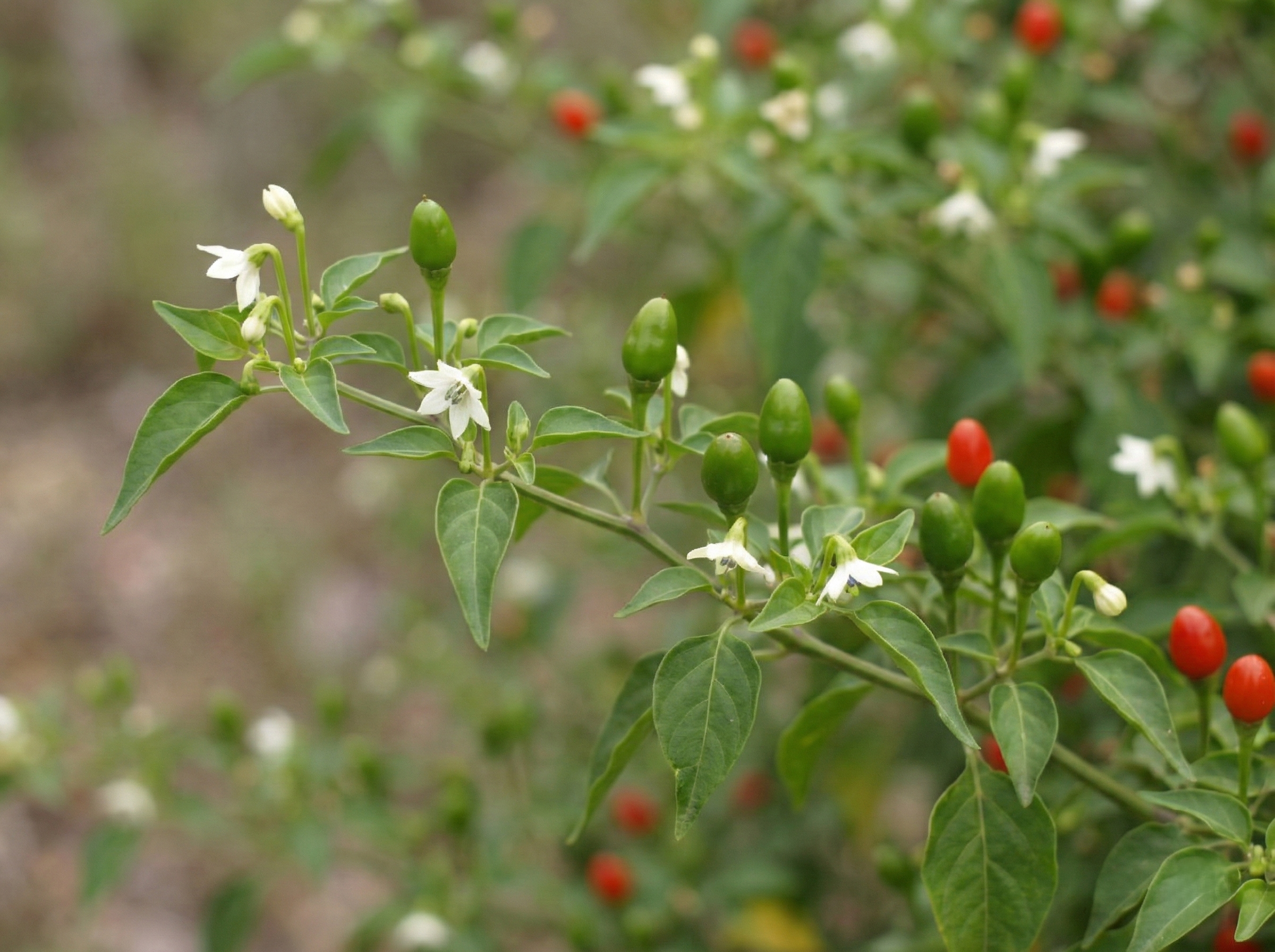
The fruits are tiny (about the size of a pea) and ripen from green to bright red. They're often harvested and dried, which intensifies both their heat and their distinctive smoky flavor. In Mexican cuisine, dried Chiltepins are used sparingly to add heat and complexity to salsas, soups, and stews.
What makes Chiltepins particularly interesting for collectors and adventurous gardeners is their perennial nature in frost-free climates. In protected conditions, these plants can live for many years, growing into substantial shrubs. Even here in Santa Cruz County, with proper care, you can overwinter Chiltepins and enjoy them as long-lived additions to your garden or container collection.
What Is the Cultural and Ethnobotanical History of Chiltepin?
Chiltepin holds a special place in the culinary and cultural heritage of northern Mexico and the American Southwest. It was designated the official "native pepper of Texas" in recognition of its deep historical roots in the region. For thousands of years before European contact, indigenous peoples harvested wild Chiltepins from natural stands, a practice that continues today in parts of Sonora and Arizona.
The tiny peppers were (and still are) highly prized. Wild-harvested Chiltepins command premium prices in Mexican markets. This economic value has unfortunately contributed to overharvesting pressure on wild populations.
The cultural practice of "chiltepineros" (wild Chiltepin harvesters) represents an important link between modern communities and ancient food traditions. Some conservation efforts now focus on sustainable harvesting practices and habitat protection for wild Chiltepin populations.
How Are Wild Chiltepin Populations Being Conserved?
The groups that work on wild chiltepin, including Native Seeds/SEARCH and the US Forest Service, point to several pressures in its native range. Habitat loss from development and agricultural conversion has reduced available growing areas. Overgrazing by cattle damages nurse plants and the understory habitat Chiltepins depend on.
In 1999 the Coronado National Forest designated a 2,500 acre Wild Chile Botanical Area around Rock Corral Canyon in the Tumacacori Mountains, protecting the largest wild chile population in Arizona. The Arizona-Sonora Desert Museum and organizations like Native Seeds/SEARCH work to preserve both wild populations and the genetic diversity of cultivated Chiltepin varieties.
For home gardeners, growing Chiltepins represents a small but meaningful contribution to preserving this culturally and ecologically important plant. By maintaining diverse genetics in our gardens, we help ensure this ancient pepper continues thriving for future generations.
Which Santa Cruz Microclimates Are Best for Growing Chiltepins?
Your success with Chiltepins depends heavily on which part of Santa Cruz County you garden in. These heat-loving plants have specific requirements that our diverse microclimates meet to varying degrees.
Best Locations: Inland and Sunny Exposures
If you garden in the Pajaro Valley near Watsonville, the sunny ridges of Boulder Creek or Ben Lomond, or the warmer inland areas of Scotts Valley, you have the best conditions for Chiltepins. These areas offer the warmth these peppers crave, with summer temperatures that approach what they experience in their native Sonoran Desert.
In these warmer microclimates, you can grow Chiltepins in the ground with reasonable success. Choose a spot with full morning sun and some afternoon protection from the most intense heat. A south-facing wall or fence that radiates warmth can extend your season and help plants establish strong root systems.
The Santa Cruz Banana Belt areas are particularly well-suited for Chiltepins, offering the warm days and protected conditions these desert natives prefer.
Challenging but Possible: Coastal and Foggy Areas
Coastal gardeners in Aptos, Capitola, Live Oak, and Santa Cruz proper face more challenges with Chiltepins. The fog and cooler temperatures mean these peppers will be slower to mature and may produce less fruit. However, success is still possible with the right approach.
Container growing is your best strategy in foggy zones. This allows you to move plants to the warmest, sunniest spots as conditions change throughout the season. A south-facing patio, a spot against a heat-absorbing wall, or even a greenhouse can provide the extra warmth coastal Chiltepins need.
Consider using black plastic mulch to warm the soil, or floating row covers to create a warmer microclimate around your plants. Some coastal growers successfully extend their season by several weeks using these techniques.
Not Recommended: Deep Shade and Redwood Understory
If you garden under redwoods in Felton, the shaded canyons of Ben Lomond, or other deeply shaded areas, Chiltepins are not a realistic choice. These peppers need significant heat and sun to thrive, and the cool, shaded conditions of the redwood understory simply won't provide what they need.
Focus your pepper-growing efforts on more shade-tolerant crops, or consider creating a sunny container area where you can grow heat-lovers like Chiltepins in an isolated warm spot.
How Do You Start Chiltepin Seeds Successfully?
Chiltepin seeds are notoriously slow and irregular to germinate. Where a tomato seed might sprout in a week, Chiltepins can take anywhere from two weeks to three months. This isn't a sign that something is wrong; it's simply how wild peppers behave. Their germination is adapted to natural conditions where sprouting at unpredictable times helps ensure survival.
Seed Treatment for Better Germination
Several techniques can improve Chiltepin germination rates and speed. Experienced growers recommend starting seeds indoors in January or February if you want transplants ready for late spring planting.
Soaking: Soak seeds in warm water (around 80 to 85 degrees Fahrenheit) for 24 to 48 hours before planting. Some growers report success adding a small amount of hydrogen peroxide to the soaking water (one tablespoon per cup of water) to help soften the seed coat and prevent fungal issues. This technique is common among hobby growers, though formal trials are limited.
Planting depth and medium: After soaking, plant seeds about 1/4 inch deep in a high-quality seed starting mix. Keep the soil consistently moist but not waterlogged.
Bottom heat is crucial: Use a seedling heat mat set to 80 to 85 degrees Fahrenheit, which mimics the warm soil conditions these seeds need to break dormancy. This temperature range (27 to 29 degrees Celsius) is commonly recommended for pepper germination. UC ANR reports that pepper seed germination drops off rapidly below 77 degrees Fahrenheit and is exceedingly slow below 68, which matters even more for a wild variety like Chiltepin.
Be patient and keep checking. Some seeds will germinate in two to three weeks, while others from the same packet might not sprout for two months. Don't give up on your seed tray too early. If seeds haven't germinated after three months, they're likely not viable.
Where to Find Chiltepin Seeds
Finding authentic Chiltepin seeds can be a challenge since they're not commonly stocked at most nurseries.
Native Seeds/SEARCH specializes in heritage seeds from the Southwest and is an excellent source for true Chiltepin seeds. They're based in Tucson and ship nationwide. This organization also does important conservation work preserving Chiltepin genetics.
Baker Creek Heirloom Seeds and Strictly Medicinal Seeds also occasionally stock Chiltepin seeds, though availability varies by season.
Locally, check with specialty seed vendors at the Santa Cruz farmers markets, particularly the Wednesday downtown market and the Saturday Westside market. Some vendors occasionally carry unusual pepper varieties. The Felton Branch Library hosts a seed lending library that sometimes has donated Chiltepin seeds available.
How Do You Plant and Grow Chiltepins in Santa Cruz?
Once your seedlings have developed their first true leaves and are several inches tall, they're ready for transplanting. In Santa Cruz County, wait until nighttime temperatures are consistently above 55 degrees Fahrenheit before moving Chiltepins outdoors. This typically means late May in warmer inland areas or early to mid-June at the coast.
Soil and Site Preparation
Chiltepins prefer well-draining soil with moderate fertility. Unlike heavy-feeding domesticated peppers, wild Chiltepins are adapted to relatively poor soils. Overly rich soil can actually produce excessive foliage at the expense of fruit production.
Amend heavy clay soil with compost and perlite to improve drainage. A slightly acidic to neutral pH (6.0 to 7.0) works well. If you're growing in containers, use a quality potting mix with added perlite for drainage.
Choose a spot with six to eight hours of sun, though some afternoon shade is beneficial during the hottest summer months, especially in inland areas. Remember that Chiltepins naturally grow as understory plants, so they can handle more shade than most peppers, though they'll produce more fruit with adequate sun.
Watering and Care
Once established, Chiltepins handle a dry spell far better than they handle wet feet. However, consistent watering during the establishment phase (the first several weeks after transplanting) is important for developing strong root systems.
After establishment, allow the soil to dry somewhat between waterings. Overwatering is a common cause of Chiltepin failure. In coastal areas, you may need to water less frequently than you would for other peppers due to natural fog moisture. In hot inland areas, check soil moisture regularly during heat waves.
Mulch around plants with 2 to 3 inches of organic material to regulate soil temperature and retain moisture. Avoid piling mulch directly against stems.
Chiltepins don't require heavy fertilization. A light application of balanced organic fertilizer at planting time and one mid-season side-dressing is typically sufficient. Too much nitrogen promotes leafy growth but reduces fruit production.
Growth Habits and Support
Chiltepin plants grow into bushy shrubs , usually smaller in a cool coastal season than in the desert, and in their native range they can grow into 3 to 4 foot shrubs over several years. The branching growth habit usually doesn't require staking, but plants with heavy fruit loads may benefit from some support.
The tiny white flowers appear throughout the growing season, and fruit production continues until temperatures drop in fall.
Can You Grow Chiltepins in Containers on the Coast?
For coastal gardeners (and anyone who wants more control over growing conditions), containers are an excellent way to grow Chiltepins successfully.
Container Selection
Choose containers at least 5 gallons in size for mature plants. Larger containers (7 to 10 gallons) produce more robust plants and require less frequent watering. Ensure containers have excellent drainage holes.
Terra cotta pots work well because they allow soil to breathe, though they dry out faster and may need more frequent watering in hot weather. Fabric grow bags are another excellent option, providing good drainage and air pruning of roots.
Microclimate Management
Container growing gives you mobility. Position containers against south-facing walls where they'll absorb radiated heat. Move them to follow the sun throughout the season, and bring them under cover during rare cold snaps.
Consider using a rolling plant stand for larger containers, making repositioning easy. Some coastal gardeners successfully grow Chiltepins on south-facing decks or patios where reflected heat from buildings creates microclimates several degrees warmer than surrounding areas.
Overwintering Container Plants
Chiltepins are perennial in frost-free climates. Even in Santa Cruz County's mild winters, outdoor plants may be damaged or killed by occasional frosts. Container plants can be brought indoors during cold periods or overwintered in a garage or greenhouse.
Before bringing plants inside, check carefully for pests. Reduce watering significantly during winter dormancy. Plants may lose some leaves, which is normal. They'll regrow vigorously once returned to outdoor conditions in spring.
With good care, a container Chiltepin can live for many years, growing larger and more productive with each season.
What Are the Best Companion Plants for Chiltepins?
In their native habitat, Chiltepins grow beneath nurse plants that provide partial shade, organic mulch from leaf litter, and protection from temperature extremes. You can mimic this relationship in your Santa Cruz garden.
Creating a Nurse Plant Relationship
In inland gardens, consider planting Chiltepins on the east or northeast side of small deciduous fruit trees. The trees provide afternoon shade during the hottest months while allowing morning sun. When the tree drops its leaves in fall, the Chiltepin gets more light during the cooler shoulder seasons.
Other potential nurse plants for Santa Cruz gardens include:
Young citrus trees (in frost-free areas)
Pomegranates
Fig trees (deciduous, allowing winter light)
Large rosemary or lavender shrubs
Mixed Bed Plantings
Chiltepins work well in mixed plantings with other drought-tolerant herbs and vegetables. Consider companions like:
Oregano and thyme (similar water needs)
Basil (during summer months)
Eggplant (similar heat requirements)
Other pepper varieties that share cultural needs
Avoid planting Chiltepins with heavy feeders or water-loving crops, which will create mismatched care requirements.
When and How Should You Harvest and Use Chiltepin Peppers?
The first Chiltepin fruits typically ripen 90 to 120 days after transplanting, though this varies with conditions. In cooler coastal areas, expect the longer end of this range or beyond.
When and How to Harvest
Harvest peppers when they've turned fully red for the most developed flavor. The color change happens quickly (green to orange to red in just a few days), so check plants regularly during the harvest season.
Pick peppers individually by hand, being careful not to damage branches. The fruits detach easily when ripe. Some gardeners prefer to clip entire small clusters of ripe peppers.
Don't expect huge yields from individual harvests. Chiltepins produce their tiny fruits over an extended period rather than all at once. Regular harvesting encourages continued production.
Drying and Storing
Fresh Chiltepins can be used immediately, but drying is the traditional preservation method and intensifies their flavor. Spread fresh peppers in a single layer on a screen or drying rack in a warm, well-ventilated location out of direct sun. They'll dry in one to two weeks depending on conditions.
You can also use a food dehydrator set to 125 to 135 degrees Fahrenheit, which speeds the process to 8 to 12 hours. Fully dried Chiltepins should be brittle and snap when bent.
Store dried Chiltepins in airtight containers away from light. They'll maintain their flavor for a year or more. Traditionally, dried Chiltepins are kept whole and crushed as needed, which preserves flavor better than pre-grinding.
Culinary Uses
A little Chiltepin goes a long way. The heat is intense but doesn't linger as long as some other hot peppers, making it popular for adding bursts of spice without overwhelming dishes.
Traditional uses include crushing dried Chiltepins over soups, stews, tacos, and eggs. They're essential in some regional Mexican salsas and make excellent pepper vinegar when steeped in white vinegar.
The unique earthy, smoky, complex flavor profile makes Chiltepins worth the effort even if you're not a heat seeker. Many cooks who find other hot peppers overwhelming appreciate the quality of Chiltepin heat, which adds excitement without dominating dishes.
What Problems Do Chiltepin Growers Face and How Do You Solve Them?
Slow or Failed Germination
This is the most common Chiltepin frustration. Remember that wild seeds are adapted for survival, not convenience. Use fresh seeds from reputable sources, provide consistent bottom heat (80 to 85 degrees Fahrenheit), and be patient. If seeds haven't germinated after three months, they're likely not viable.
Poor Fruit Production
Usually caused by too much nitrogen fertilizer, insufficient sun, or temperatures that are too cool. In coastal areas, maximize sun exposure and consider black plastic mulch or row cover to increase heat. Reduce feeding and ensure plants aren't being overwatered.
Pest Issues
Chiltepins are relatively pest-resistant, but aphids, spider mites, and whiteflies can occasionally be problems, especially in stressed plants. Check plants regularly and address infestations early with insecticidal soap or neem oil. Strong water sprays can dislodge many soft-bodied pests.
In Santa Cruz County, the usual suspects are worth considering. Gophers will damage roots of in-ground plants, so container growing or hardware cloth protection is wise. Deer usually leave hot peppers alone, though nothing in this county is truly deer proof. Birds spread wild Chiltepins because their form of the TRPV1 receptor does not register capsaicin as heat, so expect them to take a share of the ripe fruit.
Cold Damage
Growth slows sharply once temperatures drop into the 50s. The Arizona-Sonora Desert Museum rates wild Arizona plants hardy to about the mid-teens Fahrenheit, but a plant grown soft in a cool coastal summer will not match that, so treat frost as a real risk here. In coastal areas, row cover or cloches can provide protection during unexpected cold snaps. Container plants should be moved to protected locations when frost threatens.
Root Rot
Overwatering and poor drainage are the primary causes of root rot in Chiltepins. These desert-adapted plants are far more tolerant of drought than excess moisture. If leaves yellow and wilt despite adequate soil moisture, root rot may be the culprit. Prevention through proper drainage and conservative watering is the only reliable solution.
Can You Grow Chiltepins Indoors Year-Round?
Yes, you can grow Chiltepins indoors year-round, but adequate light is essential. Chiltepins need at least 8 to 10 hours of direct sun or equivalent grow light coverage to produce fruit indoors.
A south-facing window may be sufficient during summer months, but supplemental grow lights are typically necessary during winter. High-output LED grow lights positioned close to the canopy (following manufacturer recommendations for distance) provide the intensity these plants need. Standard household lighting or a window with indirect light will keep plants alive but won't support fruit production.
Indoor plants often produce fewer fruits than outdoor plants but can be maintained as attractive, productive houseplants year-round. The compact, bushy growth habit and ornamental red fruits make Chiltepins appealing indoor plants even when yields are modest.
Where Can You Find Chiltepin Resources in Santa Cruz County?
Nurseries and Garden Centers
Finding Chiltepin plants locally is rare, but several nurseries occasionally stock unusual pepper varieties or can special-order plants.
Sierra Azul Nursery (2660 E. Lake Avenue, Watsonville) specializes in California natives but has knowledgeable staff who may know of sources for unusual edibles.
Dig Gardens (420 Water Street, Santa Cruz and 7765 Soquel Drive, Aptos) focuses on drought-tolerant and unusual plants and sometimes stocks specialty peppers.
San Lorenzo Garden Center (235 River Street, Santa Cruz) is worth checking during pepper season (April through June) for their rotating selection of starts.
Education and Community
The UC Master Gardeners of Monterey and Santa Cruz Counties host regular workshops and have resources for growing unusual crops in local conditions. Their help desk can answer specific questions about Chiltepin cultivation.
Love Apple Farms in Scotts Valley, while focused on tomatoes, is a great resource for growing advice on all nightshade family crops. Their spring plant sales occasionally include unusual pepper varieties.
The California Native Plant Society Santa Cruz Chapter may seem an unlikely resource, but their members often have experience with plants from California's warmer regions and neighboring areas.
Online Communities
The Pepper Forum at TheHotPepper.com has dedicated Chiltepin enthusiasts who can answer growing questions. The Facebook group "Chile Pepper Addicts" includes growers from California who share tips for success in various climates.
Chiltepins follow the same basic life cycle as other peppers, just more slowly; our pepper growth stages guide maps the full journey.
Frequently Asked Questions About Growing Chiltepin Peppers
How long does it take for Chiltepin seeds to germinate?
Chiltepin seeds are notoriously slow and irregular, typically taking anywhere from two weeks to three months to germinate. This is normal for wild pepper varieties. Use fresh seeds, provide consistent bottom heat around 80 to 85 degrees Fahrenheit, and be patient. Starting seeds in January or February gives you the longest window for successful germination before the outdoor growing season.
Can I grow Chiltepins in foggy coastal areas like Santa Cruz or Aptos?
Yes, but container growing is your best strategy for success. Containers allow you to position plants in the warmest, sunniest microclimates and move them as conditions change. Choose a south-facing location against a heat-absorbing wall, and expect a longer time to fruit maturity than inland gardeners experience. Some coastal growers use black plastic mulch or row covers to boost heat.
Are Chiltepin peppers really that hot?
Chiltepins register 50,000 to 100,000 Scoville heat units, which is comparable to Thai peppers and hotter than most cayenne. However, their heat dissipates more quickly than many other hot peppers, making them popular for adding bursts of spice without overwhelming dishes. The complex, earthy, smoky flavor is as valued as the heat in traditional Mexican cuisine.
How do I overwinter Chiltepin plants in Santa Cruz County?
Container plants can be brought indoors or into a garage or greenhouse during cold periods. Reduce watering significantly and expect some leaf drop, which is normal during dormancy. In-ground plants in protected locations may survive mild winters with frost cloth protection, though success varies by microclimate. Container plants are the most reliable option for perennial growing.
Where can I buy Chiltepin seeds or plants locally?
Chiltepin seeds are most reliably sourced from Native Seeds/SEARCH, which specializes in Southwestern heritage seeds. Locally, check the Felton Seed Lending Library and specialty seed vendors at Santa Cruz farmers markets. Plants are rarely available at local nurseries, making seed starting the most practical approach for most Santa Cruz County gardeners.
Why isn't my Chiltepin plant producing fruit?
The most common causes are insufficient heat and sun, overwatering, or too much nitrogen fertilizer. Chiltepins are adapted to relatively harsh conditions and respond to rich soil and abundant water by producing foliage rather than fruit. Ensure plants receive at least six hours of sun, allow soil to dry between waterings, and reduce fertilization. Coastal gardeners may need to supplement heat with row covers or heat-absorbing surfaces.
How do I dry and store Chiltepin peppers?
Spread fully ripe (red) peppers in a single layer on a screen or drying rack in a warm, well-ventilated location out of direct sunlight. They'll dry naturally in one to two weeks. Alternatively, use a food dehydrator at 125 to 135 degrees Fahrenheit for 8 to 12 hours. Store dried Chiltepins whole in airtight containers away from light, where they'll maintain flavor for a year or more. Crush them as needed rather than pre-grinding.
Can I grow Chiltepins indoors year-round?
Yes, with adequate light. Chiltepins need at least 8 to 10 hours of direct sun or equivalent grow light coverage to produce fruit indoors. A south-facing window may be sufficient during summer months, but high-output LED grow lights positioned close to the canopy are typically necessary during winter. Indoor plants often produce fewer fruits than outdoor plants but can be maintained as attractive, productive houseplants year-round.
How do Chiltepins compare to other hot peppers?
Chiltepins are among the hottest peppers commonly grown (50,000 to 100,000 SHU), similar to Thai peppers and significantly hotter than jalapenos (2,500 to 8,000 SHU) or serranos (10,000 to 23,000 SHU). However, their small size means you use less per dish, and their heat fades faster than many other hot peppers. The distinctive earthy, smoky flavor sets them apart from other hot varieties.
Free Gardening Resources
Getting Started
Beginner Garden Setup Checklist: Complete setup guide to start your garden right
Know Your Microclimate Worksheet: Understand your local conditions before planting
Planning and Timing
Seasonal Planting Calendar: Avoid timing mistakes with month-by-month guidance
Vegetables by Season Chart: Quick reference for what to plant and when in Santa Cruz County
Seasonal Garden Tasks Checklist: Stay on track with monthly garden maintenance tasks
Problem Solving
Garden Troubleshooting Guide: Diagnose common problems before they become disasters
Gopher Control Guide: Humane and effective strategies for managing gophers in your garden
Why Should You Grow This Ancient Pepper in Your Garden?
Cultivating Chiltepins is more than just growing another pepper variety. It's participating in a tradition that stretches back thousands of years to the earliest human use of chili peppers. These tiny fruits connect us to the ancient peoples of Mexico and the American Southwest who first discovered and valued them.
For Santa Cruz County gardeners, Chiltepins represent an interesting challenge that rewards patience and attention to microclimate. They're not the easiest pepper to grow here, but their unique flavor, fascinating history, and perennial nature make them worth the effort for adventurous gardeners.
Start with a few seeds this winter, provide the warmth they crave, and you may find yourself joining the dedicated community of Chiltepin enthusiasts who appreciate these remarkable wild peppers.
Related Articles
Growing Peppers in Containers in Santa Cruz County (The Mobility Advantage)
How to Grow Chiltepin Peppers in Santa Cruz
