

Growing Sage in Santa Cruz: The Drought-Tolerant Herb for Every Garden


A few of the product links in this guide are affiliate links. If you buy through one, Ambitious Harvest may earn a small commission at no extra cost to you, which helps keep these guides free. We only point to gear we would use in our own Santa Cruz garden. As an Amazon Associate, we earn from qualifying purchases. Read our full disclosure.
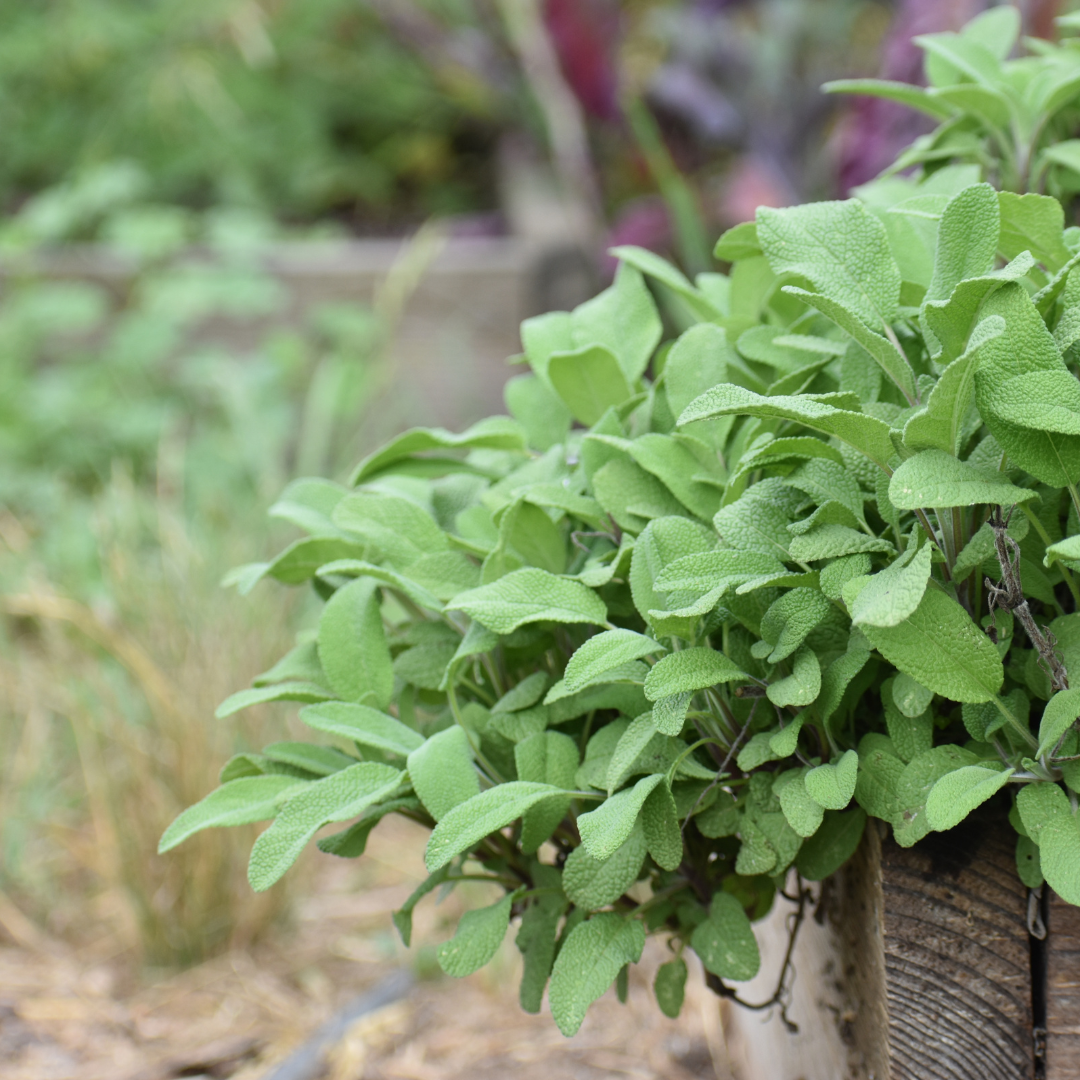
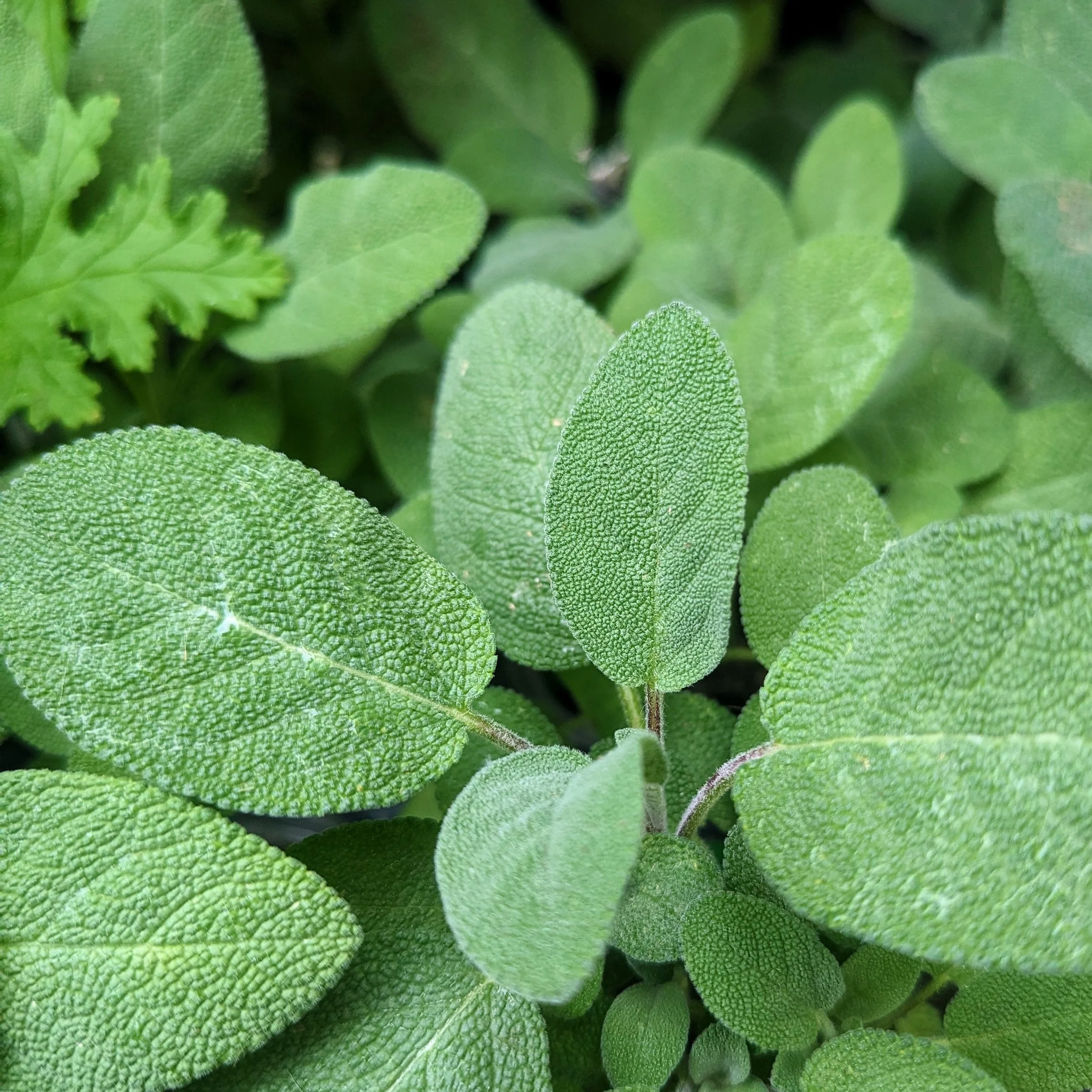
Sage belongs in every Santa Cruz County kitchen garden. This Mediterranean native produces aromatic leaves with an earthy, slightly peppery flavor that defines autumn cooking, from Thanksgiving stuffing to butternut squash pasta to brown butter sauces. But sage offers far more than culinary value. Its soft, silvery-green foliage adds texture and color to garden beds, its purple-blue flowers attract bees and beneficial insects, and once established, it asks for almost nothing in return.
Unlike some Mediterranean herbs that struggle in our coastal fog or demand constant attention, sage adapts readily to Santa Cruz County's varied conditions. It handles our dry summers without complaint, tolerates light frost in mountain areas, and keeps producing leaves year-round in most local microclimates. A single plant can provide harvests for four to five years before it needs replacement.
This guide covers everything you need to know to grow sage successfully in Santa Cruz County, from choosing the right variety to understanding when it's time to start fresh with a new plant.
Why Does Sage Thrive in Santa Cruz County?
Sage (Salvia officinalis) evolved in the rocky, sun-baked hillsides surrounding the Mediterranean Sea. It developed deep roots to access moisture during dry summers, aromatic oils to deter herbivores, and a woody structure that withstands drought stress. These adaptations make it perfectly suited to Santa Cruz County's Mediterranean climate.
According to UC ANR, sage is among the most reliable perennial herbs for California gardens. It shares the "plant and mostly forget" qualities of rosemary, thyme, and oregano, but with one key advantage: sage doesn't accumulate the high oil content that makes rosemary a fire concern near structures.
Santa Cruz advantages for sage:
Dry summer compatibility: Sage actually prefers our rainless summers. Overwatering causes more sage deaths than drought.
Mild winter production: Unlike colder regions where sage dies back completely, Santa Cruz sage often keeps producing harvestable leaves through winter.
Low maintenance: Once established, sage needs almost no supplemental water, minimal fertilizing, and only occasional pruning.
Fire-wise flexibility: While sage contains some aromatic oils, it doesn't pose the same fire risk as rosemary. It can be placed closer to structures when kept well-watered and maintained.
Pollinator support: Sage flowers attract bees, especially native bees, providing forage during late spring and early summer.
Which Sage Varieties Grow Best in Santa Cruz Gardens?
While "sage" encompasses hundreds of Salvia species (including ornamental and California native salvias), culinary sage refers specifically to Salvia officinalis and its cultivars. Here are the best options for Santa Cruz gardens:
Culinary Varieties
Common Sage (Salvia officinalis)
The classic culinary sage with gray-green, pebbly-textured leaves and a robust, earthy flavor. This is the sage called for in recipes and the most reliable producer for kitchen use. Plants grow 2 to 3 feet tall and wide, developing woody stems at the base over time.
Best for: Cooking, drying, year-round production
Berggarten Sage
A compact cultivar with larger, rounder leaves than common sage and excellent flavor. It rarely flowers, which means more energy goes into leaf production. The tighter growth habit works well in smaller gardens and containers.
Best for: Limited space, maximum leaf production, containers
Broadleaf Sage (Dalmatian Sage)
Features larger leaves than common sage, making it easier to harvest in quantity. Slightly milder flavor that some cooks prefer for delicate dishes.
Best for: Cooks who use large quantities, milder flavor preference
Ornamental Culinary Varieties
These varieties offer both culinary value and decorative foliage, though their flavor is generally milder than common sage.
Purple Sage (Salvia officinalis 'Purpurascens')
Stunning purple-tinged leaves that add color to herb gardens and borders. Young leaves show the most purple color; older growth may fade toward gray-green. Usable in cooking but less productive than common sage.
Best for: Color in the garden, edging, mixed borders
Golden Sage (Salvia officinalis 'Icterina')
Green leaves with golden-yellow variegation, creating a bright accent in herb gardens. Less vigorous than common sage and may need more protection in hot inland areas.
Best for: Ornamental interest, container focal points
Tricolor Sage (Salvia officinalis 'Tricolor')
Variegated leaves with green, white, and purple coloring. Beautiful but the least vigorous of the culinary sages, more prone to winter damage in mountain areas.
Best for: Ornamental gardens, mild microclimates only
Non-Culinary Sage (Avoid for Cooking)
Pineapple Sage (Salvia elegans)
Often sold alongside culinary sages, pineapple sage is a different species with a fruity, pineapple-like scent. While technically edible, it's not a substitute for culinary sage in savory dishes. It produces beautiful red tubular flowers that hummingbirds love but doesn't tolerate frost.
Best for: Hummingbird gardens, sweet applications, not savory cooking
White Sage (Salvia apiana)
A California native with silvery-white leaves used traditionally for ceremonial purposes. Not the same as culinary sage and not recommended as a cooking substitute.
Best for: Native plant gardens, xeriscaping (but not cooking)
For most Santa Cruz gardeners, common sage or Berggarten sage provides the best combination of flavor, productivity, and reliability.
How Do You Grow Sage by Santa Cruz Microclimate?
Sage performs well across all Santa Cruz County microclimates, though a few adjustments optimize results in different areas.
Coastal Areas (Aptos, Capitola, Live Oak, Santa Cruz)
Sage grows well in coastal gardens when given excellent drainage. The main challenge is fog moisture, which can promote fungal issues if air circulation is poor.
Coastal tips:
Plant in the sunniest spot available (south or west-facing)
Ensure excellent drainage (raised beds or amended soil)
Space plants generously for air circulation
Avoid overhead watering
Choose common sage or Berggarten for best performance
Inland Valleys (Scotts Valley, Soquel, Watsonville)
Inland areas provide ideal conditions for sage. More sun and warmth mean stronger growth and more aromatic leaves.
Inland tips:
Full sun (6+ hours) produces the best plants
No afternoon shade needed (sage loves heat)
Water deeply but infrequently once established
These conditions may produce the most flavorful leaves
San Lorenzo Valley (Boulder Creek, Ben Lomond, Felton)
Mountain gardeners can grow sage successfully, though hard frosts may cause some dieback. Plants typically recover from roots in spring.
Mountain tips:
Choose the sunniest, most protected spot available
Avoid low-lying frost pockets
Mulch around plants in fall (but keep mulch away from stems)
Common sage is hardier than ornamental varieties
Expect some winter dieback; plants regrow in spring
Under the Redwoods
Sage struggles in deep shade. Unlike chives or mint, which tolerate partial shade, sage needs significant sun to thrive.
Shaded garden tips:
Sage needs at least 6 hours of direct sun
If your garden is heavily shaded, consider containers that can be placed in sunny spots
A south-facing location with filtered light through high tree canopy may work
Don't expect robust growth in less than 6 hours of sun
For more on gardening in different areas, see Navigating Santa Cruz County's Microclimates.
What Are the Fire-Wise Considerations for Sage?
After the CZU Lightning Complex fires, many Santa Cruz County gardeners carefully consider fire risk when choosing plants. Sage falls into a middle category, neither as concerning as rosemary nor as fire-resistant as high-moisture vegetables.
According to CAL FIRE guidelines, sage is generally acceptable within Zone 1 (5-30 feet from structures) when properly maintained:
Fire-wise sage practices:
Keep plants well-watered during fire season (not bone dry)
Remove dead leaves and stems regularly
Prune to maintain good air circulation
Don't let sage grow against wooden fences or structures
Consider placing sage in Zone 2 (30-100 feet) if you have space
Comparison to other herbs:
Lower fire risk than: Rosemary, lavender (high oil content)
Similar fire risk to: Oregano, thyme (when maintained)
Higher fire risk than: High-moisture herbs like mint, basil
For comprehensive guidance, see Fire-Wise Gardening in Santa Cruz County.
When Should You Plant Sage in Santa Cruz?
Sage can be planted almost any time in Santa Cruz County, but some seasons give better results.
Best Planting Times
Fall (September through November): Ideal timing. Fall planting allows roots to establish during cool, moist weather. By the following summer, plants are well-rooted and drought-tolerant.
Early Spring (February through April): Good second choice. Plant after the coldest weather passes. Provide regular water through the first summer as roots establish.
Avoid Planting
Mid-summer (July through August): Hot, dry conditions stress new transplants. If you must plant in summer, water consistently until fall rains arrive.
Winter (December through January): Cold, wet soil can rot roots before they establish. Wait for spring if possible.
How Do You Plant Sage?
Sage grows readily from nursery starts, making them the best choice for most gardeners. Seeds are slow and often produce variable results.
From Nursery Starts (Recommended)
Most Santa Cruz nurseries carry sage plants, especially in spring and fall.
Choose healthy plants with gray-green leaves and no signs of mildew
Select a spot with full sun (6+ hours) and excellent drainage
Dig a hole slightly larger than the root ball
Plant at the same depth as the nursery pot (never deeper)
Water well at planting, then let soil dry between waterings
Mulch lightly around (not against) the stem
Where to buy: San Lorenzo Garden Center, Scarborough Gardens, Dig Gardens, Mountain Feed & Farm Supply, and local farmers markets.
From Cuttings
Sage propagates easily from cuttings, a good way to replace aging plants or share with friends.
Take 4 to 6 inch cuttings from healthy new growth (spring or early summer)
Remove leaves from the bottom half
Dip cut end in rooting hormone (optional but helpful)
Plant in moist potting mix or perlite
Keep moist and in bright, indirect light until roots form (3 to 4 weeks)
Transplant to final location once well-rooted
From Seeds (Not Recommended)
Sage seeds germinate slowly and unevenly. Unless you want to experiment with different varieties, starts or cuttings are more reliable.
Soil and Drainage Requirements
Sage's number one requirement is excellent drainage. In its native habitat, sage grows in rocky, well-drained soil that never stays soggy.
Ideal conditions:
Sandy or sandy loam soil
Raised beds with quality potting mix
Slopes or mounded planting areas
pH 6.0 to 7.0 (most Santa Cruz soils work fine)
Avoid:
Heavy clay that stays wet
Low spots where water collects
Areas with poor air circulation
If you have heavy soil, plant sage in raised beds or containers with quality potting mix.
How Do You Care for Sage?
Sage is famously low-maintenance, but a few basic practices keep plants productive.
Watering
Established sage needs minimal water. Overwatering is the most common cause of sage death.
Watering guidelines:
Water newly planted sage regularly until roots establish (first summer)
Once established, water deeply but infrequently
Let soil dry completely between waterings
During summer drought, water every 2 to 3 weeks if leaves appear stressed
Reduce watering in winter when growth slows
Signs of overwatering: Yellowing leaves, mushy stems, root rot, plant collapse Signs of underwatering: Wilting leaves that recover with water, dry soil
For complete watering guidance, see The Complete Guide to Watering Your Garden in Santa Cruz County.
Fertilizing
Sage needs minimal fertilizing. Overfertilizing produces lush, weak growth with diluted flavor and increased pest susceptibility.
Fertilizing guidelines:
A light application of compost in early spring is usually sufficient
If growth seems slow, apply a balanced organic fertilizer at half strength
Avoid high-nitrogen fertilizers that promote leaf growth at the expense of oils
Pruning
Regular pruning keeps sage productive and prevents the woody, leggy growth that develops with age.
Annual pruning (early spring):
Cut back by about one-third in early spring before new growth starts
Never cut into old, woody stems (they may not regrow)
Remove any dead or damaged growth
Shape plant as desired
Ongoing maintenance:
Harvest regularly (this is the best "pruning")
Remove flower stalks after blooming to redirect energy to leaves (unless you want seeds or bee forage)
Thin congested growth to improve air circulation
The Woody Stem Problem
Sage develops woody, unproductive stems over time. After 4 to 5 years, plants often become leggy with leaves only at the branch tips.
Options for aging plants:
Heavy spring pruning may rejuvenate some plants (but don't cut into old wood)
Take cuttings from healthy growth to start new plants
Replace with a new plant (the most reliable solution)
Plan to replace sage plants every 4 to 5 years for best production.
When Should You Harvest Sage?
Sage provides year-round harvests in Santa Cruz County, with peak production in spring and fall.
When to Harvest
Best flavor: Just before flowering (late spring) and in fall when cool weather concentrates oils
Acceptable anytime: Sage leaves can be harvested year-round as needed
Avoid: Harvesting heavily during extreme heat (stresses the plant) or hard frost
How to Harvest
For small quantities:
Snip individual leaves or small sprigs as needed
Choose leaves from the tips of branches (most tender)
Morning harvest captures the most aromatic oils
For large quantities (drying, preserving):
Cut stems about 6 to 8 inches long
Leave at least one-third of the plant for regrowth
Harvest before flowering for best flavor
Preserving Sage
Fresh sage has the best flavor, but preserved sage works well for cooking.
Drying (best method for sage):
Bundle stems and hang upside down in a warm, dry, dark location
Alternatively, use a dehydrator on the lowest setting
Store dried leaves whole (crumble just before using for best flavor)
Dried sage keeps for about a year
Freezing:
Chop fresh leaves and freeze in ice cube trays with olive oil or butter
Freeze whole leaves on a baking sheet, then transfer to airtight container
Frozen sage is best used within 6 months
Sage butter:
Blend fresh sage into softened butter
Roll into logs, wrap, and freeze
Slice off rounds as needed for cooking
What Makes Sage a Good Companion Plant?
Sage's strong scent makes it a useful companion plant, helping to mask vegetables from pests that locate plants by smell.
Beneficial Companions
Plant sage near:
Brassicas (cabbage, broccoli, kale, Brussels sprouts): Sage may help deter cabbage moths and cabbage loopers
Carrots: The strong scent can help mask carrots from carrot rust fly
Tomatoes: Traditional companion, though benefits are primarily anecdotal
Beans: Some gardeners report fewer bean beetles near sage
Rosemary: Similar growing conditions; they make good bed companions
Avoid Planting Near
Cucumbers: Sage may inhibit cucumber growth
Rue: These herbs are antagonistic to each other
Onions/Alliums: Some sources suggest keeping them separated
For more companion planting information, see our Companion Planting Guide.
What Are Common Sage Problems?
Sage is generally trouble-free, but a few issues occasionally arise.
Powdery Mildew
White, powdery coating on leaves, common in foggy coastal areas or crowded plantings.
Prevention and treatment:
Space plants generously for air circulation
Avoid overhead watering
Remove and dispose of affected leaves
Improve air circulation by thinning nearby plants
Neem oil or sulfur-based fungicides for severe cases
Root Rot
Yellowing leaves, wilting despite moist soil, mushy stems at the base. Usually fatal.
Prevention:
Plant in well-drained soil
Don't overwater
Avoid planting in low spots or heavy clay
If your garden has drainage issues, use raised beds
Legginess/Woody Growth
Plant becomes sparse with leaves only at branch tips, woody stems dominate.
Solutions:
Heavy spring pruning (but don't cut into old wood)
Take cuttings to start new plants
Replace the plant after 4 to 5 years
Spider Mites
Tiny pests that cause stippled, yellowing leaves with fine webbing underneath. More common in hot, dry conditions.
Treatment:
Spray forcefully with water to dislodge mites
Insecticidal soap for heavier infestations
Improve humidity around plants (though this can conflict with sage's drainage needs)
No Flowers
If your sage doesn't flower, it may be too young (first-year plants often don't bloom), getting too much nitrogen, or growing in too much shade. Berggarten sage rarely flowers by nature.
Frequently Asked Questions
Is sage easy to grow in Santa Cruz?
Yes, sage is one of the easiest Mediterranean herbs for Santa Cruz gardens. It thrives in our dry summers, tolerates our mild winters, and needs minimal care once established. Good drainage is the main requirement for success.
When should I plant sage in Santa Cruz?
Fall (September through November) is ideal because roots establish during cool, moist weather. Early spring (February through April) also works well. Avoid planting in mid-summer heat.
How much sun does sage need?
Sage needs full sun (at least 6 hours of direct sunlight daily) for best growth. It won't thrive in shade and may become leggy and unproductive without adequate light.
How often should I water sage?
Once established, sage needs infrequent, deep watering. Let the soil dry completely between waterings. In summer, watering every 2 to 3 weeks is usually sufficient. Overwatering is the most common cause of sage death.
Why is my sage turning woody?
Sage naturally develops woody stems with age. Annual pruning in early spring (cutting back by one-third, but not into old wood) helps maintain productivity. After 4 to 5 years, plants often need replacement.
Can I grow sage in a container?
Yes, sage grows well in containers. Use a pot at least 12 inches wide with excellent drainage, quality potting mix, and a sunny location. Containers dry out faster than garden soil, so check moisture more frequently.
Is sage fire-safe?
Sage is safer than high-oil herbs like rosemary and lavender but should still be maintained properly in fire-prone areas. Keep it well-watered during fire season, remove dead material regularly, and avoid placing it against structures.
What's the difference between culinary sage and white sage?
Culinary sage (Salvia officinalis) is a Mediterranean herb used in cooking. White sage (Salvia apiana) is a California native used for ceremonial purposes. They're different species with different uses; don't substitute white sage for cooking.
Downloadable Guides
These free PDF guides support your herb-growing success:
Water-Wise Gardening Guide: Drought-tolerant gardening strategies for Santa Cruz County.
Companion Planting Guide: Learn which plants benefit from sage as a companion.
Seasonal Planting Calendar: Month-by-month planting guidance for Santa Cruz County.
Local Resources
UC Master Gardeners of Monterey and Santa Cruz Counties: Free gardening advice hotline and educational programs.
San Lorenzo Garden Center: Carries herb starts including multiple sage varieties.
Sierra Azul Nursery: Specializes in drought-tolerant plants including culinary and ornamental salvias.
Mountain Feed & Farm Supply: Organic herb starts and gardening supplies for mountain gardeners.
What Are the Keys to Growing Sage in Santa Cruz?
Sage rewards patient gardeners with years of aromatic harvests. A single well-placed plant provides enough leaves for all your Thanksgiving stuffing, butternut squash dishes, and pork roasts, plus plenty to dry for year-round use. Its silvery foliage adds beauty to herb gardens and borders, and its flowers support the bees that pollinate your vegetables.
The key to sage success in Santa Cruz County is respecting its Mediterranean heritage: full sun, excellent drainage, and minimal fuss. Plant it in well-drained soil, water sparingly once established, prune in early spring, and replace the plant after four to five years when it becomes woody.
That's really all there is to it. Sage is the kind of herb that makes gardening feel easy, producing reliably year after year with almost no effort on your part.
Related Articles
Herb Growing Guides
Growing Herbs in Santa Cruz County - Complete guide to growing culinary herbs
Growing Basil in Santa Cruz - Tips for our most popular summer herb
Growing Rosemary in Santa Cruz - The easiest Mediterranean herb
Growing Lavender in Santa Cruz - Fragrant, drought-tolerant beauty
Growing Mint in Santa Cruz - Vigorous grower for mojitos and more
Growing Thyme in Santa Cruz - Versatile culinary and cocktail herb
Growing Oregano in Santa Cruz - Mediterranean kitchen essential
Growing Sage in Santa Cruz - Savory herb for cooking and cocktails
Growing Parsley in Santa Cruz - The underrated two-year herb
Growing Cilantro in Santa Cruz - Cool-season favorite
Growing Dill in Santa Cruz - Quick-growing annual herb
Growing Chives in Santa Cruz - Easy perennial onion flavor
Herb Care & Preservation
Preventing Basil from Bolting - Keep basil productive all season
Preserving Fresh Herbs - Drying, freezing, and infusing methods
Special Topics
Growing Herbs for Cocktails - From garden to glass
Fire-Wise Herb Gardens - Low-growing, high-moisture plants for defensible space
