

From Garden to Glass: Growing Herbs for Cocktails in California




There's something deeply satisfying about walking into your garden, snipping a handful of fresh mint, and muddling it into a mojito minutes later. The flavor difference between garden-fresh herbs and the tired bunches from the grocery store is remarkable, and growing your own couldn't be easier in Santa Cruz County's mild climate.
According to UC Master Gardeners, most Mediterranean herbs thrive in California's mild, dry climate with minimal supplemental irrigation once established. Our Mediterranean weather, with its mild winters and dry summers, suits most cocktail herbs perfectly. Rosemary and lavender thrive in our conditions with almost no care. Mint grows so enthusiastically you'll need to contain it. Even basil, which struggles in our cooler coastal areas, succeeds with the right variety selection and placement.
This guide covers the essential herbs for a cocktail garden, with specific recommendations for Santa Cruz County microclimates and recipes to put your harvest to work.
Which Herbs Are Essential for Cocktail Gardens?
Mint: The Mojito Essential
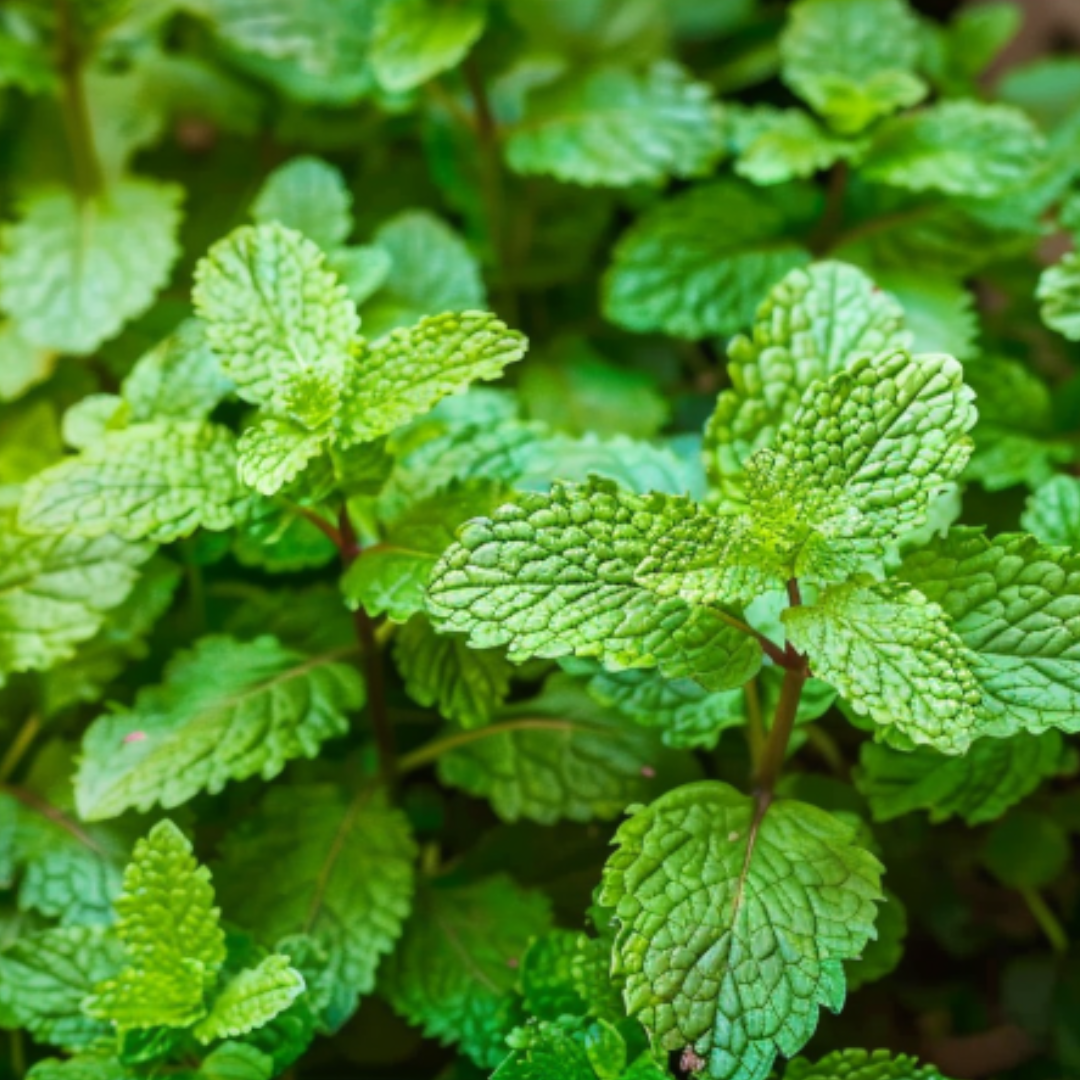
Mint is the foundation of any cocktail garden. It's virtually indestructible in Santa Cruz County, growing vigorously in conditions from full sun to partial shade, coastal fog to inland heat.
The containment warning: According to UC IPM, mint spreads aggressively through underground runners (stolons). Plant it in containers or a dedicated bed with barriers, or accept that it will colonize your garden. Many experienced gardeners grow mint exclusively in pots to prevent takeover.
Best varieties for cocktails:
Spearmint is the classic mojito mint with bright, clean flavor. It's the variety you'll find in most cocktail recipes and the one to grow if you only have room for one mint.
Peppermint offers a stronger, more intense menthol flavor. Better for after-dinner drinks and holiday cocktails than everyday mojitos.
Mojito mint (Mentha x villosa) is a specific Cuban variety with a milder, more nuanced flavor than spearmint. Worth seeking out if you're serious about mojitos.
Chocolate mint has subtle chocolate undertones that work beautifully with cream-based cocktails and dessert drinks.
Apple mint offers a softer, fruitier flavor with fuzzy leaves. Excellent in fruit-forward cocktails and punches.
Growing in Santa Cruz County:
Mint tolerates a wide range of conditions, making it one of the easiest herbs to grow in any microclimate.
Coastal areas: Mint actually appreciates the cooler temperatures and extra moisture from fog. It may grow slightly slower than inland but produces excellent flavor.
Inland valleys: Provide afternoon shade in the hottest spots to prevent stress. Water more frequently during summer.
All areas: Mint prefers consistently moist soil but tolerates occasional drought. It grows in full sun to partial shade, though some afternoon shade helps in warmer inland areas.
Harvesting tips:
Regular harvesting encourages bushier growth. Pinch stems just above a leaf node to prompt branching. Harvest in the morning when oils are most concentrated. Cut entire stems rather than individual leaves for the best flavor in cocktails.
Classic Mojito
Muddle 8-10 fresh spearmint leaves with 1 oz fresh lime juice and 3/4 oz simple syrup in a glass. Add 2 oz white rum and stir. Fill with ice, top with club soda, and garnish with a mint sprig. Gently slap the mint sprig between your palms before garnishing to release the aromatic oils.
Basil: The Unexpected Star
Basil brings an herbaceous complexity to cocktails that pairs beautifully with fruit, citrus, and gin. It's more challenging to grow in coastal Santa Cruz than mint, but absolutely worth the effort.
The bolting challenge: Basil wants to flower, especially when stressed by heat, drought, or long days. Once it bolts (sends up flower stalks), leaf production slows and flavor becomes bitter. The key to productive basil is preventing bolting through regular harvesting and variety selection.
Best varieties for cocktails:
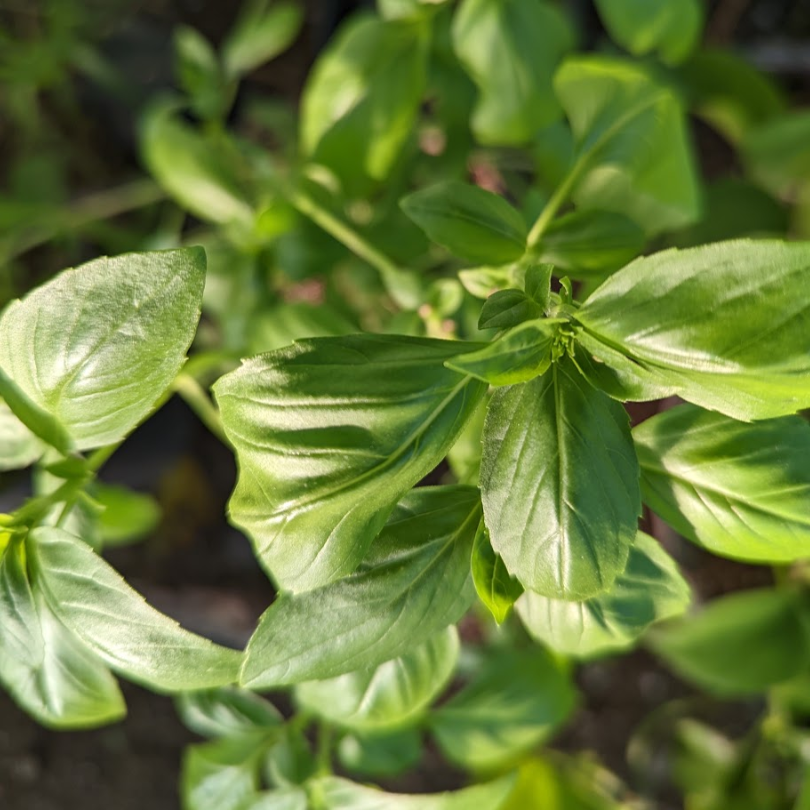
Genovese basil is the classic Italian sweet basil with large, aromatic leaves. The standard choice for most cocktail applications.
Thai basil offers anise and licorice notes that work beautifully in Asian-inspired cocktails. More bolt-resistant than Italian types and tolerates heat better.
Lemon basil adds citrus notes that complement vodka and gin drinks. Smaller leaves but intense flavor.
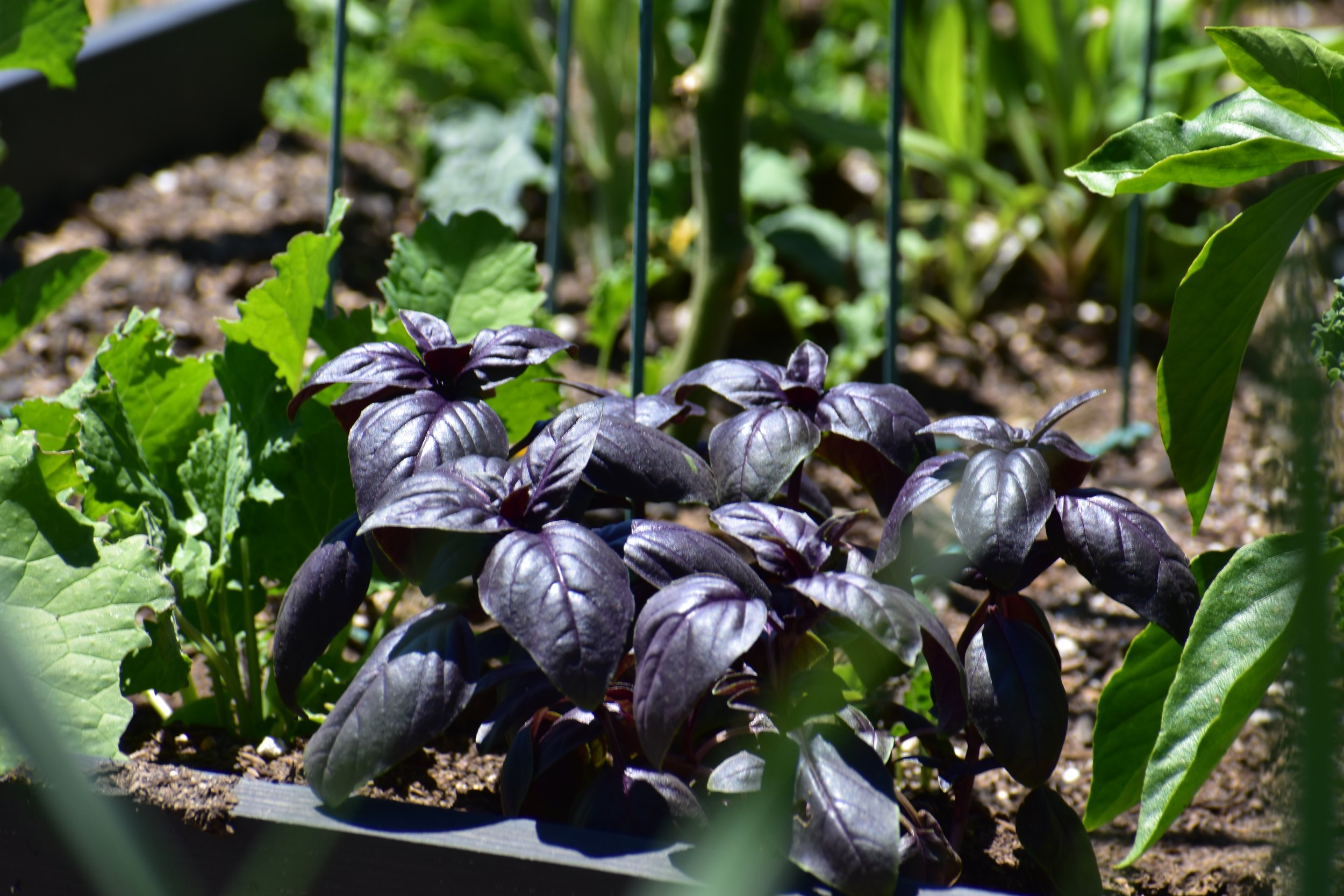
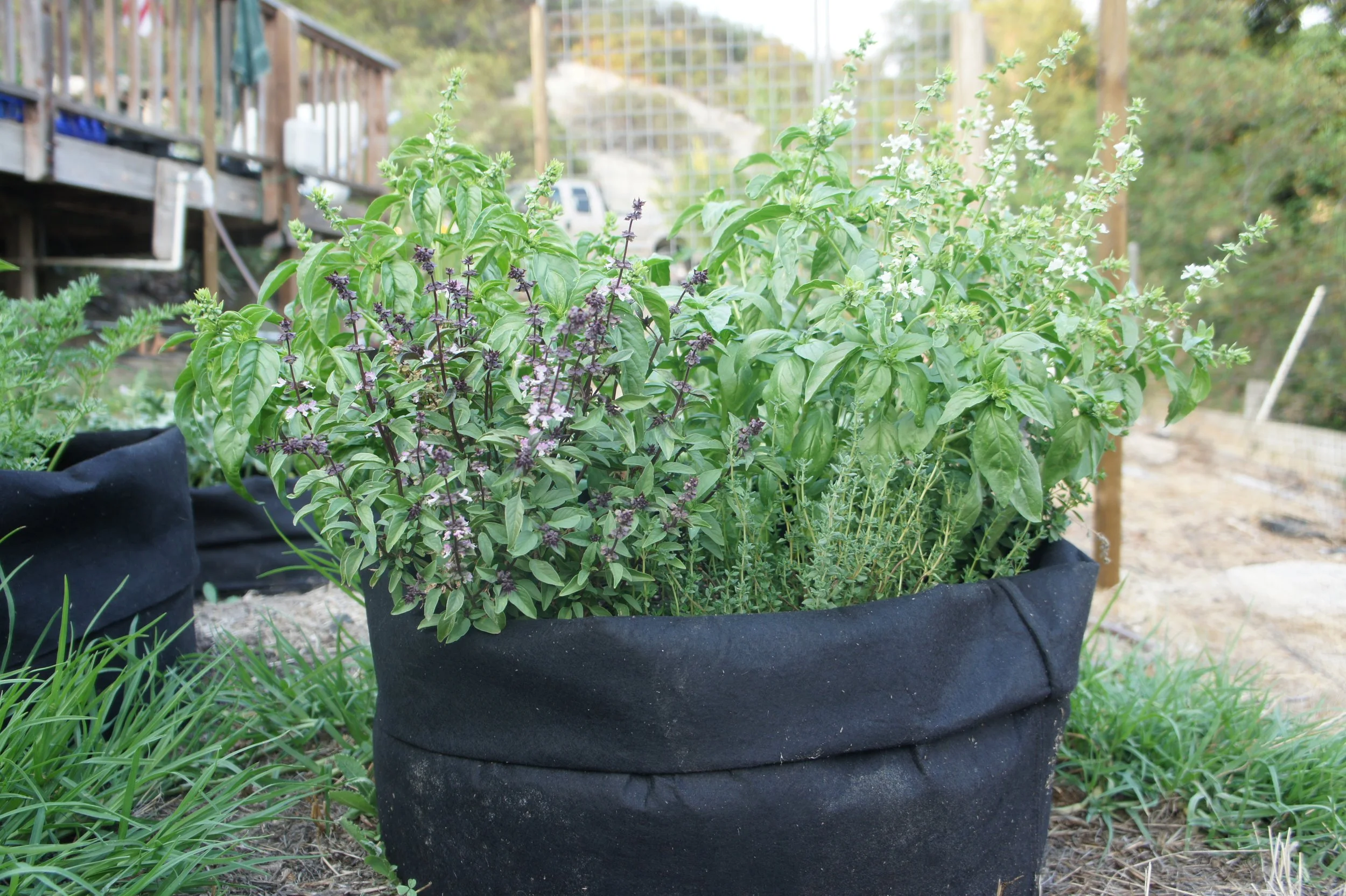
Purple basil (like Dark Opal) adds visual drama to cocktails with deep purple leaves. Flavor is slightly more clove-like than green varieties.
Growing in Santa Cruz County:
Basil is a warm-season herb that struggles in our cooler coastal microclimates but thrives inland.
Coastal areas: Challenging but possible. Choose bolt-resistant varieties like Thai basil or Genovese. Plant in the warmest, most protected spot you have, ideally against a south-facing wall. Container growing lets you move plants to catch sun. Expect slower growth and smaller harvests than inland gardeners.
Inland valleys: Basil grows well with full sun and regular water. Plant after soil warms in mid-May. Harvest frequently to delay bolting.
Warmest areas (Watsonville, sunny Boulder Creek): Excellent basil growing. Multiple successions possible through the season.
All areas: Basil needs warm soil (above 60 degrees F) and consistent moisture. It won't tolerate frost. In Santa Cruz County, treat it as a summer annual planted after danger of cold nights has passed.
Harvesting tips:
Pinch off the growing tips regularly, starting when plants have 6 sets of leaves. This encourages branching and delays bolting. Always harvest from the top of the plant, not the bottom. Remove flower buds immediately when they appear.
Strawberry Basil Smash
Muddle 3-4 fresh strawberries and 5-6 basil leaves in a shaker. Add 2 oz gin, 3/4 oz fresh lemon juice, and 1/2 oz simple syrup. Shake vigorously with ice and double-strain into a rocks glass over fresh ice. Garnish with a basil leaf and strawberry slice.
Rosemary: The Savory Note
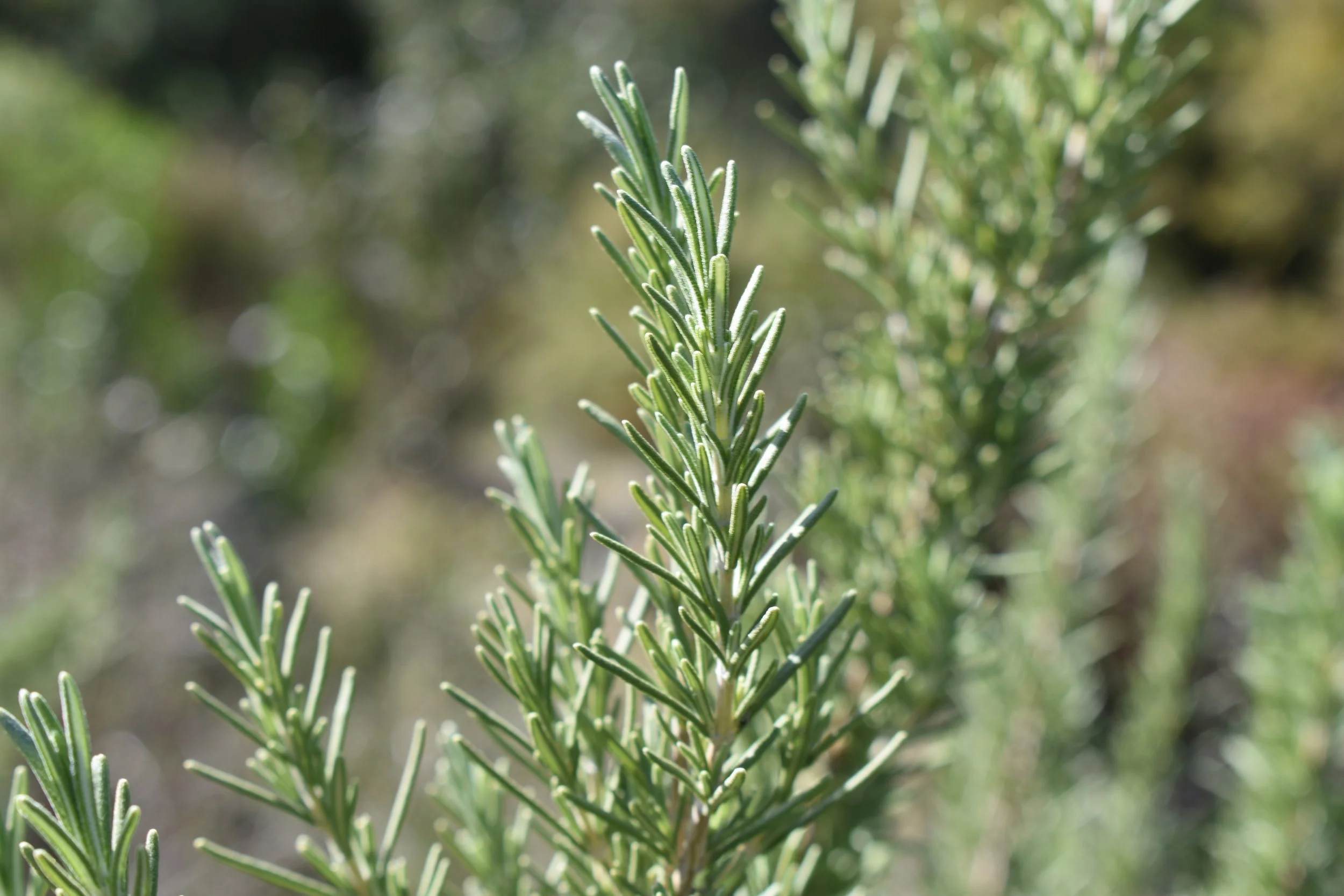
Rosemary brings a piney, savory dimension to cocktails that works especially well with citrus and gin. It's one of the easiest herbs to grow in Santa Cruz County, thriving in our dry summers with almost no care.
Best varieties for cocktails:
Tuscan Blue is an upright variety with intense flavor and beautiful blue flowers. Excellent for both cooking and cocktails.
Arp is extremely cold-hardy and drought-tolerant with good flavor. A reliable choice for any microclimate.
Prostrate rosemary (trailing types) works well in containers and hanging baskets. Same flavor as upright types.
For cocktails, any culinary rosemary variety works well. Avoid ornamental varieties, which may have been treated with non-food-safe chemicals.
Growing in Santa Cruz County:
Rosemary is native to the Mediterranean and perfectly adapted to our climate. It's drought-tolerant once established and actually suffers from overwatering.
All microclimates: Rosemary thrives throughout Santa Cruz County. It prefers full sun but tolerates partial shade. Plant in well-draining soil and avoid overwatering, the most common cause of rosemary failure. Once established, it needs water only during extended dry periods.
Coastal areas: Rosemary does well with the extra moisture from fog, though ensure drainage is excellent to prevent root rot.
Harvesting tips:
Snip sprigs as needed year-round. Rosemary is evergreen in our climate, providing fresh herbs even in winter. Harvest in the morning for the best oil concentration. The stems are woody, so strip leaves for muddling or use whole sprigs for infusions and garnishes.
Rosemary Grapefruit Spritz
Make rosemary simple syrup by simmering 1 cup sugar, 1 cup water, and 3 sprigs of rosemary for 5 minutes. Remove from heat, steep 30 minutes, strain, and refrigerate. For the cocktail, shake 2 oz gin, 2 oz fresh grapefruit juice, and 3/4 oz rosemary syrup with ice. Strain into a wine glass over ice, top with sparkling water, and garnish with a rosemary sprig and grapefruit wheel.
Lavender: The Floral Touch
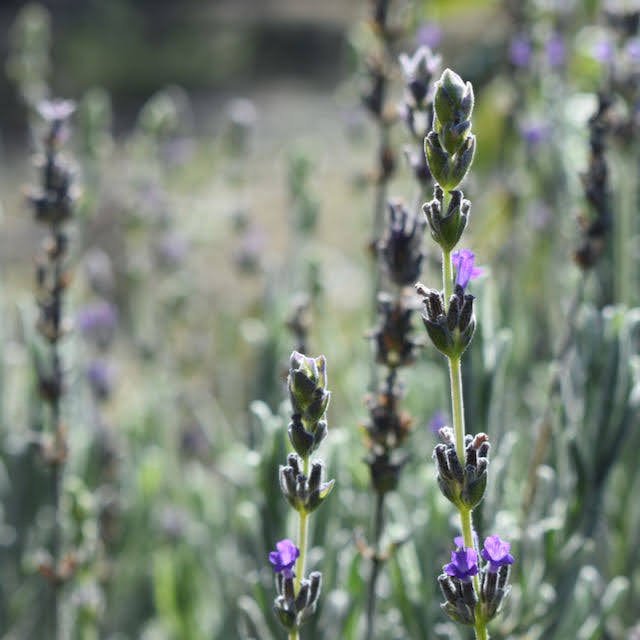
Lavender adds an elegant floral note to cocktails, but requires a light hand. Too much lavender overwhelms drinks with a soapy, perfumed quality. Used sparingly, it adds sophisticated complexity.
The culinary distinction: Not all lavender is suitable for cocktails. Culinary varieties have lower camphor content and better flavor. Avoid ornamental lavenders, which may taste medicinal.
Best varieties for cocktails:
English lavender (Lavandula angustifolia) is the standard culinary lavender with the best flavor for cocktails. Varieties like Munstead, Hidcote, and Royal Velvet all work well.
Provence lavender (a hybrid) has slightly higher camphor but still works in cocktails. More heat-tolerant than English types.
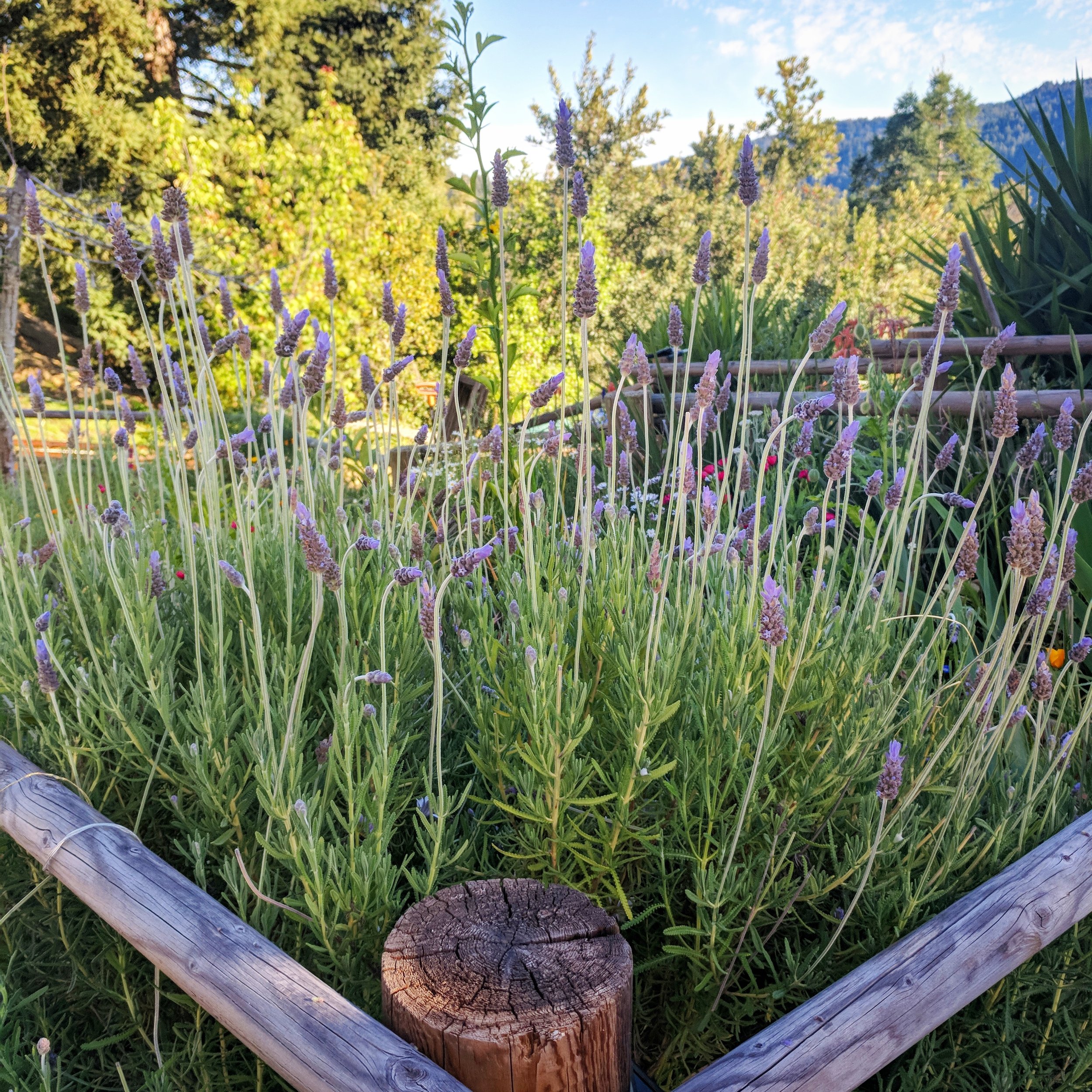
Avoid Spanish lavender (Lavandula stoechas) and other ornamental types for culinary use.
Growing in Santa Cruz County:
Lavender evolved in the dry Mediterranean and thrives in Santa Cruz County's similar climate. It demands excellent drainage and suffers in wet, heavy soils.
All microclimates: Lavender grows well throughout the county with proper drainage. Full sun is essential. Plant in raised beds or amended soil if your native soil is heavy clay. Once established, lavender is extremely drought-tolerant and actually produces better flavor when slightly stressed for water.
Coastal areas: Lavender tolerates fog but needs excellent drainage to prevent root rot. Raised beds or containers work well.
Harvesting tips:
Harvest flower spikes just as blooms begin to open, when oil content is highest. Dry lavender by hanging bundles in a cool, dark place. Dried lavender has more concentrated flavor than fresh and is easier to strain from syrups. Store dried lavender in airtight containers away from light.
Lavender Simple Syrup
Combine 1 cup sugar and 1 cup water in a saucepan. Heat until sugar dissolves. Remove from heat and add 2 tablespoons dried culinary lavender buds (or 3 tablespoons fresh). Steep for 30 minutes, tasting occasionally. Strain through fine mesh and refrigerate. Use sparingly: start with 1/4 oz per cocktail and adjust to taste. Works beautifully in gin drinks, lemonade, and champagne cocktails.
What Other Herbs Are Worth Growing for Cocktails?
Thyme
Thyme adds earthy, savory notes to cocktails, particularly those with citrus or stone fruits. It's nearly as easy to grow as rosemary and equally drought-tolerant.
Best for cocktails: Lemon thyme adds citrus notes. English thyme offers classic flavor.
Growing: Full sun, excellent drainage, minimal water once established. Thrives in all Santa Cruz microclimates.
In cocktails: Muddle lightly or use as garnish. Works well in whiskey sours and gin cocktails with stone fruit.
Sage
Sage brings an earthy, slightly peppery flavor that works in fall and winter cocktails. It pairs well with apple, pear, and brown spirits.
Best for cocktails: Common garden sage (Salvia officinalis) works well. Pineapple sage adds fruit notes.
Growing: Full sun, well-draining soil, drought-tolerant once established. Easy in all microclimates.
In cocktails: Muddle gently or use in infusions. Try with bourbon, apple cider, and autumn flavors.
Lemon Verbena
Lemon verbena offers the most intensely lemony flavor of any herb, more vibrant than lemon balm or lemon thyme. It makes exceptional cocktail syrups.
Growing: Needs warmth and protection from frost. In coastal areas, grow in containers you can shelter in winter. Inland areas can grow it as a perennial with winter protection.
In cocktails: Infuse into simple syrup for an intense lemon flavor without acidity. Excellent in vodka drinks and spritzers.
Shiso (Perilla)
Shiso is an Asian herb with complex flavor, somewhere between basil, mint, and cinnamon. It adds unique depth to cocktails and works beautifully with sake, gin, and vodka.
Growing: Grows like basil, preferring warm conditions. More bolt-resistant than basil. Green and purple varieties available.
In cocktails: Muddle or use as garnish. Try in gin cocktails with cucumber or in sake-based drinks.
How Should You Plan Your Cocktail Herb Garden?
Space Requirements
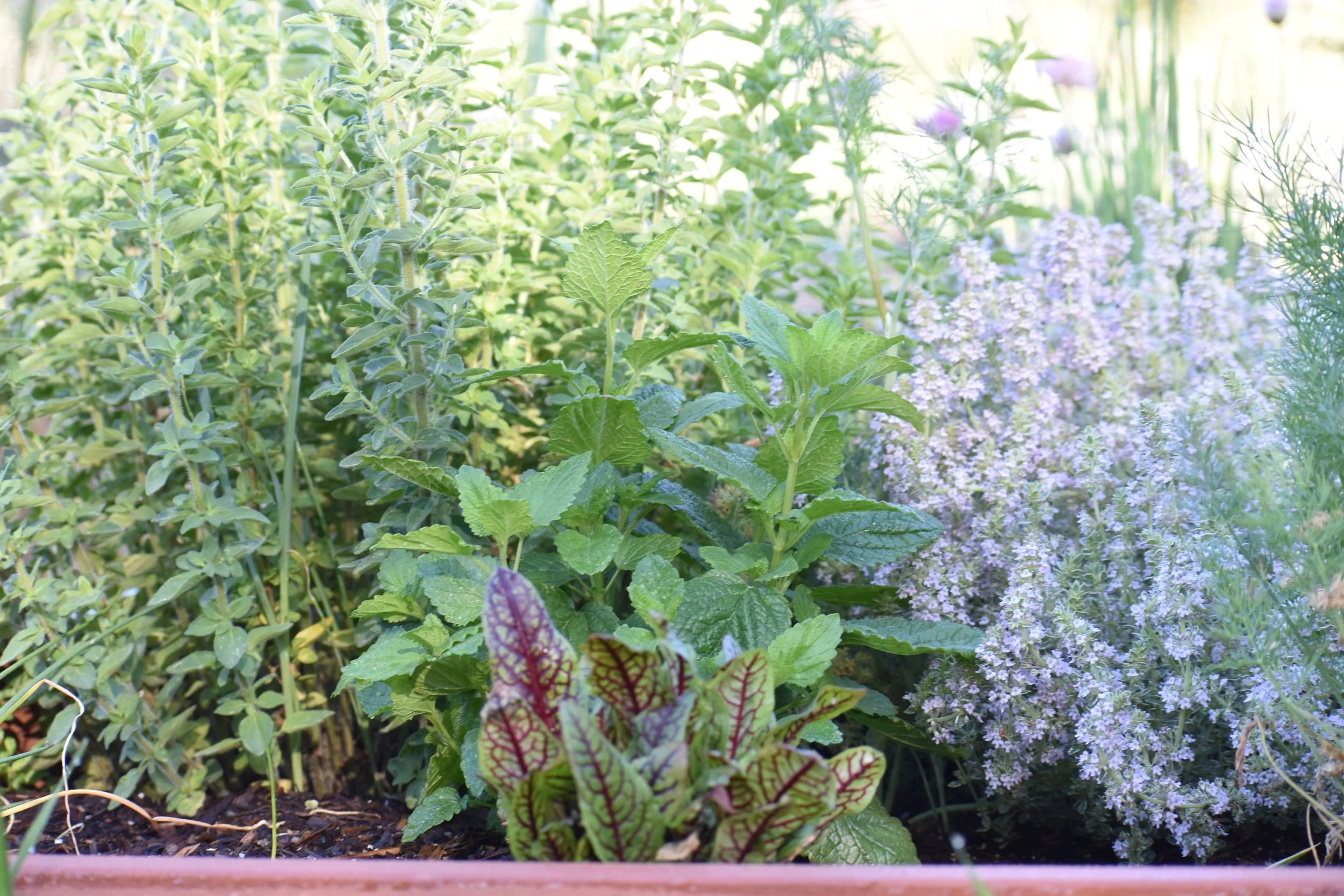
You don't need much space for a productive cocktail garden. A few containers on a sunny patio can supply herbs for regular entertaining.
Minimum setup: One large pot of mint, one rosemary plant, and summer basil provides the basics for most classic cocktails.
Expanded garden: Add lavender, thyme, and lemon verbena for more variety. A 4x4 raised bed can hold all the herbs you need.
Container growing: Works well for all cocktail herbs and offers advantages for mint containment, moving basil to sunny spots, and protecting tender herbs in winter.
Placement Considerations
Sun exposure: Most cocktail herbs want full sun (6+ hours). In hot inland areas, afternoon shade helps basil and mint.
Accessibility: Plant herbs near the kitchen or outdoor entertaining area. You're more likely to use them if they're convenient.
Drainage: Rosemary and lavender demand excellent drainage. Raised beds or containers work better than heavy clay soil.
Year-Round Harvests
Santa Cruz County's mild climate allows year-round herb harvests with good planning.
Year-round herbs: Rosemary, thyme, and sage are evergreen and available fresh all year.
Spring through fall: Mint grows actively from spring through fall, dying back in winter but returning vigorously.
Summer only: Basil is strictly warm-season. Plant successions for extended harvest.
Preserved herbs: Dry lavender and make herb-infused simple syrups to extend your cocktail garden through winter.
Frequently Asked Questions
What's the easiest cocktail herb to grow in Santa Cruz County?
Rosemary and mint are nearly foolproof. Rosemary thrives on neglect in our Mediterranean climate. Mint grows so vigorously you'll spend more effort containing it than encouraging it. Either is an excellent starting point for a cocktail garden.
Can I grow basil on the coast?
Yes, but it's more challenging than inland. Choose bolt-resistant varieties like Thai basil, plant in your warmest spot (against a south-facing wall is ideal), and consider container growing so you can move plants to catch sun. Expect smaller harvests than inland gardeners, but fresh basil is still possible.
How do I keep mint from taking over my garden?
Grow mint in containers or plant it in a bed surrounded by hardscape or buried barriers at least 12 inches deep. The underground runners are aggressive and will spread through any opening. Most experienced gardeners simply grow mint in pots.
When should I harvest herbs for the best flavor?
UC research confirms that essential oil concentration in herbs peaks in the morning hours, so harvest after dew has dried but before the heat of the day. For basil specifically, harvest before any flowers open.
How do I use woody herbs like rosemary in cocktails?
For muddling, strip leaves from stems and muddle gently to release oils without creating bitter compounds. For infusions and syrups, use whole sprigs and strain. For garnishes, use attractive sprigs and gently bruise them between your palms to release aroma.
Can I grow cocktail herbs indoors?
Most cocktail herbs need more light than typical indoor conditions provide. A very sunny south-facing window might work for mint and basil, but rosemary and lavender rarely thrive indoors in our climate. Since our outdoor growing season is nearly year-round, outdoor growing is much more successful.
How do I make herb-infused simple syrup?
Combine equal parts sugar and water in a saucepan. Heat until sugar dissolves. Remove from heat, add herbs (about 1/2 cup fresh or 2-3 tablespoons dried per cup of syrup), and steep 30 minutes to 2 hours, tasting periodically. Strain and refrigerate. Most herb syrups keep 2-3 weeks refrigerated.
What herbs pair best with different spirits?
Gin pairs beautifully with rosemary, lavender, basil, and thyme. Vodka works with almost any herb, especially mint and basil. Rum loves mint. Whiskey and bourbon pair well with thyme, sage, and rosemary. Tequila works with cilantro (not covered here, but worth trying) and basil.
Downloadable Guides
Seasonal Planting Calendar: When to plant herbs in Santa Cruz County.
Companion Planting Guide: What to plant near your herbs.
Know Your Microclimate Worksheet: Determine your specific growing conditions.
Local Resources
San Lorenzo Garden Center: Excellent herb selection including unusual varieties.
Mountain Feed & Farm Supply: Herb seeds and organic gardening supplies.
Sierra Azul Nursery: Native and Mediterranean herbs including culinary lavenders.
Dig Gardens: Curated herb selection with knowledgeable staff.
Related Articles
Herb Growing Guides
Growing Herbs in Santa Cruz County - Complete guide to growing culinary herbs
Growing Basil in Santa Cruz - Tips for our most popular summer herb
Growing Rosemary in Santa Cruz - The easiest Mediterranean herb
Growing Lavender in Santa Cruz - Fragrant, drought-tolerant beauty
Growing Mint in Santa Cruz - Vigorous grower for mojitos and more
Growing Thyme in Santa Cruz - Versatile culinary and cocktail herb
Growing Oregano in Santa Cruz - Mediterranean kitchen essential
Growing Sage in Santa Cruz - Savory herb for cooking and cocktails
Growing Parsley in Santa Cruz - The underrated two-year herb
Growing Cilantro in Santa Cruz - Cool-season favorite
Growing Dill in Santa Cruz - Quick-growing annual herb
Growing Chives in Santa Cruz - Easy perennial onion flavor
Herb Care & Preservation
Preventing Basil from Bolting - Keep basil productive all season
Preserving Fresh Herbs - Drying, freezing, and infusing methods
Special Topics
Growing Herbs for Cocktails - From garden to glass
Fire-Wise Herb Gardens - Low-growing, high-moisture plants for defensible space
