

Growing Basil in Santa Cruz County: The Complete Guide
A few of the product links in this guide are affiliate links. If you buy through one, Ambitious Harvest may earn a small commission at no extra cost to you, which helps keep these guides free. We only point to gear we would use in our own Santa Cruz garden. As an Amazon Associate, we earn from qualifying purchases. Read our full disclosure.
Basil is the herb everyone wants to grow, and for good reason. Fresh basil from the garden tastes nothing like the sad, wilted bunches at the grocery store. But in Santa Cruz County, growing basil requires understanding our unique climate challenges.
The reality: basil is easier to grow in some parts of the county than others. Coastal fog and cool temperatures can make basil struggle, while sunny inland areas produce basil so abundant you will be giving it away.
Here is how to grow productive, bushy basil plants no matter which microclimate you are in.
Why Can Basil Be Tricky in Santa Cruz County?
Basil is a heat-loving plant that originates from tropical Asia. According to the UC Master Gardener Program, basil wants:
Warm temperatures (70 to 85 degrees ideal)
Full sun (6+ hours daily)
Warm soil
Protection from cold winds
Santa Cruz County's microclimates create dramatically different growing conditions:
Coastal areas (Aptos, Capitola, Santa Cruz, Live Oak): Fog, cool mornings, and temperatures often in the 60s create challenging conditions. Basil grows slowly, may struggle to bush out, and can develop fungal issues in humid conditions.
Sunny mountain areas (Boulder Creek ridges, Ben Lomond chaparral): Near-perfect basil conditions. Hot days and warm soil produce abundant, bushy plants. This is the easiest zone for basil.
Under redwoods (Felton, shaded canyons): Too cool and shady for most basil. Consider growing in containers that can be moved to sunny spots.
Inland valleys (Scotts Valley, Soquel): Good basil territory with enough warmth and sun for productive plants.
Watsonville and Pajaro Valley: Excellent basil conditions. Warm agricultural climate produces abundant harvests.
How Should You Choose the Right Basil Variety?
Different varieties perform differently in our climate:
Best for Coastal and Cool Areas
Genovese: The classic Italian basil. More cold-tolerant than some varieties. Large leaves, classic pesto flavor.
Italian Large Leaf: Similar to Genovese with slightly larger leaves. Handles cooler conditions reasonably well.
Lettuce Leaf: Extra-large leaves mean fewer plants needed. Somewhat more tolerant of cool weather.
Best for Warm Inland Areas
Sweet Basil: The standard variety. Thrives with heat and produces abundantly in warm microclimates.
Thai Basil: Spicier with licorice notes. Handles heat well and is more resistant to bolting than sweet basil. Purple stems add ornamental interest.
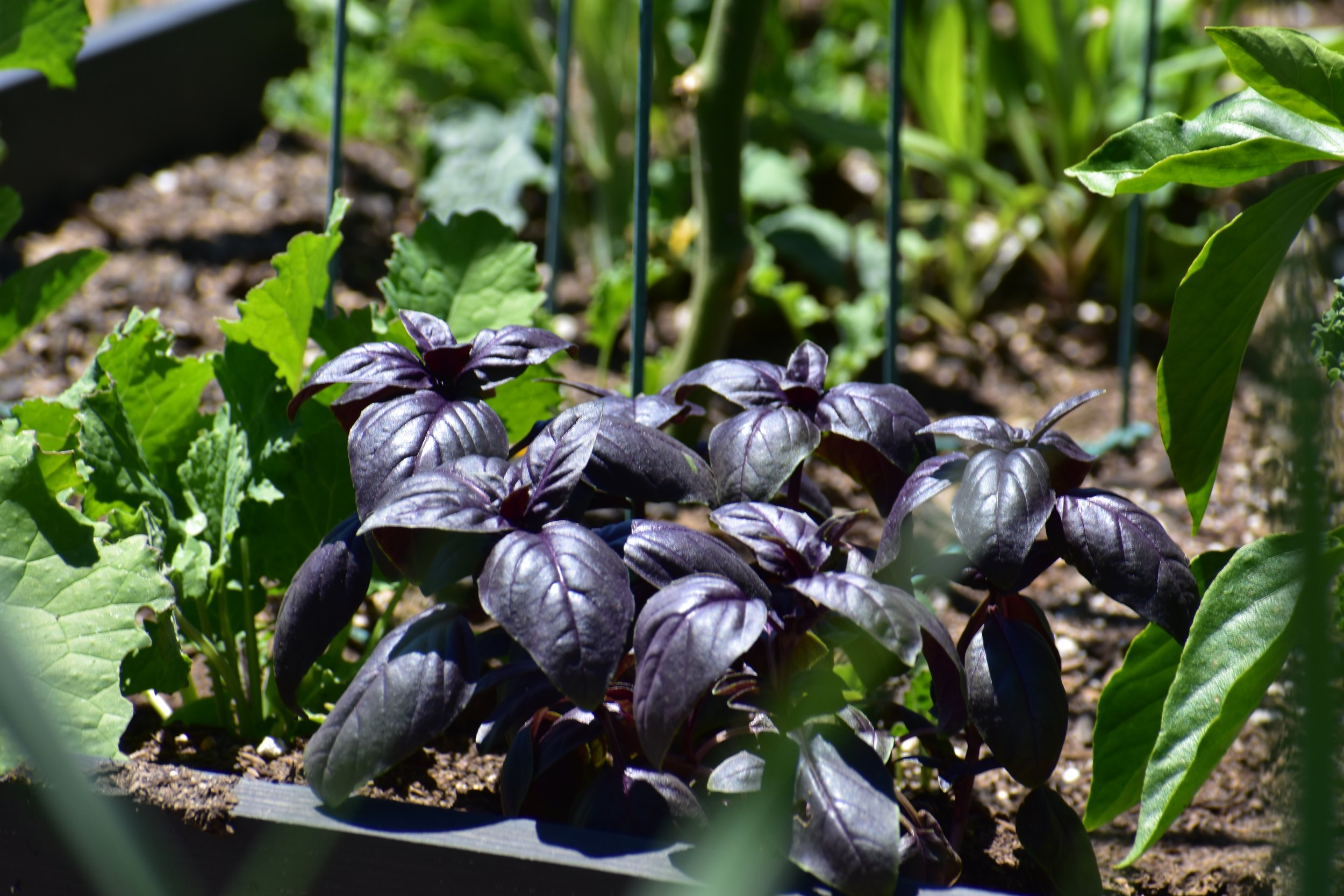
Purple Basil (Dark Opal, Red Rubin): Beautiful deep purple leaves. Slightly more heat-tolerant. Striking in the garden and on the plate.
Lemon Basil: Citrus-scented leaves perfect for fish, tea, and Asian dishes. Needs warmth to thrive.
African Blue Basil: A perennial in mild areas. More cold-tolerant than annual basils. Camphor notes make it less suitable for Italian cooking but excellent for pollinators.
Compact Varieties for Containers
Spicy Globe: Naturally compact and bushy. Perfect for containers. Small leaves with concentrated flavor.
Windowbox Basil: Bred for container growing. Stays small and does not require as much pinching.
Greek Basil: Tiny leaves on compact plants. Intense flavor despite small size.
When Should You Plant Basil in Santa Cruz County?
Timing depends entirely on your microclimate:
Coastal areas: Wait until late May or even June. Soil needs to warm to at least 60 degrees. Early planting just results in stunted, struggling plants. Do not be tempted by nursery basil in March.
Sunny inland areas: Mid to late April for transplants. May for direct seeding. Soil warms faster here.
Under redwoods: Consider container growing so you can move plants to sunny spots. Plant when temperatures consistently reach 70 degrees.
Watsonville and Pajaro Valley: Late April through May. Your warmer conditions allow earlier planting than the coast.
Starting from Seed vs. Transplants
Transplants are easier in Santa Cruz County. The UC Master Gardeners of Sonoma County note that basil germination depends on warm soil and air above 75 degrees. Unless you start seeds indoors or have a very warm microclimate, buying transplants saves weeks of growing time.
If starting seeds indoors: Start 6 to 8 weeks before your transplant date. Use a heat mat for consistent germination. Harden off gradually before transplanting.
Direct seeding outdoors: Only works reliably in warm microclimates (sunny mountains, Watsonville) after soil has thoroughly warmed in late May or June.
How Should You Plant Basil for Best Results?
Site Selection
Choose the warmest, sunniest spot you have. In coastal areas, a south-facing wall that reflects heat is ideal. Basil planted in cool, shady spots will struggle all season.
Soil Preparation
Basil prefers:
Well-draining soil (essential, not optional)
Rich in organic matter
Slightly acidic to neutral pH (6.0 to 7.0)
Add 2 to 3 inches of compost before planting. In heavy clay soil, consider raised beds for better drainage.
Spacing
Space plants 12 to 18 inches apart. Basil grows bigger than most people expect when properly cared for. Crowded plants have poor air circulation, which promotes disease, as noted in UC's basil growing guidelines.
Container Growing
Containers are excellent for basil in Santa Cruz County because you can:
Move plants to follow the sun
Bring plants to warmer spots on foggy days
Protect from cold nights
Control soil drainage
Use containers at least 8 inches deep. Terra cotta dries out quickly, which basil dislikes. Plastic or glazed ceramic retain moisture better.
What Is the Secret to Bushy Basil: Pinching?
The single most important technique for productive basil is regular pinching. Without it, basil grows tall, spindly, and goes to flower quickly.
How to Pinch Basil
Start early: When plants have 3 to 4 sets of leaves, pinch out the top growing tip.
Pinch above a leaf node: Always cut just above a pair of leaves. Two new branches will grow from that point.
Keep pinching: Every time a branch develops 3 to 4 new leaf sets, pinch again. Each pinch doubles the number of growing tips.
Remove flower buds immediately: Flowering signals the plant to stop producing leaves. Pinch off flower buds as soon as you see them.
What Happens If You Do Not Pinch
Unpinched basil grows into a tall, single-stemmed plant that flowers quickly and becomes bitter. Pinching transforms one stem into a bushy plant with dozens of growing tips and abundant leaves.
How Often Should You Water Basil?
Basil needs consistent moisture but hates soggy roots.
In the ground: Water deeply 1 to 2 times per week, depending on temperature. Let the top inch of soil dry between waterings.
In containers: Check daily in warm weather. Containers dry out quickly. Water when the top inch is dry.
Signs of underwatering: Wilting, especially in afternoon heat. Leaves that droop and do not recover overnight.
Signs of overwatering: Yellow leaves, soft stems, root rot. More common in coastal areas with cool, humid conditions.
Fog Zone Challenges
In foggy coastal areas, reduce watering frequency. The combination of fog moisture, cool temperatures, and wet soil promotes fungal diseases. Let soil dry between waterings and ensure excellent drainage.
How Should You Feed Basil Through the Season?
Basil is a moderate feeder. Too much nitrogen produces lush leaves with less flavor.
At planting: Work compost into the soil.
During the season: Feed every 3 to 4 weeks with a balanced organic fertilizer or compost tea.
Avoid: Heavy nitrogen fertilizers that produce large, bland leaves.
When and How Should You Harvest Basil?
Regular harvesting is the same as pinching. It keeps plants bushy and productive.
How to Harvest
Cut stems, not individual leaves: Harvest by cutting stems just above a leaf node. This encourages branching.
Harvest from the top: Always harvest from the top of the plant, not the bottom. Bottom leaves are older and less flavorful.
Harvest regularly: Even if you do not need basil, pinch back growing tips to maintain bushy growth.
Morning harvest: Leaves have the highest oil content in the morning before heat draws out volatile oils.
How Much to Harvest
You can harvest up to one-third of the plant at a time without stressing it. More frequent, lighter harvests are better than occasional heavy ones.
How Should You Preserve Your Basil Harvest?
Santa Cruz basil season is finite. Preserve your harvest for year-round use.
Freezing (Best Method)
Blanch and freeze: Blanch leaves for 2 seconds in boiling water, plunge into ice water, pat dry, and freeze flat on a baking sheet. Transfer to freezer bags.
Freeze in olive oil: Puree basil with olive oil and freeze in ice cube trays. Pop out frozen cubes and store in freezer bags. Perfect for winter pesto or adding to soups.
Freeze whole leaves: Less ideal because leaves blacken, but still usable in cooked dishes.
Pesto
Make large batches of pesto and freeze in small containers or ice cube trays. Thaw as needed throughout winter.
Drying
Dried basil loses much of its flavor compared to fresh or frozen. If you must dry basil, use a dehydrator at low temperature (95 to 100 degrees) to preserve more flavor than air drying.
What Are the Most Common Basil Problems in Santa Cruz County?
Downy Mildew
Symptoms: Yellow patches on top of leaves with grayish-purple fuzzy growth underneath.
Cause: Cool, humid conditions, especially prevalent in coastal areas. UC ANR reported basil downy mildew (Peronospora belbahrii) in California, where it was first found by 2009, as a pathogen that can cause serious damage to culinary and ornamental basil.
Prevention: Ensure good air circulation. Water at soil level, not on leaves. Choose resistant varieties. Remove affected leaves immediately.
Fusarium Wilt
Symptoms: Plants wilt despite adequate water. Stems show brown streaking inside.
Cause: Soilborne fungus. UC IPM notes that fusarium pathogens persist in soil for years.
Prevention: Rotate planting locations. Use disease-free transplants. Some resistant varieties available.
Aphids
Symptoms: Clusters of small insects on new growth. Sticky honeydew on leaves.
Solution: Spray off with water. Use insecticidal soap if severe. Encourage ladybugs and lacewings. The UC IPM Pest Note on aphids recommends these biological controls as a first line of defense.
Bolting (Going to Flower)
Symptoms: Plant stops producing leaves and sends up flower stalks.
Cause: Heat stress, drought stress, or natural end of life cycle.
Prevention: Keep plants well-watered. Pinch flower buds immediately. Succession plant for continuous harvest.
Cold Damage
Symptoms: Blackened leaves and stems after cold nights.
Cause: Temperatures below 50 degrees.
Prevention: Cover plants on cold nights. Bring containers indoors. In coastal areas, plant against south-facing walls for warmth.
What Are the Best Companion Plants for Basil?
Basil is an excellent companion plant that may help repel pests and enhance flavor of neighboring plants.
Good Companions
Tomatoes: The classic pairing. Basil may repel tomato hornworms and aphids. Plant basil throughout your tomato bed.
Peppers: Similar growing requirements. Basil may improve pepper flavor.
Asparagus: Basil may repel asparagus beetles.
Avoid Planting With
Sage: Different water requirements.
Rue: May inhibit basil growth.
How Does Succession Planting Keep Your Basil Harvest Going?
For uninterrupted basil all season, plant in succession:
First planting: Late April to May (inland) or late May to June (coastal)
Second planting: 4 weeks after first
Third planting: 4 weeks after second
Each succession extends your harvest season and ensures you always have young, productive plants.
Where Can You Find Local Basil Resources?
Seeds and Transplants
Renee's Garden Seeds (based in Felton) carries excellent basil varieties suited to our climate, including Genovese, Thai, and specialty types.
Sierra Azul Nursery (2660 E. Lake Avenue, Watsonville) has herb transplants throughout the growing season.
San Lorenzo Garden Center (235 River Street, Santa Cruz) stocks basil transplants from spring through summer.
Mountain Feed & Farm Supply (9550 Highway 9, Ben Lomond) carries herb seeds and transplants.
Farmers Markets
Local farmers markets often have multiple basil varieties, including harder-to-find types like Thai basil and lemon basil. The Downtown Santa Cruz Farmers Market (Wednesday) and Westside Market (Saturday) are good sources.
UC Extension Resources
The UC Master Gardeners of Sonoma County offers free gardening help, including advice on growing herbs in local microclimates. Their hotline and community events are valuable resources for Santa Cruz gardeners.
Frequently Asked Questions About Growing Basil
Why is my basil not growing in my foggy coastal garden?
Basil needs warmth that foggy coastal areas often do not provide. Try growing in containers against a south-facing wall where heat radiates. Black plastic mulch warms soil. Consider heat-tolerant varieties, or accept that basil may always struggle in your microclimate. Some coastal gardeners have better luck with African Blue basil, which tolerates cooler conditions.
When should I start pinching my basil?
Start pinching when plants have 3 to 4 sets of true leaves, usually when they are 6 to 8 inches tall. Pinch out the top growing tip. Continue pinching every time branches develop 3 to 4 new leaf sets. Early and consistent pinching is the key to bushy, productive plants.
Why does my basil keep going to flower?
Basil flowers when stressed (drought, heat, root-bound) or at the natural end of its life cycle. Pinch flower buds immediately as they appear. Keep plants consistently watered. Succession plant so you always have young plants. Once basil is determined to flower, it is difficult to stop. Start new plants instead.
Can I grow basil year-round in Santa Cruz County?
Not outdoors. Basil is an annual that dies with frost or prolonged cold. The outdoor season runs roughly May through October, depending on your microclimate. Indoor growing with supplemental light can extend the season. Some gardeners in the warmest microclimates can push into November.
Should I let some basil flower for the bees?
Flowering basil is excellent for pollinators. Many gardeners let one or two plants flower at the end of the season for this reason. Just know that flowering plants stop producing quality leaves. Keep your main harvest plants pinched, and designate bee plants separately.
How do I know if my basil is getting enough sun?
Basil in full sun is compact and bushy with thick, dark green leaves. Basil in too much shade is leggy, with thin stems and pale leaves that stretch toward light. If your basil is leggy, it needs a sunnier location. In coastal areas, this often means growing in containers you can move.
What is the best basil variety for pesto?
Genovese basil is the classic choice for Italian pesto, with large, smooth leaves and authentic flavor. Italian Large Leaf is similar. For Thai or Asian dishes, Thai basil has a completely different flavor profile (licorice and spice notes). Grow the variety that matches your cooking style.
Can I root basil cuttings in water?
Yes, basil roots easily in water. Cut a 4 to 6 inch stem just below a leaf node, remove the lower leaves, and place in a jar of water on a sunny windowsill. Roots develop in 1 to 2 weeks. Transplant to soil once roots are an inch long. This is an easy way to multiply favorite plants or salvage stems from the grocery store.
Free Gardening Resources
Companion Planting Guide: Learn which plants grow well with basil and which to keep separate.
Seasonal Planting Calendar: Find the right time to plant basil in your Santa Cruz microclimate.
Know Your Microclimate Worksheet: Determine whether your garden has the warmth basil needs.
Garden Troubleshooting Guide: Quick reference for common basil problems and solutions.
Basil Success in Santa Cruz County
Growing basil in Santa Cruz County means working with your microclimate rather than against it. Coastal gardeners need patience, warm microclimates, and possibly container growing. Inland gardeners can grow basil with abandon.
The key techniques are universal: plant at the right time for your location, pinch regularly for bushy growth, and harvest often. Master these basics and you will have more basil than you can use, which is exactly the problem every basil grower wants to have.
Related Articles
Herb Growing Guides
Growing Herbs in Santa Cruz County - Complete guide to growing culinary herbs
Growing Rosemary in Santa Cruz - The easiest Mediterranean herb
Growing Lavender in Santa Cruz - Fragrant, drought-tolerant beauty
Growing Mint in Santa Cruz - Vigorous grower for mojitos and more
Growing Thyme in Santa Cruz - Versatile culinary and cocktail herb
Growing Oregano in Santa Cruz - Mediterranean kitchen essential
Growing Sage in Santa Cruz - Savory herb for cooking and cocktails
Growing Parsley in Santa Cruz - The underrated two-year herb
Growing Cilantro in Santa Cruz - Cool-season favorite
Growing Dill in Santa Cruz - Quick-growing annual herb
Growing Chives in Santa Cruz - Easy perennial onion flavor
Herb Care & Preservation
Preventing Basil from Bolting - Keep basil productive all season
Preserving Fresh Herbs - Drying, freezing, and infusing methods
Special Topics
Growing Herbs for Cocktails - From garden to glass
Fire-Wise Herb Gardens - Low-growing, high-moisture plants for defensible space
