

Learn
CATEGORIES
- Beginner Gardening
- California Gardening
- Companion Planting
- Container Gardening
- Edible Gardening
- Fire-Wise Gardening
- Food Safety
- Garden Myth Buster
- Garden Planning
- Garden Question of the Week
- Gardening with Kids
- Getting Started
- Grow Guides
- Growing Guides
- Herbs
- How-To Guides
- Indoor Gardening
- Microclimates
- Microgreens and Indoor Growing
- Monthly Garden Checklist
- Nutrition
- Planning & Planting
- Plant Problems
- Seasonal Gardening
- Seasonal Planting
- Succulents
- This vs. That
- Water-Wise Gardening
- Wildlife and Pest Management
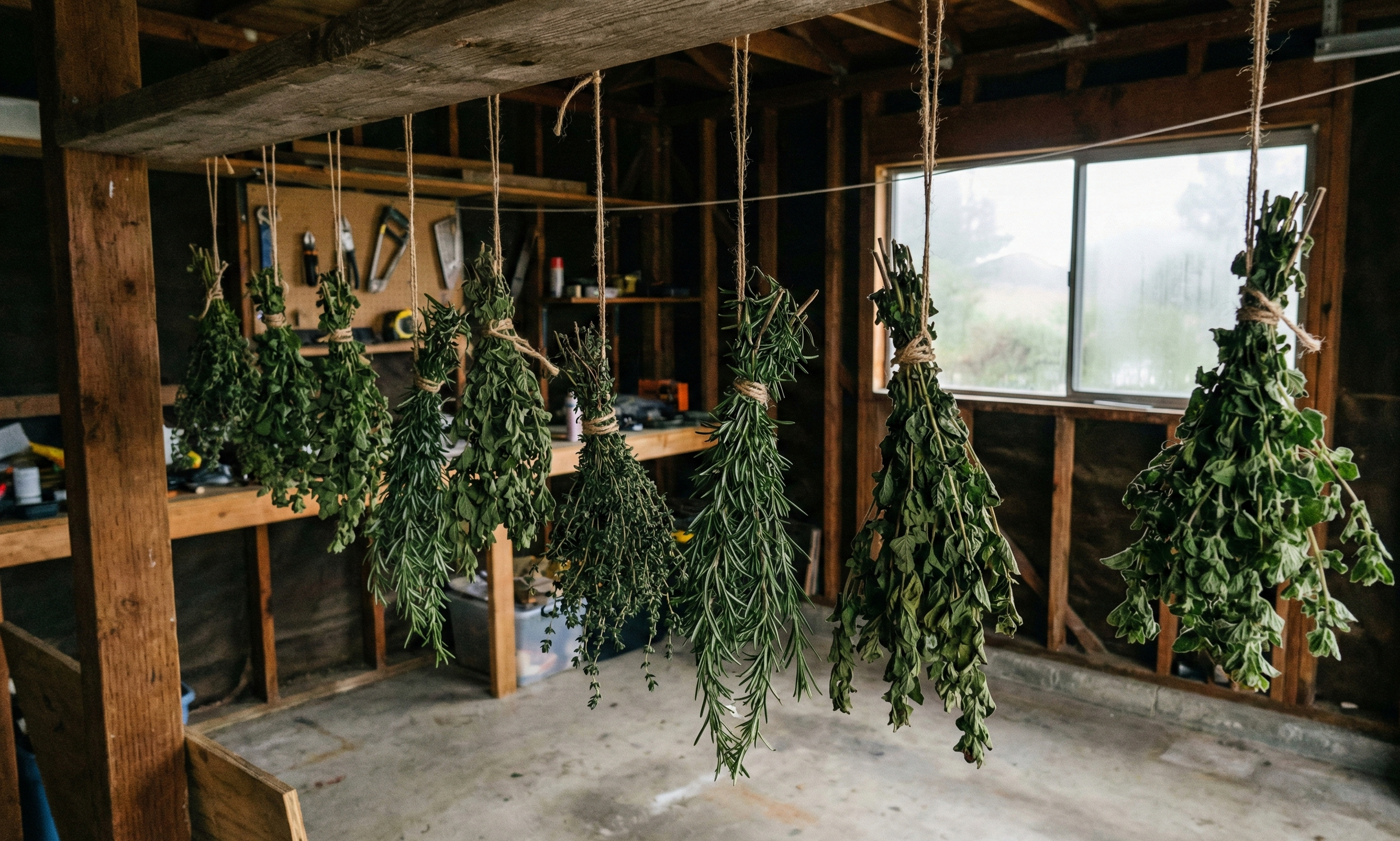
Preserving Fresh Herbs: Drying, Freezing & Infusing for Year-Round Flavor
When your herb garden produces more than you can use fresh, preservation lets you capture that peak flavor for months to come. This guide covers four drying methods, four freezing techniques, and how to make herb-infused oils, vinegars, butters, and salts, with specific tips for handling Santa Cruz County's coastal humidity.
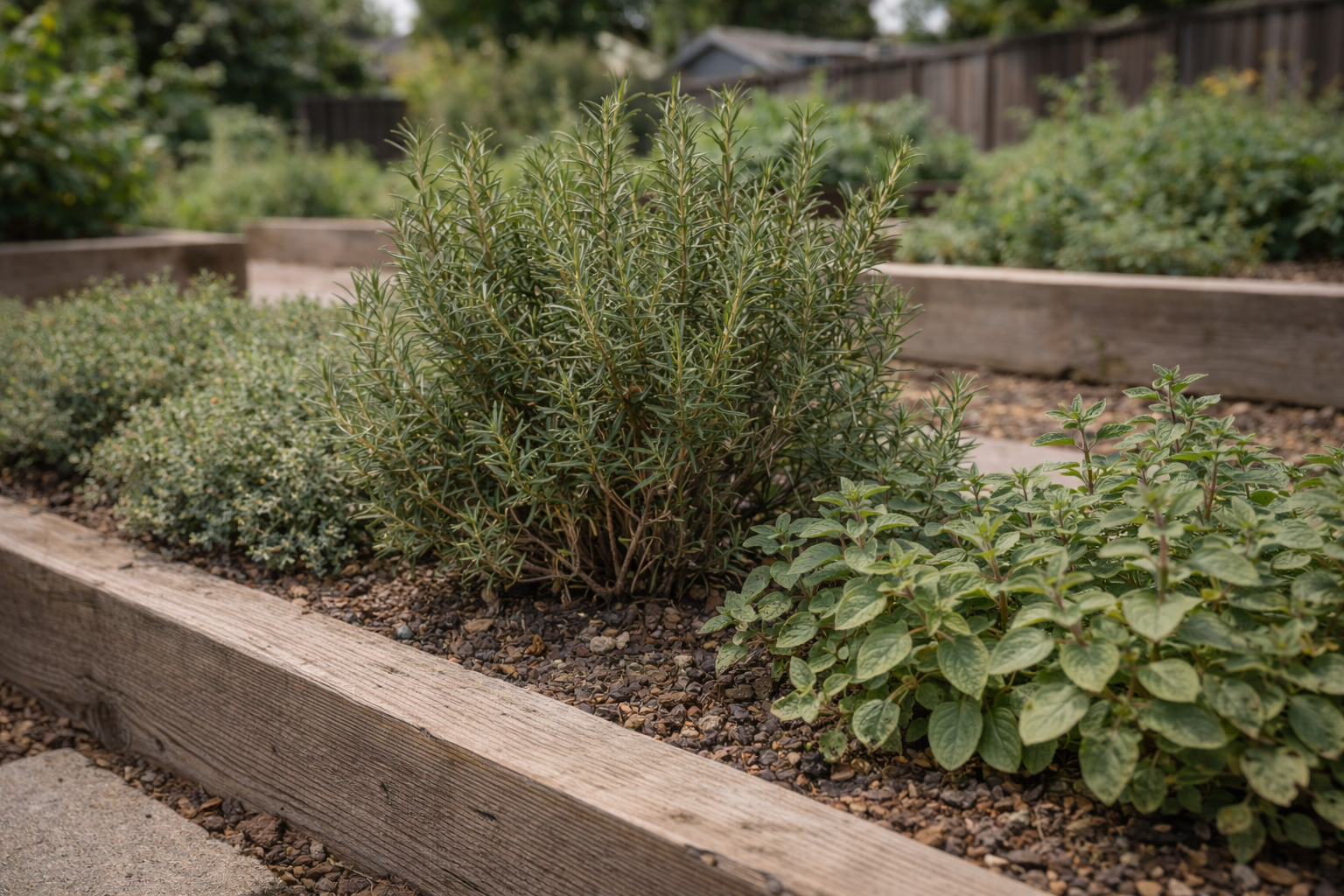
Why Rosemary Thrives in Santa Cruz (Almost Too Well)
Rosemary may be the most forgiving herb you can grow in Santa Cruz County. This aromatic Mediterranean shrub thrives on neglect, produces year-round harvests, and lives for decades with minimal care. Here's everything you need to know about growing rosemary successfully, including important fire safety considerations for mountain properties.
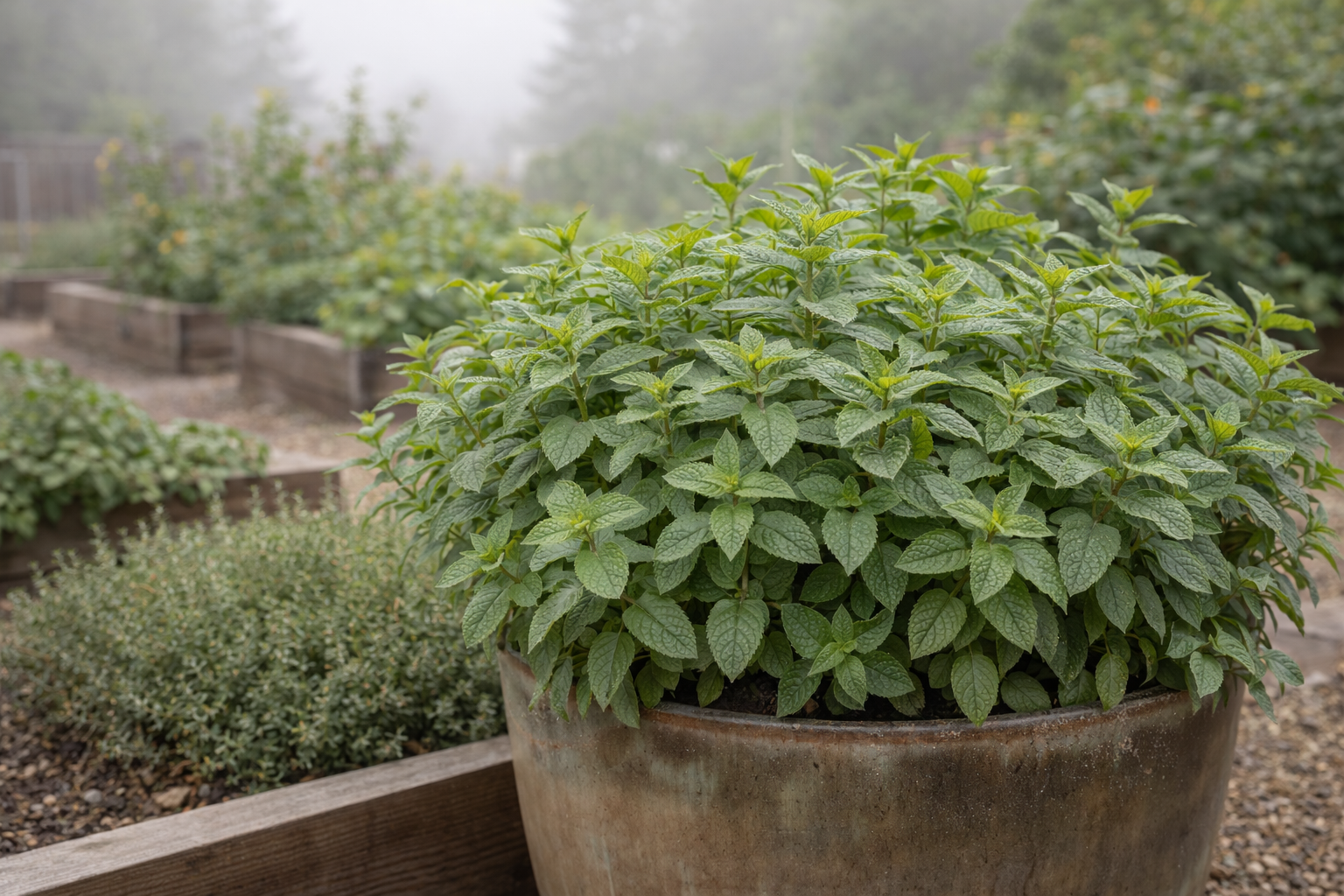
Growing Mint in Santa Cruz: Tips for Containing This Vigorous Herb
Mint is one of the easiest herbs to grow in Santa Cruz County, perhaps too easy. This vigorous spreader can quickly escape its boundaries and colonize your entire garden if you're not careful. Here's how to enjoy abundant mint harvests while keeping this enthusiastic herb under control.
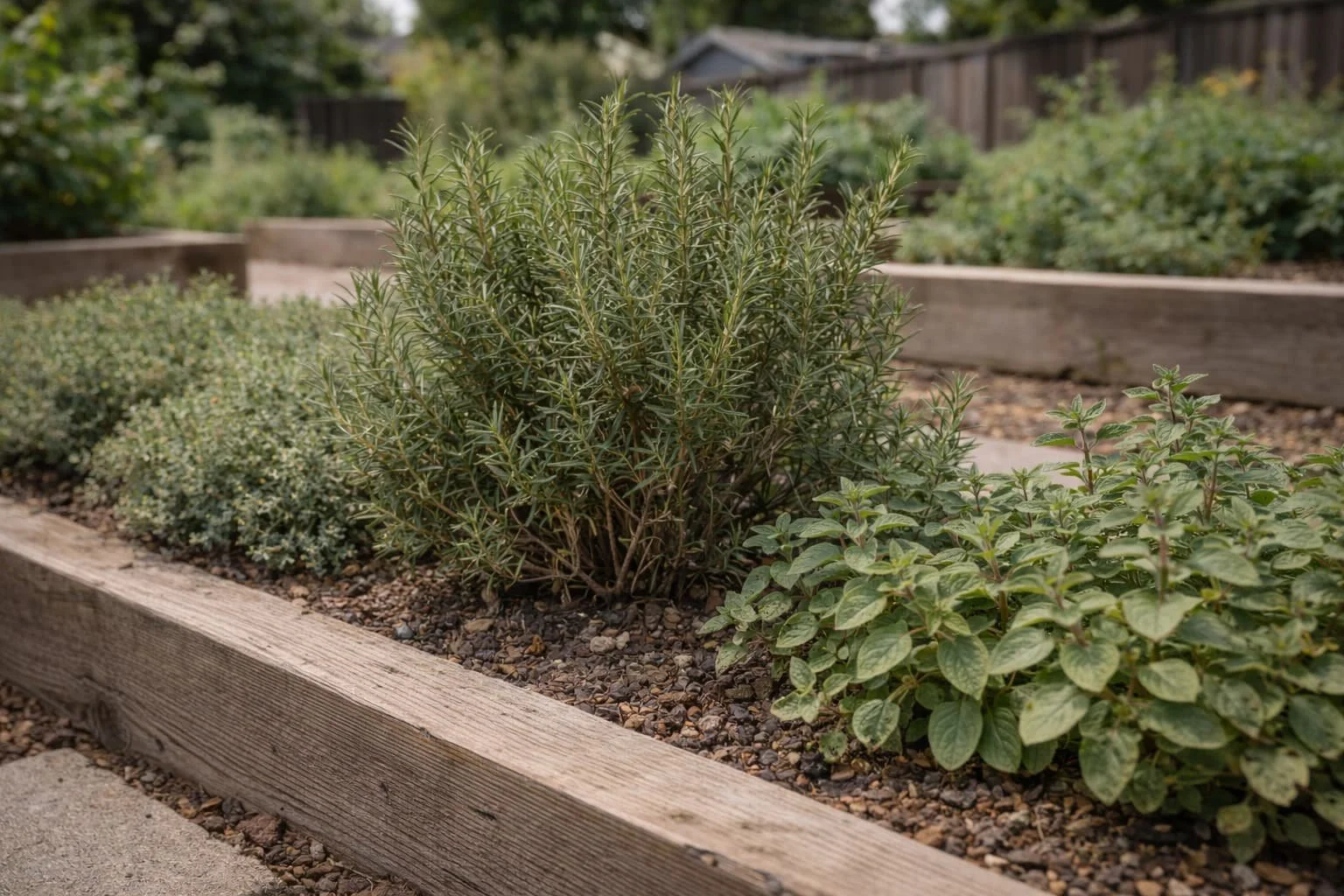
Fire-Wise Herb Gardens: Low-Growing, High-Moisture Plants
Herbs are essential for any food garden, but not all herbs are fire-safe. Learn which herbs work well in defensible space, which popular herbs to keep away from structures, and how to design an herb garden that's both productive and fire-wise.

Growing Parsley in Santa Cruz: The Two-Year Herb That Outperforms
Parsley is the most underrated herb in the garden. While basil and cilantro get all the attention, parsley quietly produces for two full years, tolerates our foggy coastal conditions beautifully, and adds depth to nearly every savory dish. Here's how to grow both flat-leaf and curly varieties in Santa Cruz County.
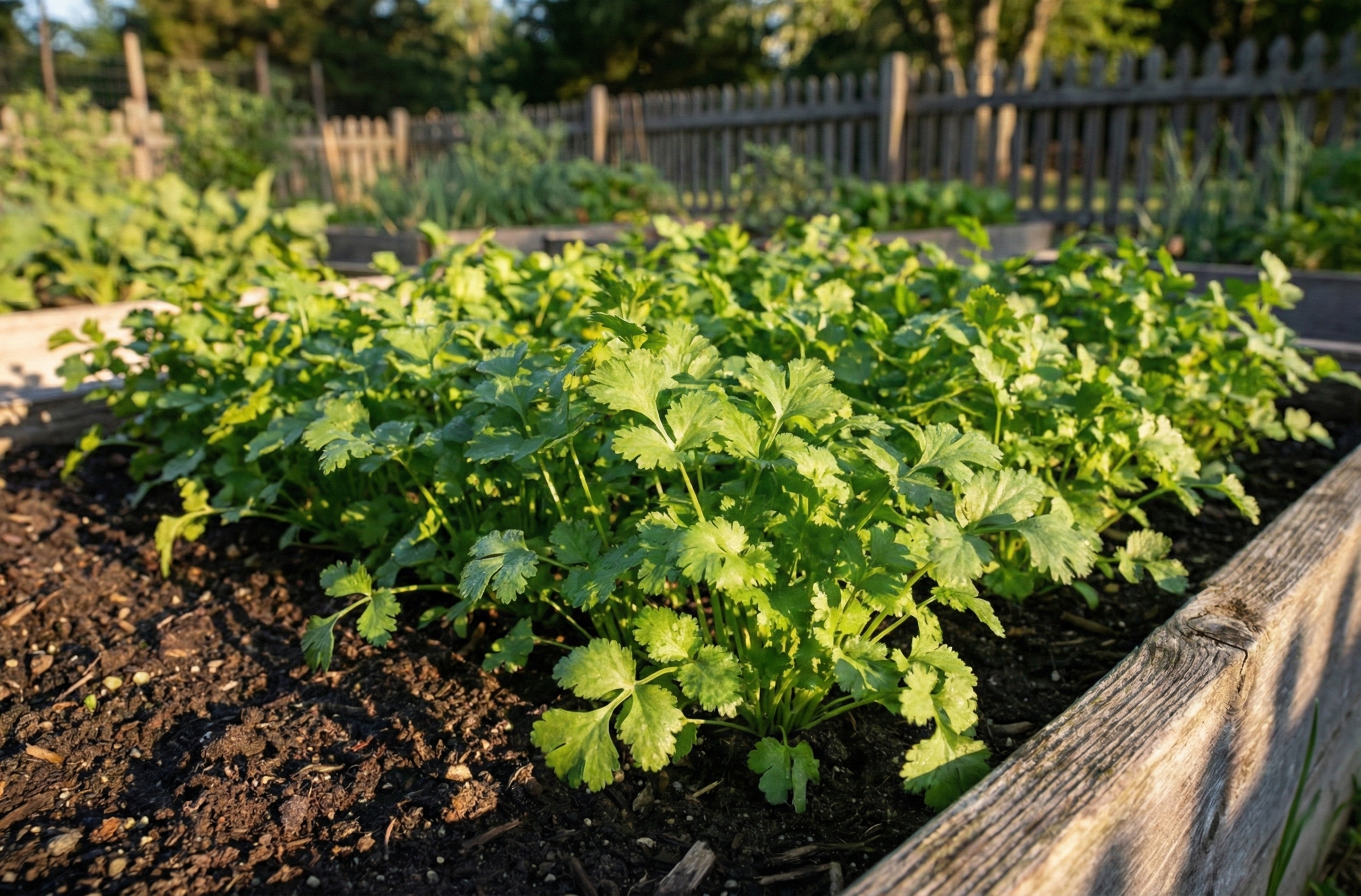
Growing Cilantro in Santa Cruz: Beat the Bolt for Longer Harvests
Cilantro is notorious for bolting at the first hint of warm weather, but Santa Cruz County's mild climate gives us advantages most gardeners don't have. With the right timing, variety selection, and succession planting, you can harvest fresh cilantro nearly year-round. Here's how to beat the bolt and keep this essential herb productive.
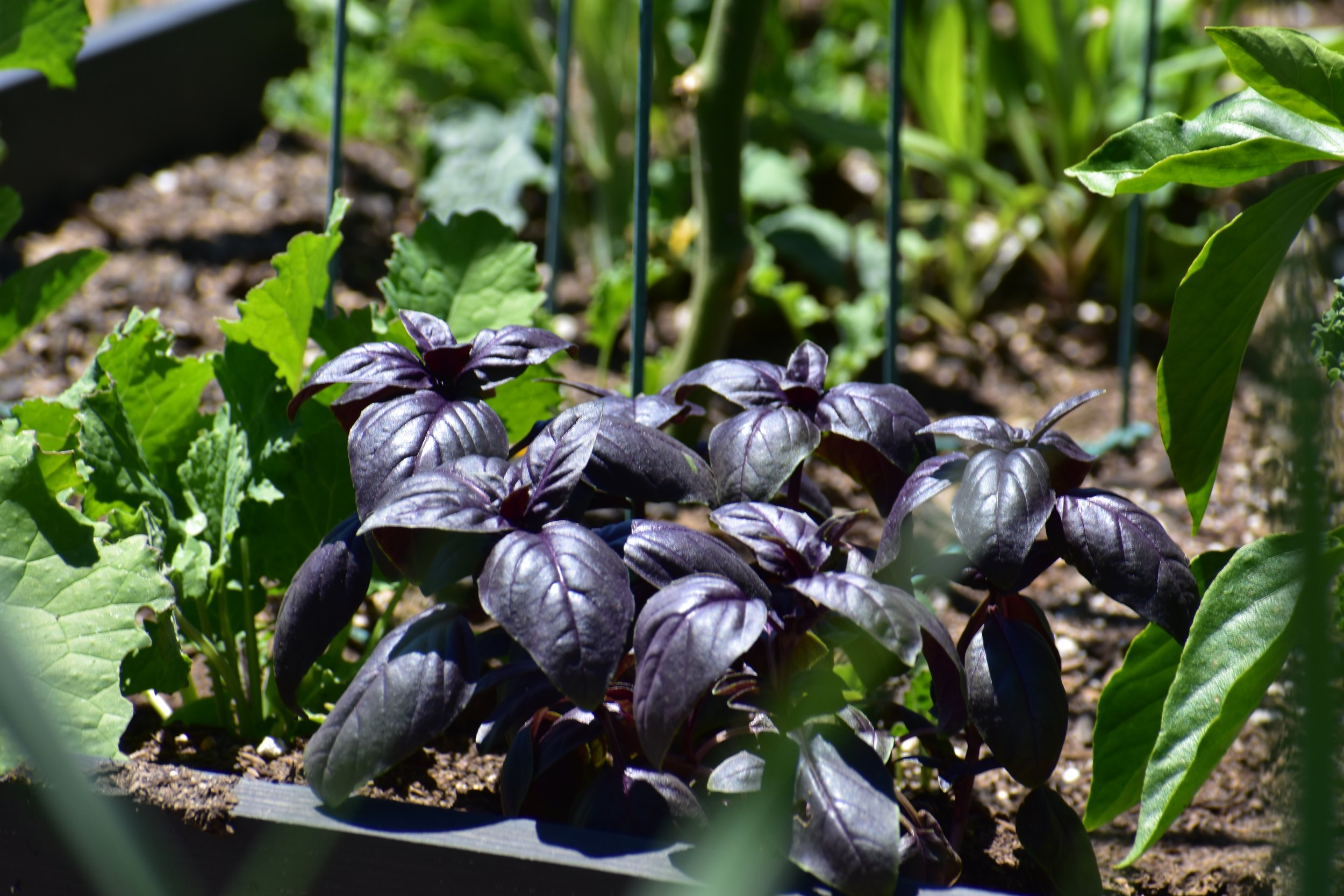
Preventing Basil from Bolting in Santa Cruz: Keep Your Plants Bushy and Productive
Nothing ends a basil harvest faster than bolting. Once those flower spikes appear, leaves turn bitter and production slows. The good news is that bolting is largely preventable. This guide explains why basil bolts in Santa Cruz County's variable climate and shares proven techniques to keep plants producing tender leaves all season long.
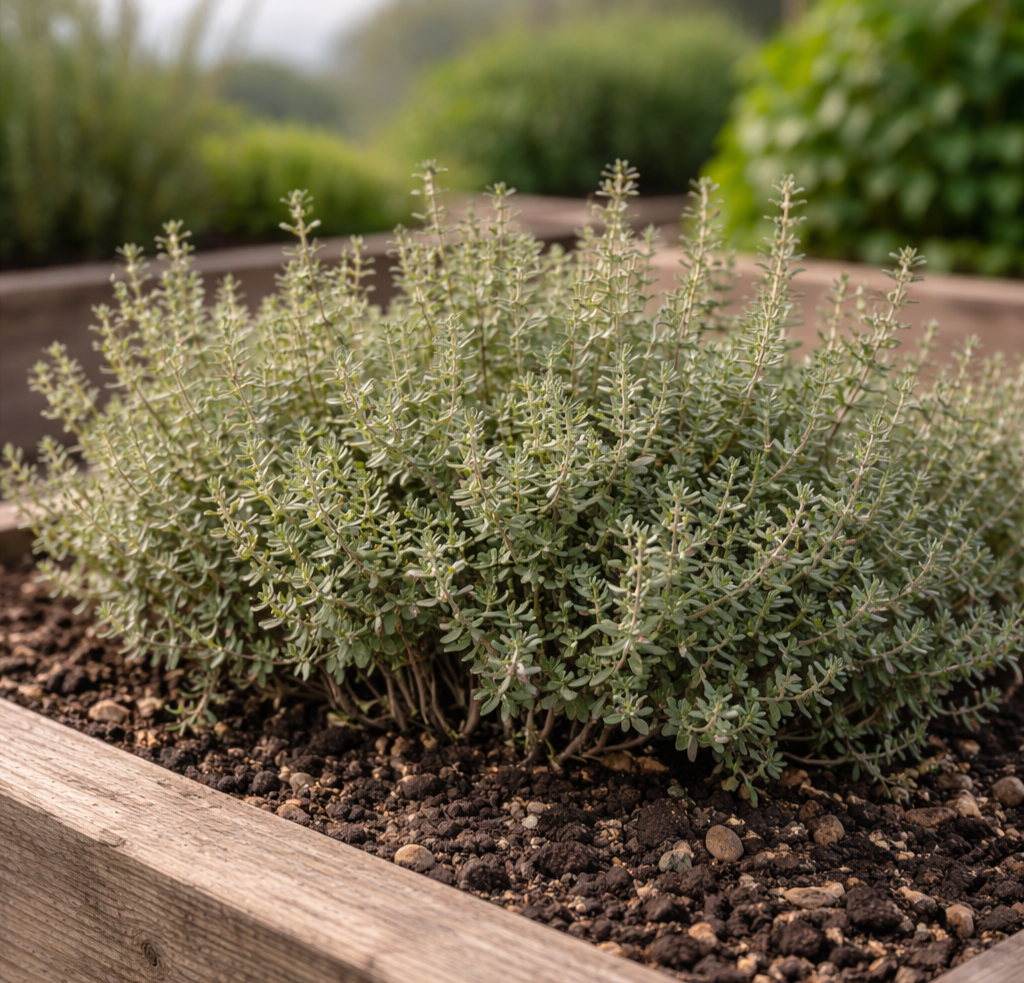
Growing Thyme in Santa Cruz: Varieties, Care, and Culinary Uses
Thyme is a Mediterranean herb that feels right at home in Santa Cruz County gardens. With dozens of varieties offering different flavors, growth habits, and ornamental qualities, there's a thyme for every garden and every cook. This guide covers everything from variety selection to harvest techniques for our local growing conditions.
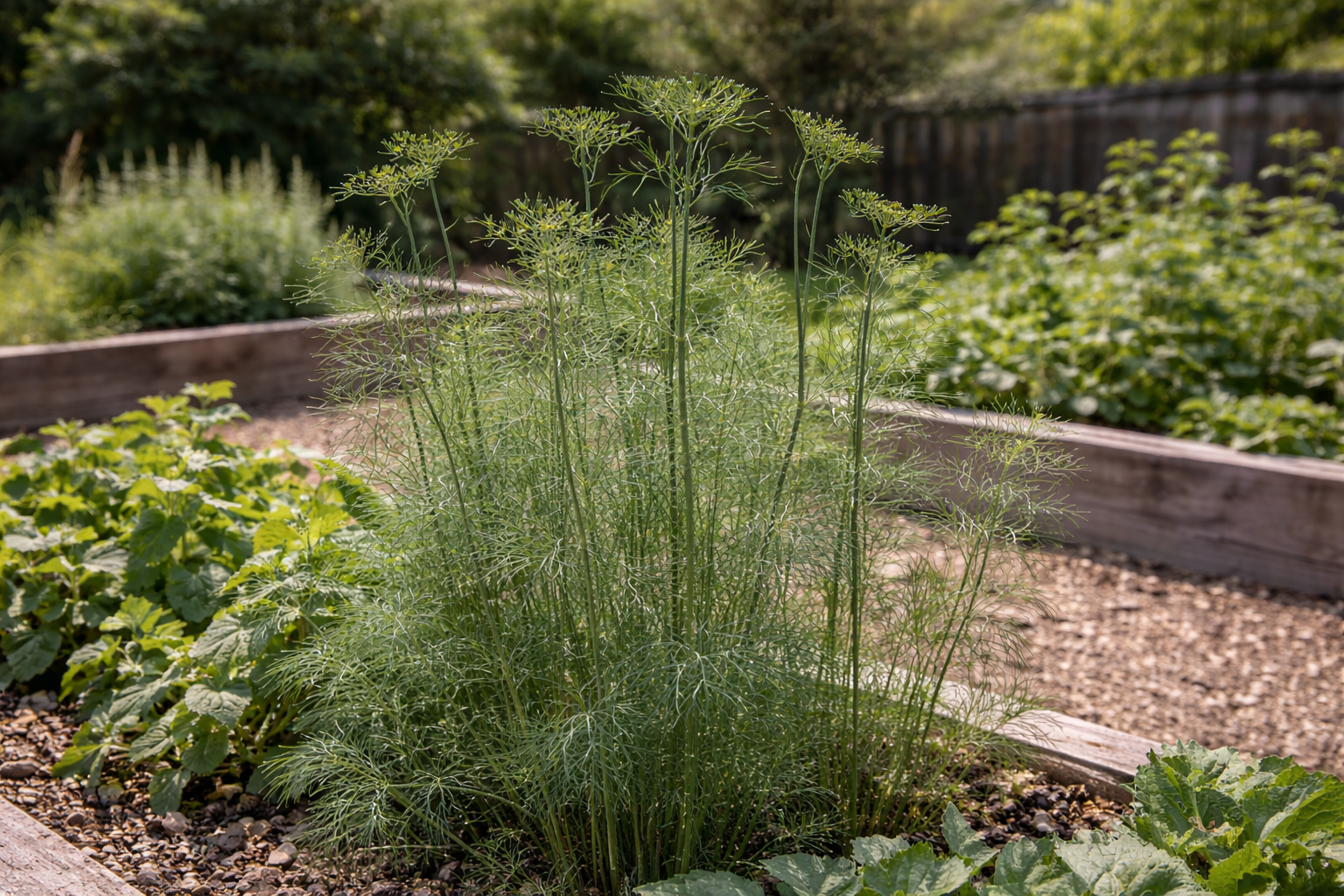
Growing Dill in Santa Cruz: From Seed to Harvest in Cool Seasons
Dill is a cool-season herb that thrives in Santa Cruz County's mild temperatures, but timing is everything. Plant too late in spring, and you'll have flowers before you've harvested any leaves. This guide covers the best planting windows, variety selection, and strategies for extending your dill harvest throughout the year.
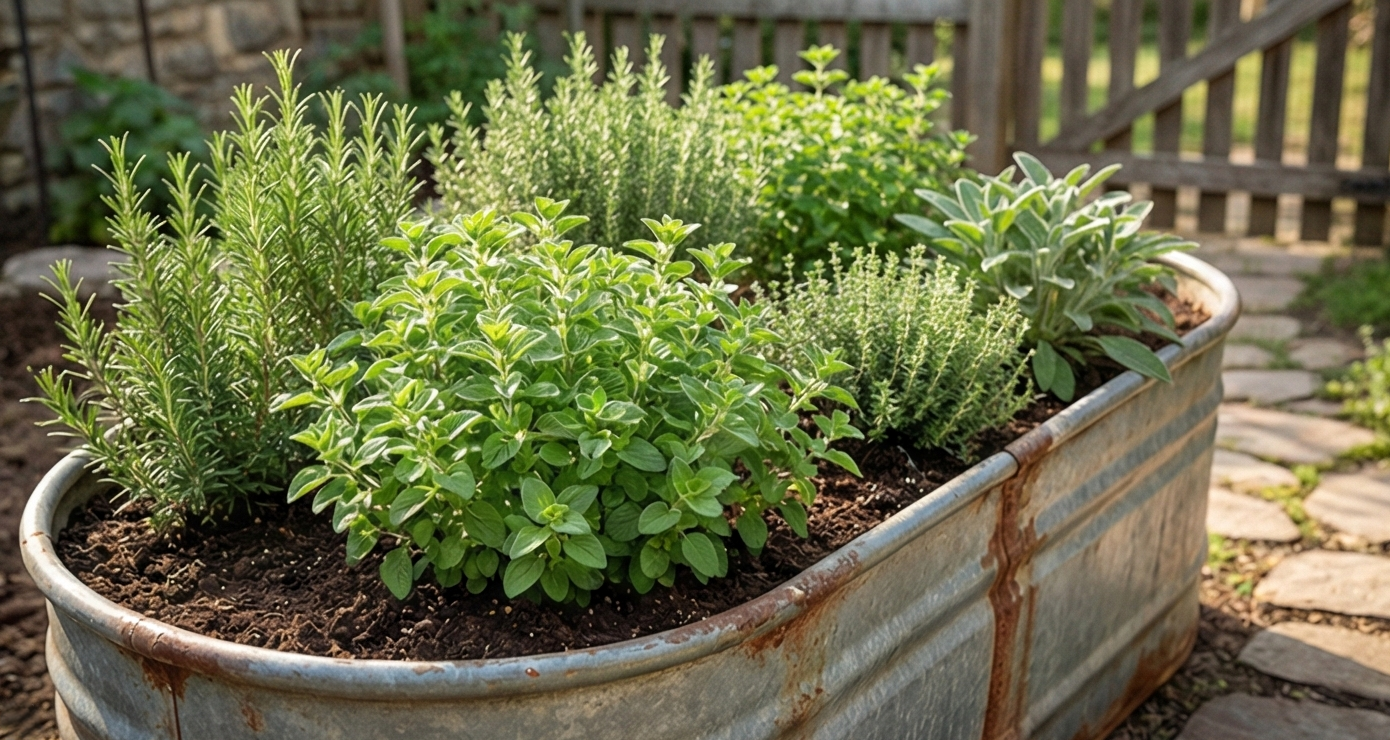
Growing Oregano in Santa Cruz: The Mediterranean Herb That Thrives Here
Oregano is one of the easiest and most rewarding herbs for Santa Cruz County gardens. This Mediterranean native thrives in our dry summers and mild winters, producing aromatic leaves that are far more flavorful than anything you can buy at the grocery store. Here's everything you need to know to grow oregano successfully in your garden.
Growing Basil in Santa Cruz County: The Complete Guide
Basil thrives in Santa Cruz County's warm microclimates but struggles in coastal fog. Learn which varieties work where, when to plant, and how to grow bushier plants through proper pinching.

From Garden to Glass: Growing Herbs for Cocktails in California
Fresh herbs transform ordinary cocktails into something special, and Santa Cruz County's mild climate lets you grow most cocktail herbs year-round. This guide covers the essential herbs for your home bar garden, with variety recommendations, growing tips for each microclimate, and recipes to put your harvest to work.
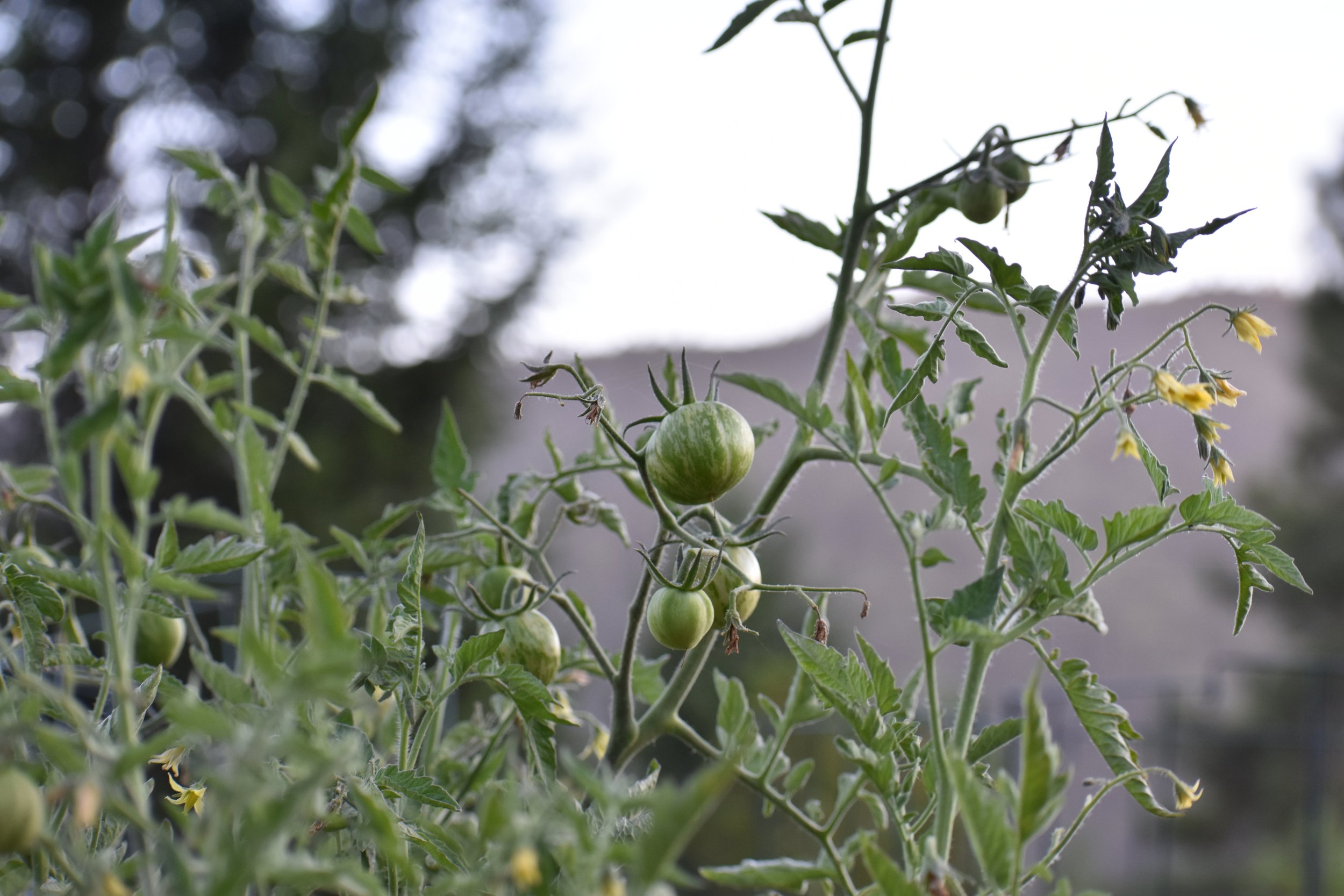
5 Edible Plants That Will Elevate Your Landscape Design and Your Dinner Plate
Embrace the union of beauty and practicality in your California garden with our top 5 edible plant choices. From the vibrant allure of tomatoes to the aromatic charm of herbs, learn how to cultivate a garden that's not just a visual treat but a culinary treasure. Uncover the secrets to growing peppers, leafy greens, and strawberries, making your garden a delightful source of fresh, tasty produce.
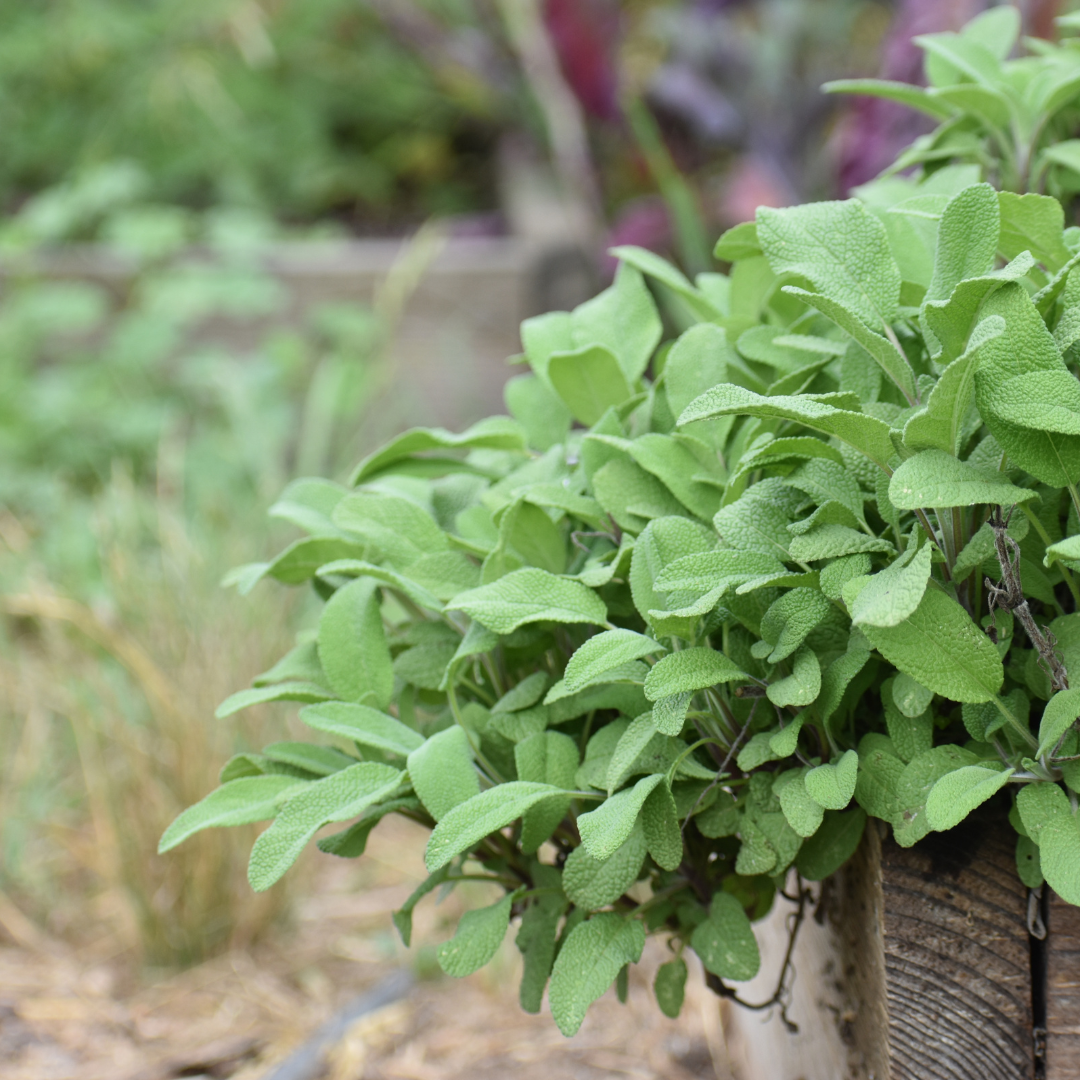
Growing an Herb Garden in Santa Cruz County: The Complete Local Guide
Santa Cruz County's Mediterranean climate is perfect for growing herbs. Learn which herbs thrive in your specific microclimate, when to plant, and how to keep your herb garden productive year-round.

Growing Sage in Santa Cruz: The Drought-Tolerant Herb for Every Garden
Explore the aromatic and versatile world of Sage, a perennial herb beloved in both the kitchen and garden. Our guide delves into the essentials of cultivating Sage, highlighting its diverse varieties and uses. Whether you're a seasoned gardener or a culinary adventurer, discover how Sage can enrich your garden and recipes alike.

Growing Chives in Santa Cruz: The Easiest Perennial Herb for Your Garden
Chives are the perfect beginner herb for Santa Cruz gardens. They thrive in every microclimate, deter pests, produce beautiful edible flowers, and provide year-round harvests with almost no care.
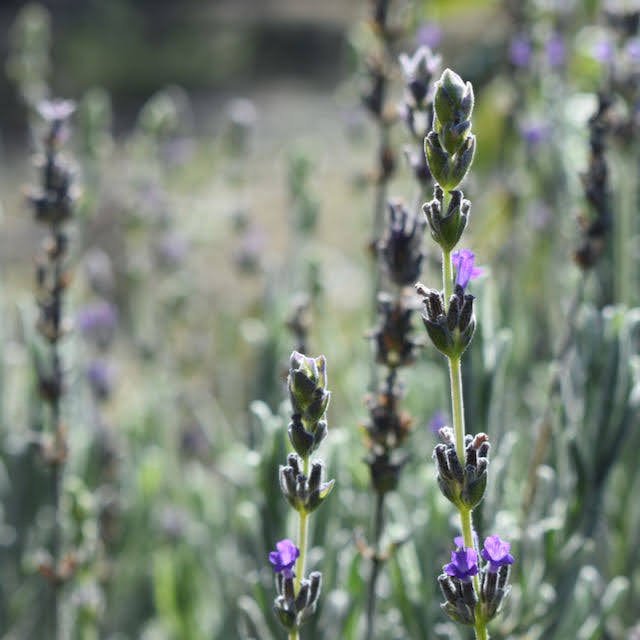
Growing Lavender in Santa Cruz County: A Complete Guide
Lavender is perfectly suited to Santa Cruz County's Mediterranean climate. Once established, it needs almost no irrigation and rewards you with fragrant blooms, culinary uses, and pollinator habitat.