

The Power of Companion Planting: A Guide to Maximizing Your Garden's Potential
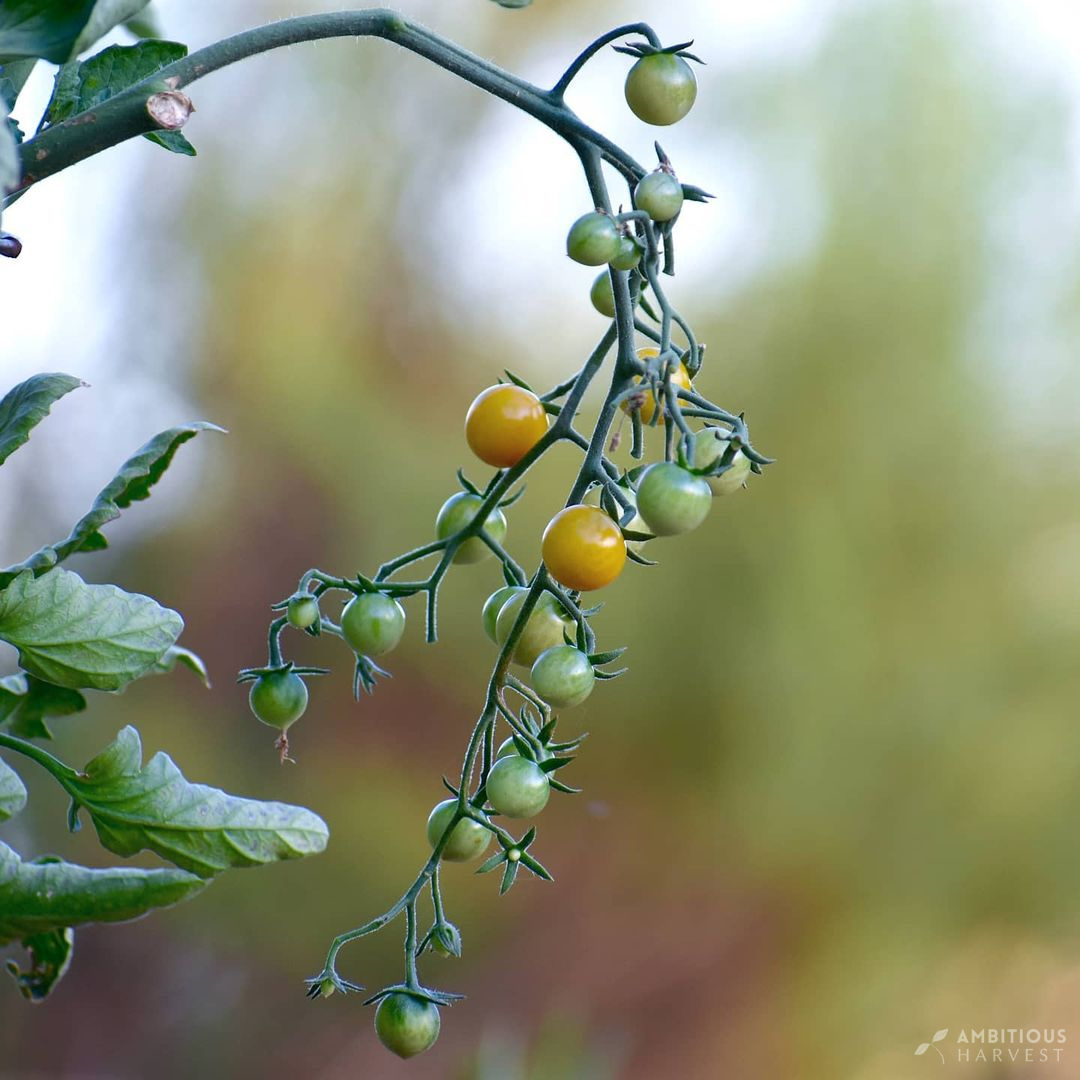
How Plant Pairings Work in a Productive Garden


Companion planting is the practice of growing different plants close together so they benefit one another. The right partners can improve pest control, boost pollination, strengthen soil health, and make better use of space. In California’s diverse microclimates, thoughtful pairings help gardens stay productive and resilient.
Why Companion Planting Works
Natural pest reduction
Some plants repel pests with fragrance or leaf chemistry, while others lure pests away from crops. This lowers reliance on sprays and protects pollinators.
Pollinator support
Nectar and pollen from flowers attract bees, butterflies, and hoverflies that improve fruit set in vegetables and orchard crops.
Soil improvement
Legumes such as peas and beans host nitrogen-fixing bacteria that enrich soil for neighboring plants. Dense living mulches also protect soil structure.
Efficient use of space
Layering heights and root depths lets plants share beds without competing. Tall crops can provide light shade or living trellises for climbers.
Microclimate benefits
Taller plants can shelter tender crops from hot afternoon sun or wind. In coastal zones, this helps warm-loving crops grow more reliably.
Proven Companion Pairings
Tomatoes with marigolds
Marigolds help confuse or repel certain pests. Plant in borders or between tomato plants for a low-maintenance buffer.
Tomatoes with basil
Basil’s aroma can deter soft-bodied pests. Both prefer similar sun and watering patterns.
Carrots with peas
Peas add nitrogen to the root zone and climb vertically, while carrots fill the space below with minimal competition.
Garlic with roses
Pungent alliums can discourage common rose pests. Plant garlic around the drip line, not tight to stems.
Beans with corn
Corn offers sturdy support for pole beans. Beans return nitrogen to the soil that heavy-feeding corn can use.
Lettuce with onions
Onion aroma can help deter pests that target tender greens. Lettuce benefits from partial shade between taller alliums.
Cucumbers with sunflowers
Sunflower stalks act as natural trellises. Choose sturdy, non-branching sunflower types to simplify training.
California-Specific Guidance
Coastal gardens: Cool mornings and wind are common. Use taller companions to create gentle windbreaks and to warm beds for heat-loving crops.
Inland valleys: Hot, dry summers favor drought-tolerant herb companions that also deter pests. Mulch generously to reduce stress.
Foothill and mountain areas: Larger temperature swings mean flexible shade and wind protection matter. Layer heights to buffer extremes.
Water-wise planning: Pair plants with similar irrigation needs. Group Mediterranean herbs together. Keep thirsty crops in their own zones.
How to Design Companion Beds
Match needs first
Group by sun, water, and soil preference. Healthy companions share the same basic care.Layer heights and roots
Combine a tall crop, a mid-height crop, and a groundcover. Mix deep and shallow roots to reduce competition.Add continuous bloom
Include flowers with staggered bloom times so pollinators visit all season.Plan for access
Stagger rows and leave reach paths so pruning and harvesting do not damage companions.Rotate by family
Move plant families each season to reduce disease carryover and maintain soil fertility.
Common Mistakes to Avoid
Pairing plants with different water needs
Overcrowding that reduces airflow and invites mildew
Letting vigorous companions outcompete slower crops
Relying only on fragrance without basic sanitation and crop rotation
Placing allelopathic plants too close to sensitive crops
Record, Review, Improve
Keep a simple garden journal. Note which pairings thrived, where pests were reduced, and how yield changed. Adjust spacing, timing, and varieties each season to dial in results for your microclimate.
Closing Thoughts
Companion planting turns a garden into a small ecosystem where plants support one another. With a bit of planning and observation, these partnerships reduce pest pressure, save water, and boost harvests. Start with a few reliable pairs, record what you learn, and expand your plant partnerships each season.
Proven companion pairings for California gardens
Not every pairing in the old charts holds up, but the combinations below have real evidence behind them and work well across our long coastal growing season.
- Tomatoes with basil and marigolds. Basil and marigolds both pull in pollinators and aphid-eating hoverflies, and French marigolds help suppress root-knot nematodes in the soil. Tuck them along the base of your tomato row.
- The Three Sisters: corn, beans, and squash. Corn gives pole beans something to climb, the beans fix nitrogen the corn and squash need, and sprawling squash leaves shade the soil and slow weeds.
- Carrots with onions or leeks. The onion family's scent helps confuse carrot rust fly, and the carrots return the favor against onion pests. Alternate rows of each.
- Heat-sensitive greens under taller crops. Lettuce, spinach, and cilantro hold longer in the partial shade of trellised beans or tomatoes, which buys you weeks before they bolt in a warm inland spell.
- Brassicas with aromatic herbs. Thyme, dill, rosemary, and sage planted among broccoli, kale, and cabbage help mask the crop from cabbage moths searching by smell.
- Sweet alyssum and calendula throughout the beds. Both are easy from seed on the coast, bloom for months, and feed the tiny beneficial wasps and hoverflies that keep aphid numbers down.
Flowers and herbs that pull their weight
A few plants are worth slipping into any bed, not for a single partner but for the whole garden:
- Nasturtium works as a trap crop, drawing aphids and cabbage moths to itself and away from your vegetables.
- Borage is a magnet for bees, may help deter tomato hornworm, and its leaves make good compost and mulch.
- Phacelia and yarrow are among the best insectary plants for our region, feeding the predators and parasitic wasps that handle pests for free.
- Dill and cilantro left to flower bring in those same beneficial insects once their umbrella-shaped blooms open.
Pairings to skip
A few classic neighbors compete more than they cooperate:
- Beans and peas with onions, garlic, and other alliums. The alliums tend to slow legume growth, so keep them in separate beds.
- Tomatoes with brassicas. Both are hungry feeders that fight for the same nutrients in a small bed.
- Fennel near almost anything. Fennel releases compounds that can stunt many neighbors. Give it its own corner.
How to plan companion planting in a Santa Cruz garden
Start with your main crops, then fill the gaps with partners that earn their space. A few habits make the biggest difference here:
- Edge every bed with flowers. A simple border of alyssum, calendula, or phacelia turns each bed into pollinator and beneficial-insect habitat.
- Interplant fast and slow crops. Radishes or lettuce sown between slower brassicas use the open space before the big plants fill in.
- Mind your microclimate. On the foggy coast, give companions room for airflow to limit powdery mildew. In hotter inland gardens, lean on taller crops to shade tender greens through the afternoon.
- Move the whole group each year. Rotate your tomato-and-basil planting or your brassica-and-herb planting to a fresh bed annually to keep soil pests and diseases guessing.
What companion planting can and cannot do
Companion planting is a useful tool, not magic. The strongest, best-documented benefits are habitat for pollinators and beneficial insects, living mulch that shades and cools the soil, and trap or masking effects from strongly scented plants. Some traditional pairings have little research behind them, so treat the old charts as a starting point and keep your own notes on what actually works in your beds. Paired with healthy soil, crop rotation, and steady watering, thoughtful plant partnerships make a real, season-long difference in a California garden.
Frequently Asked Questions
What are the best companion plants for tomatoes in California?
Basil and French marigolds are reliable partners. Both draw pollinators and aphid-eating hoverflies, and marigolds help suppress root-knot nematodes in the soil. Keep tomatoes away from brassicas, which compete for the same nutrients.
Does companion planting actually work, or is it a myth?
Some of it is well supported and some is folklore. The strongest, best-documented benefits are habitat for pollinators and beneficial insects, living mulch that shades the soil, and pest confusion from strongly scented plants. Treat the old pairing charts as a starting point and keep notes on what works in your own beds.
Which plants should not be grown together?
Keep beans and peas away from onions and garlic, which slow legume growth, and give fennel its own corner since it can stunt many neighbors. Avoid pairing two heavy feeders like tomatoes and brassicas in the same small bed.
What are the easiest companion flowers to start with?
Sweet alyssum, calendula, and nasturtium. All are easy from seed on the coast, bloom for months, and bring in the beneficial insects that keep pests in check.
