

What to Plant in Santa Cruz & the Bay Area in February

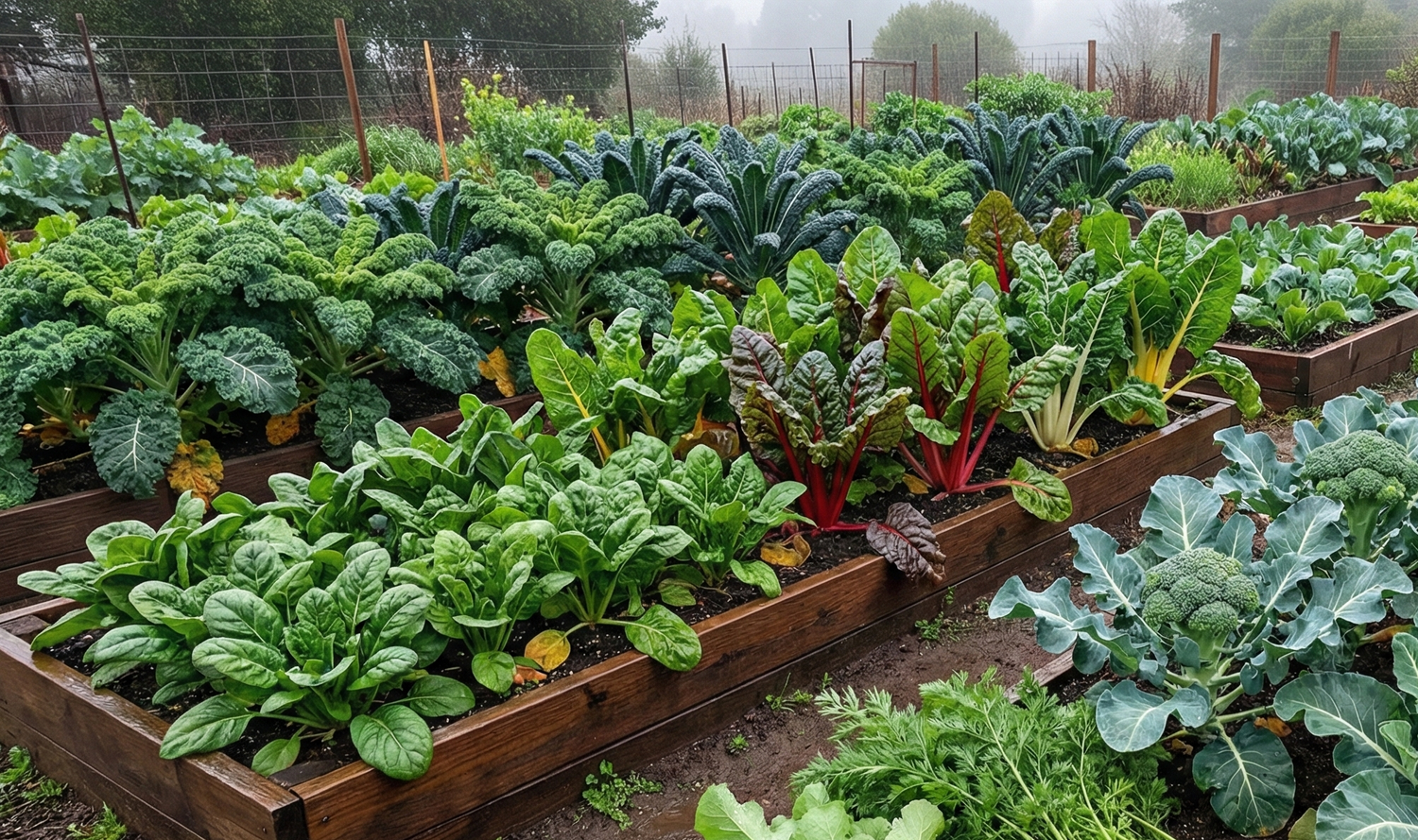
February is the bridge month in the Santa Cruz County garden. We're wrapping up winter planting while getting ready for spring - and if you time it right, you'll have something to harvest every single week from now through summer.
This is also one of the busiest seed-starting months of the year. If you want homegrown tomatoes in July, you need to start them now.
Why February Matters
Our last frost dates vary wildly across the county-coastal areas rarely see frost at all, while inland and mountain areas might get a surprise freeze into early March. But by mid-to-late February, the risk drops significantly, and you can start transitioning to warmer-weather crops.
The key is to overlap: keep planting cool-season crops for spring harvests while starting warm-season seeds indoors for transplanting in April and May.
Direct Seed These in February
Cool-Season Crops (still time!)
Lettuce (all varieties)
Arugula
Spinach
Chard
Peas (snap, snow, and shelling)
Radishes
Carrots
Beets
Turnips
Cilantro
Dill
Early Warm-Season Crops (late February)
Potatoes (all microclimates)
Fava beans (if you missed January)
Transplant These in February
Broccoli (for spring harvest)
Cauliflower
Cabbage
Kale
Onions (from sets or starts)
Artichoke crowns
Strawberry starts
Start Seeds Indoors in February
This is THE month for starting warm-season crops indoors:
Must-starts for spring transplanting:
Tomatoes (early to mid-February)
Peppers (early February-they need a long season)
Eggplant
Tomatillos
Ground cherries
Also consider:
Cucumbers (late February)
Squash and zucchini (late February)
Melons (late February, especially in warmer areas)
Basil (mid-to-late February)
What to Harvest in February
If you planted last fall and winter, you're harvesting:
Cool-season greens (kale, chard, lettuce, arugula)
Broccoli
Cauliflower
Cabbage
Radishes
Beets
Carrots
Leeks
Citrus (peak season!)
February Garden Tasks
Direct seed cool-season crops for late spring harvest
Start seeds indoors for tomatoes, peppers, and other warm-season crops
Prepare beds for spring planting-add compost, turn soil
Plan your irrigation system before the dry season starts
Order seeds if you haven't already (tomato and pepper varieties sell out!)
Divide perennials like herbs and artichokes
Microclimate Adjustments
Coastal (Aptos, Capitola, Santa Cruz beaches, Live Oak): You can transplant almost anything by late February. Start warm-season seeds indoors now for May transplanting. Your mild, stable temperatures (50s-60s) make this an excellent planting month. Frost is extremely rare.
San Lorenzo Valley & Scotts Valley - Sunny Ridges/Chaparral (Boulder Creek mountains, Ben Lomond sunny exposures, Scotts Valley hills): Wait until late February to transplant anything frost-sensitive - low spots can still frost. Direct seeding cool-season crops works great early in the month. Your sunny microclimate means you can continue planting cool-season vegetables all month. Days in the 50s-60s, possible 40s at night.
San Lorenzo Valley & Scotts Valley - Under the Redwoods (Felton canyons, Ben Lomond shaded areas): Keep planting shade-tolerant greens. Wait until March for warm-season seed starting. Your cooler, moister conditions (40s-50s) are good for greens but slower for everything else. More frost risk in valleys than on ridges.
Inland Valleys (Scotts Valley, Soquel): Watch the weather. A late cold snap can damage tender transplants, but most years you're safe by mid-month. Good conditions for both cool-season planting and starting warm-season seeds indoors.
Watsonville/Pajaro Valley: You're in the warmest zone - push the season! You can start transplanting warm-season crops outdoors by late February in a good year. Your mild temperatures (50s-60s) mean faster spring growth than other areas.
What Are the Most Common February Questions?
When should I start tomato seeds? Early to mid-February for most of Santa Cruz County. Coastal gardeners can start in early February for transplanting in late April. Inland gardeners should start mid-February for transplanting in May.
Is it too late to plant potatoes? Nope! February is perfect for potatoes. Plant seed potatoes 4-6 inches deep in loose, well-draining soil. You'll harvest in late spring or early summer.
Can I still plant bare-root fruit trees? Yes, but hurry. February is the tail end of bare-root season. Get them in the ground by mid-month for best results.
Should I harden off my seedlings? Not yet-it's too early. Indoor seedlings started in February won't go outside until April or May. We'll talk hardening off next month.
What Is the February Overlap Strategy?
Here's the secret to a productive year-round garden: overlap your seasons.
While you're still harvesting winter greens and brassicas, you're also:
Direct seeding cool-season crops that will produce in April and May
Starting warm-season seeds indoors for summer harvests
Planning fall crops (yes, already!)
This staggered approach means you're never waiting for food to grow-there's always something ready to pick.
Make February Count
This is one of the most important months in the Santa Cruz County gardening calendar. The work you do now-especially starting those tomato and pepper seeds-sets you up for abundant summer harvests.
Don't let the rainy days stop you. Indoor seed starting is perfect for wet February afternoons, and the garden tasks can happen between storms.
Get planting!
