

Learn
CATEGORIES
- Beginner Gardening
- California Gardening
- Companion Planting
- Container Gardening
- Edible Gardening
- Fire-Wise Gardening
- Food Safety
- Garden Myth Buster
- Garden Planning
- Garden Question of the Week
- Gardening with Kids
- Getting Started
- Grow Guides
- Growing Guides
- Herbs
- How-To Guides
- Indoor Gardening
- Microclimates
- Microgreens and Indoor Growing
- Monthly Garden Checklist
- Nutrition
- Planning & Planting
- Plant Problems
- Seasonal Gardening
- Seasonal Planting
- Succulents
- The Garden Coop
- This vs. That
- Water-Wise Gardening
- Wildlife and Pest Management
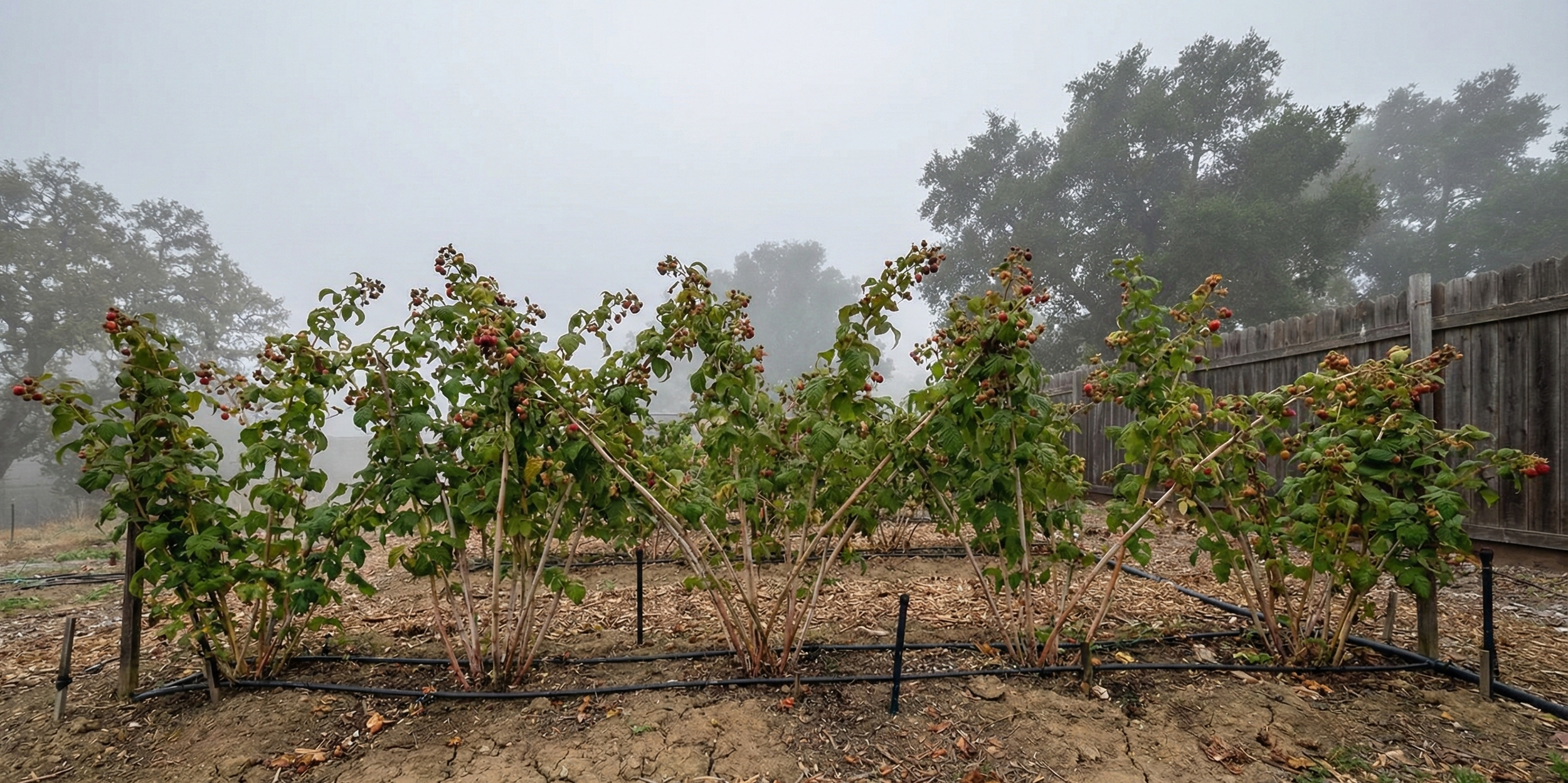
Raspberry Problems: Pests, Diseases, and Common Issues
Yellow leaves? No fruit? Mushy berries with tiny worms? This troubleshooting guide helps you diagnose and fix the most common raspberry problems in Santa Cruz County.
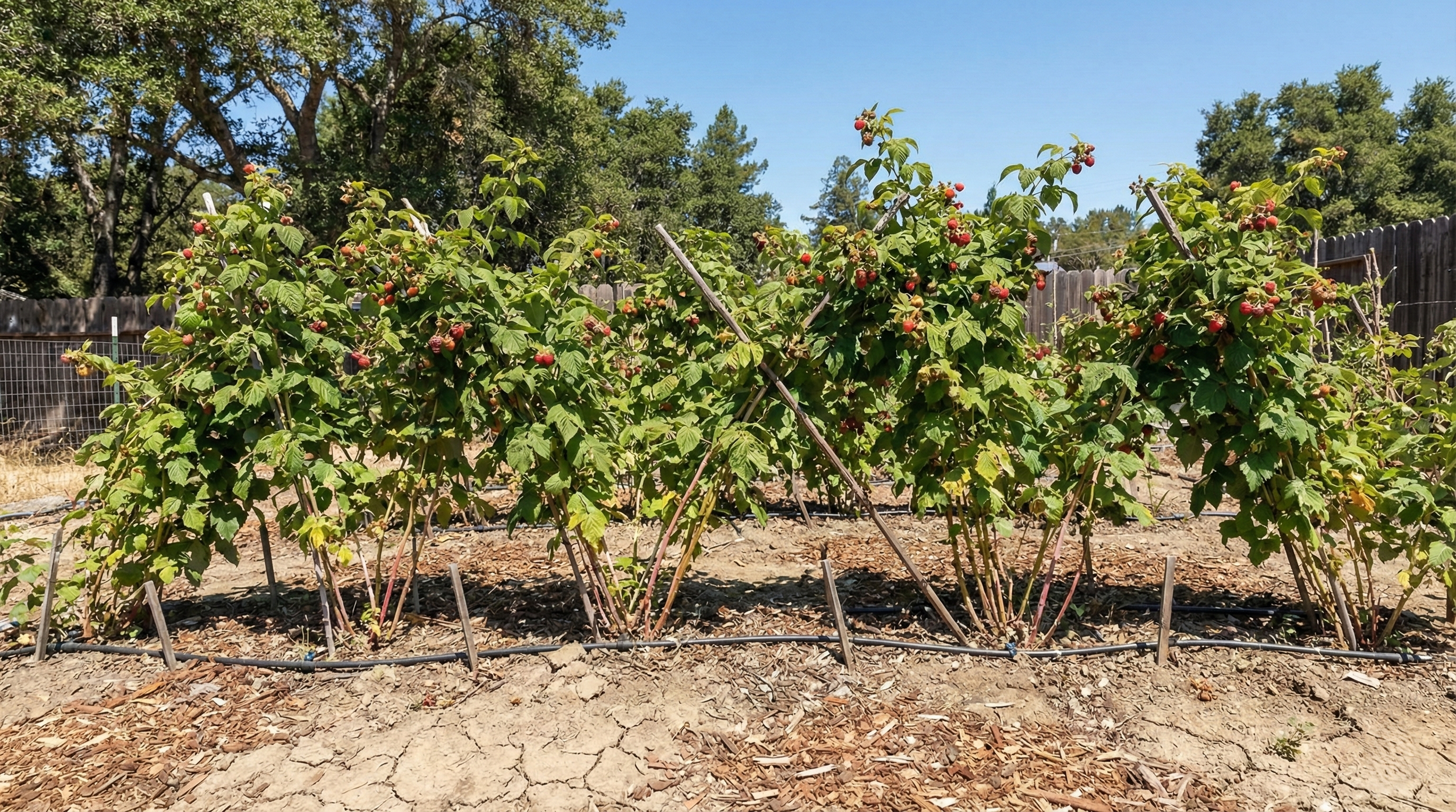
7 Raspberry Varieties That Thrive in Santa Cruz County
Not every raspberry that thrives in Oregon or the Midwest will be happy in Santa Cruz County. Our mild winters, cool summers, and pockets of inland heat favor certain primocane and low-chill varieties, while others struggle without enough winter cold or burn out in summer heat. This guide profiles 10+ raspberry varieties that perform well in coastal California, with notes on chill needs, flavor, best uses, and which microclimates suit each variety.
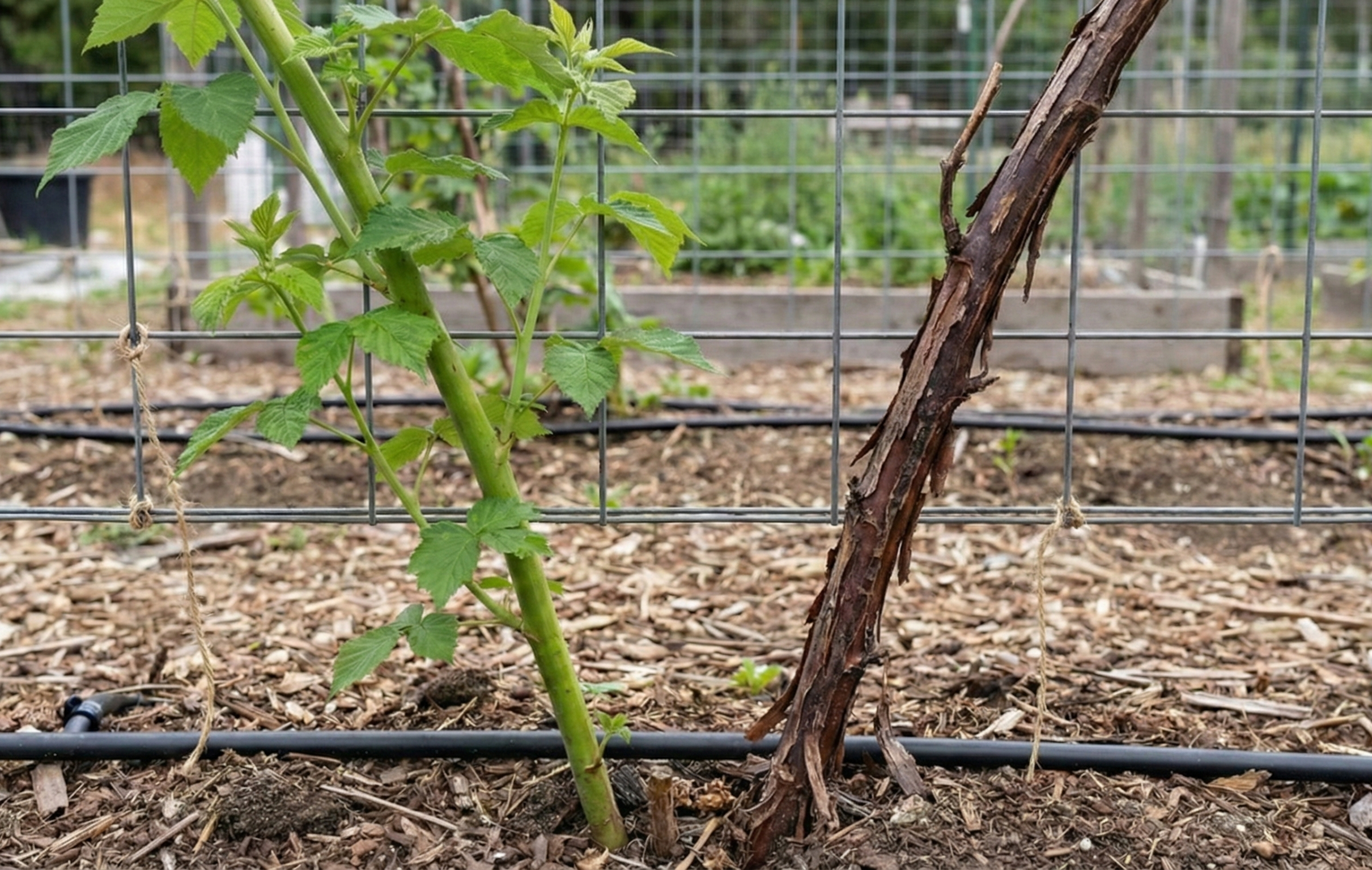
Primocane vs Floricane Raspberries: Which Should You Grow in California?
One of the most confusing aspects of growing raspberries is understanding primocane versus floricane types. This guide breaks down the cane lifecycle in plain English, explains why primocane (everbearing) raspberries are often the better choice for Santa Cruz County and coastal California, and helps you identify which type you're growing so you can prune correctly.
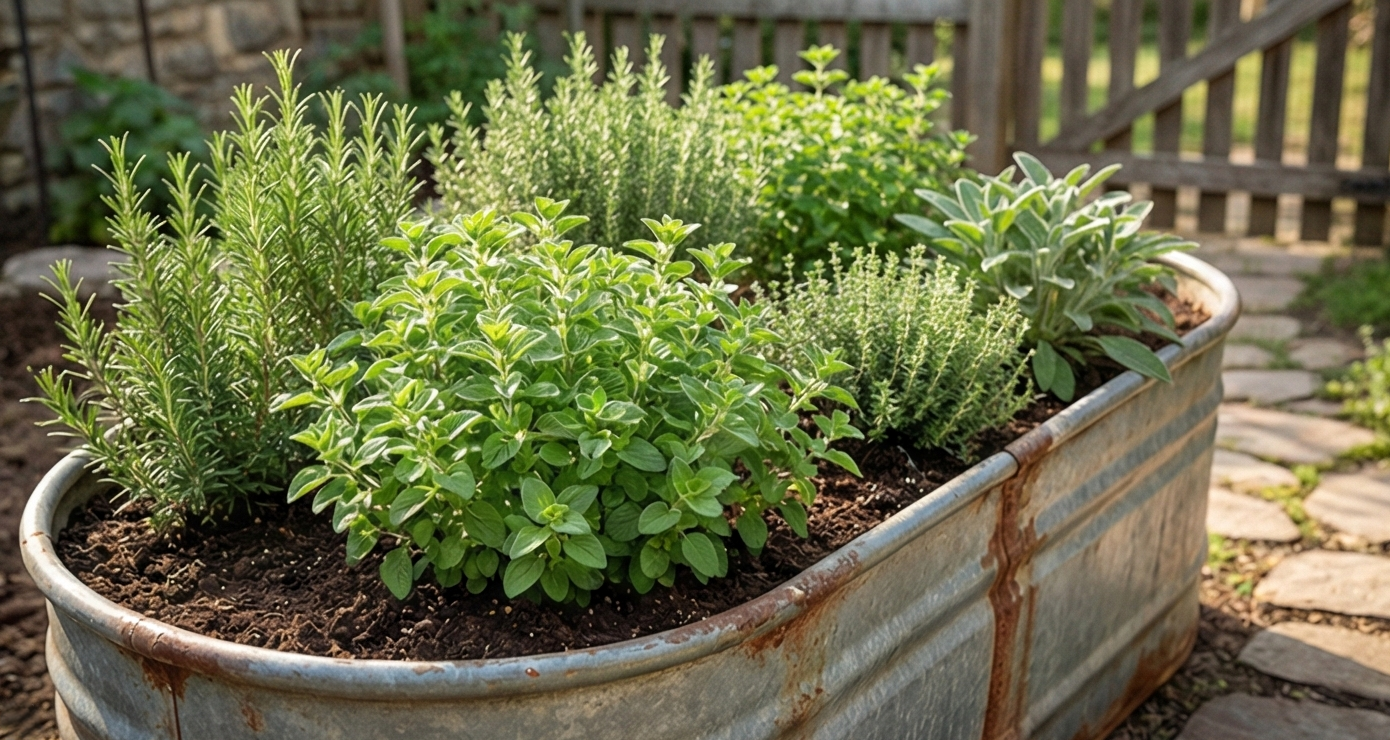
Growing Oregano in Santa Cruz: The Mediterranean Herb That Thrives Here
Oregano is one of the easiest and most rewarding herbs for Santa Cruz County gardens. This Mediterranean native thrives in our dry summers and mild winters, producing aromatic leaves that are far more flavorful than anything you can buy at the grocery store. Here's everything you need to know to grow oregano successfully in your garden.
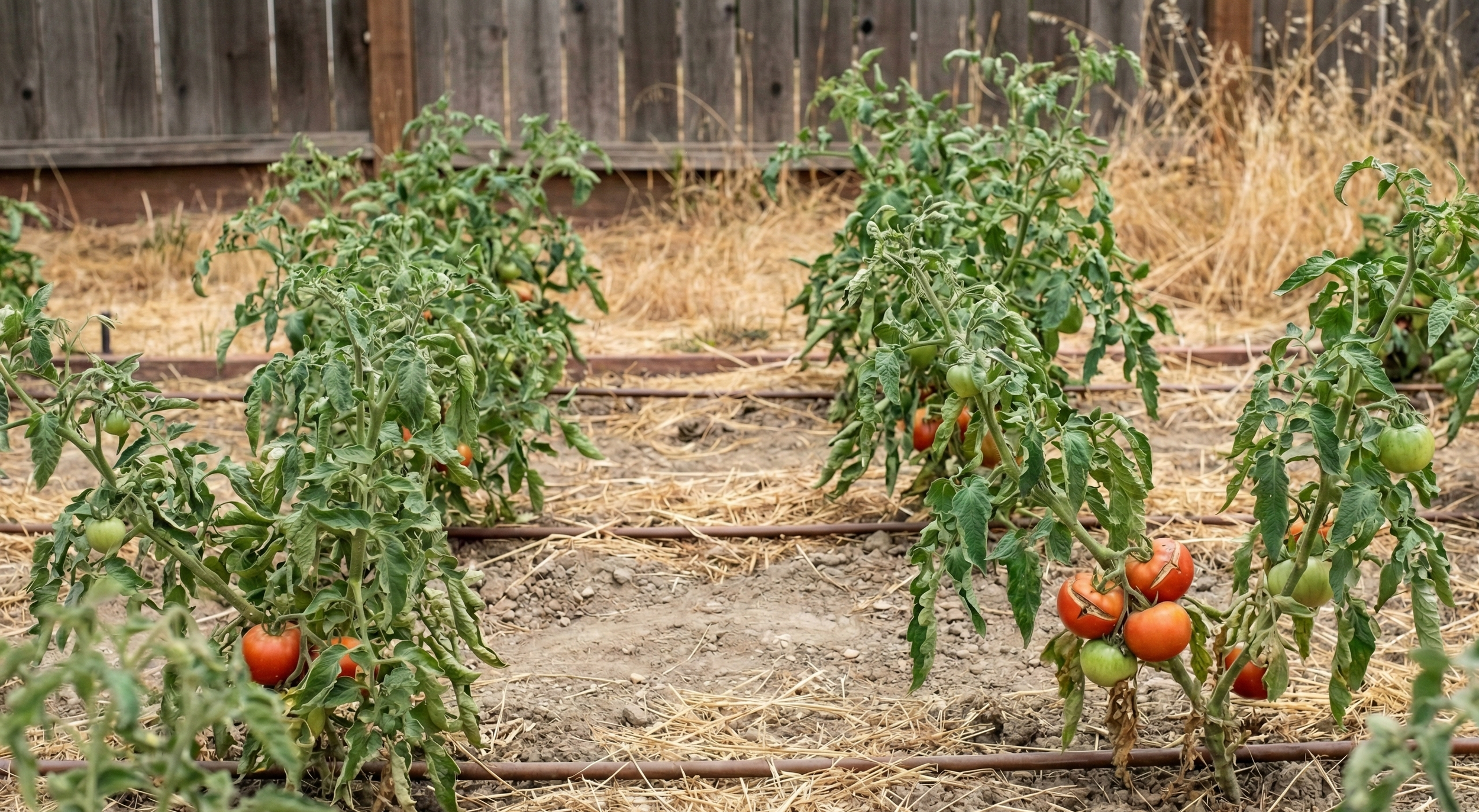
Extending Tomato Season in Santa Cruz County
Learn how to extend your tomato season in Santa Cruz County's foggy coastal climate. Variety selection, soil warming, protection, and late-season strategies.
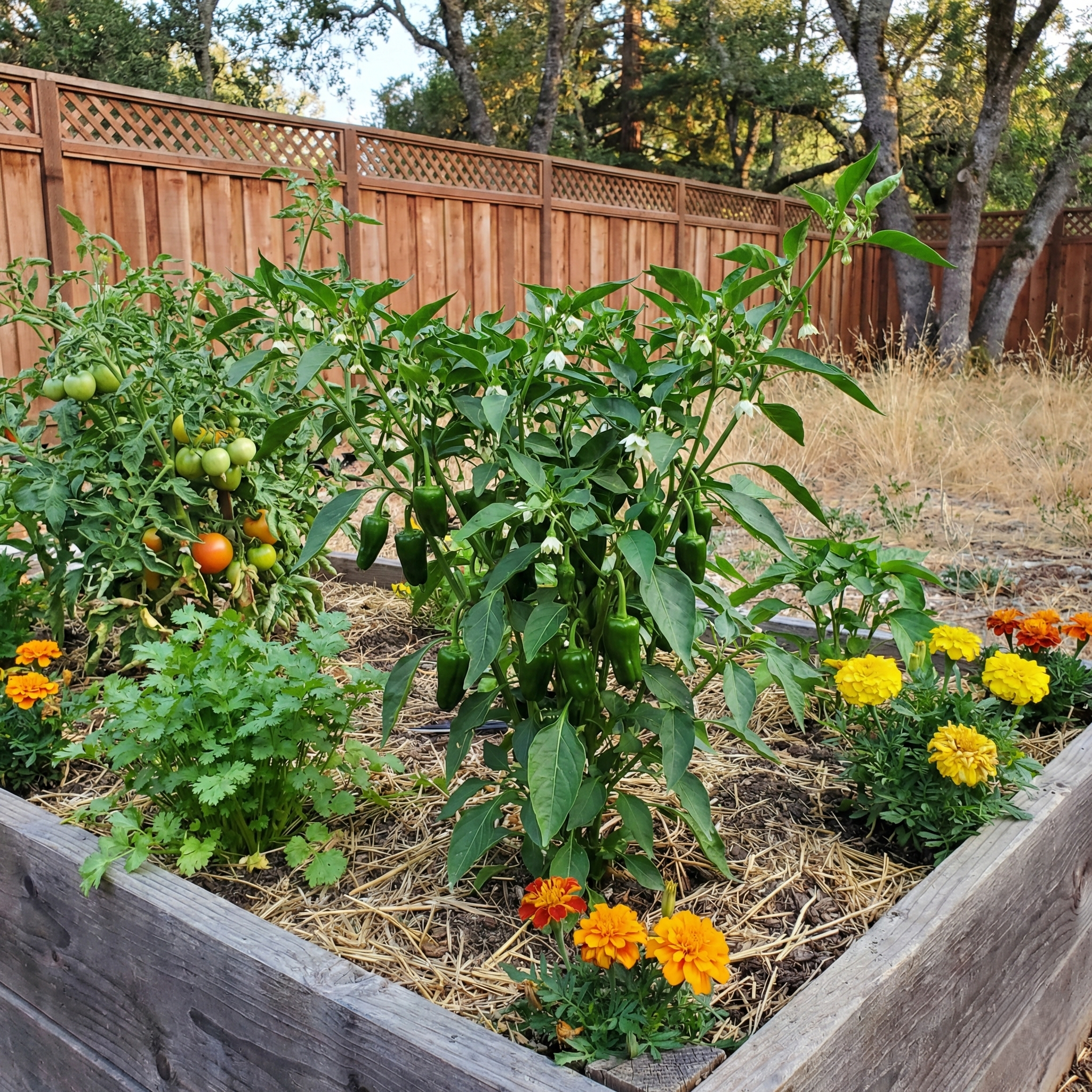
Growing Shishito & Padrón Peppers in Santa Cruz: The Perfect Peppers for Coastal Gardens
Shishito and padrón peppers are the rare warm-season crops that actually thrive in Santa Cruz County's cooler microclimates. These mild, thin-walled peppers produce prolifically, mature quickly, and taste incredible when blistered in a hot pan. Here's how to grow them in every Santa Cruz microclimate.
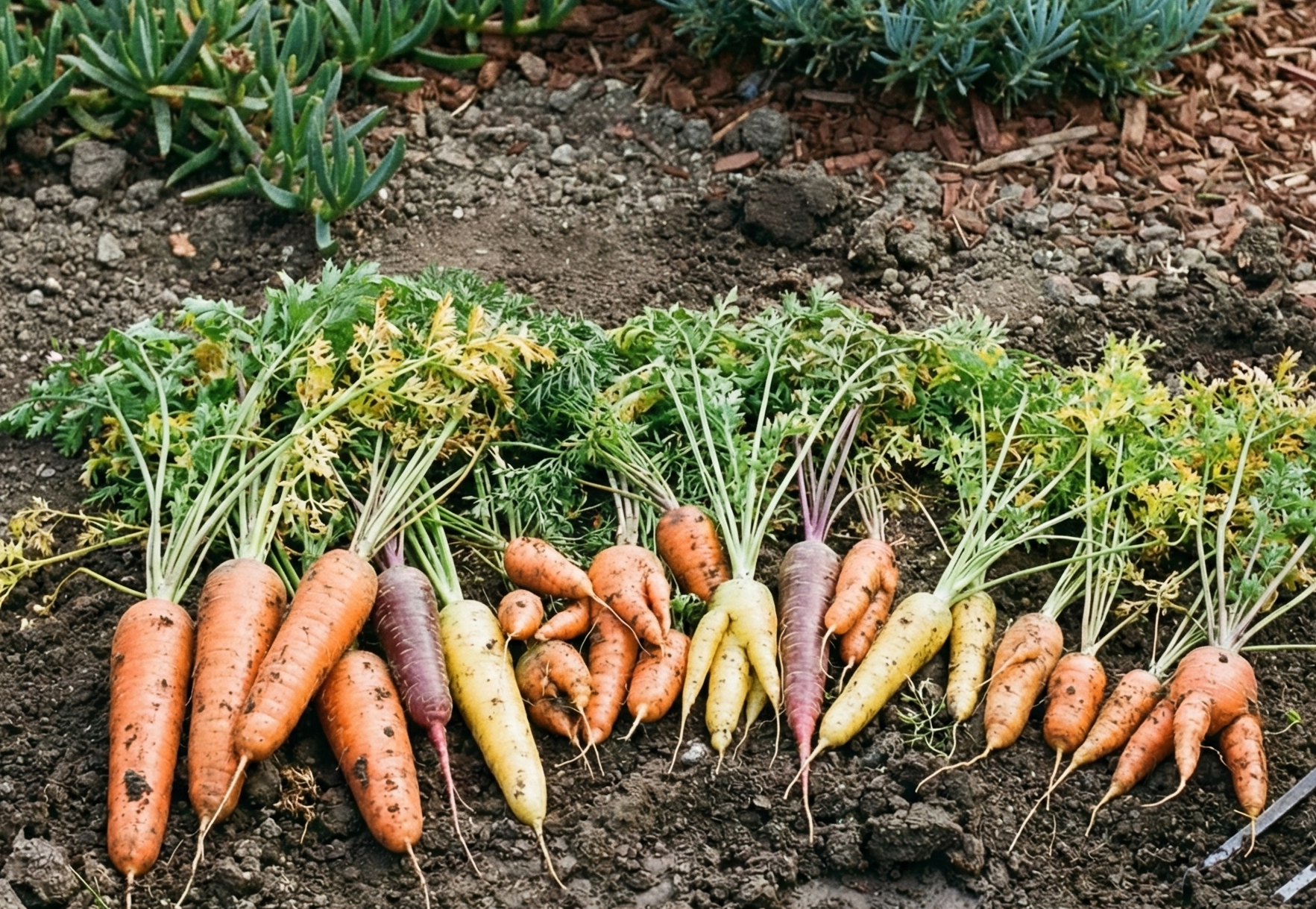
Succession Planting Carrots in Santa Cruz County: How to Harvest Fresh Carrots Year-Round
Learn succession planting for year-round carrots in Santa Cruz County. Planting schedules by microclimate, best varieties, and continuous harvest strategies.
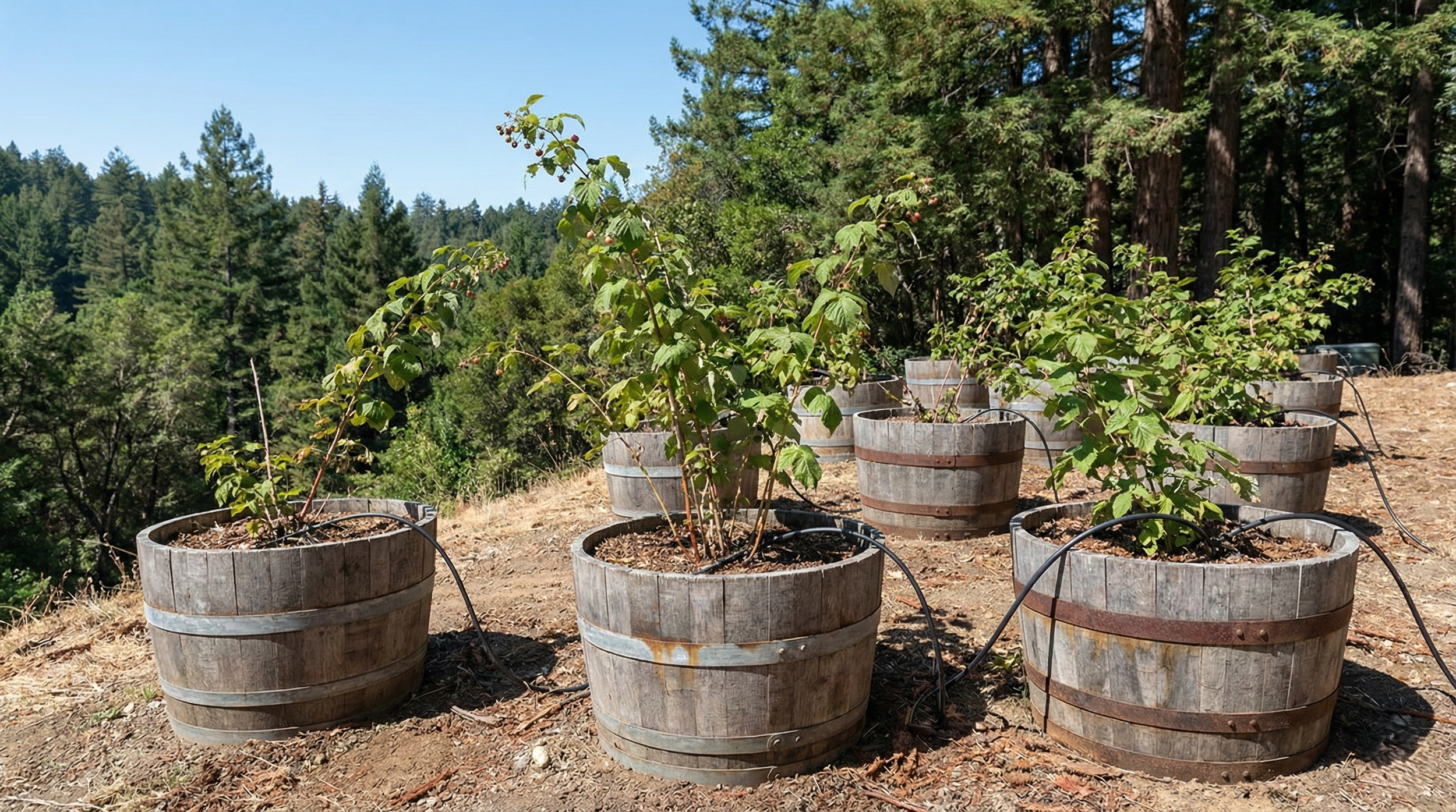
Growing Raspberries in Containers
If you garden on a deck, balcony, or tiny backyard, raspberries in containers can still deliver bowls of fresh fruit without letting canes run wild through your beds. Container growing also gives you more control over soil, water, and sun exposure, which is especially useful in Santa Cruz County's mix of foggy coasts and warm inland spots. This guide covers container selection, best varieties for pots, soil and planting, watering and feeding, pruning, and long-term care.
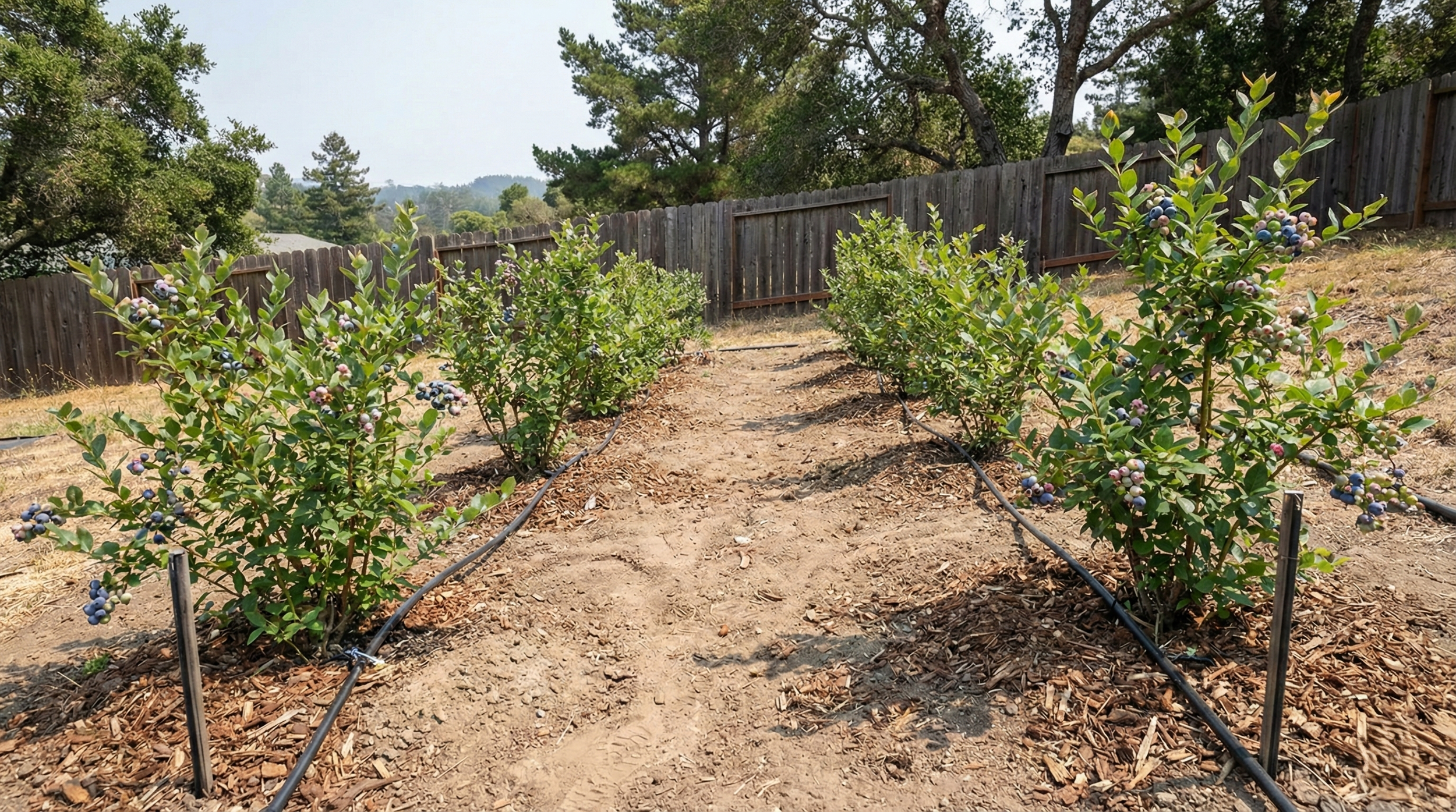
Growing Blueberries in Santa Cruz County: A Complete Guide
Learn how to grow blueberries in Santa Cruz County's coastal climate. Low-chill varieties, acidic soil tips, and local planting advice for abundant harvests.
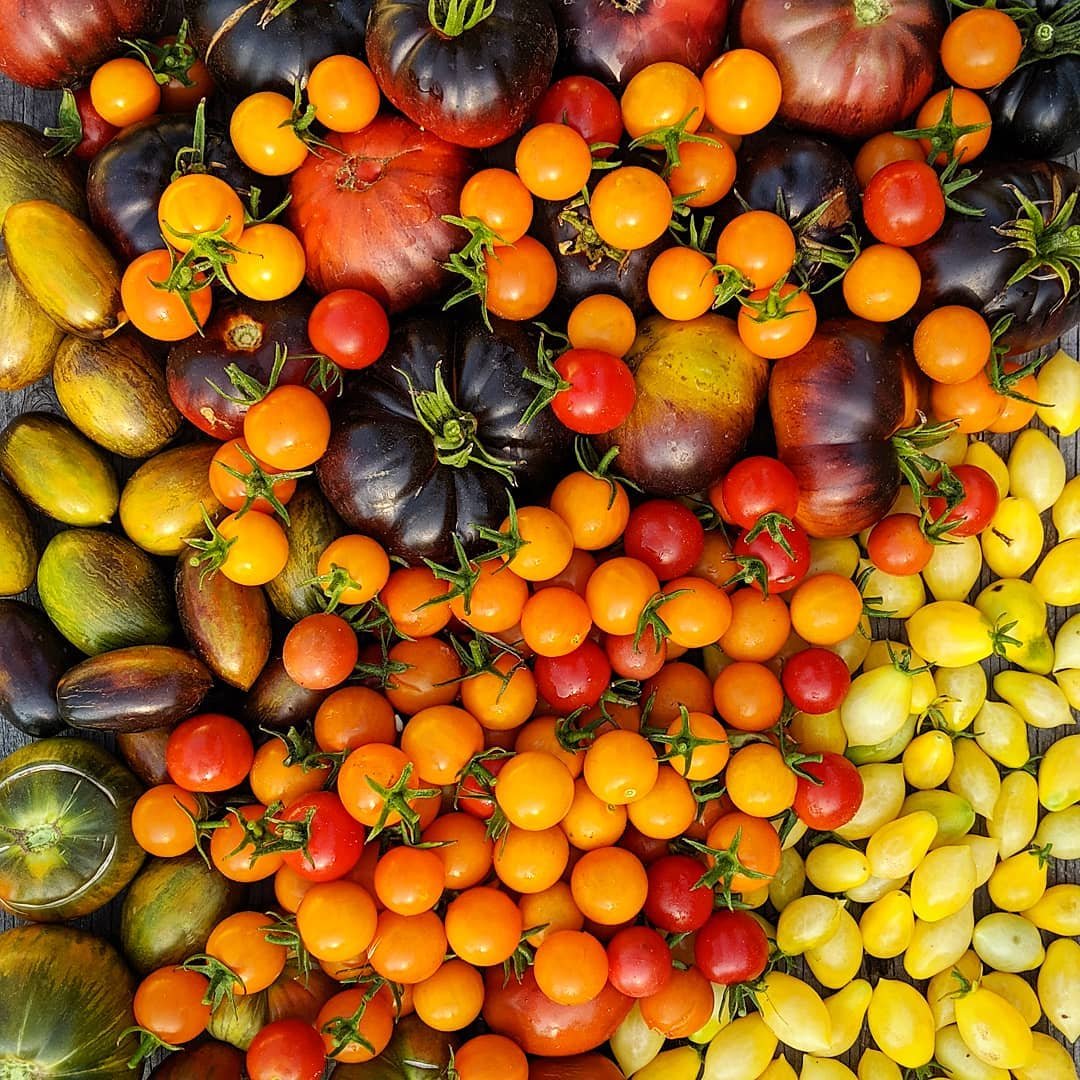
When and How to Harvest Tomatoes for Peak Flavor
Learn when to pick tomatoes for best flavor in Santa Cruz County. Ripeness stages, harvest techniques, and coastal climate strategies for home gardeners.
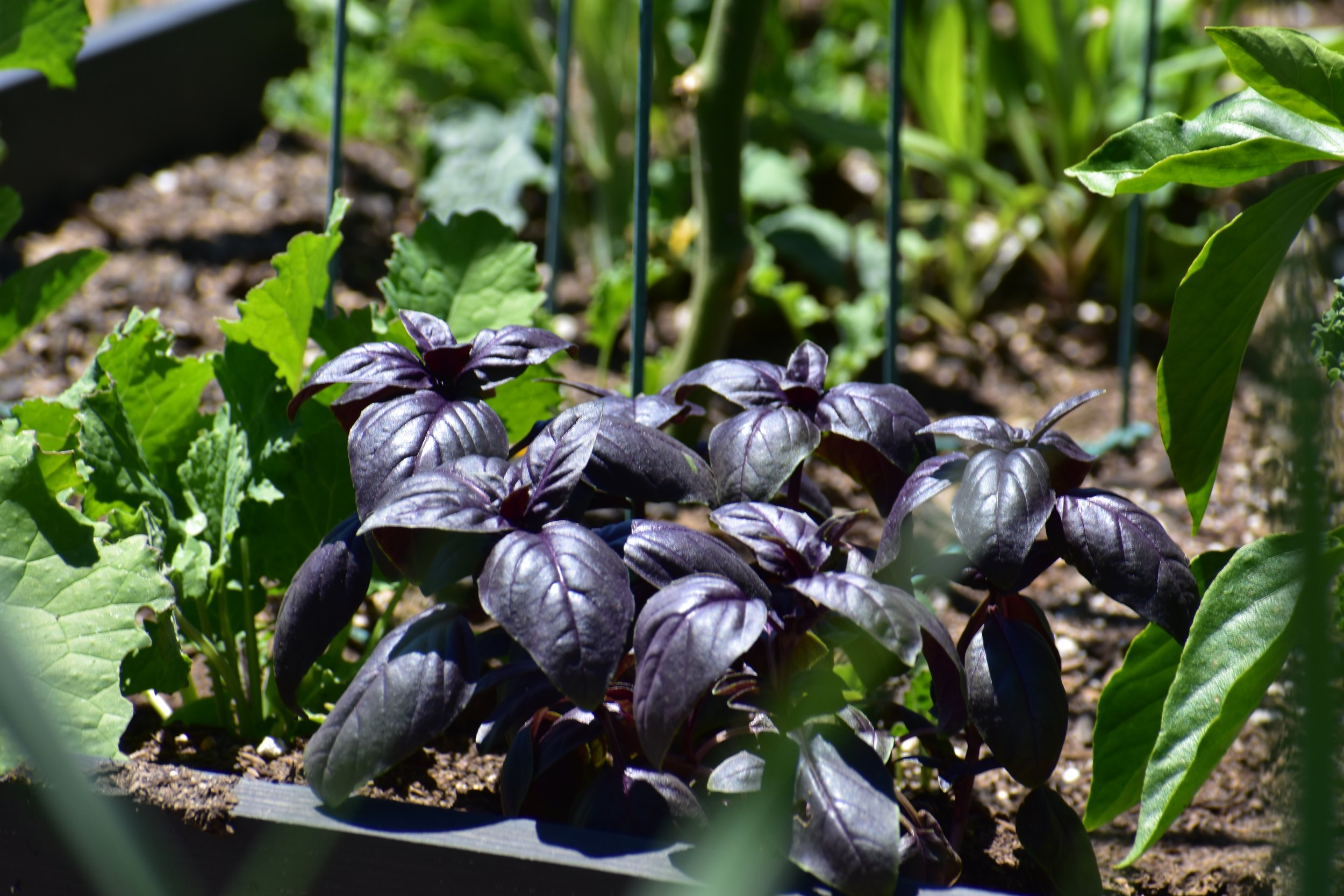
Growing Basil in Santa Cruz County: The Complete Guide
Basil thrives in Santa Cruz County's warm microclimates but struggles in coastal fog. Learn which varieties work where, when to plant, and how to grow bushier plants through proper pinching.
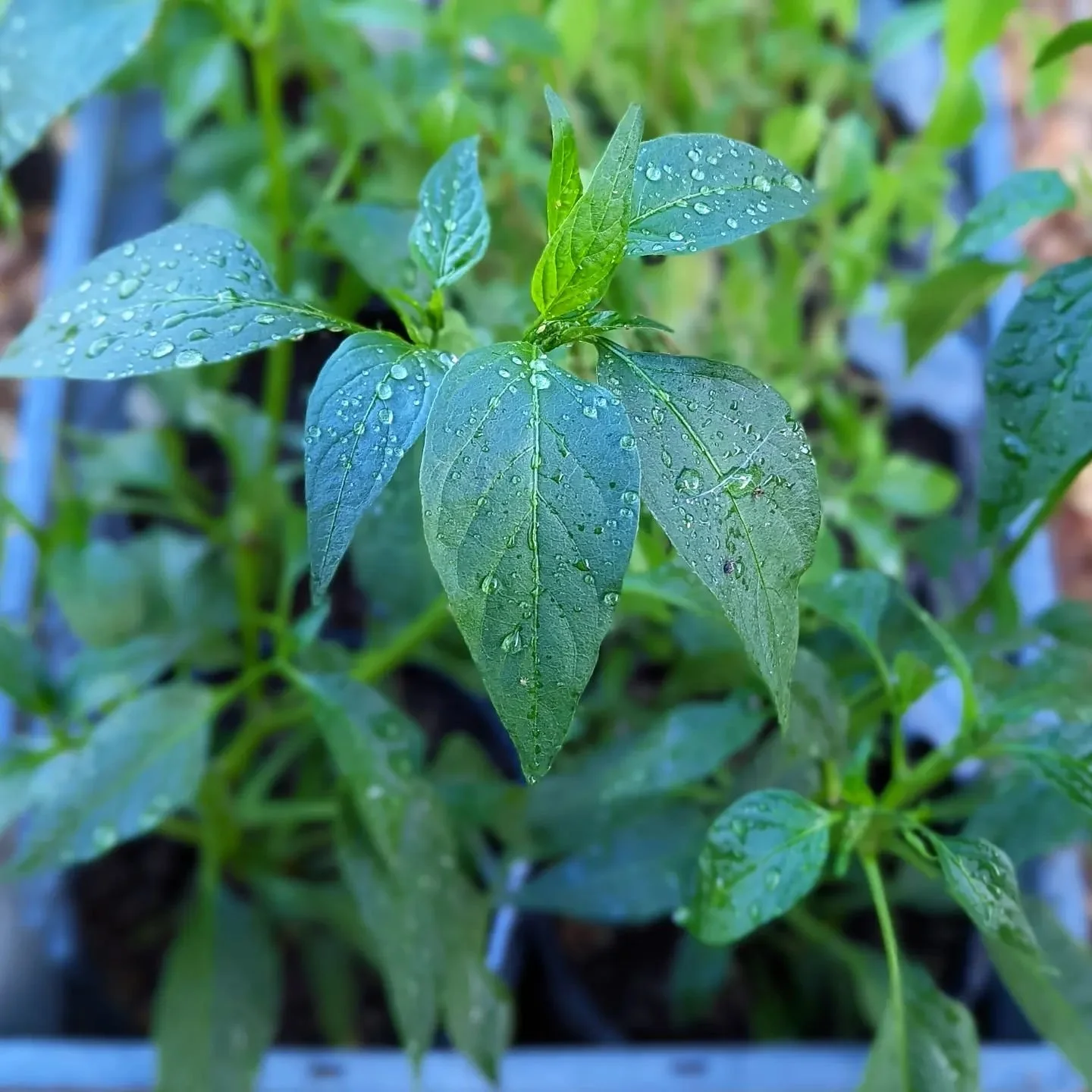
When to Plant Peppers in Santa Cruz County: Get the Timing Right
The pepper transplants appear at nurseries in March, but planting them immediately is a mistake in Santa Cruz County. Our cool soil and cold nights can permanently stunt peppers planted too early. This guide explains exactly when to plant peppers in each microclimate for the best results.
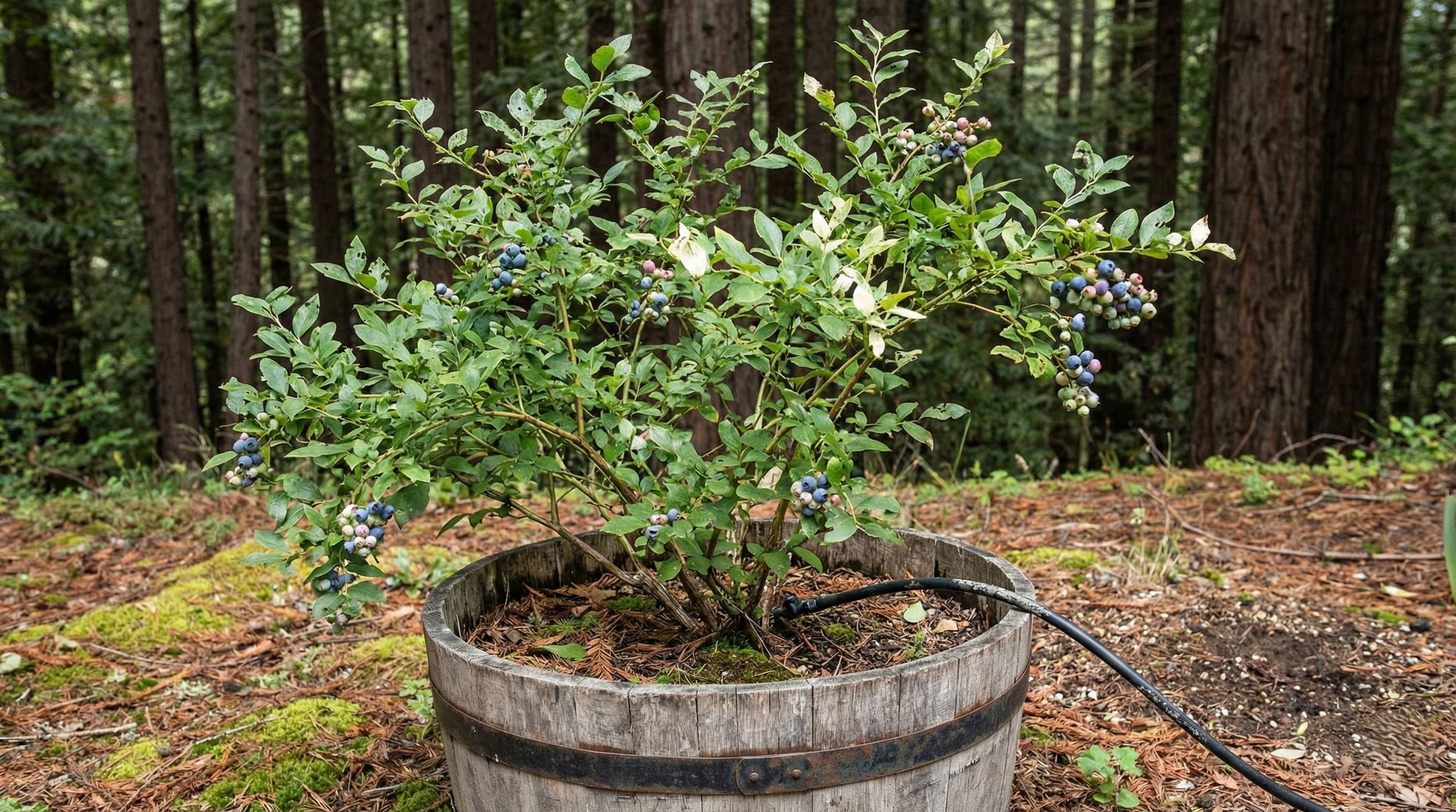
How to Grow Blueberries in Pots (California Edition)
Growing blueberries in pots is often the best approach in California. Container size, soil mix, and care tips for productive potted blueberries.
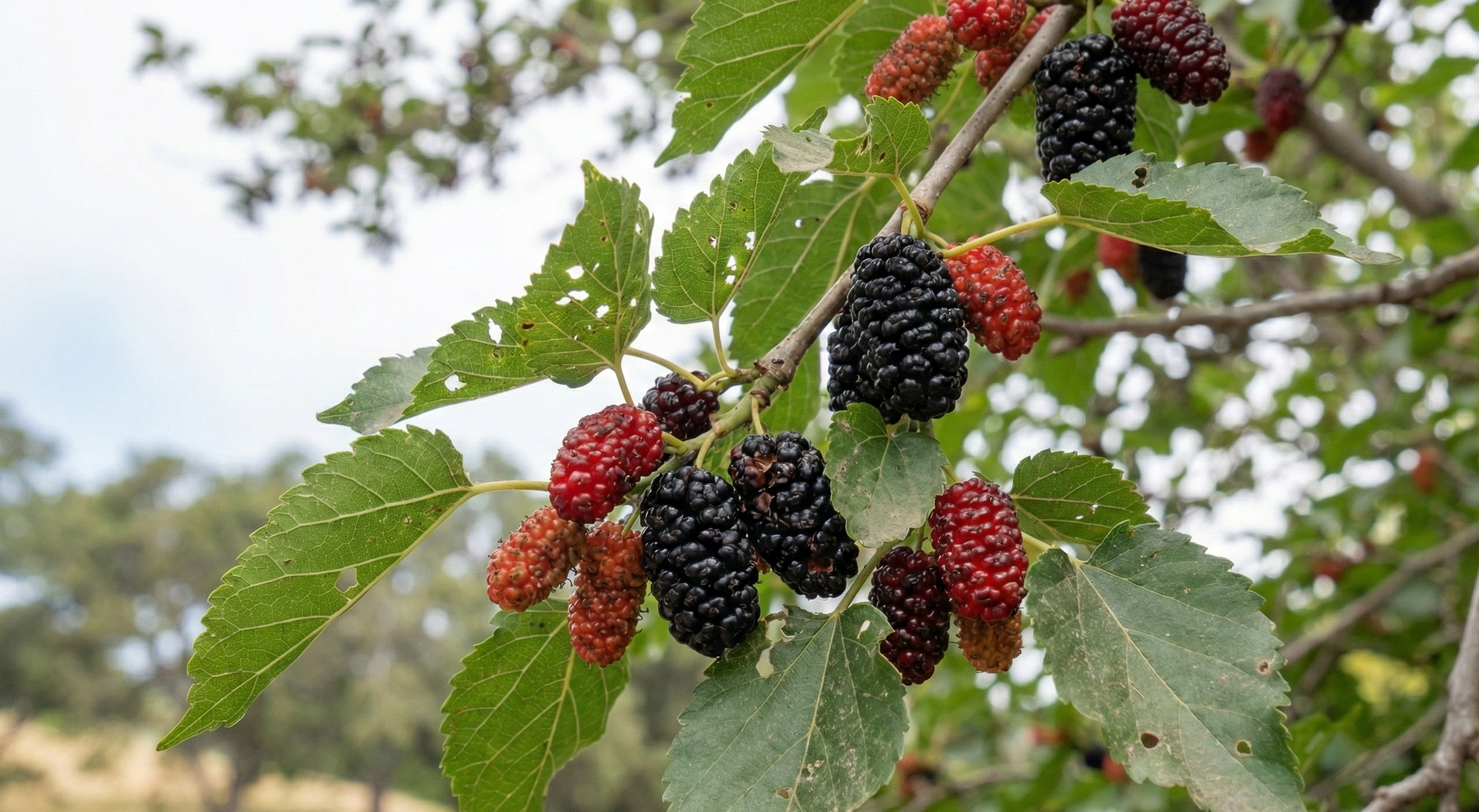
Best Mulberry Varieties for Coastal California (And Which to Plant in Santa Cruz County)
Compare mulberry varieties for Santa Cruz County: Pakistan for sweetness, Black Beauty for flavor, Illinois Everbearing for long harvest, plus dwarf options for small spaces.

How to Prune Raspberries: A Step-by-Step Guide
Pruning is the single most confusing part of growing raspberries, but it doesn't have to be. Once you understand how primocane and floricane raspberries grow, you can prune with confidence and dramatically improve your harvests. This visual guide covers the simple one-crop method for primocane varieties (easiest), the two-crop system for extended harvest, and selective pruning for summer-bearing floricane types, with timing specific to Santa Cruz County's climate.
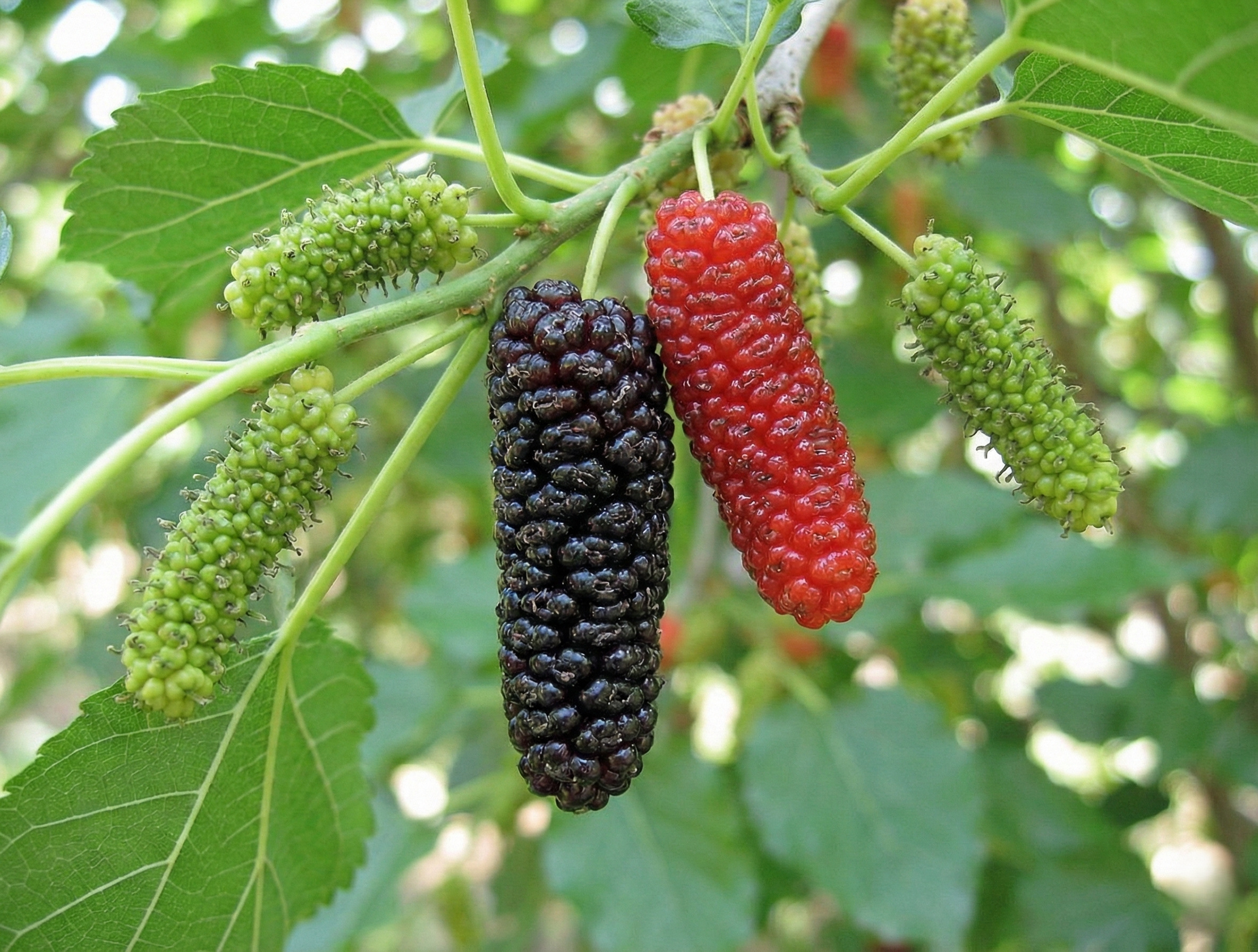
Growing Mulberries in Santa Cruz County: The Overlooked Backyard Superfruit
Discover why mulberries are the perfect low-maintenance fruit tree for Santa Cruz County. Variety guide, planting tips, and harvesting advice for California gardeners
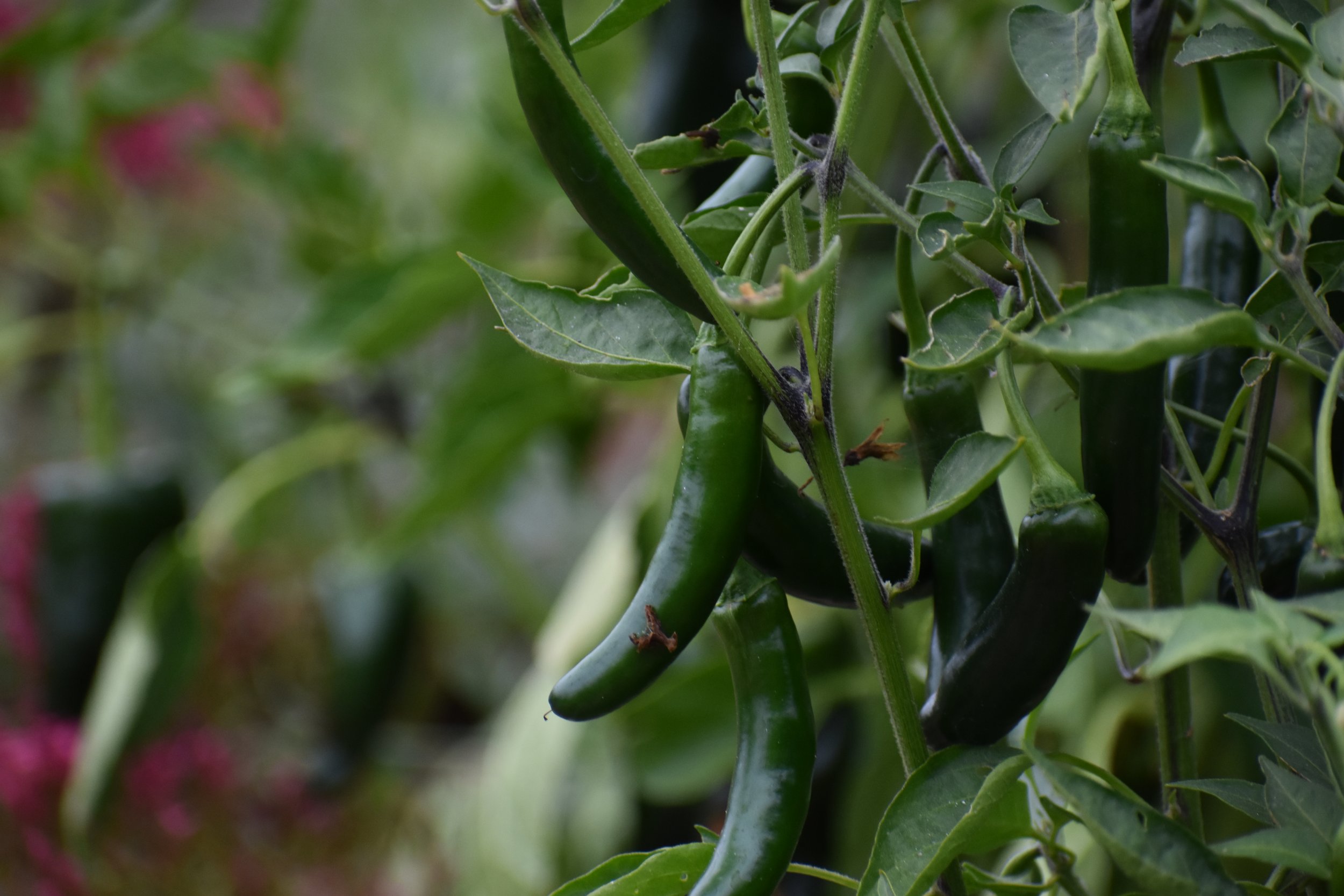
How to Grow Hot Peppers in Santa Cruz County
Learn which hot pepper varieties thrive in Santa Cruz County's microclimates, when to plant, and how to maximize your harvest in coastal or inland gardens.
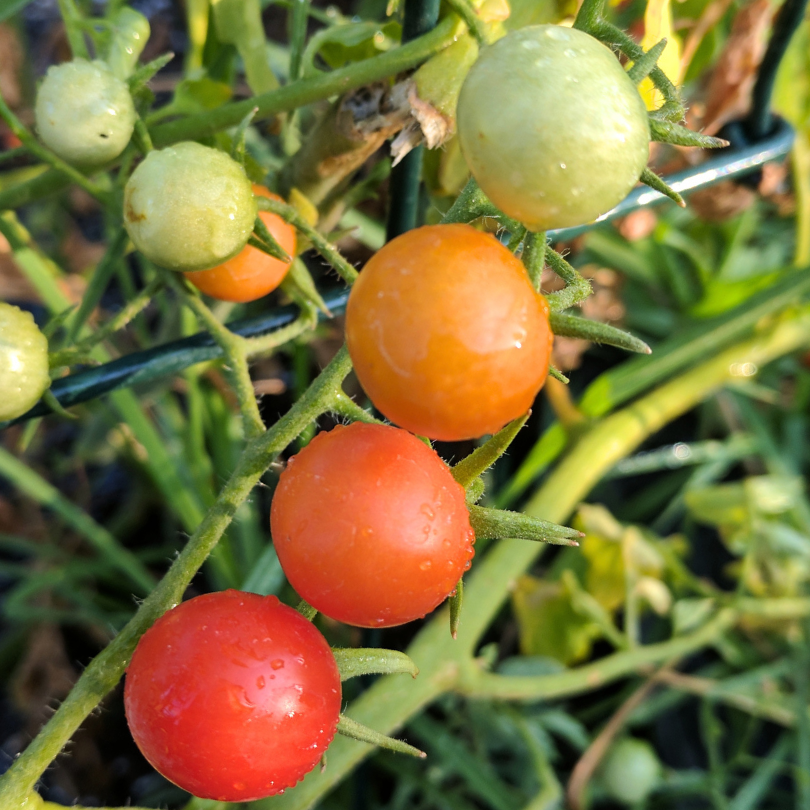
Growing Tomatoes in Santa Cruz County: A Complete Guide
Learn how to grow tomatoes in Santa Cruz County's unique climate. Variety recommendations, planting tips, and solutions for coastal California challenges.
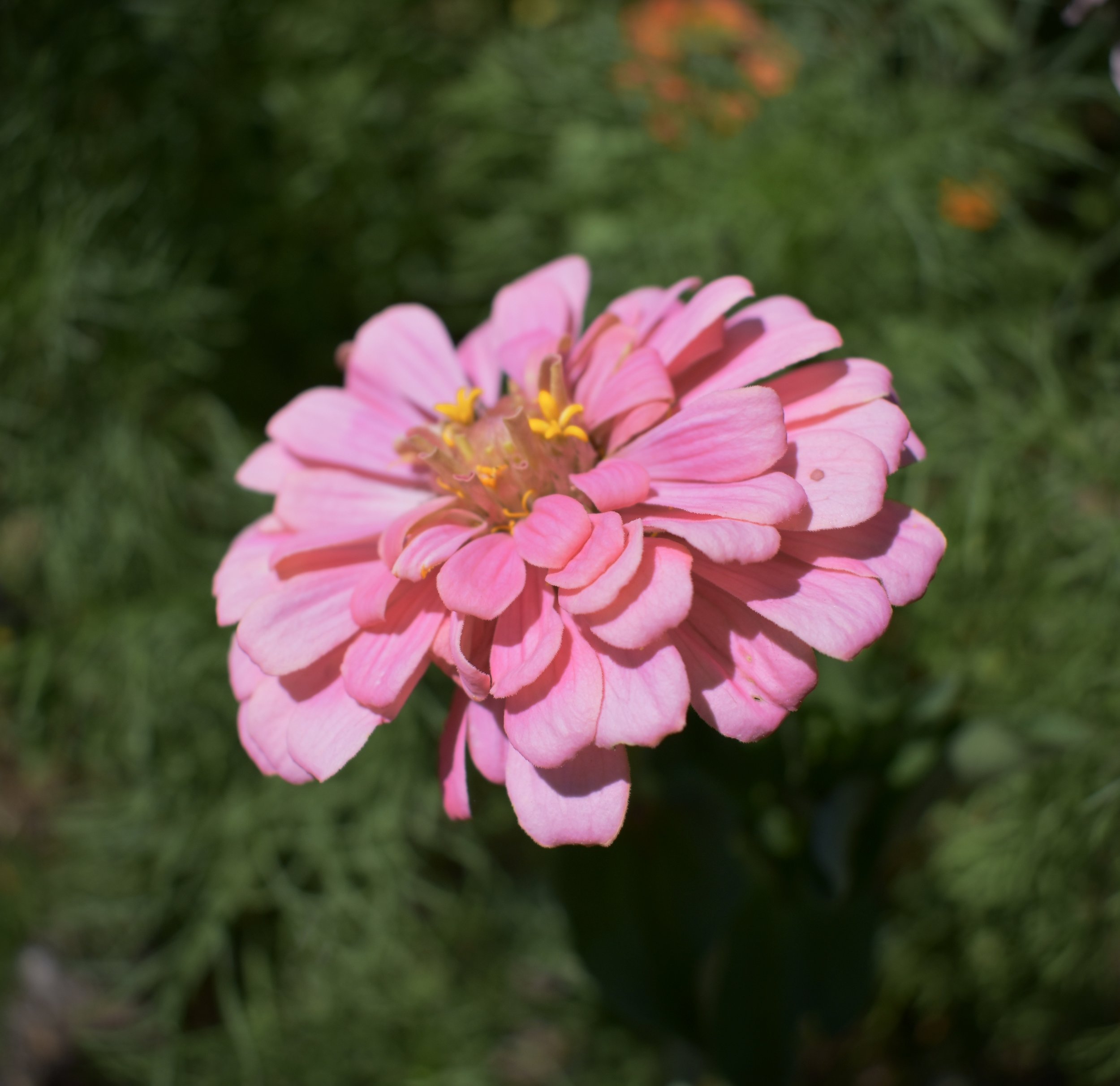
Growing Zinnias in Santa Cruz County: Bold Summer Color with Minimal Effort
Everything you need to grow zinnias in Santa Cruz County. From variety selection and planting timing to disease prevention and cut flower tips, zinnias deliver bold summer color with minimal effort.

From Garden to Glass: Growing Herbs for Cocktails in California
Fresh herbs transform ordinary cocktails into something special, and Santa Cruz County's mild climate lets you grow most cocktail herbs year-round. This guide covers the essential herbs for your home bar garden, with variety recommendations, growing tips for each microclimate, and recipes to put your harvest to work.