

When and How to Harvest Tomatoes for Peak Flavor
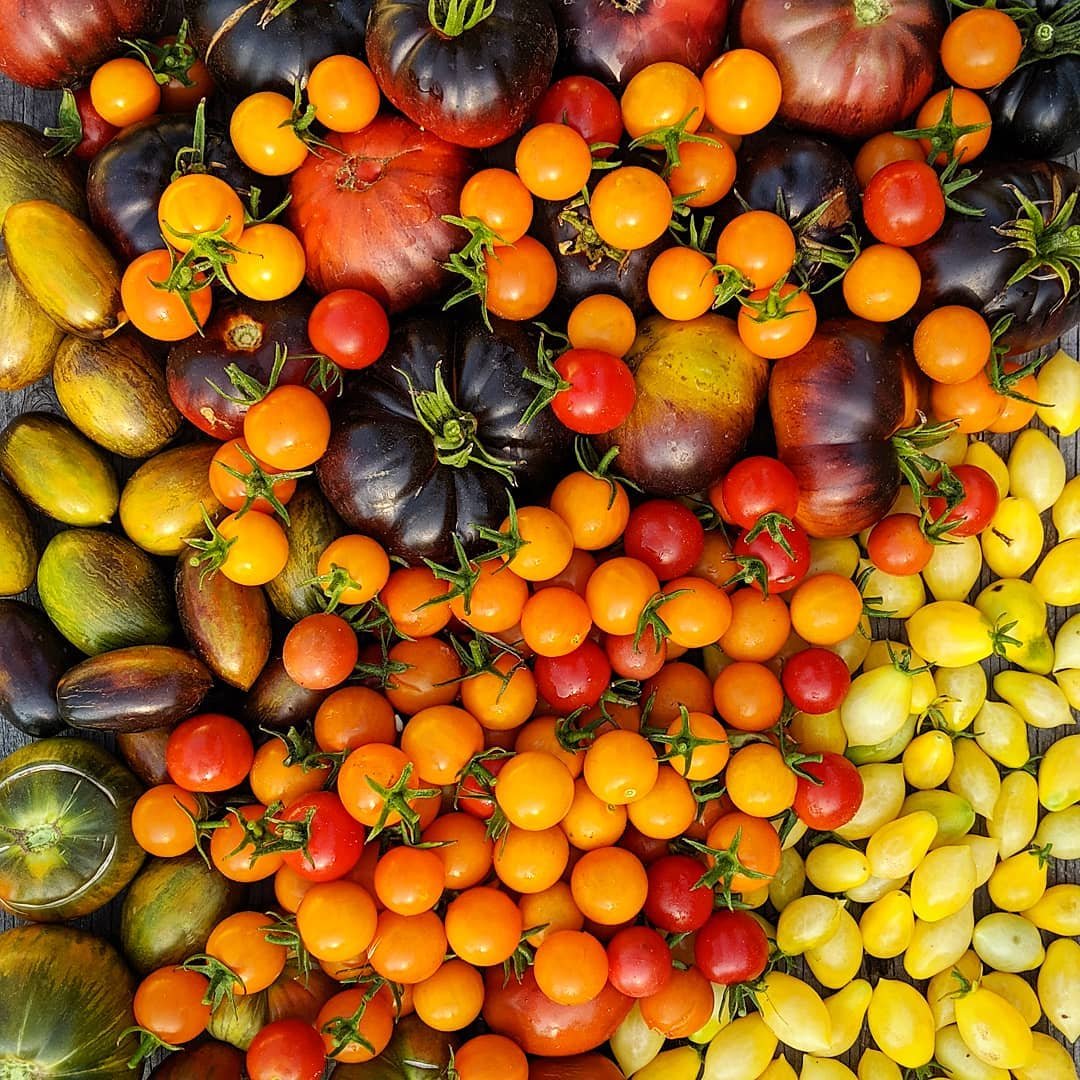
You've nurtured your tomato plants through spring planting, summer watering, and months of growth. Now comes the moment that matters most: knowing exactly when to pick for the best flavor.
In Santa Cruz County, this decision is complicated by our climate. Cool nights and coastal fog present a constant question: how ripe should tomatoes get on the vine, and when is it better to bring them inside to finish? Getting this right makes a noticeable difference in flavor and reduces losses to cracking, rot, and pests.
This guide covers ripeness stages, harvesting techniques, and strategies specific to coastal California conditions. If you are still getting started, our complete guide to growing tomatoes in Santa Cruz covers everything from planting to care.
What Are the Stages of Tomato Ripeness?
Tomatoes don't ripen like a light switch. They progress through distinct stages, and understanding these stages helps you make better harvest decisions.
The Ripening Process
Mature green: Fruit has reached full size and internal changes have begun, but no color is visible externally. The tomato appears solid green. At this stage, tomatoes can ripen off the vine, though slowly and with some flavor sacrifice.
Breaker: The first hint of color appears, usually a slight pink or yellow blush at the blossom end. This is the critical threshold. Once a tomato reaches breaker stage, it will ripen fully off the vine with minimal quality loss. According to the UC Marin Master Gardeners, tomatoes harvested at the breaker stage and ripened at room temperature are nearly indistinguishable from vine-ripened fruit in flavor tests.
Turning: 10-30% of the surface shows color. Ripening is well underway.
Pink (or equivalent for non-red varieties): 30-60% of the surface shows mature color. Flavor compounds are developing rapidly.
Light red: 60-90% colored. Approaching full ripeness.
Red (fully ripe): Full color development for the variety. Flavor and aroma are at peak.
The Breaker Stage: Your Decision Point
The breaker stage is particularly important for coastal gardeners. Once a tomato shows its first blush of color, several things are true:
The tomato has reached physiological maturity
It will ripen fully off the vine
Flavor development will continue after picking
Quality loss from early harvest is minimal
This gives you flexibility. You don't have to leave tomatoes on the vine until fully ripe, especially when weather conditions threaten quality.
Does Vine-Ripened Really Taste Better Than Indoor-Ripened?
There's heated debate about vine-ripened versus indoor-ripened tomatoes. Here's what matters for home gardeners.
The Vine-Ripened Ideal
Tomatoes that ripen completely on the vine, in warm conditions with good sun exposure, develop the fullest flavor and aroma. If you can achieve this, it's optimal.
The Reality in Coastal Santa Cruz
Our conditions often make full vine-ripening problematic:
Cool, foggy nights slow ripening and increase disease pressure
Moisture from fog promotes cracking in ripening fruit
Cool periods can actually halt ripening on the vine
Pests (birds, insects) target fully ripe fruit
Late-season rain can devastate nearly-ripe tomatoes
The Practical Middle Ground
Tomatoes picked at breaker stage or later and ripened indoors at room temperature develop very good flavor, close to fully vine-ripened in most side-by-side comparisons. The key is picking after color break has begun, not before.
Tomatoes picked mature green (before any color shows) ripen poorly and never develop full flavor. Avoid this unless absolutely necessary.
When Should You Harvest Based on Your Microclimate?
Adjust your approach based on your microclimate and current conditions.
Cool Coastal Gardens
In foggy westside Santa Cruz, Live Oak near the coast, and other cool, humid areas:
Harvest earlier. Pick at breaker stage (first color) or early pink stage. This:
Reduces cracking from fog moisture and temperature swings
Limits disease exposure on ripening fruit
Protects from late-season pest damage
Gets fruit safely inside before cool fall weather
Ripen indoors. Place harvested tomatoes in a single layer at room temperature, out of direct sunlight. They'll ripen in a few days to a week depending on how far along they were at harvest.
Accept the trade-off. You're exchanging a small amount of peak flavor potential for reliability and reduced losses. For most home gardeners, this trade-off makes sense.
Warmer Inland Gardens
In Scotts Valley, sunny San Lorenzo Valley exposures, and other warmer pockets:
Leave longer. You can often ripen tomatoes more fully on the vine without the cracking and disease issues coastal gardeners face.
Watch the weather. Even inland, unusual cool or wet spells warrant earlier harvest of ripening fruit.
Heat considerations. Very hot periods (above 90°F consistently) can actually halt ripening. Red pigment (lycopene) doesn't develop well above 85°F, as noted by UC Agriculture and Natural Resources. During heat waves, partially ripe fruit may ripen better indoors.
Late Season Strategies
As fall approaches, day length decreases, nights cool, and ripening slows dramatically. Adjust your approach:
Top your plants. In September, remove growing tips from indeterminate plants. This redirects energy from new growth to ripening existing fruit.
Remove late flowers. Flowers that appear in September won't have time to produce ripe fruit. Remove them to focus plant resources.
Watch the forecast. Before significant cold or rain events, harvest everything showing any color change.
Harvest mature green fruit. At season's end, even mature green tomatoes can be ripened indoors, though more slowly than breaker-stage fruit.
How Do You Harvest Without Damaging Plants?
Proper technique prevents damage to both plants and fruit.
The Two-Handed Method
Support the fruit in one hand
Use your other hand to gently twist the stem while lifting, or snip with pruners
Leave a short piece of stem attached to the fruit (helps prevent rot in storage)
What to Avoid
Yanking. Pulling fruit straight off can tear stems, damage clusters, and even uproot plants
Twisting without support. Can break branches or tear clusters
Harvesting wet fruit. Moisture promotes rot; harvest when dry if possible
Best Time to Harvest
Morning is ideal if you plan to store fruit. Tomatoes are firmest and coolest. Avoid harvesting in the heat of the afternoon when fruit is warmest and softest.
When dry. If possible, wait until dew or fog moisture has dried. Wet fruit is more prone to rot in storage.
How Do You Ripen Tomatoes Indoors?
Proper indoor ripening maximizes the quality of early-harvested fruit.
The Basic Method
Single layer. Place tomatoes in a single layer, not touching, on a tray or in a shallow box
Room temperature. Keep at normal room temperature (65-75°F)
Out of direct sun. Contrary to popular belief, tomatoes don't need sun to ripen indoors. Warmth matters more than light.
Check daily. Use ripening fruit promptly; rotate partially ripe fruit
Speeding Up Ripening
Ethylene gas triggers ripening. To speed the process:
Place a ripe banana or apple in a paper bag with tomatoes
The ripe fruit releases ethylene, accelerating ripening
Check daily; ripening can happen quickly this way
Slowing Down Ripening
If you have too many tomatoes ripening at once:
Move some to a cooler location (but not refrigerator)
Separate faster-ripening fruit from slower
Harvest later-stage fruit first; leave breaker-stage fruit for later
How Should You Handle and Store Ripe Tomatoes?
Once tomatoes are ripe, proper handling maintains quality.
The Cardinal Rule: No Refrigeration
Never refrigerate tomatoes you plan to eat fresh. Cold temperatures (below about 55°F) irreversibly damage flavor compounds and alter texture. Even brief refrigeration degrades quality. Research from the UC Davis Postharvest Technology Center confirms that temperatures below 50°F cause chilling injury that permanently reduces tomato aroma and flavor.
This is true for both store-bought and homegrown tomatoes, though it's especially noticeable with flavorful homegrown varieties.
Room Temperature Storage
Keep ripe tomatoes at room temperature
Use within a few days of full ripeness
Store stem-side down (reduces moisture loss and rot at stem scar)
Don't stack; single layer prevents bruising
When Refrigeration Is Acceptable
Very ripe fruit you can't use immediately: Brief refrigeration (1-2 days) is better than letting fruit spoil. Bring back to room temperature before eating.
Cooking purposes: Refrigerated tomatoes are fine for sauces, soups, and other cooked applications where fresh texture isn't critical.
What Should You Do With End-of-Season Green Tomatoes?
At season's end, you'll likely have green tomatoes still on the vine. Don't waste them.
What Can Ripen Indoors
Mature green tomatoes: Full-sized, glossy, and firm but not rock-hard. These will ripen indoors over 2-4 weeks.
Breaker and turning tomatoes: Will ripen more quickly indoors, typically within 1-2 weeks.
What Won't Ripen Well
Immature green tomatoes: Small, dull, very hard. These won't ripen properly and remain bitter. Use in green tomato recipes instead.
Indoor Ripening Method for Green Tomatoes
Harvest before frost or when plants are clearly declining
Sort by ripeness stage; keep breaker-stage separate from fully green
Place in single layer in a warm location (65-75°F)
Check regularly; use ripening fruit promptly
Be patient; mature green tomatoes may take 3-4 weeks
Green Tomato Recipe Ideas
Tomatoes that won't ripen can be delicious in other forms:
Fried green tomatoes (Southern classic)
Green tomato salsa (tangy, fresh)
Green tomato pickles (excellent pantry item)
Green tomato relish (great condiment)
Green tomato chutney (pairs with cheese and meats)
How Do You Tell When Different Tomato Types Are Ripe?
Different tomato types show ripeness differently.
Red Tomatoes
Progress from green through orange-red to deep red. Ripe when uniformly colored with slight give to gentle pressure.
Pink Tomatoes
Ripe color is rosy pink rather than deep red. Look for uniform pink color and slight softness.
Yellow and Orange Tomatoes
Progress from green through pale yellow to golden yellow or orange. Shoulders (near stem) often stay green longer.
Purple and Black Tomatoes
Develop dusky purple-brown color, often with green or brown shoulders that persist even when ripe. Judge ripeness by the blossom end and overall softness rather than shoulder color.
Green-When-Ripe Tomatoes
Varieties like 'Green Zebra' stay green when ripe. Look for yellowing of the lighter stripes, slight softening, and strong tomato aroma.
Cherry Tomatoes
Often slip easily from the stem when ripe. Many varieties crack if left too long after ripening; harvest promptly.
What Else Affects Tomato Flavor Beyond Ripeness?
Beyond ripeness timing, a few factors affect the flavor of your harvest.
Variety Matters Most
No amount of perfect ripening will make a mediocre variety taste exceptional. Grow flavorful varieties, especially heirlooms suited to Santa Cruz conditions and varieties bred for taste rather than shipping.
Growing Conditions Affect Flavor
Sun exposure: More sun generally means more sugar development
Consistent watering: Stress affects flavor development
Moderate nitrogen: UC IPM notes that excess nitrogen sends fruiting plants into foliage at the expense of fruit, reducing fruit quality and yield and delaying maturity
Harvest timing: Picking at appropriate ripeness preserves developed flavor
Temperature During Ripening
Flavor compounds develop best within a moderate temperature range. Extreme heat or cold during ripening can diminish flavor, whether on the vine or indoors.
Frequently Asked Questions
Should I let tomatoes fully ripen on the vine?
If conditions allow (warm, dry weather), vine-ripening produces best flavor. In coastal Santa Cruz, picking at first color and ripening indoors often produces better results than leaving fruit exposed to fog, cool nights, and cracking conditions.
My tomatoes won't turn red. What's wrong?
Ripening slows or stops below about 50°F and above about 85°F. In cool coastal weather, try harvesting when color just begins and finish ripening indoors. In heat waves, partially ripe fruit may ripen better inside.
Can I ripen green tomatoes indoors?
Yes, if they're mature green (full-sized and glossy). Place in a warm location at room temperature. Very immature green tomatoes won't ripen properly.
Why shouldn't I refrigerate tomatoes?
Cold temperatures damage flavor compounds and alter texture. Store ripe tomatoes at room temperature for best eating quality.
How do I know when green-when-ripe varieties are ready?
Look for slight softening, strong tomato aroma, and subtle color changes (often yellowing of lighter areas). The blossom end is usually the best indicator.
What do I do with all my green tomatoes at the end of the season?
Mature green ones will ripen indoors over 2-4 weeks. Immature green tomatoes make excellent fried green tomatoes, salsa, pickles, or relish.
What Is the Right Harvest Mindset?
After months of care, the harvest is your reward. Don't let perfect be the enemy of good. A tomato picked slightly early and ripened on your counter still tastes vastly better than anything from a grocery store. A tomato left too long on the vine, cracked and moldy, provides nothing.
In Santa Cruz County, smart harvesting means adapting to our climate rather than fighting it. Pick a little earlier than you might inland. Ripen indoors when conditions threaten. Use green tomatoes creatively at season's end.
The goal isn't theoretical perfection; it's delicious tomatoes on your table, all season long.
Free Gardening Resources
Know Your Microclimate Worksheet: Understand your specific Santa Cruz County growing conditions
Seasonal Planting Calendar: Month-by-month guidance for Santa Cruz County
Related Tomato Articles
Growing Tomatoes in Santa Cruz County
Growing Tomatoes in Containers
Heirloom Tomatoes for Santa Cruz
Determinate vs Indeterminate Tomatoes
Watering Tomatoes in Santa Cruz
Tomato Fertilizing + Soil Prep
Tomato Problems + Troubleshooting
Harvesting Tomatoes for Peak Flavor
