


Fire-Wise Gardening in Santa Cruz County
Fire-wise gardening for the Santa Cruz Mountains: defensible space zones, ember-resistant Zone 0, fire-resistant plants, and seasonal maintenance.
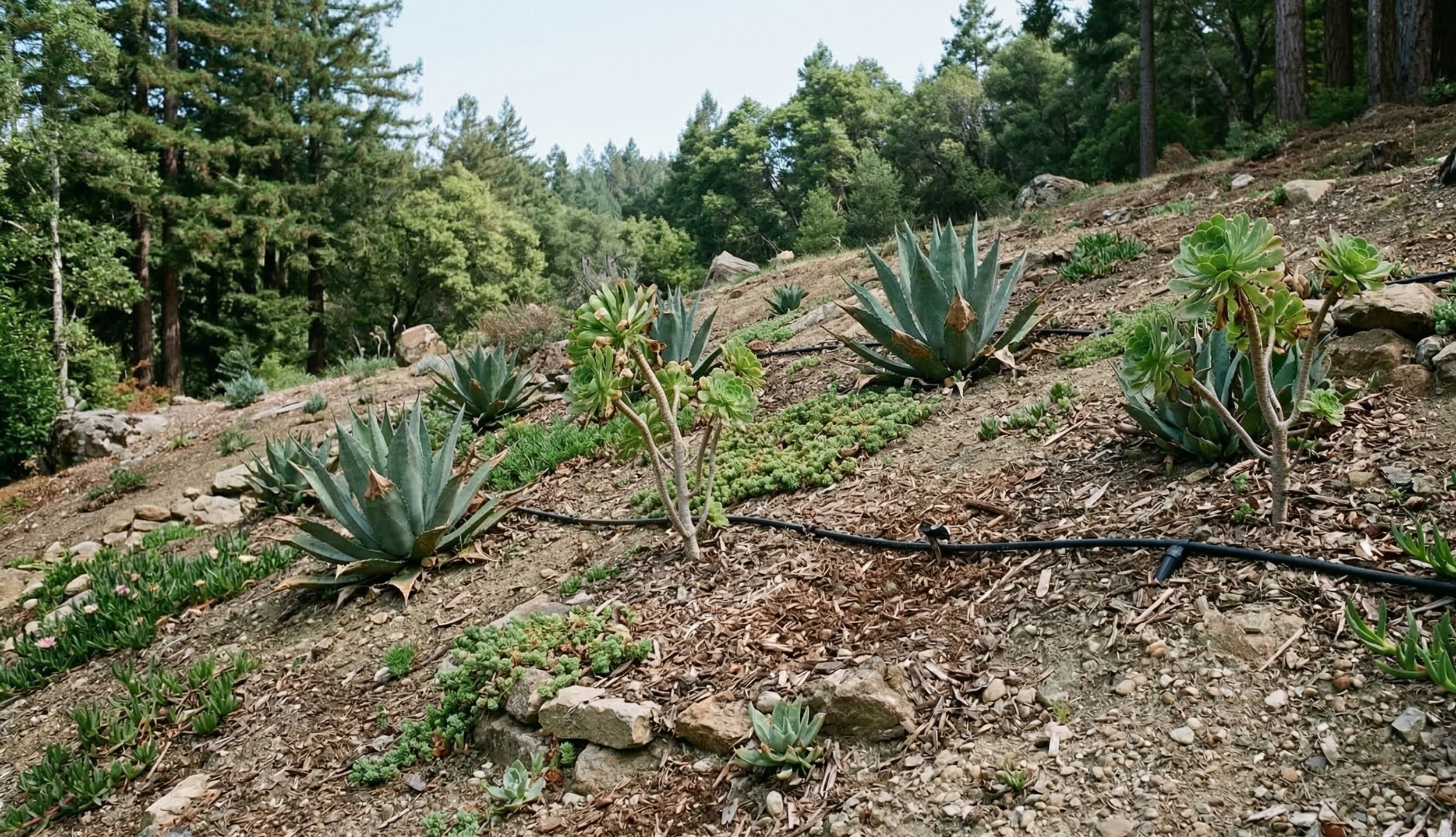
Succulents for Fire-Wise Landscaping | Protect Your Home Naturally
Use succulents for fire-wise landscaping in California. Learn which high-moisture plants protect your home and how to design effective succulent fire breaks.
Fire-Wise Gardening 101: Protecting Your Home and Garden in Santa Cruz County
After the CZU fires, Santa Cruz County homeowners are rethinking landscaping. Learn how to create defensible space with fire-resistant plants that are beautiful and water-wise.
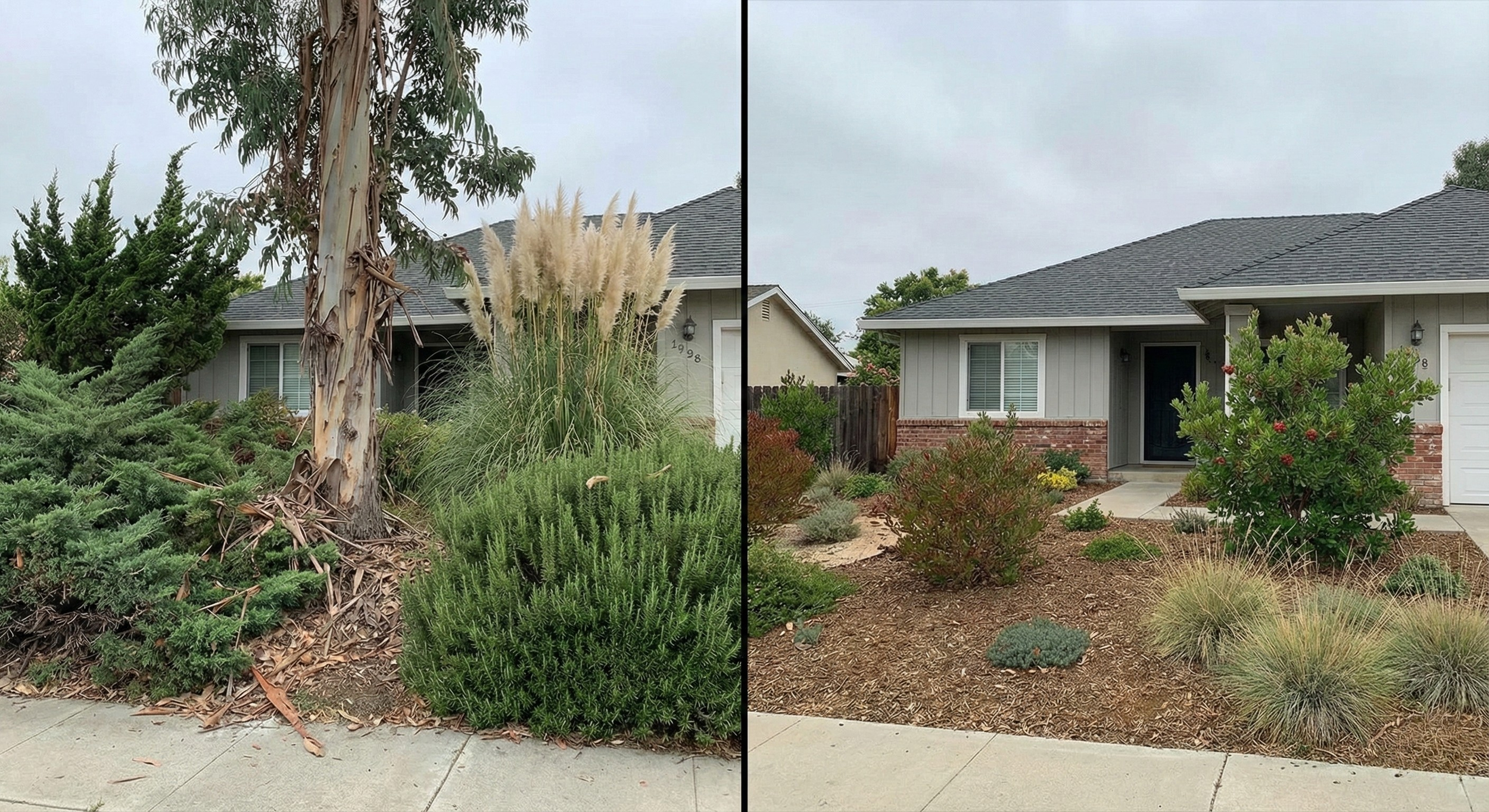
These Common Garden Plants Are a Fire Hazard Near Homes
Some of the most common landscaping plants in Santa Cruz County are also the most dangerous in fire season. Juniper, eucalyptus, cypress, and pampas grass create fire pathways to your home. Learn which plants to avoid or remove from your defensible space, especially in high-risk areas like Boulder Creek, Ben Lomond, Brookdale, and Felton. Knowing what NOT to plant is just as important as choosing fire-resistant alternatives.
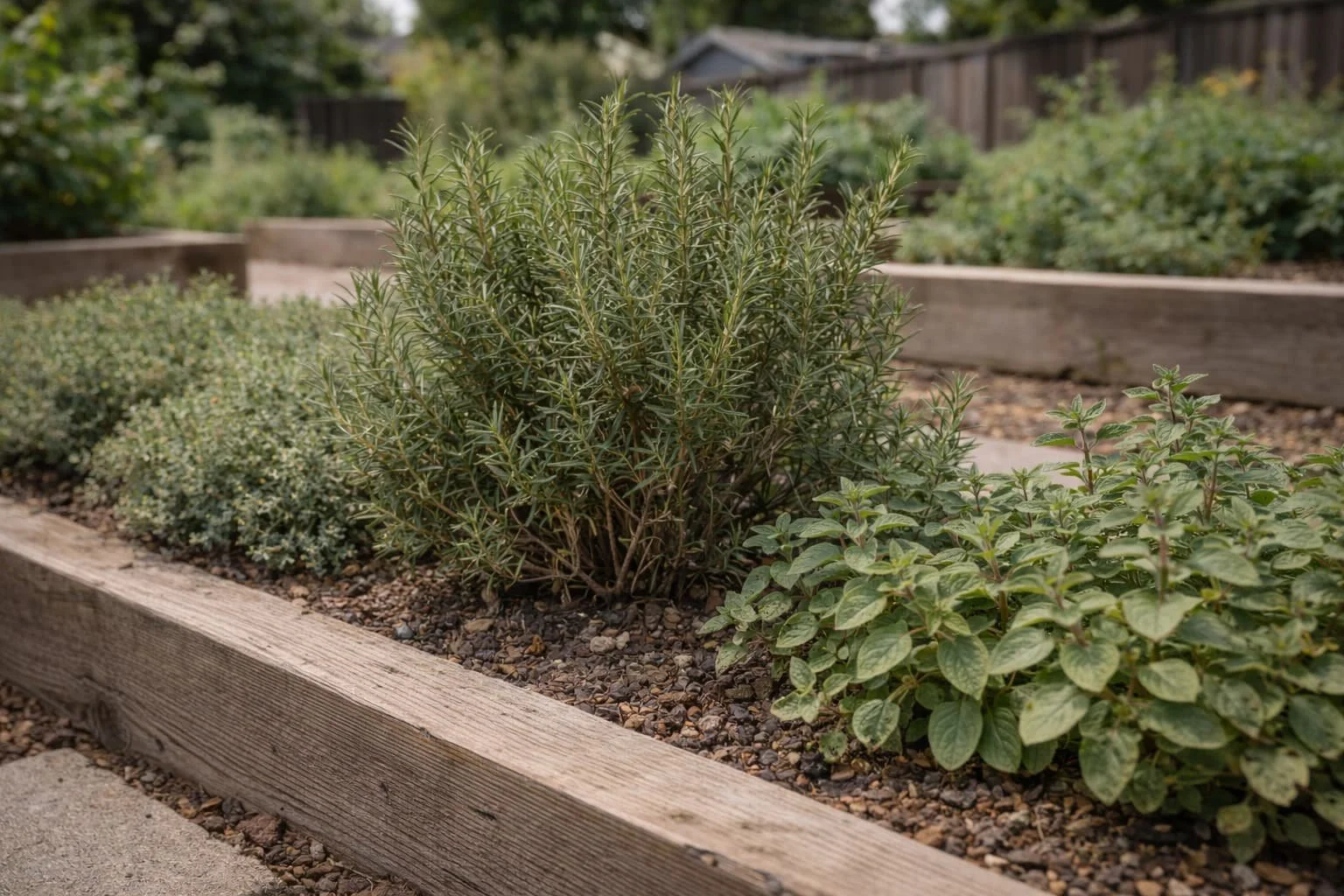
Fire-Wise Herb Gardens: Placement and Maintenance
Plan an herb garden around growing needs, placement and maintenance. Moisture content and low growth do not make herbs fire-safe.

Fire-Wise Raised Bed Materials and Placement
Compare raised-bed materials, complete construction and placement for a Santa Cruz garden. Metal sides do not make the whole bed fireproof.
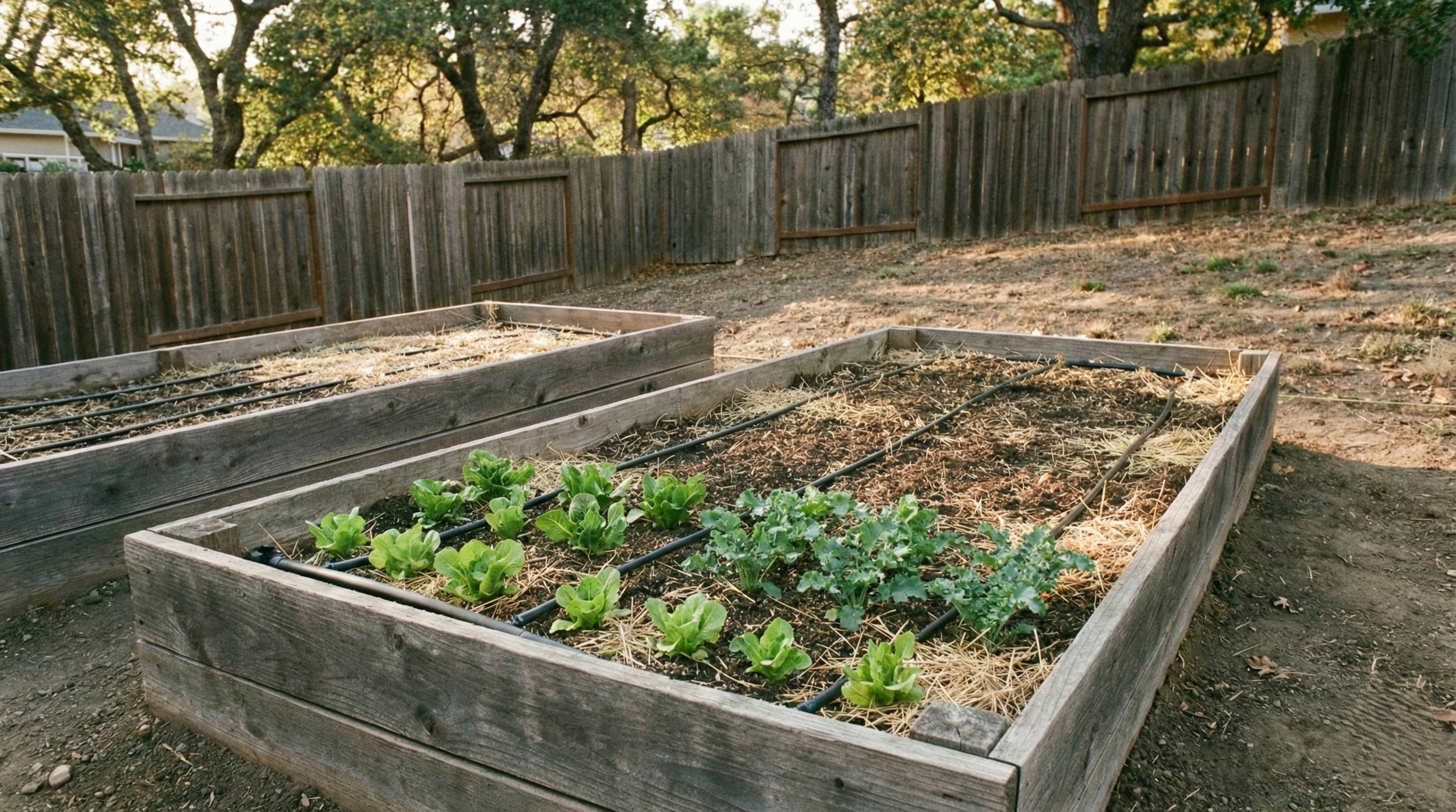
Fall Garden Cleanup for Fire Safety
Plan fall garden cleanup in Santa Cruz County around current conditions, accumulated dead material, safe disposal and preparation for winter rain.
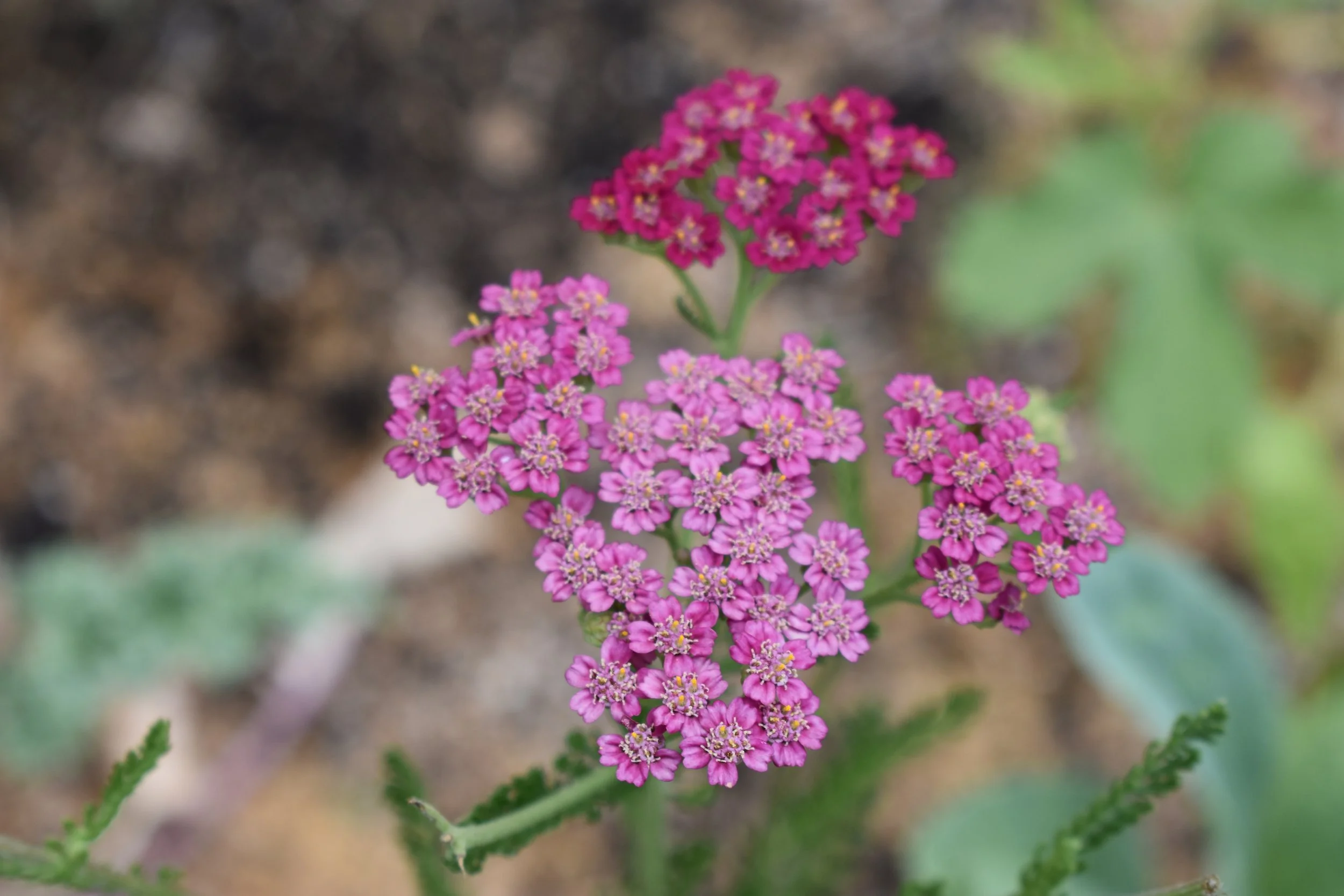
Fire-Wise Planting in Santa Cruz: 10 Plants to Assess
Assess ten familiar garden plants for a fire-wise Santa Cruz landscape. Start beside the house, then consider mature size, dead material, spacing, and care.
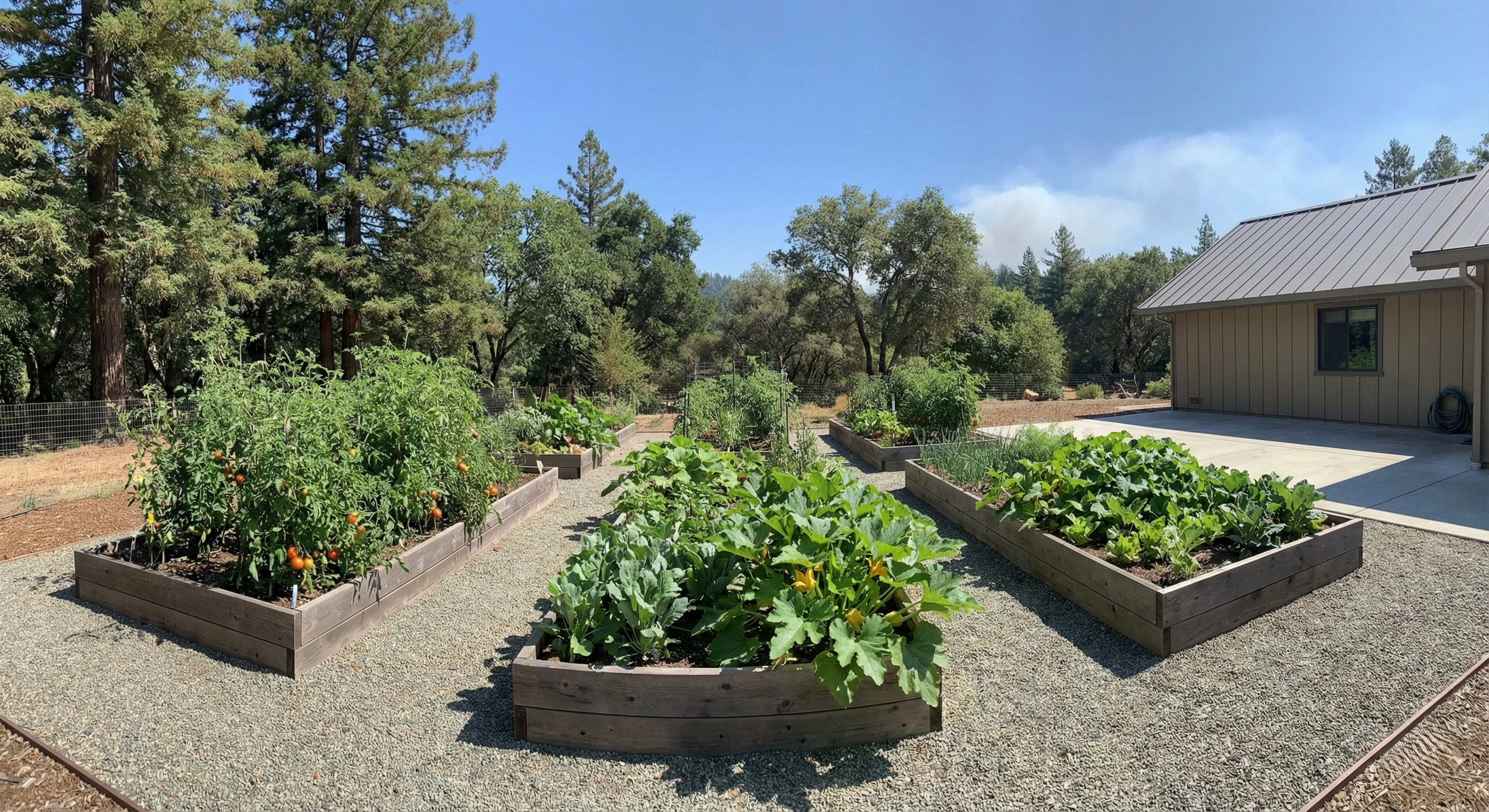
Vegetable Gardens in Fire Zones: Growing Food Safely in Fire Country
Plan vegetable beds, access and maintenance in fire-prone Santa Cruz gardens. Irrigated crops and gravel paths are not guaranteed firebreaks.

Preparing Your Vegetable Garden for Fire Season
Prepare vegetable beds for drying conditions with routine maintenance, safe disposal and an evacuation plan. Do not rely on a fixed seasonal deadline.

Lawn Alternatives for a Fire-Wise Santa Cruz Garden
Compare lawn alternatives by growing needs, mature form and maintenance. Groundcover choice alone does not establish wildfire protection.
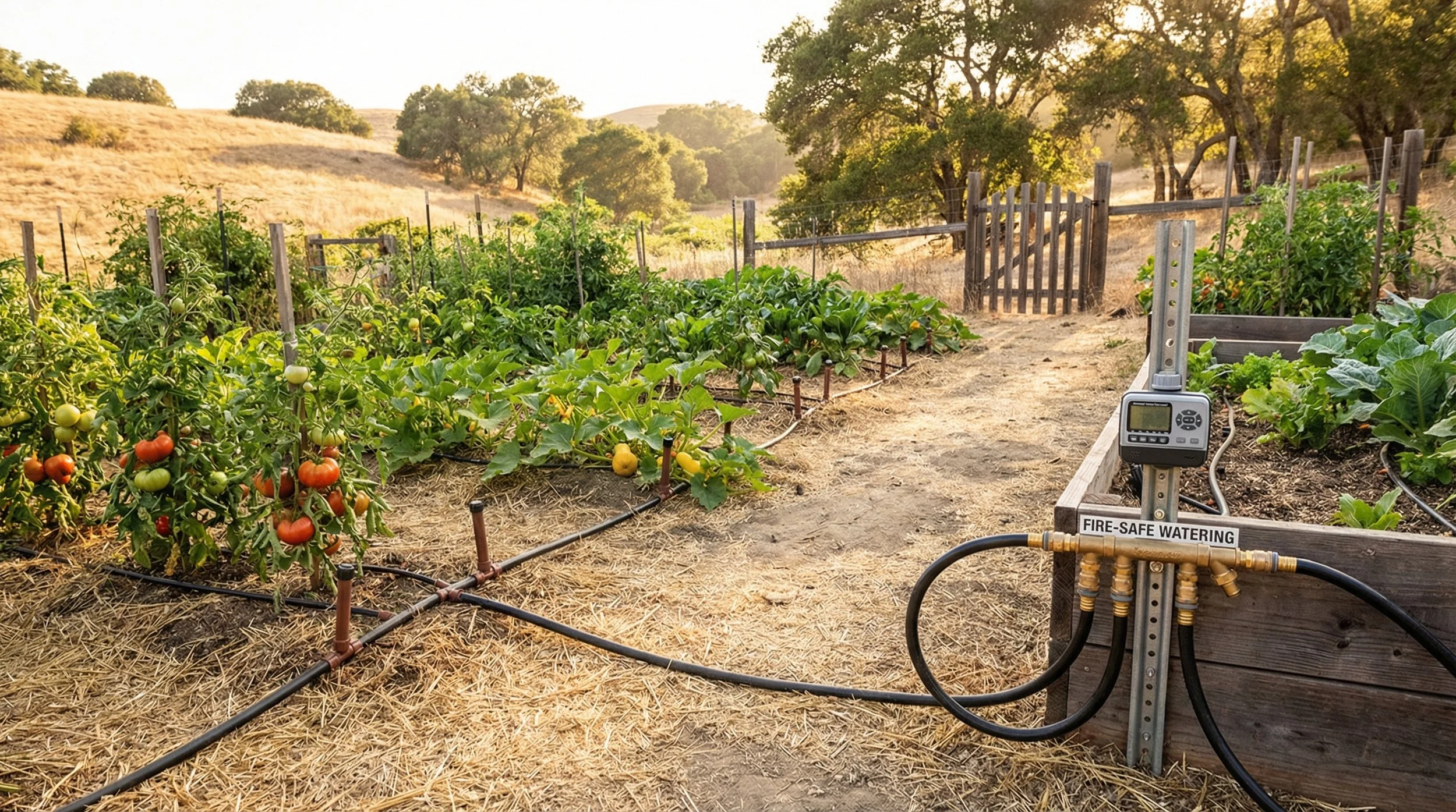
Summer Garden Irrigation for Fire Safety
Proper irrigation during fire season keeps your garden healthy while maintaining the green zone that protects your home from wildfire.
Fire-Wise Fencing and Structures: Reducing Fire Pathways to Your Home
Assess fence connections, materials and nearby vegetation to reduce potential fire pathways. Get advice for the particular structure and site.
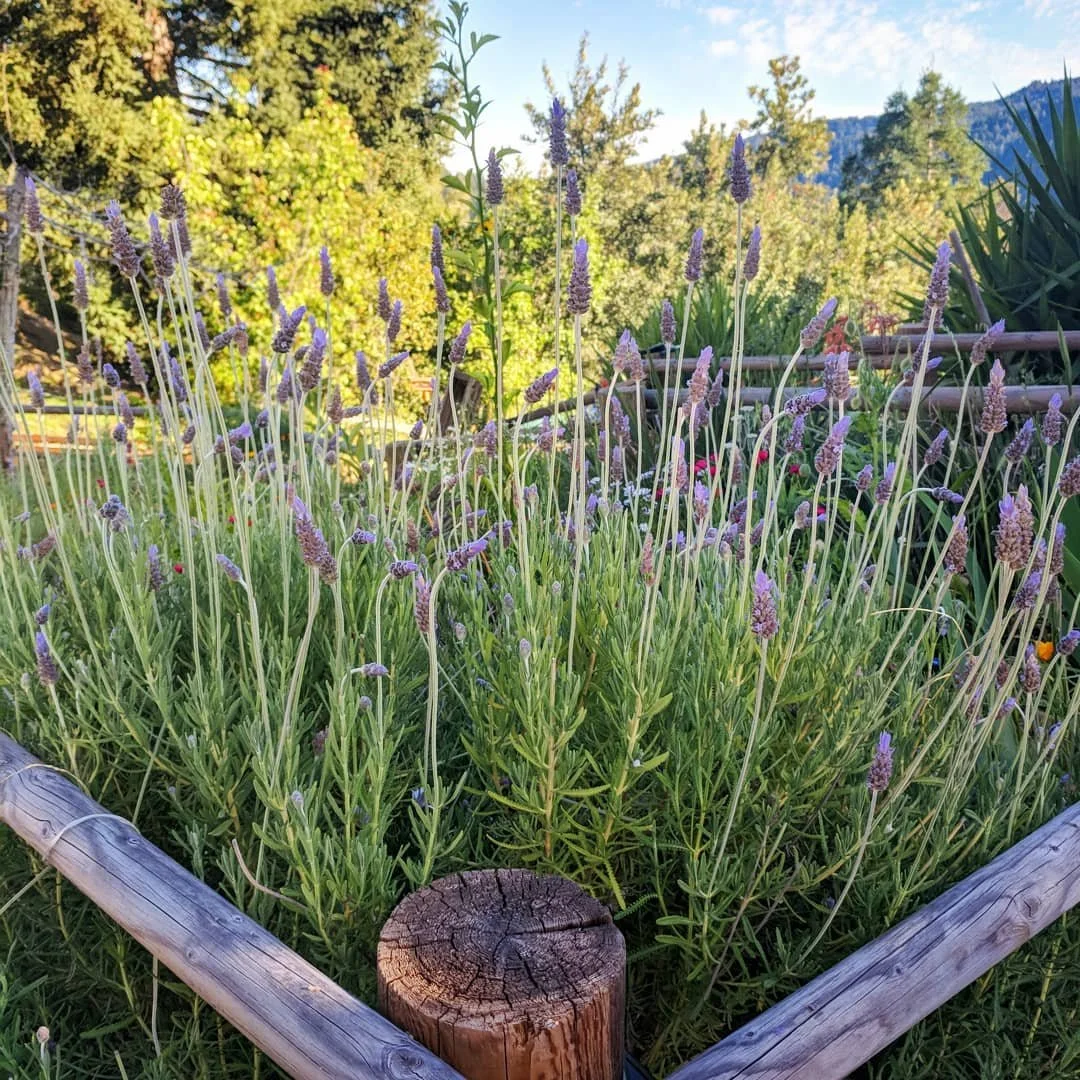
Fire-Wise Pollinator Gardens for Santa Cruz
Plan pollinator flowers and nesting habitat alongside placement and fuel maintenance. Native plants and irrigation do not guarantee fire protection.
After the Fire: Restoring Your Garden Post-Wildfire
Recovering a garden after wildfire is possible but requires patience. Here is what to do first, what to plant, and how long recovery actually takes.
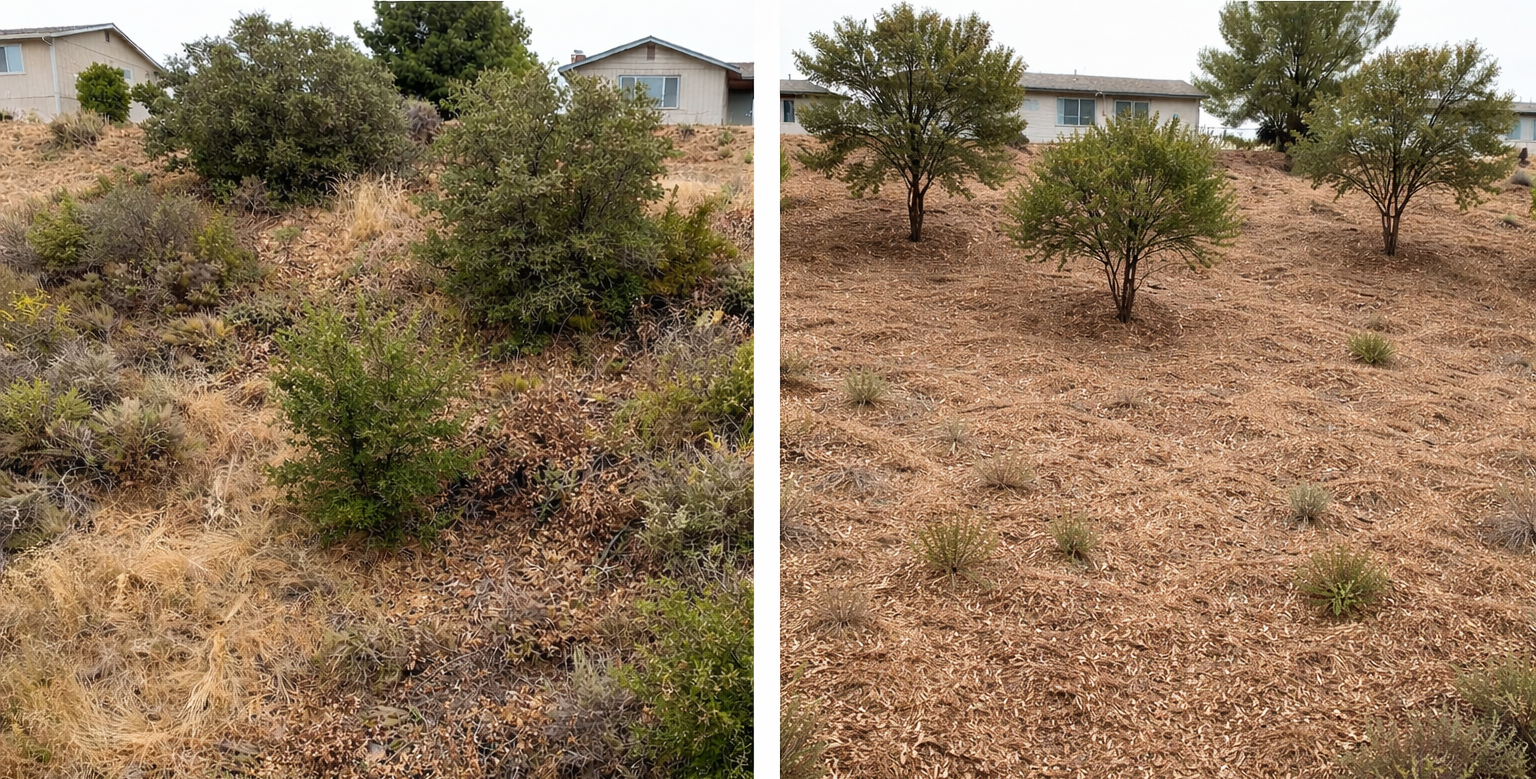
Fire-Wise Design for Slopes and Hillsides
Learn how to create defensible space on steep terrain in Santa Cruz County. Understand how fire behaves on slopes, expand your zones appropriately, and design fire-wise landscaping that balances fire safety with erosion control. Essential guide for Boulder Creek, Ben Lomond, Bonny Doon, and other hillside communities.
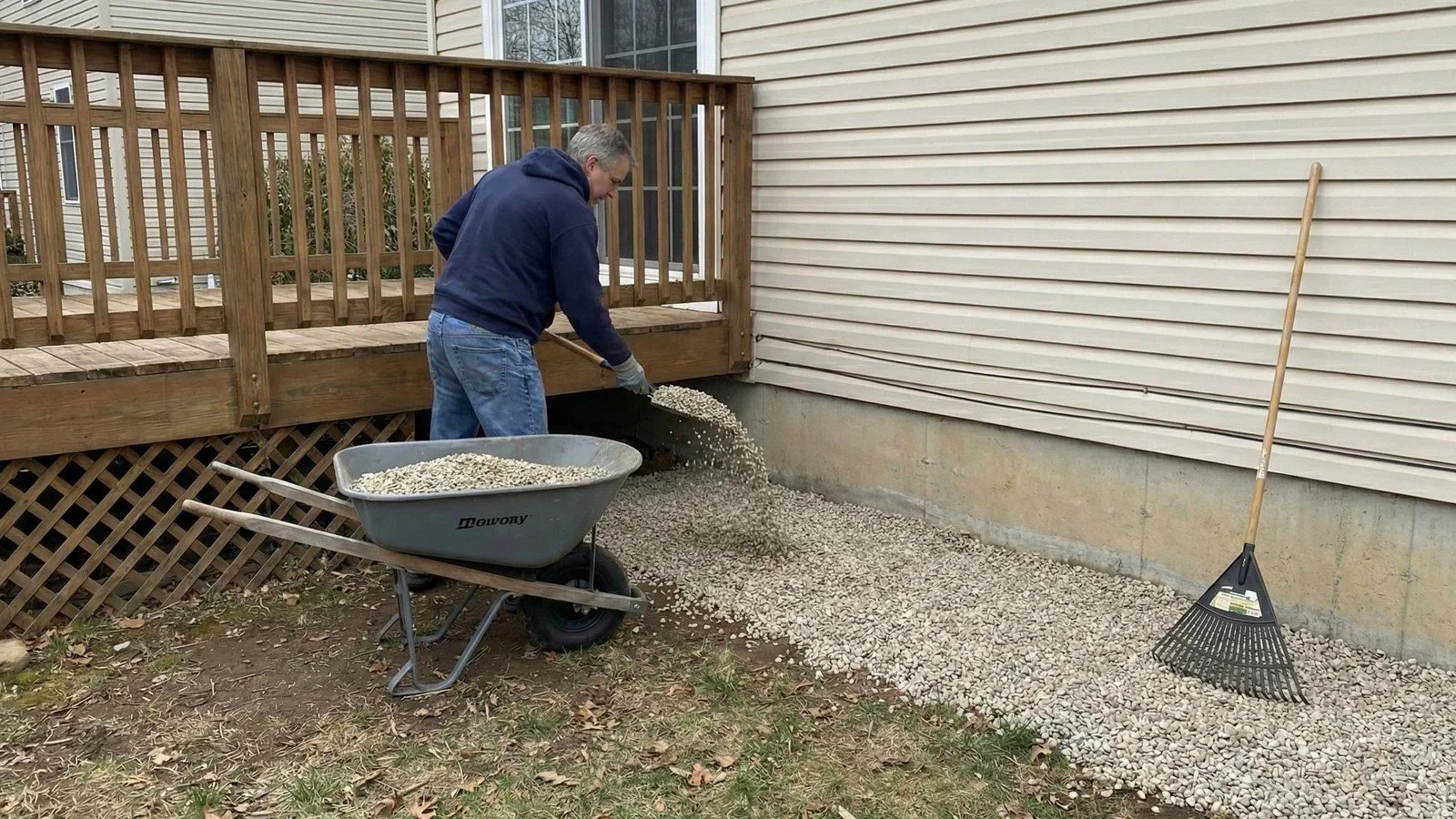
Zone 0 Makeover: Creating an Ember-Resistant Space Around Your Home
Plan the immediate area around your home using conservative noncombustible design guidance. Confirm local rules; no layout makes a home fireproof.

Fruit Trees in a Fire-Wise Santa Cruz Garden
Consider fruit-tree placement, mature size and maintenance in a Santa Cruz garden. No species list certifies an orchard as fire-safe.
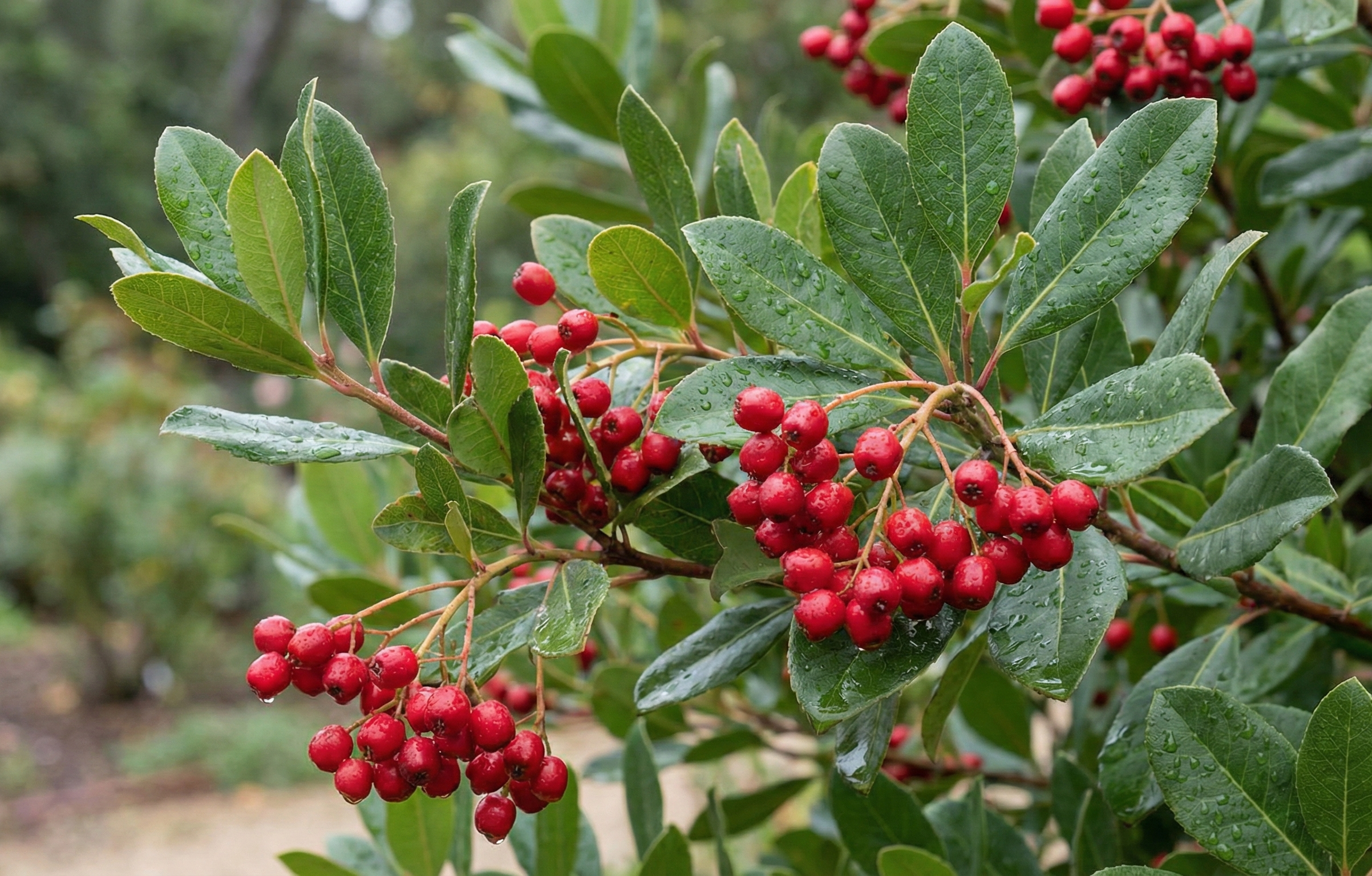
California Native Plants in a Fire-Wise Santa Cruz Garden
Choose California native plants for site conditions and mature size, then assess placement and dead material. Native status does not establish fire resistance.
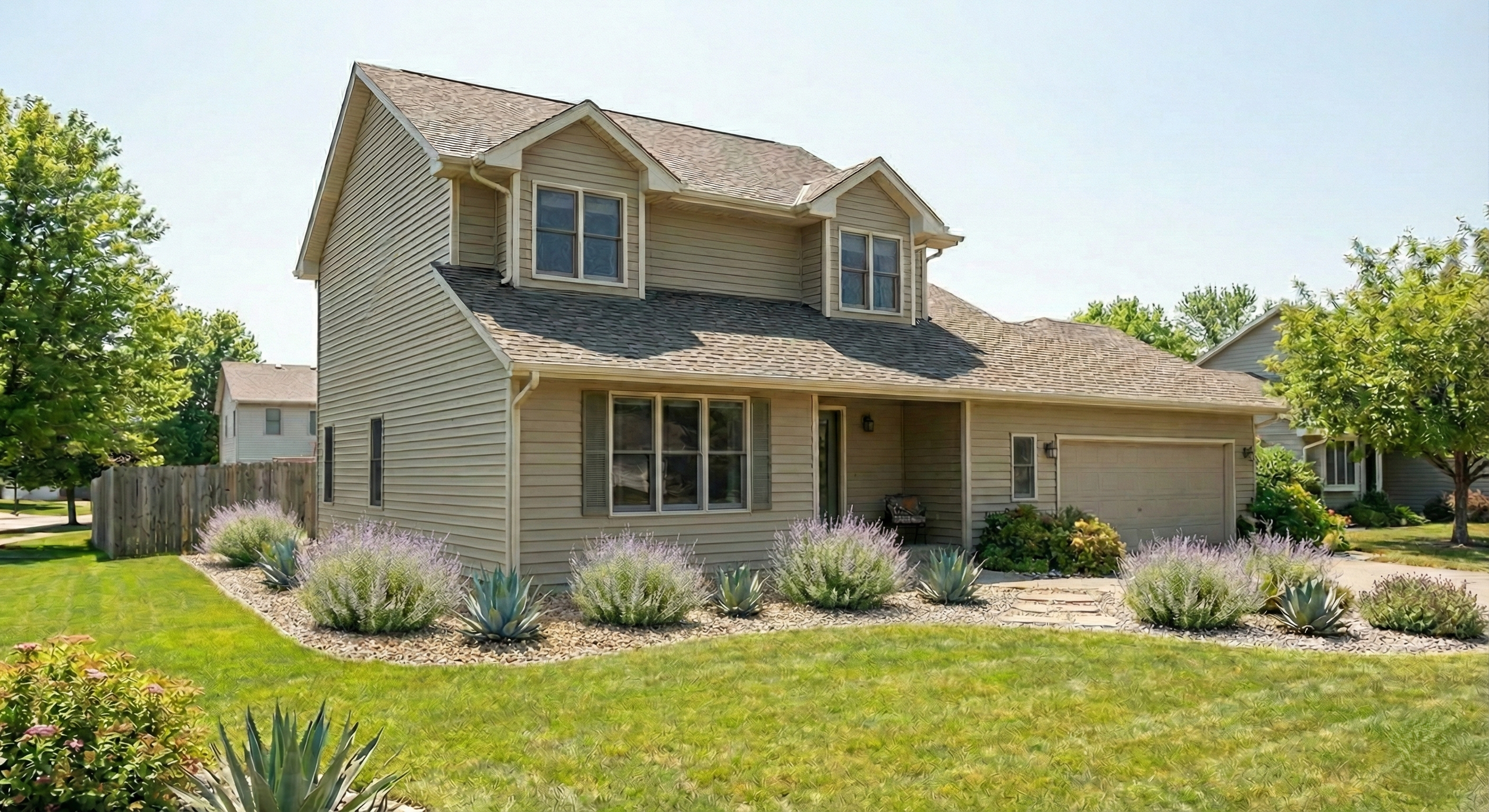
Fire-Wise Maintenance: A Seasonal Checklist for Santa Cruz Gardeners
Fire-safe landscaping requires ongoing maintenance, not just one-time projects. This seasonal checklist breaks down defensible space tasks by month for Santa Cruz County's climate and fire season.