

Growing Zinnias in Santa Cruz County: Bold Summer Color with Minimal Effort
A few of the product links in this guide are affiliate links. If you buy through one, Ambitious Harvest may earn a small commission at no extra cost to you, which helps keep these guides free. We only point to gear we would use in our own Santa Cruz garden. As an Amazon Associate, we earn from qualifying purchases. Read our full disclosure.
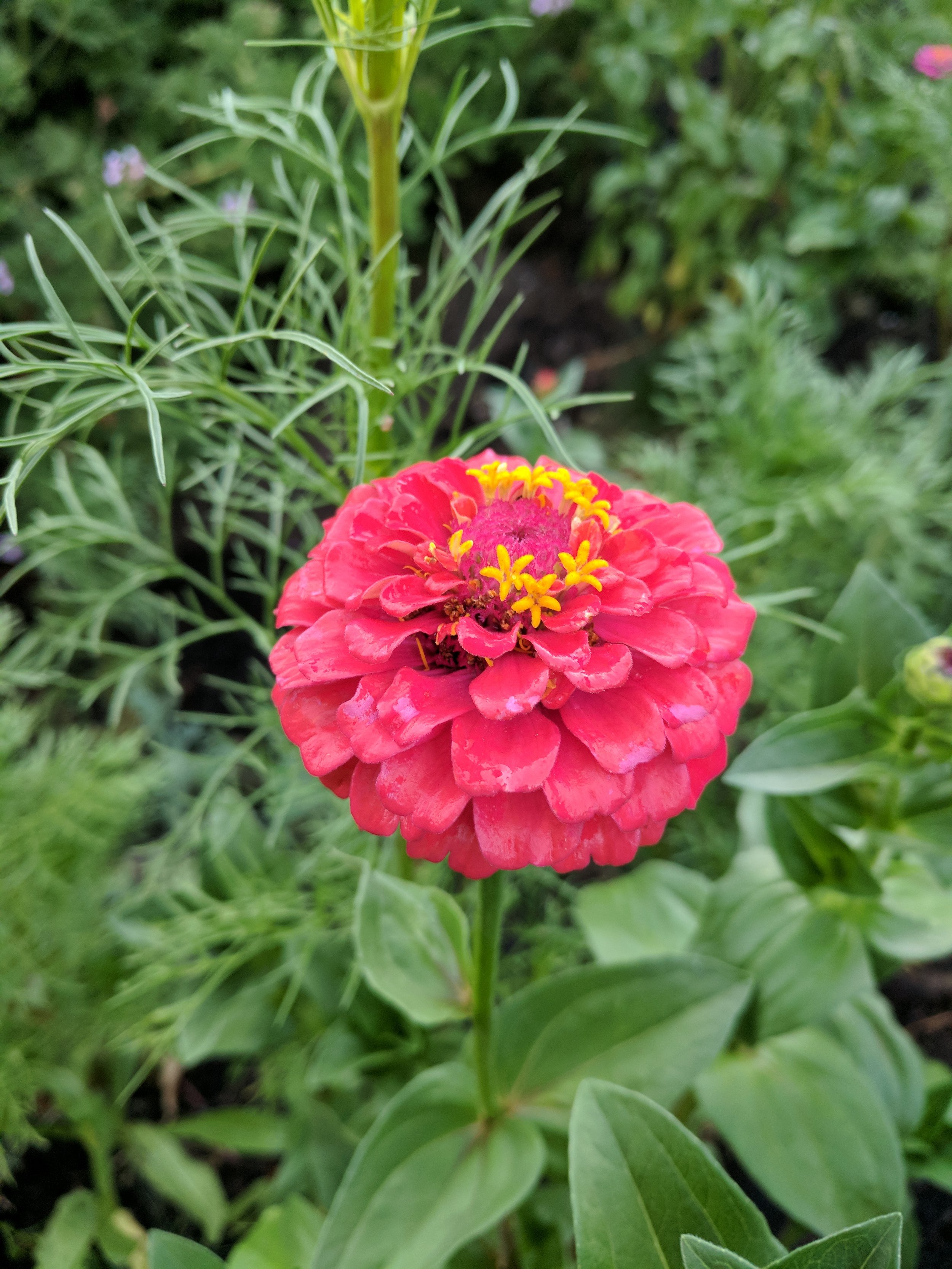
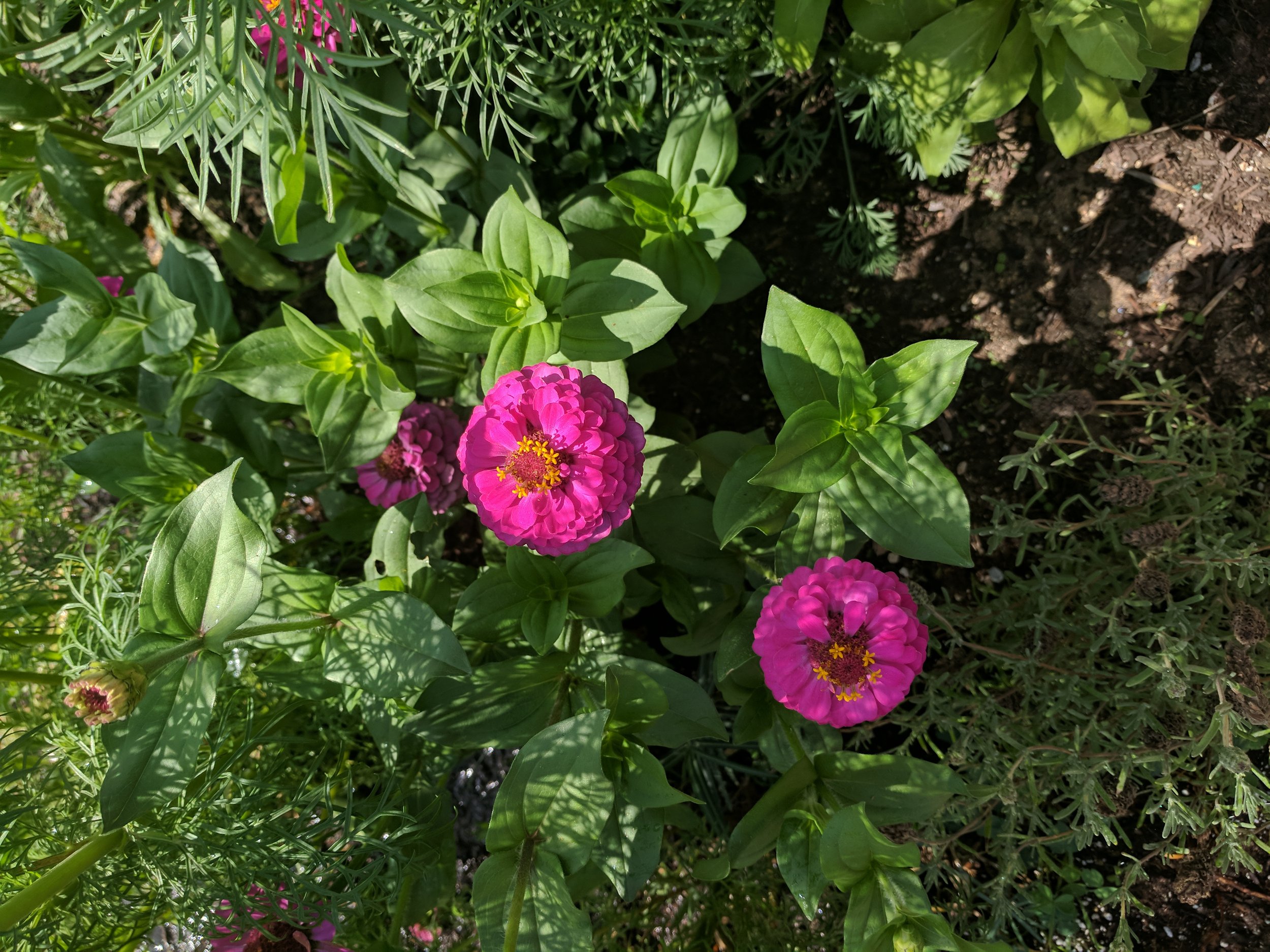
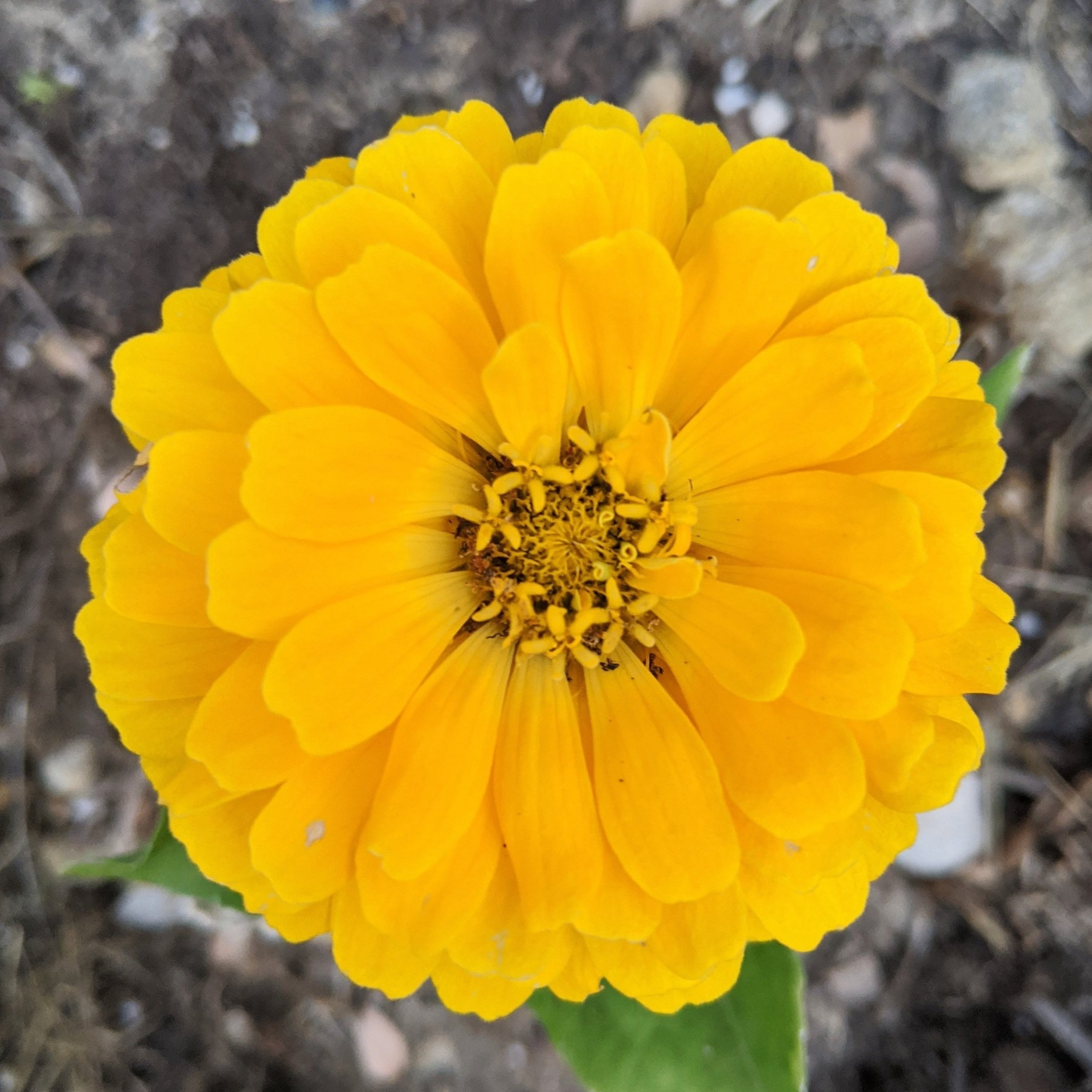
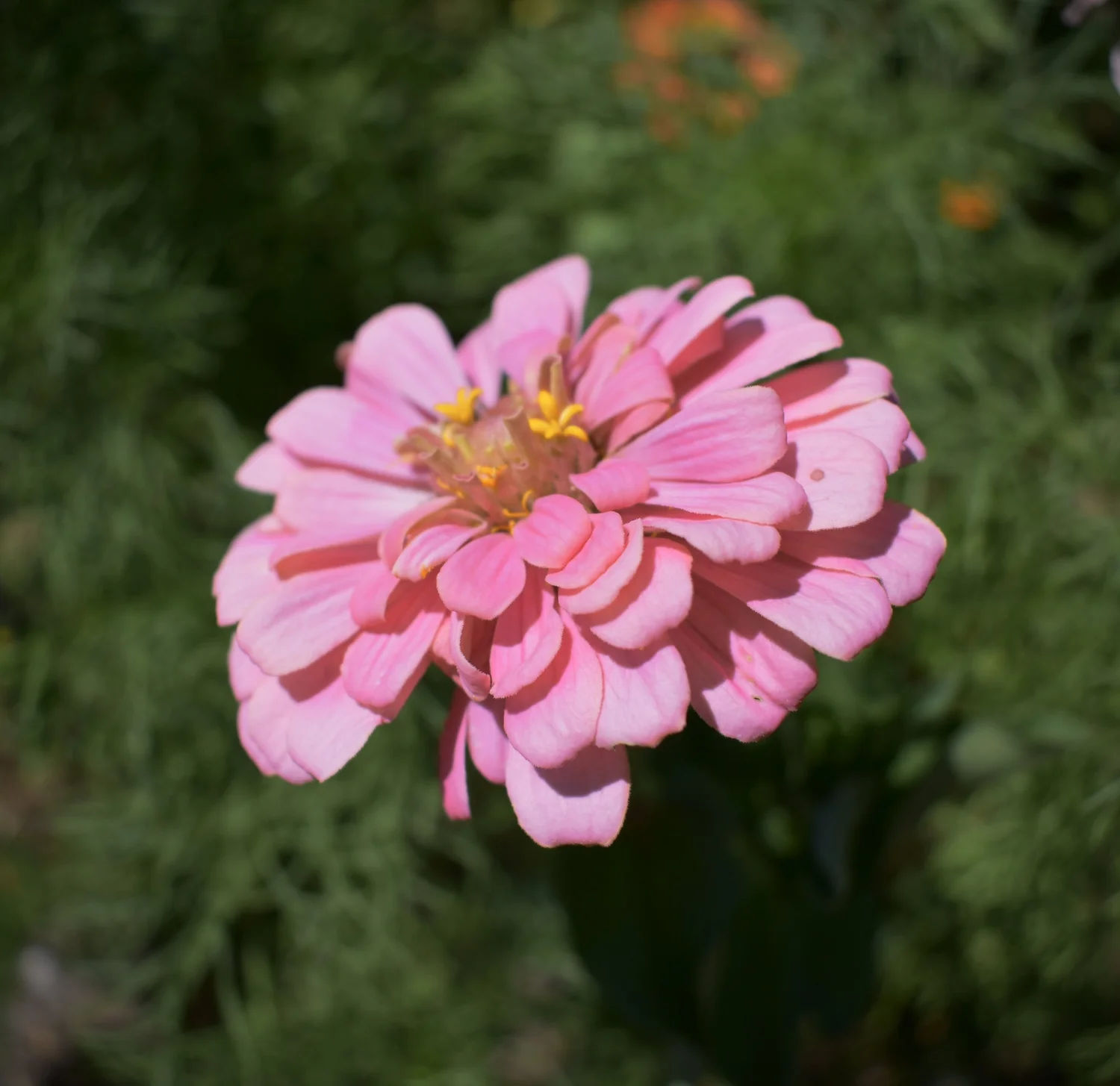
Zinnias are the workhorses of summer flower gardens. From the first blooms in June through fall's final harvest, they produce armloads of bright, cheerful flowers that seem almost too easy to grow. Hot colors, cool colors, singles, doubles, tall cutting varieties, compact border plants: zinnias offer something for every garden style and every gardener's skill level.
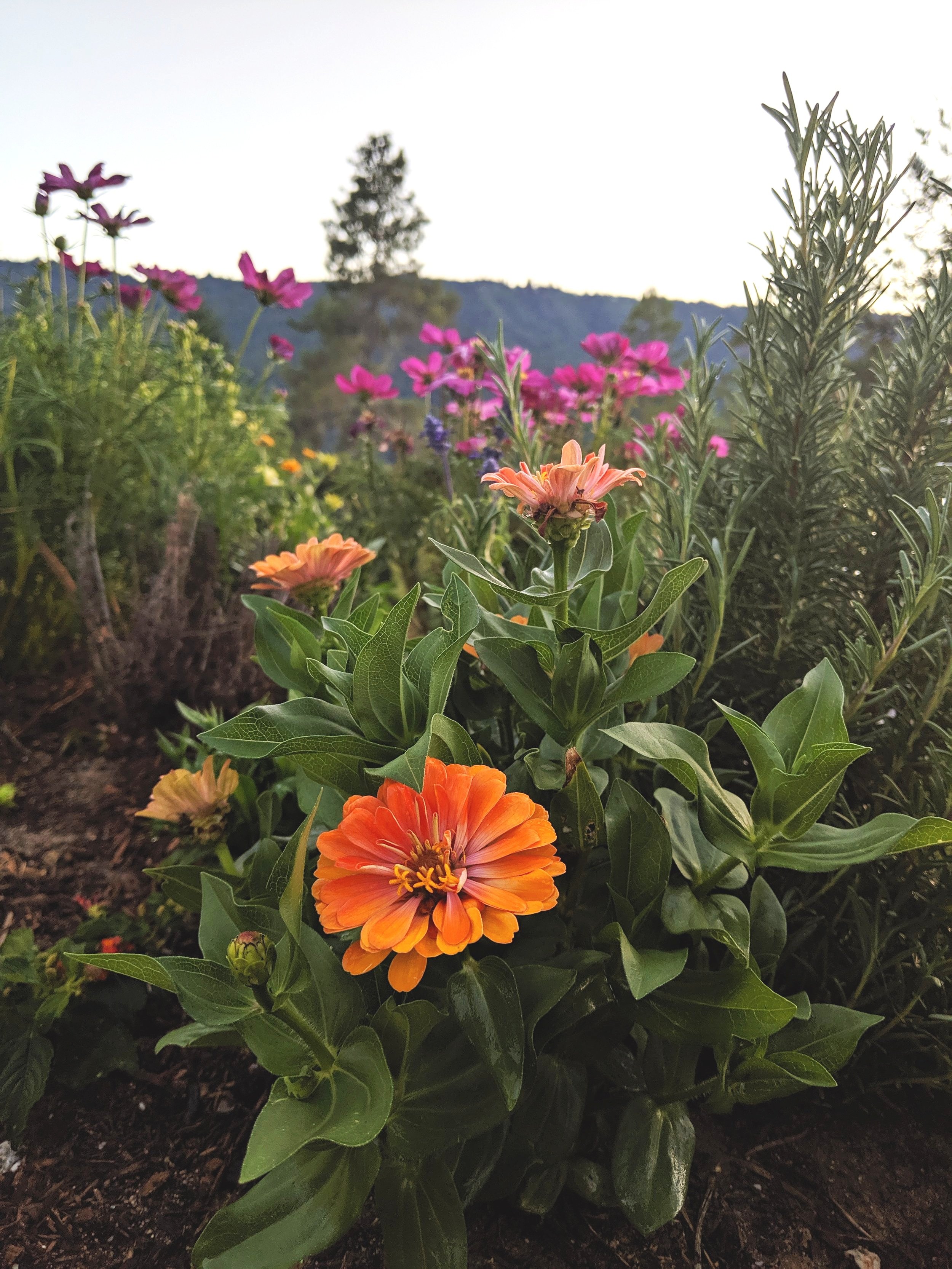
In Santa Cruz County, zinnias thrive in our warm, dry summers. These Mexican natives love heat and sun, making them perfectly suited to our inland valleys and sunny coastal gardens. While some summer flowers struggle when temperatures climb, zinnias hit their stride, pumping out flowers as long as you keep cutting them.
The catch? Zinnias need warmth to germinate and grow, so patience is required in spring. Our coastal fog can promote powdery mildew, the bane of zinnia growers everywhere. But with proper variety selection, good spacing, and smart watering practices, you can enjoy months of vibrant blooms with remarkably little fuss.
This guide covers everything you need to know to grow zinnias successfully in Santa Cruz County, from variety selection and planting timing to disease prevention and seed saving.
Why Do Zinnias Grow So Well in Santa Cruz County?
Zinnias originated in Mexico and Central America, where they evolved in hot, dry conditions similar to our summer climate. University of Minnesota Extension describes them as warm-season annuals adapted to full sun and heat, tolerant of moderate drought once established.
Our long, dry growing season gives zinnias plenty of time to produce. Where gardeners in colder climates squeeze zinnia season into a few short months, Santa Cruz County growers can enjoy blooms from June through October or even November in mild years.
The main challenges here are:
Cool spring temperatures: Zinnias won't germinate reliably until soil warms to at least 70°F, which means waiting until late spring to plant, even when other flowers are already growing. Johnny's Selected Seeds notes that zinnias are "sensitive to frost and prefer to be direct seeded after danger of frost has passed and soil has warmed."
Coastal fog: Humid conditions promote powdery mildew, the most common disease of zinnias, especially later in the summer or in cool, humid conditions. Coastal gardeners need to choose resistant varieties and pay attention to spacing and watering practices.
Variable microclimates: Inland gardens in Watsonville and Scotts Valley offer ideal zinnia conditions; foggy coastal spots may struggle with disease pressure.
Which Zinnia Varieties Are Worth Growing?
The zinnia world extends far beyond the basic mixed packets at the hardware store. Different species and cultivars vary dramatically in height, flower form, color range, and disease resistance. Choosing the right varieties for your goals and growing conditions makes a significant difference.
| Species | Height | Flower Size | Disease Resistance | Best Uses |
|---|---|---|---|---|
| Zinnia elegans | 1 to 4 ft, depending on variety | 2 to 6 inches | Moderate; varies by cultivar | Cut flowers, borders, mass plantings |
| Zinnia angustifolia (narrowleaf) | 8 to 18 inches | 1 to 2 inches | Excellent; high resistance to powdery mildew and leaf spots | Borders, containers, hot dry spots |
| Zinnia marylandica (interspecific hybrids) | 12 to 18 inches | 2 to 3 inches | Excellent | Borders, containers, mass plantings |
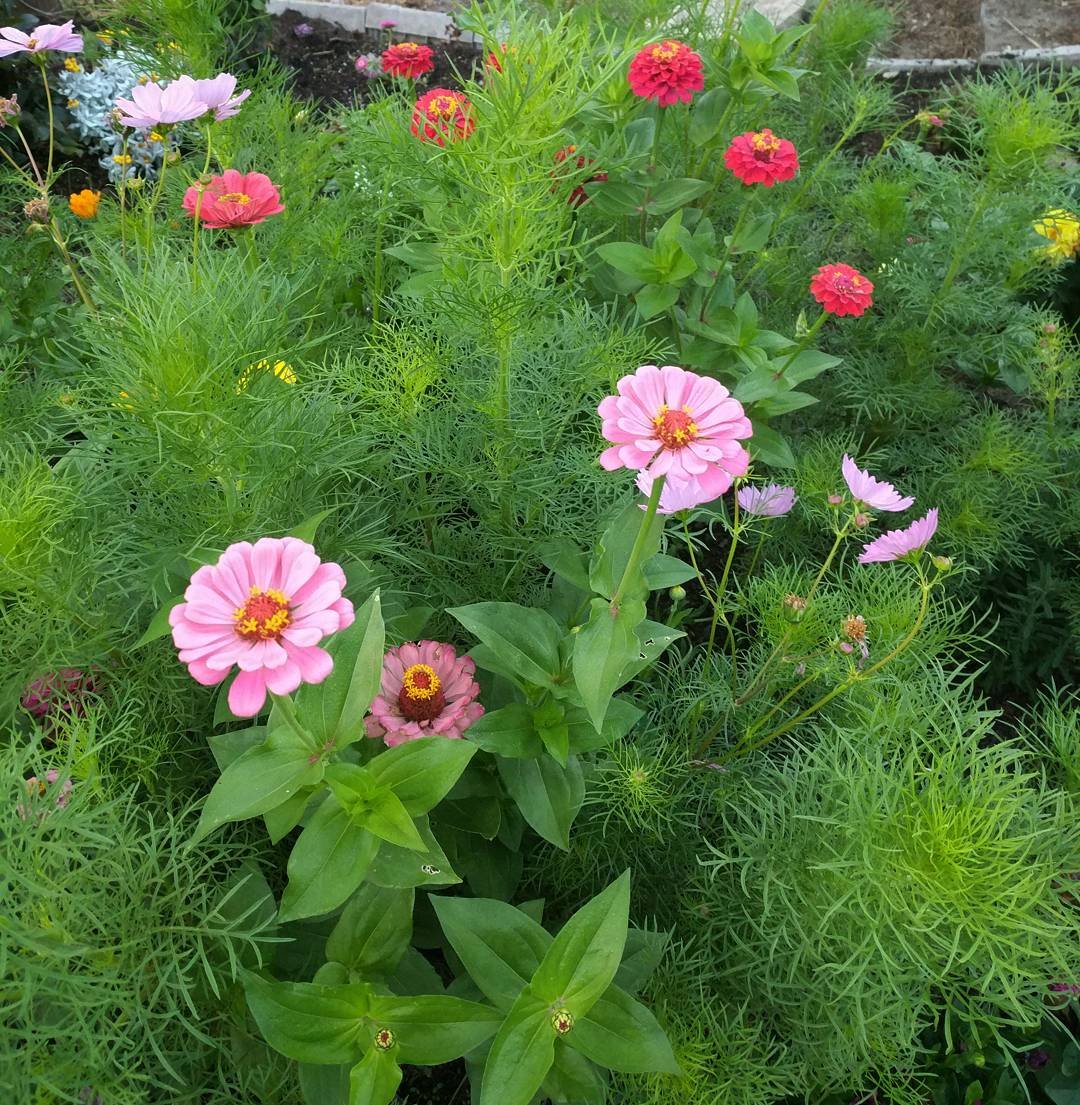
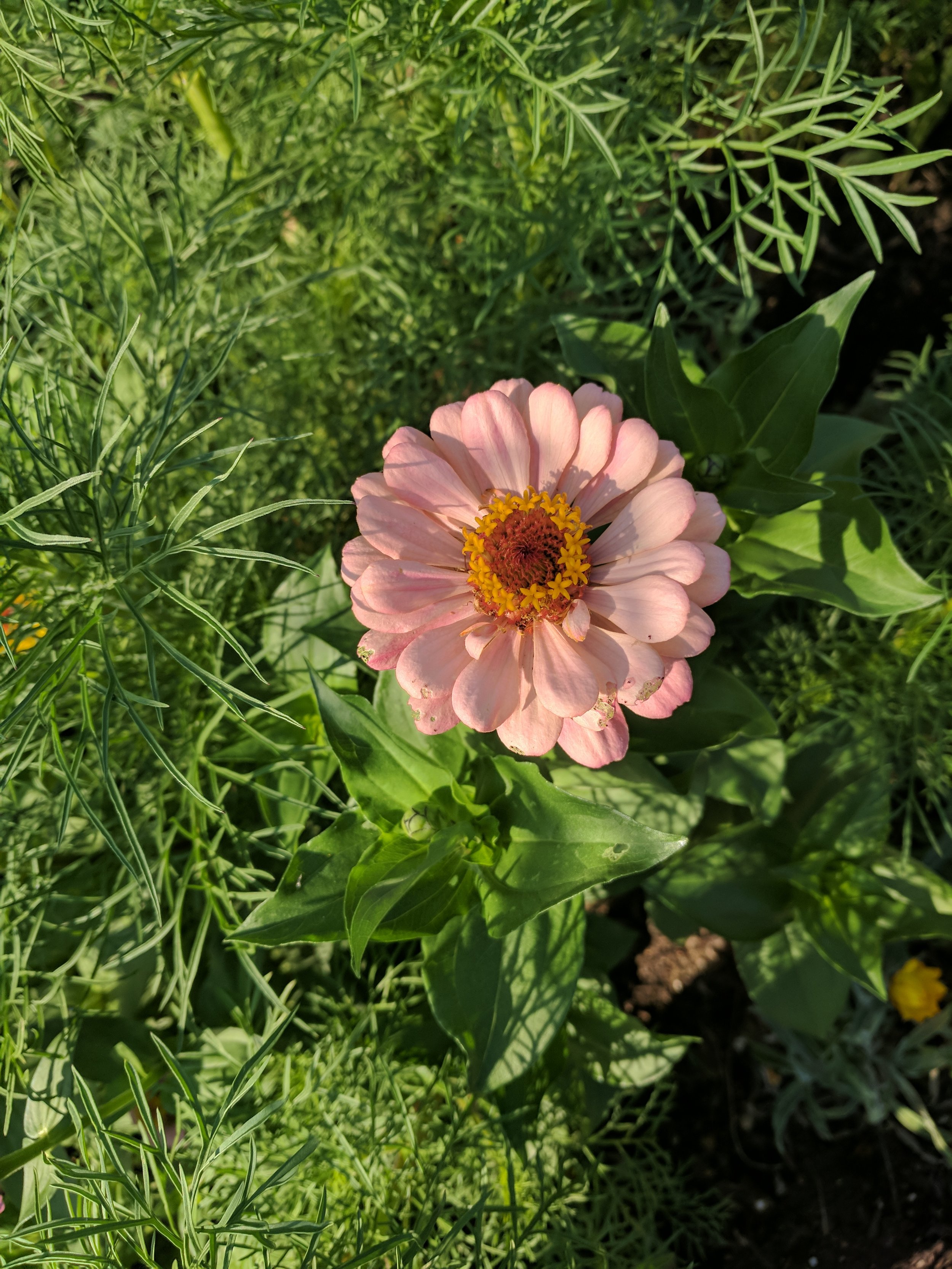
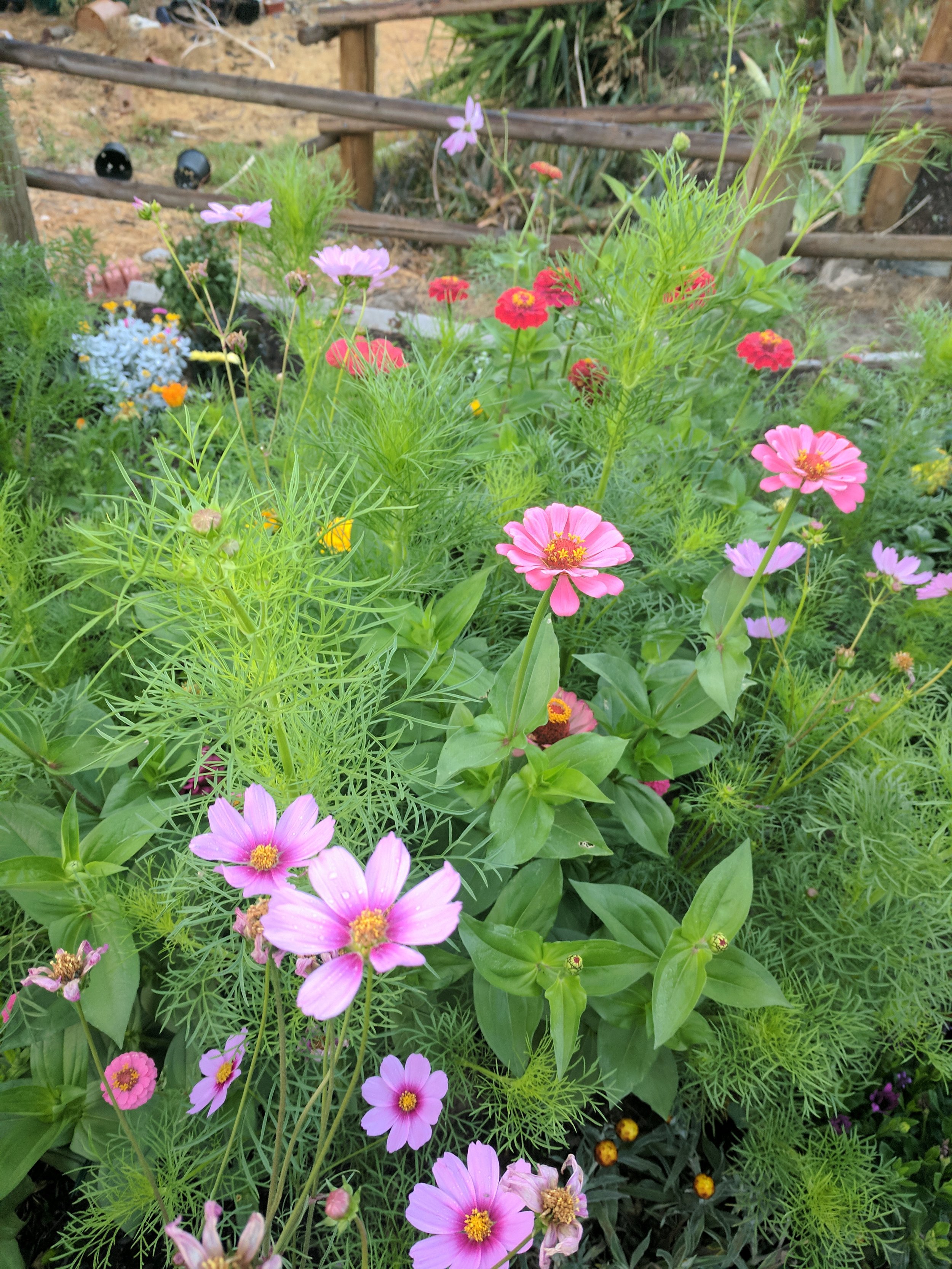
Tall Varieties for Cutting (2 to 4 feet)
If you want zinnias for bouquets, choose tall varieties bred for long, strong stems.
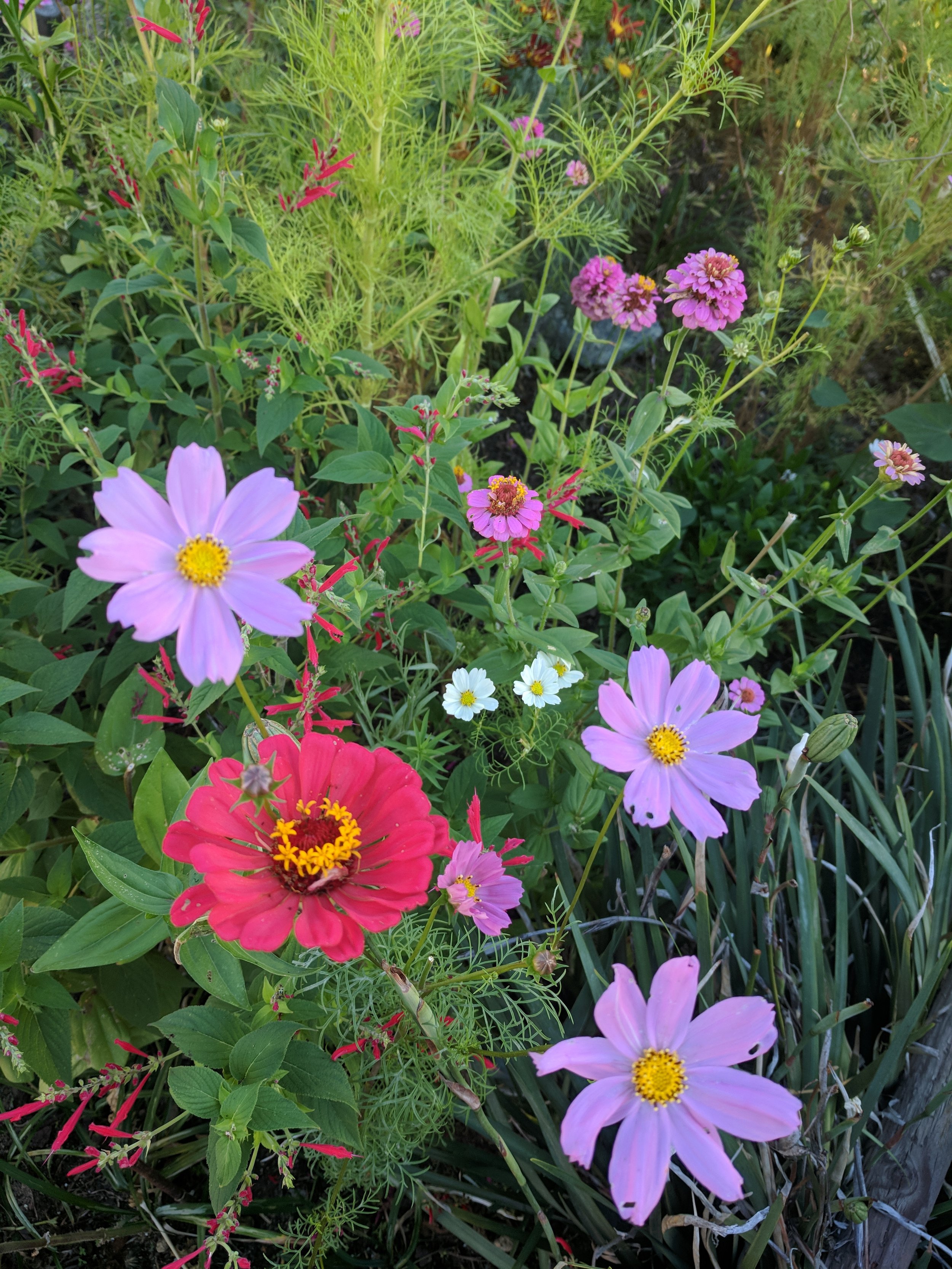
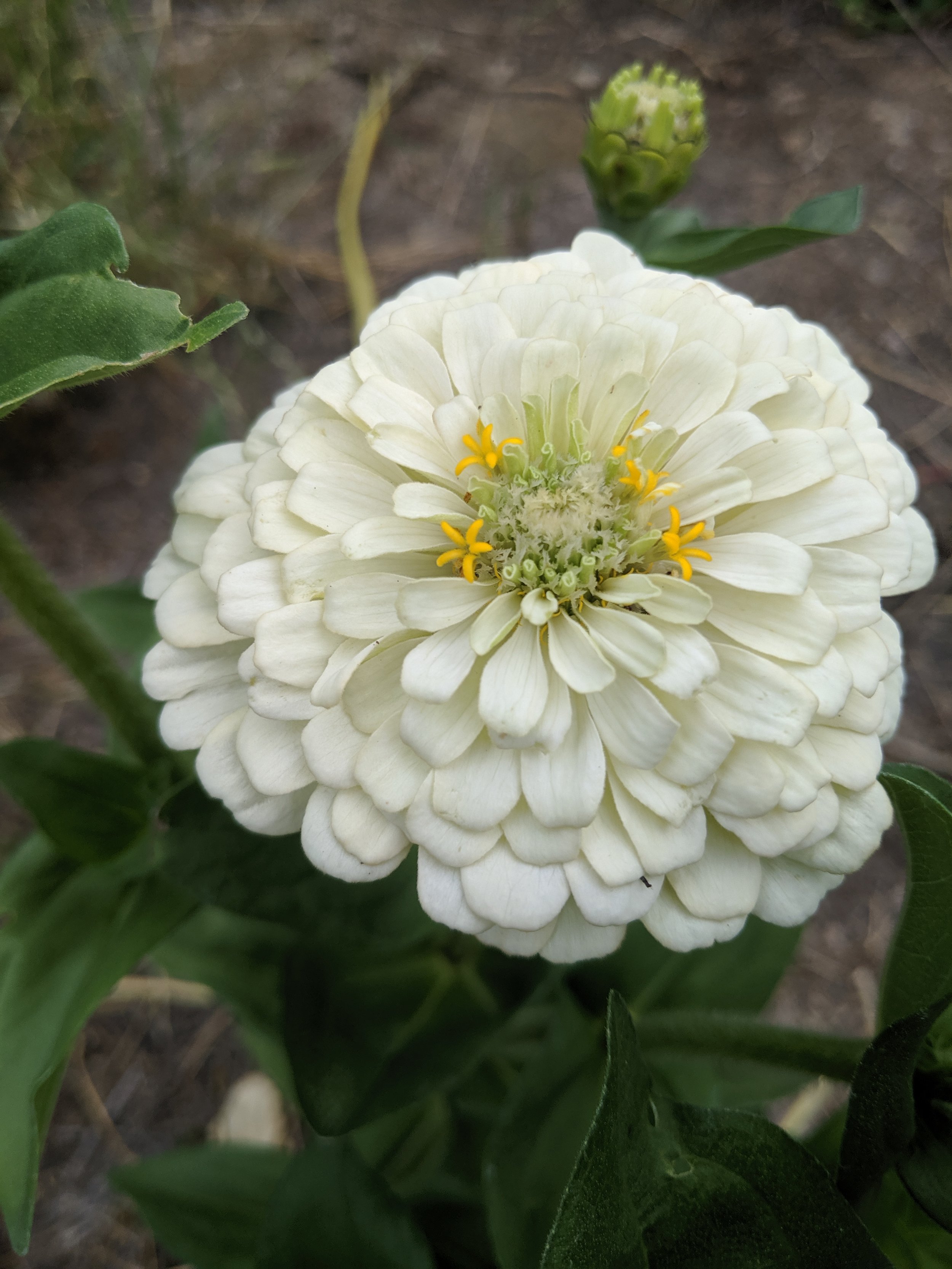
Benary's Giant series: The gold standard for cut flower zinnias. Huge double flowers (4 to 6 inches) on sturdy 3 to 4 foot stems in a wide range of colors. Individual colors available (Lime, Coral, Wine, Salmon Rose, etc.) or as a mix. Excellent vase life.
Oklahoma series: Similar to Benary's Giant with large double flowers on tall stems. Good disease resistance. Available in individual colors.
Giant Dahlia Flowered: Heirloom variety with large, semi-double flowers resembling dahlias. Slightly less uniform than modern hybrids but beautiful and productive.
State Fair Mix: Classic tall zinnia mix with large flowers in many colors. Widely available and reliable.
Queen Lime series: Unique colors including chartreuse-green (Queen Lime), soft coral-blush (Queen Lime Orange), and red with lime center (Queen Lime Red). Unusual and eye-catching in arrangements. About 3 feet tall.
Zinderella series: Scabiosa-flowered type with distinctive tufted centers. Lilac, Peach, and other soft colors. About 2 feet tall with a refined look.
Medium Varieties for Borders (12 to 24 inches)
These mid-sized zinnias work well in garden beds and borders while still providing decent cutting stems.
Cut and Come Again: An heirloom variety that branches heavily and produces many medium-sized flowers over a long season. About 18 to 24 inches tall. The name describes its behavior: cut flowers, and more come.
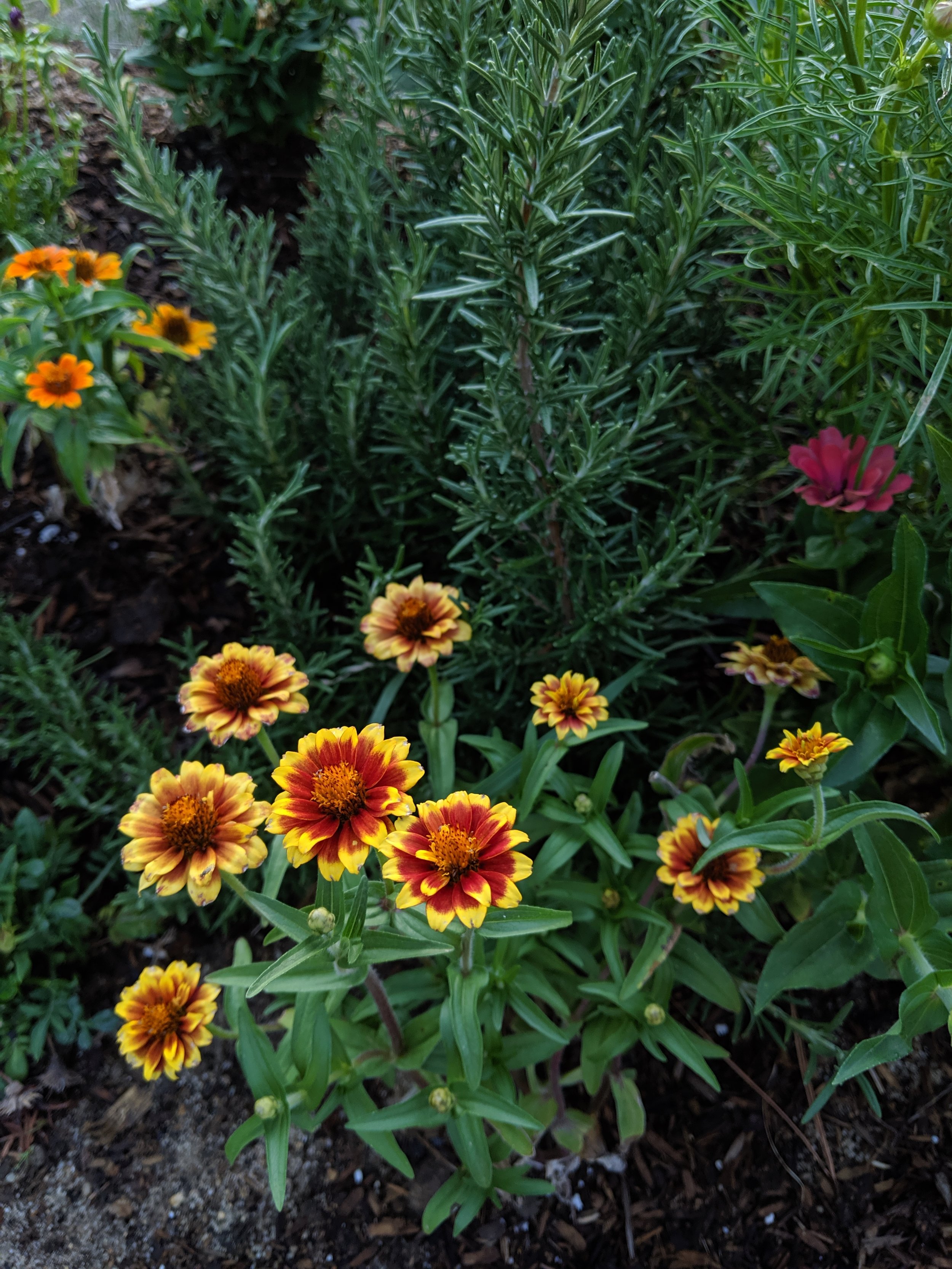
Zowie! Yellow Flame: Striking bicolor flowers with magenta centers and yellow tips. About 18 to 24 inches tall. Eye-catching in the garden and arrangements.
Peppermint Stick: White flowers streaked and splashed with red, pink, and orange. Each flower is unique. About 2 feet tall.
Envy: Chartreuse-green flowers that add an unusual color to arrangements. About 2 feet tall.
Compact Varieties for Containers and Edges (8 to 15 inches)
Short, bushy zinnias for containers, border edges, and mass plantings.
Profusion series: Outstanding disease resistance (especially to powdery mildew and bacterial leaf spot). All-America Selections notes the series is highly disease tolerant, though poorly drained soil or overwatering can still induce root disease. Single and double flower forms in orange, cherry, white, and more. About 12 to 15 inches tall. Excellent for coastal gardens where mildew is a concern.
Zahara series: Similar to Profusion with excellent heat and disease tolerance. Double flowers in various colors. About 12 to 18 inches tall. Very heat and drought tolerant once established.
Thumbelina: Dwarf plants just 6 to 8 inches tall with small, semi-double flowers. Good for edging and containers.
Magellan series: Compact plants (10 to 14 inches) with large, fully double flowers. Good disease resistance.
Narrowleaf Zinnias (Zinnia angustifolia)
These small-flowered zinnias offer exceptional disease resistance and heat tolerance, making them excellent choices for challenging conditions. NC State Extension notes they have "high resistance to powdery mildew and leaf spots."
Crystal series: White, orange, and yellow single flowers on spreading plants about 8 to 12 inches tall. Excellent in hot, dry spots. Outstanding powdery mildew resistance.
Star series: Similar to Crystal with good coverage and disease resistance.
| Location | Best Zinnia Types | Notes |
|---|---|---|
| Coastal (Aptos, Capitola, Santa Cruz beaches) | Profusion series, Zahara series, Zinnia angustifolia (Crystal, Star); mildew-resistant Z. elegans cultivars | Fog and humidity increase powdery mildew pressure; prioritize disease-resistant series and provide generous spacing for airflow |
| San Lorenzo Valley (Boulder Creek, Ben Lomond) | All types, including tall cutting series (Benary’s, Oklahoma, Queen) | Warm days and good sun exposures are ideal; deer may browse young plants in rural settings |
| Inland (Scotts Valley, Soquel hills) | All types; excellent for tall cutting mixes and specialty series | Heat encourages heavy flowering; moderately fertile, well-drained soils give the best bloom quality |
| Pajaro Valley (Watsonville) | All types, including heat-loving tall and medium varieties | Warm conditions and long growing season are ideal; choose mildew-resistant series if planting closer to fog-influenced coastal edges |
When Should You Plant Zinnias in Santa Cruz County?
Timing is crucial for zinnias. Plant too early in cold soil, and seeds rot or germinate poorly. Plant at the right time, and zinnias grow with almost startling speed.
| Method | Timing | Notes |
|---|---|---|
| Direct sow outdoors | Mid-May through July | Wait until soil temperatures reach at least 70°F and all danger of frost has passed |
| Start indoors | Late April to mid-May | Start seeds 3 to 4 weeks before transplanting; provide 70 to 75°F for germination and strong light for sturdy seedlings |
| Succession sowing | Every 2 to 3 weeks, mid-May through mid-July | Extends bloom into fall and replaces plants that decline due to disease or age |
| Expected first bloom | About 60 to 70 days from seeding | Compact varieties often bloom earlier; very tall or large-flowered strains may take longer |
Direct Sowing (Recommended)
Zinnias grow so quickly and transplant somewhat reluctantly that direct sowing is usually the best approach. Johnny's Selected Seeds notes germination takes just 3 to 5 days at 80 to 85°F. Wait until soil has genuinely warmed, not just until the calendar says it's late spring.
How to check soil temperature: Use a soil thermometer (inexpensive and useful for many crops) or your judgment. If the soil feels cool to your hand when you dig down a few inches, it's too cold. Wait for consistently warm soil, typically mid-May in most Santa Cruz County locations. Check our Garden Conditions Dashboard for current soil temperatures.
Why waiting matters: Zinnia seeds planted in cold soil often rot before germinating. Even if some germinate, the seedlings grow slowly and may never catch up to seeds planted later in warm soil. Patience pays off.
Starting Indoors
If you want earlier blooms or are growing expensive or unusual varieties, start seeds indoors 3 to 4 weeks before your planned transplant date.
Indoor starting tips:
Use individual cells or small pots (zinnias resent root disturbance)
Provide bottom heat for germination (70 to 75°F ideal)
Give seedlings strong light to prevent legginess
Harden off thoroughly before transplanting
Transplant carefully, disturbing roots as little as possible
Water transplants well and protect from intense sun for a few days
Timing: Start seeds indoors in late April to mid-May for transplanting in late May to early June.
Succession Planting
For continuous blooms and fresh cutting material, sow additional zinnia seeds every 2 to 3 weeks from mid-May through mid-July. Later plantings will bloom into fall, replacing plants that may have declined from disease or exhaustion.
How Do You Plant Zinnias for Best Results?
Site Selection
Sun: Zinnias need full sun (at least 6 to 8 hours daily) for best flowering. More sun equals more flowers. In Santa Cruz County's coastal areas, choose the sunniest spot available.
Soil: Wisconsin Horticulture notes that zinnias prefer "moderately fertile, well-drained soil" and actually flower better in average soil than in heavily amended beds. Rich soil promotes leaves over flowers.
Air circulation: Good airflow reduces disease problems. Avoid crowded, enclosed locations where air stagnates.
Direct Sowing Instructions
Prepare the bed: Clear weeds and rake soil smooth. Light compost amendment is fine but not necessary.
Plant seeds: Sow seeds 1/4 inch deep, spacing them 3 to 4 inches apart (you'll thin later). Zinnias can also be planted in rows 18 to 24 inches apart.
Water gently: Keep soil moist but not soggy until germination. Seeds typically emerge in 5 to 7 days in warm soil (faster in very warm conditions).
Thin seedlings: When plants have 2 to 3 sets of true leaves, thin to final spacing:
Tall varieties (Benary's Giant, etc.): 12 to 18 inches apart
Medium varieties: 9 to 12 inches apart
Compact varieties: 6 to 9 inches apart
Proper spacing is important for disease prevention. Crowded plants have poor air circulation and stay damp longer, encouraging powdery mildew.
Pinching for Bushier Plants
Pinching the growing tip when plants are 8 to 12 inches tall encourages branching and produces more (though somewhat smaller) flowers. This is optional for garden display but recommended for cutting gardens.
How to pinch: Remove the growing tip and top set of leaves with your fingers or snips. The plant will branch from the leaf nodes below, eventually producing multiple flowering stems.
When to skip pinching: If you want the largest possible flowers (for competition or dramatic arrangements), don't pinch. The first central bloom will be the biggest.
What Ongoing Care Do Zinnias Need?
Zinnias are low-maintenance once established, but proper care prevents problems and maximizes flowering.
Watering
Established plants: Zinnias are tolerant of dry conditions once established but produce more flowers with consistent moisture. Water deeply when the top inch or two of soil dries.
Method matters: Water at the base of plants, not overhead. Wet foliage promotes powdery mildew and other fungal diseases. Drip irrigation or soaker hoses are ideal. If you must use overhead watering, do it early in the morning so foliage dries quickly.
Frequency: In Santa Cruz County's dry summers, established zinnias typically need deep watering once or twice per week, depending on soil type and temperatures. Container zinnias need more frequent watering.
Fertilizing
Zinnias have moderate fertility needs. Too much nitrogen encourages foliage rather than flowers.
Approach: A single application of balanced, slow-release fertilizer at planting time is usually sufficient for the season. If plants appear pale or growth slows mid-season, a light side-dressing of balanced fertilizer or compost can help.
What to avoid: High-nitrogen fertilizers, frequent liquid feeding, and heavily amended soil. All encourage leaves over flowers.
Deadheading
Regular deadheading (removing spent flowers) keeps zinnias blooming prolifically. When flowers aren't removed, plants put energy into seed production rather than new blooms.
How to deadhead: Cut stems back to just above a leaf node (where leaves attach to the stem). New flowering stems will grow from these nodes. Don't just snap off the dead flower head; remove enough stem to encourage branching.
Cutting for bouquets = deadheading: If you're cutting zinnias for arrangements, you're automatically deadheading. The more you cut, the more the plants produce.
Mid-Season Renovation
If plants become leggy, diseased, or tired-looking mid-summer, cut them back by about one-third to one-half. Water and fertilize lightly. Most zinnias will regenerate and produce a fresh flush of growth and flowers.
How Do You Prevent and Treat Powdery Mildew on Zinnias?
Powdery mildew is the most common zinnia problem, especially in coastal Santa Cruz County where fog creates humid conditions. The disease appears as white, powdery patches on leaves and stems, eventually causing leaves to yellow and die.
Prevention (Most Important)
Extension trials generally emphasize prevention and resistant varieties as the most effective strategies. Fungicides are most effective when applied early and regularly, rather than after severe infection.
Choose resistant varieties: Profusion, Zahara, Zinnia angustifolia types, and some newer Z. elegans cultivars offer good resistance. This is the single most effective strategy for coastal gardeners.
Space properly: Good air circulation keeps foliage drier and reduces infection. Don't crowd plants.
Water at the base: Overhead watering wets foliage and promotes disease. Use drip irrigation or water carefully at soil level.
Water in morning: If foliage does get wet, morning watering allows it to dry before evening. Damp foliage overnight is ideal for mildew development.
Remove affected leaves promptly: At the first sign of mildew, remove and dispose of affected leaves (not in compost). This slows spread.
Treatment
Once powdery mildew is established, it's difficult to eliminate, but you can slow its spread:
Organic options:
Neem oil: Apply according to label directions; provides some suppression
Baking soda spray: 1 tablespoon baking soda + 1 tablespoon horticultural oil per gallon of water; spray weekly as preventive or at first sign of disease
Potassium bicarbonate products: (GreenCure, MilStop) more effective than baking soda; available at garden centers
Sulfur-based fungicides: Effective for prevention and early treatment; follow label directions; don't apply when temperatures exceed 90°F.
Acceptance: In coastal areas with persistent fog, some mildew is often inevitable. Focus on resistant varieties, good practices, and succession planting to have fresh plants when older ones decline.
What Other Pests and Problems Affect Zinnias?
| Problem | Likely Cause | Solution |
|---|---|---|
| White, powdery coating on leaves | Powdery mildew favored by humidity, crowding, and wet foliage | Plant resistant series (Profusion, Zahara, Z. angustifolia); space plants well; water at soil level; consider preventive fungicides if pressure is high |
| Brown or tan spots with concentric rings | Alternaria leaf spot or other fungal leaf spot diseases | Improve air circulation; avoid overhead watering; remove infected leaves; rotate planting locations yearly |
| Distorted growth and sticky residue | Aphids feeding on tender new shoots | Spray off with a strong jet of water; use insecticidal soap if needed; encourage lady beetles and other beneficial insects |
| Fine webbing and stippled, yellowing leaves | Spider mites during hot, dry weather | Hose plants off regularly; improve watering consistency; use insecticidal soap for heavy infestations |
| Seedlings cut off at soil line | Cutworms feeding at night | Use cardboard or foil collars around young plants; handpick cutworms after dark if present |
| Plants wilt despite moist soil | Possible bacterial wilt or vascular disease, often spread by cucumber beetles | Pull and discard affected plants; control cucumber beetles; avoid immediately replanting zinnias in the same location |
| Lots of foliage, few flowers | Excess nitrogen or insufficient sunlight | Reduce fertilization; plant in full sun; aim for moderately fertile, well-drained soil |
| Deer browsing | Zinnias are palatable to deer | Fence gardens or use deer repellents; zinnias are not considered deer-resistant |
Spider Mites
Spider mites can be a problem in hot, dry weather. Look for fine webbing on leaf undersides and stippled, yellowing leaves. Spray plants with a strong jet of water to dislodge mites. Insecticidal soap helps control heavy infestations. Keeping plants well-watered reduces stress that makes them more susceptible.
How Do You Use Zinnias as Cut Flowers?
Zinnias are outstanding cut flowers, with excellent vase life and an endless supply of blooms all summer.
Cutting and Conditioning
When to cut: Early morning when stems are fully hydrated and flowers have just fully opened. Avoid cutting in heat of day.
Where to cut: Cut stems long, just above a leaf node. This encourages the plant to branch and produce more flowering stems. Choose flowers that have just fully opened for longest vase life.
Conditioning: Strip leaves that would be below the waterline. Place stems immediately in clean water. Some florists recommend hot water (not boiling) for initial conditioning, claiming it extends vase life.
Maximizing Vase Life
Use clean vases and fresh water
Add floral preservative or a drop of bleach and pinch of sugar
Re-cut stems and change water every 2 to 3 days
Keep arrangements away from direct sun and heat sources
Remove flowers as they fade
Properly conditioned zinnias can last 7 to 10 days in the vase.
Best Varieties for Cutting
Benary's Giant: The benchmark for cut flower zinnias; huge flowers, strong stems
Oklahoma: Similar to Benary's with good stem length
Queen series: Unusual colors, good stems
Giant Dahlia Flowered: Large, impressive flowers
Cut and Come Again: Not as large but very productive
How Do You Save Zinnia Seeds?
Zinnias are easy to save seeds from, and they come reasonably true to type (though some variation is normal, especially from hybrid varieties).
How to Save Seeds
Select flowers: Choose your best, healthiest plants with the flower colors and forms you want to preserve. Let selected flowers mature fully on the plant.
Wait for drying: Leave flowers on the plant until they're completely dry and brown. The center should be dry and crumbly.
Harvest seed heads: Cut dry seed heads and bring indoors. Let them dry further in a warm, airy location for a week or two.
Extract seeds: Break apart the dried flower heads. Zinnia seeds are elongated, pointed, and attached to the base of each petal. The seeds themselves are arrow-shaped and may have a bit of dried petal attached.
Clean and store: Remove as much chaff as possible. Store dry seeds in paper envelopes or glass jars in a cool, dry, dark location. Label with variety (if known) and date.
Seed viability: Properly stored zinnia seeds remain viable for 3 to 5 years.
Note on hybrids: Seeds saved from F1 hybrid varieties won't produce identical plants. Offspring may vary in color, size, and form. For consistent results from hybrids, purchase fresh seed each year. Open-pollinated varieties (heirlooms) come more true from saved seed.
What Are the Best Companion Plants for Zinnias?
Zinnias combine beautifully with other summer flowers and serve useful roles in the vegetable garden.
Good Companions for Zinnias
Flower garden partners:
Cosmos: Similar growing requirements; complementary airy texture against zinnia's bold forms
Marigolds: Both love heat and sun; marigolds add yellow-orange tones
Sunflowers: Zinnias fill in at sunflower feet; both attract pollinators
Celosia: Unusual textures complement zinnia blooms
Dahlias: Different flower forms create visual interest
Vegetable garden companions:
Tomatoes: Zinnias attract beneficial insects and pollinators to the tomato patch
Squash: Pollinator attraction benefits squash; both love heat
Cucumbers: Zinnias bring in pollinators
While formal trials are limited, pollinator-friendly annuals like zinnias are commonly recommended near vegetables to improve visiting bee numbers and pollination.
Pollinator Value
Zinnias attract butterflies, bees, and even hummingbirds. NC State Extension notes that zinnias are valuable for pollinators, with their open flower forms making nectar and pollen accessible to a wide range of visitors. The single-flowered Zinnia angustifolia types are particularly valuable for pollinators. Planting zinnias near vegetable gardens can improve pollination of nearby crops.
Where Can You Find Zinnia Seeds and Local Gardening Resources?
Seeds and supplies:
Renee's Garden Seeds (Felton) - excellent zinnia variety selection bred for home gardens
Mountain Feed & Farm Supply (Ben Lomond) - organic seeds and supplies
San Lorenzo Garden Center (Santa Cruz) - seeds and transplants seasonally
Johnny's Selected Seeds - extensive zinnia selection for cut flowers, ships to Santa Cruz
Education:
UC Master Gardeners of Monterey and Santa Cruz Counties - flower-growing workshops and advice
Check our Garden Events Calendar for seed swaps, garden tours, and workshops.
Where to get flower seeds: For cut-flower and pollinator varieties that do well here, we like Botanical Interests, a California company selling non-GMO, open-pollinated, and heirloom seed. (Affiliate link, see our disclosure.)
Frequently Asked Questions About Growing Zinnias
When should I plant zinnia seeds in Santa Cruz County?
Wait until mid-May or later when soil has warmed to at least 70°F. Zinnias planted in cold soil often rot or germinate poorly. Patience pays off; seeds planted in warm soil germinate quickly (3 to 5 days at 80 to 85°F) and grow vigorously. You can succession plant through mid-July for blooms into fall. Check our Garden Conditions Dashboard for current soil temperatures.
Why do my zinnias get powdery mildew?
Powdery mildew thrives in humid conditions with poor air circulation. Coastal Santa Cruz gardens are particularly prone due to fog. Prevention strategies include choosing resistant varieties (Profusion, Zahara, Zinnia angustifolia types), spacing plants properly for air circulation, watering at the base rather than overhead, and watering in the morning so foliage dries quickly.
Should I pinch my zinnias?
Pinching is optional but beneficial for bushier plants with more (though smaller) flowers. When plants are 8 to 12 inches tall, remove the growing tip and top leaves. The plant will branch, producing multiple flowering stems. Skip pinching if you want the largest possible flowers from the first central bloom.
How do I get more flowers from my zinnias?
Deadhead regularly by cutting spent flowers back to a leaf node. The more you cut, the more the plant produces. Cutting for bouquets serves as deadheading. Ensure full sun (at least 6 hours), avoid over-fertilizing, and keep plants adequately watered during dry spells.
Can I grow zinnias in containers?
Yes, especially compact varieties like Profusion, Zahara, Thumbelina, and Magellan. Use containers at least 10 to 12 inches in diameter with good drainage. Container zinnias need more frequent watering and may benefit from regular liquid fertilizer. Choose a sunny location.
How long do cut zinnias last in a vase?
Properly conditioned zinnias last 7 to 10 days. Cut in early morning, strip lower leaves, and place stems in clean water immediately. Change water and re-cut stems every 2 to 3 days. Use floral preservative if available.
Do zinnias come back every year?
No, zinnias are annual flowers that complete their life cycle in one season. However, they self-sow readily if you let some flowers go to seed. You may find volunteer seedlings the following year, though they may not match the parent plant exactly, especially from hybrid varieties. Most gardeners plant fresh seed each spring for predictable results.
What's the best zinnia for coastal gardens with fog?
For foggy coastal areas, choose varieties with excellent powdery mildew resistance: Profusion series, Zahara series, or Zinnia angustifolia types (Crystal, Star). NC State Extension notes that Z. angustifolia has "high resistance to powdery mildew and leaf spots." Space generously and water at the base, not overhead.
What Free Zinnia Growing Resources Are Available?
Seasonal Planting Calendar - Month-by-month guide to planting flowers and vegetables in Santa Cruz County.
Know Your Microclimate Worksheet - Identify your garden's specific conditions for better plant selection.
Companion Planting Guide - Learn which plants grow well together for healthier, more productive gardens.
Garden Troubleshooting Guide - Diagnose common plant problems including pests and diseases.
Why Are Zinnias the Best Choice for Season-Long Summer Color?
Zinnias embody what summer gardening should be: easy, abundant, and deeply satisfying. Scatter seeds in warm soil, thin the seedlings, keep up with watering, and enjoy months of bold, cheerful flowers that practically demand to be cut and brought inside.
In Santa Cruz County's sunny gardens, zinnias thrive on the same conditions that make our summers ideal: warm days, cool nights, and dry weather. They fill the gap between spring's fading flowers and fall's chrysanthemums, providing continuous color when many gardens start to look tired.
This May, once the soil warms, plant a row of zinnias. By July, you'll be filling vases with your own cut flowers. By September, you'll be planning an even bigger zinnia patch for next year.
