

When to Plant Peppers in Santa Cruz County: Get the Timing Right
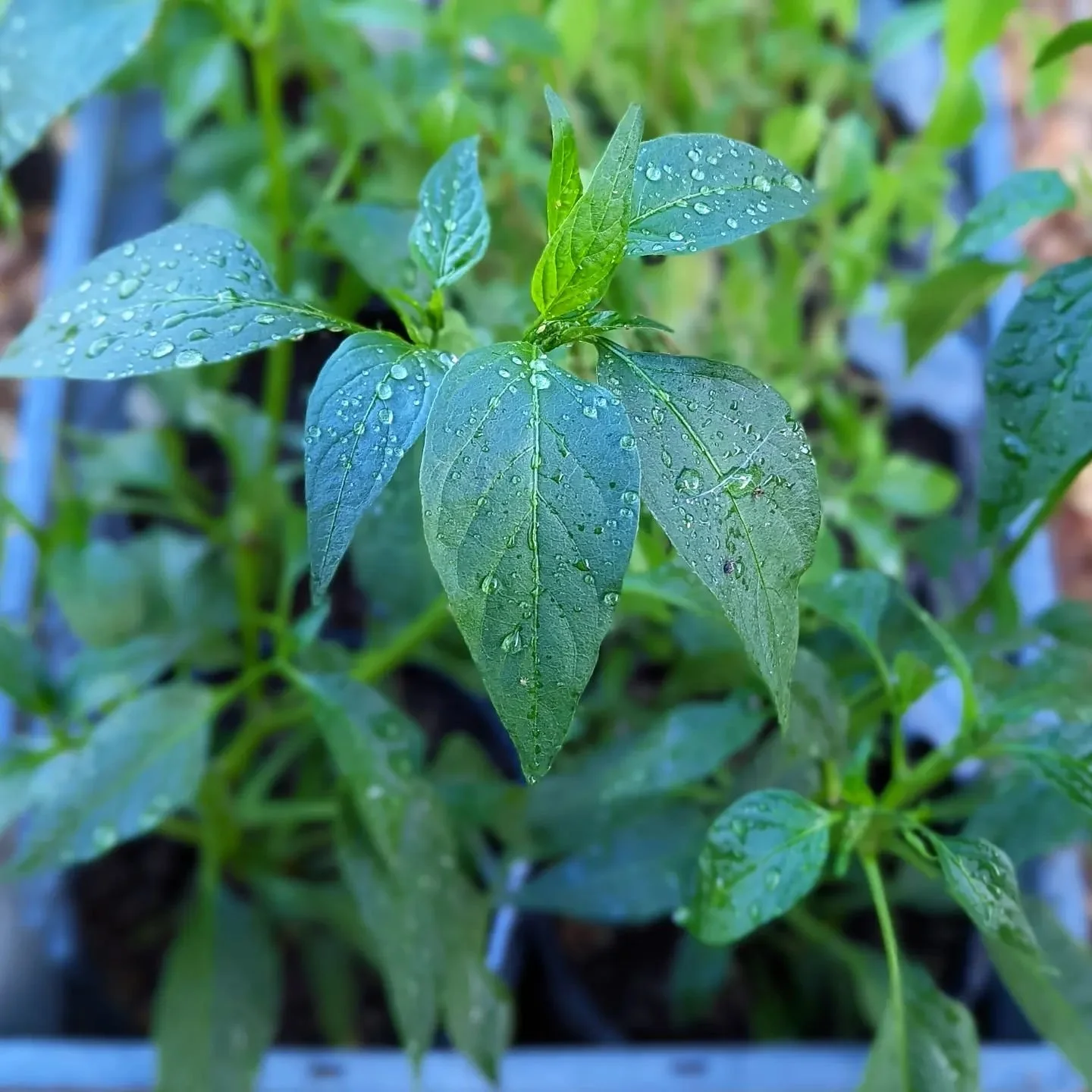
The pepper transplants arrive at local nurseries in March, tempting you to get them in the ground and start the season early. Don't do it.
In Santa Cruz County, planting peppers too early is one of the most common mistakes gardeners make, and one of the most damaging. Unlike tomatoes, which can tolerate some cold stress and recover, peppers planted in cold soil may be permanently stunted. They'll survive, but they may never produce the abundant harvest they would have delivered with proper timing.
This guide explains exactly when to plant peppers in each Santa Cruz County microclimate, why timing matters so much, and how to determine when your specific garden is ready.
Why Does Timing Matter More for Peppers?
Peppers are temperature-sensitive in ways that other vegetables aren't. UC Master Gardeners of Contra Costa County explain that when peppers are planted in cold soil, they go dormant. Even when the soil warms, peppers may not fully recover, resulting in little or no fruit set.
This is different from cool-weather stress in other crops. Tomatoes planted a bit early will simply grow slowly until conditions improve. Peppers planted in cold soil may suffer permanent damage to their fruiting potential, a consequence you won't discover until months later when the plants flower but refuse to set fruit.
The Three Temperature Requirements
Peppers need specific conditions at three different stages:
Soil temperature at planting: UC Master Gardeners of Contra Costa County give 55 degrees F at night as the minimum soil temperature for transplanting peppers, and 65 degrees F at night as the optimum. This is warmer than many gardeners realize.
Night temperatures for fruit set: UC Master Gardeners of Santa Clara County note that temperatures below 50-55 degrees F cause flowers to abort or the fruits to be misshapen. At night temperatures below 60 degrees F, peppers slow their development significantly.
Daytime temperatures for growth: UC IPM advises that peppers do best with daytime temperatures of 75-85 degrees F. They grow slowly in cool weather and are frost sensitive.
In Santa Cruz County, soil temperature is usually the limiting factor in spring. Our cool nights and marine influence mean soil warms slowly compared to inland areas.
How Do You Check Soil Temperature?
Don't guess. Use a soil thermometer (available at garden centers for under $15) to know exactly when your soil is ready.
How to measure correctly:
Check in early morning (coolest time of day)
Insert thermometer 4-6 inches deep (where roots will be)
Take readings for several days to confirm consistency
Different garden areas may vary, check each planting location
What you're looking for:
Minimum 60 degrees F: Peppers will survive but may struggle
65 degrees F: Acceptable for most varieties
70 degrees F: Ideal for best fruit set
UC Master Gardeners note that containers will reach appropriate temperatures first, raised beds will be a couple of weeks later, and in-ground beds will be the last to warm.
When and How Should You Plant Dates by Microclimate?
These dates are guidelines based on typical years. Always verify with actual soil temperature readings.
| Microclimate | Soil Reaches 65°F | Transplant Window | Notes |
|---|---|---|---|
| Warmest Areas Watsonville, sunny Boulder Creek | Early-Mid May | Early-Mid May | Best conditions in county. Can grow widest variety selection. Longest pepper season. |
| Inland Valleys Scotts Valley, Soquel | Mid-May to Early June | Mid-May to Early June | Less fog than coast. Raised beds warm faster. Monitor night temps. |
| SLV Sunny Exposures Sunny ridges, south-facing | Mid-May to Early June | Mid-May to Early June | Treat like inland valleys. Know your specific site; temps vary dramatically. |
| Coastal Areas Aptos, Capitola, Santa Cruz, Live Oak | Late May to Mid-June | Late May to Mid-June | Marine influence keeps soil cool. Use containers, warm walls. Stick to fog-tolerant varieties. |
| SLV Shaded Areas Canyons, north-facing, cold air pools | Late May to Mid-June | Late May to Mid-June | Cold air settles in valleys. May need later planting than coastal. Container growing recommended. |
| Heavy Fog Zones Davenport, exposed coast | Early-Mid June | Early-Mid June | Most challenging conditions. Container growing with mobility essential. Shishitos/padrons only realistic choice. |
Coastal Areas (Aptos, Capitola, Santa Cruz, Live Oak)
Typical soil temperature reaches 65 degrees F: Late May to mid-June
Recommended transplant window: Late May to mid-June
Why so late: Marine influence keeps soil cool. Fog can lower temperatures even on warm days. Night temperatures often stay in the 50s through May.
Strategies for earlier planting:
Use containers (soil warms faster)
Position against south-facing walls
Use black plastic mulch to warm soil
Consider Wall O' Waters for protection
Best varieties for delayed planting: Shishitos, padrons, manzanos, and other fog-tolerant varieties (see our guide to growing hot peppers in Santa Cruz) that don't require the longest season.
Inland Valleys (Scotts Valley, Soquel)
Typical soil temperature reaches 65 degrees F: Mid-May to early June
Recommended transplant window: Mid-May to early June
Conditions: Less fog than coastal areas, somewhat warmer nights, but still cooler than truly inland valleys.
Strategies:
Full sun essential
Raised beds warm faster than in-ground
Monitor night temperatures; protect if below 55 degrees F
Warmest Areas (Watsonville, Sunny Boulder Creek Exposures)
Typical soil temperature reaches 65 degrees F: Early to mid-May
Recommended transplant window: Early to mid-May
Conditions: Warmer overall, better for heat-loving varieties. Longest pepper season in the county.
Strategies:
Can grow wider variety of peppers
Consider succession planting
Watch for rare heat stress (unusual here but possible)
San Lorenzo Valley (Boulder Creek, Ben Lomond, Felton)
Conditions vary dramatically by specific location:
Sunny ridges and south-facing exposures: Treat like inland valleys (mid-May to early June)
Shaded canyons and north-facing slopes: Treat like coastal areas or later (late May to mid-June, sometimes later)
Cold air drainage: Valley bottoms collect cold air at night. These spots may need even later planting.
Critical factor: Know your specific microclimate. Temperatures can vary 15-20 degrees F within a few hundred yards in the San Lorenzo Valley.
Heavy Fog Zones (Davenport, Exposed Coast)
Typical soil temperature reaches 65 degrees F: Early to mid-June
Recommended transplant window: Early to mid-June
Reality check: These areas challenge even fog-tolerant varieties. Container growing with mobility may be the only practical approach.
What If You've Already Planted Too Early?
If you planted peppers before soil and air temperatures were appropriate, you may still get some harvest, but expect reduced production.
Signs of cold-stressed peppers:
Stunted growth that doesn't improve as weather warms
Purple-tinged leaves (especially undersides)
Plants flower but flowers drop without setting fruit
Few or no peppers despite healthy-looking foliage
What to do:
Provide protection (row covers, cloches) if cool weather continues
Don't add extra fertilizer; stressed plants can't use it effectively
Be patient; some recovery is possible as conditions improve
Consider planting additional peppers at the correct time as backup
When Should You Buy Transplants?
Nurseries stock pepper transplants starting in March, months before most Santa Cruz County gardens are ready. This creates a dilemma.
Options:
Wait to buy until planting time: Easiest approach, but selection may be limited. Nurseries may sell out of popular varieties.
Buy early and hold plants: Purchase transplants early, then pot them up into larger containers (1-gallon pots work well) and hold them until conditions are right. UC Master Gardeners recommend pinching off flowers while holding peppers, directing energy to root and plant development.
Start from seed: Gives you access to fog-tolerant varieties not available as transplants. Start seeds 8-10 weeks before your expected transplant date.
How Can You Warm Soil Faster?
If you want to plant earlier than your microclimate naturally allows, you'll need to warm the soil artificially.
Black plastic mulch: Lay black plastic over the planting area 2-3 weeks before planting. Cut holes for transplants. Soil warms significantly faster under black plastic.
Raised beds: Soil in raised beds warms faster than in-ground soil because it's exposed to air on the sides.
Wall O' Waters and cloches: These devices create warm microclimates around individual plants, protecting from cool nights and warming soil.
South-facing walls: Planting against a south-facing wall provides reflected heat and wind protection. Soil in these locations can be 10-15 degrees warmer than surrounding areas.
Container growing: Container soil warms faster than ground soil. Containers can also be moved to warmer spots or protected during cold nights.
What Is the Payoff of Patience?
Waiting until conditions are truly right feels frustrating when transplants are available and you're eager to start. But properly timed peppers consistently outperform those planted too early.
Early-planted peppers (before soil warms):
May be permanently stunted
Often produce few or no peppers
Require extensive intervention (protection, heat) with uncertain results
Properly-timed peppers:
Establish quickly in warm soil
Begin fruiting as soon as development allows
Produce abundant harvests with normal care
The few weeks of waiting typically result in earlier actual harvests because properly-timed plants develop faster and fruit more reliably.
What Should You Check Before Planting?
Before planting peppers, verify all conditions are met:
Soil temperature at least 65 degrees F at 4-6 inch depth (measured early morning)
Night temperatures consistently above 55 degrees F (60 degrees F is better)
Danger of frost passed
Transplants hardened off (acclimated to outdoor conditions)
Planting spot receives full sun (at least 6 hours)
Soil amended with compost, well-draining
If any condition isn't met, wait or provide protection.
Frequently Asked Questions
When is the earliest I can plant peppers in Santa Cruz County?
It depends entirely on your microclimate. Warmest areas (Watsonville, sunny Boulder Creek) can sometimes plant in early May. Coastal areas and fog zones typically need to wait until late May or even June. Always verify with soil temperature readings rather than calendar dates.
The nursery says their peppers can be planted now. Why do you say wait?
Nursery timing is based on when transplants are ready and available, not when your specific garden conditions are appropriate. They're also often writing for a broader region. A pepper that's ready for a Watsonville garden in early May isn't ready for a foggy Aptos garden until June.
Will my peppers catch up if I plant early?
Not reliably. UC Master Gardeners explain that peppers planted in cold soil may go dormant and may not fully recover, even after conditions improve. The signal to set fruit may not activate properly, resulting in plant growth but little or no fruit. This damage can be permanent.
My neighbor plants peppers in April and gets a great harvest. Why?
Your neighbor's garden may have a warmer microclimate than yours (south-facing, protected from wind, against a warm wall) or they may be using season extension techniques. Alternatively, they may be growing varieties more tolerant of cool conditions. Or they might be exaggerating their success! Always check your own soil temperature.
Should I use Wall O' Waters or cloches to plant earlier?
These can help, but they address air temperature more than soil temperature. You'll still need warm soil for peppers to thrive. These devices work best in combination with black plastic mulch that warms the soil.
How do I know if my soil is warm enough without a thermometer?
A soil thermometer is the only reliable method. Guessing based on air temperature or calendar date leads to planting too early. Thermometers cost under $15 and last for years, a worthwhile investment for any vegetable gardener.
Can I direct-sow pepper seeds in Santa Cruz County?
Not recommended. Our soil doesn't warm enough until late in spring, and peppers need a long season. By the time soil is warm enough for germination (77 degrees F or above), there wouldn't be enough time for most varieties to mature. Always start peppers from transplants or indoor-started seedlings.
What about planting in containers? Can I plant earlier?
Container soil warms faster than ground soil, so yes, you can often plant containers 1-2 weeks earlier. Containers also allow you to move plants to warmer spots and protect them from cold nights. This is one reason container growing is so effective for peppers in Santa Cruz County.
Getting pepper timing right is one of the simplest ways to improve your harvest, and one of the most commonly overlooked. The few extra weeks of waiting for proper soil temperature pay dividends all season long. Trust the thermometer, not the calendar, and your peppers will reward your patience with abundant, reliable production that early-planted peppers simply can't match.
Downloadable Guides
Seasonal Planting Calendar: Month-by-month planting guide for Santa Cruz County.
Know Your Microclimate Worksheet: Determine your specific growing conditions.
Related Articles
Growing Peppers in Containers in Santa Cruz County (The Mobility Advantage)
When to Plant Peppers in Santa Cruz
