

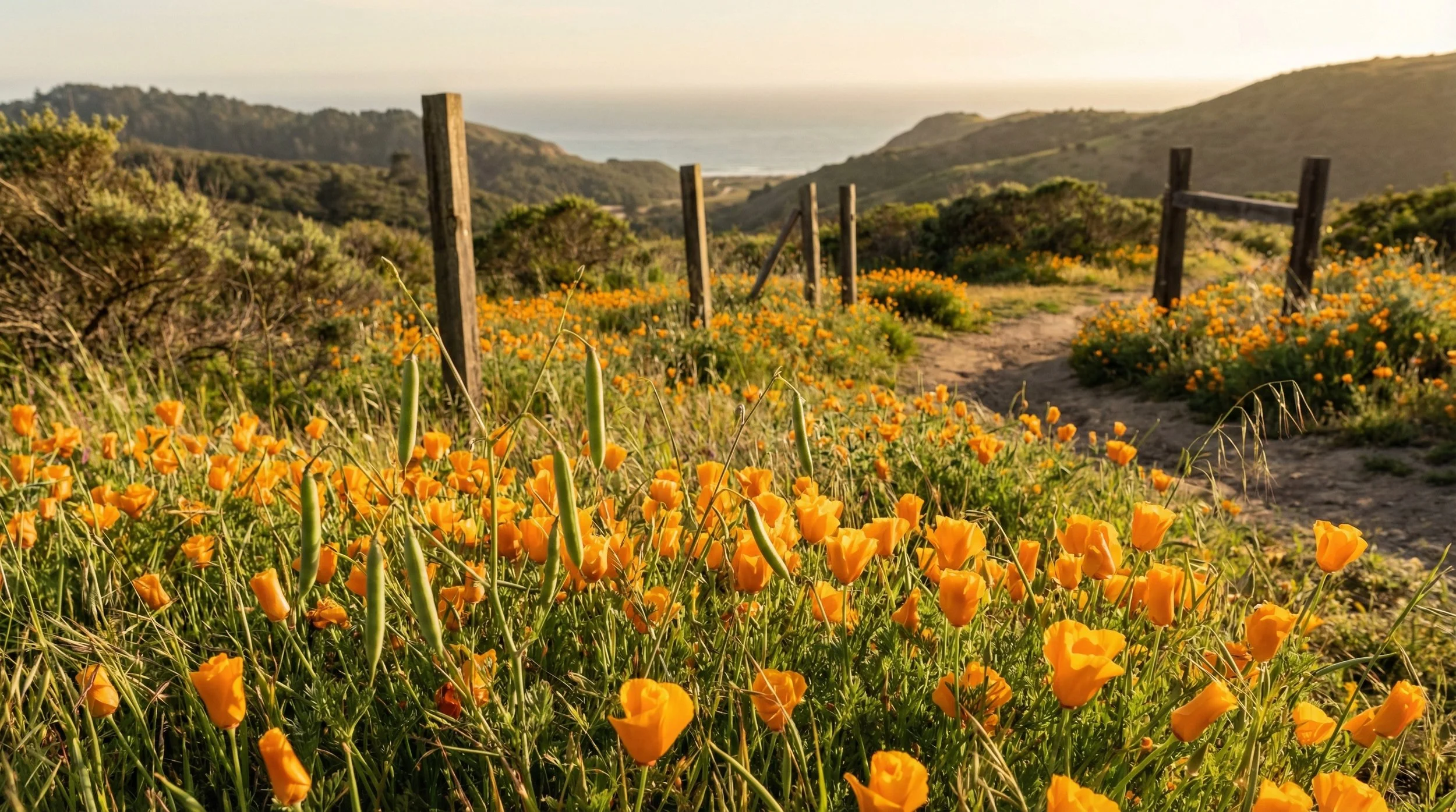
Do California Poppies Reseed Themselves?
California poppies reseed themselves prolifically. Let seed pods dry on the plant for natural spreading, or deadhead to control where they grow.
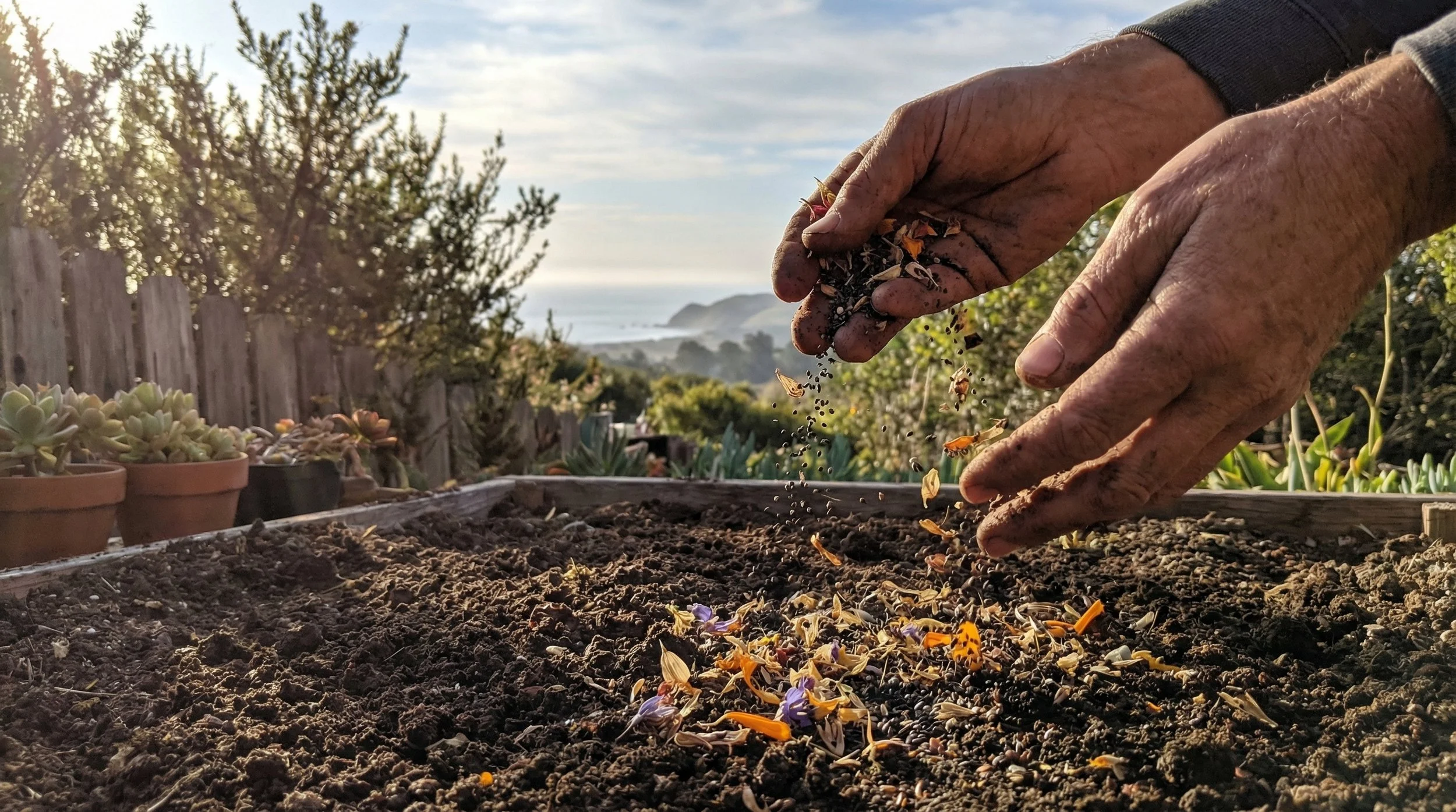
When Should I Sow Wildflower Seeds on the California Coast?
Sow wildflower seeds in October before the first rains. Fall planting gives native California wildflowers the winter chill they need for strong spring blooms.
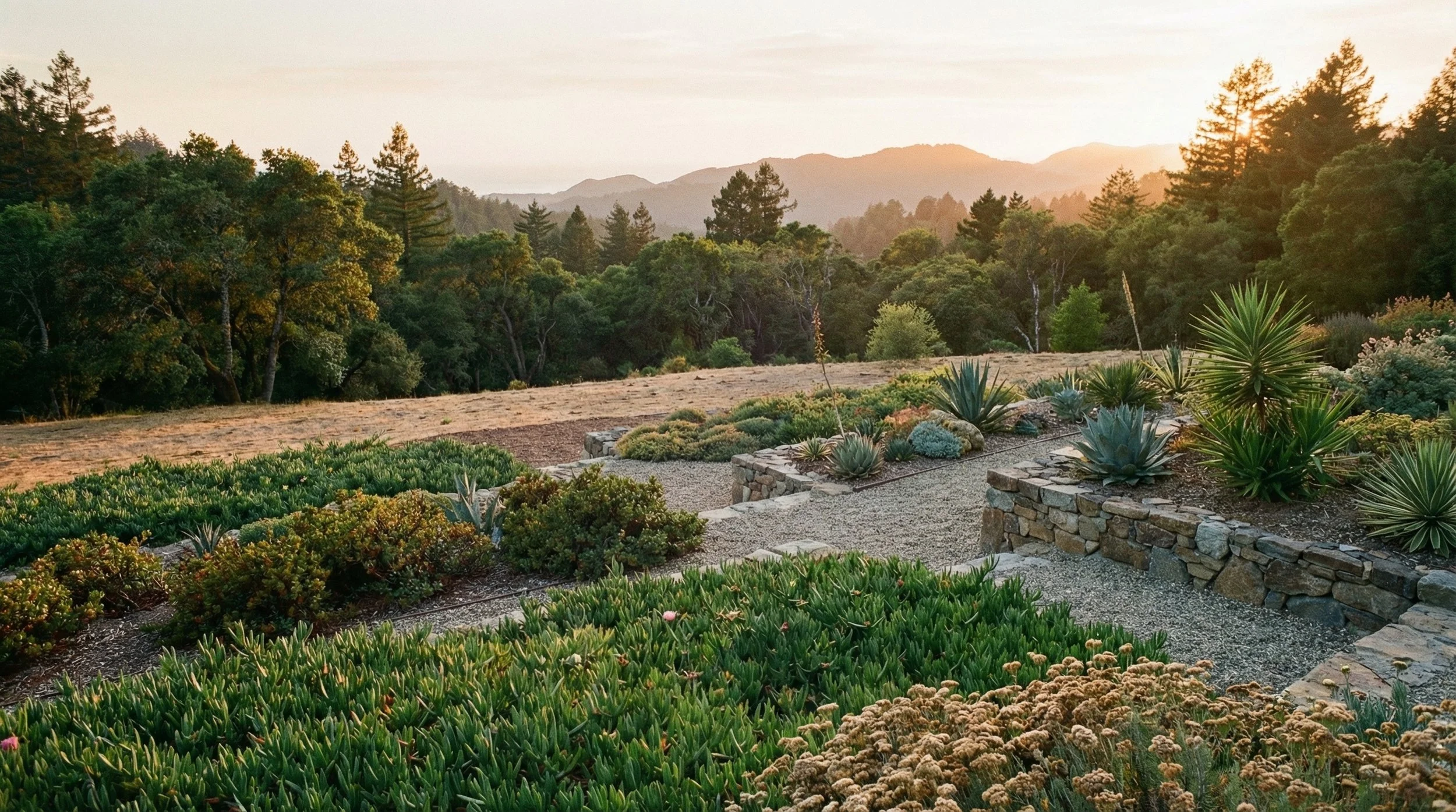
How Do I Create a Fire-Resistant Landscape in the Santa Cruz Mountains?
Start with defensible space zones and replace flammable plants with fire-resistant California natives. A zone-by-zone approach for Santa Cruz Mountains properties.
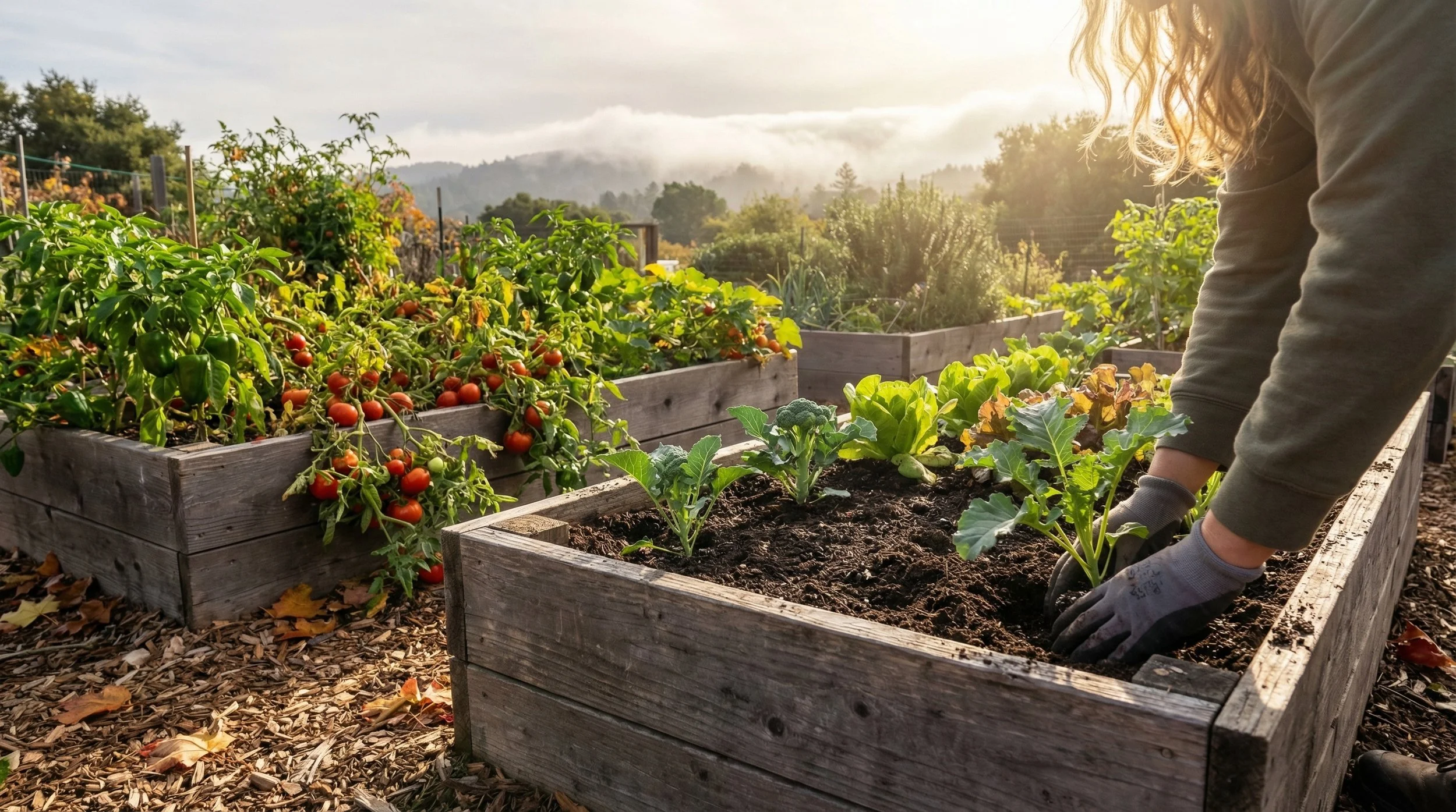
What Can I Plant in October in Santa Cruz?
October is one of the best planting months in Santa Cruz. Direct-seed peas, lettuce, radishes, and fava beans for fall and winter harvests.
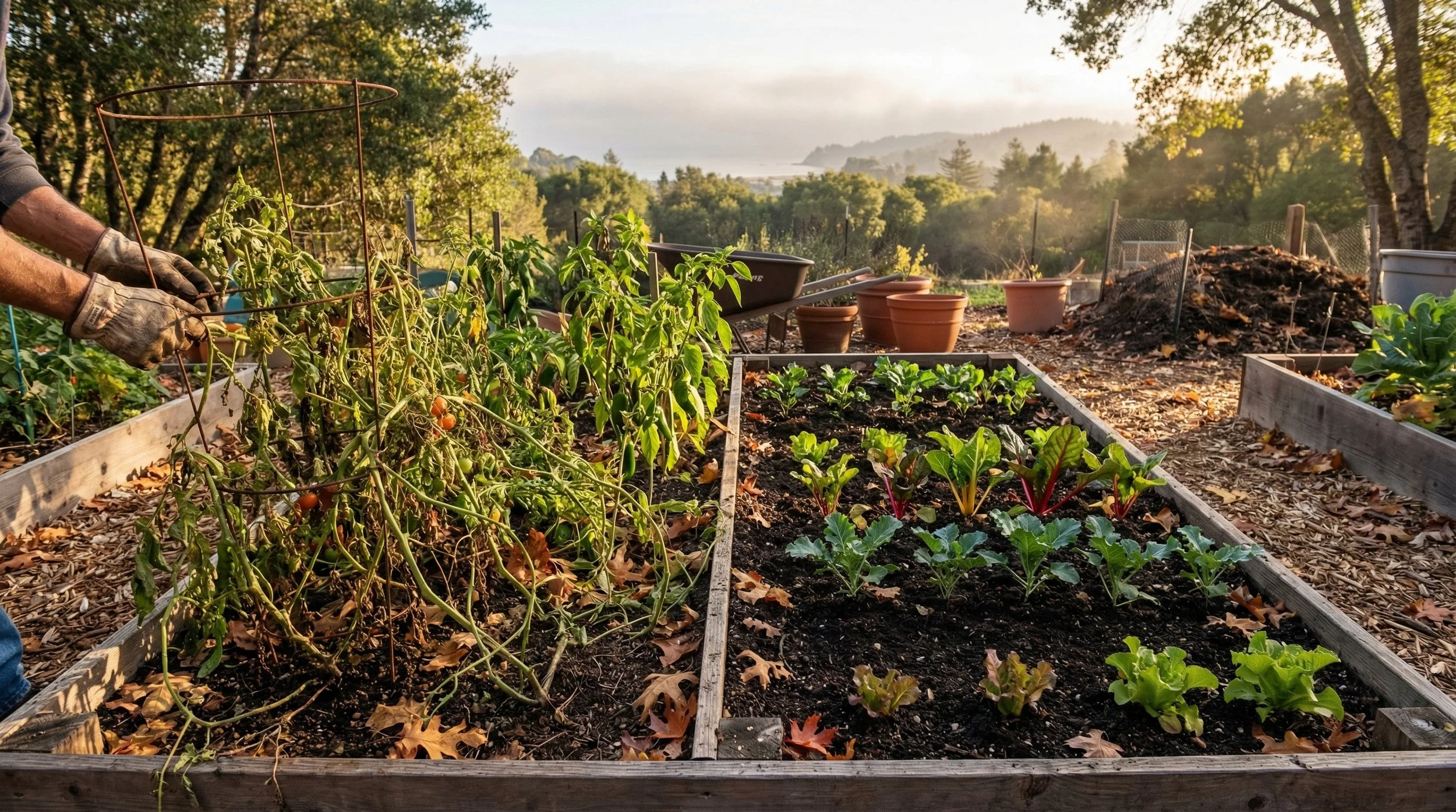
How Do I Transition My Summer Garden to a Fall/Winter Garden?
Transition your summer garden to fall by replacing spent crops one section at a time. Plant cool-season vegetables now for winter harvests in Santa Cruz.
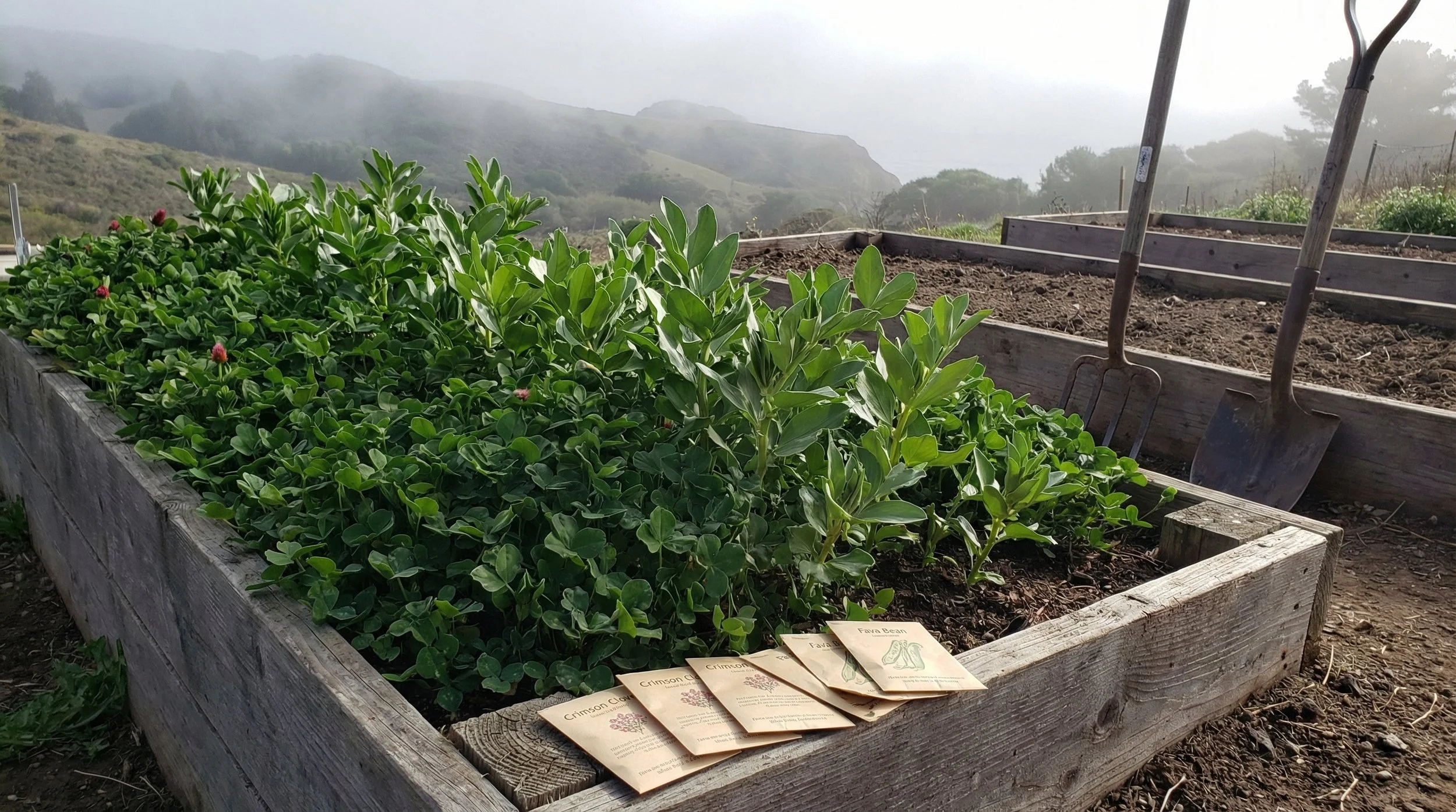
What Cover Crops Should I Plant in Fall in California?
Fava beans, crimson clover, and annual rye protect soil and add nutrients over winter. Plant them in October or November for healthier spring beds.
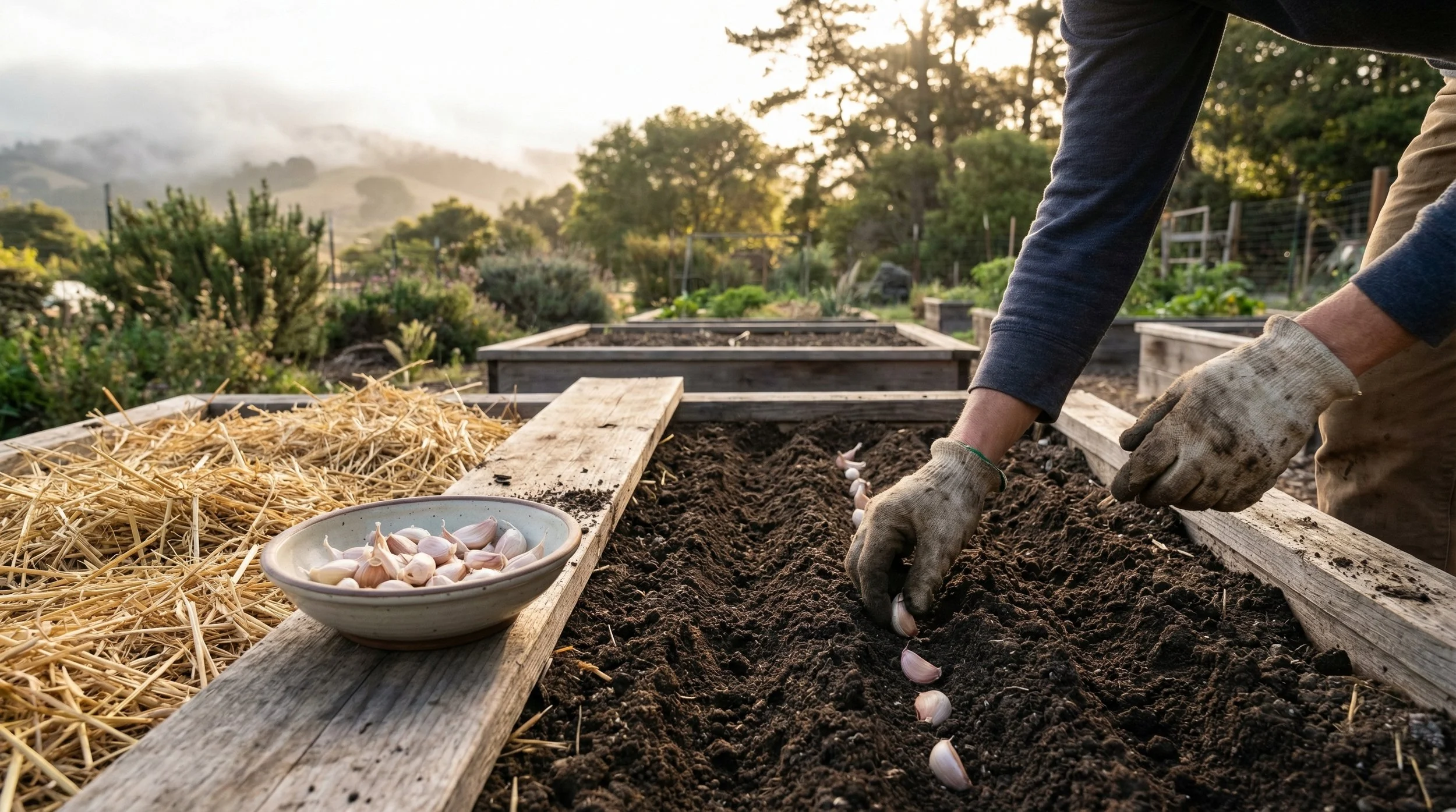
Can I Plant Garlic in Fall in Coastal California?
Plant garlic in October or November in Santa Cruz for full bulbs by early summer. Softneck varieties are the most reliable choice for coastal California.
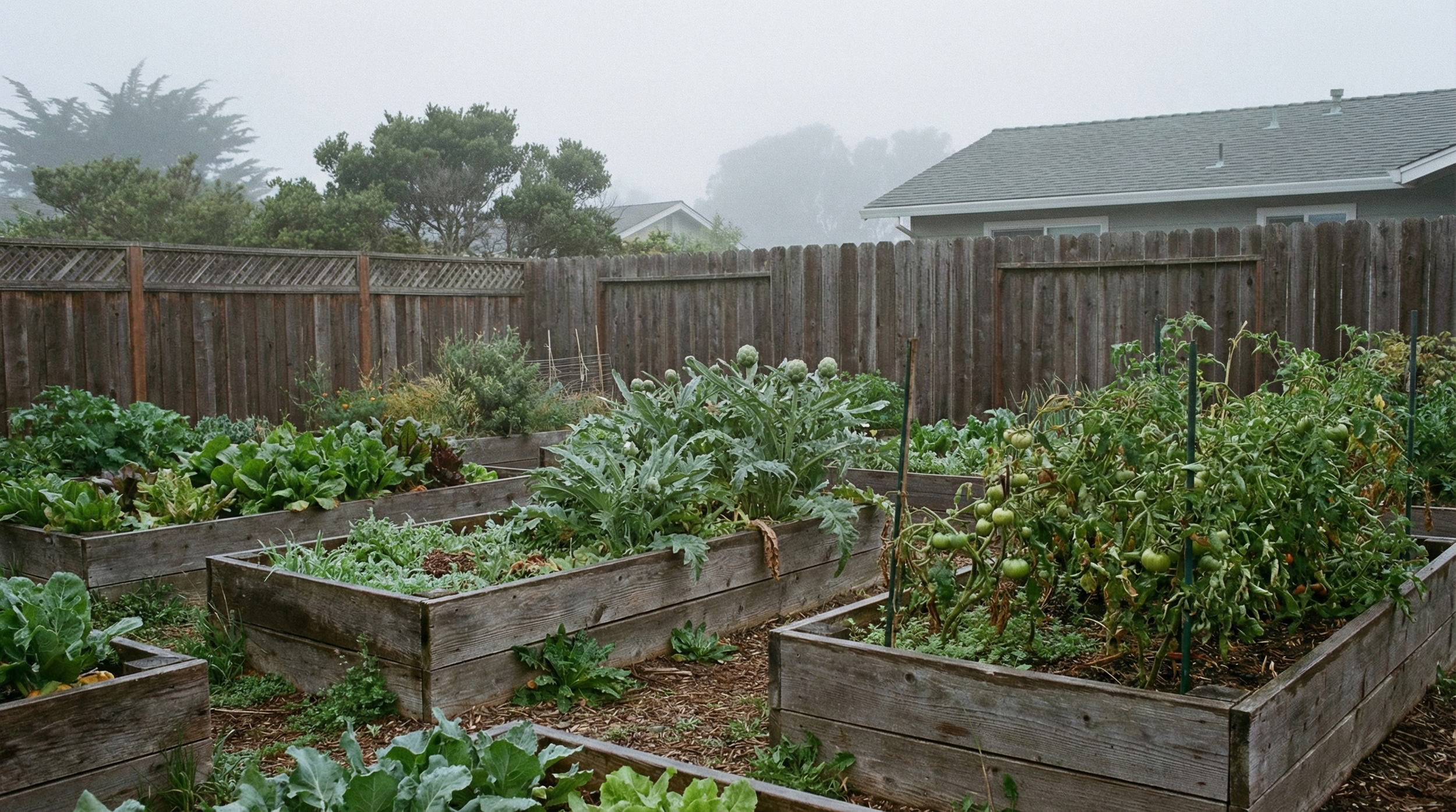
Are Tomatoes, Peppers and Cucumbers Really Drought-Tolerant?
They handle heat, but UC says tomatoes, peppers and cucumbers need water most at flowering and fruiting. Learn when you can cut back.
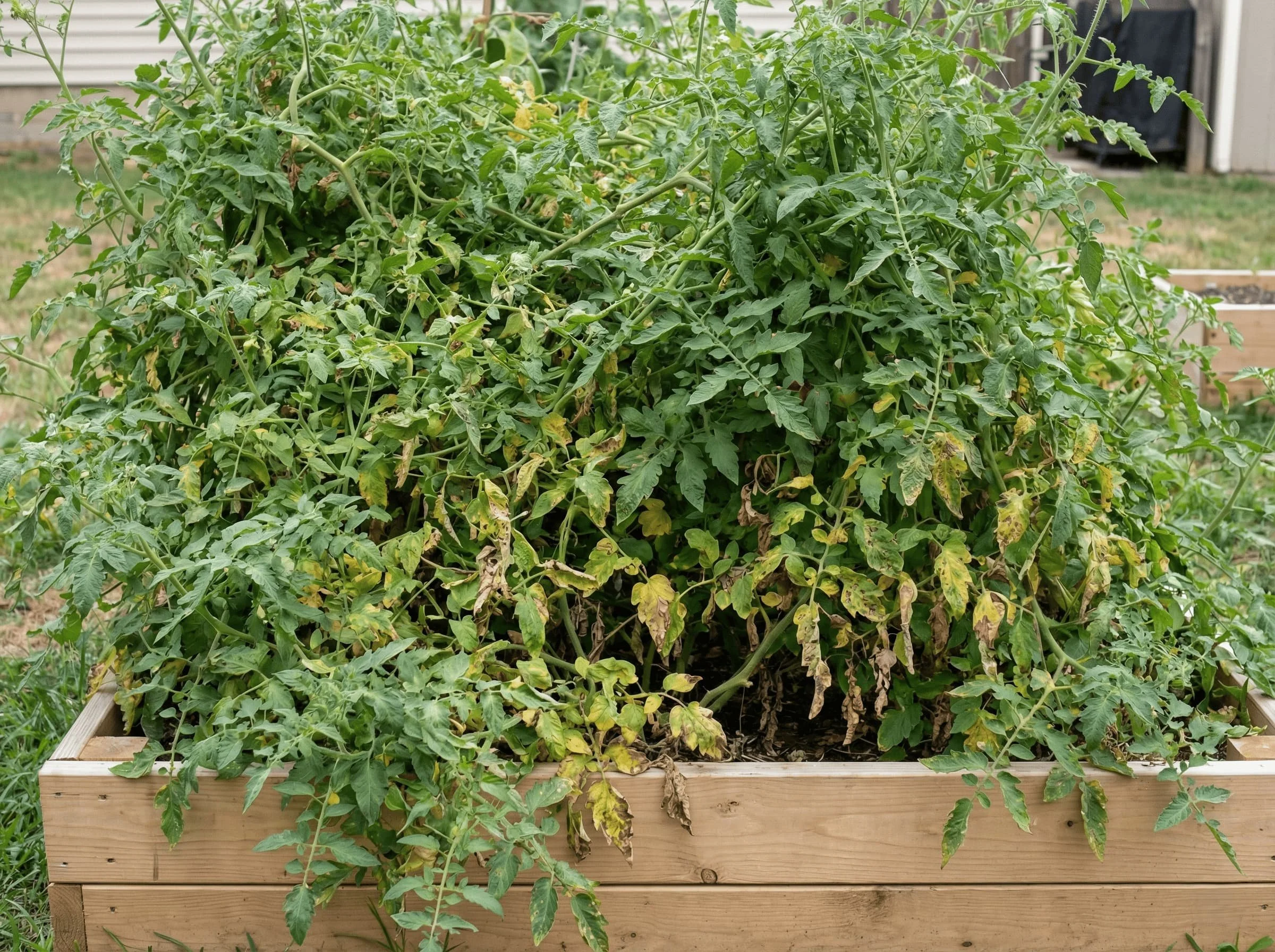
How Do I Deal with Powdery Mildew in My Coastal California Garden?
Powdery mildew loves coastal California's warm days and cool nights. Prevention through spacing and airflow works better than any spray treatment.
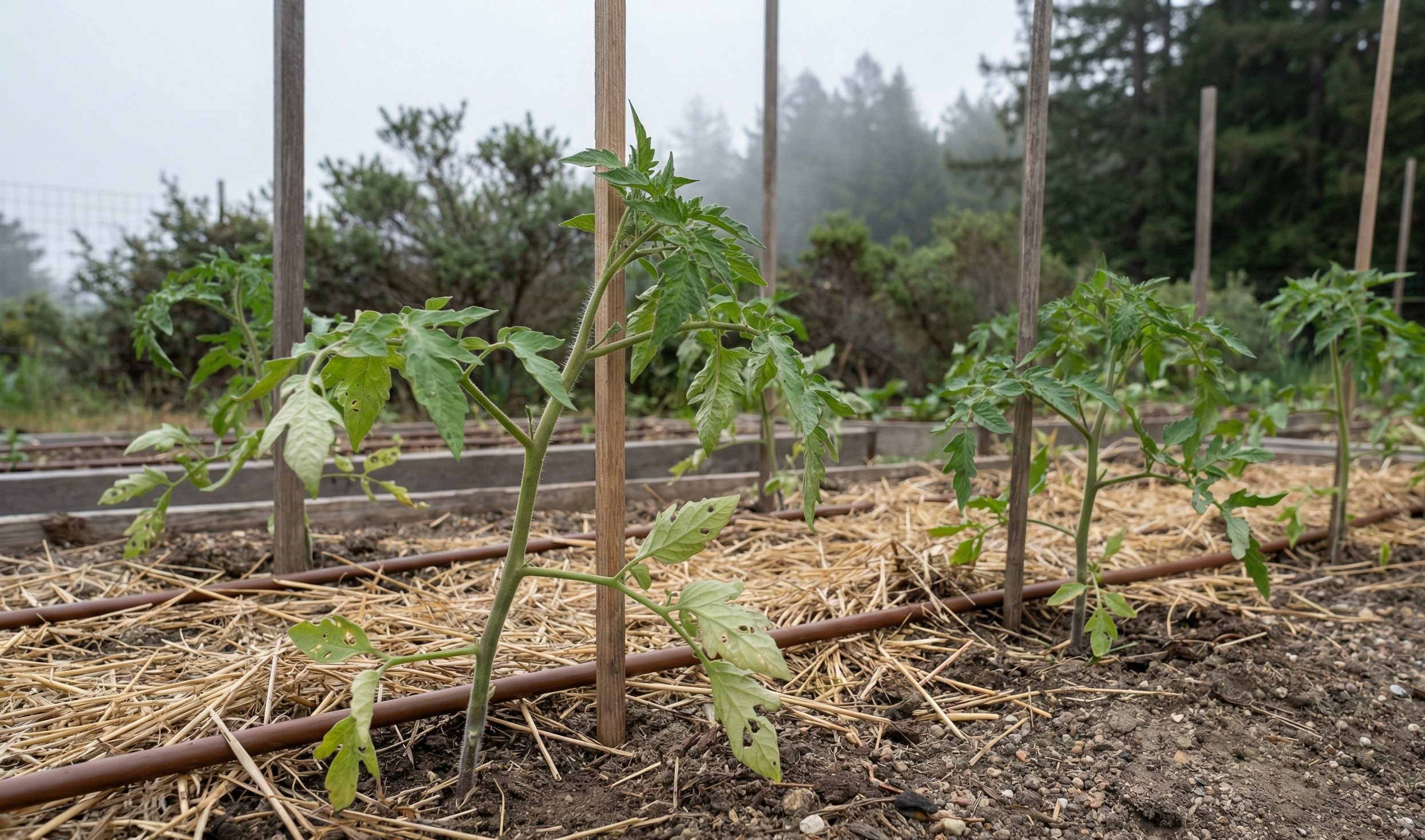
How Do I Keep My Garden Watered During a California Drought?
Mulch and drip irrigation are the two biggest water savers for California gardens. Here is how to set them up and stop wasting water this summer.
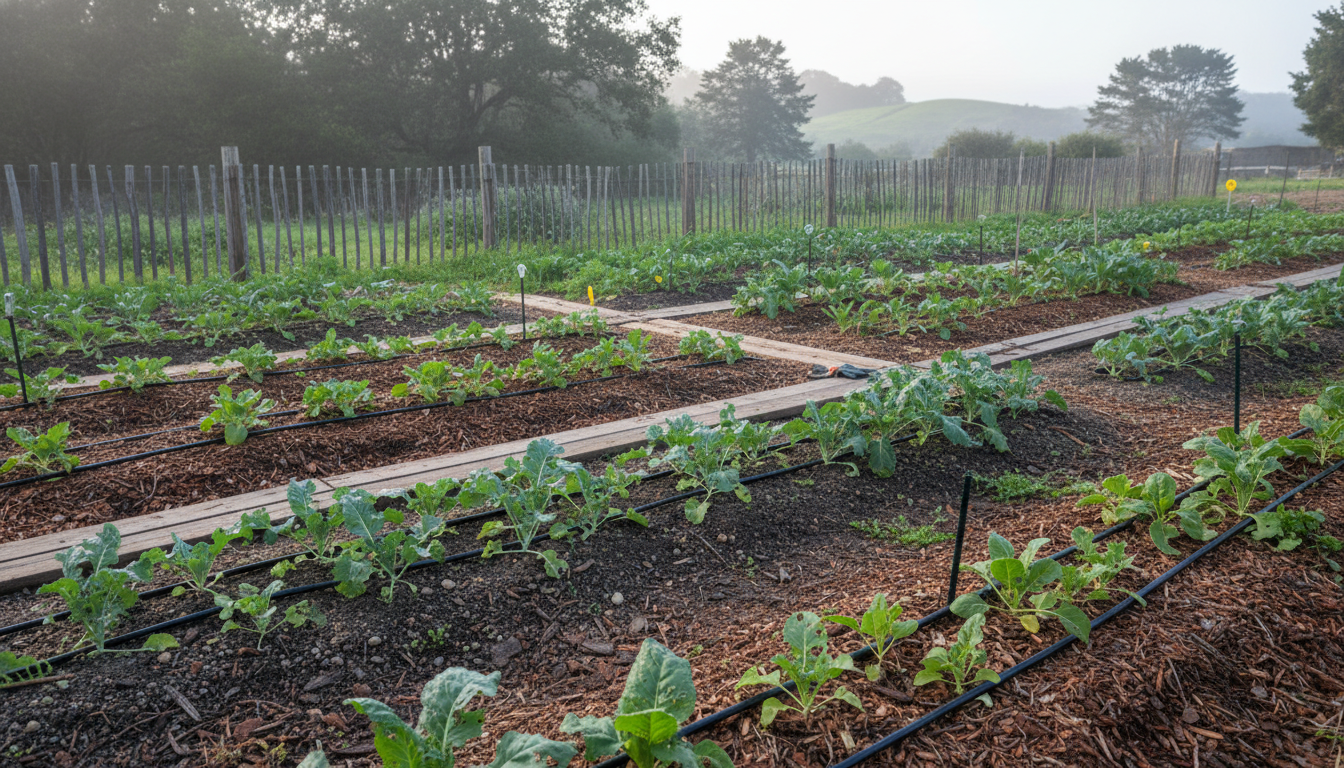
Is Fall Actually the Best Time to Plant in California?
Plan fall planting in Santa Cruz with cool-season crops, California natives and practical watering advice, plus plants better saved for spring.
Can I Grow Tomatoes in the Fog Belt?
Fog belt tomatoes are possible with the right varieties and warm microclimates. Cherry tomatoes and early slicers are your best bet in coastal Santa Cruz.
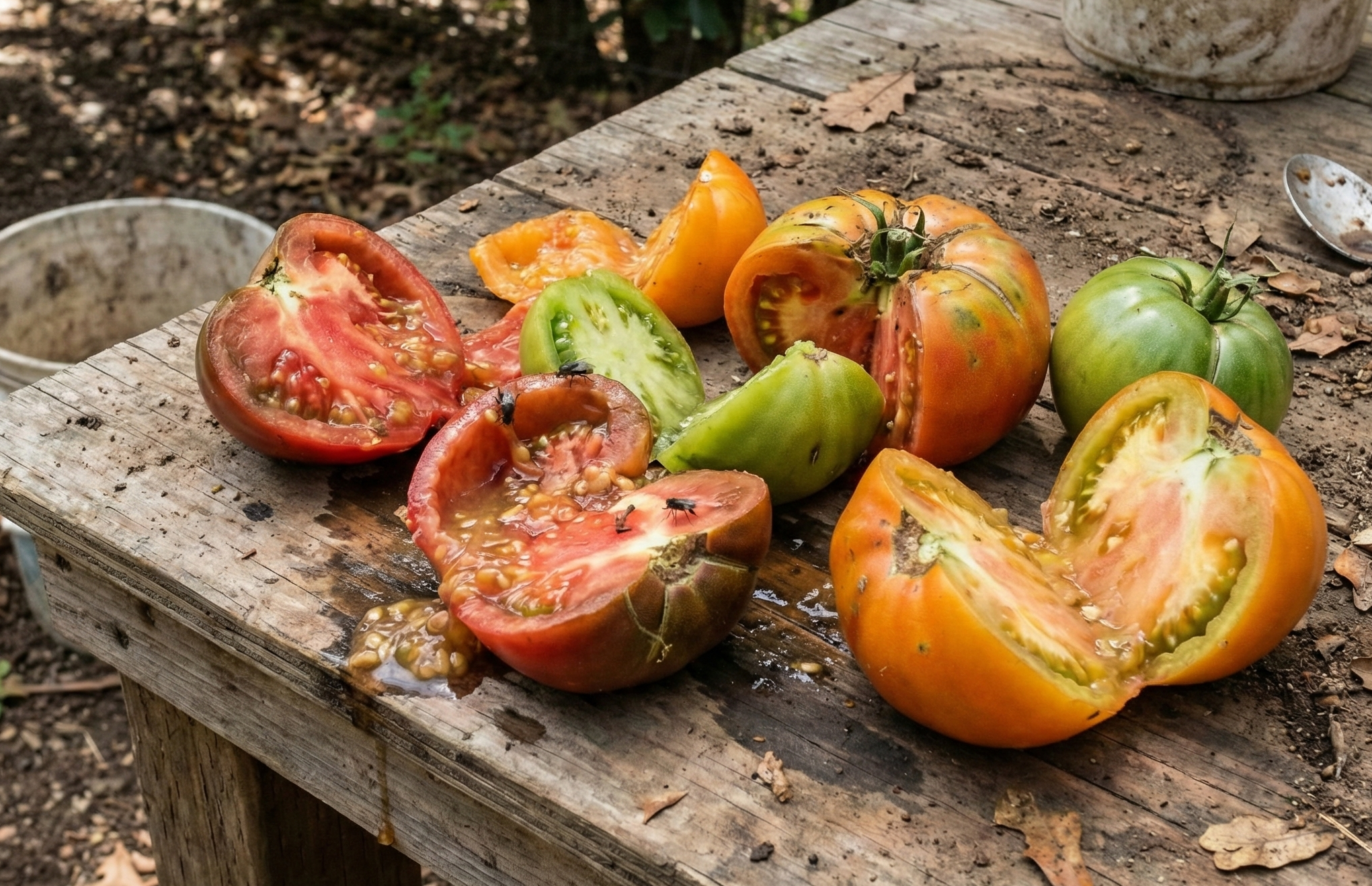
How Do I Save Tomato Seeds for Next Year?
The fermentation method is the best way to save tomato seeds at home. It takes 15 minutes of active work and produces seeds that stay viable for years.
What Is the Difference Between Determinate and Indeterminate Tomatoes?
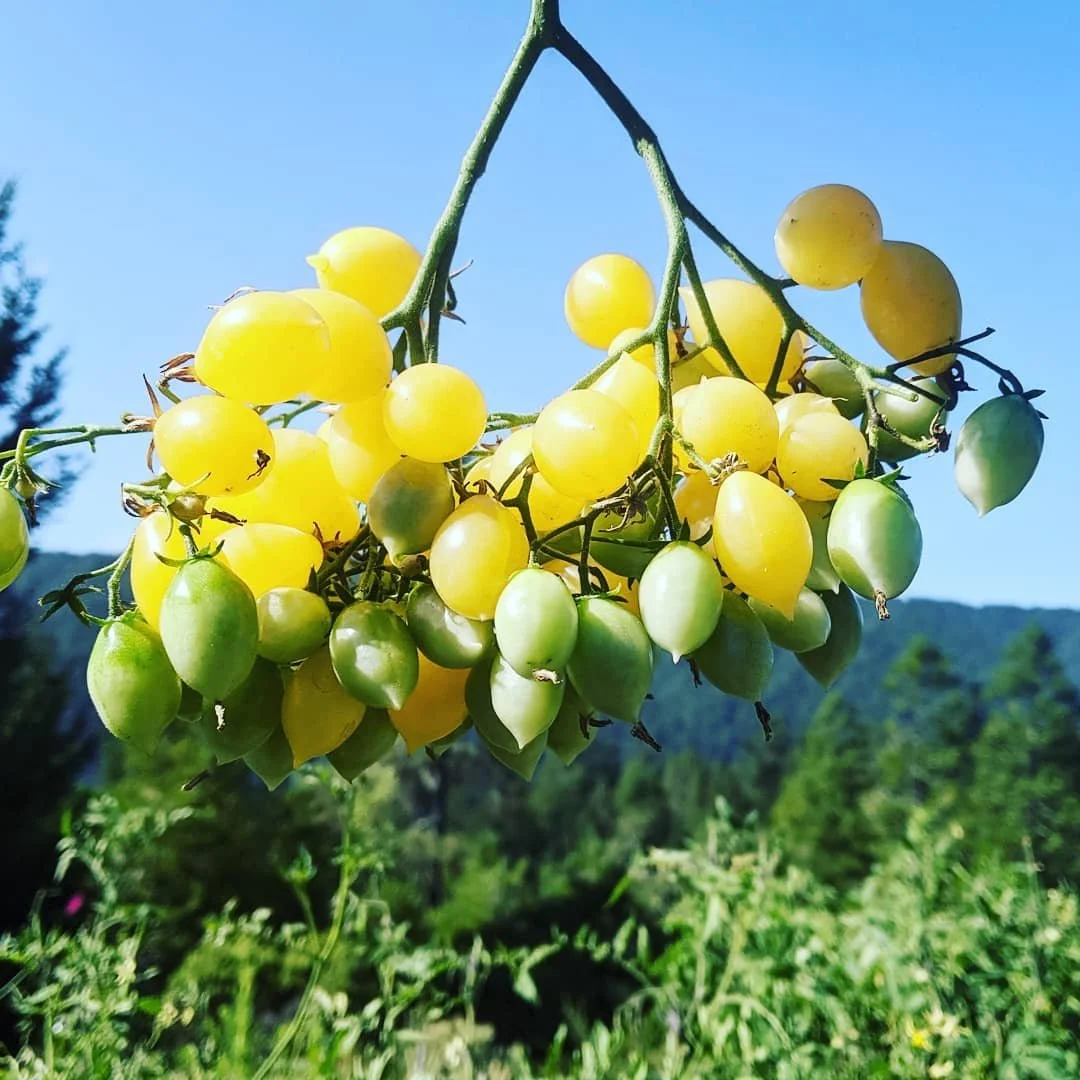
Compare determinate and indeterminate tomatoes by harvest, support and growing space, with practical variety advice for coastal Santa Cruz gardens.
Why Are My Tomatoes Not Turning Red in Coastal California?
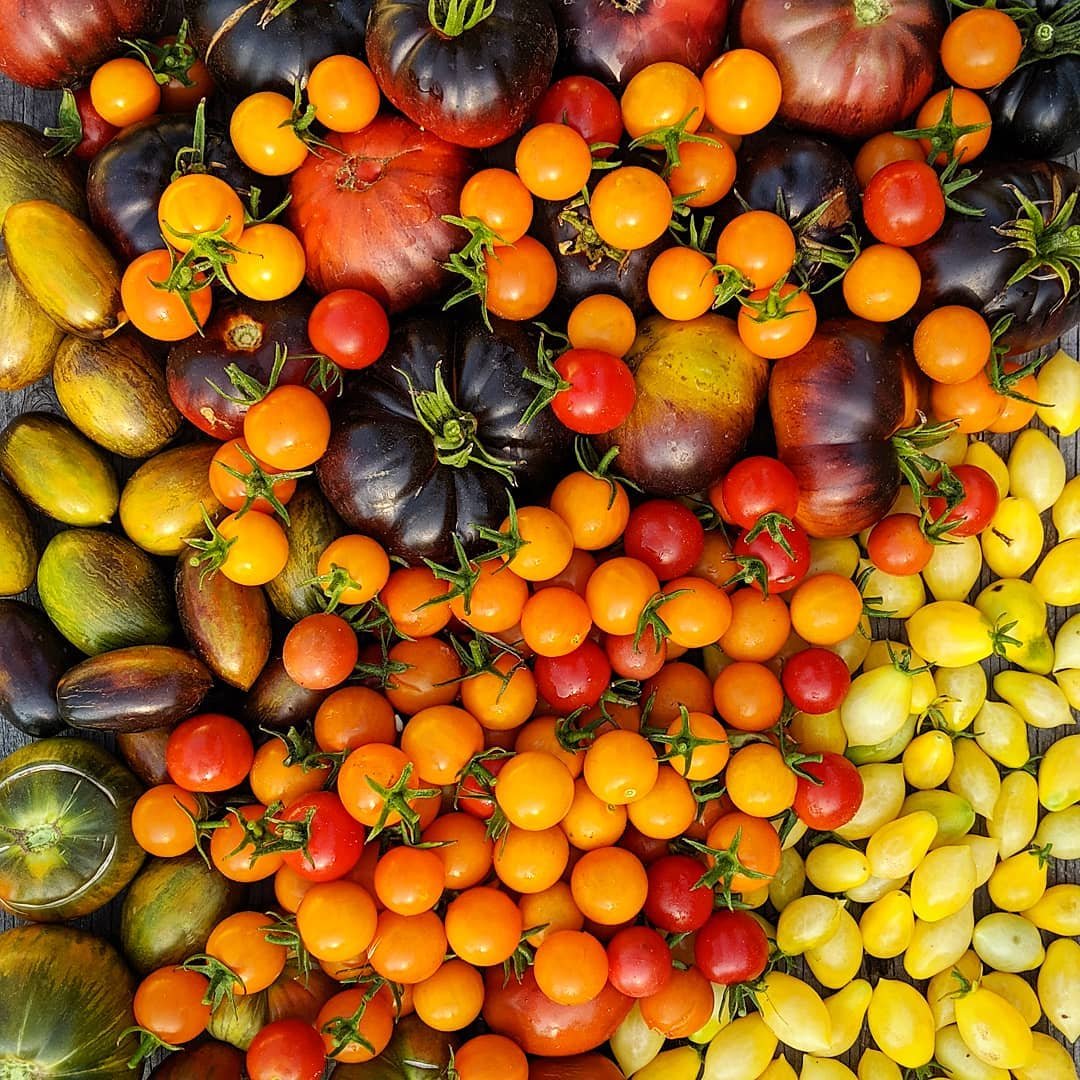
Cool nights slow tomato ripening on the coast. Choose early varieties and use warm microclimates for red tomatoes in Santa Cruz.
What Causes Blossom Drop on Tomatoes?
Tomato blossom drop is caused by temperature stress, usually cool nights on the coast. It is temporary and corrects itself when conditions stabilize.
What Is "June Gloom" and How Does It Affect My Garden?
Coastal fog slows warm-season crops but extends cool-season harvests. Work with June gloom by placing crops in the right microclimates.
How Do I Get Rid of Aphids Organically?
A strong water spray removes most aphids. Encourage ladybugs and lacewings before reaching for sprays. Organic aphid control starts simple.
Garden Question of the Week: Short Answers for Santa Cruz Gardeners
Find focused answers to Santa Cruz gardening questions, from tomato problems and coastal planting dates to berries, soil, watering and pests.
What Is Blossom End Rot and How Do I Prevent It?
A dark patch on the bottom of a tomato can be blossom-end rot. Learn what to check in the root zone and how to help later fruit develop normally.