

How to Grow Hot Peppers in Santa Cruz County
A few of the product links in this guide are affiliate links. If you buy through one, Ambitious Harvest may earn a small commission at no extra cost to you, which helps keep these guides free. We only point to gear we would use in our own Santa Cruz garden. As an Amazon Associate, we earn from qualifying purchases. Read our full disclosure.
Growing hot peppers in Santa Cruz County combines the joy of gardening with the excitement of bringing fresh spice to your kitchen. While our local microclimates present some challenges, understanding and adapting to them makes all the difference. With the right varieties, location, and care, your garden can produce healthy, flavorful peppers from summer through early fall.
Santa Cruz County's dramatic microclimate variations mean a pepper garden in Westside Santa Cruz looks very different from one in Scotts Valley or Watsonville. The key to success? Match your variety choices and timing to your specific neighborhood. This guide breaks down exactly how to do that, with specific recommendations for each microclimate.
Why Do Peppers Behave Differently Across Santa Cruz County?
Santa Cruz County spans everything from cool, fog-drenched coastal neighborhoods to warm inland valleys, and peppers respond dramatically to these differences. UC IPM emphasizes that peppers need warm soil and consistent warmth for reliable fruit production.
Coastal and near-coastal areas (Westside Santa Cruz, Live Oak, Seabright, Pleasure Point, Capitola): Summer highs often stay in the 60s to low 70s with frequent morning fog and cool nights. Peppers grow here, but ripening can be slow. Focus on smaller, earlier, and cool-tolerant varieties.
Mid-county towns and benches (central Santa Cruz away from the ocean, Soquel, Aptos): Milder conditions with more sun and slightly warmer days. Peppers like jalapeno, serrano, Anaheim, and shishito usually perform well here with decent sun exposure.
Warmer inland valleys and foothills (Scotts Valley, Felton, Ben Lomond sunny exposures, Corralitos, Watsonville foothills): Hotter summer days and warmer nights create classic pepper weather. A wider range of hot peppers (including habanero types and other high-heat chiles) can ripen reliably in these areas.
According to the UC Cooperative Extension, peppers set fruit most reliably when day temperatures reach the mid-70s or warmer and nights stay above the mid-50s. This explains why coastal gardeners need to select varieties carefully while inland gardeners have more flexibility.
How Do You Choose Pepper Varieties for Your Microclimate?
Matching variety to microclimate matters more here than chasing the hottest pepper in the seed catalog. A Ghost pepper that never ripens is far less satisfying than a basket of perfectly ripe jalapenos.
For Coastal Neighborhoods (Westside, Live Oak near the water, Seabright)
Focus on early-maturing and cool-tolerant varieties:
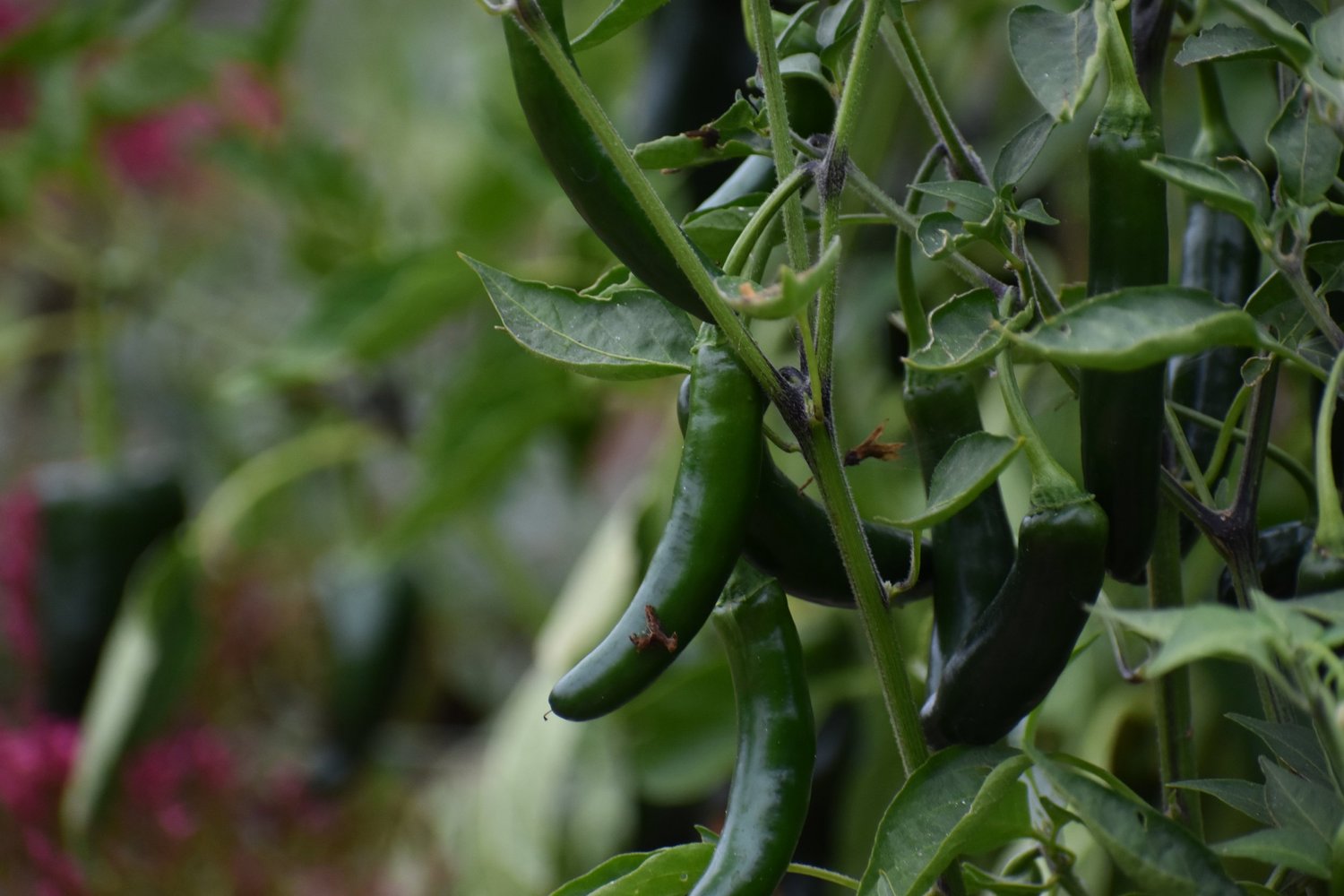
Jalapeno and Serrano: Reliable performers that set fruit in cooler conditions
Anaheim and other New Mexico-type green chiles: Tolerant of cool nights
Padron and Shishito: Picked green and usually mild, perfect for foggy areas
Thai-type peppers: Small, thin-walled varieties that ripen faster
Manzano (Rocoto): A standout for coastal gardens (this cool-tolerant Andean species actually prefers mild days and tolerates cooler nights, making it exceptionally well-suited to our foggy summers). For detailed guidance, see our complete guide to Growing Manzano Peppers in Santa Cruz County.
For Warmer Inland Spots (Scotts Valley, Ben Lomond, Felton sunny exposures, Watsonville)
Take advantage of extra heat with a wider variety selection:
Cayenne and chile de arbol: Need sustained warmth to develop full heat
Habanero-type chiles (including Scotch Bonnet): Require warm nights above 60 degrees F in midsummer
Super-hot peppers (Ghost/Bhut Jolokia): Possible in the warmest spots with long, warm seasons
For Containers and Small Spaces
On patios, decks, and small Santa Cruz lots, compact plants perform best:
Patio/bush jalapenos and small New Mexico-type chiles
Ornamental hot peppers with tidy habits (beautiful in pots, still perfectly edible)
Chiltepin peppers: These wild ancestors of domesticated chiles are surprisingly well-adapted to container growing. See our guide to Growing Chiltepin Peppers in Santa Cruz County.
As a general rule, aim for varieties listed at about 60 to 80 days to maturity, especially near the coast. Anything much longer is better reserved for the warmer inland valleys.
| Microclimate | Best Varieties | Days to Maturity | Notes |
|---|---|---|---|
| Coastal/Foggy (Westside, Live Oak, Seabright) |
Jalapeno, Serrano, Shishito, Padron, Thai, Manzano | 55-75 days | Choose early, cool-tolerant types; use soil warming |
| Mid-County (Central SC, Soquel, Aptos) |
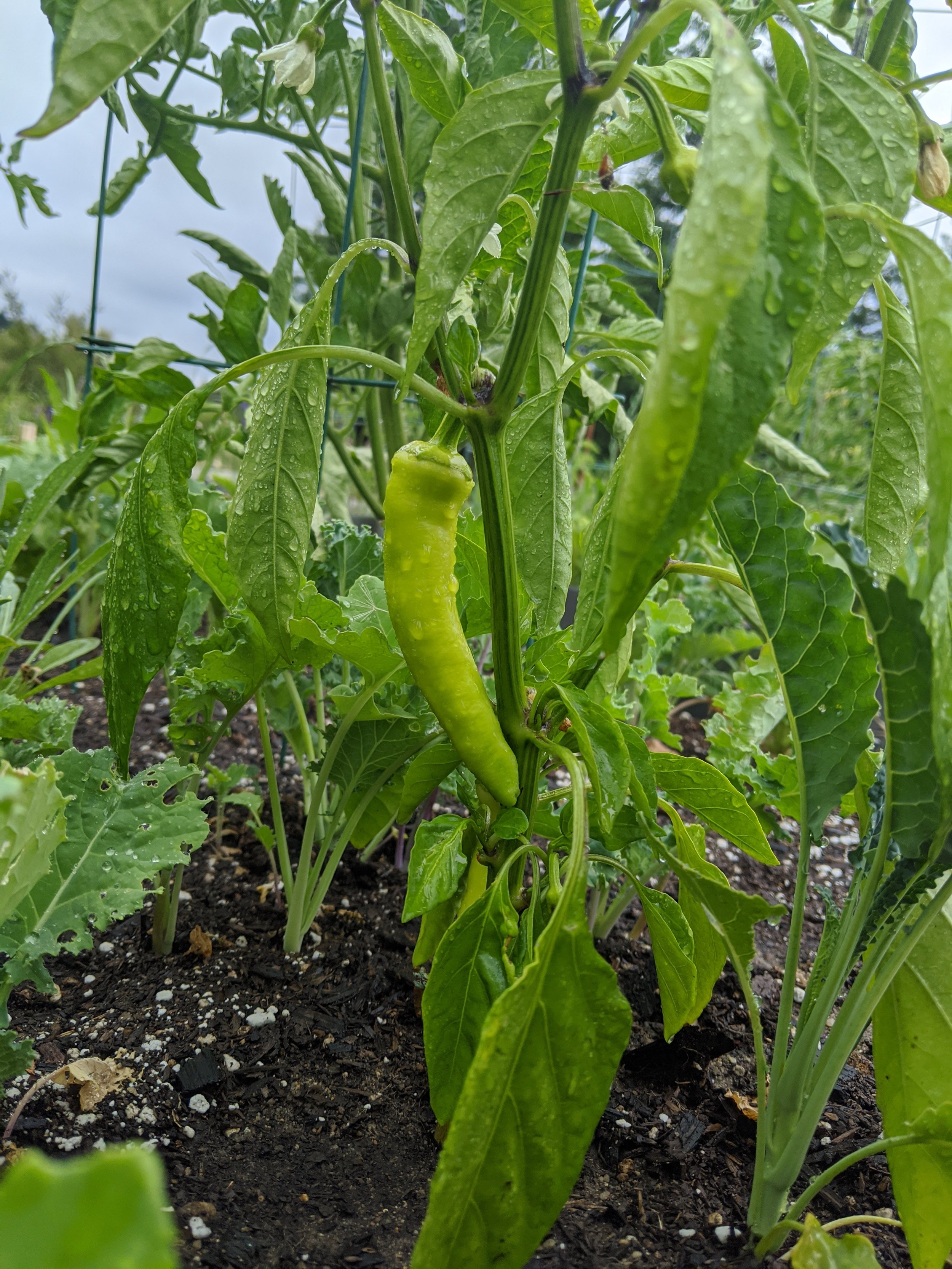
Anaheim, Poblano, Hungarian Wax, Fresno, Fish Pepper | 60-80 days | Good mid-range options; most standard varieties work |
| Warm Inland (Scotts Valley, Felton, Watsonville) |
Habanero, Scotch Bonnet, Cayenne, Chile de Arbol, Ghost | 75-100+ days | Can grow longer-season, high-heat varieties |
| Containers (any area) | Numex Twilight, Patio Jalapeno, Thai, Chiltepin, Pequin | 60-80 days | Compact plants; can move to warmest spots |
| Source: Variety timing from UC ANR Pepper Publication. Local recommendations based on Santa Cruz County growing conditions. | |||
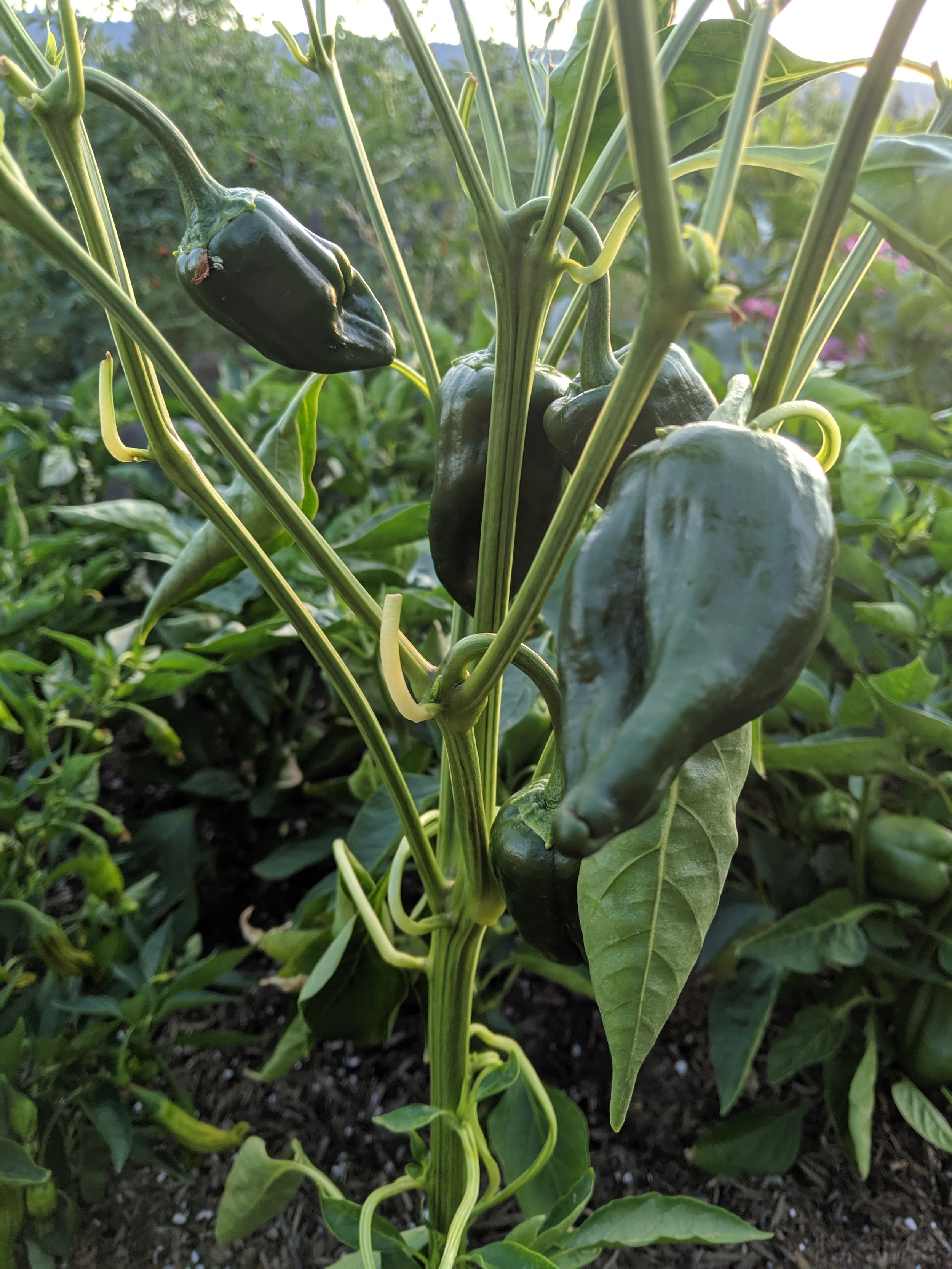
How Should You Prepare Soil and Select a Site for Peppers?
Hot peppers thrive in full sun and warm, well-draining soil. Aim for at least six hours of direct sunlight daily (more is better, especially near the coast).
Choosing Your Location
Select the warmest, sunniest spot you have. South-facing walls, reflective hardscape, and protected courtyards all create microclimates within your garden that can run noticeably warmer than the general forecast. Even in foggy coastal neighborhoods, these pockets can make the difference between peppers that thrive and peppers that sulk.
Preparing the Soil
Peppers prefer slightly acidic to neutral soil (roughly pH 6.0 to 7.0) enriched with organic matter. Before planting:
Loosen the top 8 to 12 inches of soil
Mix in a 2 to 3 inch layer of compost across the bed
Add a balanced, slow-release fertilizer at planting time
In colder, wetter soils (common in Live Oak and parts of Aptos), raised beds help both drainage and soil warmth. This is especially important because ocean influence keeps our soils cool longer into spring than inland California gardens.
Local Soil Amendment Sources
Aptos Landscape Supply offers bulk compost and soil blends, while Mountain Feed and Farm Supply in Ben Lomond carries organic amendments and fertilizers suited to edible gardens.
When Should You Plant Peppers in Santa Cruz County?
Timing is critical because ocean influence keeps soils cool well into spring. According to the UC Master Gardeners for coastal climates, waiting for warm soil is far more important than rushing to plant early.
Start Seeds Indoors: 6 to 10 weeks before your planned transplant date. Heat mats help seeds germinate faster and produce more robust seedlings.
Transplant Outdoors When:
Soil at planting depth reaches at least 65 to 70 degrees F
Nights are mostly above 50 to 55 degrees F
Last spring frost has passed (though frost is rare in most of the county)
Timing by Microclimate:
Warmer inland valleys (Scotts Valley, Felton, Watsonville): Late April through May
Mid-county and near-coastal areas (Soquel, Aptos, central Santa Cruz): May
Foggiest coastal sites (Westside, Live Oak near the water): Late May into June, especially without soil-warming techniques
If in doubt, wait. Peppers planted into warm soil almost always outperform those planted too early into cold beds. Check current soil temperatures on the Garden Conditions Dashboard before transplanting.
| Task | Coastal/Foggy Areas | Mid-County | Warm Inland |
|---|---|---|---|
| Start seeds indoors | Late February to early March | Mid-February to early March | February |
| Harden off seedlings | Mid to late May | Late April to early May | Mid to late April |
| Transplant outdoors | Late May to mid-June | May | Late April to May |
| First harvest (early varieties) | August to September | July to August | July |
| Season end | October (if nights stay mild) | October to November | November (until frost) |
| Check the monthly planting guides: May Planting Guide | June Planting Guide | |||
How Should You Water and Feed Peppers in Local Conditions?
Santa Cruz summers are dry, but fog and cool nights can mask how much water peppers actually use. Getting this balance right prevents many common problems.
Watering Guidelines
Water deeply but infrequently, wetting the root zone 8 to 12 inches down. Then let the top inch or two dry before watering again. According to UC IPM, consistent moisture (not constant wetness) prevents the most common pepper problems including blossom drop and blossom end rot.
Use drip irrigation or soaker hoses to keep foliage dry and reduce disease risk
Apply 2 to 3 inch mulch (straw, shredded leaves, or compost) once the soil has warmed to even out moisture and temperature
Water in the morning so foliage dries before evening (especially important in foggy areas where leaves may stay wet for hours)
Signs of Trouble:
Irregular, feast-or-famine watering can cause blossom drop and misshapen fruit
Overwatering combined with cool weather stuns roots and keeps plants perpetually sulky, especially in heavier valley soils
Feeding Schedule
Peppers are moderate feeders. At planting, mix in a balanced, low-to-moderate nitrogen fertilizer or a generous amount of compost. Once plants start flowering and setting fruit, side-dress with compost or a balanced organic fertilizer every 4 to 6 weeks. Avoid high-nitrogen lawn-type fertilizers, which produce leafy plants with few peppers.
How Do You Manage Pepper Pests and Diseases?
Peppers are generally easier than tomatoes, but a few issues show up regularly in Santa Cruz County:
Common Pests
Aphids: Cluster on tender tips and undersides of leaves, especially in spring. Knock off with a strong water spray, or use insecticidal soap if populations are heavy.
Whiteflies: Tiny white insects that fly up when you disturb the plant. Yellow sticky traps help monitor and reduce populations.
Slugs and snails: Often a problem in foggy and irrigated beds. Hand-pick, use traps, or deploy barriers like copper or diatomaceous earth around young plants.
Beneficial insects (lady beetles, lacewings, parasitic wasps) are common in Santa Cruz County gardens. Avoid broad-spectrum insecticides that harm these natural allies.
Preventing Disease
Avoid planting peppers where you grew tomatoes, potatoes, or eggplants in the previous couple of years (these crops share soil-borne diseases)
Ensure good air movement by spacing plants properly and staking or caging them if needed
Water at the base rather than overhead, especially in foggy coastal neighborhoods where leaves may stay wet for hours
Most disease issues in Santa Cruz peppers trace back to cool, damp foliage and crowded beds, both of which you can manage with spacing, pruning, and irrigation choices.
When and How Should You Harvest Peppers?
Harvest peppers when they reach full size and feel firm. You can pick them green or wait for full color (red, yellow, orange) for sweeter, often hotter flavor.
Use sharp scissors or pruners to cut fruit with a short piece of stem attached (pulling can break branches)
Frequent picking encourages plants to keep flowering and producing into late summer and early fall
In inland and many mid-county gardens, peppers may keep producing into October or beyond, as long as nights stay mild and there is no hard frost
What Strategies Work for Growing Peppers in Foggy Coastal Gardens?
For gardeners in the fog belt and cooler parts of the county, these techniques can make the difference between pepper success and disappointment:
Start seeds indoors with heat mats so seedlings are robust before they face cool evenings
Use raised beds, black plastic, or dark mulch to warm soil before and after transplanting
Consider lightweight row cover over young plants at night to trap extra warmth
Position plants against south-facing walls to maximize reflected heat
Prioritize cool-tolerant and shorter-season varieties and treat super-hots as experiments, not guaranteed crops
For gardeners in warmer inland valleys and foothills, take advantage of your extra heat by growing both reliable, earlier peppers and a few slower, hotter types. Provide some afternoon shade in the hottest exposures to prevent sunscald on fruit during extreme heat waves.
Where Can You Find Pepper Plants and Seeds Locally?
Nurseries with Pepper Transplants:
San Lorenzo Garden Center in Santa Cruz carries vegetable starts including peppers
Scarborough Gardens in Scotts Valley stocks seasonal edibles
Mountain Feed and Farm Supply in Ben Lomond offers organic plants and seeds
Seeds:
Renee's Garden Seeds, based right here in Felton, sells pepper seeds well-suited to our climate
Check the Felton Seed Lending Library for free locally-saved pepper seeds
Special Plant Sales: Love Apple Farms holds an annual spring plant sale featuring dozens of pepper and tomato varieties selected specifically for our local climate. Find upcoming sales on the Santa Cruz Garden Events Calendar.
Frequently Asked Questions
Can I grow habanero peppers in Santa Cruz?
Yes, but location matters. Habaneros need warm nights (above 60 degrees F) and a long season to ripen properly. They perform best in warmer inland areas like Scotts Valley, Ben Lomond sunny exposures, and Watsonville. Coastal gardeners may get plants that grow well but produce few ripe peppers before the season ends.
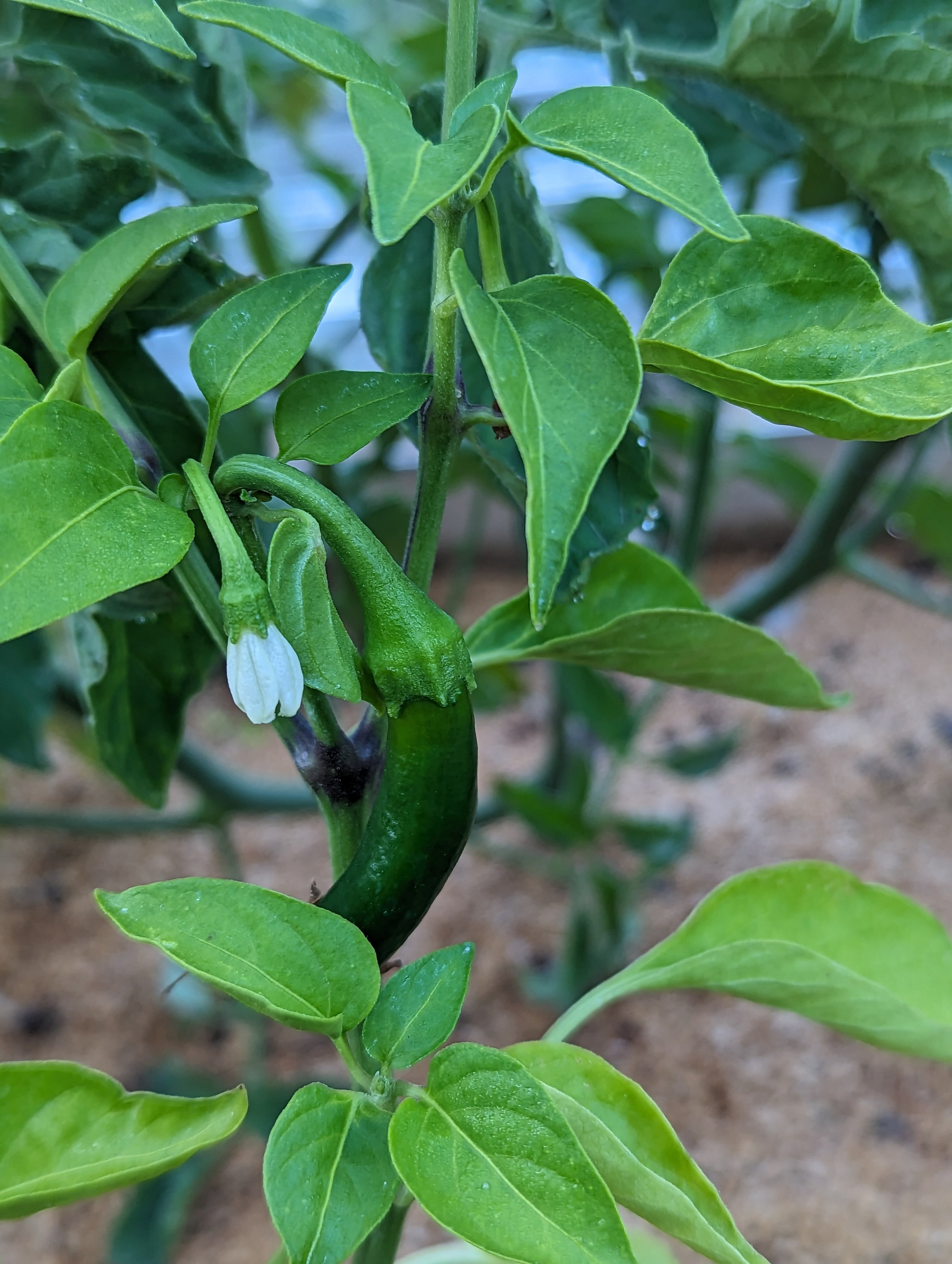
Why are my pepper flowers falling off without making fruit? Blossom drop usually results from temperatures outside the ideal range. UC Cooperative Extension notes that peppers drop blossoms when night temperatures fall below 55 degrees F or day temperatures exceed 95 degrees F. In Santa Cruz, cool nights are the more common cause. Try row covers at night or plant in a warmer microclimate.
When is the best time to plant peppers in Santa Cruz County?
It depends on your microclimate. Inland areas can transplant in late April or May, while coastal gardeners should wait until late May or even June. The key is soil temperature (at least 65 degrees F) and consistent nights above 50 to 55 degrees F.
How do I know if my peppers are getting enough sun?
Peppers need at least 6 hours of direct sunlight daily, and more is better in cooler areas. Signs of insufficient sun include leggy growth, few flowers, and slow fruit development. Consider moving container peppers or planting next season in a sunnier spot.
What causes blossom end rot on peppers?
Blossom end rot (a dark, sunken spot on the bottom of fruit) results from calcium deficiency in the developing fruit, usually caused by inconsistent watering rather than lack of calcium in the soil. Water deeply and consistently, and mulch to maintain even soil moisture.
Can I save seeds from my hot peppers?
Yes, pepper seeds are easy to save. Let fruits ripen fully (past eating stage to slightly wrinkled), then scrape out seeds, rinse, and dry thoroughly before storing. Note that if you grow multiple pepper varieties close together, they may cross-pollinate, and saved seeds could produce unexpected results.
How late in the season will peppers produce in Santa Cruz?
In warmer inland areas, peppers often produce into November or until the first frost. Coastal gardens may see production taper off in October as nights cool and days shorten. Covering plants during cold nights can extend the season.
Are there peppers that actually prefer Santa Cruz's cool conditions? Manzano (Rocoto) peppers are an Andean species that thrives in mild temperatures and tolerates cool nights, making them exceptionally well-suited to coastal Santa Cruz. Learn more in our complete guide to Growing Manzano Peppers in Santa Cruz County.
Free Resources
Download these guides to help plan your pepper garden:
Seasonal Planting Calendar for month-by-month guidance on what to plant when
Garden Troubleshooting Guide for diagnosing common problems
Microclimate Worksheet to assess your garden's specific conditions
Find these and more resources in Your Garden Toolkit.
