

Growing Tomatoes in Santa Cruz County: A Complete Guide
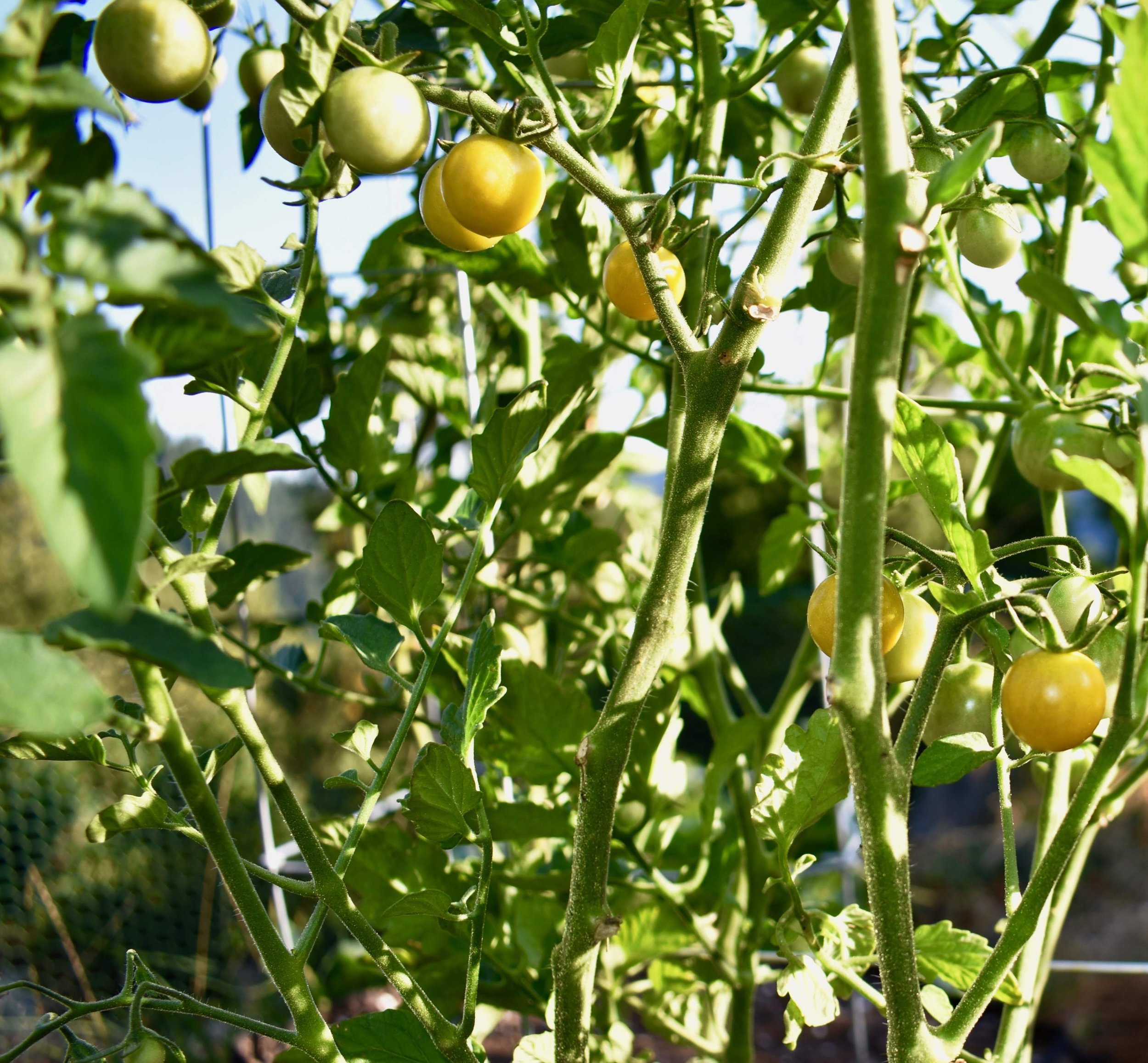
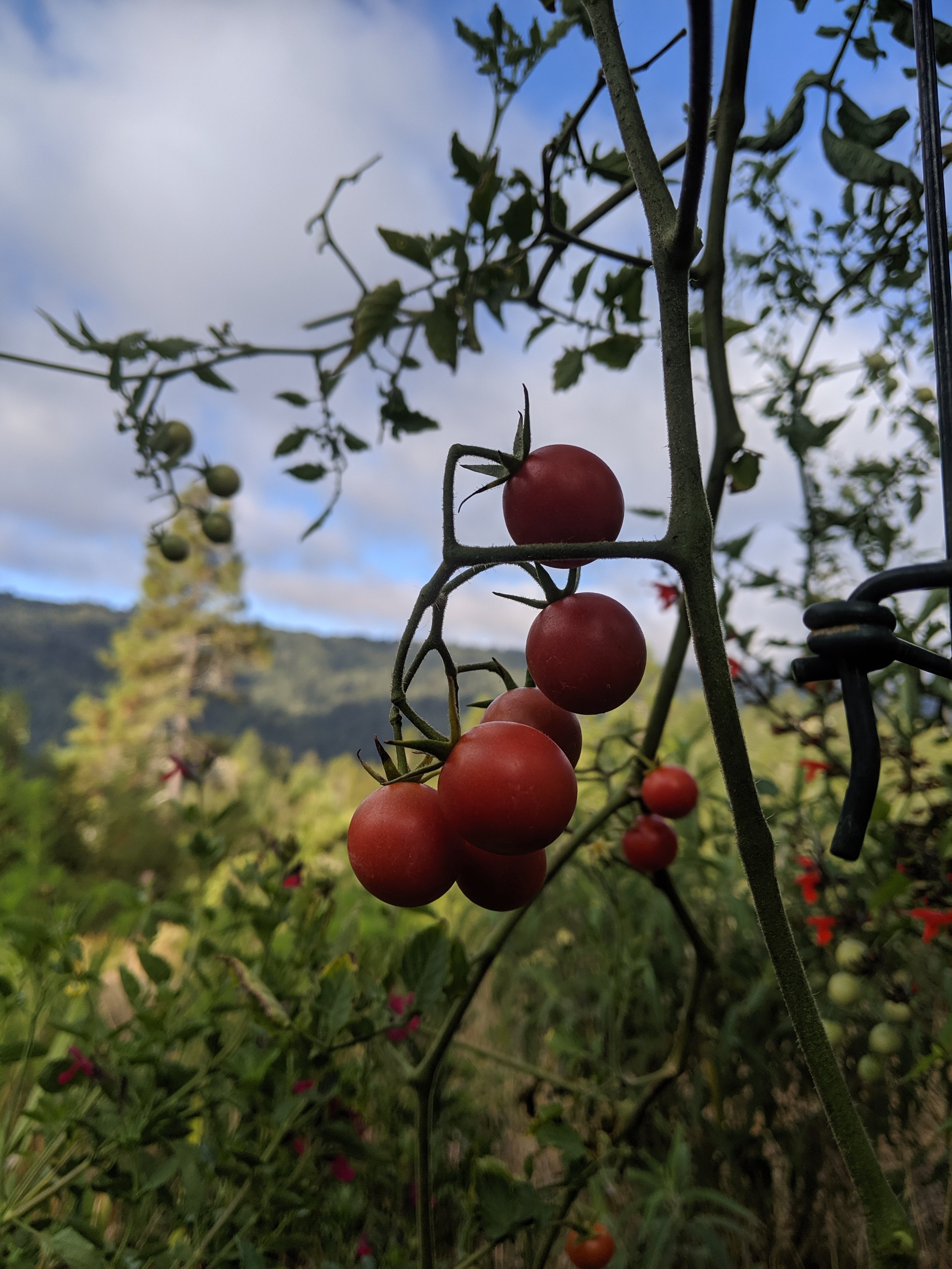
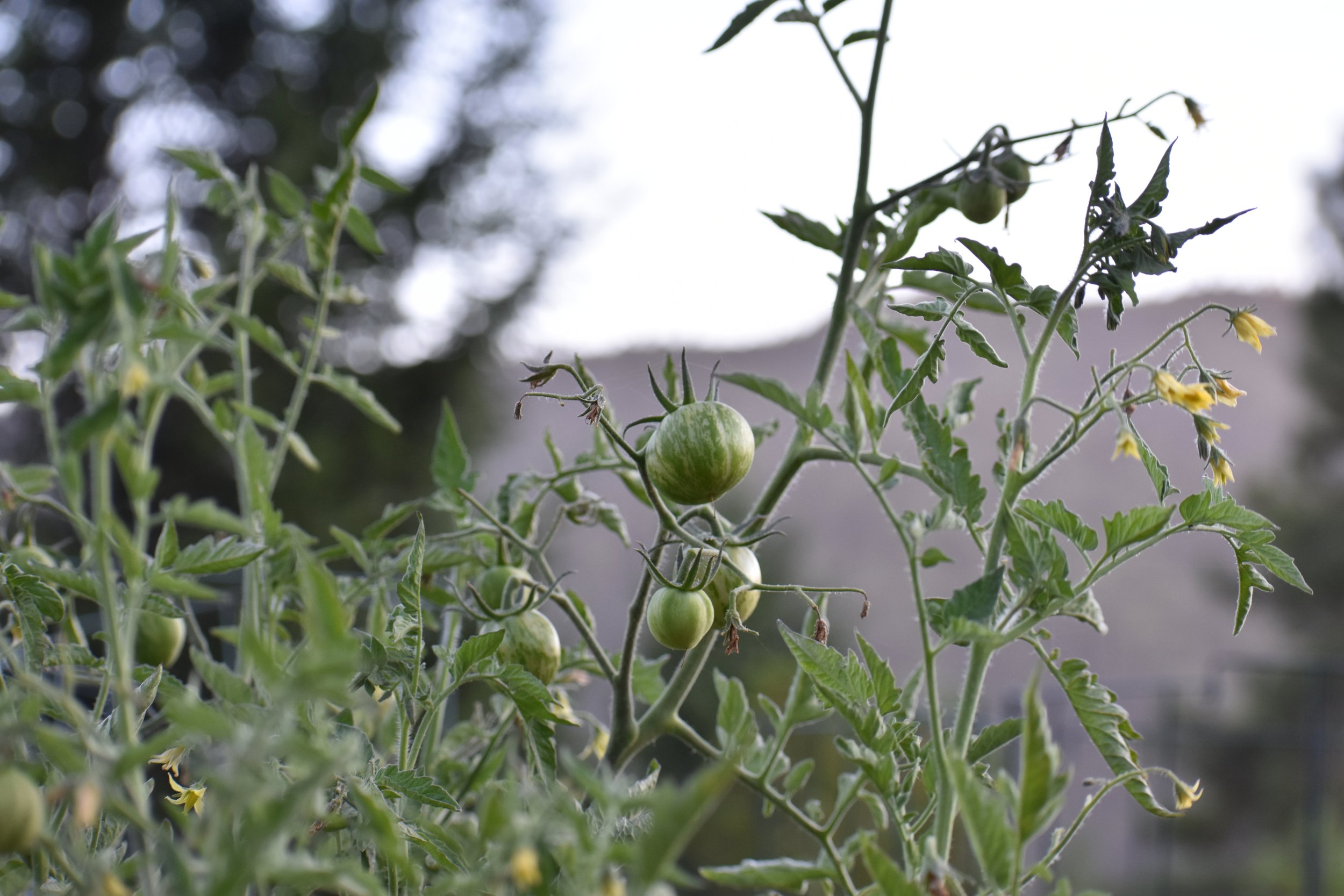
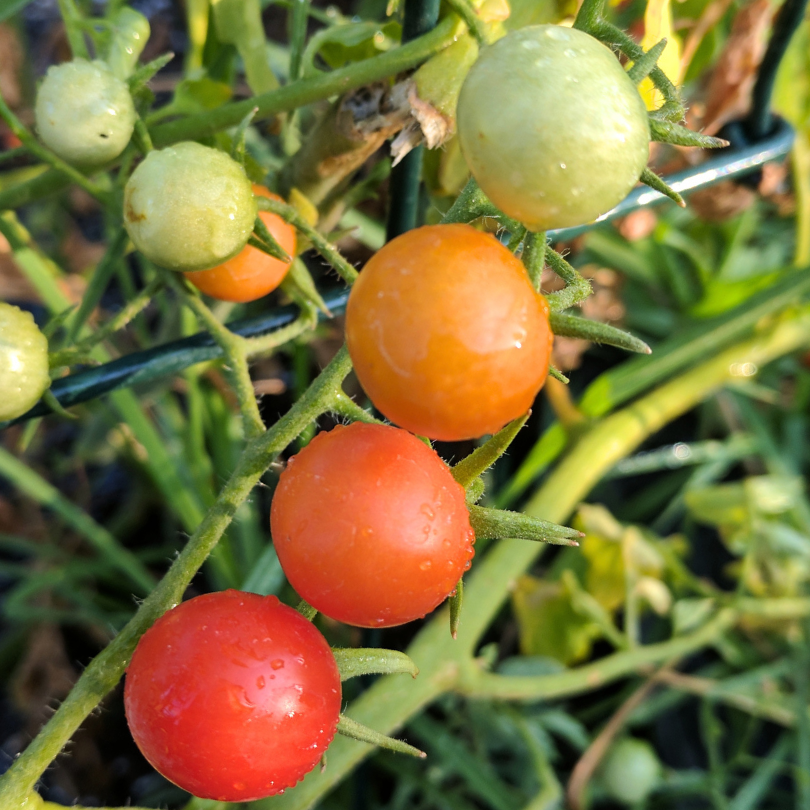
A few of the product links in this guide are affiliate links. If you buy through one, Ambitious Harvest may earn a small commission at no extra cost to you, which helps keep these guides free. As an Amazon Associate, we earn from qualifying purchases. Read our full disclosure.
A tomato start on the nursery bench can make spring feel further along than it is. Before planting in Santa Cruz County, check soil warmth, overnight temperatures and the light in your own garden. UC Cooperative Extension describes the temperature limits that affect growth and fruit set. An early variety in a warm bed is a better bet than a large plant waiting out cold soil.
The sunny bed in Scotts Valley and the foggy patio on the Westside may need different tomatoes. Near the coast, give early varieties and cherries a place in the planting. In a warmer exposure, you have more room to experiment with large-fruited and later cultivars.
Choose for the garden you have this year. Broaden the variety list as you learn when your bed warms up, how much sun reaches it and which plants finish ripening before autumn weather changes.
What Climate Do Tomatoes Need in Santa Cruz County?
Sunshine and warm nights are not interchangeable. A bright afternoon may be followed by a cool night that slows fruit set. Notice both as you decide where to plant and how much of the crop to commit to a late variety.
The Coastal Influence
UC IPM describes the warmth and sunlight tomatoes need. Our summer fog, while keeping temperatures comfortable for humans, can limit the heat accumulation tomatoes need for optimal fruit development. Morning fog that doesn't burn off until afternoon effectively shortens our growing day.
Coastal areas: Give early cultivars that set fruit in cooler conditions a place in the planting. Expect ripening to vary with exposure, and watch for disease when foliage stays damp.
Inland and valley areas (Scotts Valley, San Lorenzo Valley sunny exposures, Soquel hills): More heat means faster ripening and more variety options, but watch for sunscald and increased water needs.
Under redwood canopy (Felton, Ben Lomond canyons): Limited sun hours challenge tomato production. Focus on cherry types and early-maturing varieties, or consider container growing in the sunniest spot available.
Cool Nights and Blossom Drop
One of our biggest local challenges is cool summer nights. UC IPM lists roughly 50-55°F as the lower night-temperature range for tomato fruit set. In many Santa Cruz County locations, summer nights regularly dip into the low 50s, causing blossom drop that frustrates gardeners who see flowers but no fruit.
When temperature is the cause, extra fertilizer or a disease treatment will not solve it. Check moisture, feeding history and the rest of the plant before settling on that diagnosis.
What Are the Best Tomato Varieties for Santa Cruz County?
The variety label is a useful planning tool. Compare days to maturity, growth habit and specific disease-resistance codes, then leave space for one experiment if you have room. Buying only the biggest-fruited tomato can leave a cool garden waiting a long time for its first harvest.
What to Look For
Cool-tolerance: Varieties bred to set fruit in cooler conditions outperform standard types in coastal Santa Cruz.
Early maturity: Shorter days-to-harvest means ripe tomatoes before fall weather arrives. Look for varieties maturing in 60-75 days rather than 80-90+.
Disease resistance: Our coastal humidity encourages fungal diseases. Varieties with resistance to late blight, early blight, and fusarium wilt have advantages here.
Varieties to Compare for a Cooler Garden
Compare these familiar choices with local nursery experience and the current seed label:
'Early Girl': The workhorse of coastal California tomato growing. An early slicer to compare with your other choices. Check the specific seed lot's resistance codes; broad disease resistance does not mean protection from every blight.
'San Francisco Fog': A red slicer marketed for cooler coastal conditions. Treat the name as a reason to investigate local results, not a promise of fruit set in persistent fog.
'Stupice': Czech heirloom known for early production and cold tolerance. Small to medium red fruits with excellent flavor. One of the first to ripen.
'Oregon Spring': Developed at Oregon State University for short-season, cool climates. Compare its cool-season fruit set with other early choices. Medium-sized fruits.
'Glacier': An early, compact choice to investigate for a smaller space. Compare the supplier's maturity estimate with your actual first harvest.
Cherry Tomatoes for a Smaller, Earlier Harvest
An early cherry can give a cool garden a useful chance at ripe fruit while larger tomatoes develop. Varieties differ, so compare maturity and growth habit rather than treating every cherry as an early or stress-proof plant.
'Sungold': The benchmark for cherry tomato flavor. Orange fruits with tropical sweetness. Vigorous, productive, and relatively tolerant of varied conditions.
'Sweet 100': Extremely productive red cherry. Vigorous vines that need strong support.
'Black Cherry': Complex, rich flavor with dusky purple-brown color. Compare its flavor and harvest with your other cherries.
'Matt's Wild Cherry': Tiny, intensely flavored red cherries. Extremely vigorous and productive. Self-seeds readily.
For Warmer Inland Microclimates
If you garden in Scotts Valley, sunny San Lorenzo Valley exposures, or other warm pockets, you have more flexibility:
'Cherokee Purple': Heirloom with complex, rich flavor. Needs warmth to perform well.
'Brandywine': Classic heirloom, considered among the best-flavored tomatoes. Late maturing and needs heat.
'San Marzano': The paste tomato standard. Needs consistent warmth for good production.
'Better Boy': A hybrid slicer; check its listed resistance codes against diseases that have actually affected your garden.
Local Sources for Starts and Seeds
Check nursery and plant-sale information before heading out; selection and schedules change. Look for sturdy starts and readable variety labels rather than assuming a familiar business has a particular cultivar in stock.
San Lorenzo Garden Center (Santa Cruz): Ask about current spring starts
Sierra Azul Nursery (Watsonville): Check current offerings before traveling
Renee's Garden Seeds (Felton): Local seed company with excellent variety selection
Love Apple Farms (Santa Cruz Mountains): Check current tomato-sale and class information
UCSC Farm & Garden: Plant sales in spring
Where Should I Plant Tomatoes in My Yard?
Give tomatoes a place where you can see and reach the plants as well as somewhere bright. You will check ties, moisture and ripening fruit throughout summer. A container may be useful if the best sun falls outside the vegetable bed.
Sun Requirements
Choose a sunny site for tomatoes. In Santa Cruz County's cooler microclimates, more is better. Morning sun that dries dew quickly helps prevent fungal diseases.
Watch the planting space through a full day. Dappled light under a tree is different from direct sun, and fog may delay the bright part of the day. In a cool site, a sheltered southern exposure can help; on a hot inland wall, watch for heat stress instead.
Soil Preparation
Start soil preparation with the bed you have. If plants have struggled repeatedly, a soil test can help identify nutrient or pH issues. Use the results to guide amendments rather than adding every tomato remedy at once.
The UC Master Gardener Program of Alameda County maintains a list of private laboratories. Check what a laboratory tests, how to take the sample and which interpretation or amendment advice comes with the report.
Ideal conditions:
Mildly acidic soil; use a laboratory interpretation before attempting to change pH
Rich in organic matter
Well-draining but moisture-retentive
Loose texture that allows root penetration
Before planting:
Add compost. Use finished compost where organic matter is needed, with the amount guided by soil condition and any test results. Repeated heavy additions can build up nutrients or salts.
Address pH if needed. Follow soil-test recommendations for any lime or sulfur. Neither is an automatic tomato amendment, and soil pH varies within the county.
Assess compaction. Address actual compaction when soil is workable. Avoid routine deep digging through an established bed or nearby tree roots.
In clay soils (common in parts of Santa Cruz County): Focus on improving drainage with organic matter. Raised beds can help in areas with heavy clay or poor drainage.
When and How Should I Plant Tomatoes in Santa Cruz?
Wait until the bed is ready as well as the calendar. A start that sits in cold soil gains little from an early planting date. Harden off indoor-grown plants gradually before moving them into their permanent space.
When to Plant
Soil temperature matters more than air temperature. Wait for warm soil before transplanting tomatoes. Cold soil slows growth; UC Napa guidance recommends waiting for soil above 60°F.
General timing for Santa Cruz County:
Coastal areas: Mid-April to early May, after soil has warmed. Later is often better than earlier here.
Inland/warmer areas: Late March to mid-April, once frost risk has passed and soil has warmed.
If the bed is still cold, keep starts growing in a protected, bright place and reassess. The dates above are planning windows; frost risk and soil conditions decide the planting day.
Transplanting Technique
A leggy tomato can form roots along a buried section of stem. Remove leaves that would sit underground and keep healthy foliage above the soil. In a cool bed, a shallow trench can be more useful than a deep hole in colder soil.
Deep planting method:
Dig a hole deep enough to bury the stem up to the lowest set of healthy leaves.
Remove leaves from the portion of stem that will be buried.
Set the plant in the hole, backfill with soil, and firm gently.
Water deeply to settle soil around roots.
Trench planting method (alternative for leggy transplants):
Dig a shallow trench rather than a deep hole.
Lay the plant on its side in the trench with the top few inches of foliage above ground.
The buried stem will root along its length, and the top will curve upward toward the sun within days.
These methods apply to ordinary ungrafted transplants. For grafted tomatoes, keep the graft union above the soil so the fruiting variety does not root around the rootstock.
Spacing
Proper spacing improves air circulation, reducing disease pressure, and gives each plant room to develop.
Determinate varieties: 18-24 inches apart
Indeterminate varieties: 24-36 inches apart, depending on support system
Rows: 3-4 feet apart for access
In our humid coastal climate, err toward more space rather than less. Air circulation helps prevent fungal diseases.
What Kind of Support Do Tomato Plants Need?
Choose support before the plant sprawls across its neighbors. The system depends on growth habit and how much tying or pruning you want to do. Our separate trellising guide compares the options in more detail.
Why Support Matters
Keeps foliage and fruit off the ground, reducing disease and pest problems
Improves air circulation
Makes harvesting easier
Allows plants to grow vertically, saving space
Support Options
Cages: Easy and hands-off. Commercial cages are often too flimsy for vigorous indeterminate varieties. Look for heavy-gauge wire cages or make your own from concrete reinforcing wire.
Stakes: Single stake per plant, with stems tied as they grow. Requires more attention than cages but takes less space.
Florida weave: String woven between stakes to support multiple plants in a row. Efficient for larger plantings.
Trellising: Vertical strings or netting attached to overhead support. Common in greenhouse production and works well outdoors too.
Install support at planting time to avoid disturbing roots later.
How Often Should I Water Tomatoes in Santa Cruz?
Check moisture below the surface rather than watering because the top looks dry. Large plants use more water than new transplants, and a pot can dry much faster than an in-ground bed. Keep the root zone reasonably even through fruit growth.
How Much Water
Tomato irrigation depends on soil, weather and plant size; check moisture through the active root zone rather than using a universal weekly volume.
Sandy soils drain quickly and need more frequent watering. Clay soils hold moisture longer. Adjust your schedule to your specific conditions.
How to Water
Water the soil, not the foliage. Wet leaves promote fungal diseases. Drip irrigation or soaker hoses deliver water directly to the root zone where it's needed.
Water deeply and less frequently. Light, frequent watering encourages shallow roots. Deep watering encourages roots to grow down where moisture is more stable.
Water in the morning. This gives foliage time to dry before evening, reducing disease risk.
Mulch to conserve moisture. A 2-4 inch layer of organic mulch (straw, wood chips, leaves) reduces evaporation, moderates soil temperature, and suppresses weeds. Keep mulch a few inches away from stems to prevent rot.
Signs of Water Problems
Underwatering: Wilting, especially in afternoon heat. Leaves may curl or feel dry. Plants recover overnight if caught early.
Overwatering: Yellowing leaves, especially lower leaves. Plants may wilt despite wet soil (root problems). Consistently soggy soil promotes root rot.
Inconsistent watering: Cracked fruit and blossom end rot. Catfacing is a separate disorder often linked to cool weather during flowering. The damage shows up in the fruit.
How Do I Fertilize Tomatoes in Santa Cruz County?
More fertilizer does not necessarily mean more tomatoes. A vigorous green plant with few fruit needs an assessment of temperature, light and feeding rather than an automatic second dose of nitrogen.
Understanding Tomato Nutrition
Nitrogen (N): Promotes leafy growth. Important early in the season but excessive nitrogen later reduces fruit production.
Phosphorus (P): Supports root development and flowering. Important throughout the season.
Potassium (K): Critical for fruit development and overall plant health.
Calcium: Needed by developing fruit. Blossom end rot can occur when delivery to fruit is disrupted, even if soil calcium is adequate.
Fertilizing Strategy
At planting: Use soil-test guidance and the fertilizer label. Keep concentrated fertilizer away from roots. Crushed eggshells are not a quick calcium treatment, and bone meal is unnecessary unless the soil needs phosphorus.
During growth: Reassess growth and nutrient needs as flowering begins. Feed only where needed, using the label and soil or container-mix guidance; avoid excessive nitrogen.
What to use: Choose a product that supplies the nutrients the soil or container mix needs at its labeled rate. Organic fertilizers vary in release speed; the word organic does not make overfeeding harmless.
Container tomatoes: Nutrients can wash out of the mix with irrigation. Follow the feeding instructions for the product and container, adjusting for plant growth rather than using a universal two-week schedule.
Avoiding Blossom End Rot
Blossom end rot appears as a dark, sunken area on the bottom of the fruit. It's caused by calcium deficiency in the developing fruit, usually due to inconsistent watering rather than lack of calcium in soil.
Prevention: Consistent watering is the primary solution. Mulching helps maintain even soil moisture. Avoid over-fertilizing with nitrogen, which promotes rapid growth that can't keep up with calcium uptake.
Should I Prune My Tomato Plants?
Pruning decisions depend on whether you're growing determinate or indeterminate varieties.
Determinate vs. Indeterminate
Determinate varieties grow to a set size, flower and fruit over a concentrated period, then decline. They need minimal pruning. Removing suckers can actually reduce harvest.
Indeterminate varieties keep growing and producing while conditions support growth and fruit set. Selective pruning may help manage size, depending on the support system. Retain enough foliage to shade fruit; heavy pruning can reduce yield and increase sunscald.
Pruning Indeterminate Tomatoes
Suckers are shoots that grow in the angle between the main stem and branches. Left alone, they become full branches.
To prune or not:
Removing suckers directs energy toward fewer, larger fruits
Leaving suckers produces more but smaller fruits
A moderate approach removes suckers below the first flower cluster and leaves those above
How to remove suckers: Pinch small suckers (under 2 inches) with your fingers. Cut larger ones with clean pruners. Remove in the morning when plants are turgid.
Other maintenance:
Remove lower leaves as plants grow, especially any touching the ground (disease prevention)
Remove yellowed or diseased leaves promptly
Late in the season, "top" plants (remove growing tips) to direct energy into ripening existing fruit
What Pests and Diseases Affect Tomatoes in Santa Cruz?
Santa Cruz County's climate favors certain pests and diseases. Regular inspection makes it easier to respond while damage is limited. Before using any pesticide, confirm tomato use on the current label, follow its rate and harvest interval, and heed temperature and plant-stress restrictions. Household detergent is not insecticidal soap.
Common Pests
Tomato hornworm: Inspect plants when foliage disappears or you find large droppings. Hand-pick caterpillars where practical. If a caterpillar carries parasitoid cocoons, leave those beneficial insects to finish developing.
Aphids: Small soft-bodied insects that cluster on new growth. Strong water spray dislodges them. Encourage beneficial insects like ladybugs. If nonchemical measures are insufficient, consult UC IPM aphid guidance before using a product.
Tomato fruitworm: Inspect damaged fruit and identify the caterpillar. Remove infested fruit; a spray will not reach a larva already protected inside it. Consult UC IPM before selecting a control.
Whiteflies: Tiny white flying insects on leaf undersides. Use yellow sticky traps for monitoring alongside inspection of leaf undersides. See UC IPM whitefly guidance for management; a trap is not a complete treatment.
Common Diseases
Early blight: Brown spots with concentric rings on lower leaves, progressing upward. Remove affected leaves. Improve air circulation. Identify the disease before considering a fungicide; the product must be labeled for the crop and problem.
Late blight: Gray-green water-soaked spots that rapidly turn brown and spread to stems and fruit. The disease that caused the Irish Potato Famine. More common in cool, wet conditions. Remove and destroy (don't compost) affected plants immediately. Can devastate entire plantings quickly.
Powdery mildew: Leaf yellowing or patches of fungal growth need identification before treatment. Reduce crowding and consult UC IPM for suitable controls; never choose a fungicide solely from a symptom description.
Fusarium and Verticillium wilt: Soil-borne fungal diseases that cause wilting and death. Plant resistant varieties (look for "F" and "V" in variety descriptions). Rotate crops.
Disease Prevention
Crop rotation: Don't plant tomatoes in the same spot more than once every 3-4 years
Air circulation: Proper spacing and pruning
Water management: Drip irrigation, morning watering, avoid wetting foliage
Sanitation: Remove diseased material promptly, clean tools between plants
Resistant varieties: Choose varieties with disease resistance appropriate to your conditions
When Are Tomatoes Ready to Harvest?
Harvest is a series of small decisions. Look for the color and slight give expected for the variety, then consider the weather: a tomato beginning to color can finish indoors if rain, pests or a declining plant threaten it.
Ripeness Indicators
Ripe tomatoes show full color for their variety (red, pink, yellow, orange, purple, or green for green-when-ripe types) and yield slightly to gentle pressure. The fruit should release easily from the stem with a gentle twist.
Don't wait too long. Overripe tomatoes lose flavor and texture, attract pests, and may crack or fall from the plant.
Harvesting in Cool Climates
In coastal Santa Cruz, tomatoes often ripen slowly or unevenly. Several strategies help:
Harvest at "breaker" stage: When tomatoes show the first blush of color change (see our guide to harvesting for peak flavor), they can continue ripening off the vine. Flavor and texture still depend on maturity, variety and storage conditions. This gets fruit away from pests and reduces cracking from late-season rains.
Ripen indoors: Place breaker-stage tomatoes in a single layer at room temperature out of direct sun. They'll ripen in a few days to a week. A banana nearby speeds the process (ethylene gas).
End-of-season strategies: Our extending tomato season guide covers this in detail. When frost threatens or plants are declining, harvest all tomatoes showing any color change. Green tomatoes can be ripened indoors (slowly) or used in recipes.
Storage
Let underripe tomatoes finish at room temperature out of direct sun. Use ripe fruit promptly; refrigerating fully ripe tomatoes can extend storage when needed, with some loss of flavor or texture. Refrigerate cut tomatoes. Use a tested preservation recipe for canning or shelf-stable salsa. See Texas A&M Extension's safe tomato handling guidance for washing and storage.
Slightly underripe tomatoes: Can be held at cool room temperature (55-70°F) for longer storage.
Excess harvest: Process into sauce, salsa, or canned tomatoes. Freeze whole tomatoes for cooking (texture suffers but flavor remains).
What Are the Most Common Tomato Problems in Santa Cruz?
Blossom Drop
Flowers fall off without setting fruit.
Causes: Cool nights or excessive heat. Excessive nitrogen. Drought stress. Heavy fruit load.
Solutions: Choose cool-tolerant varieties. Ensure consistent watering. Avoid excessive nitrogen fertilizer. Cool nights are one local possibility; check the other causes before changing varieties or feeding.
Cracking
Cracks radiating from the stem or in concentric circles around the fruit.
Causes: Inconsistent watering, especially heavy rain or irrigation after dry period.
Solutions: Consistent watering. Mulch. Harvest before full ripeness during rainy periods.
Blossom End Rot
Dark, sunken, leathery spot on the bottom of fruit.
Causes: Calcium deficiency in developing fruit, usually from inconsistent watering.
Solutions: Consistent watering. Mulch. Avoid over-fertilizing with nitrogen. Once affected, fruit won't recover, but subsequent fruit may be fine if watering improves.
Catfacing
Misshapen fruit with scars and cavities.
Causes: Cold temperatures during flowering. Excessive nitrogen.
Solutions: Plant after soil and air have warmed. Avoid heavy nitrogen.
Poor Fruit Set
Plants flower but don't produce fruit.
Causes: Temperature extremes. Excessive nitrogen. Insufficient pollination.
Solutions: Choose appropriate varieties. Avoid excessive nitrogen. Check temperature, light, moisture and plant condition together rather than assuming a single countywide cause.
What Should You Do Each Month for Tomatoes in Santa Cruz?
Use these as planning reminders, then adjust to soil warmth, frost risk and the actual growth of your plants.
February-March: Start seeds indoors about 6-8 weeks before the intended transplant date. Assess beds and add finished compost only where needed.
April: Check soil warmth and frost risk before transplanting. Install supports when planting.
May: Transplant remaining plants. Begin regular watering and mulching. Watch for early pest problems.
June: Assess nutrient needs as plants flower. Manage indeterminate plants for the chosen support system; pruning is optional. Monitor for disease.
July-August: Pick fruit as it ripens; timing varies with the variety and site. Maintain even root-zone moisture and continue pest and disease checks.
September: Harvest continues. Late-season disease pressure may increase. Consider topping plants to ripen remaining fruit.
October: Harvest remaining fruit before frost or cold rain. Pull plants after harvest. Clean up debris to reduce overwintering pests.
If you want to know what your plants should be doing at each point in the season, our tomato growth stages guide walks the full life cycle from seed to ripe fruit.
If your local shelves are already down to the last tired six-packs, our guide to the vegetable nurseries worth the drive from Santa Cruz covers where the deeper tomato start selections are and roughly when they land.
Frequently Asked Questions
Why won't my tomatoes turn red?
Temperature, variety and maturity can all affect ripening. In a cool coastal garden, fruit may simply need longer. Tomatoes that have begun changing color can finish indoors; fruit that is still immature may not ripen satisfactorily.
Why do my tomato plants have lots of leaves but no fruit?
Too much nitrogen fertilizer promotes vegetative growth at the expense of fruiting. Also, cool night temperatures cause blossom drop. Review fertilizer history and growing conditions before feeding again. Compare earlier varieties for a cool garden.
What's the best tomato variety for Santa Cruz?
'Early Girl' and 'Sungold' are familiar options to compare in a cool garden, but neither is foolproof. For warmer inland areas, you have more flexibility with heirloom and main-season varieties.
Can I grow tomatoes year-round in Santa Cruz County?
Dependable outdoor winter harvests are unlikely. Cool temperatures and limited winter light usually restrict growth and fruiting. Greenhouse growing can extend the season but even then, winter production is limited.
Should I prune my tomato plants?
Depends on the type. Indeterminate varieties may need selective sucker removal for the chosen support system; pruning is not always necessary. Determinate varieties should not be heavily pruned. When in doubt, less pruning is safer.
How do I prevent blossom end rot?
Keep moisture reasonably even and avoid excessive nitrogen, but investigate persistent blossom end rot rather than assuming every case is irrigation alone. Soil calcium, salinity and root health can also affect calcium supply to developing fruit.
My tomato leaves are turning yellow. What's wrong?
Many possibilities: overwatering, underwatering, nitrogen deficiency, natural aging of lower leaves, or disease. Yellow lower leaves are often normal as plants age. Yellowing throughout the plant suggests watering issues or disease.
Keep a record for next spring
Keep a note of the first ripe fruit and last useful harvest for each variety. Next spring, that short record can tell you whether to repeat an early cherry, make more room for a slicer or move a container to better light.
An early variety and a cherry make a useful starting pair in a cool garden. Try heirlooms or longer-season varieties where you have space and warmth, while keeping some of the planting in choices that have already worked for you.
The useful reward is learning which tomato fits your patch of the county. When the same plant gives you ripe fruit week after week, keep its name.
Free Gardening Resources
Know Your Microclimate Worksheet: Understand your specific Santa Cruz County growing conditions
Seasonal Planting Calendar: Month-by-month guidance for Santa Cruz County
Tomato Variety Selector: Find the right varieties for your garden
Related Tomato Articles
Growing Tomatoes in Santa Cruz County
Growing Tomatoes in Containers
Heirloom Tomatoes for Santa Cruz
Determinate vs Indeterminate Tomatoes
Watering Tomatoes in Santa Cruz
Tomato Fertilizing + Soil Prep
Tomato Problems + Troubleshooting
