

Primocane vs Floricane Raspberries: Which Should You Grow in California?
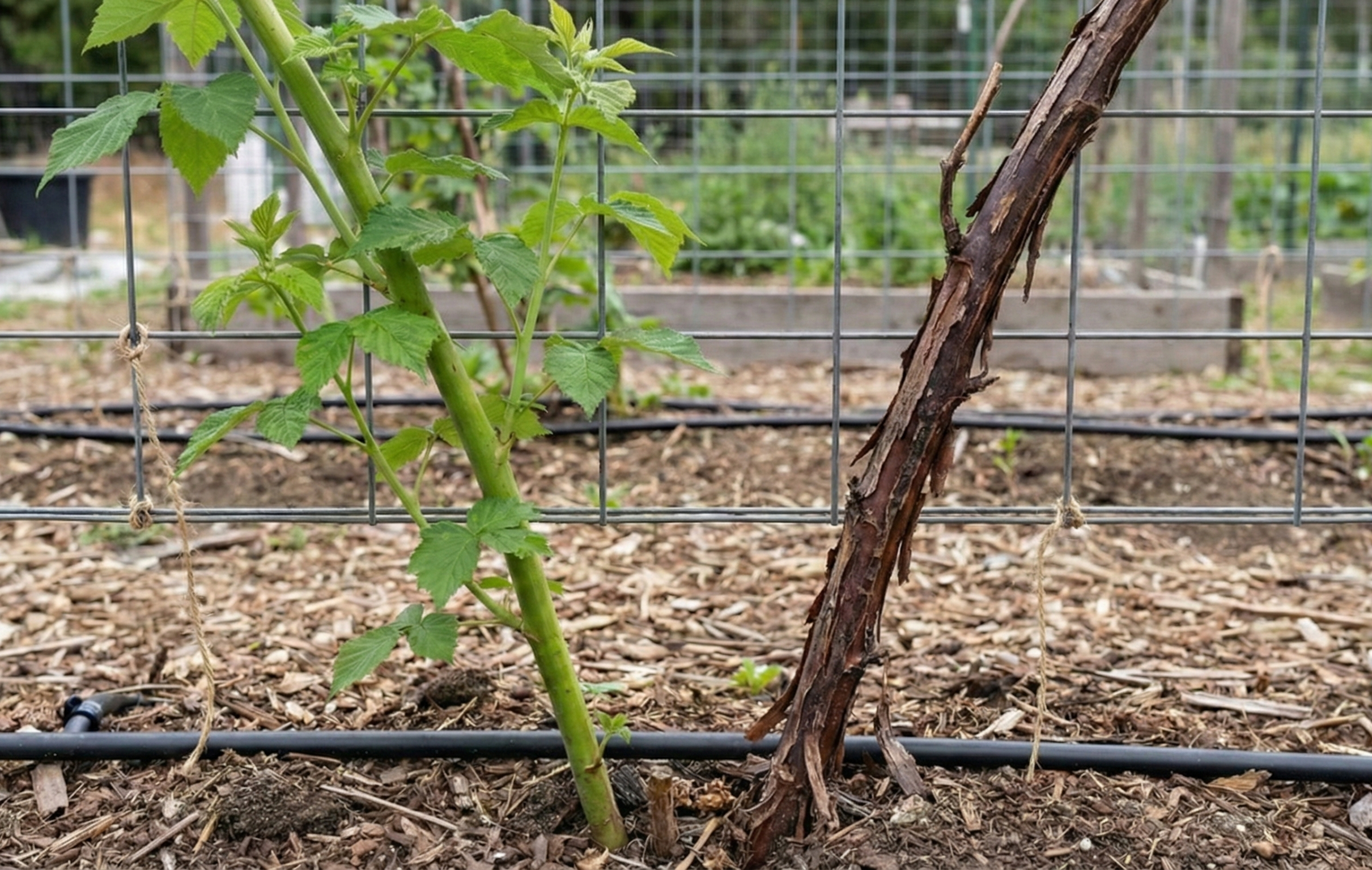
One of the most confusing parts of growing raspberries is figuring out what to do with all those canes, especially when plant tags start talking about "primocane" and "floricane" types. The terminology sounds technical, and getting it wrong can mean accidentally cutting off next year's entire harvest.
The good news is that once you understand how raspberry canes grow and fruit, everything else falls into place. You can choose varieties that match your California garden, select a pruning method that fits your schedule, and decide whether low-maintenance primocane raspberries or traditional floricane types are the better fit for your situation.
For most home gardeners in Santa Cruz County and along the Central Coast, the answer will probably be primocane varieties. But let's walk through the biology first so you understand why.
What Is the Raspberry Cane Lifecycle (In Plain English)?
Raspberry plants have a split personality that confuses many new growers. The roots and crown are perennial, meaning they live for many years. But each individual cane (the above-ground stem) lives for only two growing seasons before dying.
| Feature | Primocane (Fall-Bearing) | Floricane (Summer-Bearing) |
|---|---|---|
| When They Fruit | Late summer through fall (August to October) on current-year canes | Early to mid-summer (May to July) on second-year canes |
| Pruning Method | Simple: Cut all canes to ground in late winter for one fall crop | Selective: Remove only canes that fruited; keep new canes for next year |
| First Harvest | Year 1 (small crop in first fall) | Year 2 (no fruit until second summer) |
| Chill Requirements | Typically lower (300-500 hours); works in coastal and inland areas | Often higher (600-1000+ hours); best for inland/mountain areas |
| Disease Pressure | Lower (annual removal of all canes breaks disease cycles) | Higher (overwintering canes can harbor disease) |
| SWD Pest Pressure | Often lower (fall fruit avoids peak SWD season) | Can be higher (summer fruit coincides with peak SWD) |
| Best For |
Recommended Most Santa Cruz County gardeners, beginners, coastal areas, small spaces |
Good Option Inland/mountain areas, experienced growers, early summer harvest |
| Popular Varieties | Heritage, Caroline, Joan J, Anne, Fall Gold | Willamette, Tulameen, Meeker |
According to Gardening Know How, here's how the basic cycle works:
Year 1 (Primocane stage): A new cane emerges from the crown in spring. This first-year cane is called a primocane. On most traditional raspberry varieties, primocanes spend their entire first season growing leaves and getting taller. They don't produce any fruit.
Year 2 (Floricane stage): That same cane overwinters and returns the following year. Now it's called a floricane. This is when it flowers, produces fruit, and then dies after harvest. Its job is complete.
The cycle continues: While floricanes are busy fruiting and dying, new primocanes are already emerging from the crown to repeat the cycle. A healthy raspberry patch always has both types of canes growing simultaneously (unless you're using a specific pruning method we'll discuss shortly).
After floricanes finish fruiting, you remove them at ground level. This clears space and resources for the next generation of primocanes.
This two-year cane cycle is the foundation of everything else in raspberry growing. Once you understand it, variety selection and pruning both make much more sense.
For a broader overview of raspberry biology and care, see our complete guide to Growing Raspberries in Santa Cruz County.
Understanding Raspberry Cane Types
Primocane vs Floricane: A Visual Guide
Why it's easier: Cut everything down each winter. No need to identify cane ages. Fruit appears on new growth each fall.
Why it's harder: Must identify and selectively prune cane ages. Never cut everything down or you lose next year's crop.
- Fruits: Late summer-fall on Year 1 canes
- Pruning: Cut all canes to ground each winter
- Difficulty: Easy - no cane identification needed
- Chill needs: Low to medium
- Varieties: Caroline, Heritage, Joan J, Anne
- Fruits: Early summer on Year 2 canes
- Pruning: Selective - remove only spent canes
- Difficulty: Moderate - must track cane ages
- Chill needs: Medium to high
- Varieties: Tulameen, Nova, Willamette
For Most Santa Cruz County Gardeners:
Remember These Rules
What Are Primocane-Fruiting (Everbearing) Raspberries?
Here's where it gets interesting for California gardeners.
Plant breeders have developed raspberry varieties that break the traditional two-year fruiting pattern. These are called primocane-fruiting varieties (also marketed as "everbearing" or "fall-bearing" raspberries), and they've become extremely popular for home gardens.
Gardeners Path explains that primocane-fruiting raspberries produce fruit on the upper portions of their first-year canes late in the growing season, typically from late summer through fall. They don't wait until year two to start producing.
If you leave those canes standing through winter, they can also fruit again the following early summer on the lower portions of the cane (now technically floricanes). Then they die like any other floricane.
This gives you two potential options with primocane varieties:
One-crop system: Cut all canes to the ground each winter. New primocanes emerge in spring and fruit in late summer/fall. Simple, clean, and effective.
Two-crop system: Leave fall-fruited canes standing through winter. They'll produce a smaller early-summer crop as floricanes, plus you'll get your main fall crop from new primocanes. More fruit, but more complexity.
Why Primocane Raspberries Work Well in California
UC ANR's Growing Raspberries guide notes that fall-bearing (primocane) types are often easier for California home gardeners. Several factors make them particularly well-suited to our climate:
Reliable cropping in variable winters: Primocane varieties don't depend on the previous winter's chill to set their main crop. Even if you have a warm winter with minimal chill accumulation, primocanes will still produce on the current season's growth.
Simple pruning: The one-crop system (cutting everything to the ground each winter) eliminates the need to identify and sort different cane types. It's nearly foolproof.
Fall harvest timing: The main crop arrives in late summer through fall, which in coastal California means cooler weather, less heat stress on fruit, and often lower pest pressure from spotted wing drosophila compared to summer crops.
Faster first harvest: You can get fruit the same year you plant, rather than waiting for primocanes to become floricanes.
Common primocane raspberry varieties include Heritage, Caroline, Joan J, Anne, and Fall Gold. We cover these in detail in our guide to Best Raspberry Varieties for Santa Cruz County.
What Are Floricane-Fruiting (Summer-Bearing) Raspberries?
Traditional floricane-fruiting raspberries (often called "summer-bearing" varieties) follow the classic two-year pattern described earlier. Primocanes grow one year, overwinter, then fruit the following summer as floricanes.
These varieties have been grown for centuries and include many beloved cultivars like Willamette, Tulameen, and Meeker. According to Raintree Nursery's raspberry guide, they can produce a heavy, concentrated summer crop that's ideal for fresh eating, freezing, or preserving.
Advantages of Floricane Raspberries
Heavy early-summer crop: When conditions are right, floricane varieties can produce large yields in a relatively short window, making them efficient for processing.
Traditional flavor: Many gardeners prefer the flavor of classic summer-bearing varieties, though this is largely subjective and varies by cultivar.
Earlier harvest: If you want raspberries in June and July rather than August through October, floricane types deliver.
Challenges in California
Floricane raspberries can work beautifully in the right conditions, but they present some challenges for California gardeners:
Chill requirements: Many floricane varieties were developed in regions with cold winters and need substantial chill hours (often 800 or more) to fruit well. In mild-winter parts of California, they may produce weakly or inconsistently.
More complex pruning: You must distinguish between primocanes (keep them) and floricanes (remove them after fruiting). Cutting the wrong canes eliminates next year's crop.
Summer pest pressure: The early-summer fruiting window coincides with peak activity for spotted wing drosophila in coastal California, potentially requiring more intensive pest management.
Spring frost risk: Because floricanes fruit on overwintered canes, late spring frosts can damage developing flowers and reduce yields. Primocane varieties avoid this by fruiting on current-season growth.
Floricane varieties tend to work best in cooler, more reliably chilled parts of California (higher elevations, foggy coastal pockets, or areas with consistent cold winters).
What Are the Key Differences Between Primocane and Floricane Raspberries?
The biggest practical difference between primocane and floricane raspberries is how you prune them. Getting this right is essential for good harvests.
| Method | When to Prune | What to Do | Result |
|---|---|---|---|
| Primocane: One-Crop Easiest |
Late winter (January to February) | Cut ALL canes to ground level. No sorting required. | One fall crop (August to October) on new growth |
| Primocane: Two-Crop Moderate |
Early spring + after summer crop | Tip-prune overwintered canes in spring. Remove spent floricanes after early-summer crop. | Small early-summer crop + main fall crop |
| Floricane: Selective Moderate |
After summer harvest + late winter thinning | Remove ONLY canes that just fruited. Keep current-year primocanes for next year. | One summer crop (June to July) on overwintered canes |
Primocane Raspberries: Simple One-Crop Method
This is the approach most home gardeners should use:
In late winter (January through February in Santa Cruz County), cut all canes to the ground or within a few inches of soil level
New primocanes emerge in spring
Those primocanes grow through summer and fruit on their upper portions in late summer through fall
Repeat the following winter
That's it. No sorting, no identifying different cane types. Everything gets cut, everything regrows, you get a fall crop.
Primocane Raspberries: Two-Crop Method
If you want both a fall and early-summer harvest:
After the fall crop finishes, leave those canes standing through winter
In early spring, cut only the tips of those canes (removing the portion that already fruited)
The remaining lower portion will fruit as floricanes in early summer
After that summer crop, remove those spent canes completely
Meanwhile, new primocanes are growing and will produce your main fall crop
Repeat
This method gives you more total fruit but requires keeping track of which canes are which.
Floricane Raspberries: Selective Pruning
With floricane varieties, you never cut everything down:
After the summer harvest, identify the canes that just fruited (floricanes). They'll look tired, with spent fruit clusters.
Remove those floricanes at ground level
Leave the current-year primocanes in place. They'll overwinter and fruit next summer.
In late winter, thin the primocanes if they're overcrowded (keeping the strongest 4-6 per foot of row) and tip them if they're taller than your trellis
Those primocanes become floricanes, fruit in summer, and are removed after harvest
Repeat
The critical rule: never cut all canes on a floricane variety, or you'll have no fruit the following summer.
For detailed visual guides and step-by-step instructions, see our How to Prune Raspberries guide.
Which Type Works Best in Santa Cruz County?
Now for the practical recommendation.
UC ANR emphasizes that raspberries are best suited to cool coastal climates in California, which describes Santa Cruz County well. In theory, either primocane or floricane types can work here. But for most home gardeners, primocane varieties offer significant advantages.
For most Santa Cruz County gardens, primocane raspberries are the easier and more reliable choice.
Here's the reasoning:
Variable winter chill: Santa Cruz County's chill accumulation varies considerably by microclimate and year. Coastal areas may receive 400-600 hours in a typical winter, while inland and mountain areas accumulate more. Primocane varieties don't depend on winter chill for their main crop, making them more consistent.
Simpler management: The one-crop pruning system for primocanes is nearly foolproof. For busy gardeners or those new to raspberries, this simplicity is valuable.
Fall crop timing: Our mild fall weather is perfect for primocane raspberries. The extended harvest from August through October (or even November in warm years) takes advantage of coastal California's long growing season.
Lower SWD pressure: Spotted wing drosophila populations often peak in mid-summer. Fall crops from primocane varieties frequently experience less damage than summer crops from floricane types.
When Floricane Varieties Make Sense
That said, floricane raspberries aren't wrong for Santa Cruz County. Consider them if:
You're in a cooler, higher-elevation microclimate (Ben Lomond, Boulder Creek, upper Scotts Valley) with reliable winter chill
You specifically want an early-summer harvest (June/July)
You're comfortable with more complex pruning
You want to grow specific heritage varieties only available in floricane types
Greg Alder's detailed guide to growing raspberries in Southern California notes that even in warmer parts of California, gardeners lean heavily on primocane raspberries because they perform more reliably. His observations apply equally well to the warmer pockets of Santa Cruz County.
How Can You Tell Which Type You Already Have?
If you inherited raspberries with your garden or can't find the original plant tag, you can figure out what type you're growing by observation.
Check the Label First
If you still have the plant tag or nursery receipt, look for these terms:
Primocane-fruiting indicators: "Everbearing," "fall-bearing," "primocane-fruiting," or variety names like Heritage, Caroline, Joan J, Anne, Fall Gold
Floricane-fruiting indicators: "Summer-bearing," "June-bearing," or variety names like Willamette, Tulameen, Meeker, Canby
Observe Your Plants for a Season
Gardeners Path suggests watching your plants through a full growing season:
If you have primocane types: You'll see fruit forming on the upper portions of current-season canes in late summer or fall. These canes emerged just that spring and are already producing.
If you have floricane types: Fruit appears only on canes that overwintered (they'll have bark that looks more mature than fresh spring growth). New canes that emerge in spring won't fruit until the following year.
A key test: If you cut all canes to the ground one winter and still get fruit that fall, you have primocane-fruiting raspberries. If you cut everything and get no fruit the following summer, you likely had floricane types (and just learned an expensive lesson).
How Do You Match Cane Type to Your Gardening Style?
Beyond climate, consider your personal gardening preferences when choosing between primocane and floricane raspberries.
| Factor | Primocane (Everbearing) | Floricane (Summer-Bearing) |
|---|---|---|
| Best Climate | Mild winters, variable chill, coastal areas | Cooler areas with reliable winter chill (800+ hours) |
| Harvest Season | Late summer through fall (August to October) | Early to mid-summer (June to July) |
| Pruning Complexity | Simple (cut everything down) | Moderate (selective cane removal) |
| First-Year Fruit | Yes, fall of planting year | No, must wait until second summer |
| SWD Pest Pressure | Often lower (fall crop avoids peak) | Can be higher (summer crop during peak) |
| Best For | Beginners, busy gardeners, coastal Santa Cruz, containers | Experienced growers, cooler microclimates, early-summer harvest |
| Popular Varieties | Heritage, Caroline, Joan J, Anne, Fall Gold | Willamette, Tulameen, Meeker |
Choose Primocane Raspberries If You:
Want the simplest possible pruning (cut everything down once a year)
Are new to growing raspberries
Have limited time for garden maintenance
Live in a mild-winter area with variable chill
Prefer a fall harvest when weather is cooler
Want fruit the first year after planting
Choose Floricane Raspberries If You:
Want a concentrated early-summer harvest for preserving
Have a cooler microclimate with reliable winter chill
Are comfortable identifying and selectively pruning different cane types
Want to grow specific heritage or specialty varieties
Already have experience with caneberries
The Best of Both Worlds
Some gardeners plant both types: a few primocane plants for reliable fall production and simple care, plus a few floricane plants for early-summer harvest. This extends your raspberry season from June through October and provides insurance against variable weather or pest pressure affecting one crop.
Frequently Asked Questions
Can I convert a primocane raspberry to floricane production?
Primocane and floricane are genetic traits, not management choices. A primocane-fruiting variety will always have the ability to fruit on first-year canes. However, you can choose to manage primocane varieties using the two-crop method (leaving some canes to also fruit as floricanes) if you want both fall and early-summer harvests.
Will primocane raspberries produce in summer if I don't cut them down?
Yes, if you leave primocane canes standing through winter, the lower portions that didn't fruit in fall will produce a smaller crop as floricanes the following early summer. But your main crop will still be the fall harvest on new primocanes.
Are primocane raspberries less flavorful than floricane types?
Not inherently. Flavor depends more on variety, ripeness, and growing conditions than on cane type. Some of the best-flavored raspberries for home gardens (like Caroline) are primocane types.
Why do some sources call them "everbearing" when they don't bear all year?
The term "everbearing" is somewhat misleading. These varieties don't produce continuously like some strawberries. They're called everbearing because they can potentially produce two crops per year (fall on primocanes, early summer on floricanes) rather than just one. "Fall-bearing" or "primocane-fruiting" are more accurate terms.
I cut all my raspberry canes last winter and got no fruit this summer. What happened?
You likely have floricane-fruiting raspberries. Cutting all canes removed the overwintered floricanes that would have fruited in summer. Let your primocanes grow this year and don't cut them next winter. They'll produce as floricanes the following summer. (Or replace with primocane varieties if you prefer the simple cut-everything approach.)
Can I grow primocane and floricane raspberries in the same bed?
Technically yes, but it complicates management. You'd need to identify which canes belong to which type when pruning, which is difficult when plants are intermixed. It's easier to keep them in separate areas or rows.
Do primocane raspberries need a trellis? They benefit from support, especially with the one-crop system where canes grow tall in a single season. A simple two-wire trellis keeps canes upright and makes harvesting easier. See our Growing Raspberries in Santa Cruz County guide for trellis options.
Which type is better for containers?
Primocane varieties are generally better for containers because you can cut them to the ground each winter, making management simpler in a confined space. The compact growth after annual cutback also fits containers better than the two-year accumulation of canes in floricane types.
Downloadable Guides
These free PDF resources will help you succeed with raspberries:
Seasonal Planting Calendar: Month-by-month guide including raspberry planting windows for Santa Cruz County.
Know Your Microclimate Worksheet: Identify your garden's chill accumulation and conditions to choose the right raspberry type.
Garden Troubleshooting Guide: Diagnose common plant problems including issues affecting berries.
Next Steps
Now that you understand the difference between primocane and floricane raspberries, you're ready to make informed decisions about varieties and pruning.
Our recommendation for most Santa Cruz County gardeners: Start with a primocane variety like Heritage, Caroline, or Joan J. Use the simple one-crop pruning method (cut everything down each winter). Enjoy your fall raspberries with minimal fuss.
Once you're comfortable with cane identification and pruning, you might experiment with a floricane variety for early-summer fruit or try the two-crop system with your primocanes for extended harvest.
Related Articles
Growing Raspberries in Santa Cruz County: A Complete Guide - Everything you need to know to grow raspberries successfully in our coastal climate.
Best Raspberry Varieties for Santa Cruz County Gardens - Top-performing varieties matched to our local microclimates and conditions.
How to Prune Raspberries: A Step-by-Step Guide - Clear pruning instructions for both primocane and floricane types.
Growing Raspberries in Containers - How to grow productive raspberry plants in pots and small spaces.
Raspberry Growth Stages: What to Expect Year by Year - A timeline of raspberry development from planting to peak production.
Raspberry Problems: Pests, Diseases, and Common Issues - Diagnose and solve common raspberry growing challenges in California.
