

Gopher Control: What Actually Works in Santa Cruz
A few of the product links in this guide are affiliate links. If you buy through one, Ambitious Harvest may earn a small commission at no extra cost to you, which helps keep these guides free. We only point to gear we would use in our own Santa Cruz garden. As an Amazon Associate, we earn from qualifying purchases. Read our full disclosure.
How Bad Is the Gopher Problem in Santa Cruz County?
The most effective gopher control methods for Santa Cruz County gardens are exclusion (hardware cloth in raised beds), trapping (Macabee or Cinch traps placed in main tunnels), and gopher baskets for individual plants. According to UC IPM, trapping is a safe and effective way to control pocket gophers, and if you have not caught one within a day or two you should move the traps to a different tunnel.
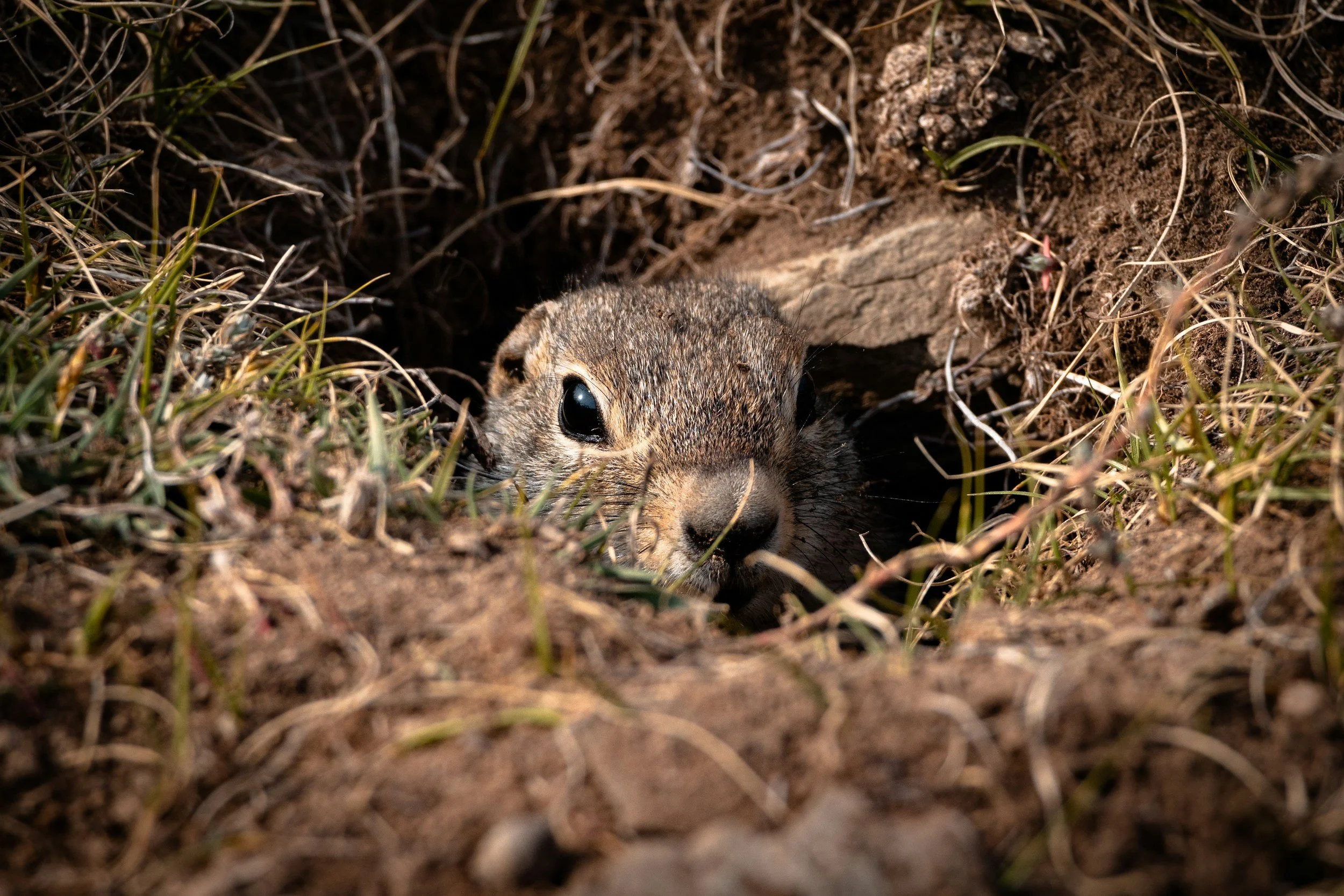
Pocket gophers are the bane of local gardeners. They tunnel through beds, devour root vegetables from below, kill fruit trees, and leave your garden looking like a minefield of fresh mounds. Unlike moles (which eat insects and mostly just make a mess), gophers eat plants. Your plants.
The UC IPM pocket gopher management guide confirms that trapping is the most effective method for controlling gophers in home gardens, with Gophinator and Macabee-style traps being the most successful when placed in active main tunnels.
The internet is full of gopher control advice, much of it useless. Let's focus on what actually works here in Santa Cruz.
What Do You Need to Know About Gopher Behavior?
Before you can beat gophers, it helps to understand them.
How they live:
Gophers are solitary. Each tunnel system typically belongs to one gopher (except during breeding season).
They can dig 200+ feet of tunnels and create multiple mounds per day.
They're active year-round and don't hibernate.
They eat roots, tubers, bulbs, and will pull entire plants down from below.
A single gopher can destroy a lot of garden in a short time.
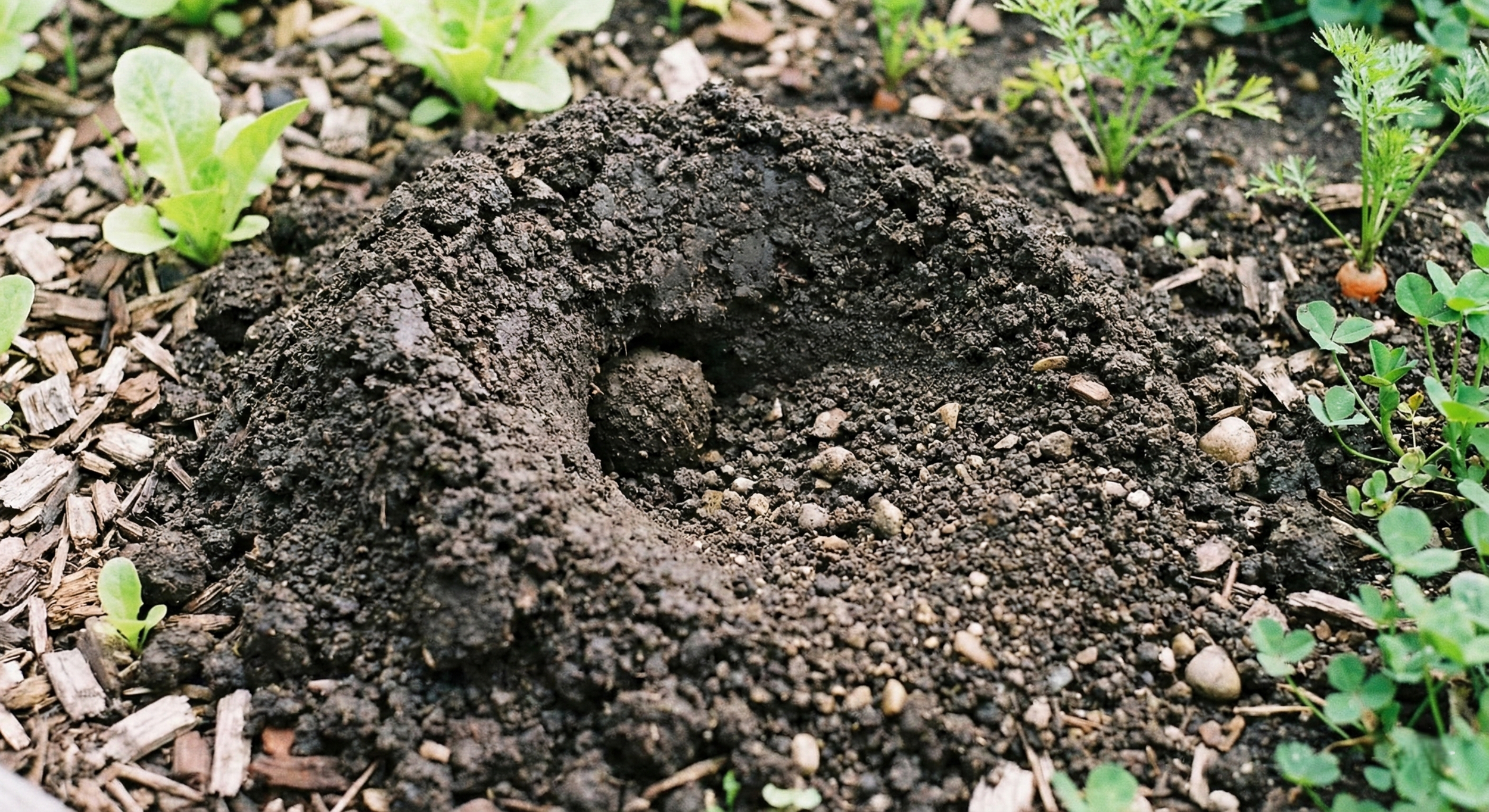
What those mounds mean:
Fresh, moist, dark soil = active gopher, tunnels in use
Old, dry, collapsed mounds = abandoned tunnels (but a new gopher may move in)
Fan-shaped mounds with a plugged hole on one side = gopher (not mole)
Moles make volcano-shaped mounds and raised ridges; gophers make crescent-shaped mounds
Why they love your garden: Your irrigated, amended, plant-rich garden is gopher paradise. Soft soil for easy digging, plenty of roots to eat, and consistent moisture. You've basically built them a buffet.
What Gopher Control Methods Actually Work?
Here are the options:
Trapping (Most Effective)
Trapping is the most reliable way to eliminate gophers. It's not glamorous, but it works.
Best traps:
Cinch traps , Easy to set, very effective. Many local gardeners swear by these.
Macabee traps , The classic. Requires more practice to set correctly.
GopherHawk , Newer design, easier for beginners.
Black Box traps , Enclose the trap, keeping pets and kids safer.
How to trap effectively:
Find the main tunnel. Probe near a fresh mound with a metal rod or long screwdriver. When you break through into the tunnel (you'll feel it give), you've found it. Main tunnels are usually 6 to 12 inches deep.
Open the tunnel. Dig down to expose the tunnel. You'll see a horizontal passage, usually 2 to 3 inches in diameter.
Set traps in both directions. Gophers could come from either way. Place two traps, one facing each direction.
Secure the traps. Attach wire or string so you can retrieve them (and so the gopher doesn't drag them deeper into the tunnel).
Cover the hole. Block light with a board, pot, or soil. Gophers will come to investigate and plug any opening, running right into your trap.
Check daily. If you haven't caught anything in 2 to 3 days, move to a different tunnel.
Tips for success:
Fresh mounds mean active tunnels. Focus there.
Wear gloves to minimize human scent (though gophers aren't as scent-sensitive as some claim).
Learn from failures. If a trap is sprung but empty, adjust your technique.
Persistence matters. It may take several attempts.
Gopher Baskets and Hardware Cloth (Prevention)
You can't eliminate every gopher, but you can protect your plants.
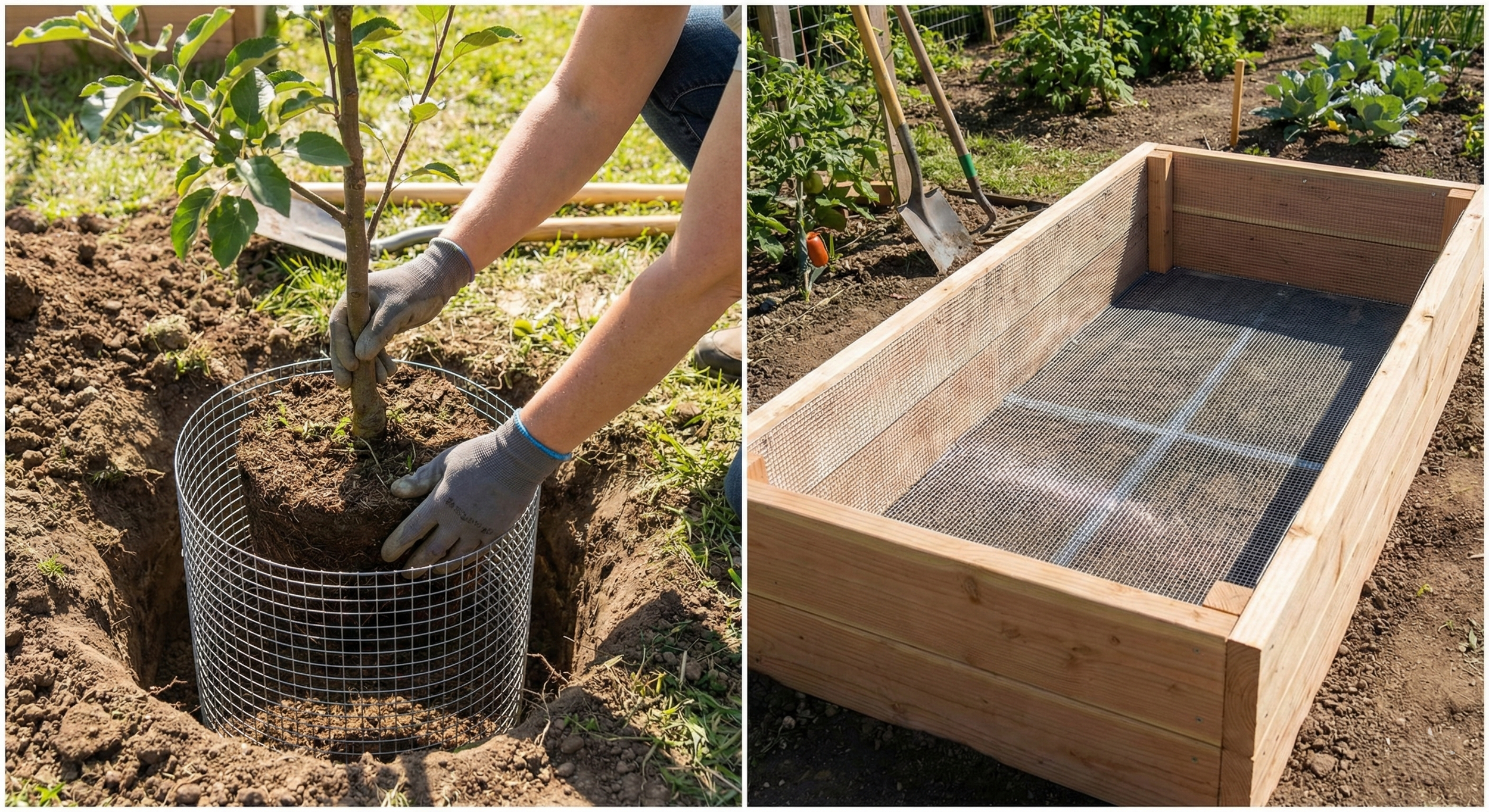
Gopher baskets:
Wire mesh baskets you plant into, protecting the root zone
Available at local nurseries (Sierra Azul, San Lorenzo Garden Center, etc.)
Use for individual high-value plants: fruit trees, tomatoes, perennials
DIY version: form hardware cloth into a basket shape
Raised beds with hardware cloth:
Line the bottom of raised beds with 1/2-inch hardware cloth before filling with soil
The most effective protection for intensive vegetable gardens
Worth the investment for new beds
Retrofit existing beds if gopher pressure is severe (painful but effective)
Hardware cloth specifications:
Use 1/2-inch mesh (gophers can squeeze through larger openings)
Galvanized or stainless steel lasts longer
Extend 6 inches up the sides of the bed
Overlap seams and secure tightly
Exclusion Fencing (For Larger Areas)
If you're protecting a larger garden or orchard:
Bury hardware cloth 18 to 24 inches deep around the perimeter
Extend 6 inches above ground level
Labor-intensive but creates a long-term barrier
Not 100% effective (gophers can dig deep) but significantly reduces pressure
What Gopher Control Methods Have Mixed Results?
These methods have mixed results:
Flooding: Running water into tunnels can drive gophers out but rarely kills them. They often just move to another part of their tunnel system and wait it out. May work temporarily if combined with trapping.
Gopher-resistant plants: Some plants are less appealing to gophers:
Daffodils and alliums (toxic to gophers)
Gopher spurge (Euphorbia lathyris)
Rosemary, lavender, salvia
Society garlic
Interplanting these may provide some deterrence, but hungry gophers will tunnel right past them to reach your tomatoes.
Barn owls: Owls do eat gophers (lots of them). Installing owl boxes can help over time, but:
It's a long-term strategy, not immediate relief
You need habitat that attracts owls
One owl won't eliminate all your gophers
Worth doing as part of an integrated approach
What Gopher Remedies Are a Waste of Time?
Save your money and frustration:
Ultrasonic devices: Those solar-powered vibrating stakes? Gophers quickly habituate to them. Studies show they don't work. Don't waste your money.
Chewing gum: The theory is gophers will eat it and die. They won't. This is a myth.
Flooding with exhaust: Dangerous to you, not particularly effective on gophers given their extensive tunnel networks with multiple exits.
Poison peanuts and baits (not recommended):
Can work but have serious drawbacks
Risk to pets, children, and wildlife that might eat poisoned gophers
Gophers may cache bait without eating it
Dead gophers in tunnels attract new gophers
Juicy Fruit gum, coffee grounds, human hair, etc.: None of these home remedies have any scientific backing. Gophers don't care.
What Is the Best Integrated Approach to Gopher Control?
The most successful strategy combines methods:
Protect what matters most with gopher baskets and hardware cloth in raised beds.
Trap actively when you see fresh activity. Stay on top of it rather than letting populations build.
Encourage natural predators. Owl boxes, snake-friendly habitat, and avoiding pesticides help maintain predator populations.
Accept some losses. You'll never be completely gopher-free. Plant extras and protect your highest-value crops.
When Should You Call a Professional for Gopher Control?
If you're overwhelmed, professional trappers can help. Look for:
Licensed pest control operators with gopher experience
Trappers who use mechanical traps (not just poison)
Local operators who understand Santa Cruz gopher behavior
The Gopher Guy, Critter Control, and various local pest management companies serve Santa Cruz County. Ask neighbors for recommendations.
Can You Learn to Live with Gophers in Your Garden?
Here's the hard truth: you will probably never completely eliminate gophers from your property. They're endemic to this area, and as soon as you remove one, another may move into the vacant tunnel system.
The goal isn't eradication. It's management. Protect your most valuable plants, trap when populations spike, and don't let perfect be the enemy of good enough.
Every gardener in Santa Cruz County fights this battle. You're not alone.
Frequently Asked Questions About Gopher Control in Santa Cruz County
What is the most effective way to kill gophers in Santa Cruz County?
Trapping is the most effective gopher control method in Santa Cruz County. Cinch traps are easy to set and highly effective (many local gardeners swear by them). Macabee traps are the classic choice but take practice. Find the main tunnel by probing near fresh mounds, set two traps facing opposite directions, cover the hole to block light, and check daily. Persistence matters since it may take several attempts per gopher.
Do those vibrating solar stakes actually repel gophers?
No. Ultrasonic and vibrating devices do not work. Studies consistently show gophers quickly habituate to them and continue tunneling normally. These devices are a waste of money. Save your frustration and invest in hardware cloth, traps, or gopher baskets instead. This is one of the most common questions Santa Cruz gardeners ask, and the answer is always the same: skip the stakes.
How do I protect my raised beds from gophers in Santa Cruz?
Line the bottom of raised beds with 1/2-inch hardware cloth before filling with soil. This is the most effective protection for vegetable gardens. Use galvanized or stainless steel mesh, extend it 6 inches up the sides, and secure all seams tightly. Retrofit existing beds if gopher pressure is severe. Local nurseries like Sierra Azul, San Lorenzo Garden Center, and hardware stores carry hardware cloth.
What are gopher baskets and do they work?
Gopher baskets are wire mesh baskets you plant into, protecting the root zone of individual plants. They work well for high-value plants like fruit trees, tomatoes, roses, and perennials. Buy pre-made baskets at local nurseries or make your own from hardware cloth. Use 1/2-inch mesh (gophers squeeze through larger openings). Gopher baskets are especially valuable for expensive plants you can't afford to lose.
Why are gophers so bad in Santa Cruz County gardens?
Your irrigated, amended, plant-rich garden is gopher paradise. You've created soft soil for easy digging, plenty of roots to eat, and consistent moisture. Santa Cruz County's mild climate means gophers are active year-round without winter die-off. They don't hibernate and can dig 200+ feet of tunnels per day. One gopher can destroy significant garden space quickly. Our conditions are simply ideal for them.
Will barn owls help control gophers in Santa Cruz?
Yes, but it's a long-term strategy, not immediate relief. A single barn owl can eat over 1,000 gophers per year. Installing owl boxes helps, but you need suitable habitat to attract owls, and one owl family won't eliminate all your gophers. Consider owl boxes as part of an integrated approach alongside trapping and exclusion. It takes time for owls to discover and use new boxes.
What home remedies don't work for gophers?
Skip these: Juicy Fruit gum (gophers won't eat it), coffee grounds, human hair, mothballs, castor oil, garlic, and flooding tunnels with hose water or car exhaust (dangerous and ineffective). These home remedies have no scientific backing. Gophers simply don't care about them. Focus your energy on proven methods: trapping, hardware cloth, and gopher baskets.
Should I hire a professional for gopher control in Santa Cruz?
Consider professional help if you're overwhelmed or have severe infestations. Look for licensed pest control operators with gopher experience who use mechanical traps (not just poison). The Gopher Guy, Critter Control, and various local pest management companies serve Santa Cruz County. Ask neighbors for recommendations. Professionals can reduce populations quickly, then you can maintain with your own trapping.
Free Gopher Control Resources
Download this free guide for quick reference when dealing with gophers:
Gopher Control Guide , Our complete gopher control quick-reference guide. Includes gopher vs. mole identification, step-by-step trapping instructions, what works (and what doesn't), predator encouragement, and a gopher control checklist. Print it out and keep it in your garden shed.
Garden Troubleshooting Guide , Quick-reference for diagnosing garden problems including pest damage, wilting plants, and other issues that might (or might not) be gopher-related.
Beginner Garden Setup Checklist , Planning a new garden? This checklist includes gopher protection considerations for raised beds and in-ground planting.
