

Learn
CATEGORIES
- Beginner Gardening
- California Gardening
- Companion Planting
- Container Gardening
- Edible Gardening
- Fire-Wise Gardening
- Food Safety
- Garden Myth Buster
- Garden Planning
- Garden Question of the Week
- Gardening with Kids
- Getting Started
- Grow Guides
- Growing Guides
- Herbs
- How-To Guides
- Indoor Gardening
- Microclimates
- Microgreens and Indoor Growing
- Monthly Garden Checklist
- Nutrition
- Planning & Planting
- Plant Problems
- Seasonal Gardening
- Seasonal Planting
- Succulents
- This vs. That
- Water-Wise Gardening
- Wildlife and Pest Management
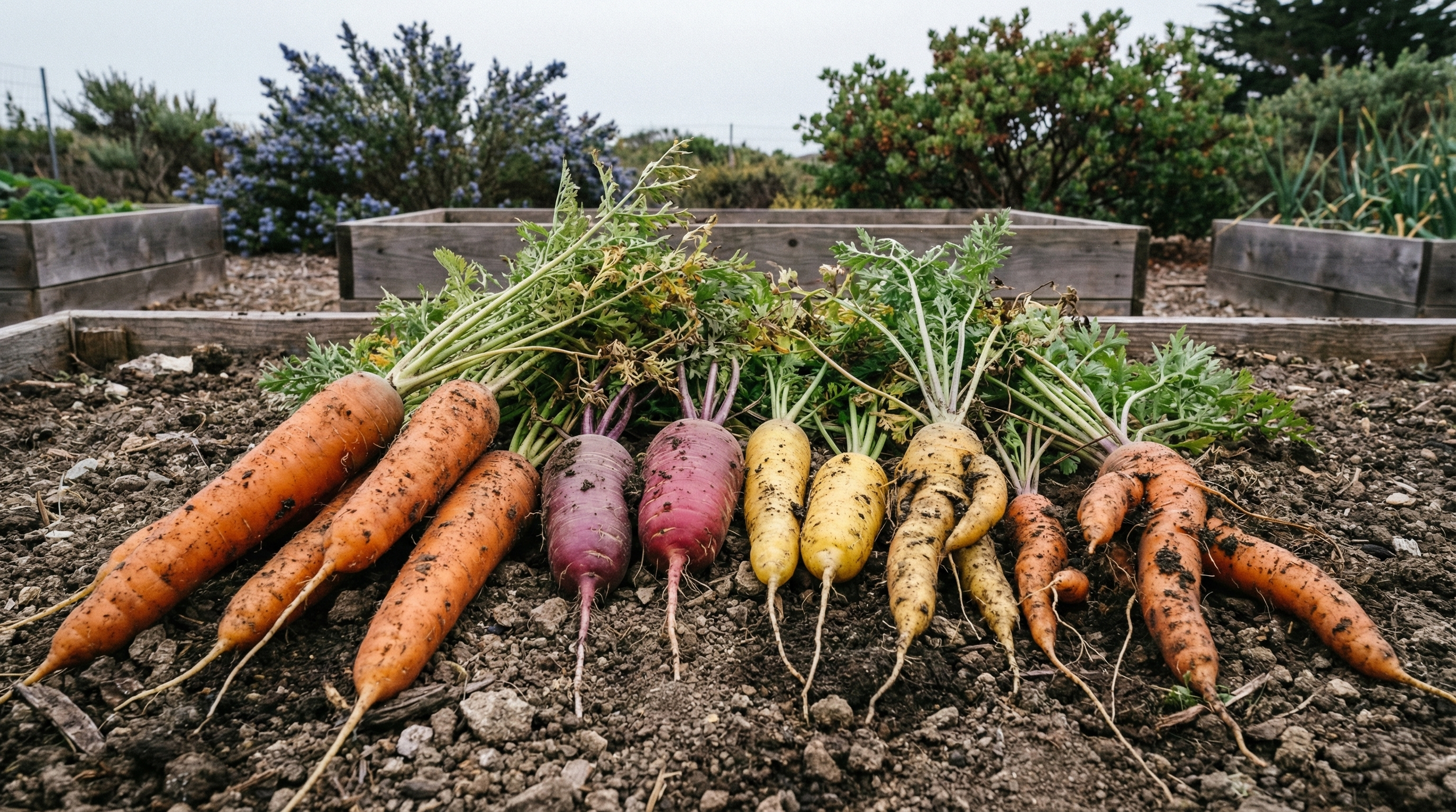
Best Carrot Varieties for Santa Cruz County Gardens
Not all carrots are created equal. Discover 12 varieties that thrive in Santa Cruz County's clay soil and varied microclimates, with specific recommendations for your garden.
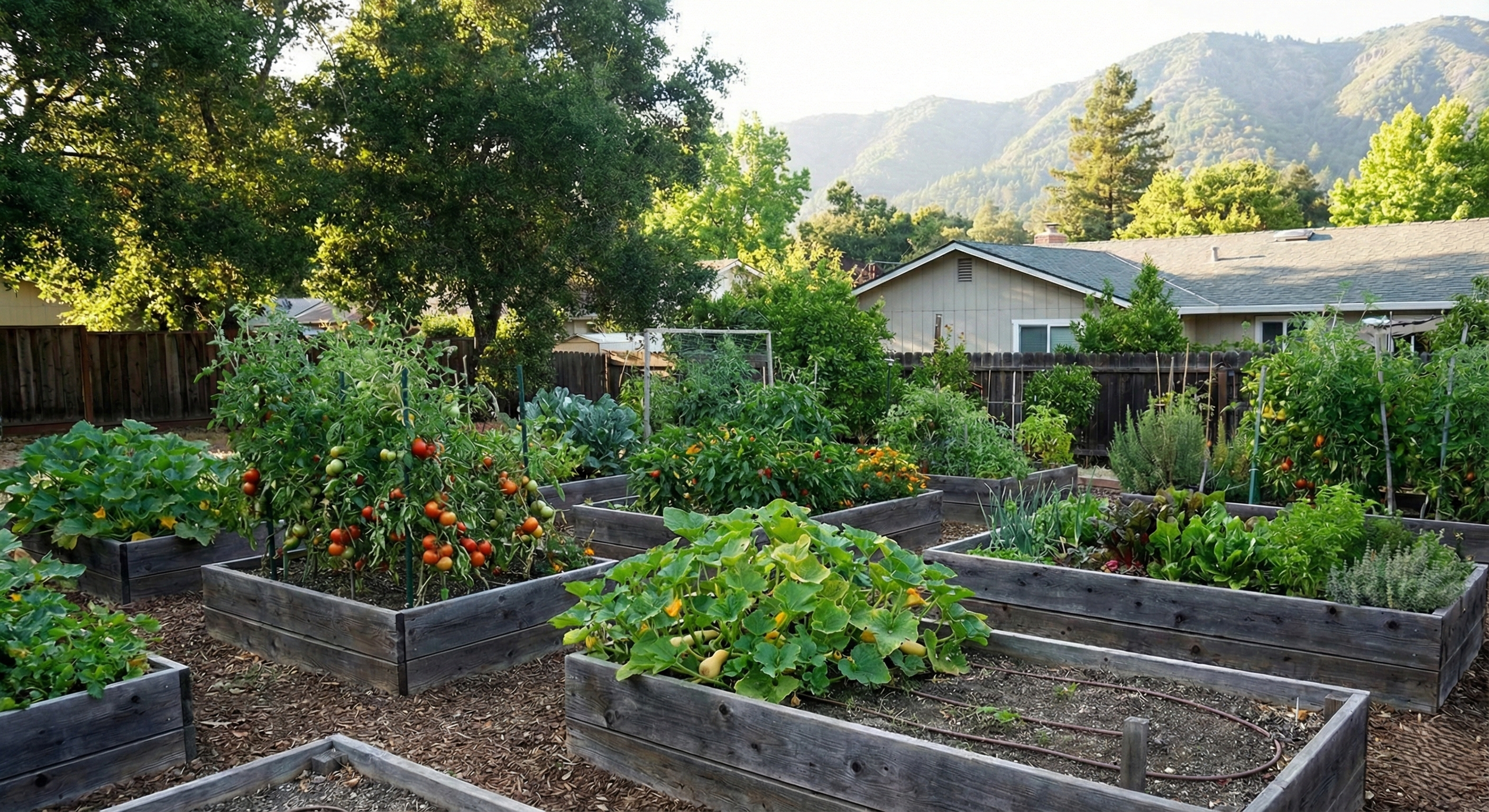
Do I Really Need to Rotate My Crops in a Small Garden?
Even two or three raised beds benefit from crop rotation. Moving plant families each season reduces disease and pest buildup in your soil.

Living with Wildlife: Raccoons, Squirrels & Other Garden Raiders
Practical strategies for coexisting with raccoons, squirrels, birds, rats, and other wildlife in your Santa Cruz County garden while protecting your harvest.
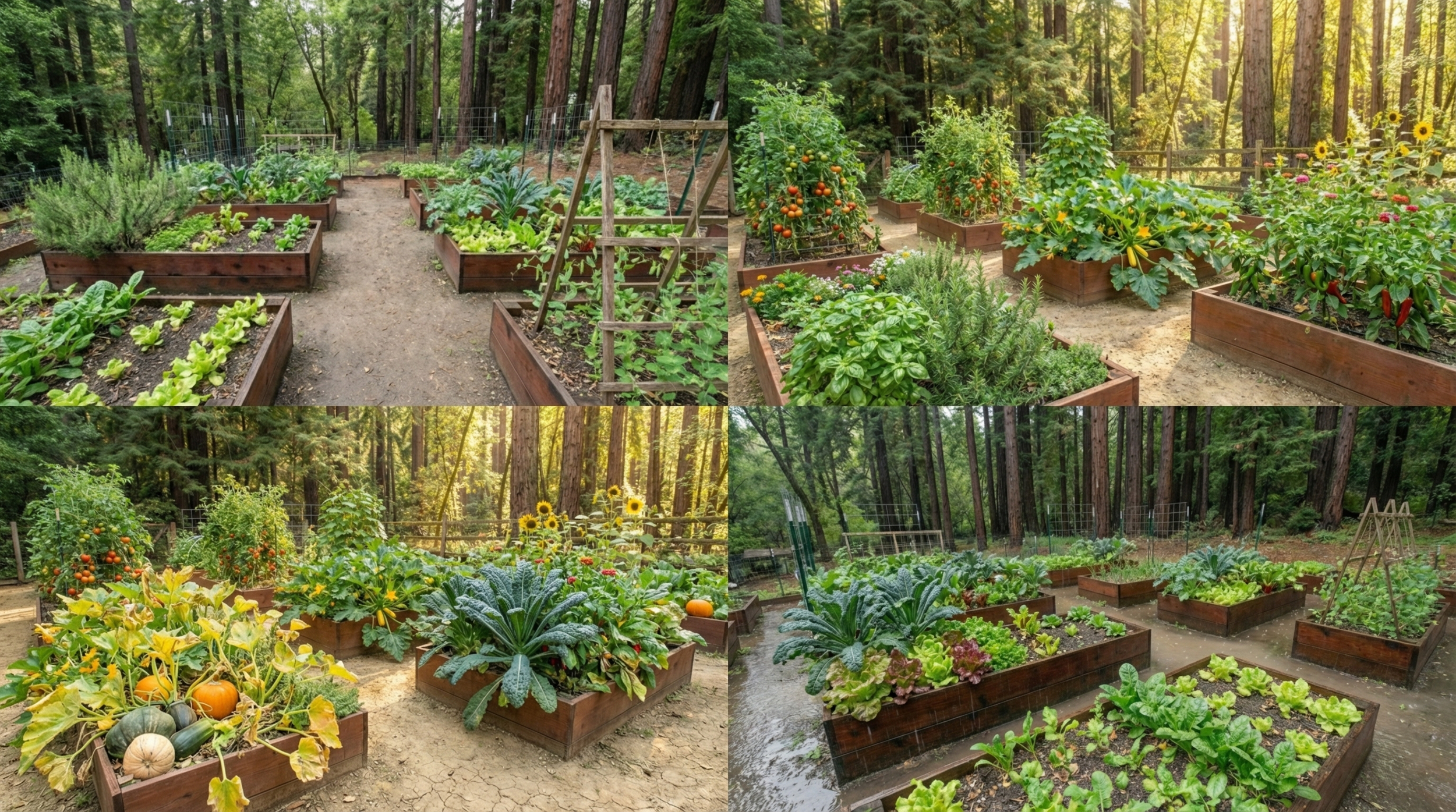
The Complete Guide to Watering Your Garden in Santa Cruz County: A Year-Round, Data-Driven Approach
Master Santa Cruz County's unique watering rhythm with this complete year-round guide. From winter's rain-fed ease to summer's irrigation demands, learn when and how much to water in every season.

Growing Cut Flowers from Seed in Santa Cruz County
Starting cut flowers from seed opens up hundreds of varieties and saves significant money. Here is how to do it successfully in Santa Cruz County.
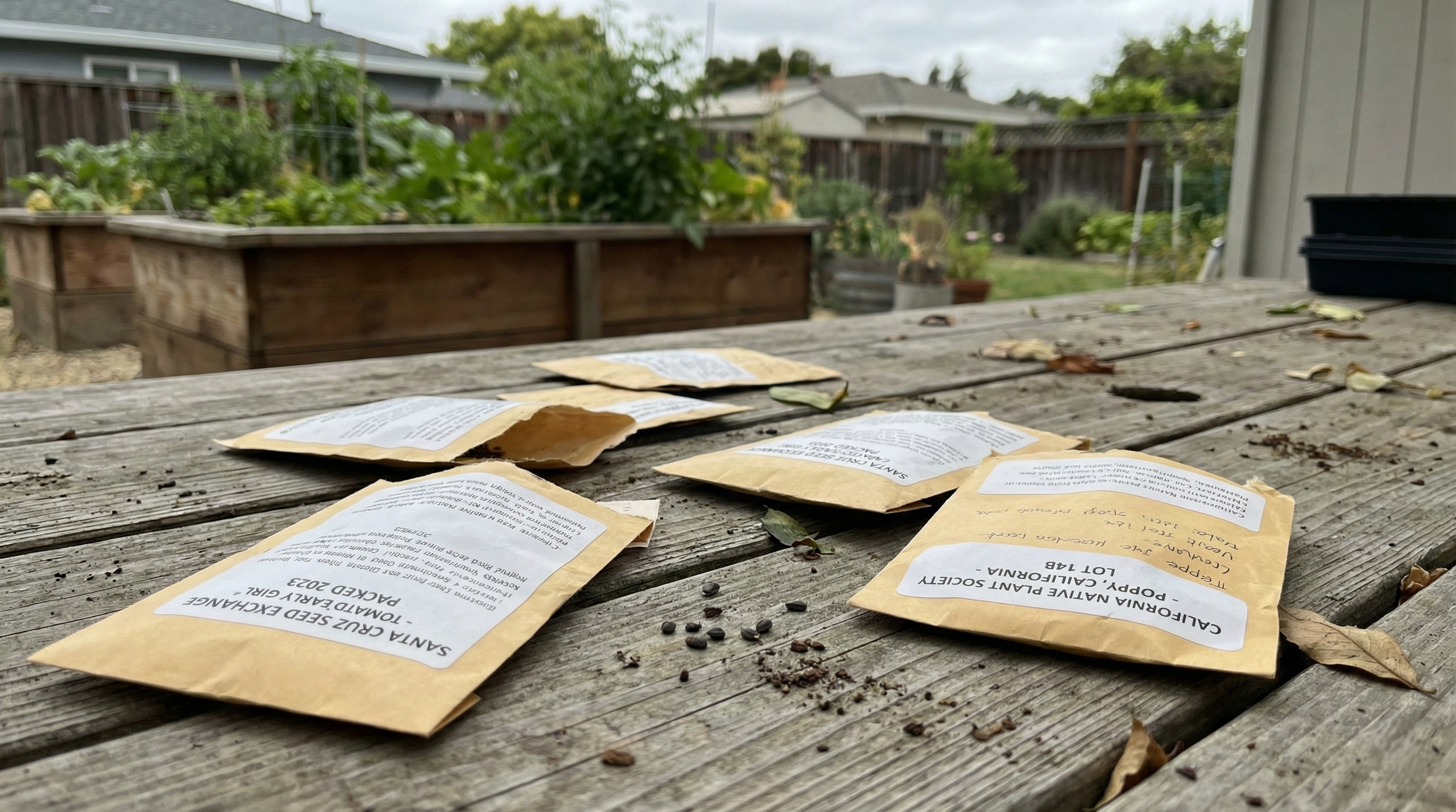
Reading Seed Packets: What All Those Numbers Mean
Learn to decode seed packet information for Santa Cruz County gardens. Understand days to maturity, planting depth, spacing, and how to adapt generic instructions for our local climate.
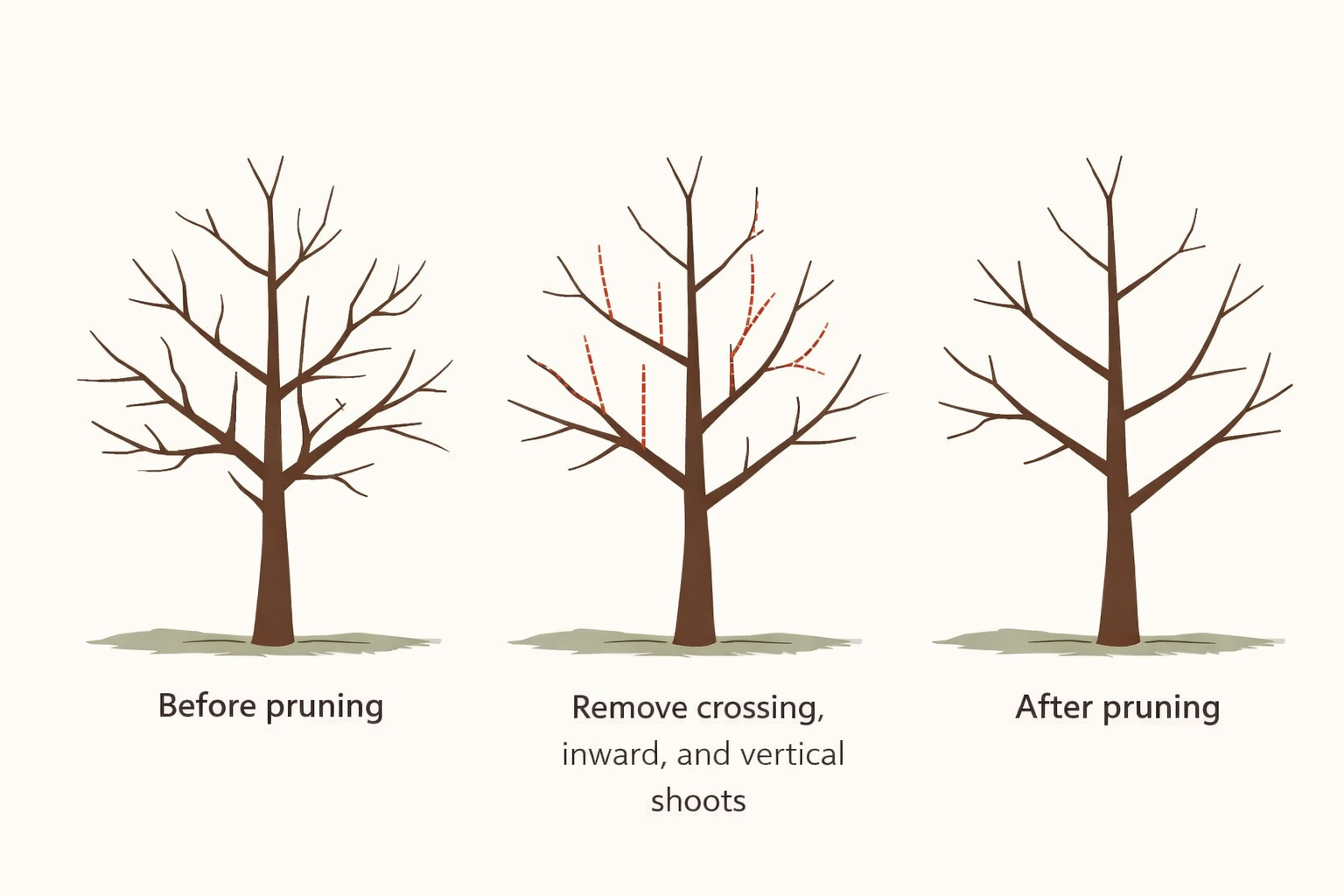
When Should I Prune Fruit Trees in Santa Cruz?
Prune stone fruit in late January and pome fruit in February while fully dormant. Apricots are the exception: prune after summer harvest.
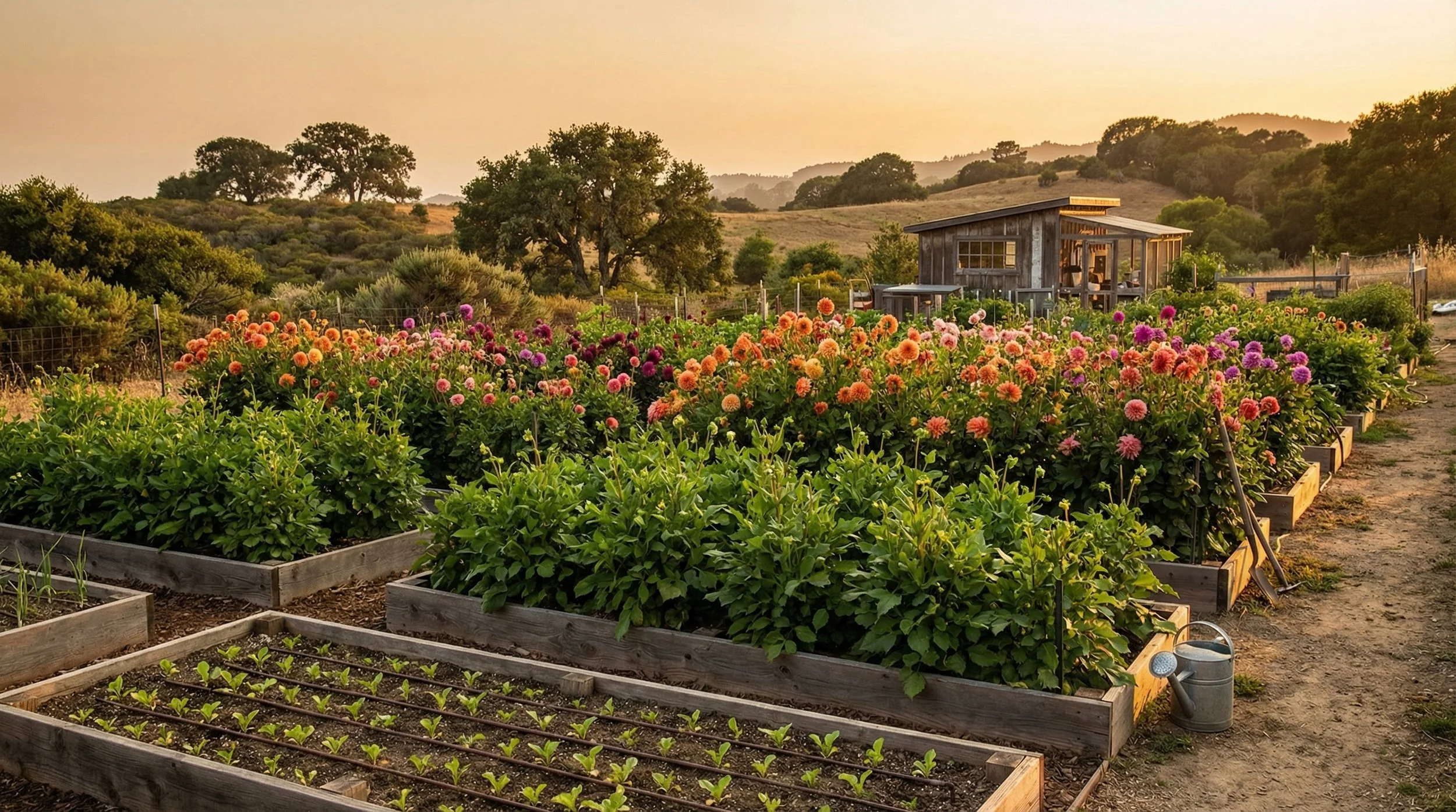
Succession Planting Cut Flowers for Continuous Blooms
One planting is never enough for a steady supply of cut flowers. Succession planting keeps blooms coming from spring through fall.
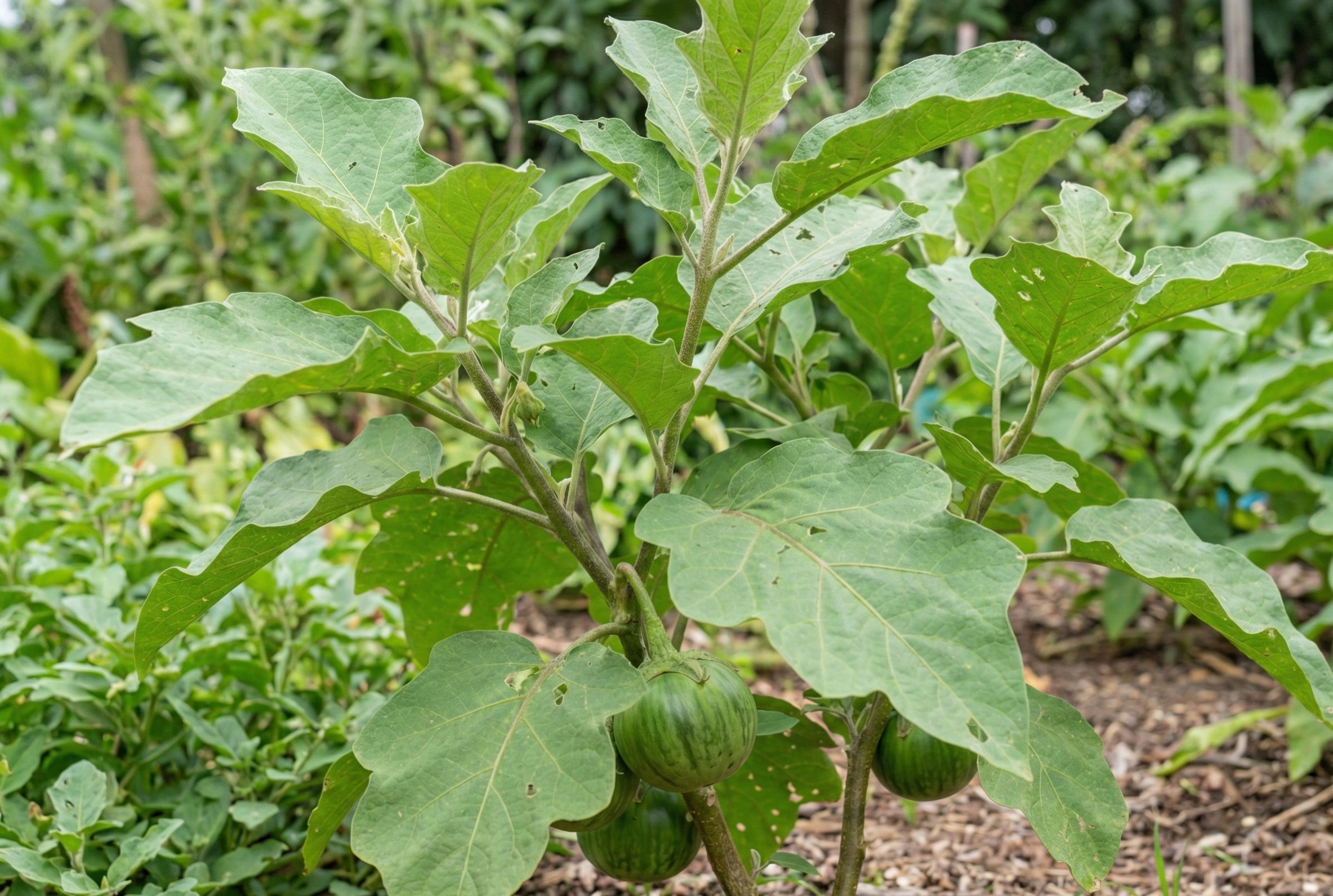
Growing Gboma Eggplant in Santa Cruz County: A Leafy Green You Haven't Tried
Gboma eggplant is grown primarily for its nutritious leaves, not its fruit. This West African vegetable produces abundant greens all summer and handles Santa Cruz County's mild temperatures well.
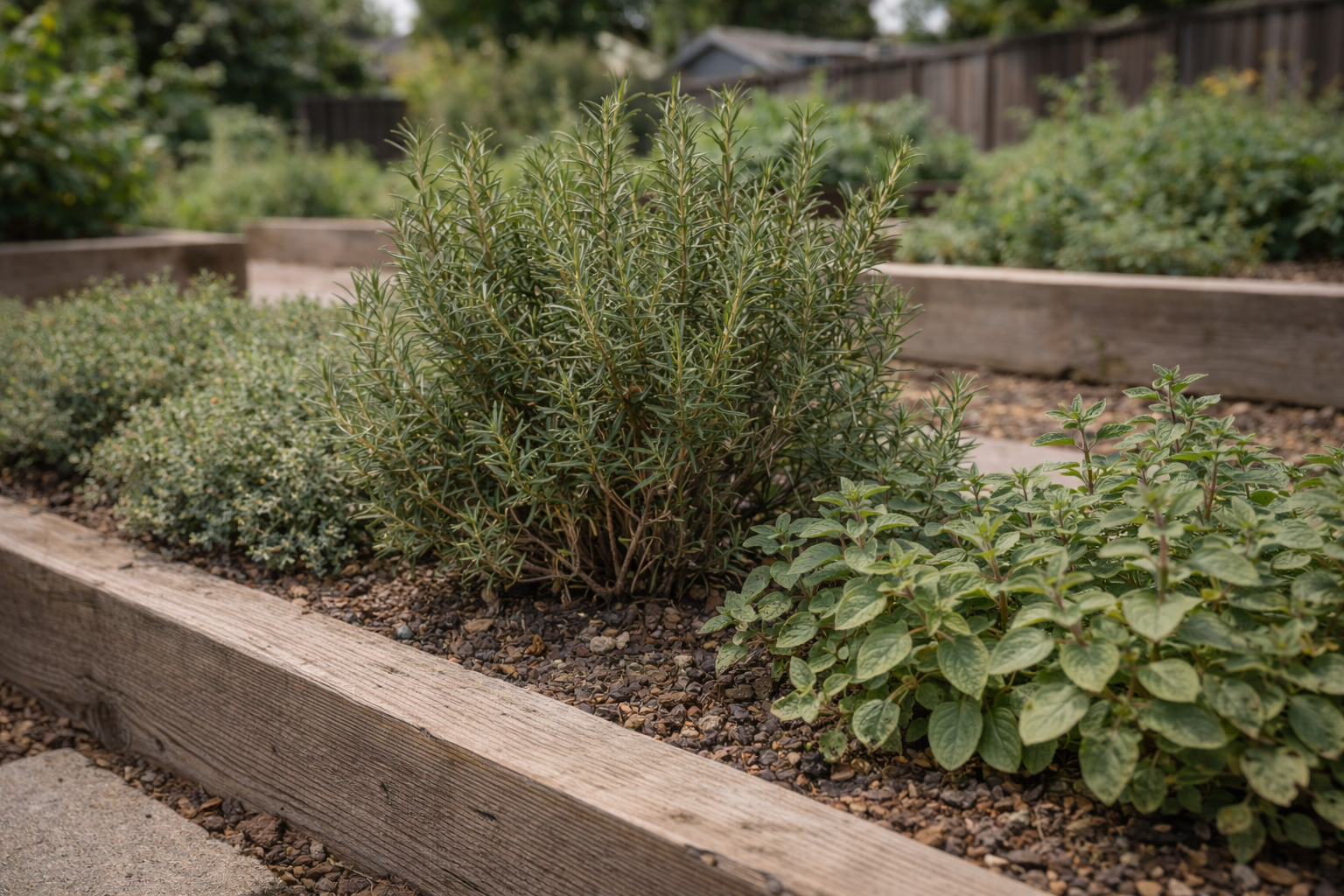
Why Rosemary Thrives in Santa Cruz (Almost Too Well)
Rosemary may be the most forgiving herb you can grow in Santa Cruz County. This aromatic Mediterranean shrub thrives on neglect, produces year-round harvests, and lives for decades with minimal care. Here's everything you need to know about growing rosemary successfully, including important fire safety considerations for mountain properties.
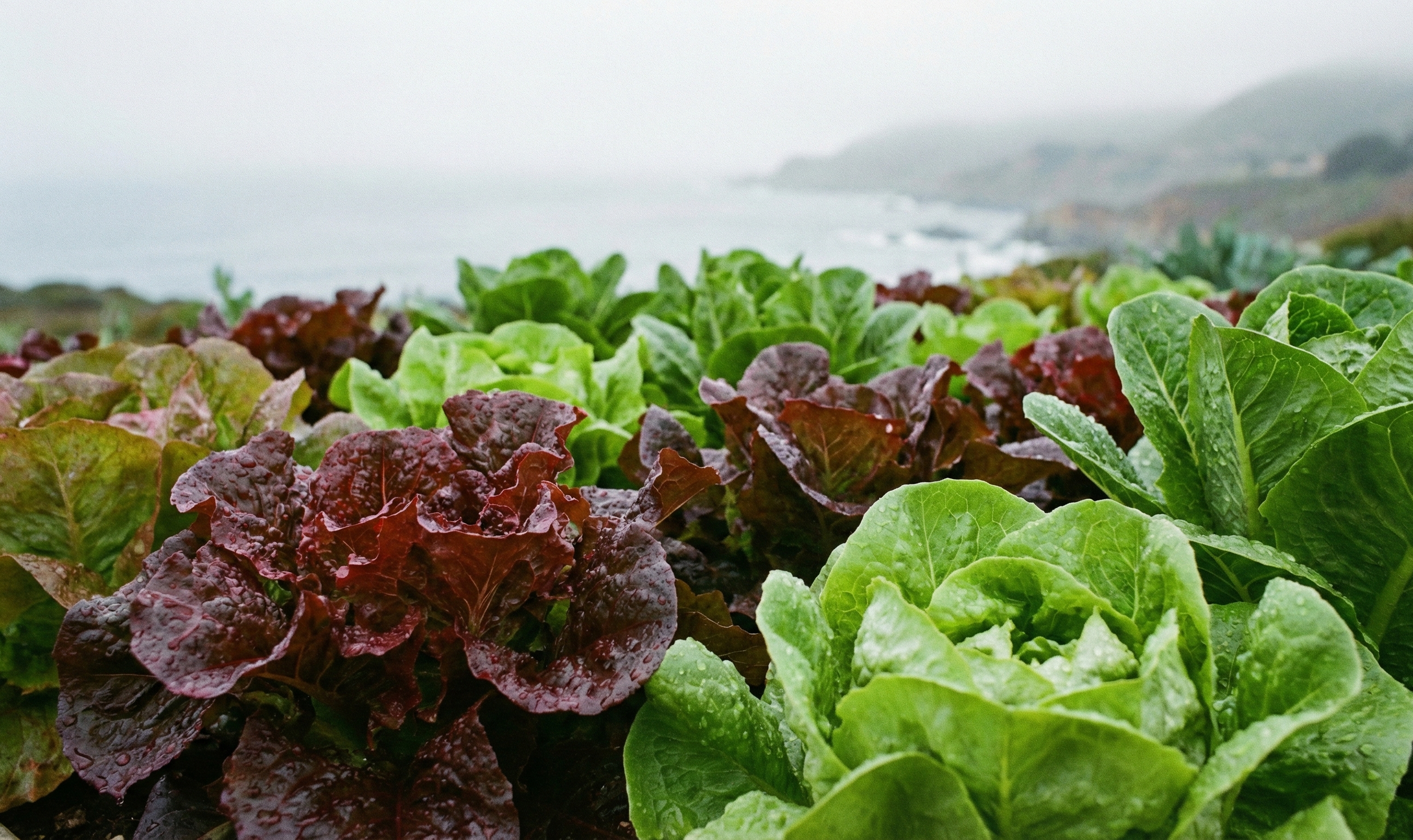
Can I Grow Lettuce and Greens Outdoors All Winter in Santa Cruz?
Santa Cruz winters are ideal for leafy greens. Lettuce, kale, and chard thrive in cool weather and taste sweeter after frost.
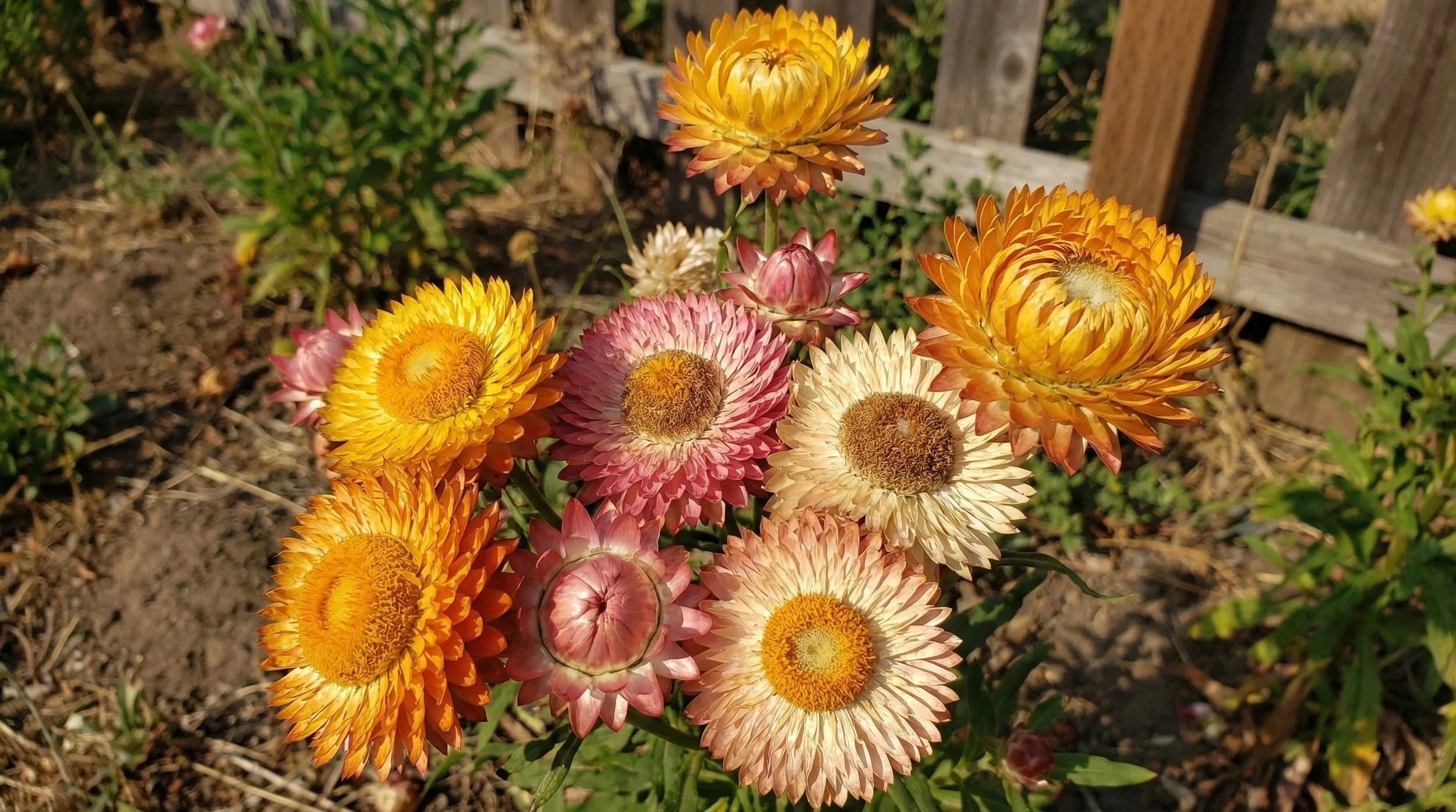
Growing Strawflowers in Santa Cruz County: The Everlasting Cut Flower
Strawflowers are the ultimate low-maintenance cut flower. They grow easily in Santa Cruz, look stunning fresh, and dry beautifully for arrangements that last months.
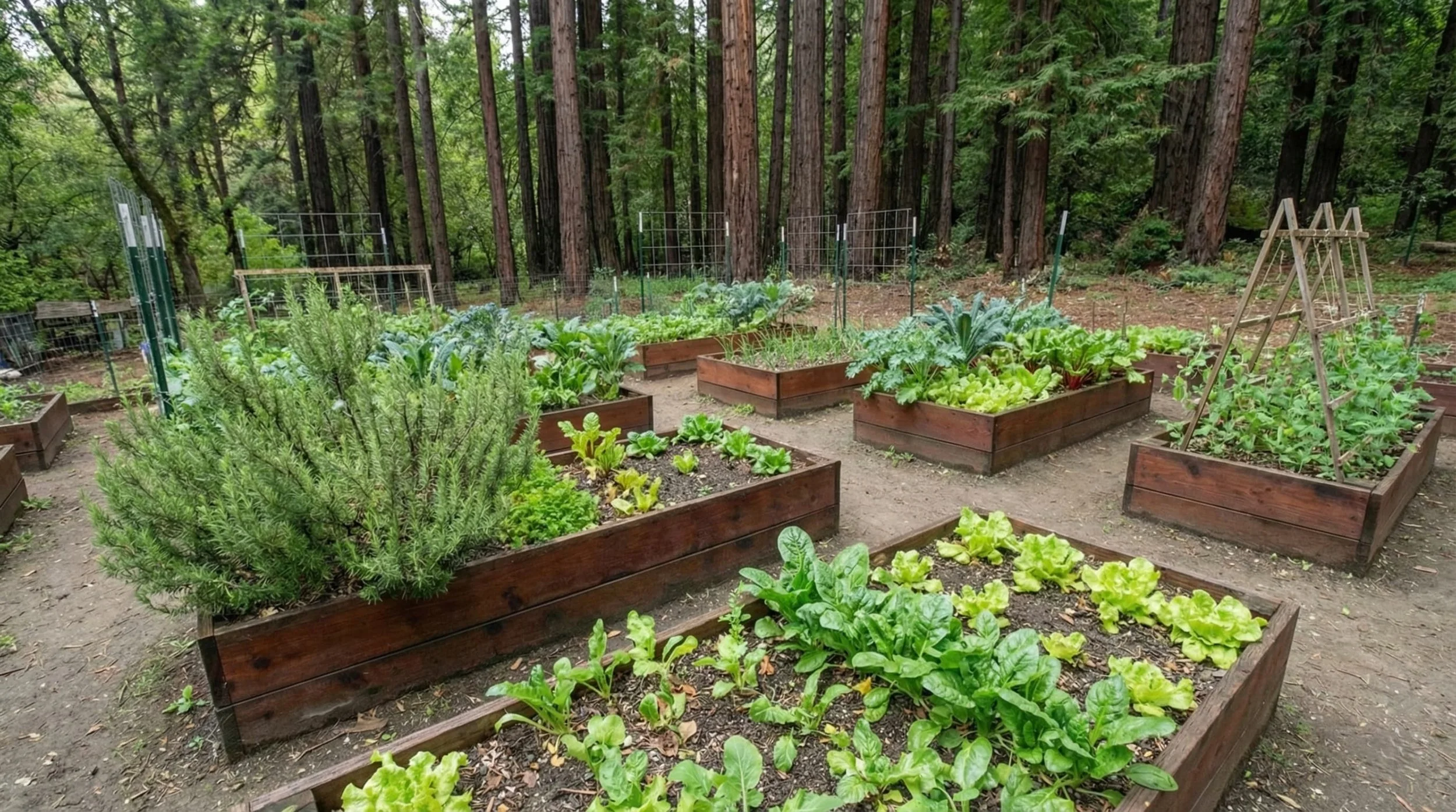
Common Beginner Mistakes (And How to Avoid Them)
Every gardener makes mistakes, but some are predictable and avoidable. Learn the ten most common beginner mistakes in Santa Cruz County gardens and how to prevent them before you start.
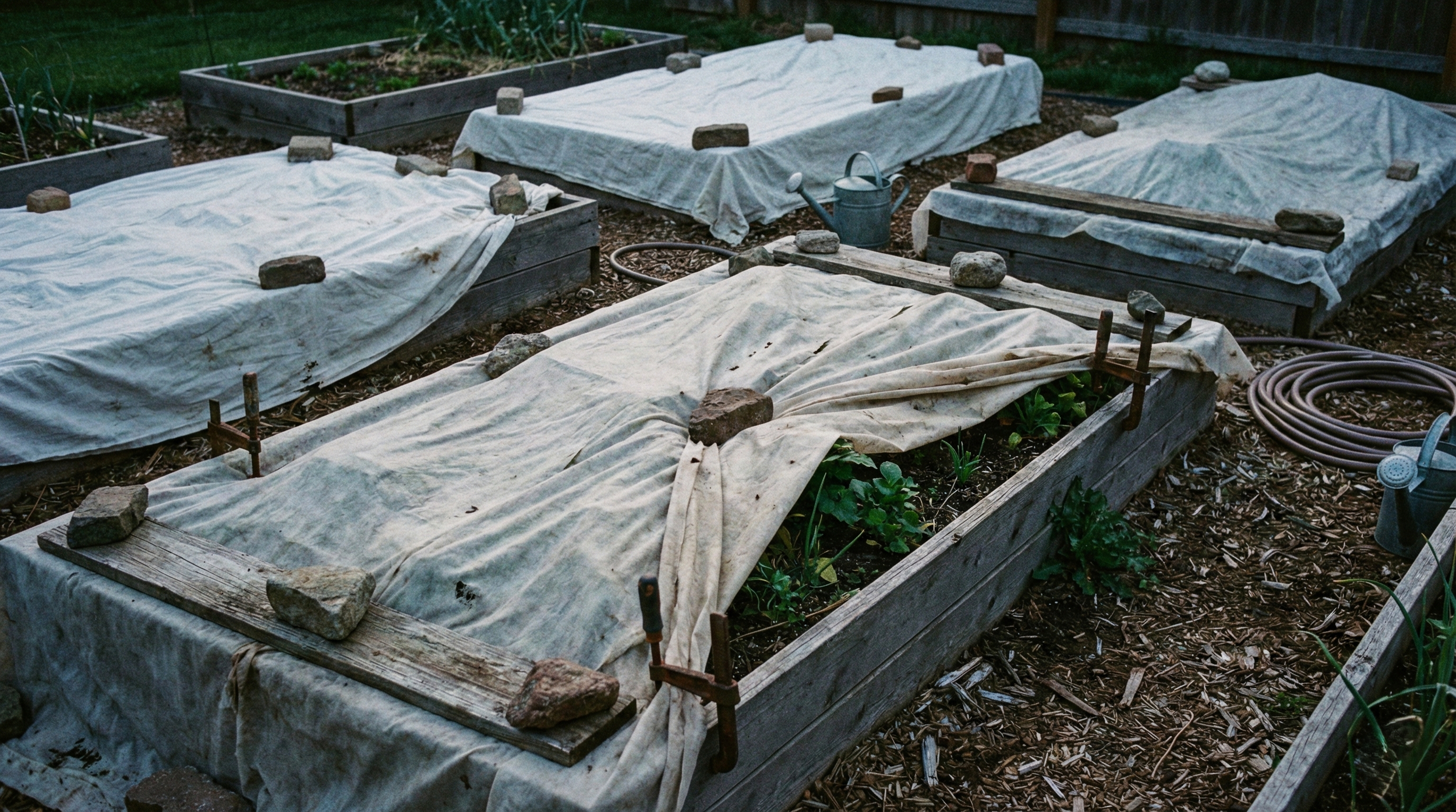
Do I Need to Protect My Plants from Frost on the California Coast?
Coastal Santa Cruz rarely freezes, but inland valleys see regular frost. Use frost cloth (not plastic) and know your microclimate.
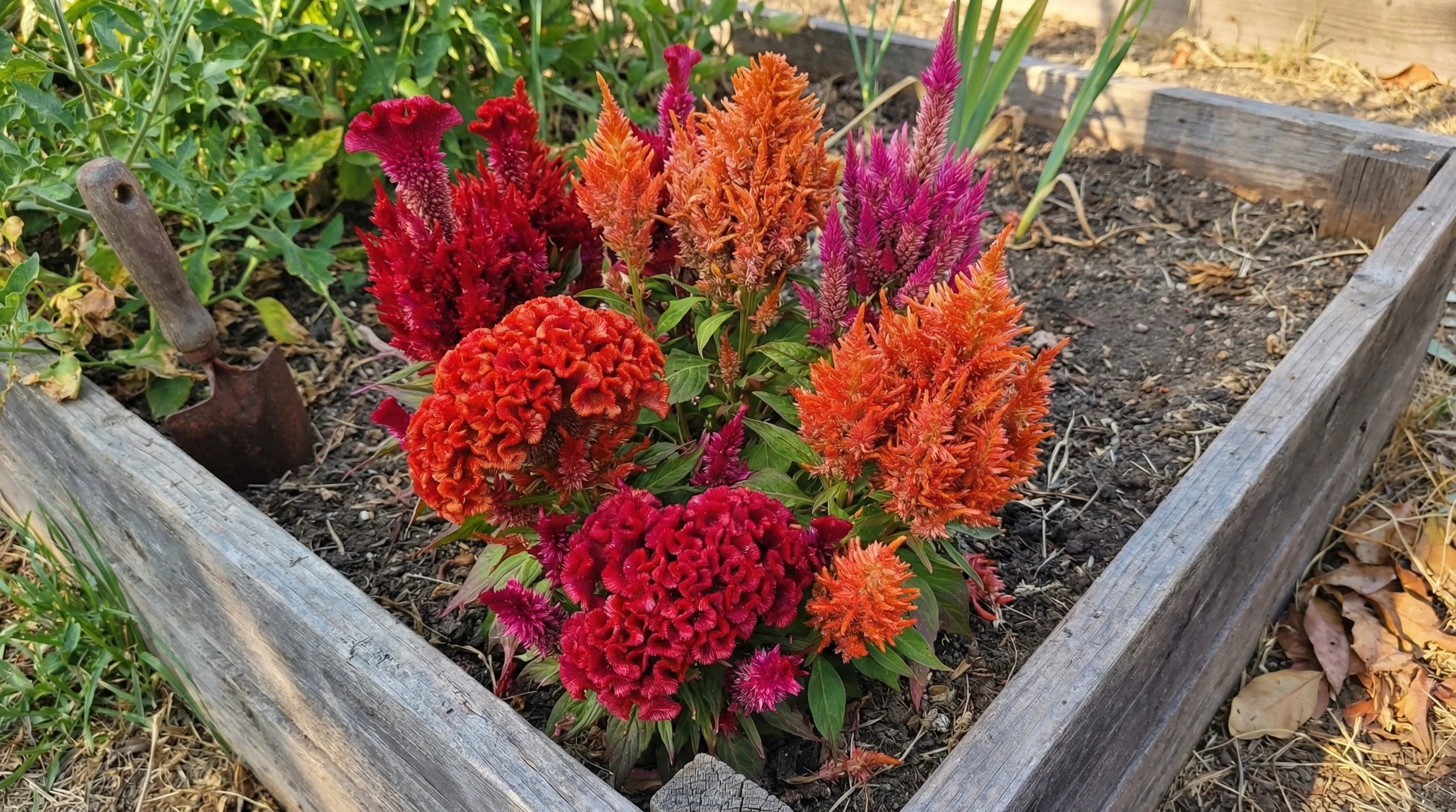
Growing Celosia in Santa Cruz County: Bold Texture for Warm Season Bouquets
Celosia brings bold color and unique texture to summer bouquets. Here is how to grow it successfully in Santa Cruz County's microclimates.
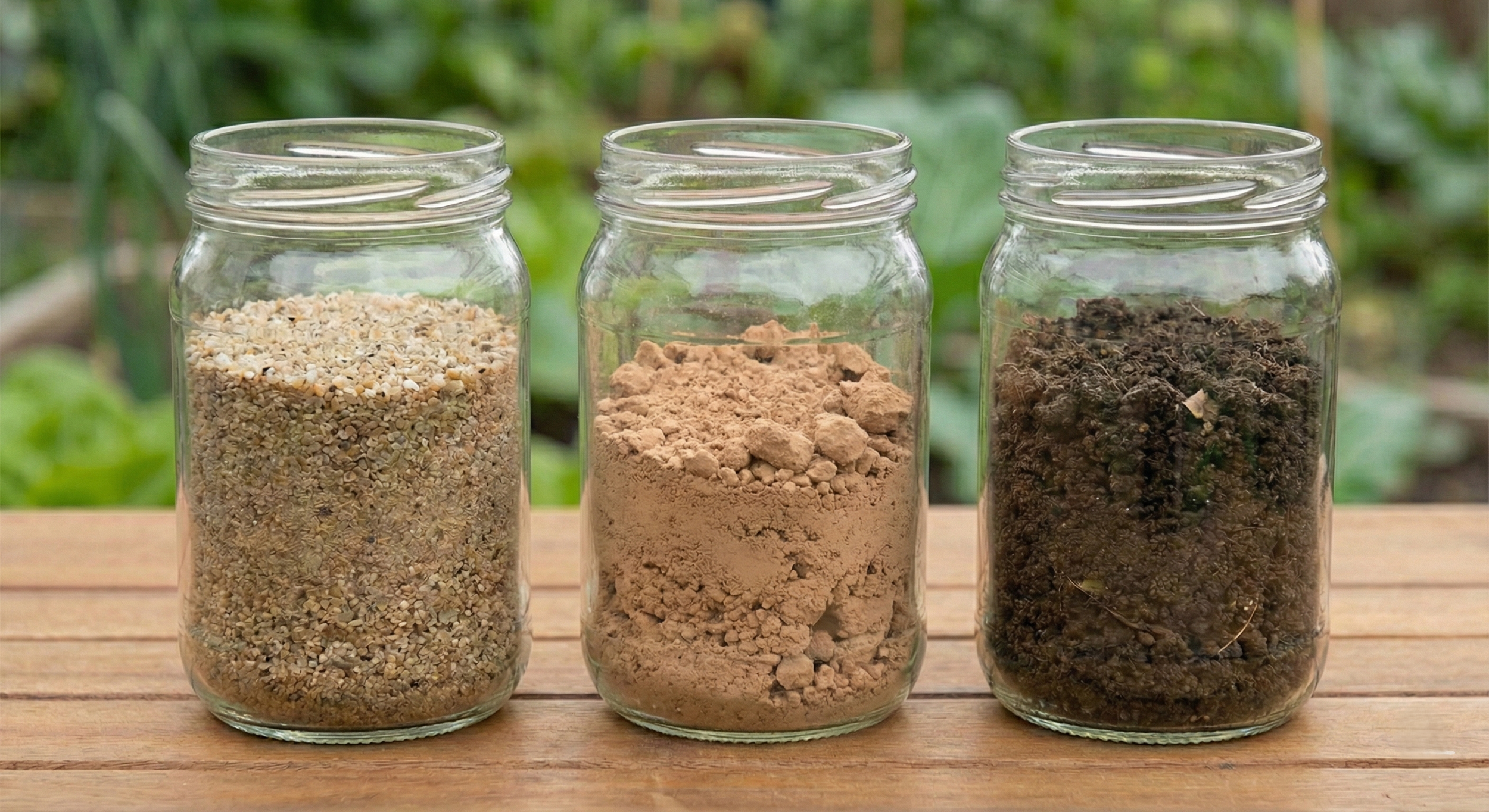
How Do I Improve Heavy Clay Soil in California?
Compost is the best amendment for clay soil. Work it in when the soil is dry, add more each fall, and never mix in sand without enough organic matter.

Growing Figs in Santa Cruz County: The Easiest Fruit Tree for Local Gardens
Figs are the easiest fruit tree for Santa Cruz gardens. Learn which varieties thrive in coastal fog and inland heat, plus planting and care tips.
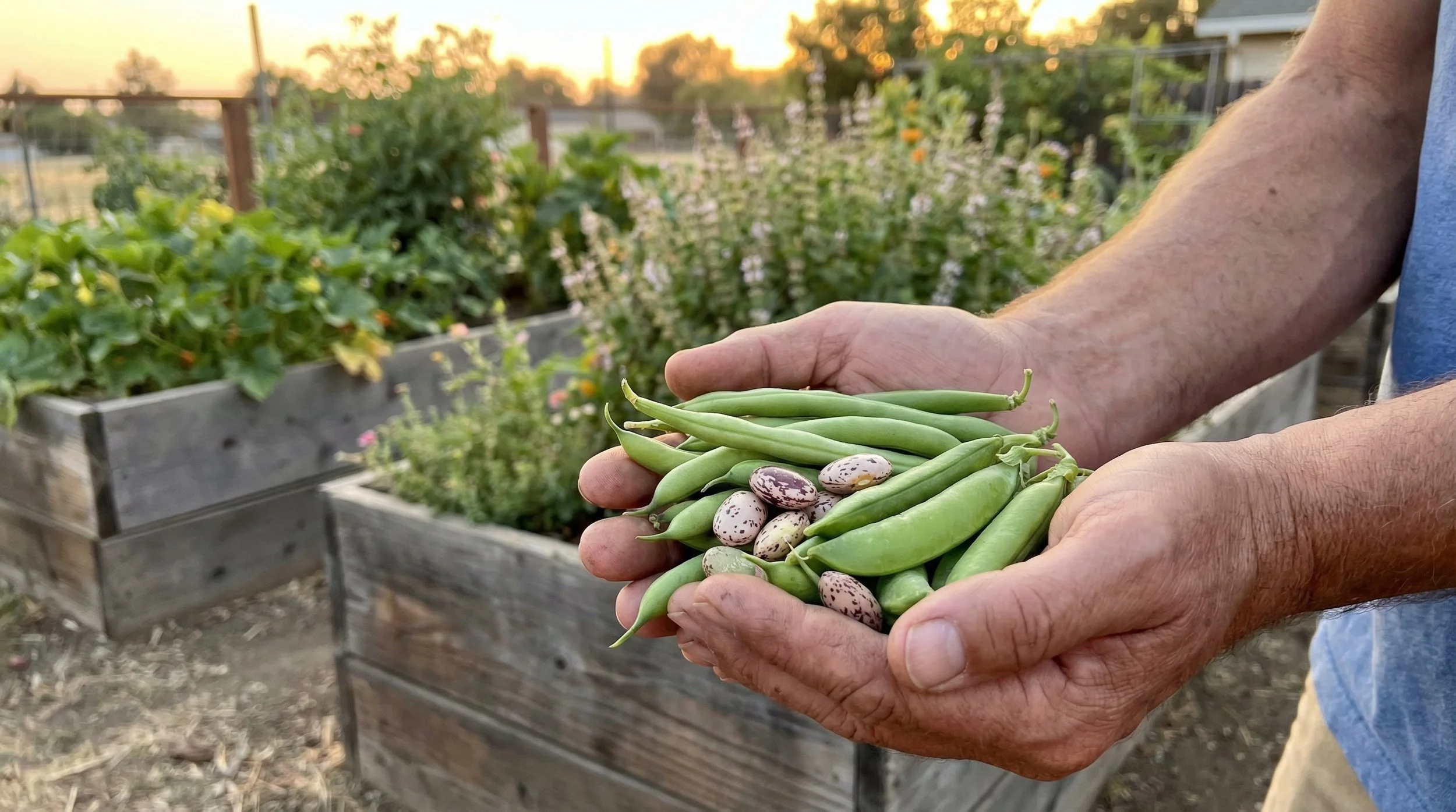
Growing Beans and Peas in Santa Cruz County: Easy Protein from Your Garden
Beans and peas are some of the most rewarding crops for Santa Cruz gardens. They are easy to grow, improve your soil, and produce abundantly with minimal care.

Sensory Garden for Babies and Toddlers: Engaging Little Ones in the Garden
You don't have to wait until your kids can walk to start gardening together. Babies and toddlers are sensory learners, and Santa Cruz County gardens offer textures, scents, and tastes that create powerful early memories. Learn which plants are safe to explore and simple activities for ages 0-3.
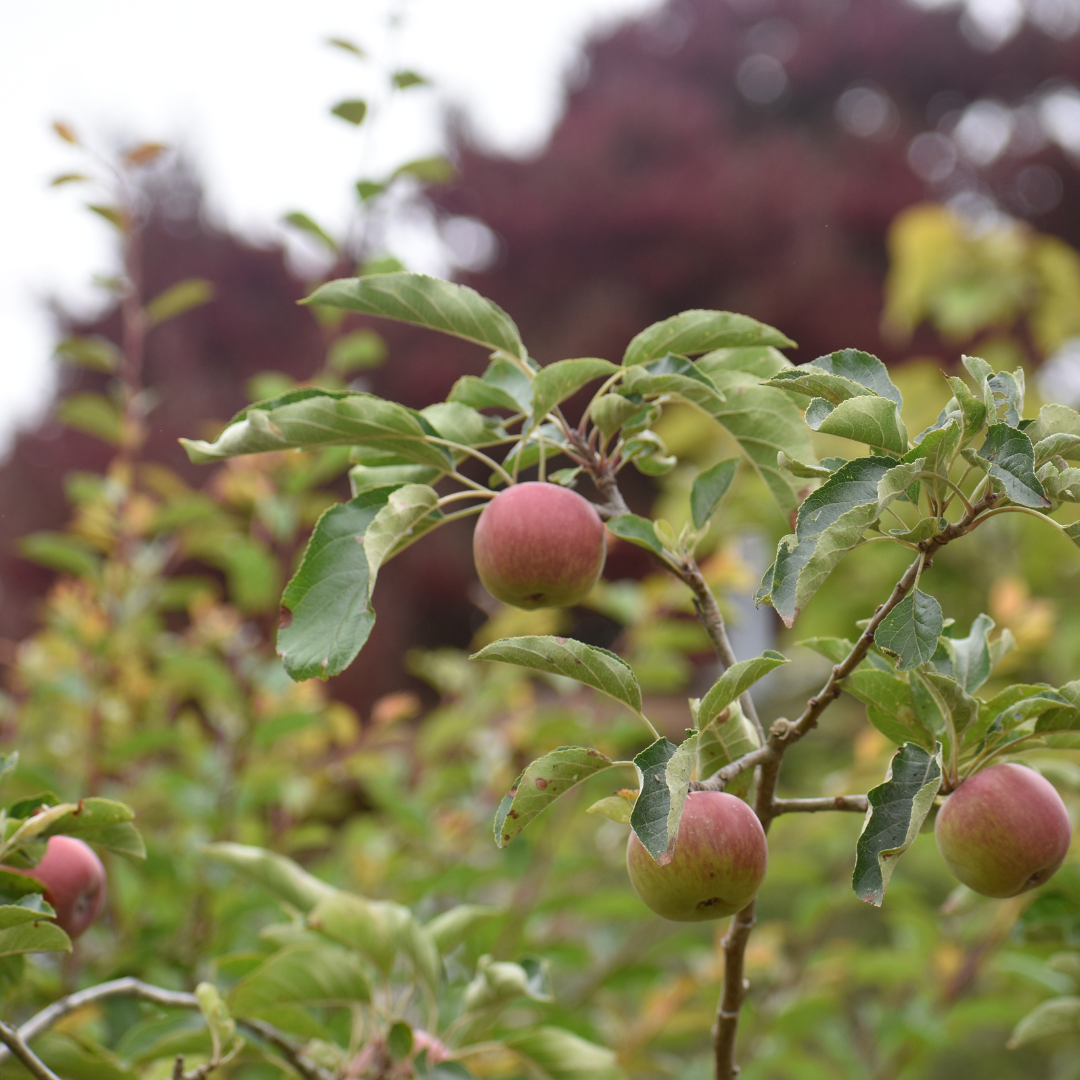
How Many Chill Hours Do Fruit Trees Need in Santa Cruz?
Santa Cruz chill hours range from 400 to 800 depending on your neighborhood. Choose fruit tree varieties that match your microclimate.