

Do I Really Need to Rotate My Crops in a Small Garden?
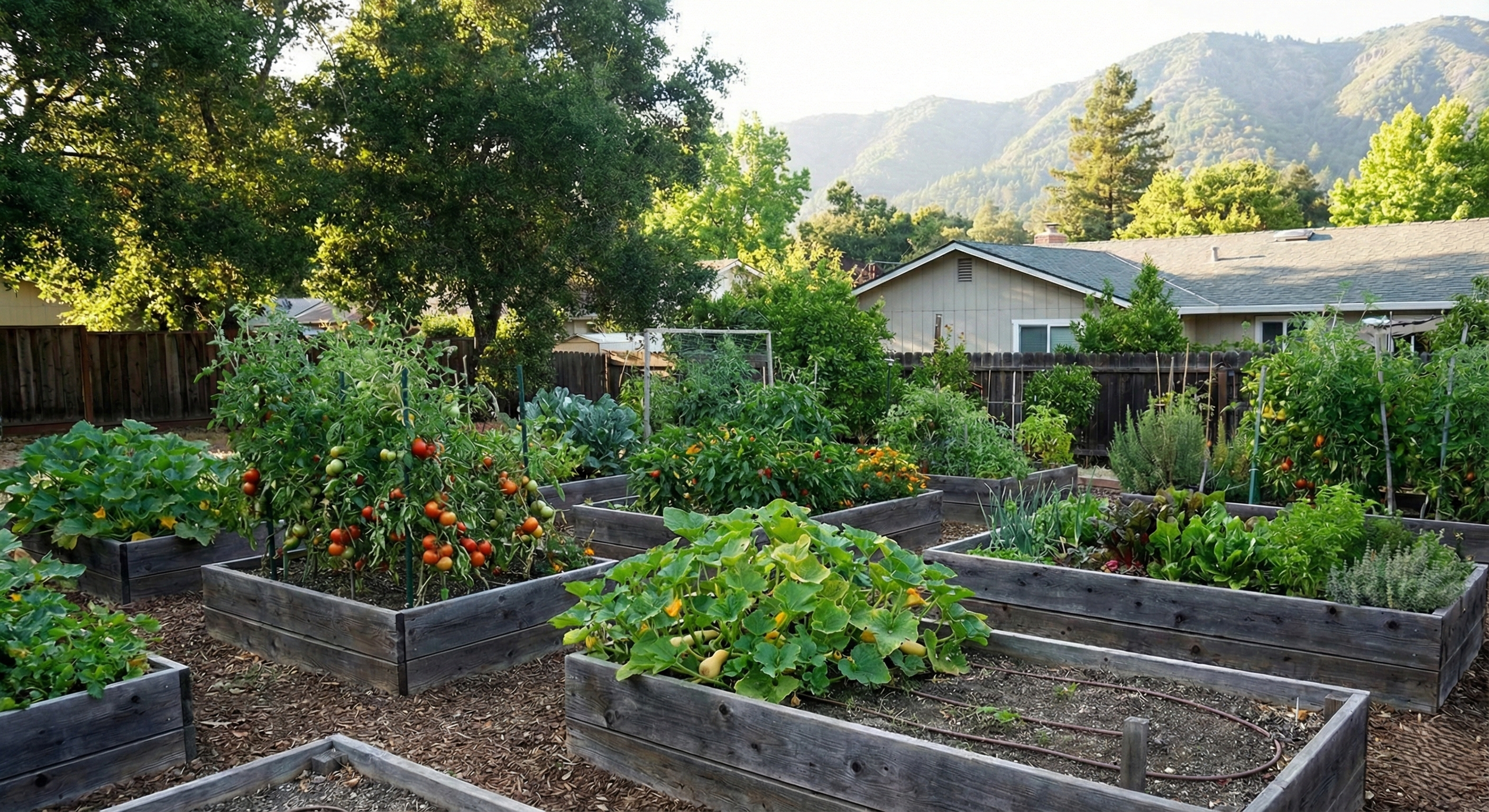
Two raised beds and a favorite tomato can make crop rotation feel like a puzzle with too few pieces. Rotating crops is still worth considering: a break from a susceptible host can reduce some soilborne problems. In a small garden, the useful plan starts with what grew where and whether anything went wrong.
If your plants have been healthy, keep a simple record and move crop families when the layout allows. If disease has been a recurring problem, identify it before deciding that a move to the next bed will solve it. Different pathogens persist for different lengths of time and infect different plants.
Use plant families to organize the plan
Changing tomatoes to peppers changes the harvest, but both are nightshades and can share some problems. Minnesota Extension's home-garden disease guide uses plant families as a practical starting point for rotation.
- Nightshades: tomatoes, peppers, eggplant and potatoes.
- Legumes: beans and peas.
- Brassicas: broccoli, cabbage, kale and radishes.
- Alliums: onions, garlic and leeks.
- Carrot family: carrots and parsley.
- Beet relatives: beets and Swiss chard.
- Cucurbits: squash, cucumbers and melons.
“Root crops” is useful shorthand for cooking, but it isn't a plant family. A carrot, a beet and a radish belong to different groups. Label the actual crop on your sketch so you can check its host relationships if a problem develops.
Let the problem determine the break
General garden advice often suggests leaving two to four years between crops from the same family. That can be a useful planning goal where space allows. It is not a universal period after which soil becomes disease-free.
UC IPM's tomato rotation guidance lists different nonhost crops and rotation periods for different pests. Its Fusarium wilt guidance says the fungus can survive for many years and that rotating out of tomatoes for several years reduces its level. Resistant varieties and avoiding the movement of infested soil are also important. A single winter crop between summer tomatoes is not the same as several years without tomatoes.
Nematodes make the family chart less straightforward. Root-knot nematodes can attack plants across many families, so moving from tomatoes to beans or carrots may still provide a host. Where nematodes are confirmed, select a resistant variety or suitable nonhost with advice matched to the species involved.
Make two or three beds work for you
Begin with the crops that take up the most space or have had repeated trouble. If both beds are suitable and no specific disease changes the choice, you might grow tomatoes in bed one and a different family in bed two, then switch the following year. That creates a break from tomatoes in each bed, but it remains a short rotation. Keep the record rather than assuming the switch has reset the soil.
In Santa Cruz, a bed can carry a summer crop and then a fall or winter crop. Record both. A winter planting makes good use of the space, but its effect on a pest depends on whether that crop is a host and how long the pest survives. Plan the next planting around the season as well as the family. Our fall and winter garden guide covers that transition. If you choose a winter cover crop, include its family and pest-host status in the plan too.
With one suitable bed, you may decide to skip a favored crop for a season or grow it in a sufficiently large container with suitable clean growing mix. Keep potentially infested garden soil out of that container. For the bed itself, raised-bed basics for Bay Area gardeners covers the setup, while the first five vegetables to grow in Santa Cruz County can help narrow the choices.
Keep the rest of the garden care working
Rotation works alongside healthy transplants, disease-resistant varieties, suitable spacing and care with watering. Remove diseased crop remains as recommended for the identified problem, manage weeds that can carry it, and clean soil from tools before moving between affected and unaffected areas.
Changing families also doesn't replace soil testing or fix poor drainage. If that is the underlying difficulty, our guide to improving heavy clay soil is a better next step than another reshuffle of the planting map.
For planting different crops together within a season, see the companion-planting guide and companion plants for tomatoes. Keep a record of every family in a mixed bed, even if one occupied only a corner.
Frequently Asked Questions
Is rotation worthwhile with only two raised beds?
It can help create a break from particular hosts, but the benefit depends on the problem and the length of that break. Use the space you have without treating a two-bed swap as complete disease control. Where a disease is known, choose the next crop from its specific management guidance.
Does a cold winter clean up soilborne diseases?
Don't count on winter as a soil treatment. UC describes Fusarium surviving for many years in soil, and other organisms have their own survival patterns. Santa Cruz's mild climate allows more planting opportunities, but the reason to rotate is the host relationship and pest history, not a general rule about winter temperatures.
Do I need a perfect four-year chart before planting?
No. Start with a map of the crops you grew and notes on plant health. Make the longest useful break your space allows, check nonhost choices when a problem has been identified, and revise the plan as you learn more about the beds.
This week: Sketch each bed and add last summer's crops, the winter planting and any disease symptoms. Garden Planning 101 can help you map the space. Choose the next crop before buying seedlings. Find seasonal planning resources in the free Garden Toolkit.
