

Living with Wildlife: Raccoons, Squirrels & Other Garden Raiders
What Other Wildlife Visits Santa Cruz Gardens?
Gophers and deer get most of the attention in Santa Cruz County, but our gardens host a whole menagerie of creatures ready to sample your harvest. Raccoons dig up your corn the night before you planned to pick it. Squirrels take one bite from every tomato. Birds strip your berry bushes before you get a single pint. Rats nest in the compost pile.
These animals aren't pests in the traditional sense. They're wildlife doing what wildlife does: looking for food, water, and shelter. You happen to be providing all three.
The goal isn't elimination. That's neither possible nor desirable. The goal is coexistence: protecting your harvest while accepting that you're sharing this space with wild neighbors. Here's how to do it.
| Animal group | Most reliable long-term tools | Tools with limited effect | Notes |
|---|---|---|---|
| How Do You Handle Raccoons? | Low electric fence around corn or priority beds; secure coop latches; enclosed compost | Motion lights, radios, most sprays | Electric fencing is the standard recommendation for corn and other high-value beds. |
| Tree squirrels | Hardware-cloth cages; fully netted tomato or berry structures | Fake owls, ultrasonic devices, most “repellent” gadgets | Complete physical enclosure is the only consistently reliable approach. |
| Ground squirrels | Buried exclusion fencing; hardware cloth under beds; regulated trapping | Ultrasonic devices, predator decoys, most repellents | Structural exclusion paired with regulated control is emphasized for persistent populations. |
| How Do You Handle Birds? | Bird netting over fruit and berries; row cover over seedlings | Static scare devices unless moved frequently | Netting remains the primary recommendation for protecting fruit crops. |
| Rats & mice | Habitat and food reduction; secure storage; snap-trap campaigns; predator support | Most plug-in or ultrasonic gadgets; short-lived sprays | Sanitation and exclusion should always come before any toxic control methods. |
| How Do You Handle Rabbits? | 2-ft fence with buried edge or L-footer; trunk guards | Many commercial repellents after rain | Simple low fencing is usually sufficient for vegetable gardens. |
| How Do You Handle Skunks? | Close denning sites; grub control in turf; low barriers around specific beds | Relocation attempts; most repellents | Turf management plus exclusion under decks and sheds are key. |
| How Do You Handle Opossums? | Secure compost and pet food; close easy den sites | Repellents and scare devices | Generally beneficial animals; management usually focuses on food exclusion only. |
| Wild turkeys | Fenced vegetable area, optionally with overhead netting; active harassment | Static decoys alone | Turkeys respond best to exclusion paired with consistent shooing. |
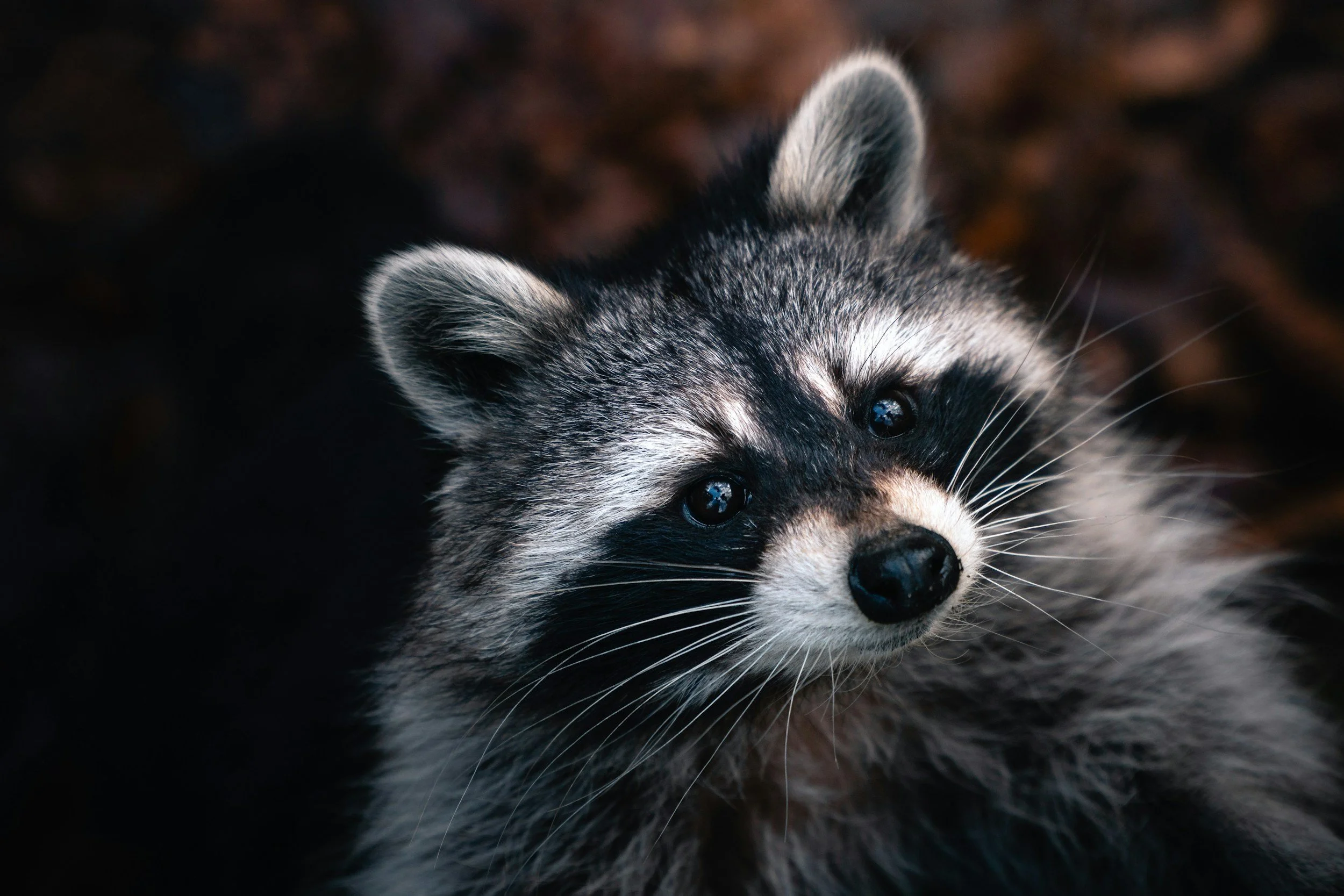
How Do You Handle Raccoons?
The Problem
Raccoons are intelligent, dexterous, and remarkably persistent. They'll dig up freshly planted seeds, demolish corn stalks, tear apart melons, raid fruit trees, knock over containers, and make a general mess of things. They're primarily nocturnal, so you often discover the damage at dawn when you walk out to find your corn patch looking like a tornado hit it.
Raccoons are widespread throughout Santa Cruz County, from urban Santa Cruz to rural Boulder Creek. If you live near a creek, canyon, or wooded area, you definitely have raccoons nearby.
What They Love
Sweet corn (they seem to know exactly when it's ripe, often beating you by one day)
Melons and watermelons
Grapes and berries
Fallen fruit
Fish ponds and water features
Compost bins
Pet food left outside
Chicken coops (eggs, feed, and unfortunately sometimes chickens)
Protection Strategies
Fencing: Raccoons climb well, so standard fencing doesn't stop them. But you have options:
Electric fence wire at the top of existing fencing (one or two strands, about 6 inches apart)
Electric fence at ground level around specific crops
Fully enclosed garden structures with wire tops
Electric fencing is the most reliable deterrent. Raccoons learn quickly after one or two shocks and will avoid the area. A single-strand electric fence around your corn patch is often enough.
For corn specifically:
Electric fence around the corn patch (this really is the best solution)
Harvest promptly when ripe (check daily once ears start to fill)
Some gardeners report success with radio playing talk shows or motion-activated lights, but raccoons often habituate
Remove attractants:
Pick up fallen fruit daily
Secure compost bins with latching lids (raccoons can open simple lids)
Don't leave pet food outside overnight
Cover fish ponds with netting
Secure chicken coop doors with predator-proof latches
Scare tactics (limited long-term effectiveness):
Motion-activated sprinklers startle raccoons initially
Radios playing talk shows may work temporarily
Raccoons habituate quickly to most deterrents; they're too smart to be fooled for long
Coexistence Approach
Raccoons are intelligent enough that permanent exclusion (electric fencing around priority crops) works better than trying to repel them from your entire property. Protect what matters most and accept some losses elsewhere. A raccoon that learns your corn patch delivers shocks will move on to easier food sources.
How Do You Handle Squirrels?
The Problem
Santa Cruz County has both ground squirrels and tree squirrels (primarily western gray squirrels and fox squirrels), and they raid gardens in different ways. Ground squirrels dig extensive burrow systems and eat vegetables at ground level. Tree squirrels go after fruit, tomatoes, and nuts, often taking one bite from each piece and discarding the rest, which is somehow more infuriating than if they ate the whole thing.
What They Love
Tomatoes (especially as they start to color)
Strawberries
Corn
Sunflower seeds and heads
Fruit and nuts of all kinds
Bulbs (ground squirrels dig them up)
Young seedlings
Protection Strategies
For tree squirrels:
Netting and cages:
Bird netting over berry bushes and small fruit trees
Tomato cages wrapped with hardware cloth or bird netting
Fully enclosed structures for high-value crops
The key is complete enclosure. Squirrels will find any gap, and they're persistent enough to exploit weaknesses you didn't know existed.
Harvest timing:
Pick tomatoes at first blush (when they just start to show color) and ripen indoors
Squirrels target ripe fruit, so beat them to it
Harvest in the morning when squirrels are somewhat less active
Baffles:
Metal cone baffles on poles can protect bird feeders and some isolated plants
Less effective for in-ground gardens where squirrels can approach from multiple directions
For ground squirrels:
Ground squirrels are more challenging because they dig extensive burrow systems and populations can be large.
Trapping (Conibear-style traps placed in burrow entrances, or live traps). Note that lethal trapping methods must follow California regulations and are usually best guided by UC IPM resources or licensed professionals.
Exclusion fencing buried 12 inches deep with an outward L-shaped footer
Hardware cloth under raised beds (also protects from gophers)
Encouraging predators (hawks, snakes, coyotes)
What doesn't work:
Fake owls and predator decoys (squirrels ignore them within days)
Ultrasonic devices (no evidence they're effective)
Pepper sprays (may deter briefly but washes off with irrigation or rain)
Coexistence Approach
Complete exclusion of squirrels is difficult given how agile and determined they are. Prioritize protecting your most valued crops with physical barriers. Plant extras of things squirrels love. Accept that squirrels will get some portion of the harvest. Many gardeners find that picking tomatoes early and ripening indoors is the most practical solution.
How Do You Handle Birds?
The Problem
Birds eat fruit, pull up seedlings, scratch in beds looking for insects, and raid ripening tomatoes and berries. Some birds are more problematic than others: scrub jays seem to take everything, while robins focus on berries and earthworms. Crows are intelligent raiders that learn quickly. Wild turkeys can devastate a garden in an afternoon (they get their own section below).
What They Love
Strawberries and blueberries (often stripped before you get any)
Cherries and other stone fruit
Tomatoes (especially red ones)
Newly planted seeds (corn, peas, beans)
Young seedlings (especially peas and lettuce)
Corn (pulling up sprouted seeds to eat the kernel)
Protection Strategies
Bird netting: The single most effective protection for fruit and berries.
Drape over bushes and small trees, or build a frame to support it
Use hoops or frames to keep netting off the plants (netting touching fruit still allows birds to peck through)
Secure edges to the ground or birds will find their way underneath
Check daily for trapped birds (use netting with mesh small enough that birds can see it and don't get tangled)
Row cover for seedlings:
Lightweight fabric protects seeds and young plants from pecking
Also helps with temperature regulation and some pest protection
Remove once plants are established and less vulnerable
Scare devices (temporary effectiveness):
Reflective tape, old CDs, pinwheels
Fake owls or hawks (move them frequently, at least every few days)
Eye balloons
Birds habituate quickly to stationary scare devices; rotate and move them regularly for any ongoing effect.
Physical barriers:
Chicken wire or hardware cloth over newly seeded beds
Hardware cloth cages around individual plants
Fruit tree cages (expensive but effective for small trees)
PVC and netting structures over berry patches
Decoy feeding:
Some gardeners provide alternative food (sunflower seeds, bird feeders) to divert birds from garden crops
Mixed results; may actually attract more birds to your property overall
Coexistence Approach
Birds provide valuable pest control (eating insects, caterpillars, and slugs) and are part of a healthy garden ecosystem. Protect your highest-value crops with netting, plant extra to share, and appreciate the insect control they provide. A garden without birds is a garden with more pests.
How Do You Handle Rats and Mice?
The Problem
Norway rats, roof rats, and mice can become serious garden pests, eating vegetables, fruits, seeds, and stored crops. They also nest in compost piles, garden sheds, wood piles, and dense vegetation. Unlike some wildlife, significant rodent populations near your home are a legitimate health concern worth addressing.
Safety note: Rat and mouse droppings can carry diseases including hantavirus and leptospirosis. When cleaning areas with rodent activity, wear gloves, avoid sweeping or vacuuming dry droppings (which can aerosolize particles), and wet the area first with a disinfectant solution.
Signs of Rodent Activity
Gnawed vegetables (especially squash, tomatoes, and melons)
Droppings (rat droppings are 1/2 to 3/4 inch long; mouse droppings are much smaller)
Burrows under sheds, along fences, or in garden beds
Tunnels and nesting activity in compost piles
Eaten seeds or bulbs
Gnaw marks on wood, containers, or structures
Control Strategies
Remove habitat:
Clear dense vegetation, especially ivy and thick ground cover near the house
Store lumber, firewood, and materials off the ground on racks
Keep areas under decks, sheds, and porches clear or enclosed
Remove fallen fruit promptly
Manage compost carefully:
Use enclosed bins with solid bottoms (not open piles)
Turn piles regularly to disrupt nesting
Avoid adding large amounts of attractive food (meat, dairy, bread, cooked food)
Keep carbon-to-nitrogen ratios balanced (browns and greens)
Consider tumbler-style composters if rats are a persistent problem
Reduce food sources:
Clean up fallen fruit and vegetables daily
Store seeds, harvested crops, and chicken feed in sealed metal or heavy plastic containers
Secure pet food (don't leave it outside, and store bags in sealed containers)
Harvest ripe produce promptly
Trapping:
Snap traps are effective for both rats and mice
Place along walls, fence lines, and known travel routes (rodents prefer edges)
Bait with peanut butter, dried fruit, or nut meats
Check and reset daily
Be persistent; it takes time to reduce an established population
For detailed guidance on the full hierarchy of rodent management (habitat reduction, exclusion, then trapping), see the UC ANR guide to managing urban rats and mice.
Bait stations (use with extreme caution):
Rodenticide in tamper-proof stations can reduce populations
Poses serious risk to other wildlife: Dead or dying rodents can poison owls, hawks, foxes, bobcats, and other predators that eat them (secondary poisoning)
Pets and children must be kept away from stations
Consider professional guidance if you believe rodenticide is necessary
Use only as a last resort when other methods aren't working, and be aware that rodenticide use can undermine the ecosystem services of the predators that would otherwise help control rodents naturally
Encourage predators:
Install barn owl boxes (a single owl family eats thousands of rodents per year)
Provide habitat for gopher snakes and other beneficial snakes (they're friends, not foes)
Hawks and other raptors also help
Coexistence Approach
Unlike some wildlife on this list, significant rodent populations near your home warrant active management. Focus on removing habitat and food sources first since that addresses the root cause. Trap as needed to reduce populations. Encouraging natural predators is the most sustainable long-term solution. A barn owl box is one of the best investments you can make if rats are a persistent problem.
How Do You Handle Rabbits?
The Problem
Wild rabbits (brush rabbits and desert cottontails are native to Santa Cruz County) can devastate young vegetable gardens, eating seedlings, tender greens, and young plants down to the ground. They're most problematic in spring when young plants are tender and rabbit populations are active.
What They Love
Lettuce and leafy greens
Peas and beans (especially young plants)
Carrot tops
Clover and other tender weeds
Most tender seedlings
Young bark on fruit trees (winter damage)
Protection Strategies
Fencing: A simple fence is very effective against rabbits.
Chicken wire or hardware cloth, at least 2 feet tall
Bury 6 inches below ground or bend outward in an L-shape (rabbits will dig if motivated)
Gates should fit tightly with no gaps at the bottom
Row cover:
Protects young seedlings during the vulnerable stage
Once plants mature and toughen up, many are less appealing to rabbits
Raised beds:
Beds 2 feet or taller are difficult for rabbits to access easily
Not completely foolproof but provides meaningful deterrence
Repellents:
Blood meal scattered around plants (also adds nitrogen to soil)
Commercial rabbit repellents
Hot pepper sprays
Effectiveness varies and decreases after rain; reapply regularly.
Trunk protection for fruit trees:
Hardware cloth cylinders around young tree trunks prevent winter bark gnawing
Extend from ground to above the snow line (not usually an issue here, but a few inches of protection helps)
Coexistence Approach
Rabbit pressure in Santa Cruz County is generally lighter than deer or gopher pressure. A simple 2-foot fence usually solves the problem for vegetable gardens. Rabbits are also prey for hawks, owls, bobcats, and coyotes, so maintaining balanced wildlife populations helps keep rabbit numbers in check naturally.
How Do You Handle Skunks?
The Problem
Skunks dig in lawns and garden beds looking for grubs, earthworms, and insects. The holes are distinctive: small, cone-shaped, about 2 to 3 inches across, and often clustered in areas with high grub populations. They may also raid low-growing fruits and vegetables occasionally.
The Silver Lining
Skunks eat enormous numbers of insects, grubs, and even rodents. If they're digging in your lawn, they're providing pest control services. The grubs they're eating would otherwise damage your lawn from below.
Protection Strategies
Grub control:
If skunks are digging heavily, you likely have a grub problem worth addressing
Beneficial nematodes applied to lawns in fall reduce grub populations
Fewer grubs equals less skunk interest in your lawn
Exclusion:
Close off spaces under decks, sheds, and porches with hardware cloth
Secure garbage cans with locking lids
Secure compost bins
For specific crops:
Low fencing or netting around vulnerable plants
Skunks aren't great climbers, so even short barriers help
Avoid conflict:
Don't startle skunks (for obvious reasons)
Give them space and time to move away
They're generally not aggressive if not cornered
If you see one, back away slowly and quietly
Coexistence Approach
Tolerate skunks when possible. Their pest control value (grubs, insects, rodents) often outweighs the minor digging damage they cause. If digging is concentrated in one area, address the underlying grub population rather than the skunk. They'll move on when the food source diminishes.
How Do You Handle Opossums?
The Reality
Opossums are often blamed for garden damage they didn't cause. They're primarily scavengers and insect eaters, not plant eaters. If something is eating your vegetables, an opossum is probably not the culprit.
What They Actually Do
Eat slugs, snails, and insects (this is helpful)
Eat fallen or rotting fruit
Occasionally raid compost bins for food scraps
Sometimes eat low-hanging very ripe fruit
Eat enormous numbers of ticks (a single opossum can eat 5,000 ticks per season)
What They Don't Do
Dig like gophers or skunks
Attack healthy plants like deer
Cause significant crop damage
Coexistence Approach
Opossums are genuinely beneficial or neutral in gardens. They eat huge numbers of ticks and other pests, don't carry rabies (their body temperature is too low for the virus to survive), and are generally harmless. If they're getting into your compost, secure the lid. Otherwise, let them be. They're doing you more good than harm.
How Do You Handle Wild Turkeys?
The Problem
Wild turkeys scratch in mulch, dig in beds, eat tender seedlings, and create general chaos with surprising efficiency. A flock of 10 to 20 turkeys can do significant damage to a garden in a single afternoon. They're increasingly common in suburban and rural Santa Cruz County.
Protection Strategies
Fencing:
Turkeys can fly, but they generally don't fly into enclosed spaces
A fenced garden with bird netting or hardware cloth overhead provides complete protection
Even low fencing (3 to 4 feet) deters them from casually walking in since they prefer to walk into areas rather than fly
Scare tactics:
Motion-activated sprinklers
Dogs (if you have one that will chase them)
Making noise and shooing them away (they're relatively wary compared to deer)
Turkeys generally respond to active harassment better than passive deterrents.
Remove attractants:
Secure fallen fruit
Don't provide birdseed at ground level
Keep compost enclosed
Coexistence Approach
Turkeys are mostly a nuisance rather than a serious long-term threat. They move through an area, cause some damage, and move on. Fencing keeps them out of priority areas. They actually provide some pest control benefits, eating lots of insects and ticks, just not in your vegetable beds.
What Are the General Wildlife Coexistence Principles?
Regardless of which animals visit your garden, these principles help you protect your harvest while living peacefully with your wild neighbors.
1. Accept That You're Sharing the Space
We live in wildlife habitat. Complete exclusion isn't realistic for most properties, and a garden without any wildlife is a less healthy and less interesting place. Budget mentally for some losses and you'll be less frustrated when they happen.
2. Protect Your Priority Crops
Focus your efforts on what matters most to you. Fence the tomatoes, net the berries, cage the corn. Let the animals have the edges and the crops you care less about. You can't protect everything, so be strategic.
3. Remove Attractants
Fallen fruit, accessible compost, pet food left outside, and convenient water sources all draw wildlife to your property. Managing these attractants is often more effective than trying to repel animals after they've discovered the buffet.
4. Use Physical Barriers Over Repellents
Fencing, netting, and hardware cloth work reliably year after year. Sprays, scare devices, and ultrasonic gadgets usually don't work for long. Wildlife habituates to deterrents but can't walk through a fence.
5. Encourage Natural Predators
Hawks, owls, snakes, and even coyotes help keep rodent and rabbit populations in check. Installing a barn owl box or leaving habitat for snakes provides long-term population control. Don't eliminate predators from your ecosystem, and be aware that rodenticide use can harm the very predators that provide free, sustainable pest control.
6. Understand California Wildlife Law
Relocating most wildlife in California is illegal without proper authorization. Trapped animals must generally be released on-site or humanely euthanized. This is another reason why habitat modification and exclusion are usually more effective (and legal) than trapping and relocating problem animals.
7. Stay Flexible
Wildlife populations fluctuate. What's a serious problem one year may not be the next. A wet year brings different challenges than a drought year. Adapt your strategies based on what you're actually experiencing rather than preparing for every possible scenario.
| Animal group | Typical signs in the garden | Favorite crops / attractants (local) | Key tools to confirm ID |
|---|---|---|---|
| How Do You Handle Raccoons? | Corn stalks torn down; soil or turf flipped or rolled back; nighttime damage | Sweet corn, melons, grapes, fallen fruit, fish ponds, chicken coops | Night trail camera; tracks and scat; UC IPM wildlife ID galleries |
| Tree squirrels | Half-eaten tomatoes or fruit left on plants; nut shells; daytime activity | Tomatoes at blush, stone fruit, nuts, sunflower heads | Observe daytime behavior; chewed fruit at height; UC IPM tree squirrel guidance |
| Ground squirrels | Open burrow holes; soil mounds; plants clipped at ground level | Seedlings, bulbs, greens, grains, young orchard trees | Burrow entrances; fresh soil; UC IPM ground squirrel resources |
| Birds (jays, robins, etc.) | Peck marks on fruit; berries stripped; seedlings pulled but not eaten | Berries, cherries, tomatoes, newly seeded beds | Watch early morning or late afternoon activity; UC IPM bird damage guides |
| Rats & mice | Neatly gnawed fruit or vegetables; small droppings; tunnels in compost or mulch | Tomatoes, squash, melons, chicken feed, compost, citrus | Night trail camera; droppings identification; UC IPM rats and mice guides |
| How Do You Handle Rabbits? | Seedlings and low foliage clipped cleanly at 1–4 inches; round droppings | Lettuce, peas, beans, young bark, clover | Damage height; tracks and pellets; UC IPM rabbit notes |
| How Do You Handle Skunks? | Numerous shallow 2–3 inch cone-shaped holes, usually in lawn or turf | Grubs, earthworms, ground insects | Nighttime observation; turf damage pattern; UC IPM turf guidance |
| How Do You Handle Opossums? | Scattered droppings; occasional low fruit damage; compost disturbance | Fallen fruit, carrion, snails, slugs, insects | Trail camera; tracks; UC IPM opossum information |
Frequently Asked Questions About Garden Wildlife
What's the single most effective way to protect my vegetable garden from wildlife?
A complete fence with a top enclosure (netting or hardware cloth roof) protects against almost everything: deer, rabbits, squirrels, birds, and turkeys. It's the biggest investment but also the most effective. For most gardeners, a combination of a standard fence (for deer and rabbits) plus netting or cages for specific high-value crops (berries, tomatoes, corn) provides good protection without the expense of complete enclosure.
Something is eating my tomatoes overnight. How do I figure out what it is?
Look for clues: tooth marks (small clean bites suggest rats or mice; larger ragged bites suggest squirrels or raccoons), droppings nearby, tracks in soft soil, and location of damage (ground level suggests ground-dwelling animals; higher up suggests climbing animals or birds). You can also set up a motion-activated camera (trail cam) to catch the culprit in action. This is often worth the investment when you're dealing with mystery damage.
Do ultrasonic pest repellers actually work?
Research consistently shows they don't work for most animals. Wildlife may respond initially to the unfamiliar sound but habituates quickly, often within days. Save your money for physical barriers that actually work.
Raccoons destroyed my corn. Is there anything that works besides electric fencing?
Unfortunately, electric fencing really is the most reliable solution for raccoons and corn. They're too smart and too determined for most other deterrents. Some gardeners have success with motion-activated sprinklers or radios, but raccoons often figure out these are harmless. Harvesting corn the moment it's ripe (check daily) can help you beat raccoons to the harvest, but timing is very tight.
Should I trap and relocate wildlife that's causing problems?
In most cases, this isn't effective long-term. Relocated animals often don't survive in unfamiliar territory, and the habitat that attracted the original animal will attract a new one. It's usually better to modify the habitat (remove attractants, add barriers) than to remove individual animals. Also, relocating wildlife is illegal in California without a permit for most species. Trapped animals must generally be released on-site or humanely euthanized.
Are there any vegetables that wildlife generally leaves alone?
Strong aromatics like onions, garlic, leeks, and most herbs are usually low on the target list for most wildlife. Hot peppers are rarely bothered. Root vegetables are protected underground. Squash and pumpkin vines are often left alone because of their prickly leaves. But nothing is completely immune if an animal is hungry enough.
How do I keep rats out of my compost without giving up composting?
Use an enclosed bin with a solid bottom (not an open pile). Tumbler-style composters are nearly rat-proof. Turn the pile regularly to disrupt nesting. Avoid adding meat, dairy, bread, or cooked food. Keep the carbon-to-nitrogen ratio balanced. If rats are persistent, you may need to stop composting temporarily while you reduce the population through trapping.
I found a skunk living under my deck. What should I do?
If it's not causing problems, consider leaving it alone until it moves on naturally (skunks often move between den sites). If you need it gone, wait until you see it leave at dusk, then seal the entrance with hardware cloth buried several inches deep. Make sure no babies are trapped inside (spring and early summer are denning season). Don't attempt to trap or handle skunks yourself; contact a wildlife control professional if needed.
How do I keep squirrels from digging up and eating my garden?
Squirrels dig up bulbs and take one messy bite out of ripening tomatoes. Lay half-inch hardware cloth over newly planted beds, drape netting on fruiting plants, and secure it at the soil line. Just as important, remove what draws them in: fallen fruit, spilled birdseed, and open compost. UC ANR's tree squirrel guidance at ucanr.edu covers exclusion and habitat steps for home gardens.
Free Wildlife Management Resources
Download these guides to help manage wildlife in your garden:
Garden Troubleshooting Guide - Solutions for common garden problems including pest and wildlife damage.
Gopher Control Guide - Comprehensive strategies for managing one of Santa Cruz County's most persistent garden pests.
Companion Planting Guide - Plant combinations that may help deter some pests.
Know Your Microclimate Worksheet - Understanding your garden's conditions helps you plan effective protection.
Seasonal Planting Calendar - Timing plantings strategically can help avoid peak wildlife pressure.
Related Articles
What Is the Bigger Picture of Garden Wildlife?
Gardening in Santa Cruz County means gardening with wildlife. These animals were here before us, and they'll be here long after our gardens are gone.
The most peaceful approach is to protect what matters most, share what you can afford to lose, and appreciate that a garden full of life (even life that occasionally eats your corn) is a garden that's part of the larger ecosystem.
You're not just growing vegetables. You're participating in a living landscape. That's actually pretty wonderful, even when it's also occasionally frustrating.
