

How Many Chill Hours Do Fruit Trees Need in Santa Cruz?
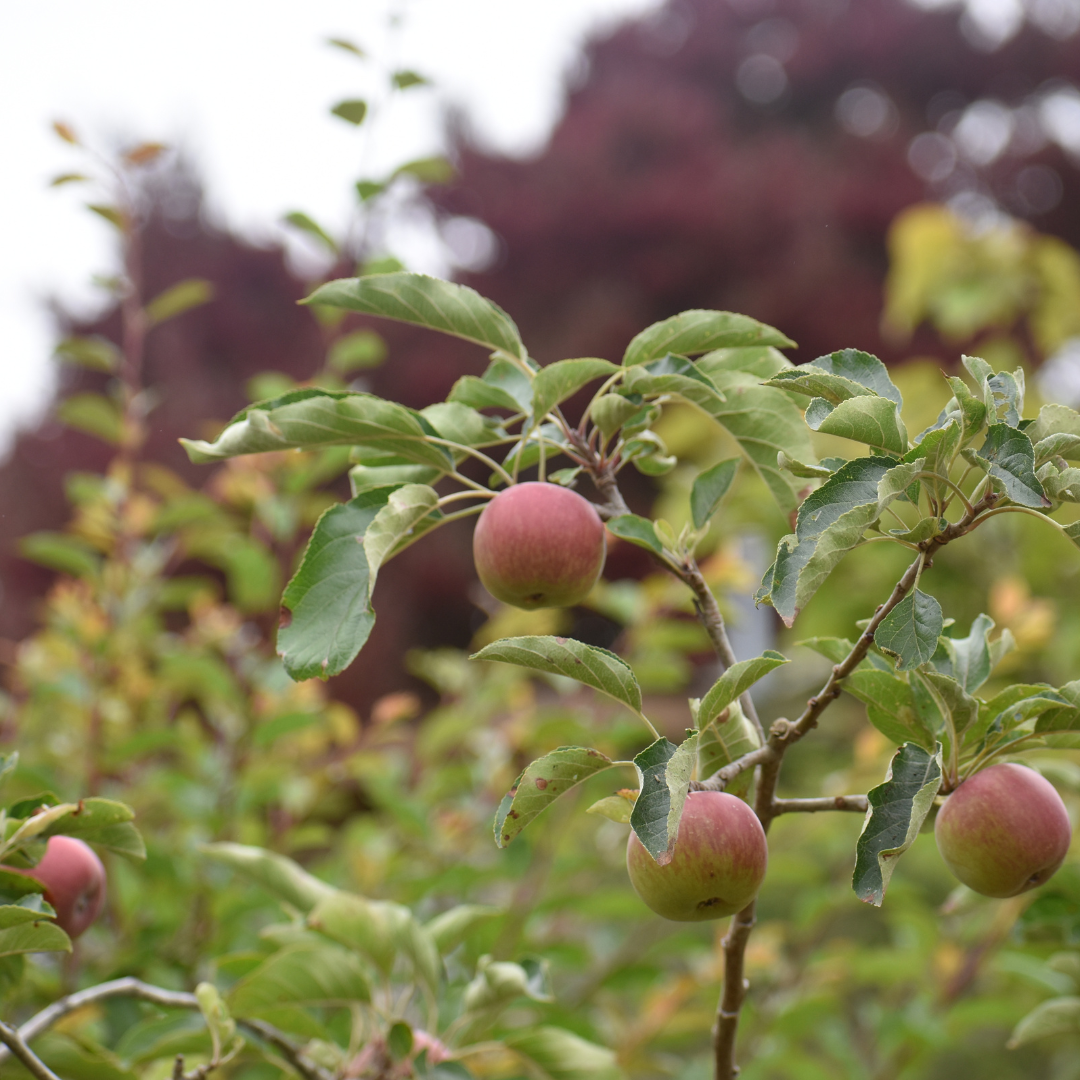
The photograph on a fruit-tree tag sells the harvest. The chill requirement tells you something just as useful: whether that variety fits your winter. For a Santa Cruz County garden, match the named variety to local winter records and the way chill was calculated. There isn't one dependable hour total that covers the coast, a valley floor and a hillside.
What the number on the tag means
Deciduous fruit trees use winter chilling as part of the process that prepares buds for spring growth. Too little can lead to uneven leafing, a drawn-out bloom and reduced fruit set. The UC Davis Fruit and Nut Research and Information Center provides resources for understanding that relationship.
Its explanation of chill models distinguishes hours below 45°F from hours between 32°F and 45°F. The Utah model reports chill units, while the Dynamic Model reports chill portions. These are different calculations. Compare a variety's requirement with records in the same model and units, rather than comparing a number of portions directly with a nursery tag's hours.
Build a picture of your own winter
Start with the UC IPM weather resources, which link to UC Davis chilling accumulations. Use the UC Davis chill calculator to look for relevant station records, including previous winters. Record the station, model and date range with each total so the comparisons stay useful.
The calculator lists De Laveaga and Watsonville West II stations in Santa Cruz County. Choose a station for its climate as well as its distance from home. A sheltered slope above the San Lorenzo Valley can differ from the valley floor; a coastal Aptos garden can differ from a warmer inland site. Elevation, exposure and cold-air drainage help explain why. Our guide to finding your garden's microclimate gives you a starting point for those observations.
Look across several winters, including warmer ones, and ask a local nursery or UC Master Gardener which nearby records are representative. Pair the numbers with observations of named varieties producing in similar gardens. That is a stronger basis for a long-lived tree than one county average.
Turn the information into a shortlist
UC's apple guidance identifies Anna and Dorsett Golden as low-chill choices worth investigating. Ask about their flowering overlap and pollination needs when comparing trees.
For numerical examples, UC publication 8261 lists Anna at 200–300 hours, Santa Rosa plum at 300–400, Fuji apple at 400 and Blenheim apricot at 400–500. Its table puts Bing cherry at 700–900 hours. These published estimates illustrate how much variety matters; the publication covers San Mateo and San Francisco counties, so its geographic zones aren't a Santa Cruz neighborhood map.
Use those examples to ask better questions, then check the particular tree being sold. Summer warmth, bloom-time frost and pollination also affect harvests. An apricot that receives enough winter chill still needs a site suited to flowering and ripening. For figs, ask for the actual cultivar name and its local performance rather than choosing solely from a label that says “dwarf.”
Questions before bare-root season
Will a nearby weather station give my garden's exact chill total?
It gives a measured reference for that station. Compare its setting with yours and review several seasons before using it to choose a tree.
Does low chill guarantee a crop near the ocean?
It addresses the winter requirement. Check summer heat, sun, pollination and the variety's local record too.
What if two catalogs give different requirements?
Check that they mean the same cultivar and model. UC notes that published requirements vary; choosing with the higher estimate in mind leaves more room for a mild winter.
This week: take two candidate varieties and your station notes to a knowledgeable local nursery. Once you've narrowed the choice, see when to plant bare-root fruit trees in Santa Cruz and when to prune different fruit trees. Find the Planting Calendar and other planning resources in Your Garden Toolkit.