

Growing Cut Flowers from Seed in Santa Cruz County
A few of the product links in this guide are affiliate links. If you buy through one, Ambitious Harvest may earn a small commission at no extra cost to you, which helps keep these guides free. We only point to gear we would use in our own Santa Cruz garden. As an Amazon Associate, we earn from qualifying purchases. Read our full disclosure.
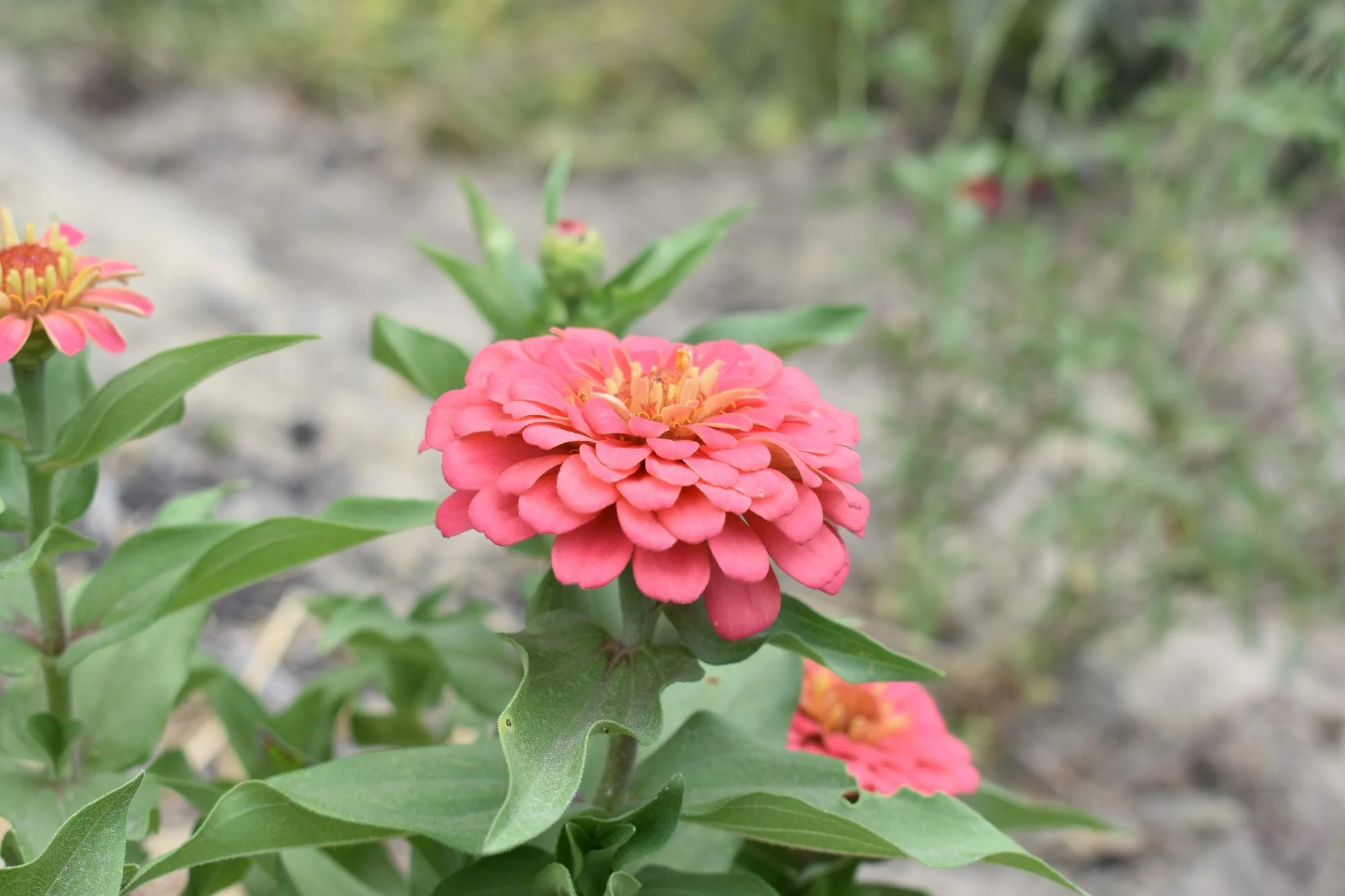
Starting cut flowers from seed opens up a world of variety selection that nursery transplants simply can't match. While your local garden center might stock three colors of zinnias, seed catalogs offer dozens. Growing from seed is also remarkably economical: a $4 packet of seeds can produce more flowers than $50 worth of transplants. The UC Master Gardeners recommend planning a cut flower garden with a variety of plants that bring blooms through each season, selecting annuals, biennials, and perennials for year-round color.
For Santa Cruz County gardeners, seed starting is particularly rewarding because our long growing season and mild climate make both indoor starting and direct sowing viable for most cut flowers. This guide covers everything you need to know to successfully grow cut flowers from seed, from choosing varieties to transplanting healthy seedlings.
Why Should You Start Cut Flowers from Seed?
More variety, lower cost, and better timing control for Santa Cruz County gardens.
Variety selection
Cut-flower varieties are rarely sold as transplants. Seed catalogs open up dozens of options per crop.
Cost savings
A $3–$5 packet can produce more plants than $50 worth of starts.
Timing control
Start and plant exactly when it fits your microclimate and succession schedule.
Volume
Cut gardens need numbers. Seeds make it practical to grow 50–100 plants of one variety.
What Is the Difference Between Direct Sowing and Indoor Starting?
Cut flowers fall into two categories based on how they're best started:
Seed Starting Methods Comparison
| Method | Best for | Tradeoffs to plan for |
|---|---|---|
| Direct sow | Fast growers and/or flowers that dislike root disturbance (zinnias, cosmos, sunflowers, sweet peas). | More exposure to slugs/snails, uneven germination, and slower starts in cool coastal soil. |
| Start indoors + transplant | Slow growers, tiny seeds, and transplant-friendly flowers (snapdragons, statice, stock, strawflowers). | Requires light and consistent care; hardening off is essential to avoid transplant shock. |
| Either method | Flexible crops like marigolds and some zinnias/cosmos depending on your timing and space. | Use seed packet guidance as the tie-breaker for best results. |
What Are the Basics of Direct Sowing?
Direct sowing is the simplest method: plant seeds in the garden where they'll grow.
When to direct sow in Santa Cruz County:
When to Direct Sow (Santa Cruz County)
| Flower type | Typical sow window | Soil temperature |
|---|---|---|
| Cool-season (sweet peas, calendula) | Oct–Feb | 50–65°F |
| Warm-season (zinnias, cosmos, sunflowers) | Apr–Jul | 60–70°F+ |
How to direct sow:
Prepare the bed. Remove weeds, loosen soil, and rake smooth. Work in compost if soil is poor.
Check soil temperature. Use a soil thermometer or your hand. Warm-season flowers need soil that feels warm, not cool.
Plant at proper depth. General rule: plant seeds 2-3 times as deep as their diameter. Tiny seeds go on the surface; large seeds go 1/2 to 1 inch deep. Check packet instructions.
Space appropriately. Plant more seeds than you need (some won't germinate). You'll thin later.
Water gently. Use a fine spray to avoid washing seeds away. Keep soil moist until germination.
Mark rows. Use plant markers so you know where seeds are planted. This helps distinguish seedlings from weeds.
Thin seedlings. Once seedlings have true leaves, thin to final spacing. This feels wasteful but is essential; crowded plants produce weak stems.
Direct sowing tips for Santa Cruz County:
Coastal areas: Soil warms slowly. Don't rush warm-season flowers; wait until late May or June if needed.
Watch for slug and snail damage on emerging seedlings. Protect with bait or copper barriers.
Morning fog provides natural moisture but doesn't replace watering during establishment.
What Are the Basics of Indoor Seed Starting?
Starting seeds indoors gives tender flowers a head start and lets you control conditions precisely.
Indoor Seed Starting (step-by-step)
- Fill trays with moist seed-starting mix (damp, not soggy).
- Sow at the correct depth (many tiny seeds are surface-sown).
- Label everything (variety + date).
- Cover for humidity until germination; remove cover once sprouted.
- Warmth: most seeds germinate best at ~65–75°F (heat mat helps if cool indoors).
- Light: provide bright light immediately after germination to prevent legginess.
- Water from below to reduce disease pressure.
- Feed lightly once true leaves appear (quarter-strength weekly).
- Pot up if seedlings outgrow cells before transplanting.
- Harden off 7–10 days before planting out.
Equipment needed:
Seed trays or cell packs with drainage
Quality seed-starting mix (sterile, light, holds moisture)
Light source (sunny window or grow lights)
Watering can with fine rose or spray bottle
Plant labels and waterproof marker
Optional: heat mat for warm-season flowers
When to start seeds indoors:
Count backward from your target transplant date:
FlowerWeeks Before TransplantingSnapdragons8-10 weeksCelosia4-6 weeksStrawflowers6-8 weeksStatice8-10 weeksStock6-8 weeksMarigolds4-6 weeks
Step-by-step indoor seed starting:
How Do You Troubleshoot Seed Starting Problems?
Seeds don't germinate:
Too cold (use heat mat)
Too old (use fresh seed)
Planted too deep (check packet depth)
Dried out (keep consistently moist)
Seeds need light (don't cover)
Leggy, stretched seedlings:
Not enough light (move closer to light source)
Too warm after germination (reduce temperature)
Too crowded (thin or pot up)
Seedlings collapse at soil line (damping off):
Use sterile seed-starting mix
Don't overwater
Provide air circulation with small fan
Water from below
Seedlings pale or yellow:
Need fertilizer (start feeding when true leaves appear)
Too much water (let dry slightly between waterings)
Too little light
Seedlings not growing:
Too cold (most need 65-75°F)
Rootbound (pot up to larger containers)
Need fertilizer
How Do You Harden Off Seedlings?
Seedlings grown indoors are tender and can't handle direct transplanting to the garden. Hardening off gradually acclimates them to outdoor conditions.
Hardening off schedule:
| Days | Exposure |
|---|---|
| 1–2 | 1–2 hours in full shade, protected from wind |
| 3–4 | 3–4 hours with some morning sun |
| 5–6 | Half day with increasing sun |
| 7–8 | Full day outside; bring in at night if cold |
| 9–10 | Overnight outside if temperatures are safe |
| 11+ | Ready to transplant |
Tips:
Don't skip this step; unhardened seedlings may die or be severely set back
Watch weather; bring seedlings in if conditions are harsh
Water carefully during hardening; wind dries containers quickly
A cold frame makes hardening off easier (partial shade, wind protection)
How Do You Transplant Seedlings?
When to transplant:
After hardening off is complete
When seedlings have 3-4 sets of true leaves
When outdoor conditions are appropriate for the flower type
On a cloudy day or in evening to reduce transplant shock
How to transplant:
Water seedlings thoroughly a few hours before transplanting
Prepare planting holes at proper spacing
Gently remove seedling from container, keeping root ball intact
Plant at same depth as in container (most flowers; some prefer slightly deeper)
Firm soil gently around roots
Water in well with dilute fertilizer or plain water
Provide shade for a day or two if weather is hot and sunny
After transplanting:
Water daily for the first week if no rain
Watch for pest damage on tender new transplants
Don't fertilize heavily until plants establish (1-2 weeks)
Where Are the Best Seed Sources for Cut Flowers?
Renee's Garden Seeds (Felton, CA): Local company with excellent varieties chosen for home gardeners. Strong selection of cut flowers with good growing information.
Johnny's Selected Seeds: Professional-quality seeds with extensive cut flower selection. Detailed information on variety performance.
Floret Flowers: Curated collections from a renowned flower farmer. Premium varieties but higher prices.
Botanical Interests: Beautiful packets with extensive growing information. Good variety selection.
Baker Creek Heirloom Seeds: Heirloom and open-pollinated varieties. Good for gardeners interested in seed saving.
| Flower | Start indoors (weeks before transplant) |
|---|---|
| Snapdragons | 8–10 weeks |
| Celosia | 4–6 weeks |
| Strawflowers | 6–8 weeks |
| Statice | 8–10 weeks |
| Stock | 6–8 weeks |
| Marigolds | 4–6 weeks |
Where to get flower seeds: For cut-flower and pollinator varieties that do well here, we like Botanical Interests, a California company selling non-GMO, open-pollinated, and heirloom seed. (Affiliate link, see our disclosure.)
Frequently Asked Questions
How long do flower seeds stay viable? Most flower seeds remain viable for 2-3 years if stored cool and dry. Some (onion family, parsley) lose viability quickly (1 year). When in doubt, plant a few extra seeds to compensate for reduced germination.
Can I save seeds from my cut flowers? Yes, for open-pollinated varieties. Allow some flowers to mature and go to seed on the plant. Hybrid varieties (F1) won't come true from saved seed.
Why are my zinnia seeds not germinating when direct sown? Usually soil is too cold. Wait until soil is genuinely warm (65°F+). In coastal Santa Cruz, this may mean late May or June.
Should I soak seeds before planting? Some large or hard-coated seeds benefit from soaking (sweet peas, morning glories, nasturtiums). Most flower seeds don't need soaking.
How do I know if seeds need light or darkness to germinate? Check the seed packet. General rule: tiny seeds (snapdragons, petunias) usually need light; larger seeds usually don't. When in doubt, cover lightly.
Can I start seeds in regular potting soil? Seed-starting mix is better. It's sterile (no disease or weed seeds), lightweight, and drains well. Regular potting soil can be too dense and may contain pathogens.
My seedlings grew great but died after transplanting. What happened? Likely insufficient hardening off. Seedlings need 7-10 days of gradual outdoor exposure before transplanting. Also, transplant shock is worse in hot, sunny, or windy conditions.
Free Resources
Download these guides to support your seed starting:
Seasonal Planting Calendar: When to start seeds for your area
Visit our Garden Toolkit for more downloadable resources.
Related Articles
Growing a Cut Flower Garden in Santa Cruz County: A Complete Guide
Succession Planting Cut Flowers for Continuous Blooms
