

Common Beginner Mistakes (And How to Avoid Them)
A few of the product links in this guide are affiliate links. If you buy through one, Ambitious Harvest may earn a small commission at no extra cost to you, which helps keep these guides free. We only point to gear we would use in our own Santa Cruz garden. As an Amazon Associate, we earn from qualifying purchases. Read our full disclosure.
The ten most common beginner gardening mistakes in Santa Cruz County are starting too big, planting at the wrong time, underwatering (or overwatering), ignoring gophers, overcrowding plants, neglecting soil preparation, planting too much of one crop, buying too many seeds, expecting perfection, and giving up too soon. UC Master Gardeners advise new gardeners to start small, with one raised bed or no more than four pots, because a small well-kept garden supplies more food with less work.
This guide covers the ten most frequent mistakes beginning gardeners make in Santa Cruz County, why they happen, and how to prevent them. Learn from others' experiences and save yourself frustration, wasted money, and disappointing harvests.
How Big Should a Beginner Garden Be?
What it looks like: You build six 4x8 raised beds in April, plant 30 different crops, and within a month feel completely overwhelmed. Weeds take over. Watering becomes a chore. Harvesting gets neglected. By July, you're burned out and questioning why you started gardening in the first place.
Why it happens: Enthusiasm. Gardening looks easy in YouTube videos and Instagram posts. You have visions of abundance and want it all immediately.
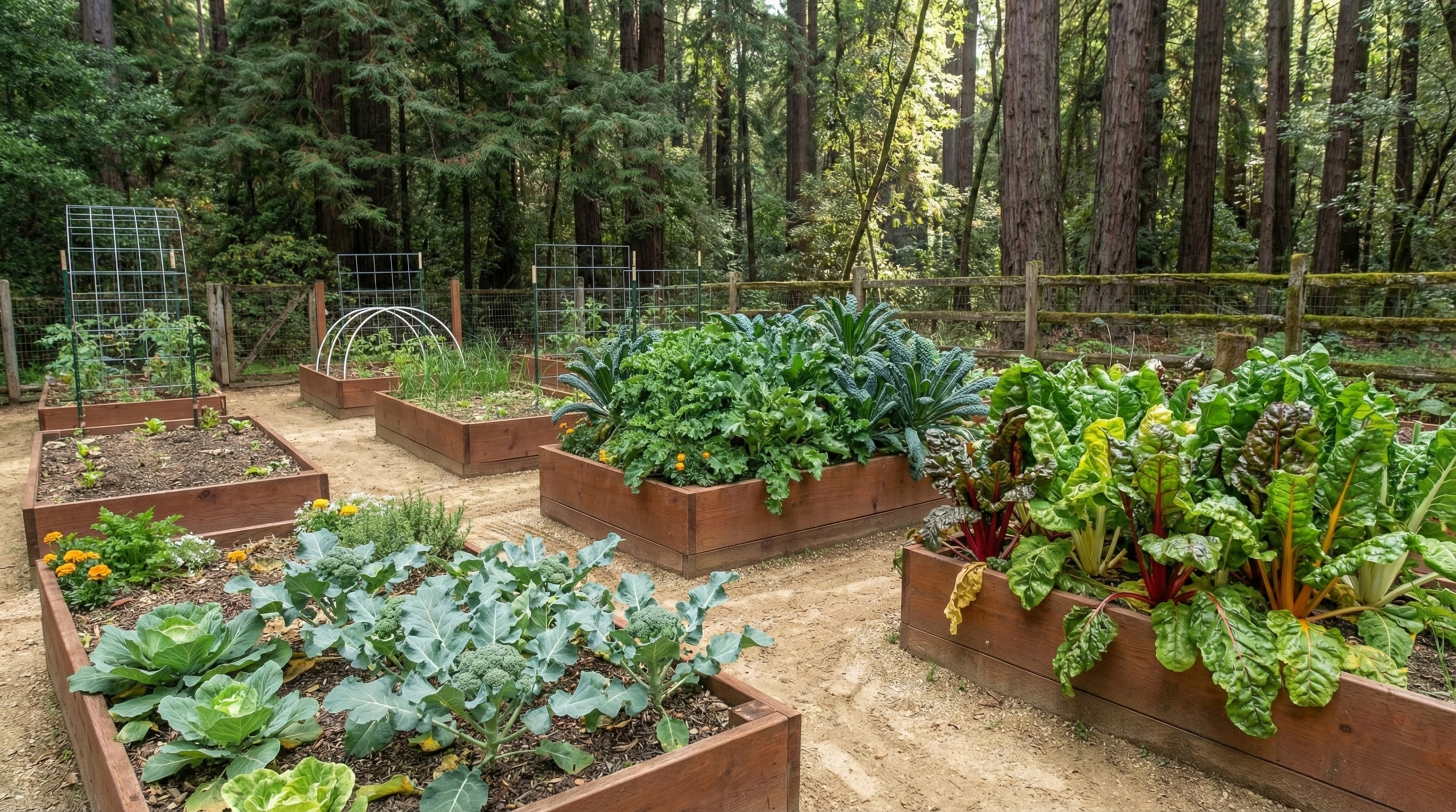
How to avoid it: Start with one or two beds maximum. Fifty to 100 square feet is plenty for your first season. Our guide to starting a vegetable garden in Santa Cruz County walks you through each step. Master the basics (watering, weeding, harvesting) on a small scale before expanding. It's much better to have two thriving beds than six neglected ones.
What to do instead: Choose 5 to 7 crops. Plant them in one or two beds. Focus on success rather than size. You can always expand next year once you understand the time commitment and rhythm of garden maintenance.
When Is the Right Time to Plant in Santa Cruz County?
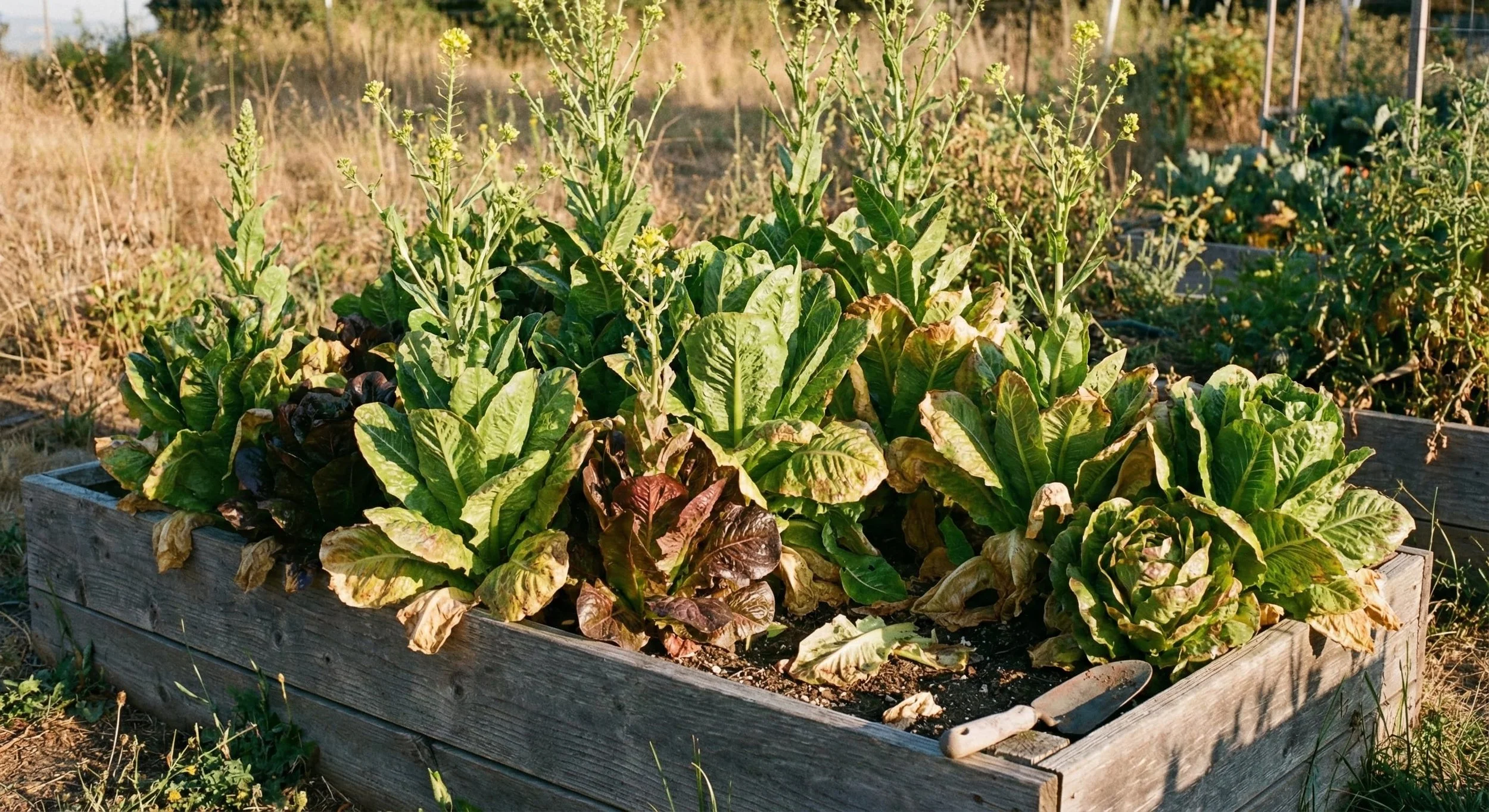
What it looks like: You plant tomatoes in March because they're available at nurseries. They sit there, stunted and yellowing, for two months before finally growing in June. Or you plant lettuce in July and it bolts to seed within two weeks.
Why it happens: Following generic gardening advice written for other climates, or trusting that nurseries only sell plants when it's time to plant them (they don't, they sell when demand is high).
How to avoid it: Learn Santa Cruz's planting windows. Cool-season crops (lettuce, broccoli, kale) go in fall through spring. Warm-season crops (tomatoes, peppers, squash) go in May through early July. Coastal gardeners should wait until late May or June for heat-loving crops. Inland gardeners can plant in early May.
What to do instead: Refer to our month-by-month planting guide. When in doubt, ask at local nurseries (Sierra Azul, Dig Gardens, San Lorenzo Garden Center) what's appropriate to plant right now. Farmers markets also provide clues. If farmers are selling tomato starts in May, that's your signal.
How Much Water Does a Vegetable Garden Need?
What it looks like: Your garden looks great in April when winter rains are still lingering. By June, plants are wilting daily. By July, everything is crispy and brown.
Why it happens: We get no rain from May through October. That's five months of drought. Beginning gardeners underestimate how much water vegetables need and how fast soil dries out in summer sun.
How to avoid it: Plan irrigation before you plant. Drip irrigation on a timer is the best solution for Santa Cruz summers. Hand watering works for small gardens, but you must commit to daily watering in July and August. Most vegetables need 1 to 2 inches of water per week, more during heat waves. The UC Coastal Gardener program identifies overwatering and underwatering as two of the most common mistakes new gardeners make.
What to do instead: Set up drip irrigation. Install a timer. Water deeply rather than frequently. Mulch heavily (2 to 3 inches of straw or shredded leaves) to reduce evaporation. Check soil moisture regularly by sticking your finger 2 inches deep. If it's dry, water.
How Do I Protect My Garden from Gophers?
What it looks like: You plant a beautiful tomato, pepper, and squash garden. One morning, an entire pepper plant has vanished, pulled underground. Then another. Then three more. Within two weeks, your garden is decimated.
Why it happens: Gophers are pervasive in Santa Cruz County. If you have soil, you have gophers or will soon. Many beginners don't realize this until after the damage is done.
How to avoid it: Install gopher protection BEFORE planting. For raised beds, line the bottom with half-inch hardware cloth before filling. For in-ground gardens, bury hardware cloth 18 to 24 inches deep around the perimeter and beneath the planting area. Yes, it's extra work and expense. Yes, it's worth it.
What to do instead: If you didn't install barriers and gophers appear, you have limited options: trapping (effective but requires skill and persistence), gopher baskets for individual plants (wire cages that protect roots), or raised beds with hardware cloth retrofitted underneath (difficult but possible).
How Far Apart Should I Space Vegetable Plants?
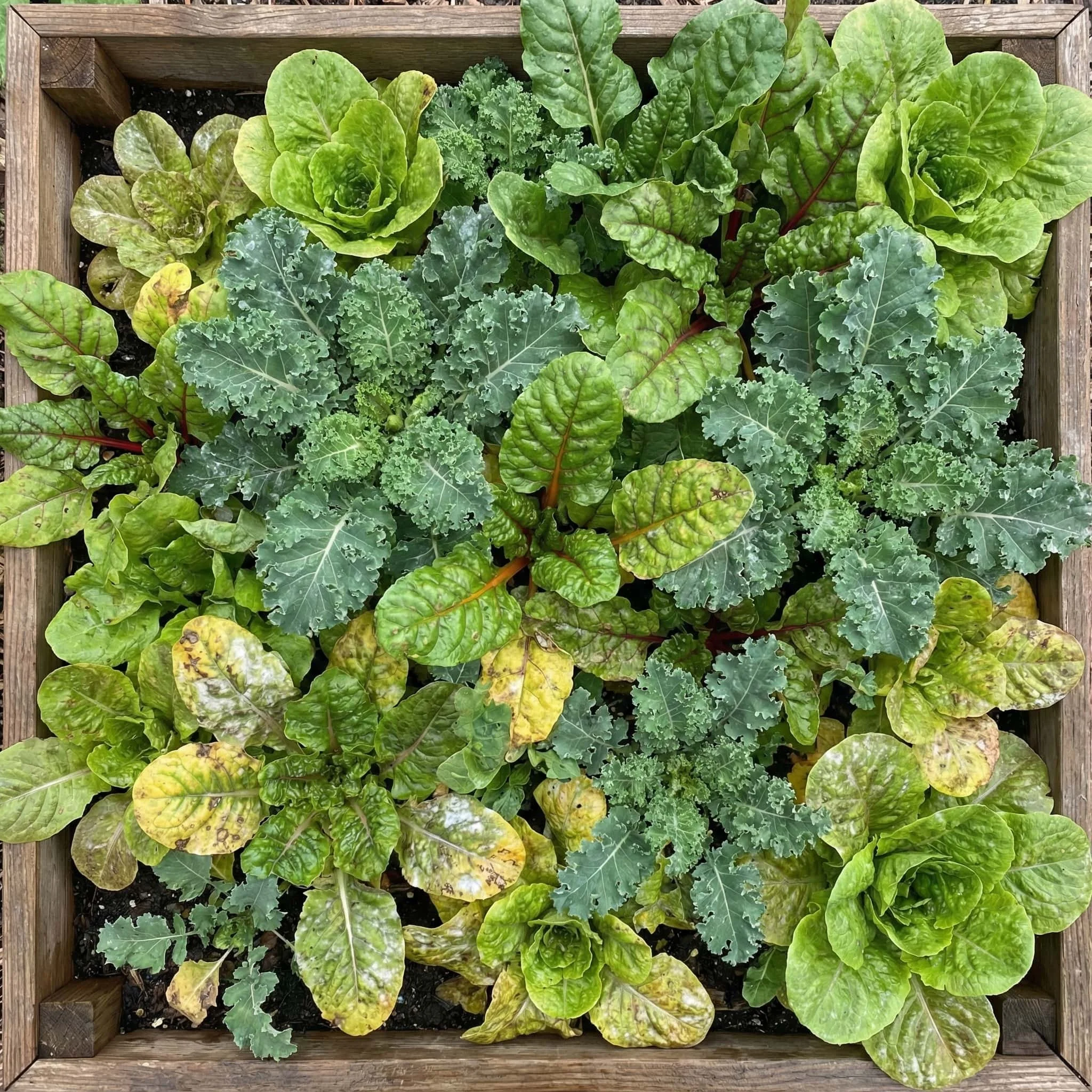
What it looks like: You cram three tomato plants into a 4x4 bed because you want more tomatoes. They grow into a tangled, airless mess. Disease spreads. Yields are actually lower than if you'd planted just one or two properly spaced plants.
Why it happens: Seed packets say "space 6 inches apart" so you do, not realizing that's spacing for baby plants. Mature vegetables need much more room. Or you can't bear to thin seedlings, so you leave them all.
How to avoid it: Follow mature spacing guidelines, not seedling spacing. Tomatoes need 24 to 36 inches between plants. Squash needs 36 inches. Lettuce needs 6 to 8 inches. Kale needs 12 to 18 inches. Give plants room to grow.
What to do instead: Thin ruthlessly. If you plant carrot seeds 1 inch apart, thin to 3 inches apart once they sprout. It feels wasteful, but crowded plants never thrive. You can eat thinnings (baby lettuce, microgreens, tiny carrots). Properly spaced plants produce far more than crowded ones. UC Master Gardeners note that overcrowding reduces air circulation and invites disease, especially in coastal climates.
How Do I Prepare Soil for a Vegetable Garden?
What it looks like: You dig a hole, drop in a tomato transplant, and expect it to thrive. It doesn't. Growth is slow. Leaves yellow. Yields are disappointing. You blame the variety, the weather, yourself, anything but the soil.
Why it happens: Most Santa Cruz soils start in poor condition. Clay, sand, low organic matter. Vegetables need fertile, well-draining soil to produce well. You can't expect great harvests from poor soil.
How to avoid it: Amend soil before planting. Add 3 to 4 inches of compost and work it into the top 6 to 8 inches. For raised beds, fill with a proper soil mix (60% topsoil, 30% compost, 10% perlite or rice hulls). See our raised bed basics guide for more detail. Top-dress with 1 to 2 inches of compost annually. Mulch heavily.
What to do instead: Think of soil building as an investment. Every dollar spent on compost returns tenfold in better harvests. Our composting guide shows you how to make your own. Get a soil test to understand pH and nutrient levels. Read our guide to understanding your soil and building healthy soil.
How Do I Avoid Growing Too Much of One Vegetable?
What it looks like: You plant 20 lettuce plants in March. Four weeks later, you have 20 heads of lettuce ready simultaneously. You eat salads for a week, then watch the rest bolt to seed. Or you plant 12 zucchini plants and drown in squash by August.
Why it happens: Excitement about a particular crop, or not understanding succession planting and harvest timing.
How to avoid it: Succession plant crops that produce all at once. Plant lettuce, radishes, carrots, beets, and bush beans in small amounts every 2 to 3 weeks rather than all at once. Limit zucchini to one or two plants per family. One zucchini plant produces 10+ pounds of squash. You don't need six.
What to do instead: Stagger plantings for continuous harvest rather than overwhelming abundance. Plant what you'll actually eat. Remember that you can always plant more next month. It's harder to deal with 50 pounds of zucchini than to plant a second succession.
How Many Seeds Does a Beginner Gardener Need?
What it looks like: You order 30 packets of seeds in January. You plant 10% of them. The rest sit in a drawer for years before you throw them away because they're no longer viable.
Why it happens: Seed catalogs are seductive. Everything looks amazing. You want to try it all. But you can only grow so much in a small space.
How to avoid it: Before ordering, plan your garden. How many beds do you have? How much space does each crop need? How many tomato plants can you realistically fit? Only buy seeds for crops you have space for. Focus on varieties specifically suited to Santa Cruz (fog-tolerant tomatoes, heat-tolerant lettuce).
What to do instead: Start with a small seed order. Buy transplants for crops that are tricky to start from seed (tomatoes, peppers, eggplant, brassicas). Save money on crops that direct seed easily (beans, squash, carrots, radishes, lettuce). Join the Felton Seed Lending Library (6121 Gushee Street, Felton) to borrow seeds for free.
Why Should New Gardeners Stop Expecting Perfection?
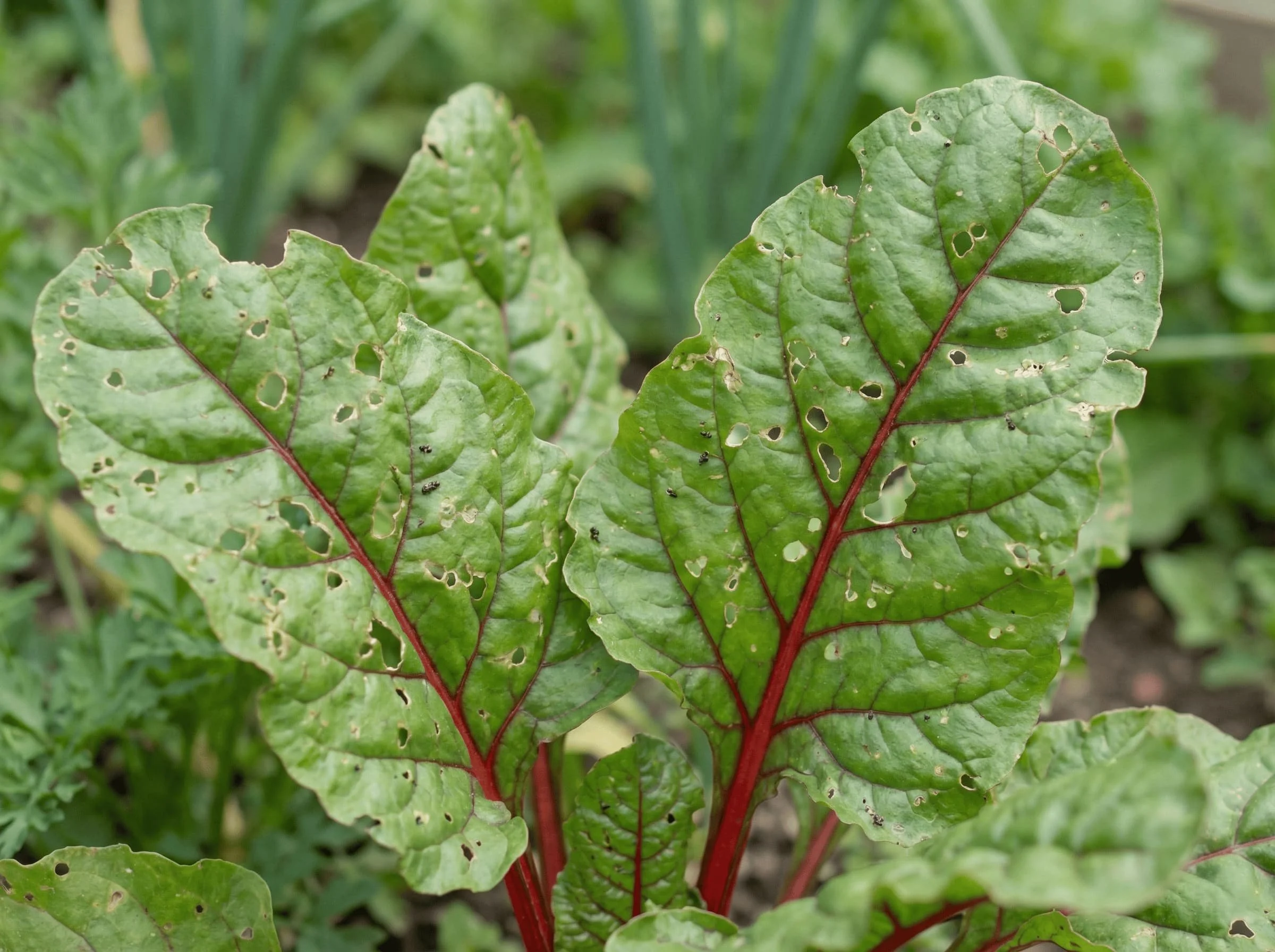
What it looks like: Your tomato plant gets a few yellow leaves and you panic. Cabbage moth caterpillars chew holes in your kale and you think you've failed. You see someone's pristine Instagram garden and feel discouraged about your own messy reality.
Why it happens: Unrealistic expectations. Social media shows highlight reels, not the weedy paths and bug damage that every garden has.
How to avoid it: Accept that gardening is messy and imperfect. A few yellow leaves are normal. Some pest damage is inevitable. Plants die sometimes, even when you do everything right. Focus on overall progress, not perfection.
What to do instead: Celebrate successes, even small ones. Your first ripe tomato is worth celebrating, even if the plant only produced five. Learning what doesn't work is as valuable as learning what does. Keep notes on what thrives in your garden so you can repeat it next season. Ignore Instagram perfection.
Why Do New Gardeners Give Up Too Soon?
What it looks like: Your first garden doesn't meet expectations. Plants fail. Pests attack. You get overwhelmed. You decide gardening isn't for you and quit.
Why it happens: Discouragement. Gardening has a learning curve. First-season struggles are normal, but they feel personal.
How to avoid it: Expect a learning year. Your first season is about figuring out your microclimate, your soil, your watering rhythm. It's rare for anyone's first garden to be a complete success. That's okay. Every failure teaches you something.
What to do instead: Focus on what worked, not what failed. If your tomatoes thrived but your lettuce bolted, grow more tomatoes next year. If your coastal garden struggled with heat-loving crops, shift to cool-season vegetables. Give yourself at least two to three seasons before deciding if gardening is for you. Most people's second-year gardens are dramatically better than their first.
What Other Mistakes Do New Gardeners Make?
Not hardening off transplants. If you start seeds indoors or buy greenhouse-grown transplants, they need gradual introduction to outdoor conditions. Set them outside for a few hours daily, gradually increasing exposure over a week before planting.
Planting in pure compost. Compost is an amendment, not a growing medium. Always mix it with soil or other materials.
Following seed packet instructions blindly. Most packets are written for cold-winter climates. Adjust timing and spacing for Santa Cruz conditions.
Not protecting from deer. If you live in San Lorenzo Valley, Bonny Doon, or rural areas, deer will find your garden. Fence it (7 to 8 feet high) or plant only deer-resistant crops.
Forgetting to mulch. Mulch saves water, suppresses weeds, and improves soil. Spread 2 to 3 inches of straw or shredded leaves after planting.
Not seeking local advice. Generic gardening advice often fails here. Talk to neighbors, join local gardening groups, ask questions at nurseries, attend UC Master Gardener workshops (mbmg.ucanr.edu).
How Do Gardening Mistakes Help You Grow?
Every experienced gardener has killed plants, wasted money, and made embarrassing mistakes. The difference between them and beginners is that they kept going. They learned, adjusted, and tried again.
Keep a garden journal. Write down what you plant, when you plant it, what works, and what doesn't. This becomes your personalized guide to gardening in your specific microclimate.
Ask for help. The Santa Cruz gardening community is generous with advice. Local nurseries, farmers markets, and UC Master Gardeners are excellent resources.
Start small, stay consistent, and be patient with yourself. Gardening is a skill learned over years, not weeks.
Where Can New Santa Cruz Gardeners Get Help?
UC Master Gardeners of Monterey, San Benito and Santa Cruz Counties (1432 Abbott Street, Salinas) answer gardening questions through an online Gardening Advice Line and run classes and workshops across the three counties.
Cabrillo College Horticulture Department (6500 Soquel Drive, Aptos) runs beginner gardening courses through their continuing education program.
UCSC Center for Agroecology (casfs.ucsc.edu) offers tours and workshops on sustainable gardening practices.
Love Apple Farms (growbetterveggies.com) teaches intensive vegetable gardening in Scotts Valley.
Local nurseries (Sierra Azul, Dig Gardens, San Lorenzo Garden Center, Scarborough Gardens) have knowledgeable staff who can answer questions specific to your area.
Santa Cruz County free composting workshops (cdi.santacruzcountyca.gov) teach soil building techniques.
You've Got This
Mistakes are how you learn. Every failed crop teaches you something valuable about your soil, your microclimate, or your timing. Every success builds your confidence and skills.
Don't let fear of mistakes prevent you from starting. Just avoid the most common ones by planning ahead, starting small, watering consistently, and being patient with the process.
Your second season will be better than your first. Your third better than your second. Before you know it, you'll be the experienced gardener helping the next beginner avoid these same mistakes.
Ready to start growing? Check out our guide to the first 5 vegetables to grow in Santa Cruz County for beginner-friendly crops.
Need a planting timeline? Explore our guide to when to plant what in Santa Cruz's year-round season.
Want monthly reminders? Sign up for our free Santa Cruz planting calendar with seasonal tips designed for local conditions.
Frequently Asked Questions About Beginner Gardening Mistakes
What's the single most important mistake to avoid?
Starting too big. An overwhelmed gardener stops gardening. One or two well-maintained beds that produce food and build your skills are infinitely better than six neglected beds that burn you out by July. You can always expand next year. Start small, succeed, then grow.
How do I know if I'm overwatering or underwatering?
Stick your finger 2 inches into the soil. If it's dry, water. If it's moist, wait. Most beginners underwater during Santa Cruz's dry summers (May through October) because they underestimate how quickly soil dries. Vegetables generally need 1 to 2 inches of water per week, more during heat waves. Wilting in afternoon heat is normal; wilting in morning means the plant needs water.
Should I just give up on gopher-prone areas?
No, but you need to plan for gophers from the start. Install hardware cloth (1/2 inch mesh) under raised beds or use gopher baskets for individual plants. Retrofitting protection after gophers attack is much harder than installing it before planting. In Santa Cruz County, assume gophers will find your garden eventually and protect accordingly.
My plants look terrible in their first week after transplanting. Did I kill them?
Probably not. Transplant shock is normal. Plants often look wilted, droopy, or stressed for the first week or two after transplanting, especially if they weren't hardened off properly. Keep them watered, provide some shade if it's hot, and give them time. Most recover within one to two weeks and start growing vigorously.
How do I know if I should direct sow or buy transplants?
Some crops transplant well and benefit from indoor starting: tomatoes, peppers, eggplant, broccoli, cabbage, kale. Others resent transplanting and do better direct-sown: beans, squash, cucumbers, carrots, radishes, beets. Lettuce goes either way. For your first garden, buy transplants for the tricky crops and direct sow the easy ones.
What should I do when something goes wrong and I don't know why?
Take a photo and ask for help. The UC Master Gardeners of Monterey Bay have a help desk that answers questions. Local nurseries like Sierra Azul and Dig Gardens have knowledgeable staff. Bring a sample or clear photo. Most problems have straightforward solutions once identified.
Is my garden failure because I have a "black thumb"?
No. "Black thumb" doesn't exist. Garden failures result from specific, identifiable causes: wrong timing, insufficient water, poor soil, pest damage, wrong variety for your climate. These are all fixable problems, not character flaws. Keep notes on what went wrong, identify the actual cause, and adjust next time.
How many seasons does it take to get good at gardening?
Most people see dramatic improvement by their second or third year. The first season is primarily learning: understanding your microclimate, your soil, your watering needs, what thrives in your specific conditions. By year two, you're refining. By year three, you have a personalized system that works. Be patient with the learning process.
Free Gardening Resources
Getting Started
Beginner Garden Setup Checklist: Complete setup guide to start your garden right.
Know Your Microclimate Worksheet: Understand your local conditions before planting.
Planning & Timing
Seasonal Planting Calendar: Avoid timing mistakes with month-by-month guidance.
Vegetables by Season Chart: Quick reference for what to plant and when in Santa Cruz County.
Seasonal Garden Tasks Checklist: Stay on track with monthly garden maintenance tasks.
Growing Guides
Companion Planting Guide: Learn which plants grow better together and which to keep apart.
Tomato Variety Selector: Find the best tomato varieties for your Santa Cruz microclimate.
Problem Solving
Garden Troubleshooting Guide: Diagnose common problems before they become disasters.
Gopher Control Guide: Humane and effective strategies for managing gophers in your garden.
Santa Cruz-Specific Guides
Water-Wise Gardening Guide: Conserve water while keeping your garden thriving through dry seasons.
