

Learn
CATEGORIES
- Beginner Gardening
- California Gardening
- Companion Planting
- Container Gardening
- Edible Gardening
- Fire-Wise Gardening
- Food Safety
- Garden Myth Buster
- Garden Planning
- Garden Question of the Week
- Gardening with Kids
- Getting Started
- Grow Guides
- Growing Guides
- Herbs
- How-To Guides
- Indoor Gardening
- Microclimates
- Microgreens and Indoor Growing
- Monthly Garden Checklist
- Nutrition
- Planning & Planting
- Plant Problems
- Seasonal Gardening
- Seasonal Planting
- Succulents
- This vs. That
- Water-Wise Gardening
- Wildlife and Pest Management

Fire-Wise Gardening 101: Protecting Your Home and Garden in Santa Cruz County
After the CZU fires, Santa Cruz County homeowners are rethinking landscaping. Learn how to create defensible space with fire-resistant plants that are beautiful and water-wise.
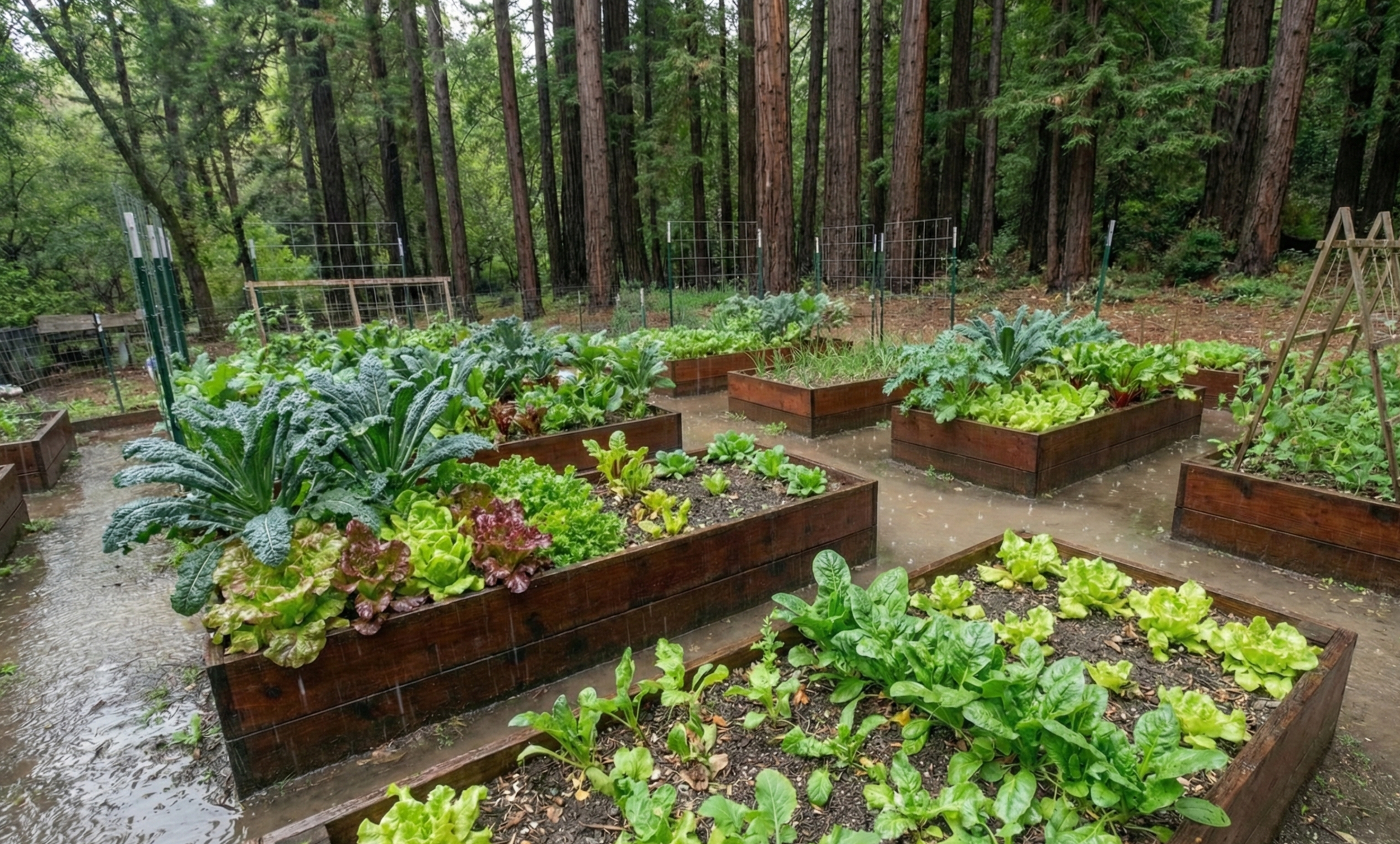
How Much Do I Really Need to Water My Garden in Winter in Santa Cruz County?
Santa Cruz County's winter rains do most of the work for your garden. Learn when to turn irrigation off, which exceptions need attention, and how to check if your soil has enough moisture.

Bats as Garden Allies: Installing Bat Houses for Natural Mosquito Control
Bats eat 1,000+ mosquitoes nightly—free pest control for Santa Cruz County gardens. With Aedes aegypti mosquitoes now in Boulder Creek, attracting bats matters more than ever. Learn proper bat house installation, placement, and habitat creation.
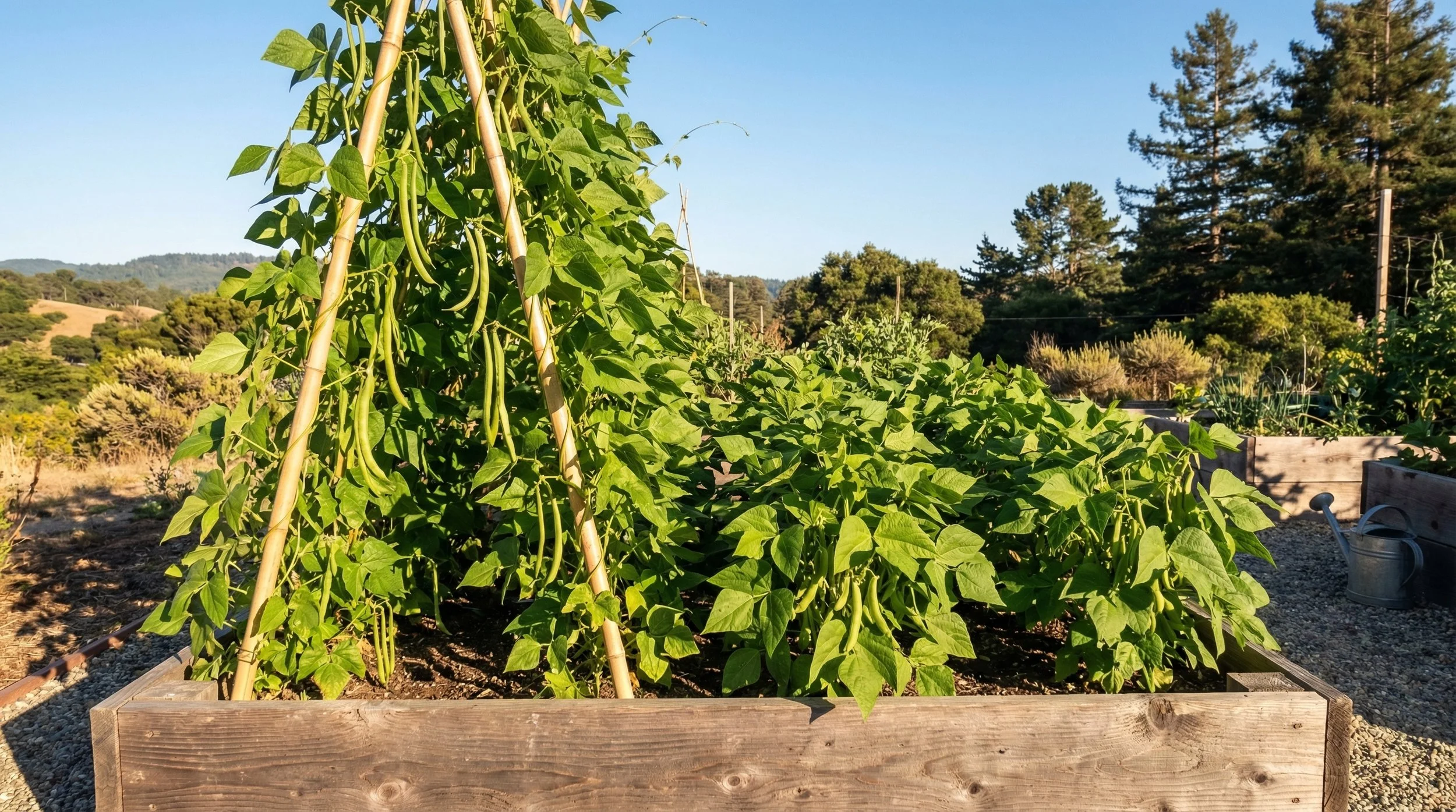
Pole Beans vs. Bush Beans: Which to Grow
Pole beans climb and produce for months. Bush beans stay compact and harvest all at once. Here is how to choose the right type for your garden.
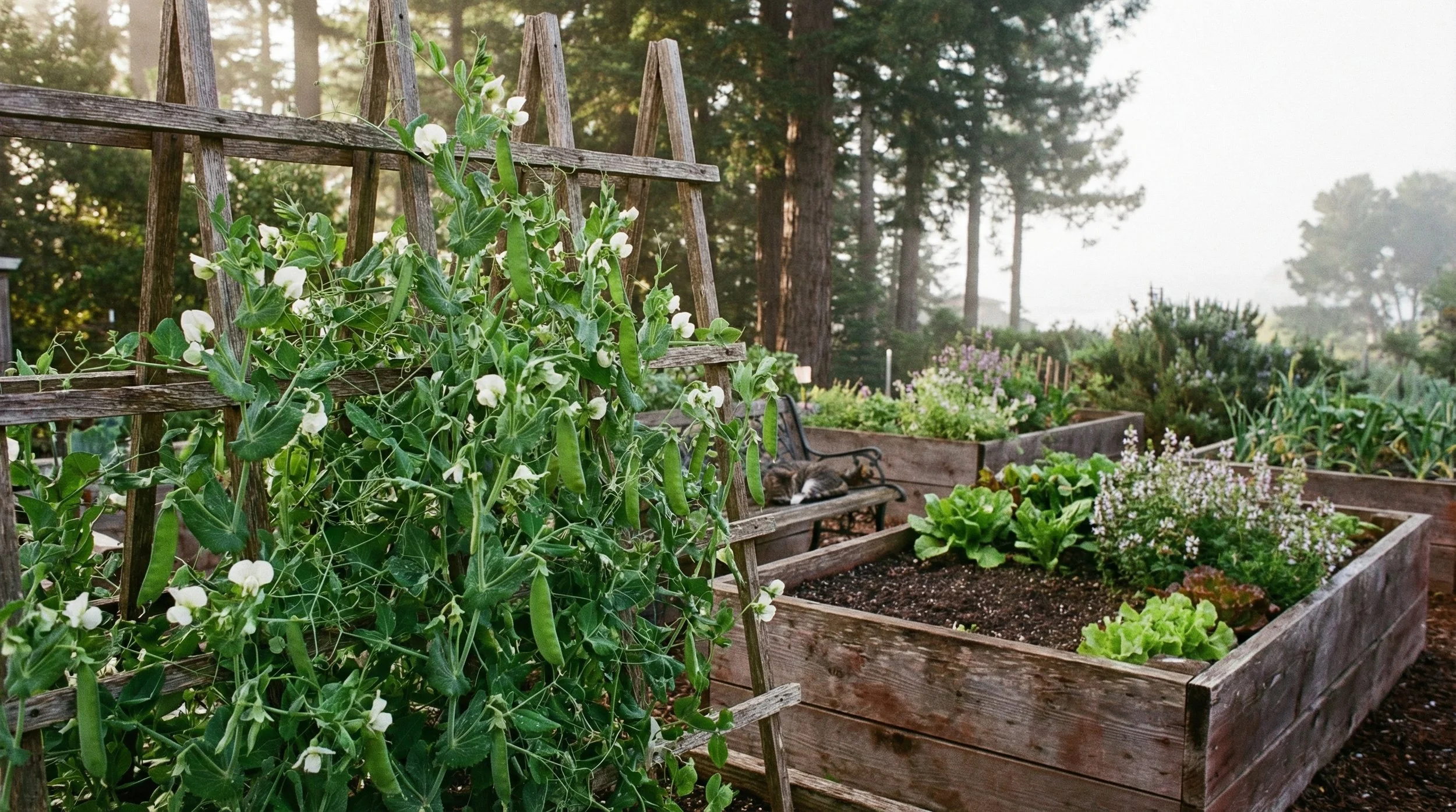
Growing Sugar Snap and Snow Peas in Santa Cruz
Sugar snap and snow peas thrive in Santa Cruz County's cool seasons. Plant them in fall or late winter for sweet, crunchy harvests through spring.
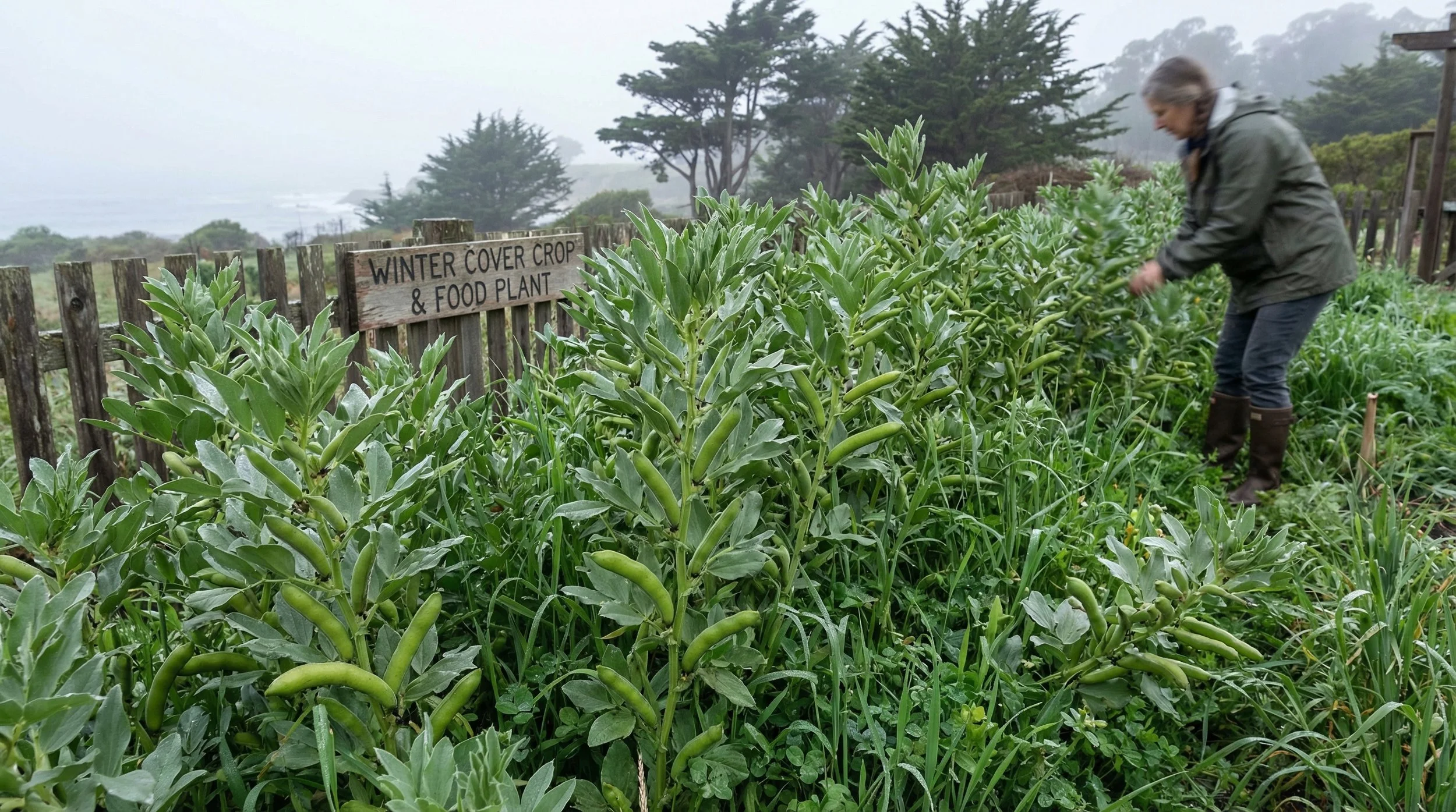
Growing Fava Beans: Winter Cover Crop and Food
Fava beans fix nitrogen, protect bare soil through winter, and produce a delicious harvest. They are the ultimate dual-purpose crop for Santa Cruz gardens.
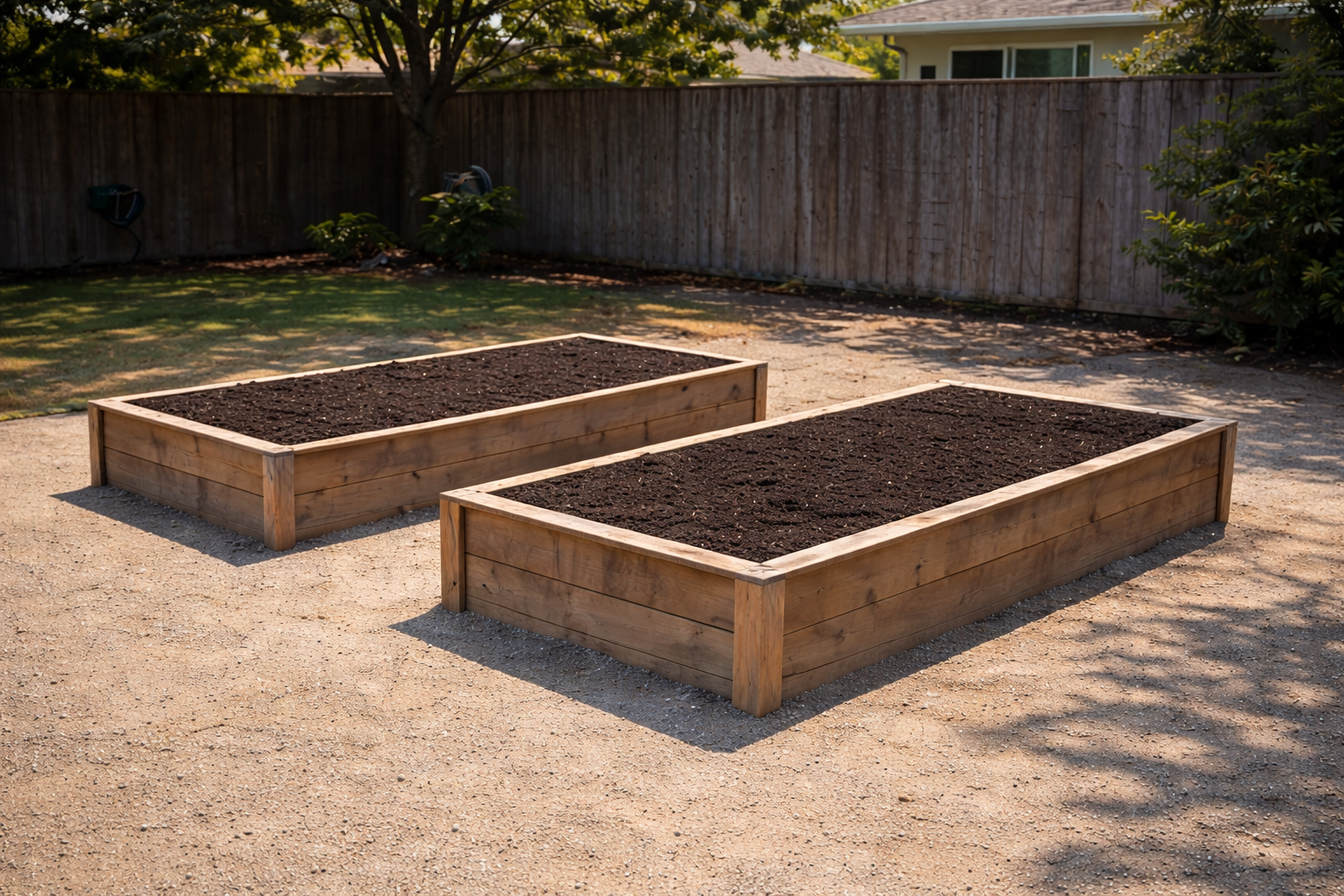
Garden Prep: From Lawn to Garden
Transform your lawn into productive garden beds using the method that fits your timeline and effort level. Sheet mulching is ideal for most Santa Cruz gardens, building soil while killing grass.
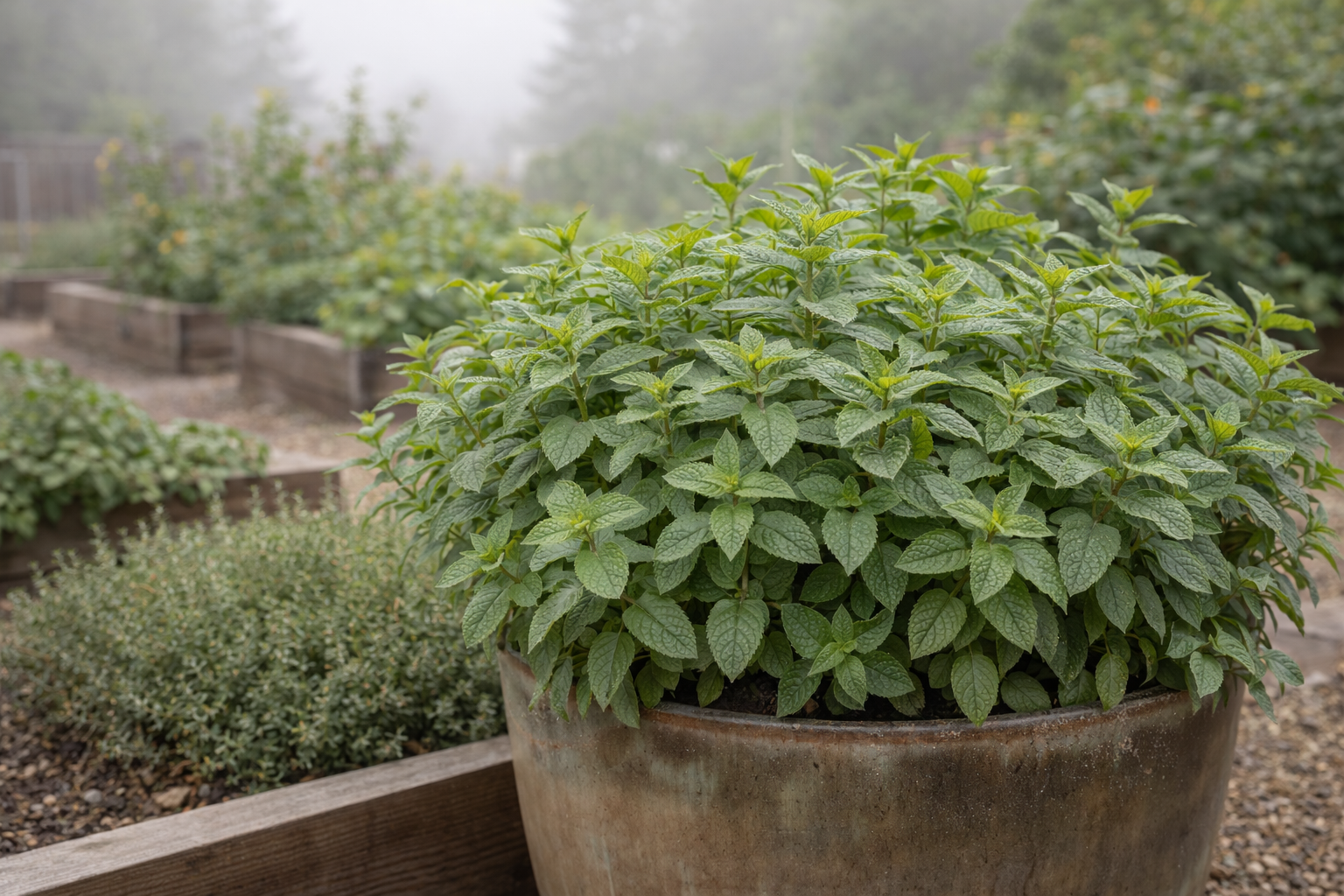
Growing Mint in Santa Cruz: Tips for Containing This Vigorous Herb
Mint is one of the easiest herbs to grow in Santa Cruz County, perhaps too easy. This vigorous spreader can quickly escape its boundaries and colonize your entire garden if you're not careful. Here's how to enjoy abundant mint harvests while keeping this enthusiastic herb under control.
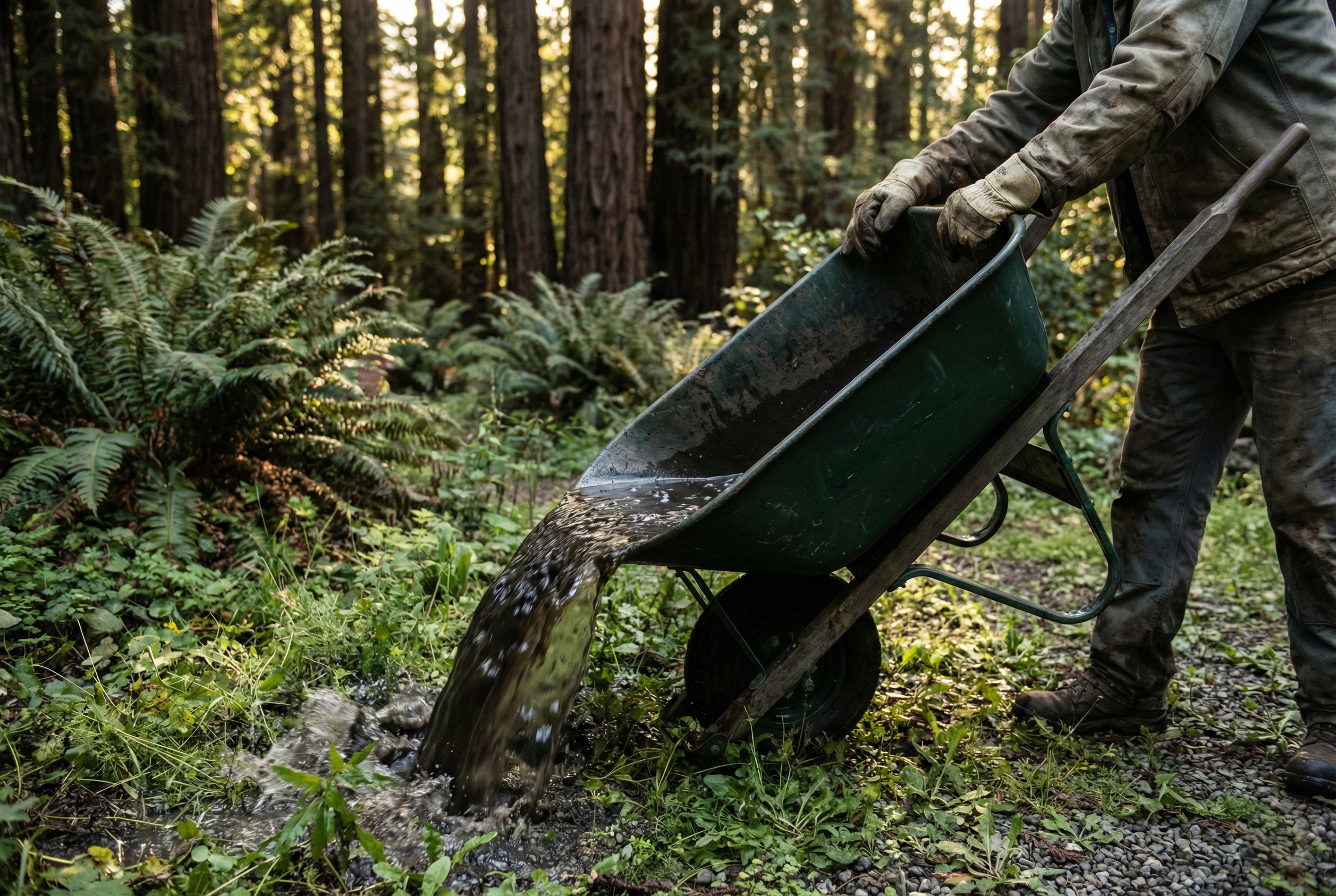
How to Eliminate Mosquitoes in Your Santa Cruz Garden
Mosquitoes aren't just annoying—with invasive Aedes aegypti now in Boulder Creek and other parts of Santa Cruz County, they're a health concern. The good news? Mosquito control is within your power. Learn to eliminate breeding sites, get free mosquito fish from Vector Control, use biological larvicides, and create habitat for natural predators like bats and dragonflies—all without harmful pesticides.
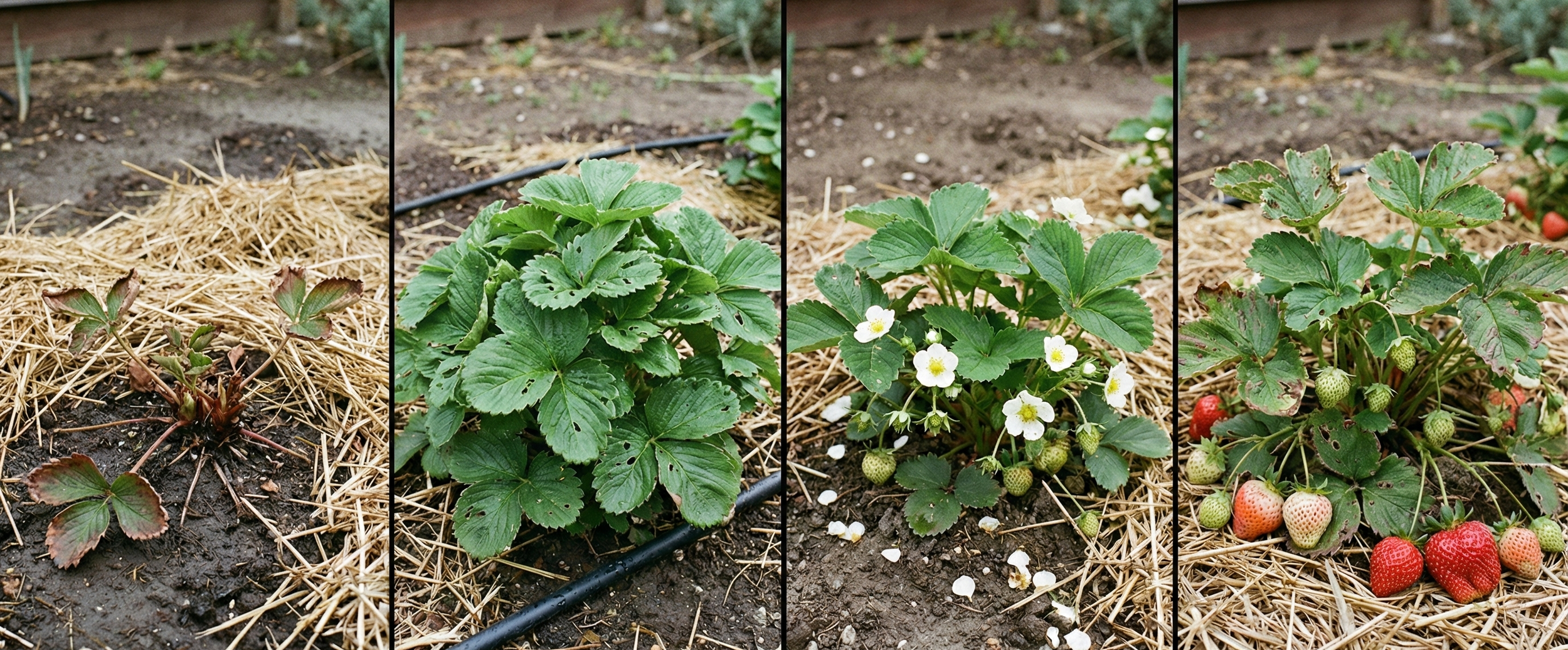
Understanding Strawberry Growth Stages in Your Santa Cruz Garden
Every strawberry plant moves through predictable growth stages, from winter dormancy through flowering, fruiting, and runner production. This guide explains each stage as it unfolds in Santa Cruz County gardens, including what to look for, what care each stage needs, and how timing varies by microclimate and variety type.
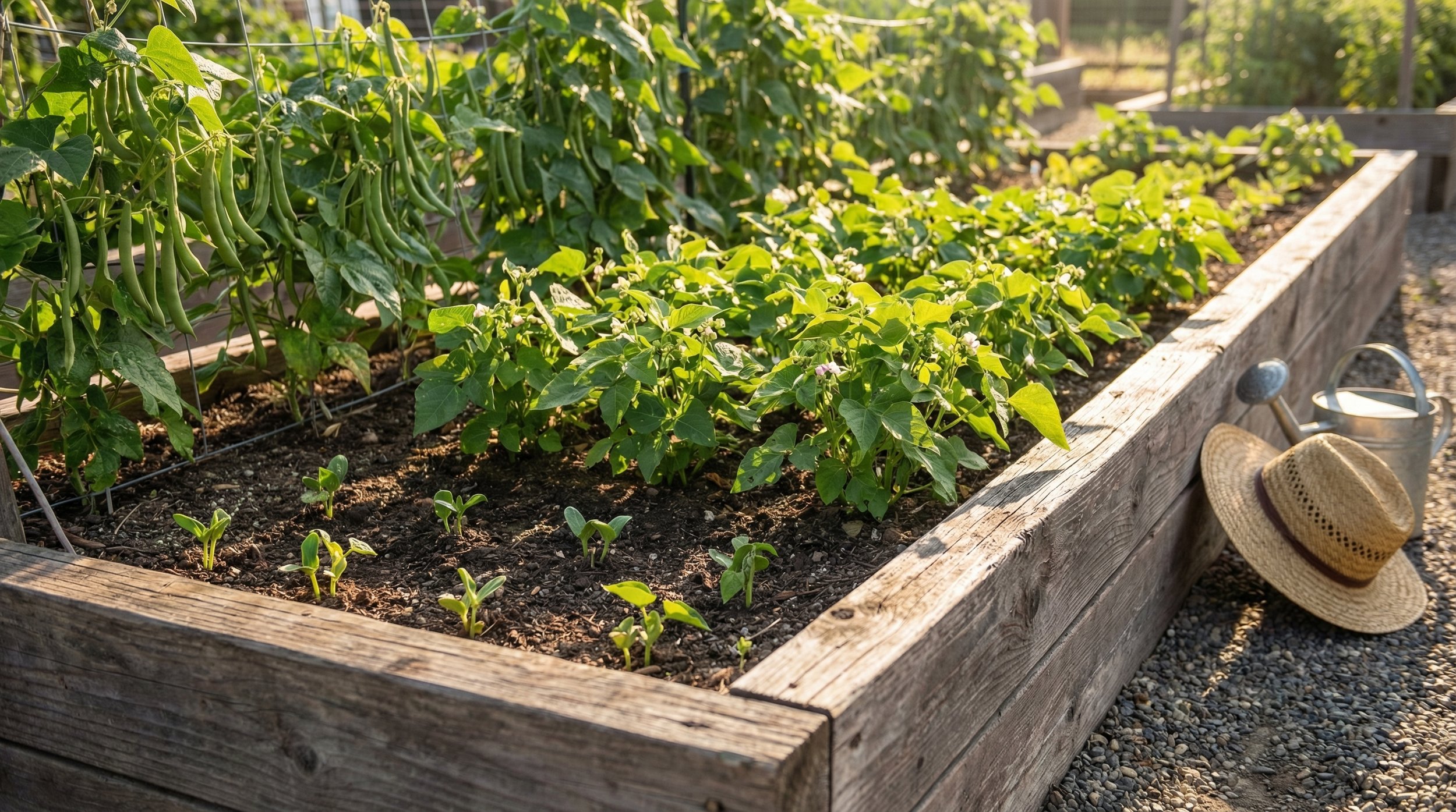
Succession Planting Beans for Continuous Harvest
One planting of bush beans lasts about three weeks. Succession planting every few weeks keeps fresh beans on the table from June through October.
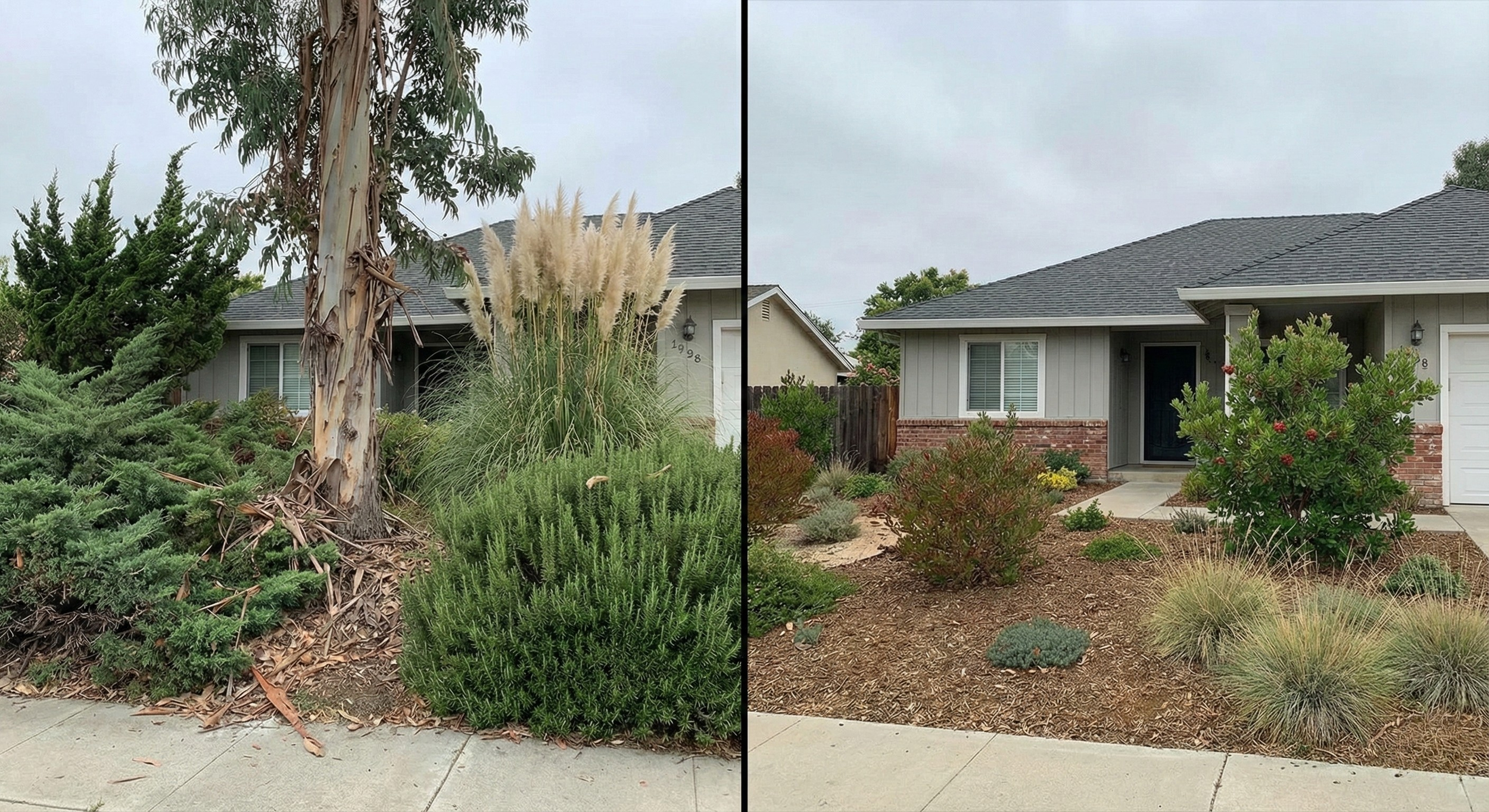
These Common Garden Plants Are a Fire Hazard Near Homes
Some of the most common landscaping plants in Santa Cruz County are also the most dangerous in fire season. Juniper, eucalyptus, cypress, and pampas grass create fire pathways to your home. Learn which plants to avoid or remove from your defensible space, especially in high-risk areas like Boulder Creek, Ben Lomond, Brookdale, and Felton. Knowing what NOT to plant is just as important as choosing fire-resistant alternatives.
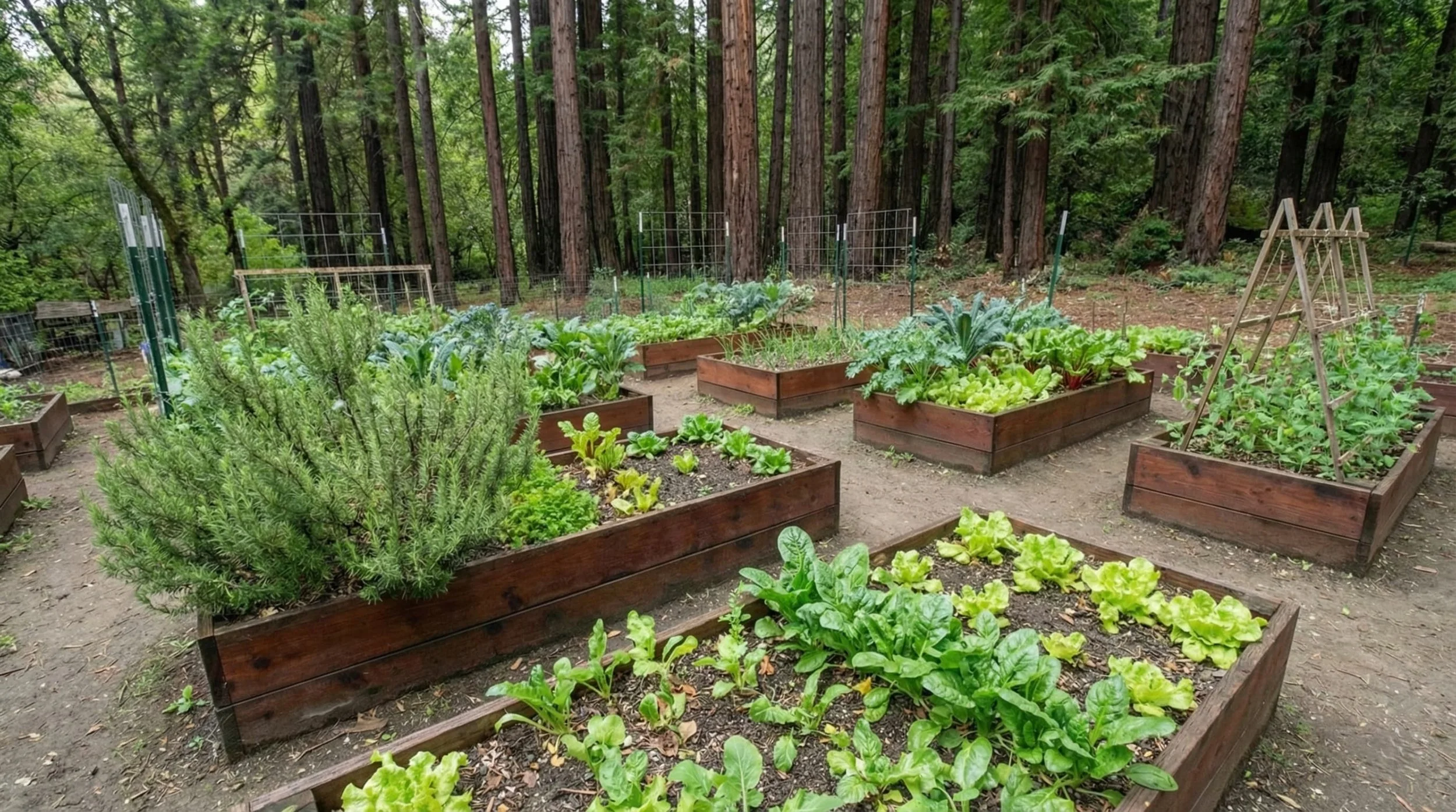
Your First Season Timeline: What to Expect Month by Month
Know what to expect in your first year of vegetable gardening in Santa Cruz County. Month-by-month guide covering planting, harvesting, common surprises, and when to worry versus when to be patient.
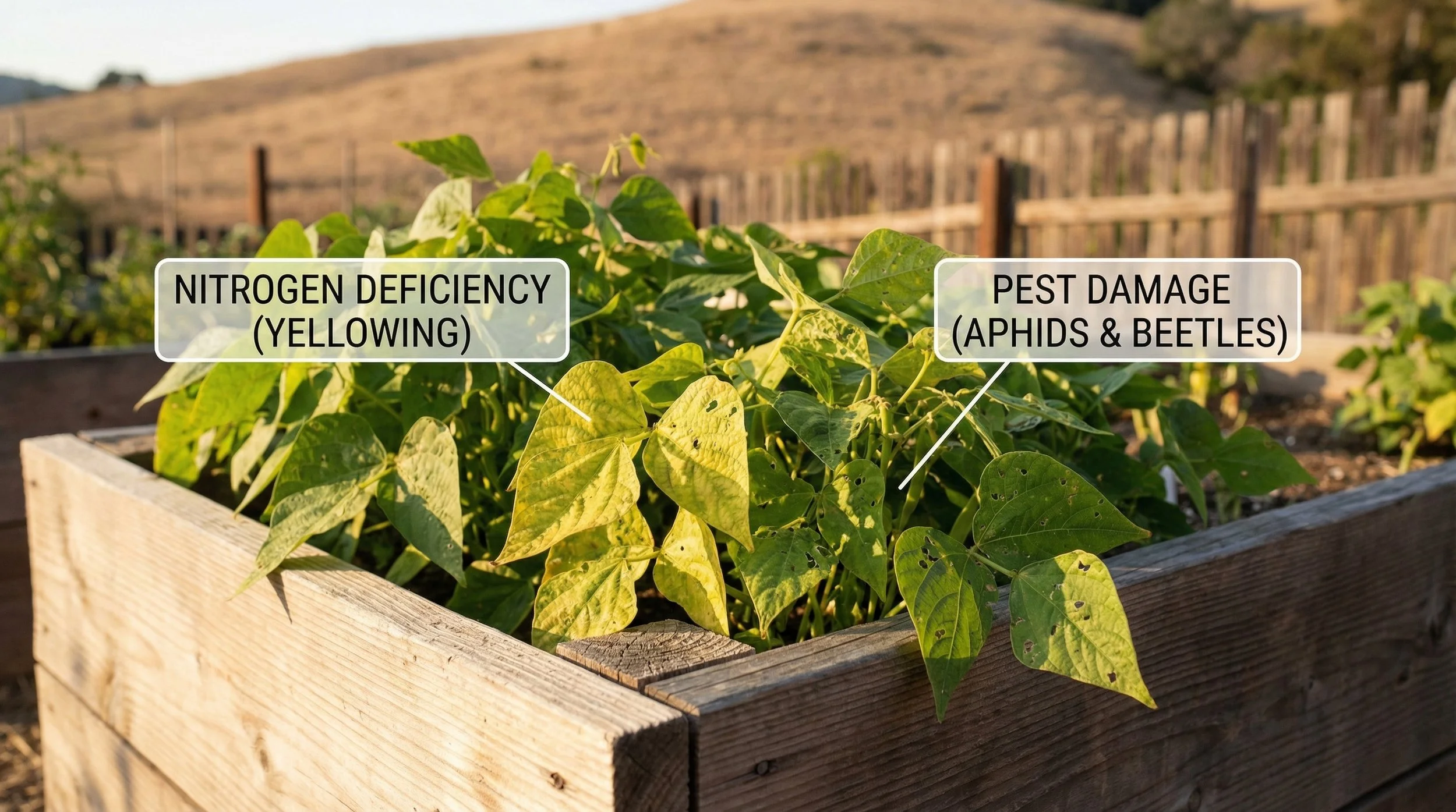
Bean and Pea Troubleshooting Guide
Yellow leaves, no pods, or mysterious holes? This troubleshooting guide covers the most common bean and pea problems in Santa Cruz County and how to fix them.
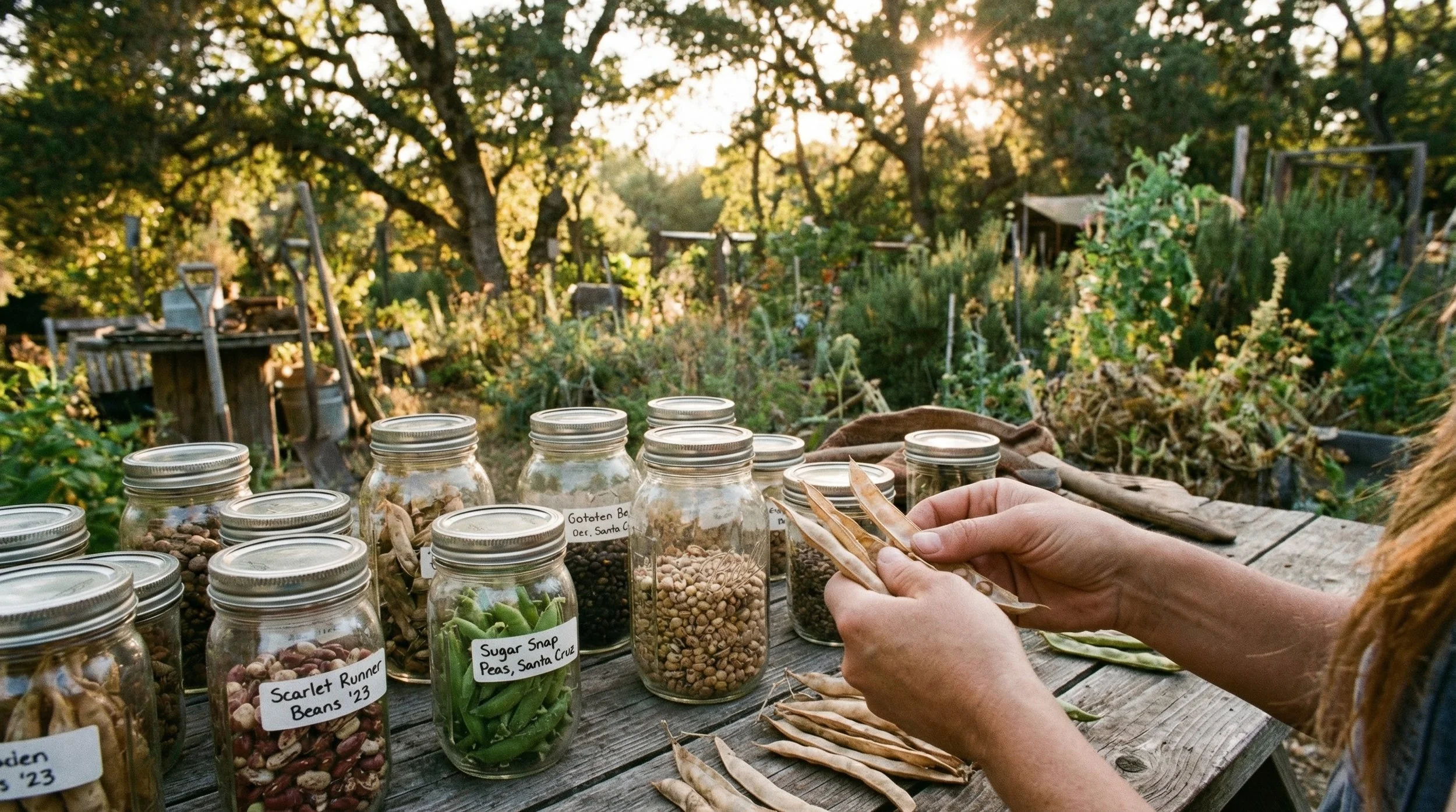
Saving Bean and Pea Seeds
Beans and peas are the easiest crops for seed saving. Let pods dry on the vine, harvest, and store for next season's planting.
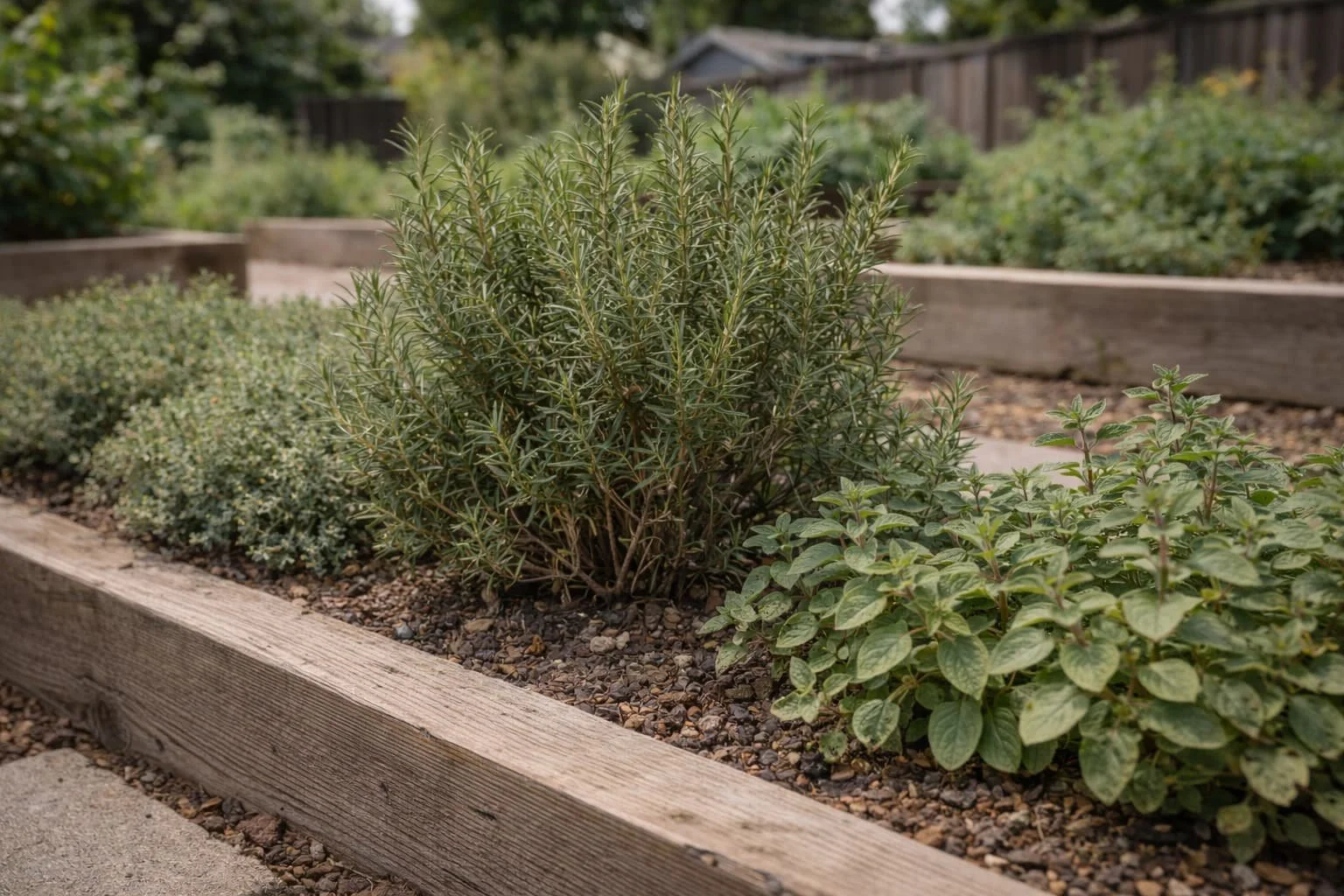
Fire-Wise Herb Gardens: Low-Growing, High-Moisture Plants
Herbs are essential for any food garden, but not all herbs are fire-safe. Learn which herbs work well in defensible space, which popular herbs to keep away from structures, and how to design an herb garden that's both productive and fire-wise.
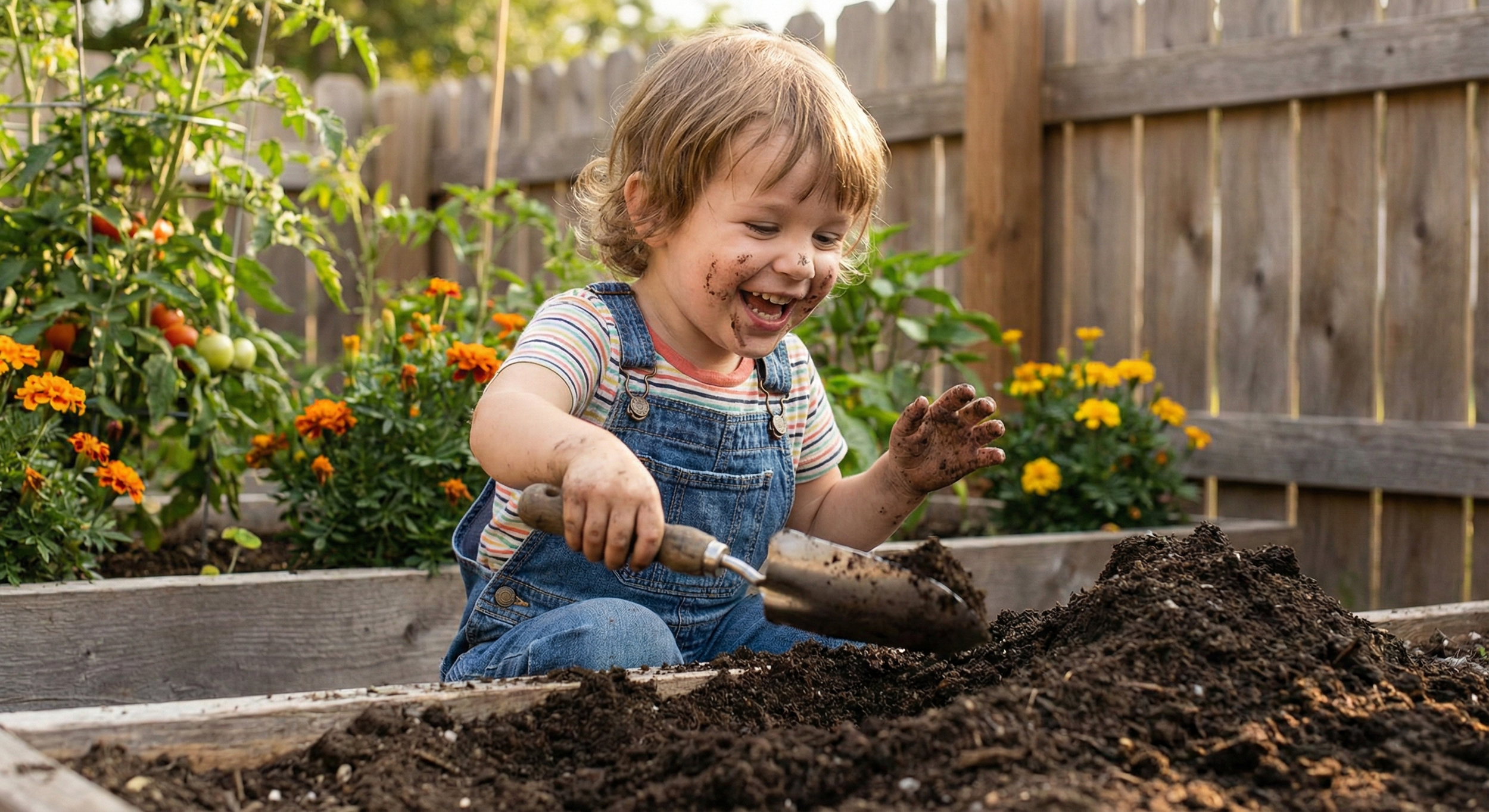
How Gardening Supports Kids' Mental Health: Building Emotional Resilience in the Garden
Regular time in the garden can support children's mood, stress regulation, and emotional wellbeing. Here's what the research shows and how to make it work.
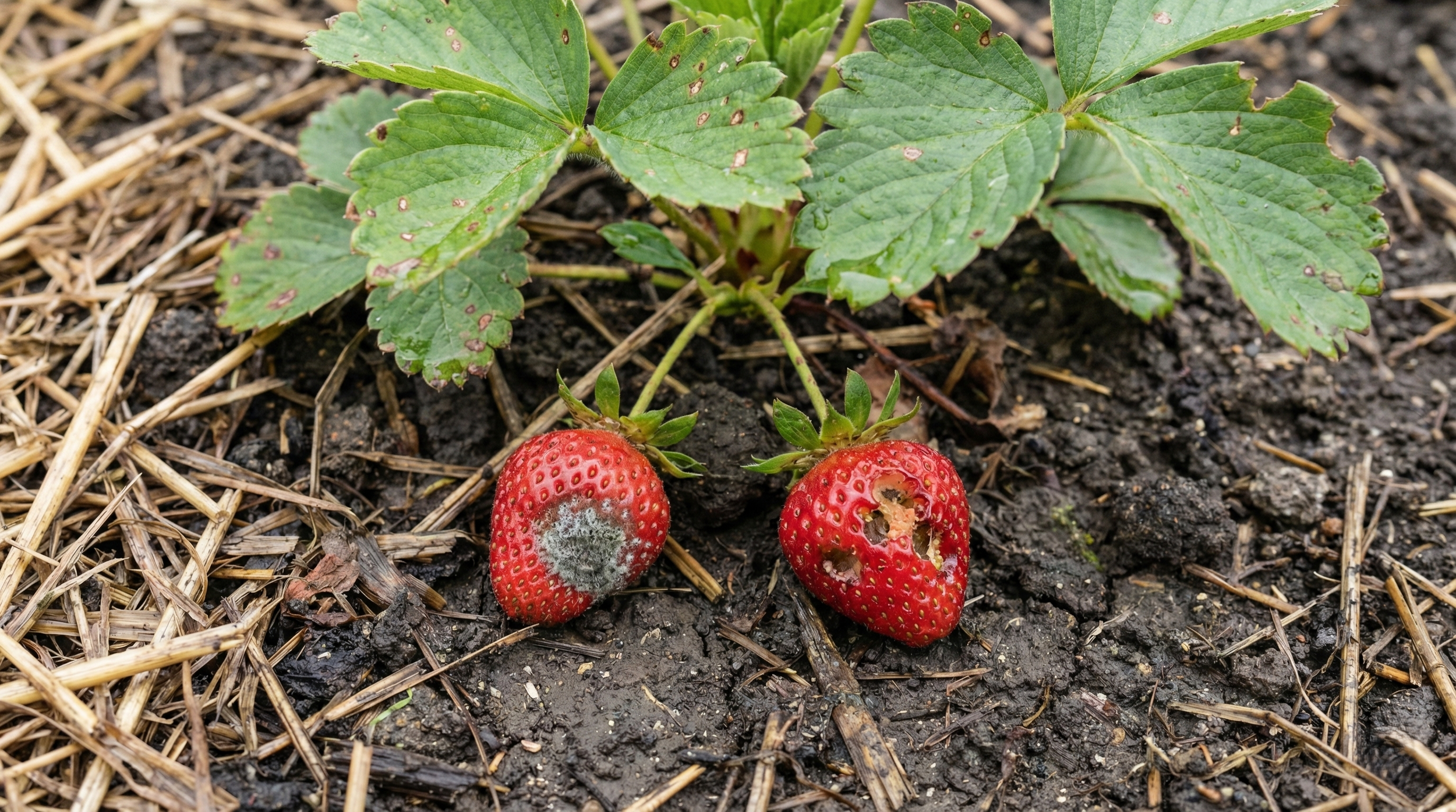
Top Strawberry Mistakes New Gardeners Make (And How to Avoid Them)
Most strawberry failures come from a handful of predictable mistakes. This guide covers the 12 most common errors new gardeners make when growing strawberries, from planting crowns too deep to ignoring runner management. Each mistake includes a clear fix so you can grow strawberries successfully the first time.

Succession Planting for Beginners
Succession planting means staggering plantings over time for continuous harvests. In Santa Cruz County's year-round growing season, this technique transforms your garden into a steady food source.

Growing Citrus in Containers: The Mobility Advantage
Containers let you grow citrus anywhere and move trees to shelter during cold snaps. Here is how to succeed with potted citrus in Santa Cruz County.