

These Common Garden Plants Are a Fire Hazard Near Homes
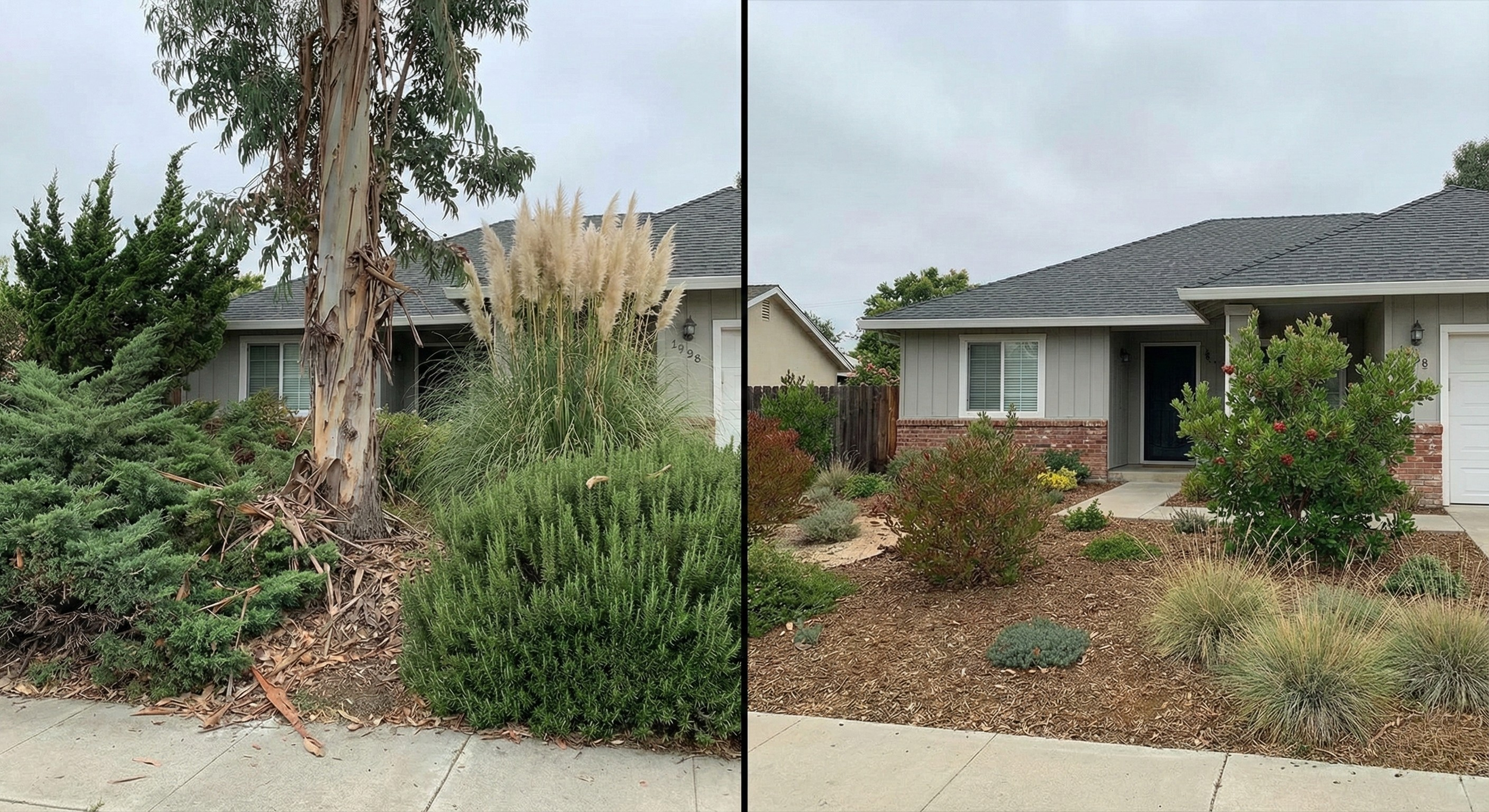
Several common California landscape plants are highly flammable and should not be planted within 30 feet of structures in fire-prone areas. According to CAL FIRE and UC Agriculture and Natural Resources, the most dangerous fire-hazard plants include eucalyptus, juniper, Italian cypress, ornamental grasses (pampas grass, fountain grass), and rosemary when left unpruned. California's defensible space law (PRC 4291) requires vegetation management within 100 feet of structures in designated fire hazard zones.
Ambitious Harvest recommends keeping Zone 0, the first 5 feet around buildings, decks, and attached structures, free of all vegetation, including planted containers, combustible mulch, and other combustible materials. Zone 1 extends from 5 to 30 feet, and Zone 2 from 30 to 100 feet, or to the property line if closer. CAL FIRE describes these zones. Zones 1 and 2 are legally required where California defensible-space law applies. As of October 12, 2026, statewide Zone 0 regulations are not yet legally required statewide; check your local fire district for stricter rules and current requirements. In Santa Cruz County, maintain separation between plants and structures and remove dead material. See CAL FIRE for broader preparation guidance.
What Makes a Plant a Fire Hazard?
According to UC ANR Fire in California, plants become fire hazards when they have one or more of these characteristics:
High oil or resin content (ignites easily, burns intensely)
Accumulates dead material (built-in fuel)
Peeling or papery bark (catches embers)
Fine, dry, or needle-like foliage (ignites quickly)
Dense, dry canopy (hard to maintain, traps heat)
With that in mind, here are the plants to avoid or remove from your defensible space.
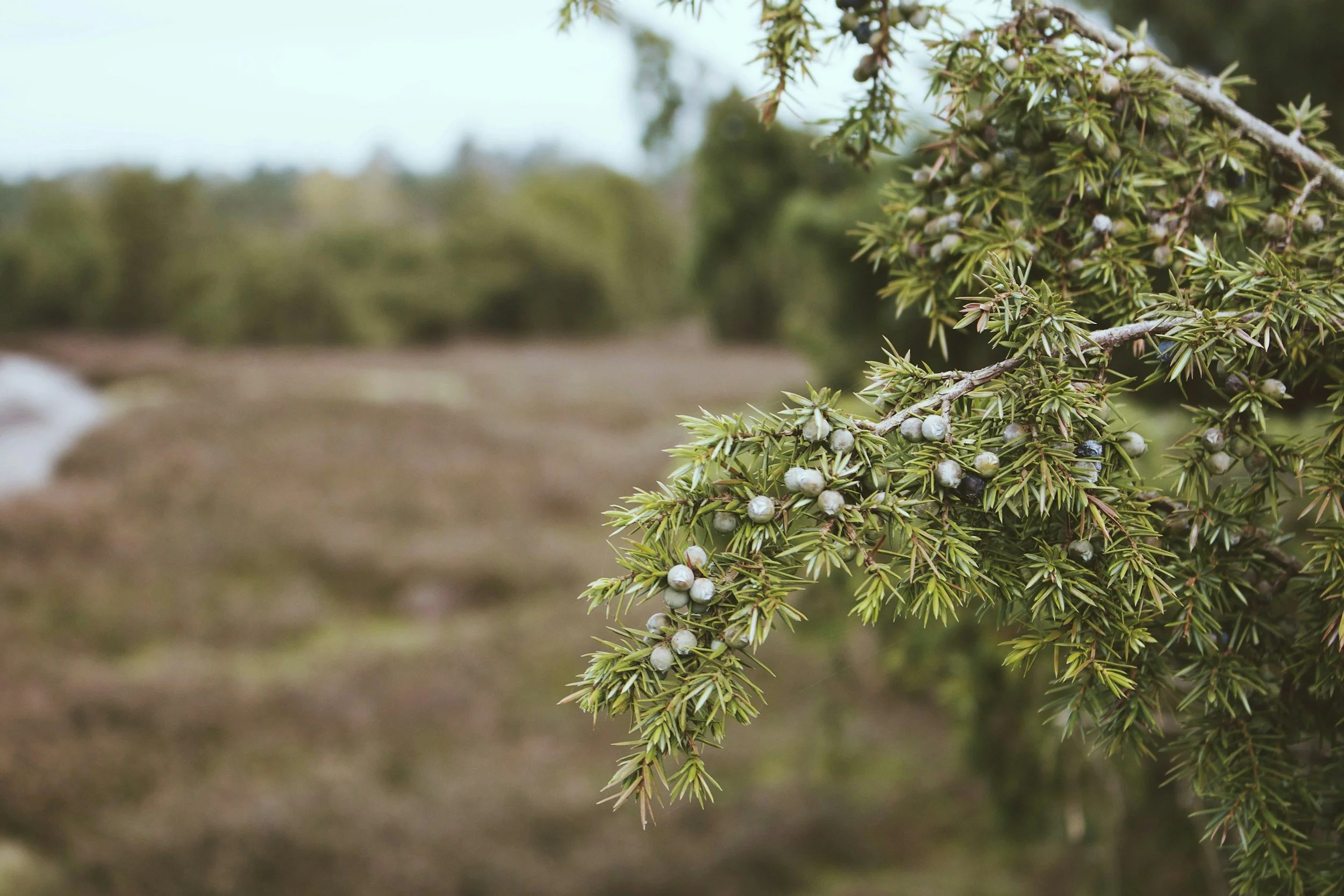
Juniper (Juniperus species)
Junipers are everywhere in California landscaping, and they're one of the most dangerous fire-hazard plants you can have near your home. Their dense, oily foliage burns fast and hot. CAL FIRE research has directly linked junipers to home ignitions in wildfire after wildfire, including fires in Santa Cruz County.
Why it's dangerous: Extremely high oil content, accumulates dead material inside the plant, dense structure traps embers
What to plant instead: Coyote brush (well-maintained), rockrose, or manzanita (with proper spacing). See our Fire-Resistant Plants Guide for more alternatives.
Cypress and Arborvitae (Cupressus, Thuja)
These popular privacy hedges and ornamental trees are highly flammable. Like junipers, they're packed with volatile oils and tend to accumulate dead foliage inside their dense canopies.
Why it's dangerous: High oil content, dense structure, often planted in continuous hedges that spread fire quickly
What to plant instead: Toyon, coffeeberry, or a mixed hedge with proper spacing between plants
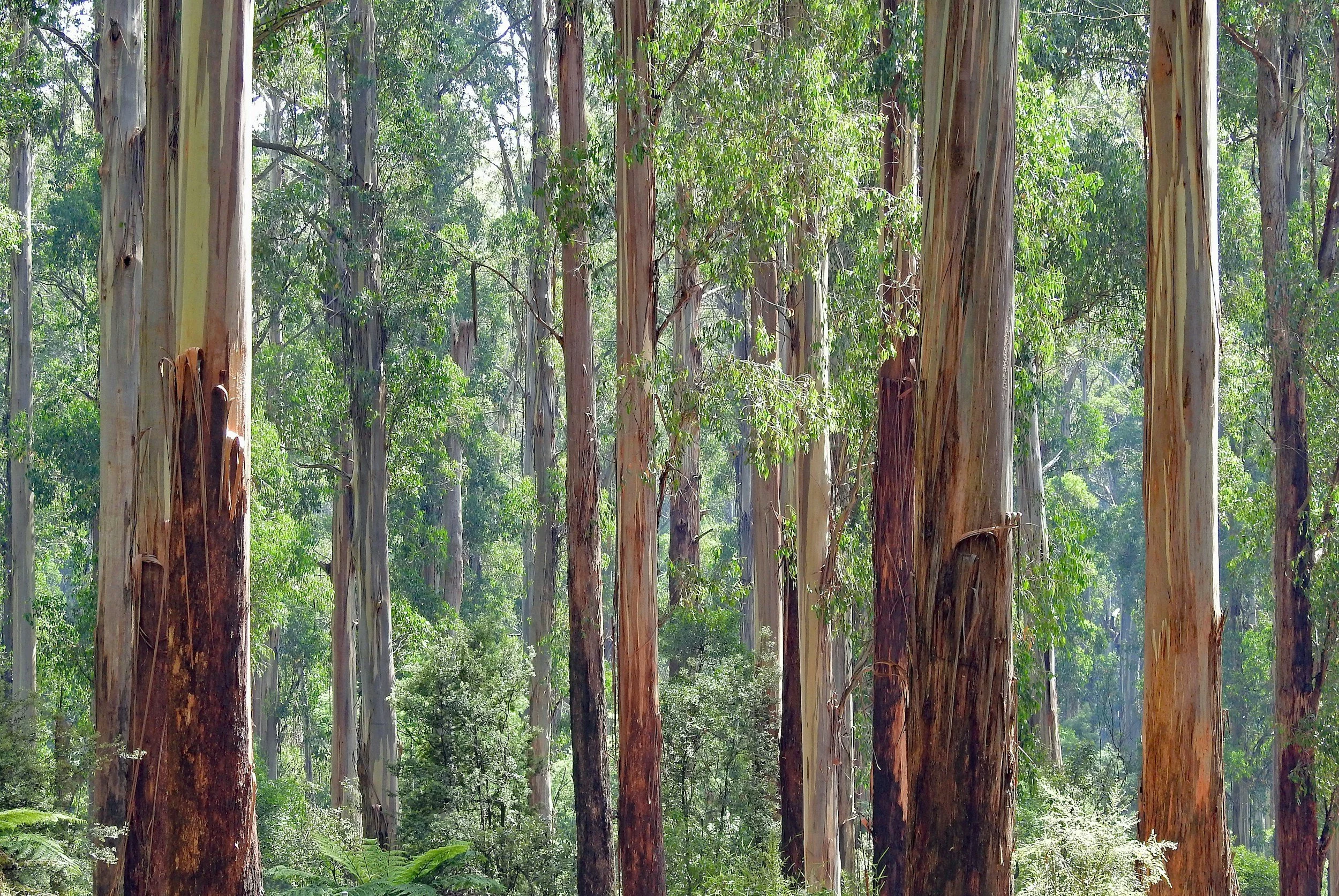
Eucalyptus (Eucalyptus species)
Eucalyptus trees are notorious fire hazards. Their oil-rich leaves, peeling bark, and tendency to drop massive amounts of debris create dangerous conditions. Eucalyptus bark can carry embers long distances, spreading fire far ahead of the main front.
Why it's dangerous: Extremely high oil content, peeling bark catches and spreads embers, heavy debris accumulation
What to do: Remove eucalyptus within 100 feet of your home if possible. At minimum, keep the area underneath completely clear of debris and remove lower branches (limb up to 10+ feet).
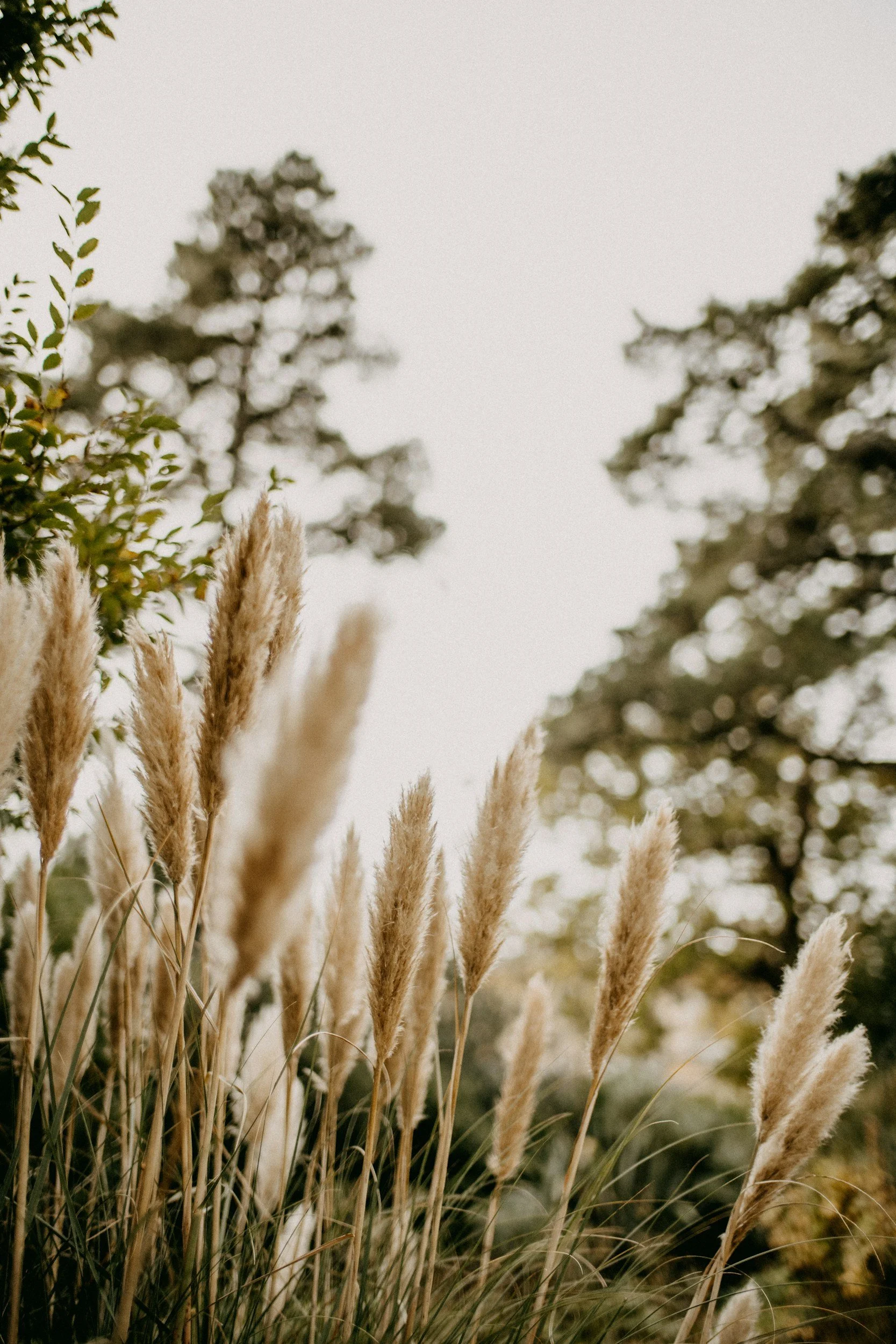
Pampas Grass (Cortaderia selloana)
Those dramatic feathery plumes come at a cost. Pampas grass accumulates huge amounts of dead material at its base and ignites easily. It's also invasive in California.
Why it's dangerous: Massive dead fuel accumulation, ignites quickly, difficult to maintain
What to plant instead: Native bunch grasses like deer grass (Muhlenbergia rigens) are less flammable and better for wildlife. Or skip grasses near the house entirely.
Ornamental Grasses (Most Varieties)
Beyond pampas grass, most ornamental grasses become fire hazards when they dry out in summer and fall. The dead foliage is fine-textured kindling.
Why it's dangerous: Fine, dry material ignites instantly, often planted in masses
What to do: If you love grasses, keep them in Zone 2 or beyond, and cut them back in late spring before fire season. Better yet, choose sedges (Carex species) which stay greener.
Rosemary (Rosmarinus officinalis)
This one surprises people because rosemary is often listed as drought-tolerant and low-maintenance. But rosemary is high in volatile oils (that's what makes it smell so good) and becomes a fire risk when it gets large and woody.
Why it's dangerous: High oil content, accumulates dead wood, often grows large and unpruned
What to do: If you keep rosemary, plant it in Zone 2, keep it small through regular pruning, and remove all dead material. Don't plant it against the house.
Free planting guide
Know what to plant, and when, in Santa Cruz County
Join the free Ambitious Harvest email list for seasonal planting reminders and practical Central Coast gardening notes. As a welcome, I will send you the one-page California Seed Starting Cheat Sheet, so you always know what to start indoors, what to sow direct, and the right timing for your zone.
Send me the planting guide
One email field, no name needed. Unsubscribe anytime.
Acacia (Acacia species)
Acacias are fast-growing and drought-tolerant, which made them popular in California landscaping. But they're also highly flammable, with fine foliage and a tendency to accumulate dead branches.
Why it's dangerous: Fine foliage, accumulates dead material, some species have high oil content
What to plant instead: Coast live oak (slower growing but fire-resistant), toyon, or other native trees
Italian Cypress (Cupressus sempervirens)
Those tall, narrow columns are a classic Mediterranean look, but they're essentially vertical torches. Italian cypress is dense, oily, and often planted in rows that create a continuous fire path.
Why it's dangerous: Extremely high oil content, dense foliage, often planted in fire-spreading rows
What to plant instead: For vertical interest, consider a well-pruned coast live oak or a fire-resistant ornamental tree with open branching
Mugo Pine and Other Pines (Pinus species)
Pines produce flammable resin, drop needles that create fuel beds, and have bark that can catch embers. Mugo pine is particularly problematic because it's often planted as a foundation shrub right against houses.
Why it's dangerous: Resin content, needle drop, bark catches embers
What to do: Remove pines from Zone 1. In Zone 2, keep them well-pruned and clear all needle debris regularly.
Palms (Most Varieties)
Dead palm fronds are highly flammable and can catch embers from far away. Palms that aren't regularly maintained become fire hazards, and the dead fronds can drop and spread fire.
Why it's dangerous: Dead fronds ignite easily, fibrous trunk material burns
What to do: If you have palms, remove all dead fronds at least twice a year. Consider removal if they're close to your home.
What About Plants You Already Have?
You don't necessarily need to remove every plant on this list, especially if they're in Zone 2 or beyond. Here's a practical approach:
Remove or replace if:
The plant is within 5 feet of your home (Zone 0)
It's part of a continuous hedge connecting to your house
It's directly under windows or touching your roofline
You can't realistically maintain it
Keep with caution if:
The plant is in Zone 2 (30+ feet from your home)
You commit to regular pruning and debris removal
It's properly spaced from other plants
You've created fuel breaks around it
Making the Switch
Replacing established plants takes time, and that's okay. Start with the highest-risk plants closest to your home. Even removing one overgrown juniper or clearing out a pampas grass clump makes a difference.
For detailed guidance on what TO plant, see our Fire-Wise Gardening Guide and 10 Fire-Resistant Plants for Santa Cruz Gardens.
Frequently Asked Questions About Fire-Hazard Plants in Santa Cruz County
What is the most dangerous plant to have near your home in Santa Cruz County?
Juniper (Juniperus species) is the most dangerous fire-hazard plant commonly found in Santa Cruz County landscaping. Junipers have extremely high oil content, accumulate dead material inside their dense structure, and trap embers easily. They've been directly linked to home ignitions in wildfires throughout California, including the CZU Lightning Complex fires. Remove all junipers within 30 feet of your home, especially in Boulder Creek, Ben Lomond, Brookdale, and Felton.
Should I remove eucalyptus trees near my home in Santa Cruz County?
Yes, if possible. Eucalyptus trees are highly flammable with oil-rich leaves, peeling bark that carries embers long distances, and heavy debris accumulation. Remove eucalyptus within 100 feet of your home if you can. At minimum, keep the area underneath completely clear of debris, remove all lower branches (limb up to 10+ feet), and clear dead bark regularly. This is especially critical in fire-prone mountain areas like Boulder Creek, Ben Lomond, and Bonny Doon.
Is pampas grass a fire hazard in Santa Cruz County?
Yes. Pampas grass accumulates massive amounts of dead material at its base and ignites quickly. The fine, dry foliage acts as kindling. It's also invasive in California and difficult to maintain properly. Remove pampas grass from Zone 0 (0 to 5 feet) and Zone 1 (5 to 30 feet) around your home. If you want ornamental grasses, choose native bunch grasses like deer grass (Muhlenbergia rigens) planted in Zone 2, or skip grasses near the house entirely.
Can I keep rosemary plants near my home in Santa Cruz County?
Rosemary can stay if properly maintained, but it requires caution. Rosemary is high in volatile oils (what makes it aromatic) and becomes a fire risk when overgrown, woody, and full of dead material. Keep rosemary small through regular pruning, remove all dead wood, and plant it in Zone 2 (30+ feet from home), not against your house. In high-risk areas like Boulder Creek and Felton, consider limiting rosemary or replacing with less oily herbs like oregano.
What plants should I remove from Zone 0 (0 to 5 feet from my home)?
Ambitious Harvest recommends removing all vegetation, including succulents and planted containers, from Zone 0, the first 5 feet around buildings, decks, and attached structures. Use noncombustible surfaces such as gravel, stone, concrete, or pavers, and remove combustible mulch and debris. This is a conservative safety recommendation; statewide Zone 0 rules are not yet legally required as of October 12, 2026. Confirm current local requirements with your fire district.
Are Italian cypress trees safe to keep in Santa Cruz County fire areas?
No. Italian cypress are essentially vertical torches with extremely high oil content and dense foliage. They're often planted in continuous rows that create fire pathways directly to homes. Remove Italian cypress from Zone 1 (5 to 30 feet) and ideally from Zone 2 as well. In high-risk areas like Boulder Creek, Ben Lomond, and Scotts Valley interface zones, Italian cypress should be completely removed. For vertical interest, choose fire-resistant trees like coast live oak with open branching.
What should I plant instead of fire-hazard plants in Santa Cruz County?
Replace fire-hazard plants with California natives and fire-resistant species. Good alternatives include: toyon (instead of juniper), coyote brush (well-pruned), coast live oak, coffeeberry, rockrose, manzanita (with spacing), California fuchsia, and succulents. See our guide on 10 Fire-Resistant Plants for Santa Cruz Gardens for detailed recommendations. Choose plants with high moisture content, low oil/resin levels, and open growth habits that don't accumulate dead material.
Do I need to remove all these plants immediately?
Start with the highest-risk plants closest to your home (Zone 0 and Zone 1). Remove all vegetation, including planted containers, within 5 feet of your home first, then work outward. Even removing one overgrown juniper or pampas grass clump makes a significant difference. Create a prioritized plan: (1) Zone 0 (0 to 5 feet), (2) plants touching your home or under windows, (3) continuous hedges, (4) Zone 1 plants (5 to 30 feet), (5) Zone 2 improvements. Take it one season at a time if needed.
Free Resources
Seasonal Tasks Checklist: Includes fire-season preparation tasks
Know Your Microclimate Worksheet: Assess your property's fire risk factors
Local Fire Safety Resources
CAL FIRE Ready for Wildfire: Official defensible space guidelines and plant lists
Fire Safe Council of Santa Cruz County: Local resources, chipping programs, and community fire safety
UC ANR Fire Information: Research-based fire-wise landscaping guidance
Related Articles
Fire-Wise Gardening in Santa Cruz County: Complete guide to defensible space zones and fire-safe landscaping
10 Fire-Resistant Plants for Santa Cruz Gardens: What TO plant near your home
Water-Wise Gardening Guide: Drought-tolerant doesn't have to mean flammable
What Makes Plants Fire Hazards?
Characteristics that increase fire risk near your home
High Oil/Resin Content
Volatile oils ignite easily and burn intensely. These plants can explode into flame when fire reaches them.
Accumulates Dead Material
Built-in fuel that's hard to remove. Dead branches and foliage trapped inside dense plants.
Peeling/Papery Bark
Catches embers and can carry fire up the trunk or spread embers long distances.
Fine/Needle-Like Foliage
Ignites almost instantly. Fine, dry material acts as kindling for larger fires.
| Plant | Risk Level | Main Hazards | Action |
|---|---|---|---|
| Juniper | Extreme | Oil content, dead accumulation, ember trap | Remove from Zones 0-1 |
| Eucalyptus | Extreme | Oil content, peeling bark, debris | Remove within 100 ft |
| Italian Cypress | Extreme | Oil content, dense foliage, fire pathway | Remove from Zones 0-2 |
| Pampas Grass | High | Massive dead fuel, quick ignition | Remove from Zones 0-1 |
| Cypress/Arborvitae | High | Oil content, continuous hedges | Remove or break up hedges |
| Pines | Medium-High | Resin, needle debris, bark | Remove from Zone 1; maintain Zone 2 |
| Rosemary | Medium | Oil content when large/woody | Zone 2 only; keep small |

Fire-Hazard Plants: Keep or Remove?
Decision guide for your existing landscape
CAL FIRE Defensible Space Zones
- Plant is within 5 feet of your home (Zone 0)
- It's part of a continuous hedge connecting to your house
- It's directly under windows or eaves
- It's touching your roofline or siding
- You can't realistically maintain it
- It's juniper, eucalyptus, or Italian cypress (any zone)
- Dead material has accumulated inside
- Plant is in Zone 2 (30+ feet from home)
- You commit to regular pruning schedule
- You remove ALL dead material annually
- It's properly spaced from other plants
- You've created fuel breaks around it
- It's not juniper, eucalyptus, or Italian cypress
- It's low-growing and easy to maintain
Removal Priority Order
- Zone 0 (0-5 feet): Remove ALL plants except low succulents
- Plants touching home, under windows, near roofline
- Continuous hedges that create fire pathways
- Juniper, eucalyptus, Italian cypress (any location)
- Zone 1 high-risk plants (5-30 feet)
- Large pampas grass and ornamental grass masses
- Zone 2 improvements as time/budget allows
