

Garden Prep: From Lawn to Garden
A few of the product links in this guide are affiliate links. If you buy through one, Ambitious Harvest may earn a small commission at no extra cost to you, which helps keep these guides free. We only point to gear we would use in our own Santa Cruz garden. As an Amazon Associate, we earn from qualifying purchases. Read our full disclosure.
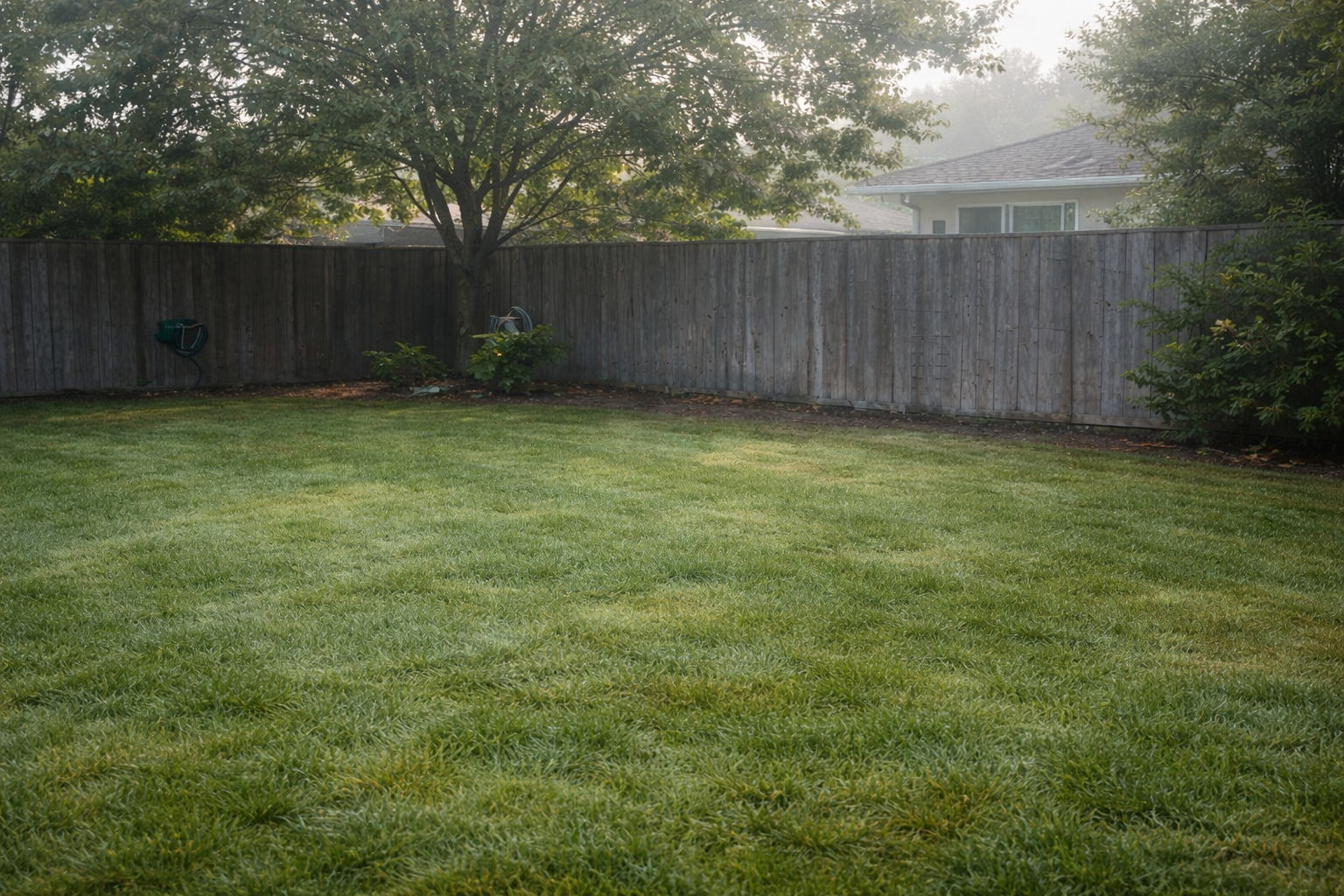
Turning a section of lawn or weedy ground into productive garden beds is one of the most satisfying projects you'll undertake. But it's also one of the most physically demanding if you do it the hard way. The good news is there are several methods for converting lawn to garden, ranging from instant (but labor-intensive) to slow (but effortless).
In Santa Cruz County, where gophers are persistent and many properties have either heavy clay or compacted soil, how you prepare your beds matters. This guide covers different conversion methods, which work best in our climate, and realistic timelines for each approach.
Why Not Just Dig Up the Lawn?
The traditional approach is to rent a sod cutter, strip the grass, haul it away, then till the soil. This works, but it's:
Physically exhausting. Cutting and removing sod is brutal work.
Expensive. Renting equipment, hauling away sod, buying soil amendments adds up.
Disruptive to soil. Tilling destroys soil structure, brings weed seeds to the surface, and damages beneficial organisms.
Still leaves grass roots. Even after stripping sod, grass and weed roots remain and will re-sprout.
There are better ways.
UC Agriculture and Natural Resources recommends sheet mulching as an effective, chemical-free method for lawn conversion, using cardboard overlapped by 6 to 8 inches and covered with compost and mulch.
How Does Sheet Mulching Work?
Sheet mulching, also called lasagna gardening, is the gold standard for converting lawn to garden beds. It smothers existing vegetation, improves soil, and creates planting beds without digging or removing sod.
How It Works
You layer cardboard or newspaper over grass, then pile on compost and mulch. The cardboard blocks light, killing grass and weeds. Everything underneath decomposes, enriching your soil. Within weeks to months, you have a plantable bed.
Step-by-Step Process
1. Mow grass as short as possible. Bag clippings or leave them.
2. Water the area thoroughly the day before. Moist soil and grass decompose faster.
3. Lay down cardboard or newspaper.
Cardboard: Use thick, plain cardboard (moving boxes, appliance boxes). Remove tape and staples. Overlap edges by 6 inches so grass can't sneak through gaps. Cover the entire area.
Newspaper: Use 10 to 12 sheets thick. Overlap generously. Wet as you go to keep it from blowing away.
Where to get free cardboard: Grocery stores, bike shops, appliance stores, liquor stores. Ask nicely and they'll usually give you flattened boxes.
4. Water the cardboard until saturated. This keeps it in place and starts decomposition.
5. Add compost layer (2 to 4 inches).
This provides nutrients and adds weight to hold down cardboard. Compost also gives you immediate planting depth if you want to start right away.
Where to buy compost locally:
Aptos Landscape Supply (5035 Freedom Boulevard, Aptos) - bulk delivery
San Lorenzo Garden Center, Scarborough Gardens, Dig Gardens - bagged compost
6. Add mulch layer (4 to 6 inches).
Straw, wood chips, shredded leaves, or additional compost. This protects the soil, suppresses weeds, and continues to feed the bed as it breaks down.
Where to get mulch:
Straw: Feed stores, Mountain Feed & Farm Supply ($12 to $15 per bale)
Wood chips: Free through ChipDrop (getchipdrop.com) or buy bulk
Leaves: Free if you have deciduous trees, or ask neighbors
7. Wait or plant immediately (see planting timeline below).
Planting Timeline
Immediate planting (for transplants): If you added 4+ inches of compost, you can plant transplants the same day. Dig through the compost and cardboard to create a planting hole large enough for the root ball. The cardboard breaks down around roots within weeks.
1 to 2 months (for direct seeding): Cardboard needs to break down before you can direct seed. After 4 to 8 weeks (faster in warm weather), cardboard is soft and decomposing. You can plant seeds through it or remove chunks.
3 to 6 months (for full decomposition): In 6 months, cardboard and grass are fully decomposed and integrated into the soil. You have rich, fluffy planting beds.
Advantages
No digging. Your back will thank you.
Kills grass and weeds without chemicals.
Improves soil structure as everything decomposes.
Builds soil life. Worms and beneficial organisms thrive.
Works for any soil type (clay, sand, compacted).
Disadvantages
Requires materials. You need cardboard, compost, mulch (can be expensive for large areas).
Takes time. Not instant unless you're only transplanting.
Looks messy during the first few months.
Santa Cruz Considerations
Gophers can burrow under cardboard. If gophers are a serious problem in your area, build raised beds with gopher wire on the bottom instead, or accept that sheet mulching alone won't stop them.
Dry summers: Once established, sheet mulched beds retain moisture beautifully. But during the first summer, the mulch layer can dry out. Water deeply and regularly.
Fog: Coastal areas with heavy fog may see slower decomposition due to cooler temperatures. Add extra compost to compensate.
How Does Solarization Work?
Solarization uses clear plastic to trap heat and "cook" grass and weeds. It's effective but only works in summer.
How It Works
Mow grass short, water thoroughly, cover with clear plastic (not black), seal edges, and let the sun heat the soil to 120 to 140°F for 4 to 6 weeks. This kills grass, weeds, seeds, and even some soil pathogens.
Step-by-Step Process
1. Mow grass as short as possible.
2. Water deeply until soil is saturated 6 to 12 inches down.
3. Cover with clear plastic (4 to 6 mil thickness). Stretch it tight and seal edges with soil, boards, or landscape staples.
Where to buy plastic: Home Depot, Lowe's, Aptos Landscape Supply
4. Leave in place for 4 to 6 weeks during hottest months (July, August).
5. Remove plastic. Grass and weeds are dead. Rake off debris.
6. Avoid tilling (brings buried weed seeds to surface). Instead, add compost on top and plant.
Planting Timeline
Immediate planting after removing plastic and adding compost. The bed is ready.
Advantages
Effective. High heat kills everything.
Kills weed seeds in top few inches of soil.
No chemicals.
Disadvantages
Only works in summer when days are long and hot.
Takes 4 to 6 weeks of prime garden time.
Kills beneficial organisms along with weeds.
Requires plastic (not reusable after use).
Coastal areas may not get hot enough to be effective (fog limits heat buildup).
Santa Cruz Considerations
Best for inland areas (Watsonville, Scotts Valley, San Lorenzo Valley sunny spots) where summer sun is intense.
Less effective coastal (Aptos, Capitola) due to fog and cooler temps.
When Should You Consider Sod Removal?
The old-fashioned way: physically remove the grass layer and dispose of it.
Manual Sod Removal
Tools needed: Flat shovel or edger
Process: Cut sod into strips or squares, slide shovel under roots (2 to 4 inches deep), lift and remove. Stack sod grass-side down in a pile to decompose, or haul it away.
Timeline: A 4x8 bed takes 2 to 4 hours of hard labor.
Advantages: Immediate results. You can plant the same day after adding compost.
Disadvantages: Backbreaking work. Sod is heavy. Grass roots often resprout if any are left behind.
Mechanical Sod Removal
Tool: Rent a sod cutter (motorized machine that slices under grass).
Where to rent: Home Depot Tool Rental, Ace Hardware, equipment rental companies
Cost: $60 to $100 per day
Process: Machine cuts sod in strips. You still have to roll it up and haul it away.
Advantages: Faster than manual removal for large areas.
Disadvantages: Expensive. Still heavy labor. Machine doesn't work well on uneven ground or if soil is too wet or too dry.
After Sod Removal
Amend soil. The remaining soil is likely compacted. Add 3 to 4 inches of compost and work it into the top 6 to 8 inches.
Level and rake.
Plant immediately or mulch to suppress weeds until you're ready.
Santa Cruz Considerations
Heavy clay soil (common inland) makes sod removal harder. Clay is dense and sod peels away in thick, heavy chunks.
Dry summer soil is hard as concrete. Remove sod in spring or fall when soil has some moisture, or water heavily a day before.
Can You Build Raised Beds Directly Over Grass?
Skip the grass removal entirely. Build raised beds directly on top of lawn.
How It Works
Build raised bed frames, lay cardboard inside the bottom, fill with soil mix. The cardboard suppresses grass while you're planting in the fresh soil above.
Step-by-Step Process
1. Mow grass short where beds will go.
2. Build raised bed frames (see our raised bed guide for details).
3. Place frames on grass. No need to level perfectly.
4. Lay cardboard inside the bottom of the frame, overlapping edges.
5. Fill with raised bed soil mix (60% topsoil, 30% compost, 10% drainage material).
6. Plant immediately.
Advantages
No grass removal. Easiest method.
Immediate planting. Fill and plant the same day.
Good drainage. Raised beds drain better than ground-level beds.
Gopher protection. If you install gopher wire on the bottom of the frame.
Disadvantages
Materials cost. Lumber and soil add up for multiple beds.
Grass tries to invade from the edges (trim regularly or edge beds with landscape fabric).
Santa Cruz Considerations
Gophers: This method only works if you install gopher wire. Otherwise, gophers tunnel up into your beautiful beds.
Excellent for heavy clay or poor soil common in inland areas. You're bypassing the native soil entirely.
Why Is Tilling Not Recommended?
Rototilling loosens soil and buries grass. It's fast and tempting.
Why I Don't Recommend It
Destroys soil structure. Tilling breaks up aggregates, compacts subsoil, and kills beneficial fungi and organisms.
Brings weed seeds to the surface. You'll fight weeds all season.
Grass re-sprouts. Tilling chops grass roots into dozens of pieces, each capable of re-growing.
Hard on clay soil. If you till when soil is too wet, you create brick-like clumps. If you till when too dry, you create dust.
When It Makes Sense
If you have a very large area (1,000+ square feet), are starting a new property with compacted contractor-graded soil, and are willing to follow up with sheet mulching or heavy cover cropping, tilling can be a starting point. But for typical home gardens, other methods work better.
Which Method Should You Choose?
For most Santa Cruz gardeners: Sheet mulching (lasagna method).
It's the best balance of effort, cost, and results. Works in any season. Builds soil. No heavy labor. You can start planting transplants immediately if you add enough compost.
For instant results and you don't mind work: Sod removal + compost amendment.
Best for small areas (one or two beds). Plant the same day.
For gopher-prone areas: Raised beds with gopher wire.
Bypass grass removal entirely and protect your crops from underground raiders.
For large areas in full sun during summer: Solarization.
Works well inland, less effective coastal.
Avoid: Tilling.
Unless you're preparing acreage, it causes more problems than it solves.
How Do the Methods Compare in Timeline?
Sheet mulching: 1 day setup, plant transplants immediately or wait 1 to 2 months for direct seeding
Solarization: 1 day setup, 4 to 6 weeks wait, plant immediately after
Manual sod removal: 2 to 4 hours per 4x8 bed, plant immediately after amending
Raised beds over grass: 1 day to build and fill, plant immediately
Tilling: 1 to 2 hours, plant after amending, ongoing weed battle
Final Thoughts
Converting lawn to garden is a one-time investment in your growing space. Take the time to do it right. Sheet mulching is my top recommendation: it's gentle on your back, builds soil fertility, and sets you up for years of productive gardening.
Start small. One or two beds the first year. See what works. Expand next season.
Your lawn is just future garden beds waiting to happen.
Frequently Asked Questions About Converting Lawn to Garden
How long does sheet mulching take to kill grass completely?
Grass dies within 2 to 4 weeks under cardboard (no light = no photosynthesis = death). However, the cardboard, grass, and roots take 3 to 6 months to fully decompose into the soil. You can plant transplants immediately through the cardboard layer if you add 4+ inches of compost on top. For direct seeding, wait 1 to 2 months until the cardboard softens enough for roots to penetrate.
Will sheet mulching attract pests or rodents?
The decomposing material attracts beneficial organisms (earthworms, soil bacteria, fungi) that improve your soil. It doesn't particularly attract rodents beyond what's already present. If gophers are already a problem in your area, sheet mulching won't stop them or make them worse. Build raised beds with hardware cloth for gopher protection.
Can I use glossy cardboard or printed boxes?
Avoid glossy or heavily printed cardboard. The coatings and inks may contain materials you don't want in your garden soil. Plain brown cardboard (moving boxes, shipping boxes) is ideal. Remove all tape, labels, and staples before using.
What's the best time of year to start sheet mulching?
Fall is ideal. Sheet mulch in October or November, let everything decompose over winter, and you'll have beautiful beds ready for spring planting. But sheet mulching works any time of year. Summer sheet mulching decomposes faster due to warmth; winter mulching takes longer but still works.
How much does sheet mulching cost?
Cardboard is free from stores. Straw runs $12 to $15 per bale. Bulk compost costs $40 to $60 per cubic yard delivered. For a 4x8 foot bed, expect to spend $20 to $50 on materials depending on how much compost and mulch you use. Compare this to raised bed materials (lumber, soil) which can easily exceed $200 per bed.
Should I remove grass before building raised beds?
No. Just mow short and lay cardboard in the bottom of the frame before filling with soil. The cardboard suppresses grass while the raised bed soil gives you immediate planting space. The grass and cardboard decompose over time, adding organic matter. Installing gopher wire beneath the cardboard is recommended in Santa Cruz County.
Can I plant immediately after solarization?
Yes. Remove the plastic, rake off dead debris, add 2 to 3 inches of compost, and plant. The soil is ready. Avoid tilling, which brings buried weed seeds to the surface. Solarization is most effective in inland areas; coastal fog often prevents soil from reaching the temperatures needed to kill weed seeds.
What if grass grows back through my sheet mulching?
This usually happens at gaps where cardboard pieces didn't overlap sufficiently, or at edges where grass creeps in from surrounding lawn. For gaps, add more cardboard and mulch. For edges, maintain a clear border by regular edging or installing landscape fabric or metal edging at the bed perimeter.
Free Gardening Resources
Getting Started
Beginner Garden Setup Checklist , Complete setup guide to start your garden right.
Know Your Microclimate Worksheet , Understand your local conditions before planting.
Planning & Timing
Seasonal Planting Calendar , Avoid timing mistakes with month-by-month guidance.
Vegetables by Season Chart , Quick reference for what to plant and when in Santa Cruz County.
Seasonal Garden Tasks Checklist , Stay on track with monthly garden maintenance tasks.
Growing Guides
Companion Planting Guide , Learn which plants grow better together and which to keep apart.
For more guidance, see our companion planting guide.
Tomato Variety Selector , Find the best tomato varieties for your Santa Cruz microclimate.
For more guidance, see our growing tomatoes in Santa Cruz.
Problem Solving
Garden Troubleshooting Guide , Diagnose common problems before they become disasters.
Gopher Control Guide , Humane and effective strategies for managing gophers in your garden.
Santa Cruz-Specific Guides
Water-Wise Gardening Guide , Conserve water while keeping your garden thriving through dry seasons.
