

Saving Bean and Pea Seeds
Some links in this guide are affiliate links. If you buy through them, we may earn a small commission at no extra cost to you. Read our full disclosure.
Can You Save Bean and Pea Seeds in Santa Cruz's Coastal Climate?
Saving seeds from beans and peas is one of the most accessible entry points into seed saving, because these self-pollinating crops require minimal isolation and produce seeds that store well for years when dried properly. According to UC Agriculture and Natural Resources, home-saved bean and pea seeds maintain viability for three to five years when stored in cool, dry conditions. The main challenge for Santa Cruz County gardeners is our coastal humidity during late-season drying, but this is entirely manageable with the right techniques.
There is something deeply satisfying about closing the loop in your garden, growing a crop, eating your fill, then tucking away seeds that will become next year's harvest. Beans and peas make this easy because the seeds are the part you already harvest and eat. You are simply setting aside some pods and letting them complete their natural life cycle instead of picking them for the kitchen.
What Is the Difference Between Open-Pollinated and Hybrid Varieties for Seed Saving?
This distinction is the first thing every seed saver needs to understand, because it determines whether your saved seeds will produce plants true to the parent variety.
Open-pollinated (OP) varieties reproduce true to type, meaning seeds from an OP plant will grow into plants essentially identical to the parent. Heirloom varieties are a subset of open-pollinated varieties that have been passed down for generations. Examples include Kentucky Wonder pole beans, Blue Lake bush beans, Provider bush beans, Dragon Tongue, Scarlet Runner, and most fava bean varieties. When you save seeds from these, you get reliable, predictable plants year after year.
Hybrid varieties (labeled F1) are created by crossing two specific parent lines. The resulting plants show "hybrid vigor" with particular desired traits, but seeds saved from hybrids will not produce uniform plants. Instead, the offspring segregate into a mix of characteristics from both parent lines. Some plants may resemble one parent, others the other parent, and some will show entirely new trait combinations. The harvest will be unpredictable in quality, size, and timing.
The practical takeaway: Only save seeds from open-pollinated varieties. Check seed packets or catalog descriptions. If the variety is labeled "F1" or "hybrid," enjoy the harvest but do not save seeds for replanting. If no such label appears, the variety is almost certainly open-pollinated, especially with beans and peas where the majority of available varieties are OP.
According to UC Agriculture and Natural Resources, most traditional bean and pea varieties available to home gardeners are open-pollinated, making these crops an ideal starting point for beginning seed savers. The main exceptions are some modern snap bean varieties bred for commercial production.
How Much Cross-Pollination Risk Exists for Beans and Peas?
One of the reasons beans and peas are recommended as beginner seed-saving crops is their self-pollinating nature. Understanding how this works helps you decide what isolation precautions, if any, you need.
Common beans (Phaseolus vulgaris): Highly self-pollinating. The flower structure encloses the reproductive parts, and pollination typically occurs before the flower opens. Cross-pollination rates are very low, generally under 1 percent. For home seed saving, different bean varieties can be grown side by side with minimal risk of crossing. If you want absolute purity (for example, maintaining a rare heirloom), separate varieties by 10 to 20 feet or place a row of a tall crop like corn between them.
Peas (Pisum sativum): Also highly self-pollinating, with cross-pollination rates even lower than beans. Different pea varieties can be grown adjacent to each other with virtually no crossing risk. Some seed-saving references recommend 50-foot isolation, but for home garden purposes, this is extremely conservative.
Fava beans (Vicia faba): Here is the exception. Fava beans are significantly more cross-pollinating than common beans or peas, because their larger flowers attract bees that move pollen between plants. If you are growing multiple fava bean varieties and want to maintain variety purity, you need 500 feet of isolation or physical barriers. For most home gardeners growing a single fava variety, this is not an issue. If you grow both Windsor and Crimson-flowered favas, for example, save seed from only one variety, or stagger plantings so they do not bloom simultaneously.
Runner beans (Phaseolus coccineus): Like fava beans, runner beans are insect-pollinated and will cross freely with other runner bean varieties. They will not cross with common beans (different species). If you grow only one runner bean variety, crossing is not a concern.
How Do You Select the Best Plants for Seed Saving?
Thoughtful selection is what separates seed saving from simply letting pods dry on random plants. Save seed from your most vigorous, productive plants, choosing those that matured at the right time for your microclimate and showed the traits you value most (tenderness, earliness, flavor). Avoid saving from plants that showed disease symptoms, even if they recovered. You want to select for genetic resistance to local disease pressure.
Save seed from at least 5 to 10 plants of each variety to maintain genetic diversity. Mark your seed-saving plants early in the season, before you begin heavy harvesting. Tie a piece of colored yarn or place a small stake next to the plants you have selected. This prevents the common mistake of harvesting all the best pods for eating and then saving seeds from the leftover, less productive plants.
UC Master Gardeners of Orange County note that saving seed lets gardeners adapt plants to local conditions, which is the payoff of selecting from your best plants year after year.
When Should You Stop Harvesting and Let Pods Dry for Seed?
The transition from food harvest to seed harvest requires a deliberate shift in management. You need to let selected pods mature fully on the plant, which means resisting the urge to pick them at the tender eating stage.
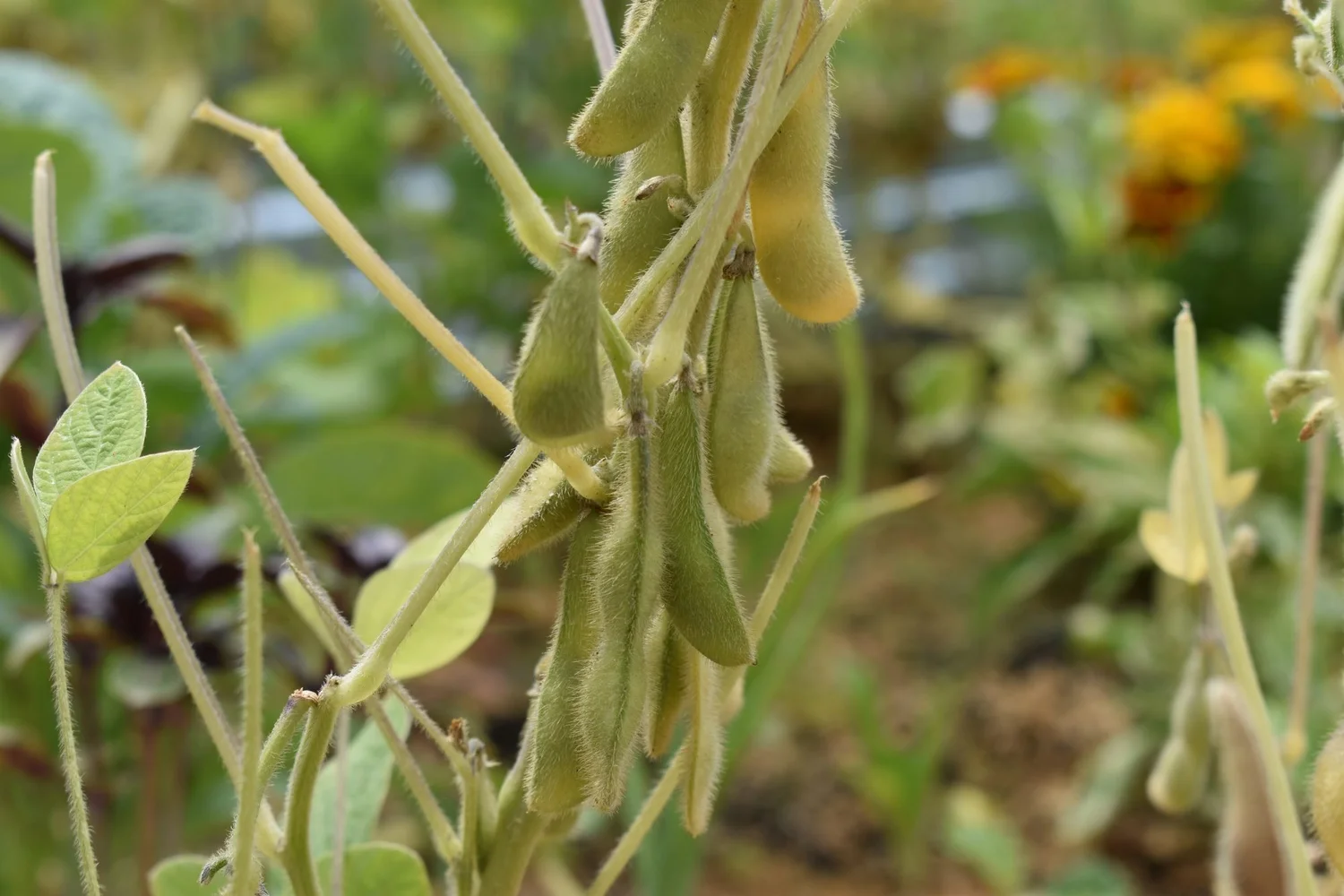
For common beans: Allow pods to remain on the plant until they are dry, brown, and papery. The beans inside should rattle when you shake the pod. In Santa Cruz's coastal climate, this typically means leaving pods on the vine for 4 to 6 weeks past the snap bean stage. The plant's energy shifts from producing new pods to maturing seeds, so expect new pod production to decline once you stop harvesting from your selected seed plants.
For peas: Leave pods on the vine until they turn brown and dry. The peas inside will be hard and wrinkled (for wrinkle-seeded types like most sugar snaps) or smooth and hard (for smooth-seeded types). This takes 3 to 5 weeks past the edible green pod stage.
For fava beans: Pods turn black and leathery when seeds are mature. The beans inside should be hard and dry, ranging from light tan to dark brown depending on variety. Fava pods take 6 to 8 weeks from the fresh-eating stage to seed maturity.
The key timing question for Santa Cruz seed savers: can pods dry adequately on the vine before fall rains or heavy fog return? For beans planted in May or early June, pods designated for seed saving typically reach full maturity by late August or September, which is usually dry enough on the coast. For later plantings, you may need to finish drying indoors (more on this below).
If you are growing beans for both eating and seed saving, our succession planting guide helps you plan which planting to designate as your seed crop while still harvesting from other plantings for the kitchen.
How Do You Handle Seed Drying in Santa Cruz's Humid Coastal Climate?
This is the most important section for local gardeners, because our coastal humidity is the primary challenge for seed saving here. Seeds that are not dried adequately before storage develop mold, lose viability, and can even sprout in storage.
On-vine drying: In an ideal year, pods dry sufficiently right on the plant. Check pods regularly once they begin to turn brown. If the weather cooperates (warm days, low humidity, no rain), this is the simplest approach. The risk in Santa Cruz is that fog moisture keeps pods damp, especially in the fog belt areas from Natural Bridges through Aptos. Morning fog that does not burn off until noon significantly slows pod drying.
When to bring pods indoors for finishing:
- If pods are mostly dry but fog or rain threatens, pull the entire plant (roots and all) or cut stems with pods attached and hang them upside down in a dry, well-ventilated indoor space.
- If pods feel leathery rather than papery and crisp, they need more drying time regardless of weather.
- If you see any sign of mold on pod surfaces, bring pods inside immediately.
Indoor drying method: Spread pods in a single layer on screens, newspaper, or brown paper bags in a warm, dry room with good air circulation. A spare room, covered porch, or garage works well. A small fan circulating air across the drying pods speeds the process significantly.
The fingernail test: A properly dried bean or pea seed cannot be dented with your fingernail. If you can make an impression in the seed surface, it needs more drying. This simple test is more reliable than guessing based on appearance.
Bean and pea seed has to be fully dry before it goes into storage. UC Master Gardeners of Santa Clara County suggest hitting a large seed with a hammer: if it shatters it is dry enough to store, and if it mashes it needs more drying. In humid coastal climates, achieving this target typically requires a combination of vine drying and indoor finishing rather than vine drying alone.
How Should You Clean and Sort Seeds Before Storage?
Once pods are fully dry, processing is straightforward. Shell dried pods by hand, cracking them open along the seam and popping out the seeds. For larger quantities, place dried pods in a pillowcase or cloth bag and gently thresh them by rolling or pressing the bag. The pods break apart and release seeds, which you can then separate from the pod debris.
Winnowing: Pour seeds slowly from one container to another in front of a gentle breeze (or a fan on low setting). The lighter chaff and pod fragments blow away while the heavier seeds fall into the receiving container.
Sorting: Examine seeds and remove any with insect holes, discoloration, shriveling, mold, or cracks. Bean weevils deserve special mention: these small beetles lay eggs in developing beans while still on the plant, and larvae develop inside seeds during storage. To prevent weevil damage, freeze cleaned, dried seeds for 48 hours after processing. This kills any eggs or larvae without affecting germination. Allow seeds to return to room temperature before placing them in storage containers.
What Are the Best Storage Methods for Saved Seeds?
Proper storage is where your seed-saving effort either pays off for years or fails within months. The enemies of stored seeds are moisture, heat, light, and temperature fluctuations.
Store seeds in cool, dry, dark conditions. Refrigerator storage (35 to 40 degrees) extends viability significantly over room temperature. Glass jars with tight lids or double zip-lock freezer bags are the best containers for Santa Cruz's humid coastal climate, where ambient humidity runs 60 to 80 percent for much of the year. Paper envelopes work for one season but do not protect against long-term humidity.
Add a silica gel desiccant packet to each container to absorb ambient moisture. Replace desiccants annually. Always label seeds with the variety name, harvest year, and selection notes. Unlabeled seeds become a mystery within one season.
According to UC Agriculture and Natural Resources, bean and pea seed stored under ideal conditions lasts about one to three years, and a simple paper towel germination test will tell you whether an older batch is still worth sowing. Pea seeds are slightly shorter-lived, typically maintaining good germination for two to four years.
How Do You Test Seed Viability Before Planting?
Before committing garden space to saved seeds, especially those stored for more than one year, a simple germination test tells you what percentage will actually grow.
The paper towel germination test:
- Moisten a paper towel until it is damp but not dripping.
- Place 10 seeds on one half of the towel, spaced evenly so they do not touch.
- Fold the other half over the seeds.
- Place the towel in a zip-lock bag, leaving the bag slightly open for air exchange.
- Set the bag in a warm location (70 to 75 degrees is ideal). The top of a refrigerator or a warm shelf works well.
- Check daily and keep the towel moist (not wet).
- Count germinated seeds after 7 to 10 days.
Interpreting results:
- 8 to 10 out of 10 germinated (80 to 100 percent): Excellent viability. Plant at normal density.
- 6 to 7 out of 10 (60 to 70 percent): Acceptable viability. Plant slightly more densely than usual to compensate for lower germination.
- Below 5 out of 10 (below 50 percent): Poor viability. Consider these seeds a last resort. Plant very densely or acquire fresh seed.
Run this test two to three weeks before your planned planting date. This gives you time to order fresh seed if your saved stock has deteriorated. For beans and peas, which are direct-sown and relatively inexpensive, some gardeners simply plant saved seed more densely in the first year after saving, then thin to proper spacing once they see what germinates.
UC Master Gardeners of Santa Clara County suggest a simple germination test whenever you are unsure about stored seed: put ten seeds in a moist folded paper towel, hold it near 70 degrees, and count how many sprout in seven to ten days. Seeds that look perfectly healthy may have been damaged by improper drying or storage temperatures.
What Special Considerations Apply to Saving Pea Seeds in Santa Cruz?
Peas present a timing challenge for Santa Cruz seed savers that beans do not. Because peas grow during our cool season and finish as weather warms, the window for pod drying on the vine often coincides with variable spring weather.
For fall-planted peas (sown September through November): Pods designated for seed saving will be maturing in April through May. This is usually a dry enough period on the coast for adequate vine drying, though fog can slow the process. Monitor pods carefully and bring them inside if heavy fog persists for several days.
For late winter-planted peas (sown January through March): Seed pods mature in June through July. Coastal fog is heaviest during this period, making vine drying less reliable. Plan to bring pods indoors for final drying.
Wrinkle-seeded pea varieties (most sugar snap types) contain more sugar than smooth-seeded types, which makes them more susceptible to mold during drying and slightly shorter-lived in storage. Dry wrinkle-seeded varieties extra carefully and use them within two to three years for best germination.
If you are growing sugar snap or snow peas, selecting for varieties that perform well in our foggy conditions and then saving those seeds creates a locally adapted strain that improves with each generation.
Frequently Asked Questions
How long do saved bean seeds last?
Properly dried and stored bean seeds maintain good germination (above 80 percent) for three to five years. Some gardeners report acceptable germination from beans stored seven years or more in ideal conditions (cool, dry, dark). Storage temperature matters most: seeds kept in a refrigerator last significantly longer than those stored at room temperature. According to UC Agriculture and Natural Resources, cooler and drier storage keeps seed alive longer, and the working guideline is that storage temperature in degrees Fahrenheit plus percent relative humidity should add up to less than 100.
Can I save seeds from store-bought dried beans?
Yes, many store-bought dried beans will germinate and grow. This is actually how many heirloom bean varieties have been preserved. However, there are caveats: commercial beans may have been heat-treated or stored in conditions that reduce viability. Some store beans are hybrids that will not breed true. Start with a small test planting to check germination before committing garden space.
Do I need to worry about bean weevils in saved seeds?
Bean weevils (Acanthoscelides obtectus) are a legitimate concern for seed savers. These small beetles lay eggs in beans on the plant, and larvae develop inside the seeds during storage, emerging as adults that reinfest other seeds. Freezing cleaned, dried seeds for 48 hours kills all life stages without affecting germination. Store seeds in sealed containers after freezing to prevent reinfestation. UC Master Gardeners of Santa Clara County recommend putting fully dried seed in the freezer for a few days to kill any insect pests or eggs, and note this matters most for legumes such as beans and peas.
What is the minimum number of plants I should save seed from?
For beans and peas, save seed from at least 5 to 10 plants to maintain adequate genetic diversity. Saving from a single plant is tempting (especially if one plant is clearly your best performer), but it creates a genetic bottleneck that can reduce vigor in subsequent generations. If you can save from 20 or more plants, that is even better. UC Master Gardeners of Orange County note that seed saving helps maintain genetic diversity and lets gardeners adapt plants to local conditions.
Can different bean varieties cross-pollinate in my garden?
Common beans (Phaseolus vulgaris) are highly self-pollinating, with cross-pollination rates typically below 1 percent. For home seed saving, you can grow multiple varieties side by side with minimal risk of unwanted crosses. Fava beans and runner beans are exceptions: they are insect-pollinated and will cross with other varieties of their same species. According to UC Agriculture and Natural Resources, the self-pollinating nature of common beans makes them among the easiest crops for maintaining variety purity in home gardens.
How do I know if my saved seeds are dry enough for storage?
Use the fingernail test: press your fingernail firmly into the seed surface. If you can make a dent or impression, the seed needs more drying. A properly dried bean or pea seed is rock-hard and will crack or shatter rather than dent when pressed. You can also weigh a sample, dry it further, and reweigh. When the weight stops decreasing, drying is complete. UC Master Gardeners suggest testing large seeds like beans by hitting one with a hammer: if it shatters the seed is dry enough to store, and if it mashes it needs more drying. Biting a seed works too, since a visible tooth mark means it is still too moist.
Start Saving Your Bean and Pea Seeds
Seed saving from beans and peas is one of the most practical and rewarding skills a Santa Cruz gardener can develop. It costs nothing beyond a few jars and some patience, and it returns dividends in the form of free seed, locally adapted varieties, and a deeper connection to the full cycle of growing food. Start with one or two varieties this season, learn the drying and storage basics, and expand from there as your confidence grows.
For more growing guides, seed-starting advice, and seasonal tools designed for Santa Cruz County gardeners, visit Your Garden Toolkit.
Keep Reading:
