

Bats as Garden Allies: Installing Bat Houses for Natural Mosquito Control
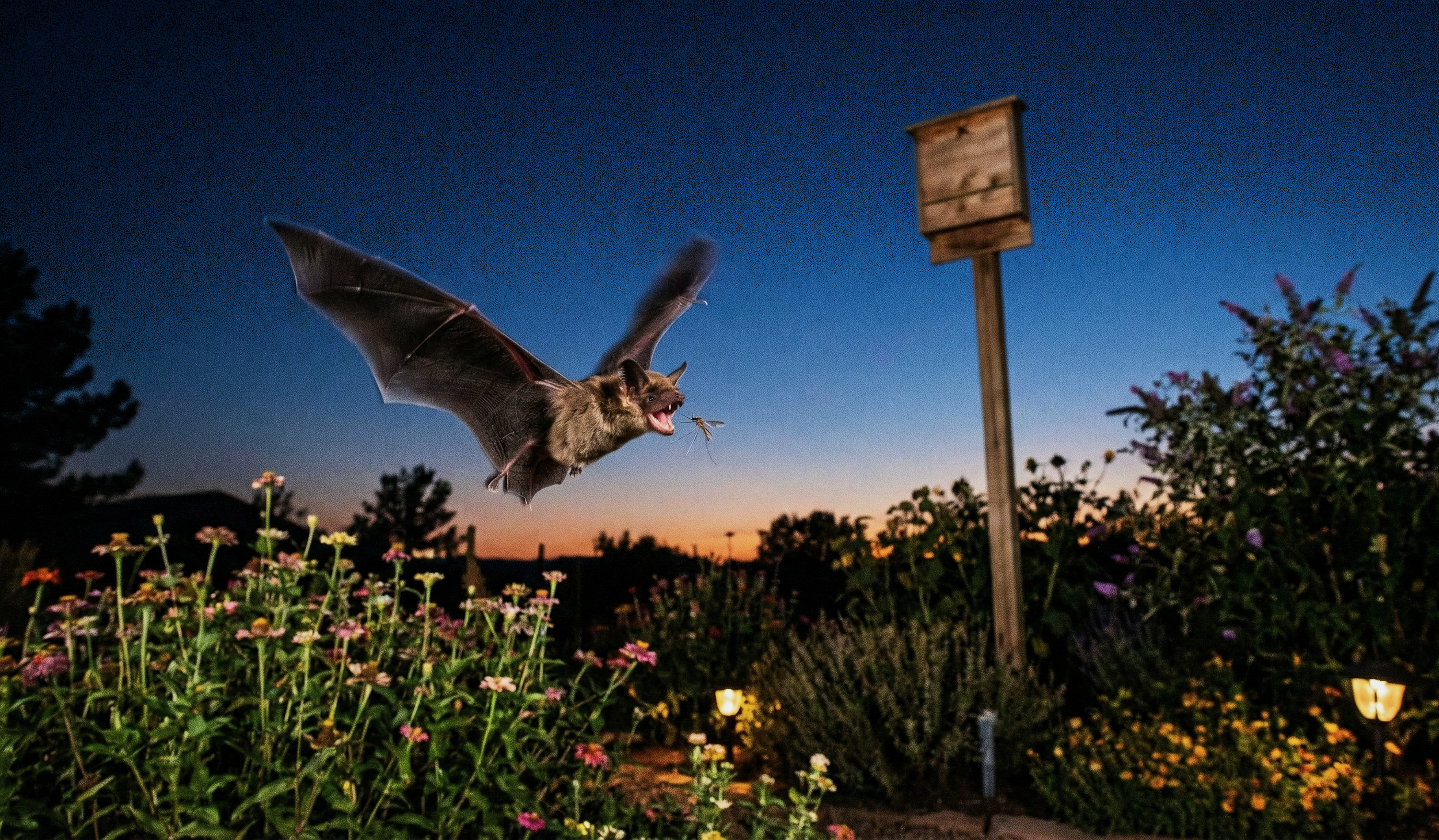
The Unsung Heroes of Pest Control
While you're sleeping, bats are working. A single bat can eat 1,000 or more mosquitoes in a single night, along with moths, beetles, and other flying insects. They're voracious, silent, and incredibly efficient. They are nature's pest control operating the night shift.
Yet bats are often misunderstood and underappreciated. Many people fear them unnecessarily, when in reality bats are gentle, shy creatures that want nothing to do with humans. They won't fly into your hair. They won't attack you. They'll just quietly patrol your property, eating the insects that bite you and damage your garden.
For Santa Cruz County gardeners, attracting bats is one of the smartest things you can do, especially now, as new mosquito species carrying serious diseases have arrived in our region.
Why Bats Matter More Than Ever
Mosquitoes have always been annoying, but in Santa Cruz County they're becoming genuinely concerning.
The Aedes aegypti discovery:
In recent months, Aedes aegypti mosquitoes (an invasive species capable of carrying Zika, dengue, chikungunya, and yellow fever) have been detected in parts of Santa Cruz County, including the Boulder Creek area. According to the Santa Cruz County Mosquito and Vector Control District, unlike our native mosquitoes that are most active at dawn and dusk, Aedes aegypti bite aggressively during the day.
This isn't cause for panic, but it is cause for action. These mosquitoes breed in tiny amounts of water, are difficult to control with traditional methods, and represent a new health risk for our community.
Native mosquitoes:
Our local mosquito species also carry diseases, including West Nile virus, which has been detected in Santa Cruz County. California Department of Public Health reports that West Nile can cause serious illness, particularly in older adults and those with compromised immune systems.
The bat solution:
According to Bat Conservation International, bats eat mosquitoes of all species. A healthy bat population provides ongoing, sustainable mosquito suppression that no spray or trap can match. Every bat you attract to your property is eating hundreds to thousands of mosquitoes every night.
Bats of Santa Cruz County
Several bat species call Santa Cruz County home. UC ANR and local wildlife surveys have documented these species in our area:
Mexican free-tailed bat: Perhaps our most common bat, these speedy fliers form large colonies and consume enormous quantities of insects. They're the species most likely to use bat houses.
Big brown bat: A larger species that also adapts well to bat houses. Excellent pest controllers that eat beetles, moths, and mosquitoes.
Pallid bat: A ground-foraging species that eats crickets, beetles, and even scorpions. Less likely to use bat houses but valuable for pest control.
Yuma myotis: Often found near water, these small bats specialize in aquatic insects including mosquitoes. They may roost in bat houses near ponds or creeks.
California myotis: A tiny bat common in our area, often roosting in tree bark or small crevices.
All of these species face habitat loss as old buildings are renovated and dead trees are removed. Bat houses provide alternative roosting sites that help sustain populations.
Installing a Bat House
Attracting bats starts with providing a place to roost.
Choosing a bat house:
According to Bat Conservation International, these features are essential for success:
Size matters: Larger houses (at least 2 feet tall) with multiple chambers are most successful. Small, single-chamber houses rarely attract bats.
Quality construction: Look for houses made of durable wood (cedar is ideal), with rough interior surfaces bats can grip, and proper ventilation.
Certified designs: Bat Conservation International (BCI) certifies bat house designs proven to attract bats. Look for their seal of approval.
Recommended features:
Multi-chamber design (3+ chambers)
At least 20 inches tall, 14 inches wide
Landing pad extending 3 to 6 inches below the entrance
Ventilation slots near the bottom
Dark exterior color (absorbs heat)
Rough interior surfaces (grooved or mesh-covered)
Where to buy:
Local hardware stores sometimes carry bat houses
Online retailers (search for BCI-certified houses)
DIY plans available from Bat Conservation International
Placement by Santa Cruz Microclimate
Location is critical for success, and placement requirements vary across our county's microclimates.
Coastal Areas (Aptos, Capitola, Santa Cruz, Live Oak)
Coastal fog makes placement more challenging. You'll need to maximize sun exposure since bats require warmth for roosting and raising young.
Mount on south-facing surfaces that get 8+ hours of direct sun
Choose locations away from fog-prone valleys
Building sides that retain heat work better than poles
Internal temperatures should reach 80-100°F in summer
Expect slower occupancy rates than warmer inland areas (but success is definitely possible)
Inland Valleys (Scotts Valley, Soquel Hills)
Good bat habitat with moderate temperatures.
South or southeast facing remains ideal
Can tolerate slightly less direct sun than coastal areas
12-20 feet high on poles or building sides
San Lorenzo Valley (Boulder Creek, Ben Lomond, Felton)
Warmer inland conditions are favorable for bats, though redwood shade requires careful placement.
Avoid shaded canyon bottoms
Choose sunny clearings or south-facing building walls
Particularly important given Aedes aegypti detection in Boulder Creek area
All Microclimates:
Height: Mount 12 to 20 feet high (higher is generally better). Bats need to drop into flight, so height provides safety.
Mounting surface: Poles or buildings are better than trees. Trees have too much shade and provide predator access.
Proximity to water: Within 1/4 mile of a water source is ideal. Ponds, creeks, or even swimming pools attract insects bats eat.
Clear flight path: No branches or wires within 20 feet. Bats need room to approach and land.
Avoid lights: Don't mount near bright outdoor lights. Bats prefer darkness for roosting.
Timing and Patience
Bat houses don't fill up overnight.
When to install:
Late winter or early spring is ideal. Bats are looking for roosting sites as they emerge from winter torpor. Houses installed in spring have the best first-year success.
How long until occupancy:
Some houses attract bats within weeks
Most take 1 to 2 years
Some take longer or never attract bats (usually due to placement issues)
Don't give up after one season
Signs of occupancy:
Bat droppings (guano) below the house (dark, crumbly, sparkles slightly from insect exoskeletons)
Staining on the landing pad
Squeaking sounds at dusk
Bats emerging at sunset (exciting to watch!)
If your house isn't attracting bats:
Reassess sun exposure (more sun usually helps)
Check height (higher is better)
Ensure clear flight path
Try a different location
Add a second house in a different spot
Creating Bat-Friendly Habitat
Beyond bat houses, you can make your property more attractive to bats:
Water features: Ponds, even small ones, attract insects bats eat. Bats drink from calm water surfaces while flying. A water source increases the chance bats will stay in your area.
Native plants: Night-blooming flowers attract moths that attract bats. Native plants support insect populations bats feed on. See our California Native Plants Guide for suggestions.
Reduce lighting: Excessive outdoor lighting disrupts bat foraging. Use motion-activated lights instead of constant illumination. Shield lights to direct them downward.
Preserve dead trees: Dead trees (snags) provide natural roosting sites. Leave dead trees standing when safe to do so. Dead bark peeling from trees creates roost crevices.
Minimize pesticide use: Pesticides reduce the insects bats eat. Bats that consume poisoned insects may be harmed. A bat-friendly yard is a low-pesticide yard. See our Organic Pest Control Guide for chemical-free alternatives.
Bat Myths and Concerns
Let's address common worries:
"Bats carry rabies": Bats can carry rabies, but the risk is extremely low. California Department of Public Health data shows less than 1% of bats have rabies, and they don't attack humans. Simply don't handle bats with bare hands. If you find a bat on the ground or acting strangely, leave it alone and contact Santa Cruz County Animal Services or Native Animal Rescue.
"Bats will fly into my hair": This myth persists despite being completely false. Bats have excellent echolocation and navigate precisely. They have no interest in your hair.
"Bats are dangerous": Bats are shy, gentle animals that avoid humans. They're far more afraid of you than you are of them.
"Bat guano is dangerous": Bat droppings can harbor histoplasmosis spores in large accumulations (like caves), but a backyard bat house produces minimal guano that poses no health risk. It's actually excellent fertilizer.
"Bats will get into my house": A properly mounted bat house gives bats a home so they're less likely to seek shelter in your attic. If anything, bat houses reduce the chance of bats entering your living space.
Bats and Your Garden
Beyond mosquito control, bats benefit gardens in other ways:
Moth control: Many garden pests spend part of their lifecycle as moths. Tomato hornworm moths, cabbage looper moths, and many others are bat prey. Fewer moths mean fewer caterpillars eating your vegetables.
Beetle control: Bats eat cucumber beetles, June bugs, and other garden pest beetles.
Guano as fertilizer: Bat droppings are rich in nitrogen and make excellent fertilizer. The small amount from a backyard bat house can be collected and added to compost or applied directly to garden beds.
A Conservation Opportunity
Bat populations across North America face serious threats:
White-nose syndrome: According to Bat Conservation International, this fungal disease has killed millions of bats in eastern North America and is spreading westward. California bats are at risk.
Habitat loss: As we remove dead trees, renovate old buildings, and develop land, bat roosting sites disappear.
Climate change: Shifting temperatures and altered insect populations affect bat survival.
By installing a bat house, you're not just getting pest control. You're contributing to bat conservation at a time when these animals desperately need help.
Getting Started
Ready to welcome bats to your garden?
Purchase or build a quality bat house (BCI-certified design)
Choose a location with full sun, height, and clear flight access
Mount in late winter or early spring before bat maternity season
Be patient and give bats time to discover your house
Enjoy the show when bats emerge at dusk to hunt
Every bat circling your yard at twilight is eating mosquitoes, moths, and beetles. They're doing it for free, without chemicals, every single night.
Welcome them home.
Frequently Asked Questions About Bat Houses in Santa Cruz County
How long does it take for bats to move into a bat house?
Most bat houses take 1 to 2 years to attract bats, though some are occupied within weeks. Houses installed in late winter or early spring have the best first-year success rates. In Santa Cruz County, patience is key. Don't give up after one season. If your house hasn't attracted bats after 2 years, reassess sun exposure (houses need 8+ hours), increase height (12-20 feet is ideal), and ensure a clear flight path. Location matters more than luck.
Where should I install a bat house in Santa Cruz County?
Mount bat houses 12 to 20 feet high on a south or southeast-facing surface that gets 8+ hours of direct sun. Poles or building sides work better than trees. In coastal areas like Aptos and Capitola, maximize sun exposure since these areas are cooler. Inland areas like Boulder Creek, Ben Lomond, and Scotts Valley get hotter, so houses can tolerate slightly less direct sun. Keep the house within 1/4 mile of water (creek, pond, or pool) and ensure a clear, obstacle-free flight path.
Are bats dangerous or do they carry rabies?
Less than 1% of bats carry rabies, and bats don't attack humans. They're gentle, shy animals that avoid people. The risk is extremely low as long as you never handle bats with bare hands. If you find a grounded or sick bat, don't touch it. Contact Santa Cruz County Native Animal Rescue. Bats in properly mounted bat houses pose no danger to your family and provide valuable mosquito control without chemicals.
Will bat houses attract bats into my home?
No, the opposite is true. A properly mounted bat house gives bats a preferred roosting site so they're less likely to seek shelter in your attic or walls. Bat houses should be mounted on the outside of buildings, not near entry points. The goal is to provide bats an attractive alternative to your living space, reducing the chance they'll enter your home.
What mosquitoes do bats eat in Santa Cruz County?
Bats eat all mosquito species, including our native species and the invasive Aedes aegypti mosquitoes recently detected in Boulder Creek and other parts of Santa Cruz County. Aedes aegypti carry Zika, dengue, chikungunya, and yellow fever. They bite aggressively during the day and breed in tiny amounts of standing water. Bats also help control mosquitoes that carry West Nile virus. A single bat eats 1,000+ mosquitoes per night, providing sustainable, chemical-free pest control.
Do bat houses work in foggy coastal areas like Aptos and Capitola?
Yes, but placement is more challenging. Coastal Santa Cruz County areas need maximum sun exposure since bats require warmth for roosting and raising young. Mount houses on south-facing surfaces that get 8+ hours of sun, away from fog-prone valleys. Internal temperatures should reach 80-100°F in summer. Consider mounting on building sides that retain heat. Coastal areas may see slower occupancy rates than warmer inland areas like Boulder Creek and Scotts Valley, but success is definitely possible.
What's the best bat house design for Santa Cruz County?
Look for BCI-certified (Bat Conservation International) multi-chamber houses at least 2 feet tall and 14 inches wide. Essential features include: 3+ interior chambers, rough surfaces bats can grip, ventilation slots, a landing pad extending 3-6 inches below the entrance, and dark exterior color to absorb heat. Cedar construction is ideal. Avoid small, single-chamber houses because they rarely attract bats. Quality matters more than price. Check batcon.org for certified designs or DIY plans.
Can I build my own bat house?
Yes! Bat Conservation International (batcon.org) offers free, tested DIY plans. Use rough-cut cedar or exterior-grade plywood, create interior grooves for grip (1/4-inch spacing), include multiple chambers, paint the exterior dark brown or black, and add ventilation slots. Building your own costs $20-40 in materials versus $40-100+ for commercial houses. The key is following proven designs, since random DIY houses rarely work. Proper dimensions and features matter more than aesthetics.
Free Resources
Gopher Control Guide: Another wildlife management strategy for Santa Cruz gardens
Garden Troubleshooting Guide: Solutions for common garden problems including pests
Companion Planting Guide: Attract beneficial insects naturally
Local Resources
Santa Cruz County Mosquito and Vector Control District: Report mosquito activity, request service, learn about local mosquito species
Bat Conservation International: Bat house plans, placement guides, and conservation information
Native Animal Rescue: Contact for injured or sick bats in Santa Cruz County
Related Articles
Organic Pest Control in Santa Cruz County: Chemical-free pest management strategies
Pollinator-Friendly Gardens Guide: Supporting beneficial wildlife in your garden
Common Garden Pests in Santa Cruz County: Identification and organic control methods
Frequently Asked Questions
Do bats really control mosquitoes?
Yes. Bats are voracious night-flying insect eaters, and a single bat can consume hundreds to over a thousand small flying insects, including mosquitoes, in one night. They will not wipe mosquitoes out on their own, but as part of a healthy garden they meaningfully cut the nighttime insect load.
Where should I mount a bat house?
Mount it 12 to 20 feet high on a pole or the side of a building, facing south or southeast so it warms in the morning sun. Keep it clear of branches, away from bright lights, and make sure there is an open flight path below the entrance.
How long does it take for bats to move in?
Be patient. It often takes a season or two for bats to find and adopt a new house. Putting it up before spring, when bats are looking for roost sites, gives you the best odds.
Are bats dangerous to have around my garden?
No. Bats are shy and want nothing to do with people; they will not fly into your hair or attack you. Just avoid handling any bat you find on the ground, and enjoy the free pest control the colony provides.
