

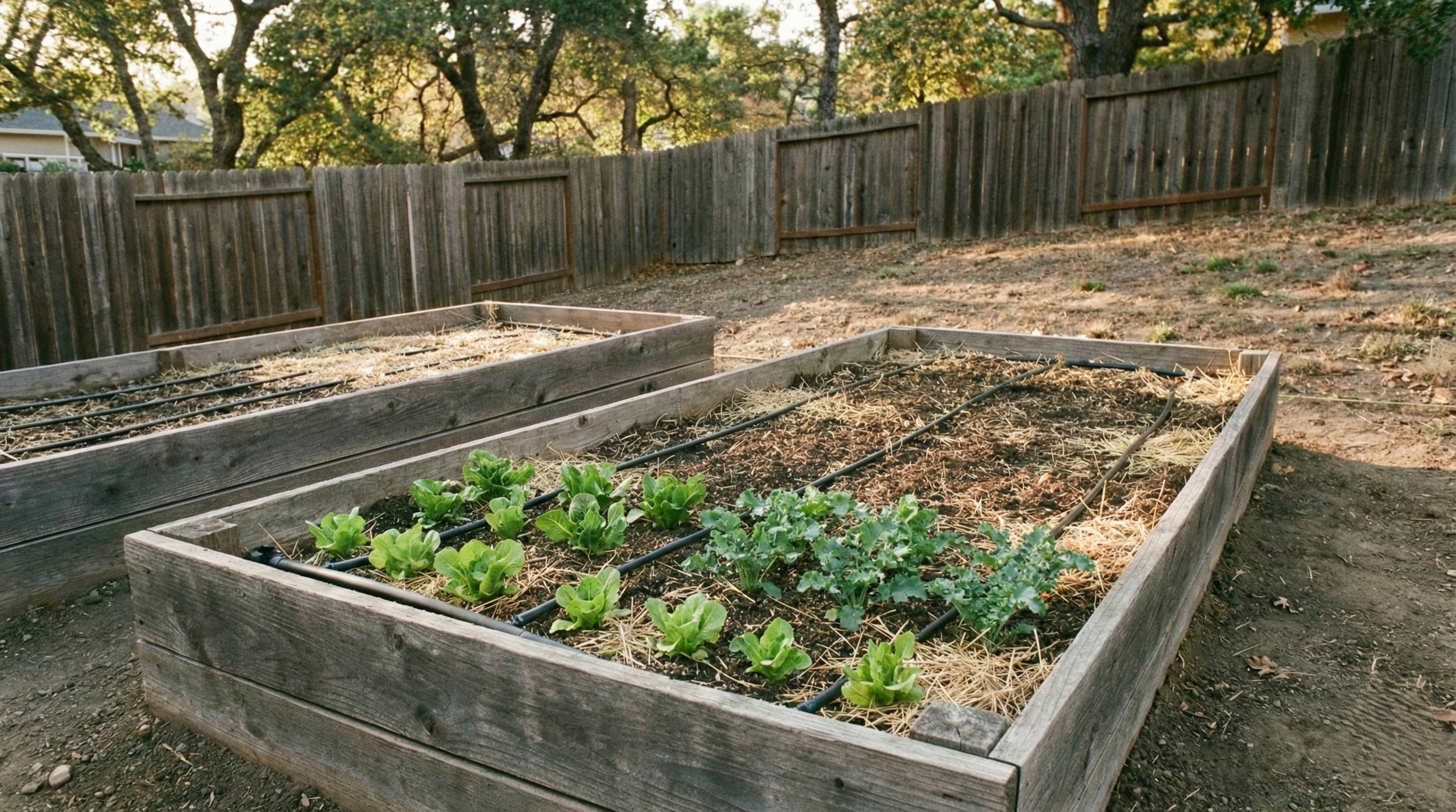
Fall Garden Cleanup for Fire Safety
Fire season in Santa Cruz County often extends into November until significant rains arrive. Fall garden cleanup is the perfect time to reduce fuel loads, prepare your garden for winter, and set up for a safer next year.
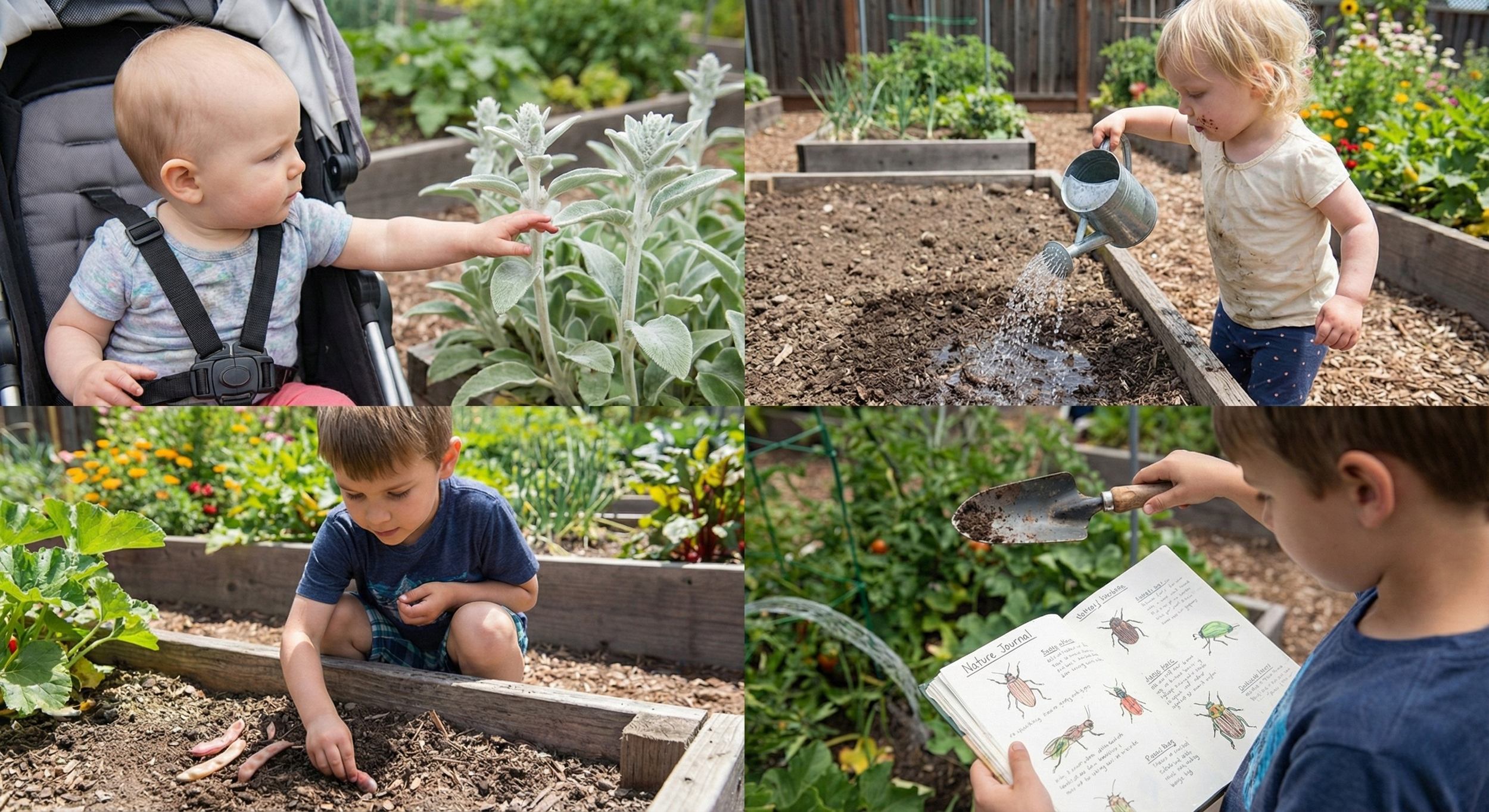
Gardening with Kids 101: Growing the Next Generation of Gardeners
Gardening with children is sensory exploration for babies, science class for school-age kids, and a chance to connect as a family. This guide covers age-appropriate activities from infants to teens, the best plants for each stage, and tips for keeping it fun. In Santa Cruz County, our year-round growing season means every season offers something to plant, watch, or harvest together.
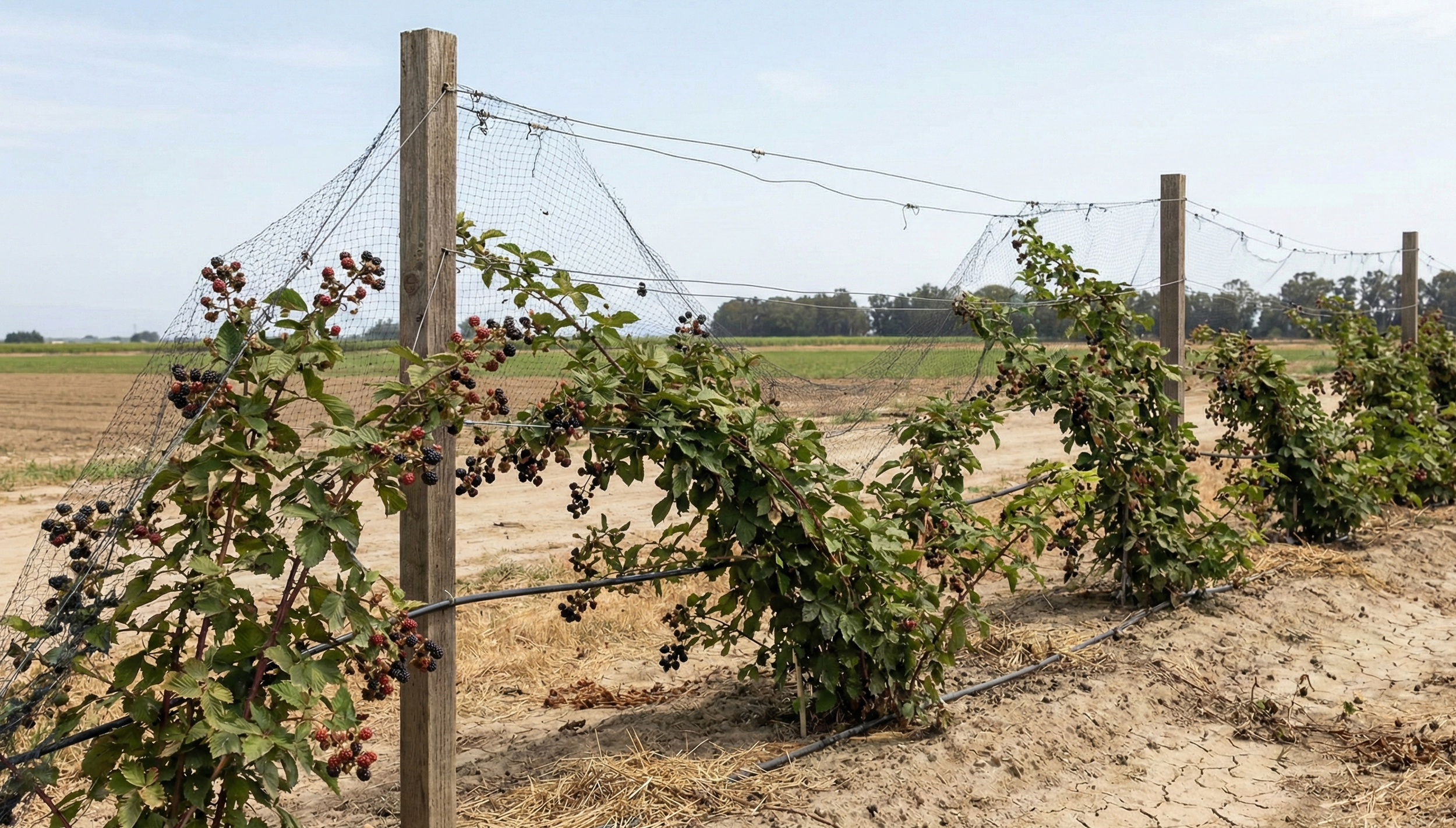
Blackberry Growth Stages: What to Expect Year-by-Year
Blackberries don't produce fruit immediately—knowing what to expect each year helps you nurture plants toward maximum production. Follow the journey from bare-root to bountiful harvest.
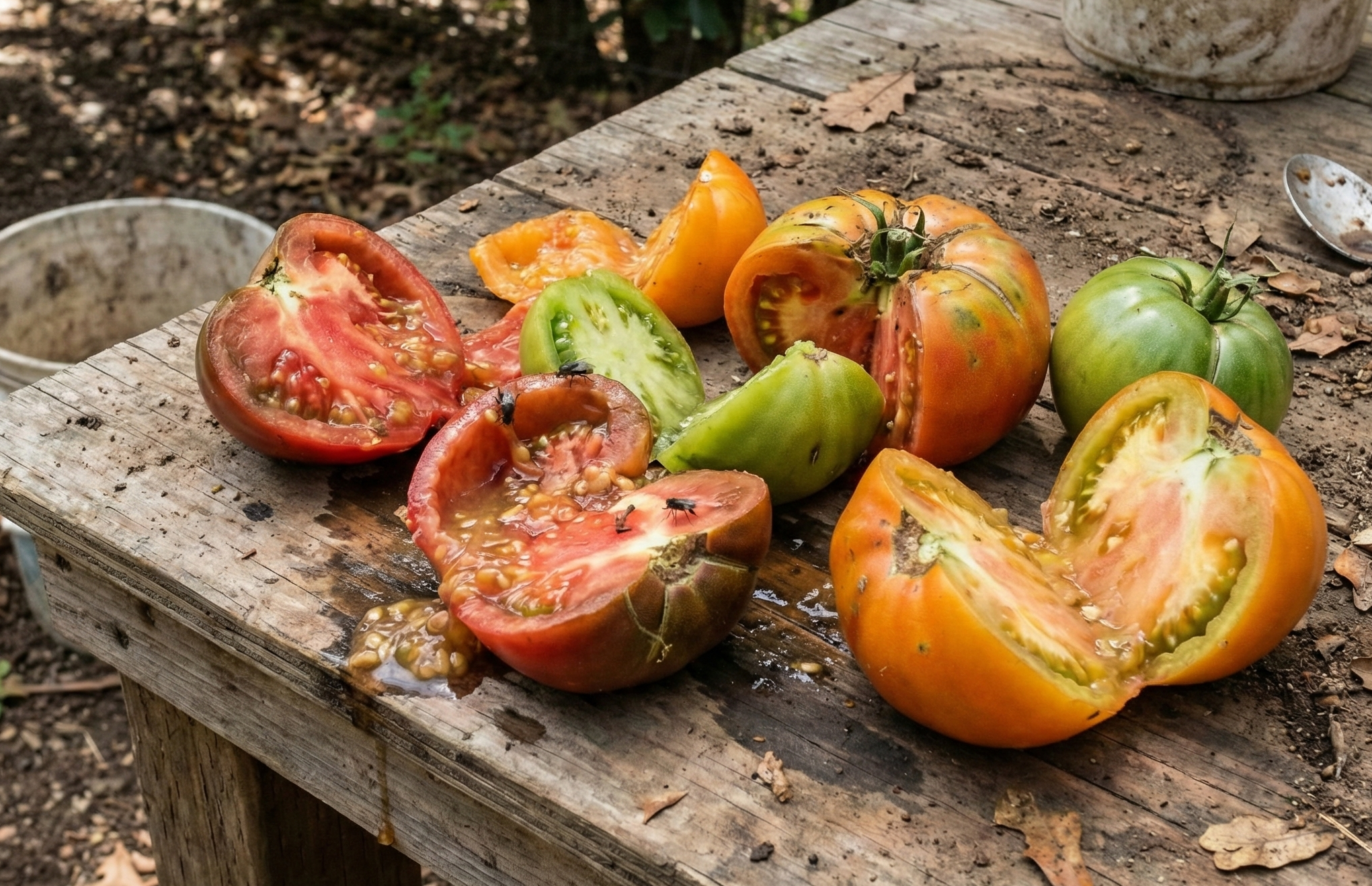
Saving Tomato Seeds: Preserve Your Favorite Varieties
Learn how to save tomato seeds using the fermentation method. Step-by-step guide for home gardeners to preserve heirloom and open-pollinated varieties.
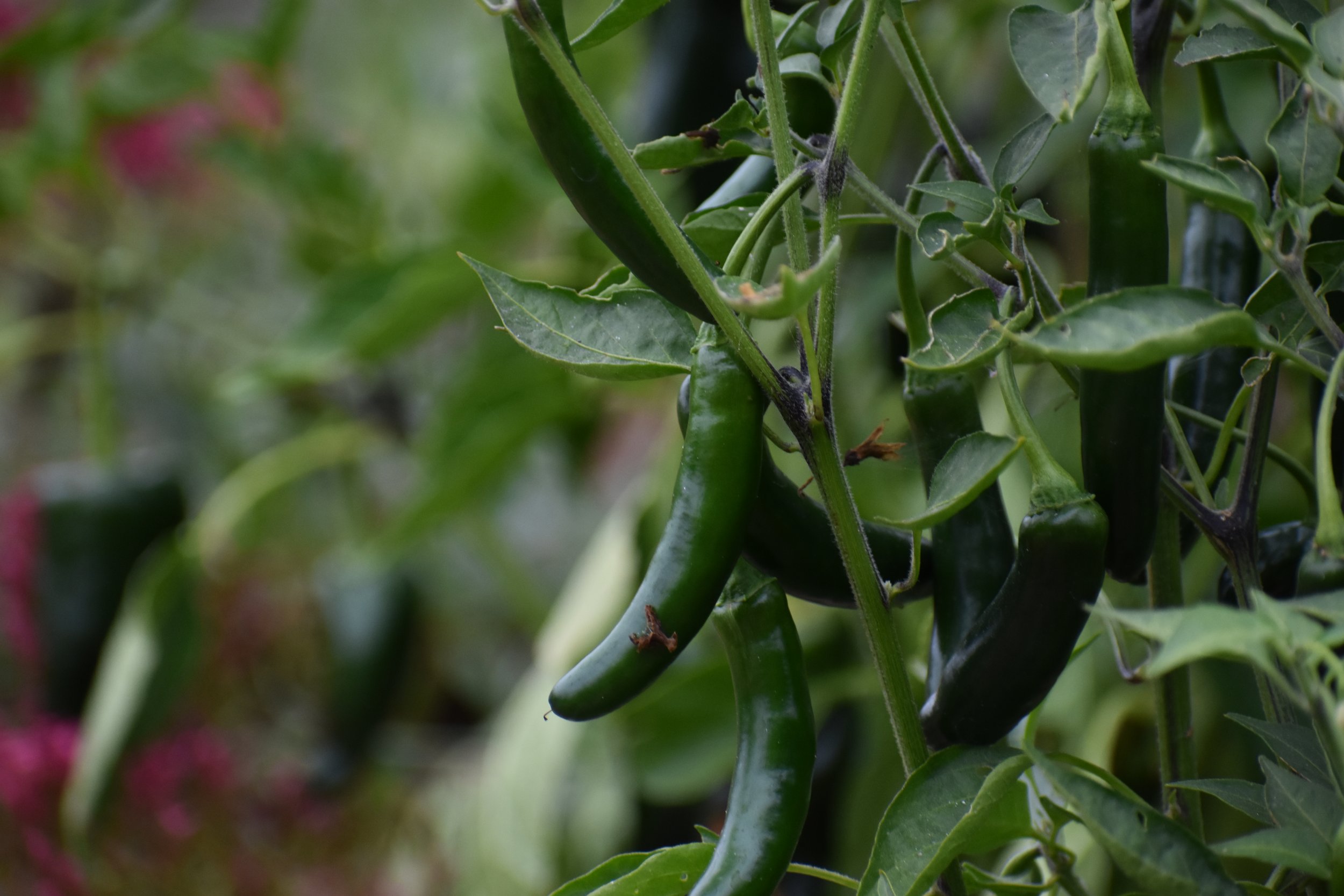
Best Pepper Varieties for Santa Cruz County Microclimates
Not all peppers perform equally across Santa Cruz County's diverse microclimates. This comprehensive guide matches specific pepper varieties to your growing conditions, from fog-tolerant shishitos for coastal gardens to heat-loving habaneros for Watsonville's warm valleys.
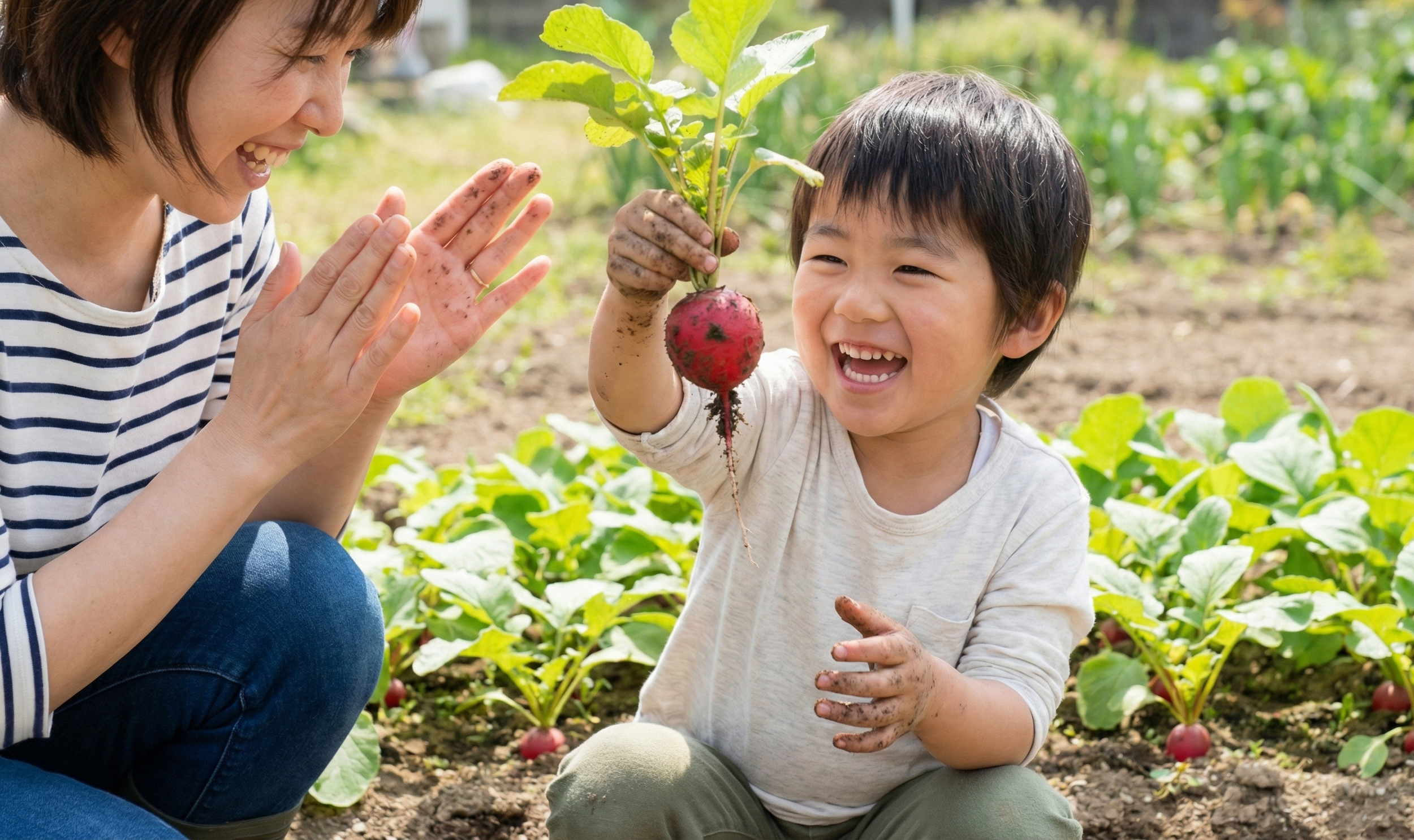
How Gardening Shapes Kids' Eating Habits: What the Research Shows (and How to Make It Work)
Kids who help grow food are more likely to taste it, enjoy it, and eat more fruits and vegetables. Here's how to make it work in your Santa Cruz garden.
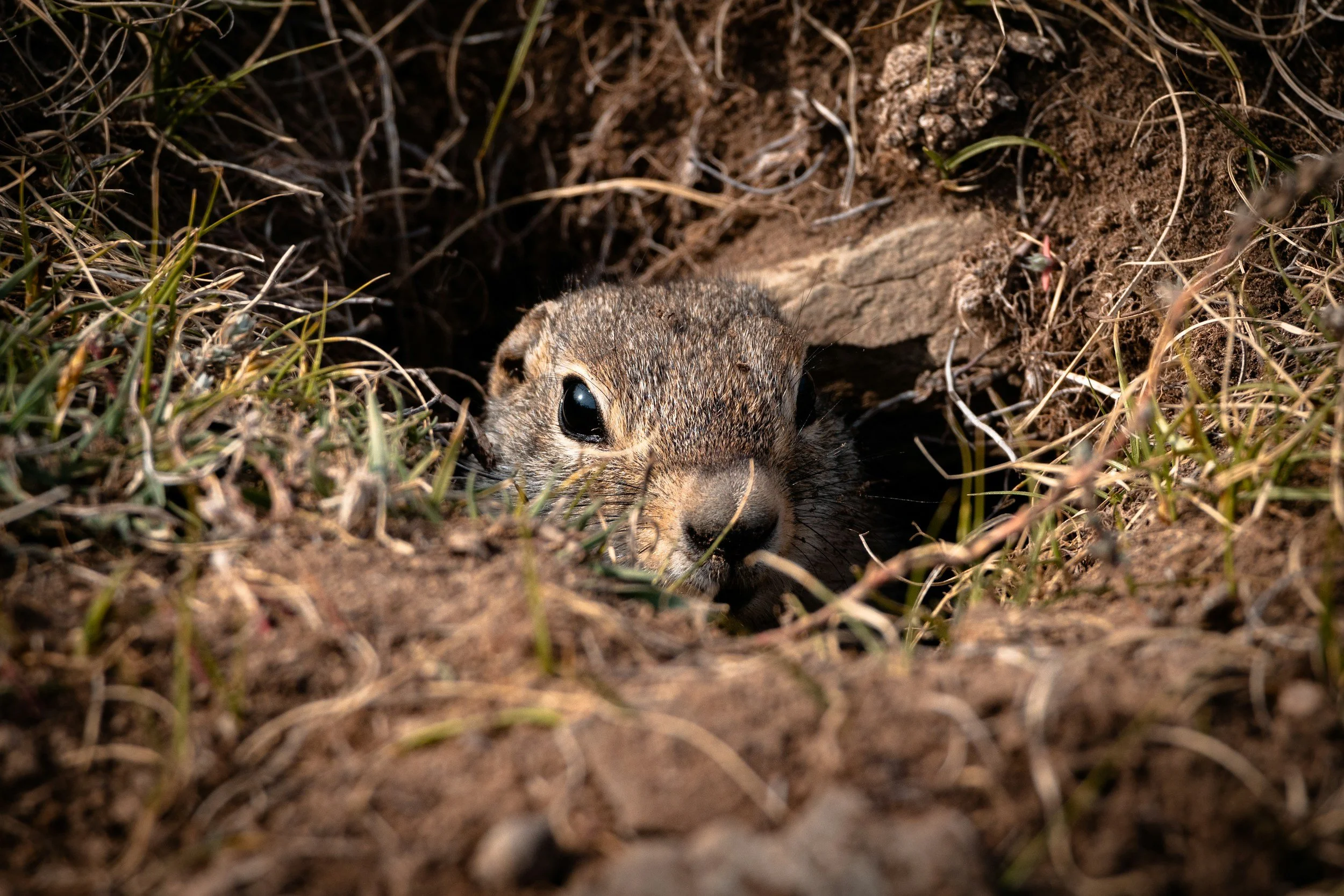
Gopher Control: What Actually Works in Santa Cruz
If you've gardened in Santa Cruz County, you've met gophers. One day your tomato is thriving, the next it slides into the ground with roots chewed clean off. The internet is full of gopher control advice, much of it useless. This guide focuses on what actually works here: trapping (most effective), hardware cloth and gopher baskets (prevention), and what to skip entirely (vibrating stakes, gum, flooding).
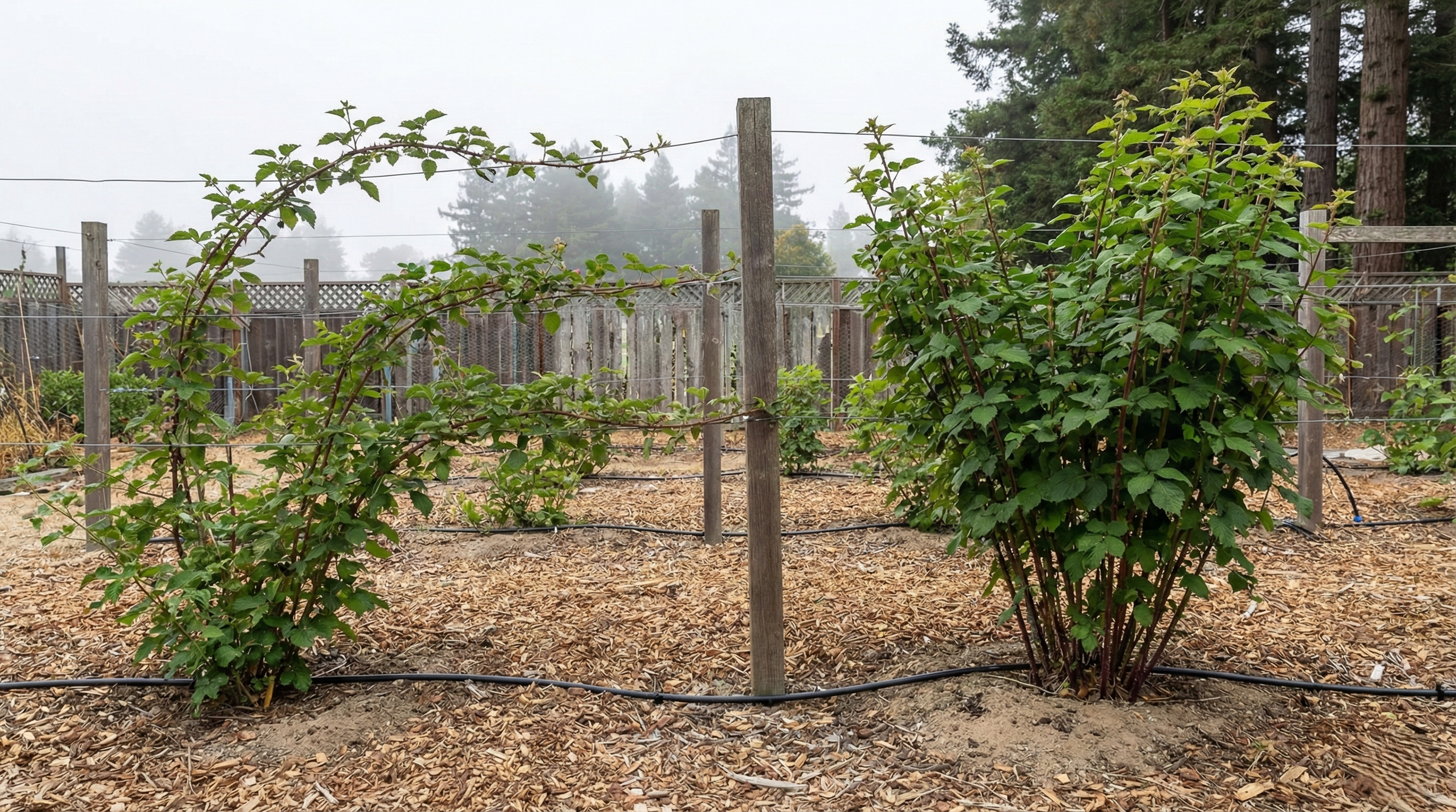
Olallieberry vs Blackberry: What's the Difference and Which Should You Grow?
What's the difference between olallieberry and blackberry? Compare flavor, growing ease, and climate needs to choose the best berry for your California garden.
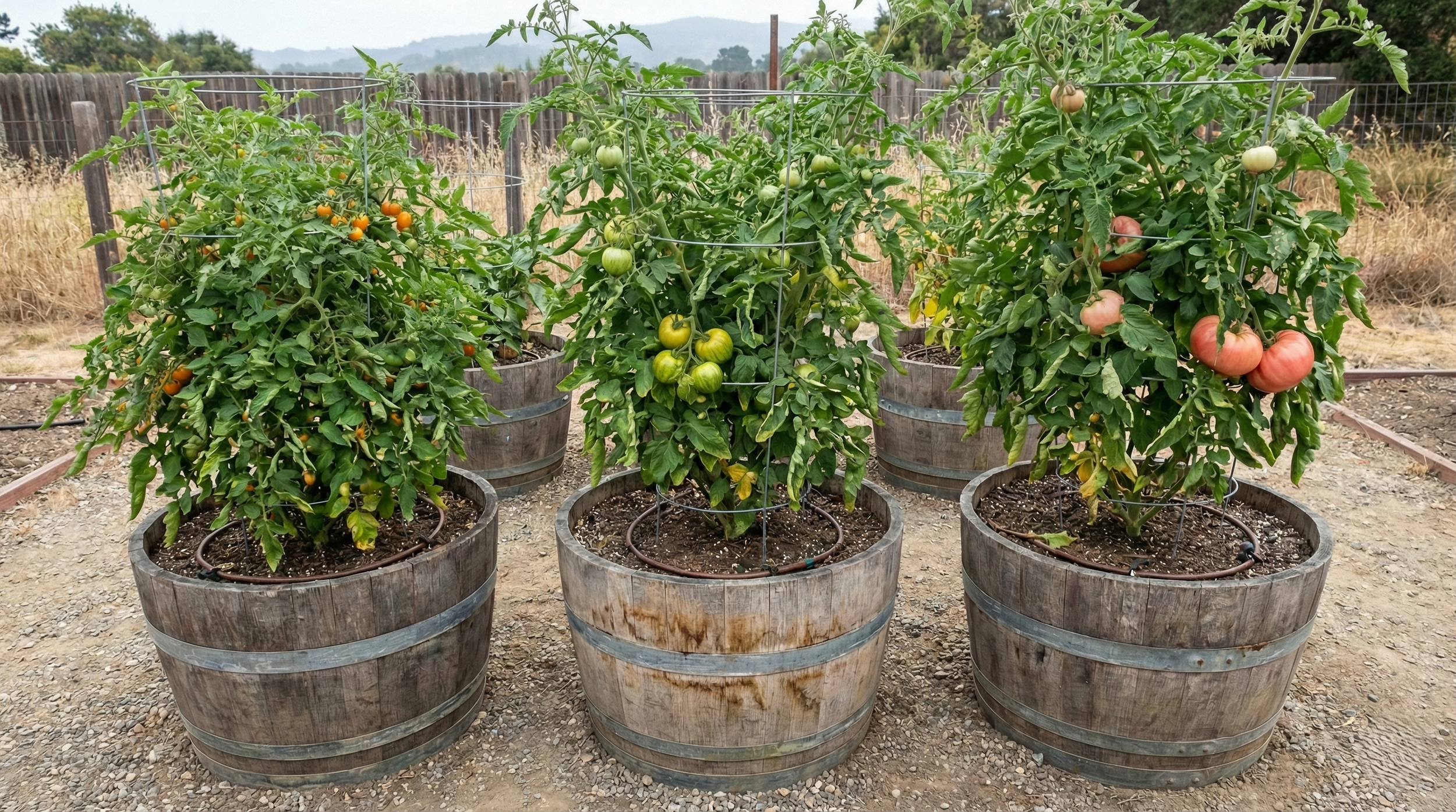
Growing Tomatoes in Containers in Santa Cruz County
Learn how to grow tomatoes in containers in Santa Cruz County. Container sizes, best varieties, watering tips, and patio placement for coastal success.
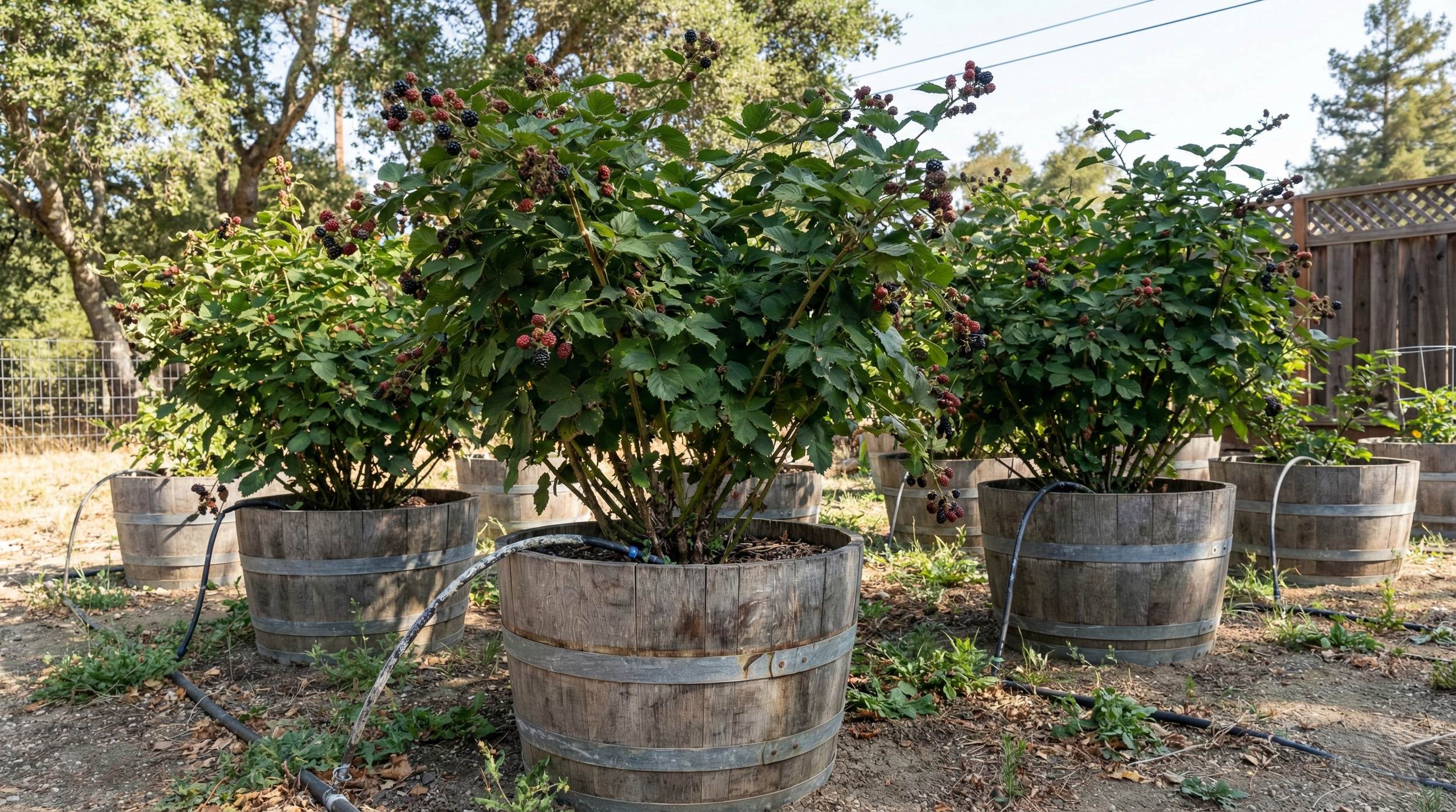
Growing Blackberries in Containers: Compact Varieties & Care Tips
No yard? No problem. Compact blackberry varieties thrive in containers, producing full-sized berries in small spaces. Here's everything you need to know about growing blackberries in pots.
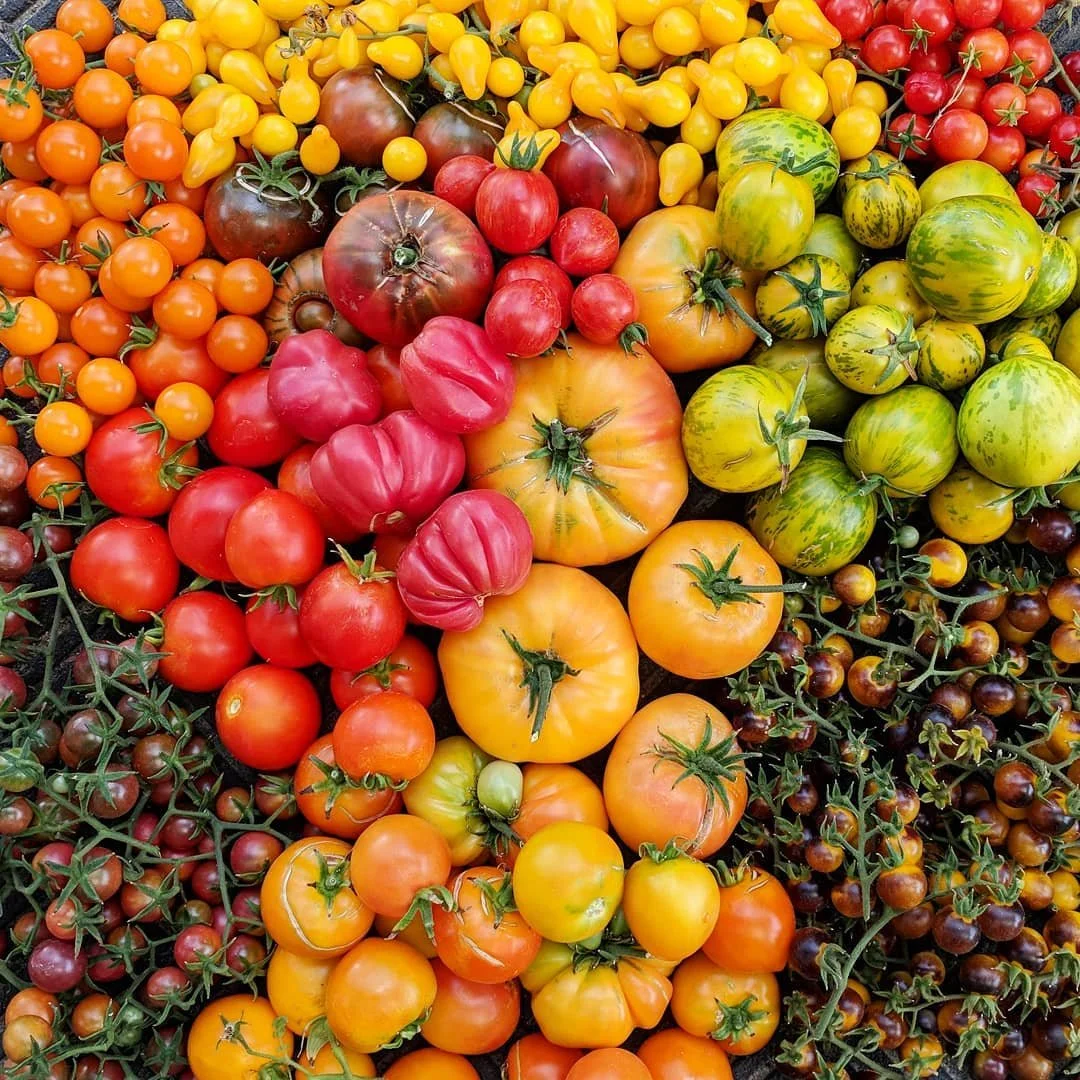
Best Tomatoes by Microclimate: What to Grow Where in Santa Cruz County
Find the right tomato varieties for your Santa Cruz garden. Recommendations for coastal fog, redwood shade, San Lorenzo Valley, and warm inland areas like Watsonville.
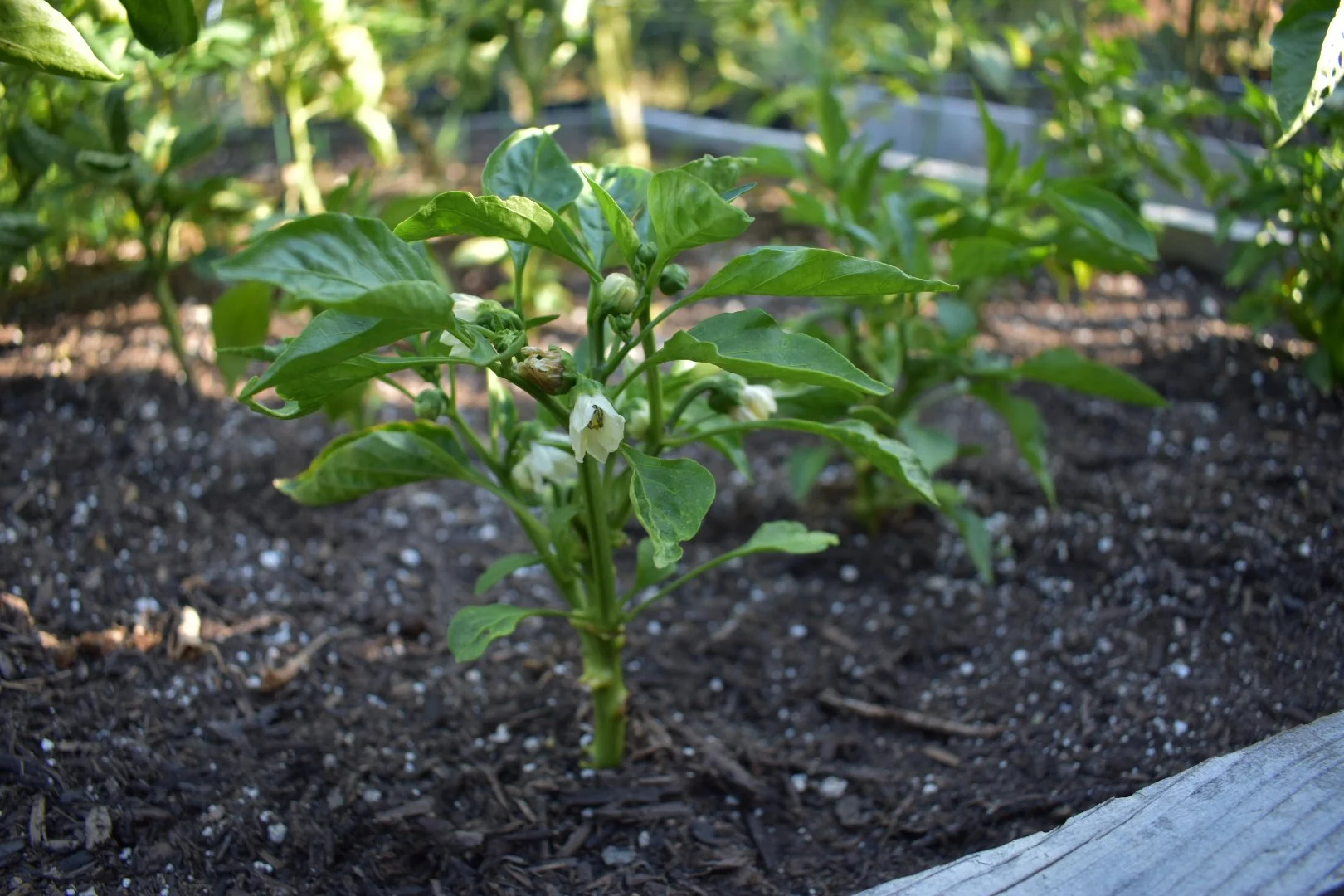
Starting Peppers from Seed in Santa Cruz County: Access Better Varieties
Starting peppers from seed gives you access to the varieties that actually thrive in Santa Cruz County's cool climate, not just the standard bells that struggle in fog. The process requires patience and a heat mat, but rewards you with stronger plants and far better variety selection than nursery transplants offer.
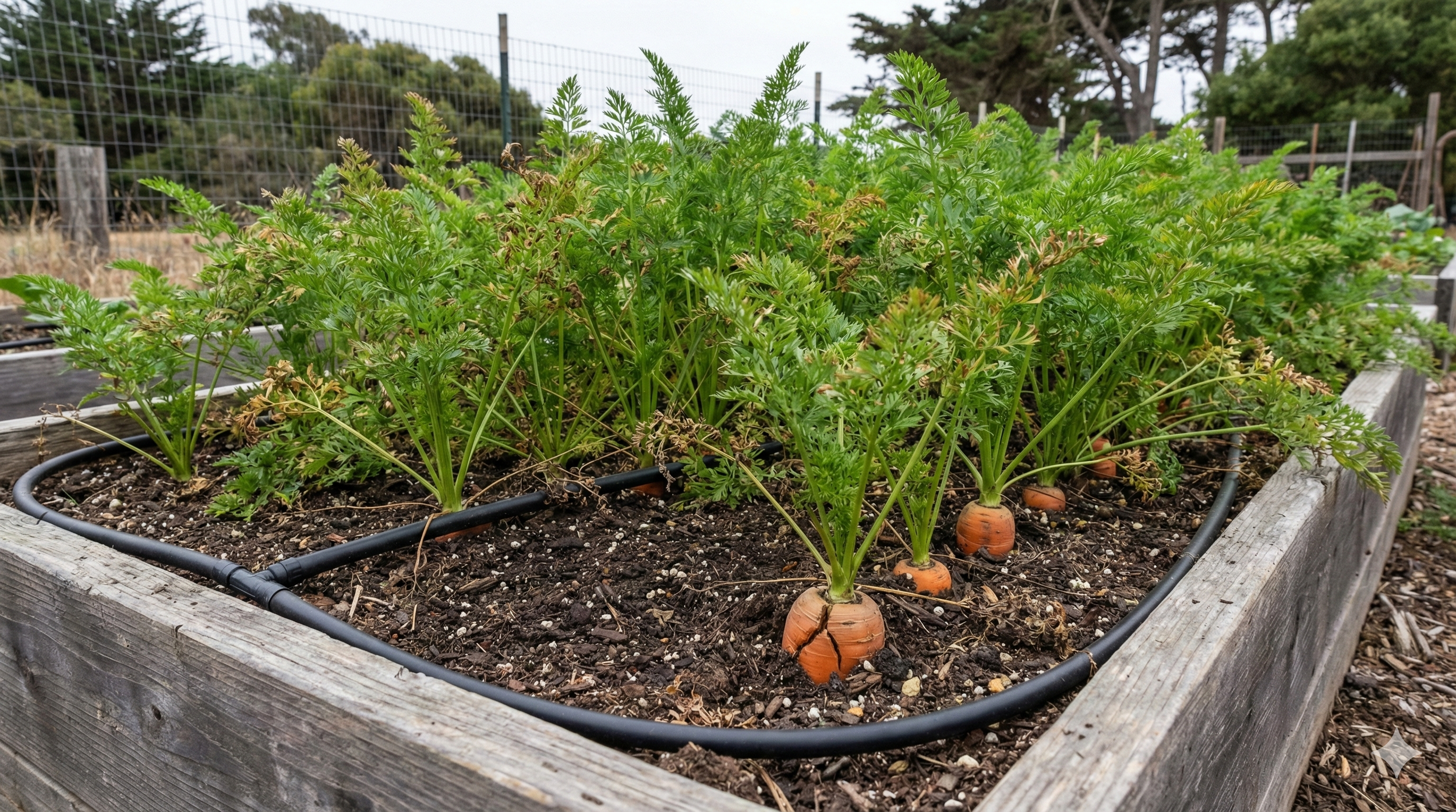
How to Overwinter Carrots in Santa Cruz County: Your Guide to Sweet, Year-Round Harvests
Learn to overwinter carrots in Santa Cruz County for sweeter, year-round harvests. Planting times, best varieties, and winter protection tips for local gardeners.
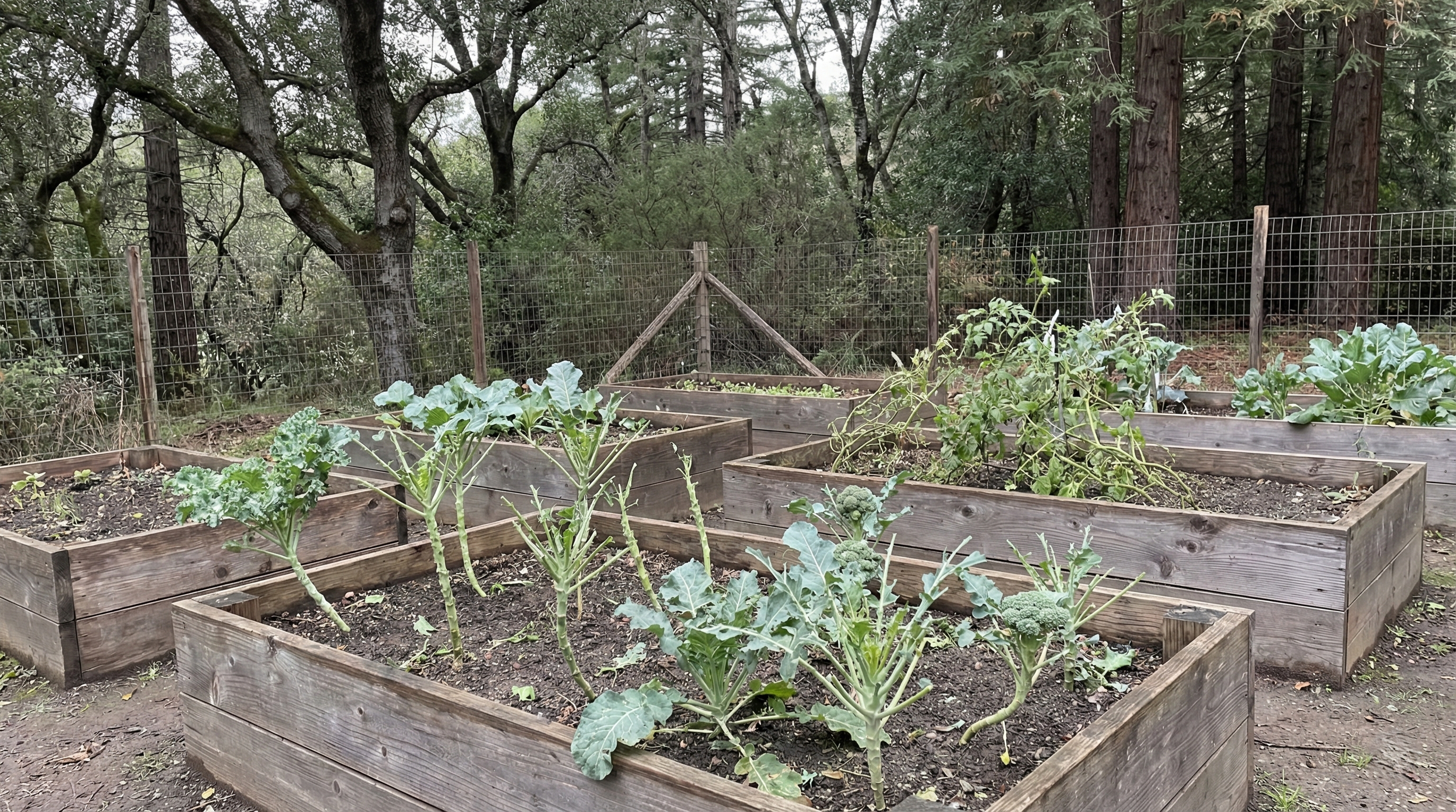
Deer-Resistant Vegetable Gardening in Santa Cruz County
Protect your Santa Cruz County vegetable garden from deer. Practical guide to effective fencing options, deer-resistant vegetables, deterrent strategies, and garden design tips.

10 Fire-Resistant Plants for Santa Cruz Gardens
Choosing fire-resistant plants is one of the most impactful steps you can take toward a safer landscape. These 10 plants are high in moisture, low in flammable oils, and less likely to ignite or spread fire. Most are also drought-tolerant and native or well-adapted to Santa Cruz County conditions: toyon, rockrose, California fuchsia, yarrow, lavender, stonecrop, coyote brush, coast live oak, sage, and ice plant.
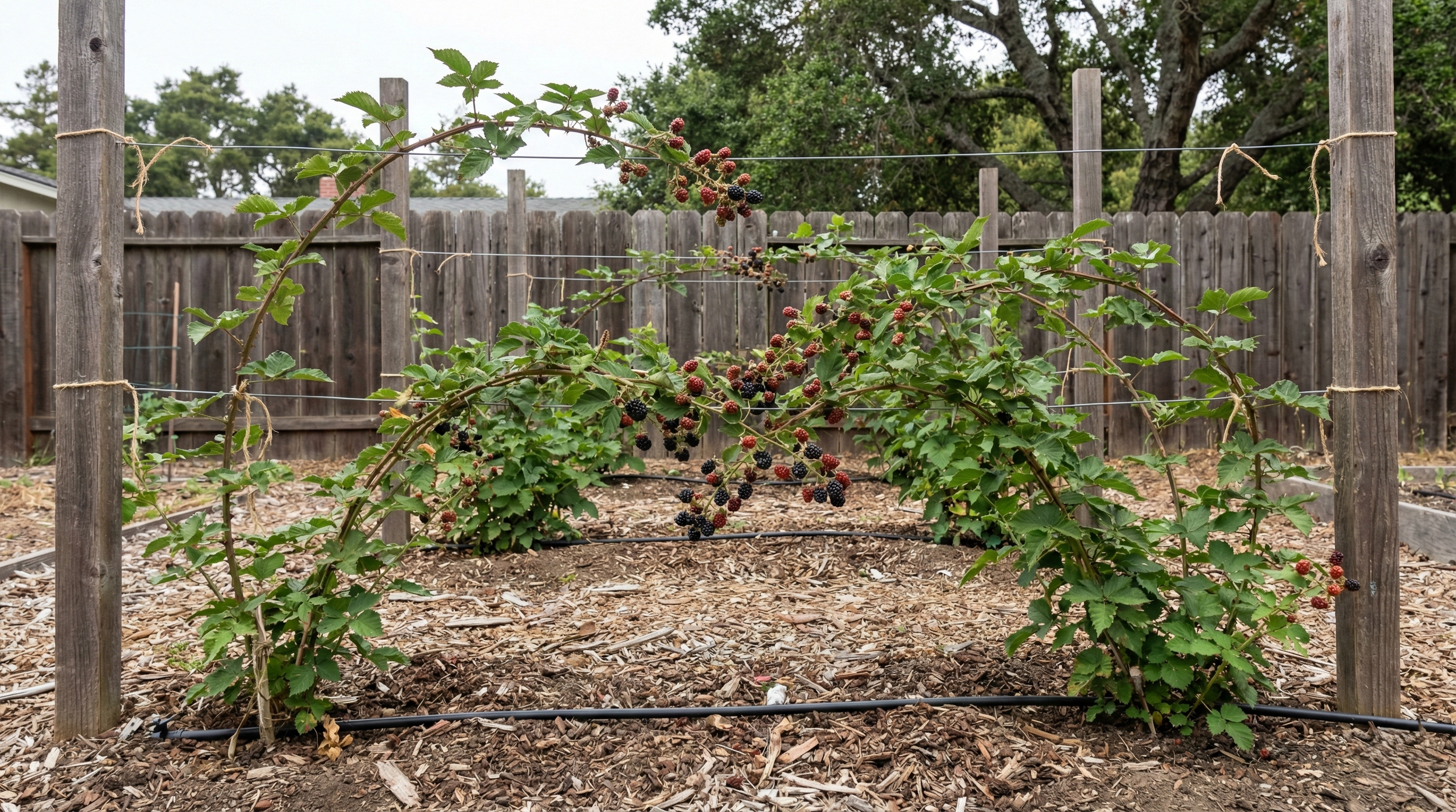
How to Prune and Trellis Blackberries: A Step-by-Step Guide
Proper pruning and trellising transforms blackberry patches from tangled messes into productive, easy-to-harvest plants. Learn the techniques that work for erect, semi-erect, and trailing varieties.
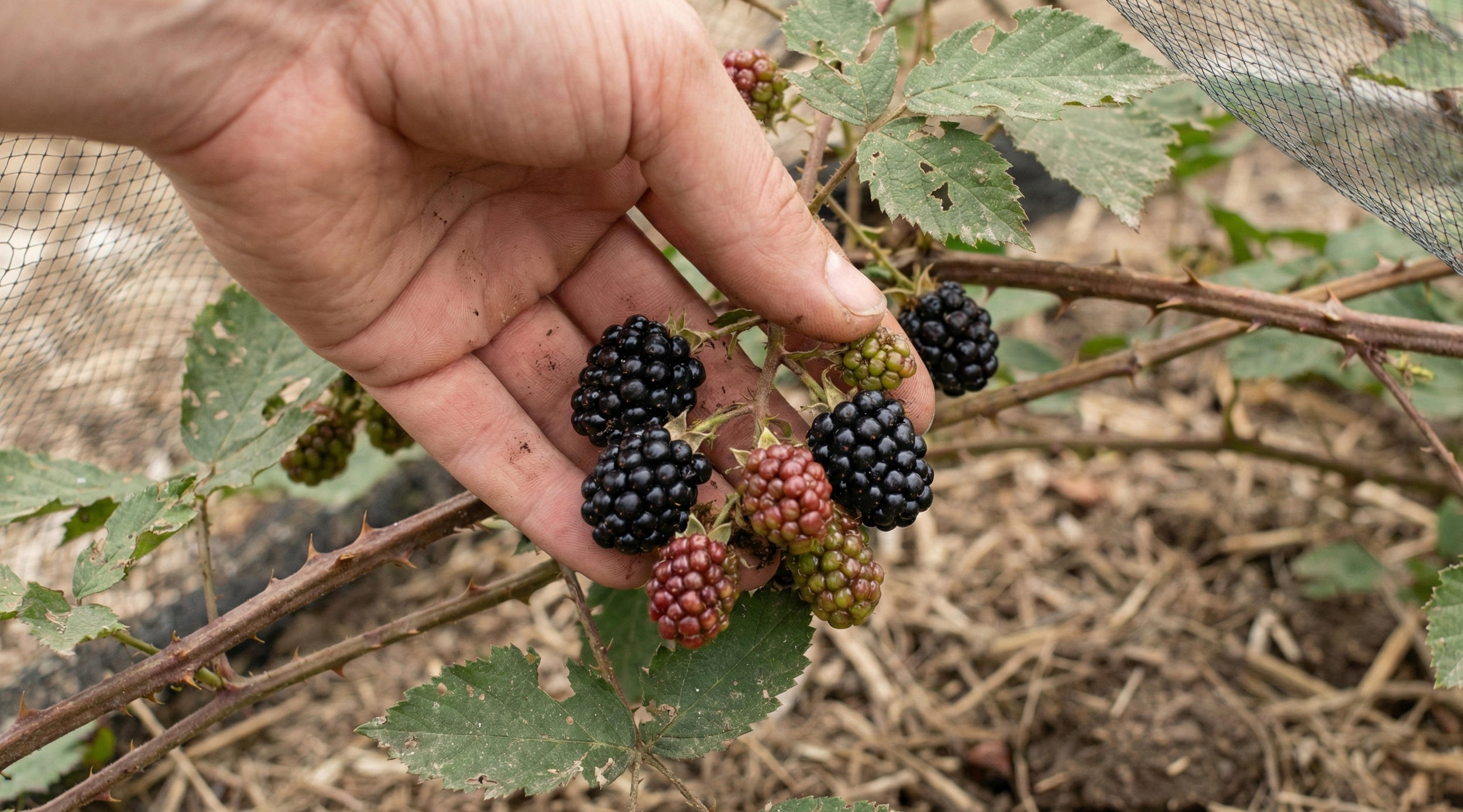
Best Blackberry Varieties for Santa Cruz County Gardens
From thornless Triple Crown to ultra-sweet Ponca, find the perfect blackberry varieties for your Santa Cruz garden. Includes flavor profiles, harvest windows, and growing tips.
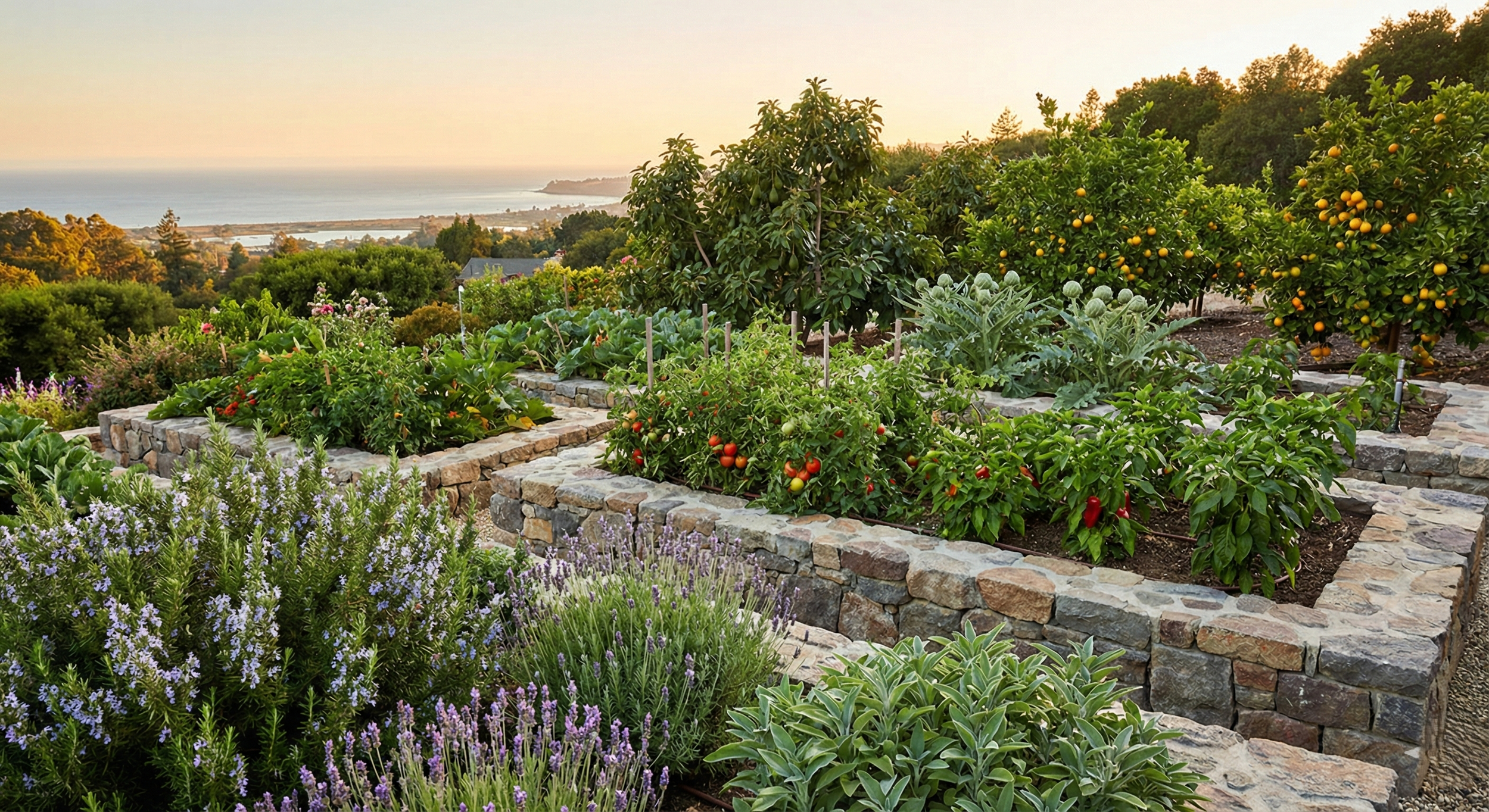
The Santa Cruz Banana Belt: Gardening in the County's Most Balanced Microclimate
If you live between Capitola and Aptos, especially in the hills just inland, you've found Santa Cruz County's best-kept gardening secret: the Banana Belt. This narrow zone combines mild winters with minimal frost, warm (but not extreme) summers, and good sunshine without daily marine layer. Your citrus survives, your tomatoes ripen reliably, and you garden year-round with minimal frost worry. This guide covers what thrives here, growing strategies, and how to identify if you're in this favored zone.
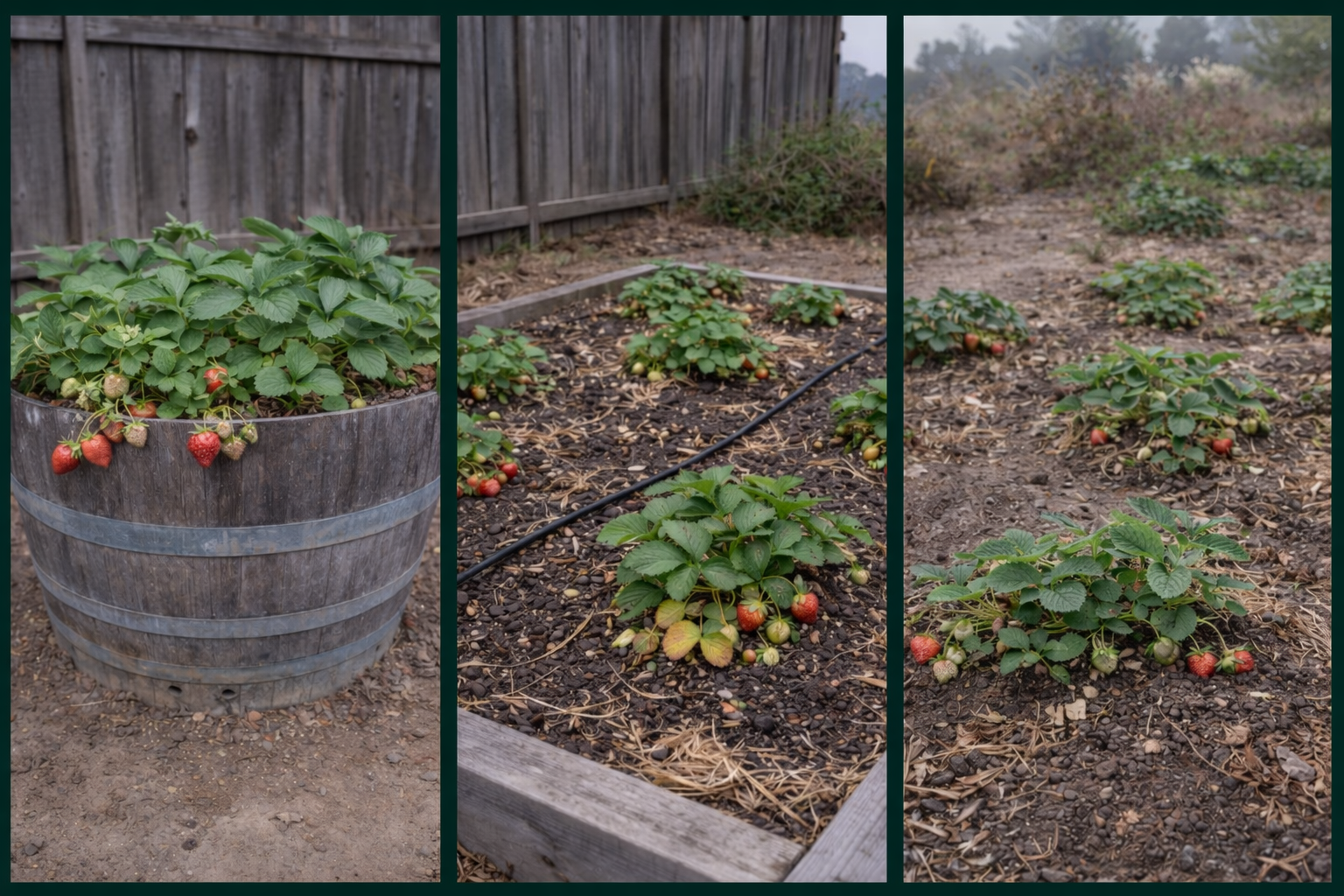
Growing Strawberries: In the Ground vs. Raised Beds vs. Containers
Strawberries grow in almost any setup: directly in the ground, in raised beds, or in containers on a patio. Each method has tradeoffs around drainage, maintenance, production, and cost. This guide compares all three approaches to help Santa Cruz County gardeners choose the best option for their space, soil, and goals.
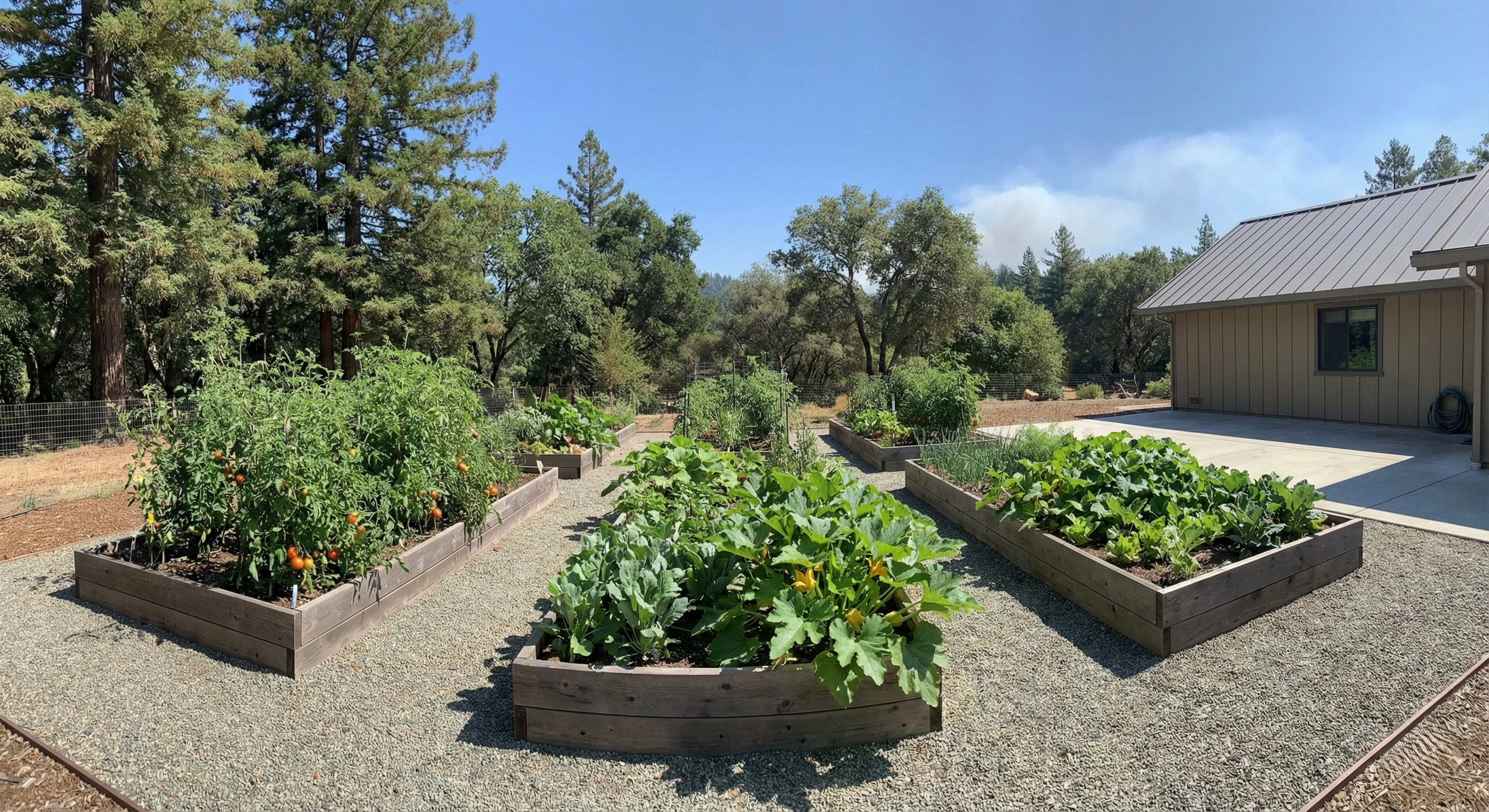
Vegetable Gardens in Fire Zones: Growing Food Safely in Fire Country
If you live in the hills of Santa Cruz County (Boulder Creek, Ben Lomond, Bonny Doon, Aptos highlands), you've probably wondered: Can I still have a vegetable garden and be fire-safe? The answer is yes. With thoughtful design and placement, a vegetable garden can actually be part of your defensible space strategy, not a liability. High-moisture vegetables, raised beds with gravel paths, and regular maintenance create irrigated zones that resist fire spread.