

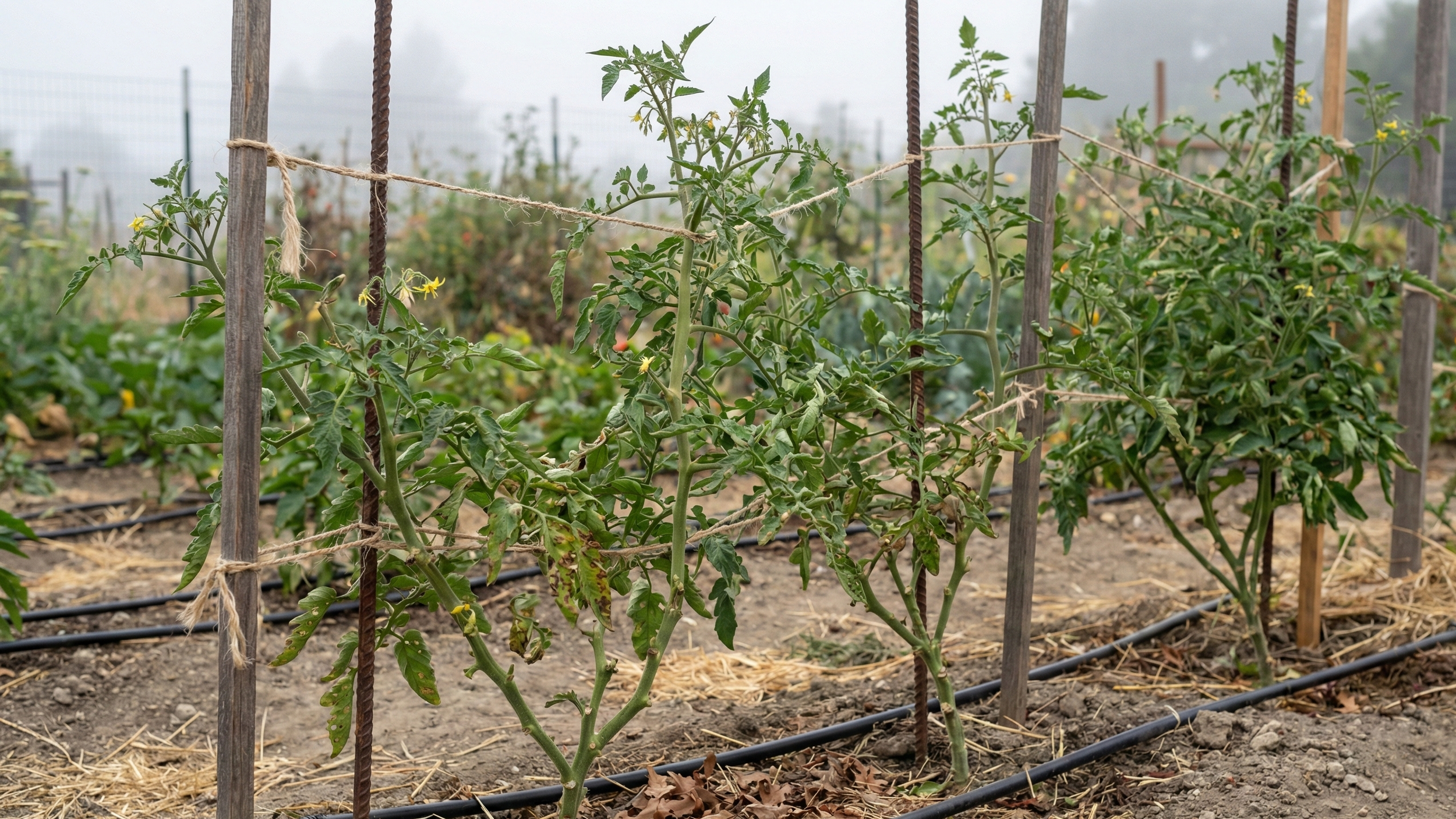
Determinate vs. Indeterminate Tomatoes: Which to Grow in Santa Cruz County
Understand the difference between determinate and indeterminate tomatoes. Which type is best for Santa Cruz County's coastal climate and your garden goals?
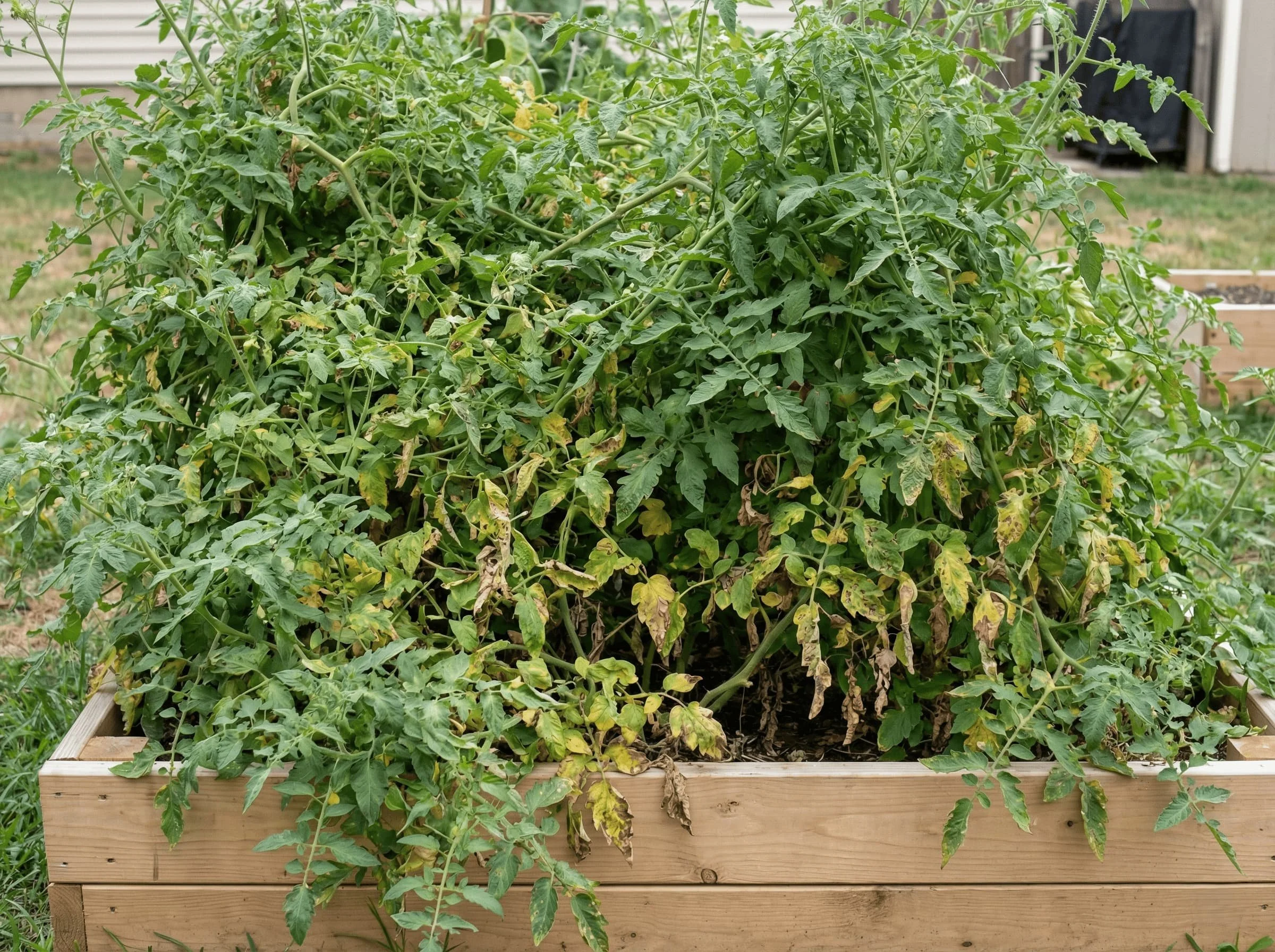
Tomato Problems and How to Fix Them: A Santa Cruz Troubleshooting Guide
Troubleshoot common tomato problems in Santa Cruz County: blossom end rot, cracking, blossom drop, leaf diseases, and pests. Local causes and practical fixes.
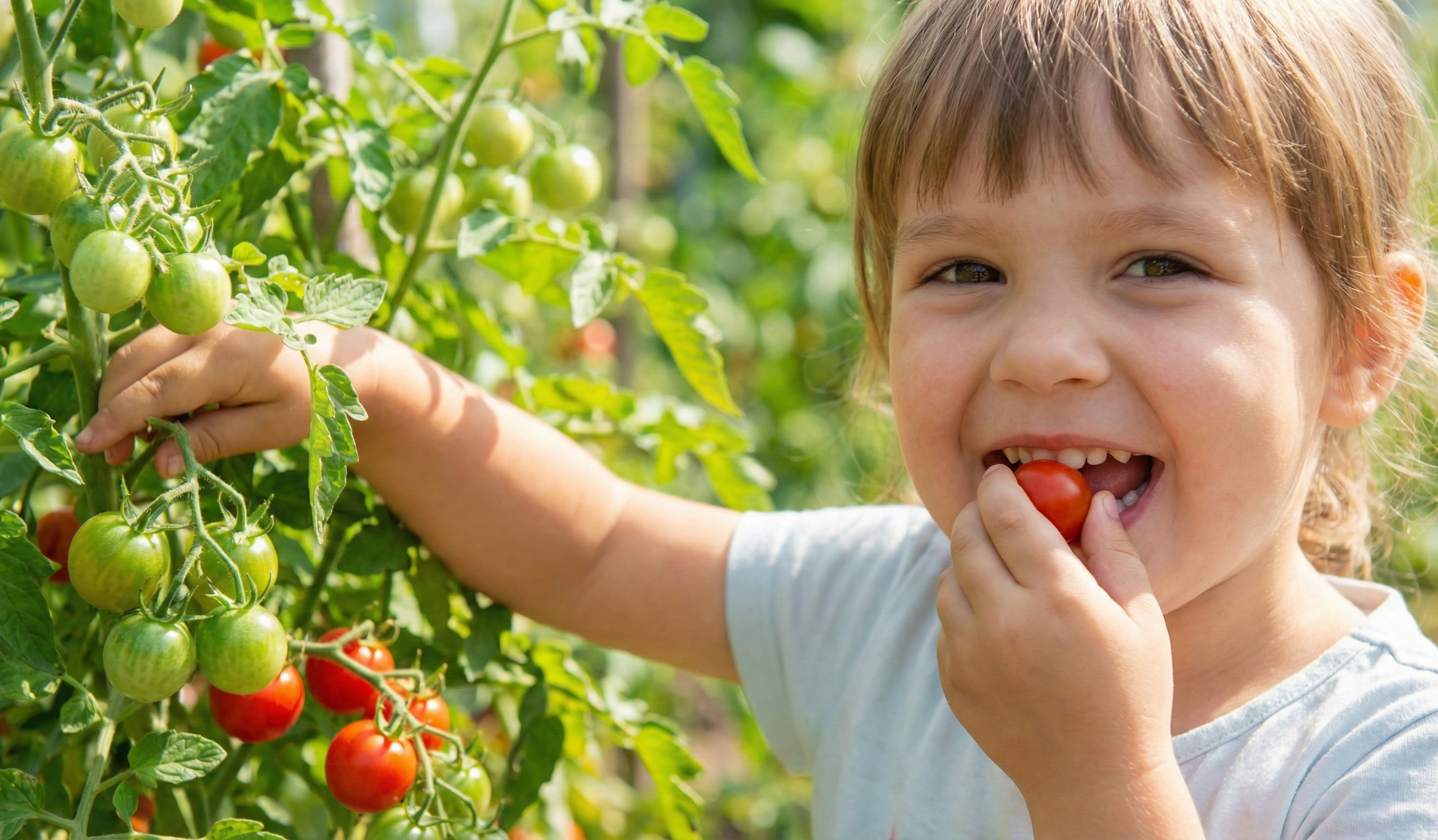
Building a Pizza Garden with Kids
If you want to get kids genuinely excited about gardening, give them a purpose they care about. A pizza garden grows the ingredients for homemade pizza: tomatoes for sauce, basil and oregano for flavor, peppers for toppings. Make it a circle divided into "slices" or use containers. Either way, the payoff is a pizza made with ingredients your kids grew themselves. Includes Santa Cruz planting times, care tips, and simple recipes for dough and sauce.
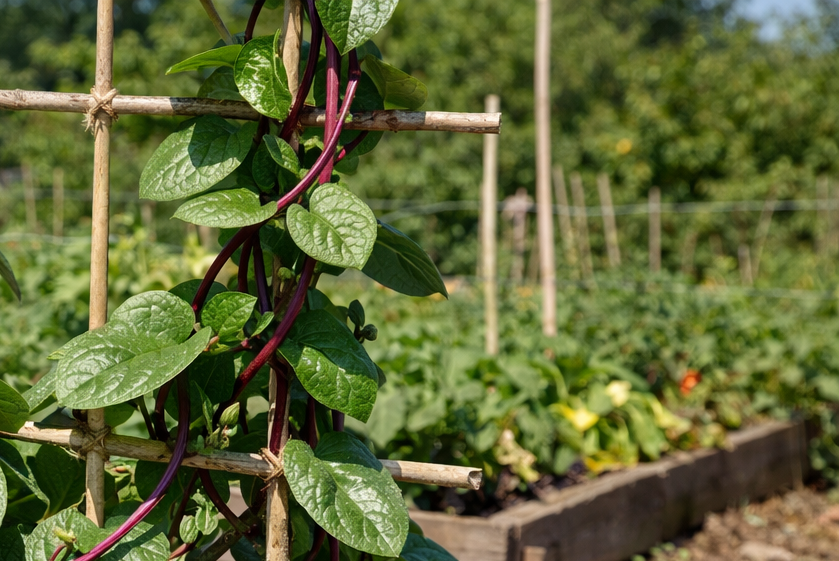
Growing Malabar Spinach in Santa Cruz County: Summer Greens When Spinach Bolts
Malabar spinach thrives in summer heat when regular spinach bolts. This vigorous climbing vine produces abundant, nutritious leaves perfect for stir-fries, soups, and fresh eating all season.
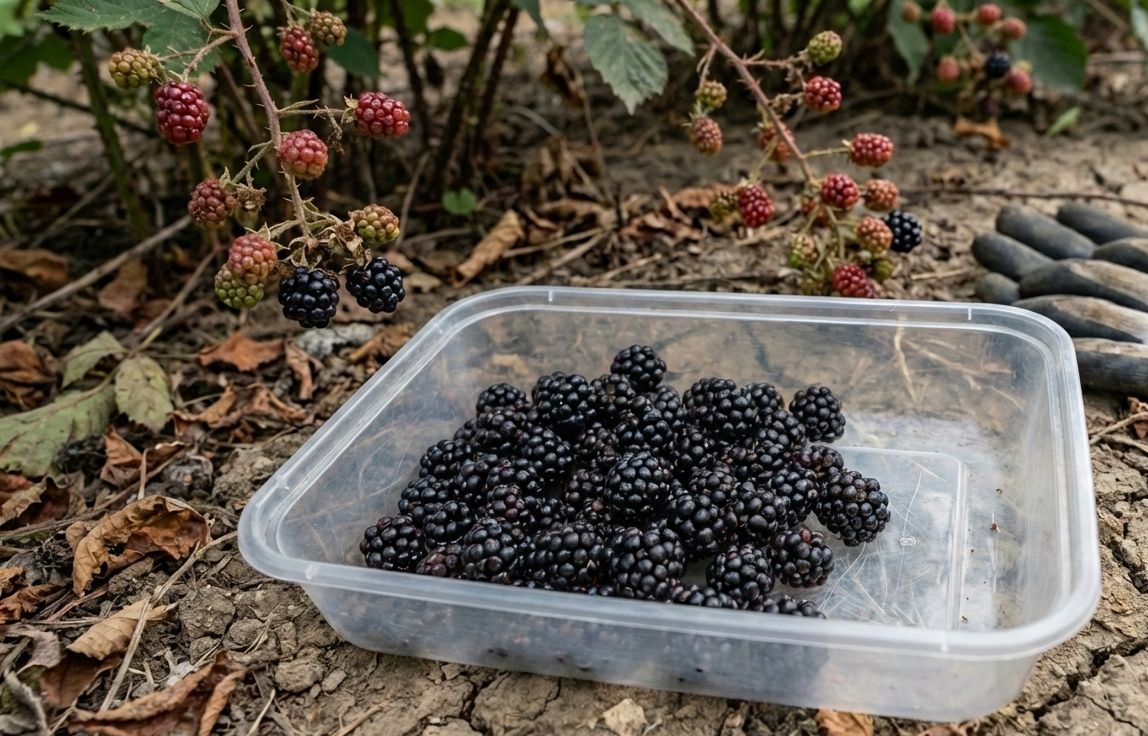
Growing Blackberries in Santa Cruz County: A Complete Guide
Blackberries thrive in Santa Cruz County's mild coastal climate. This complete guide covers variety selection, planting, trellising, and care for abundant harvests in your backyard.

Strawberry Troubleshooting Guide
Diagnose and fix the most common strawberry problems in Santa Cruz County, from plants that won't fruit to pest damage and disease.
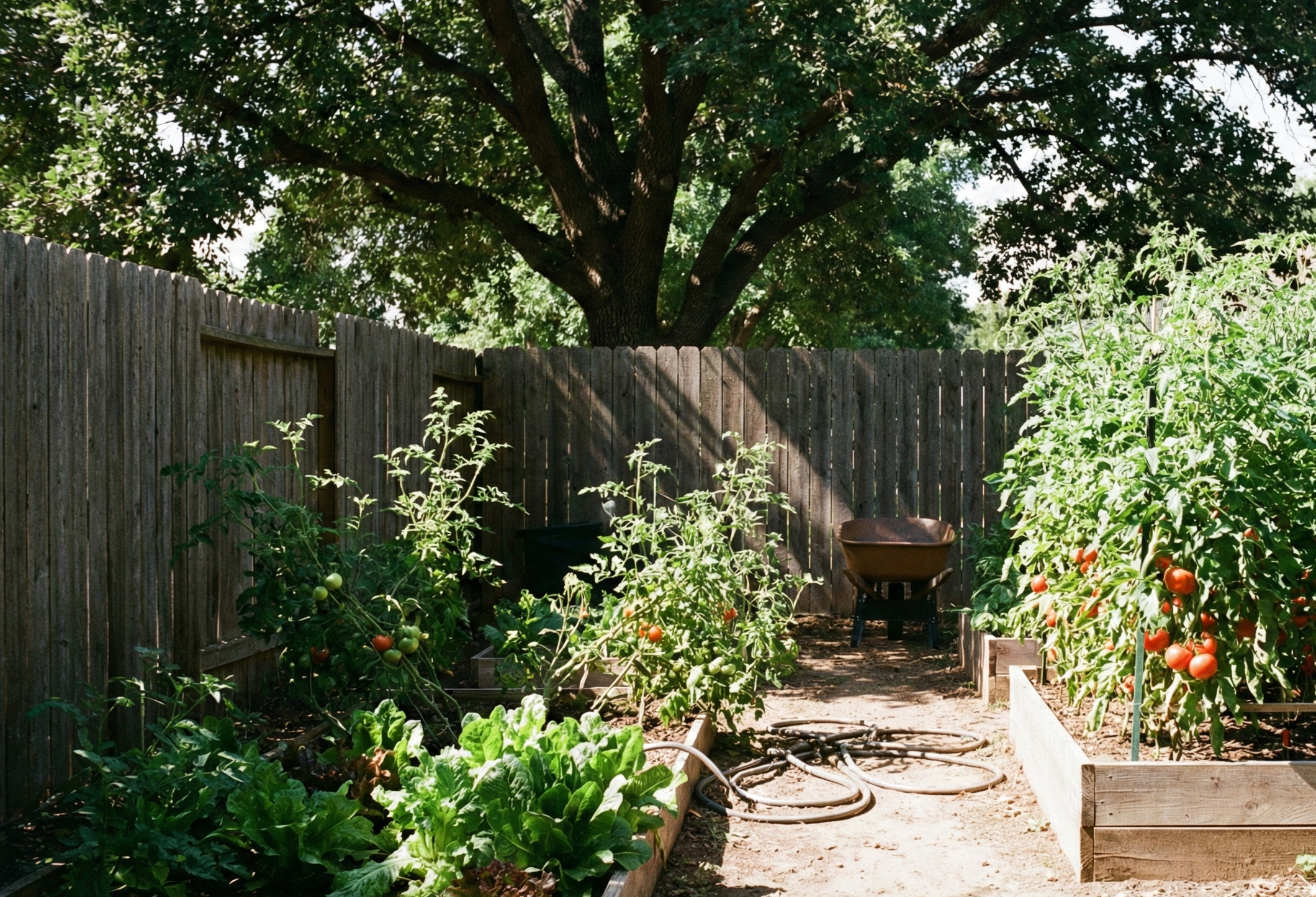
How Much Do I Really Need to Water My Garden in Summer in Santa Cruz County?
Summer in Santa Cruz County means zero rain and peak plant water demand. Learn exactly how many gallons your garden needs, plus practical irrigation schedules for coastal, valley, and inland gardens.
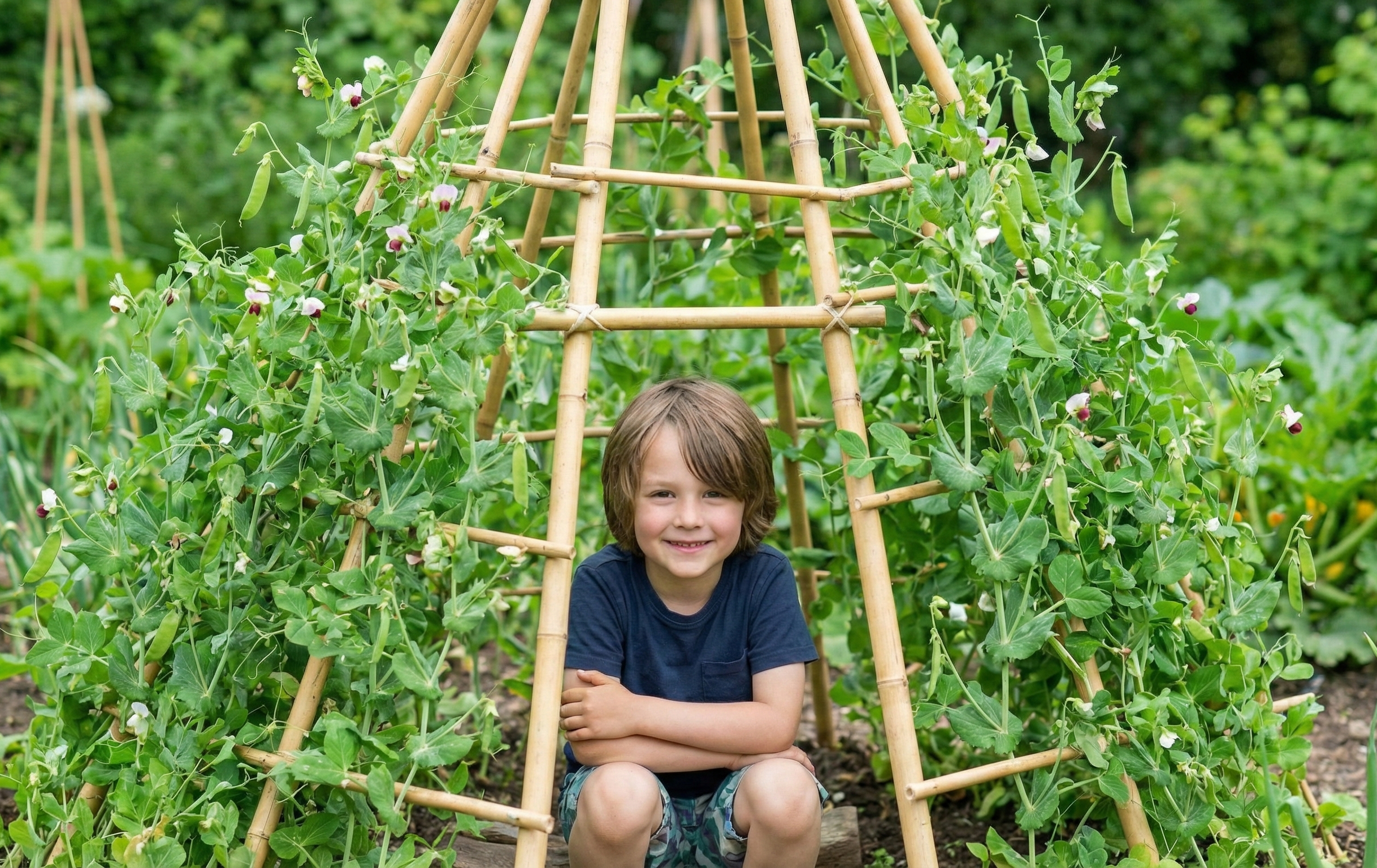
Physical and Developmental Benefits of Gardening with Kids: Building Bodies and Brains in the Garden
Gardening supports children's physical development and cognitive skills in ways that feel like play. Here's how to match garden activities to your child's age.
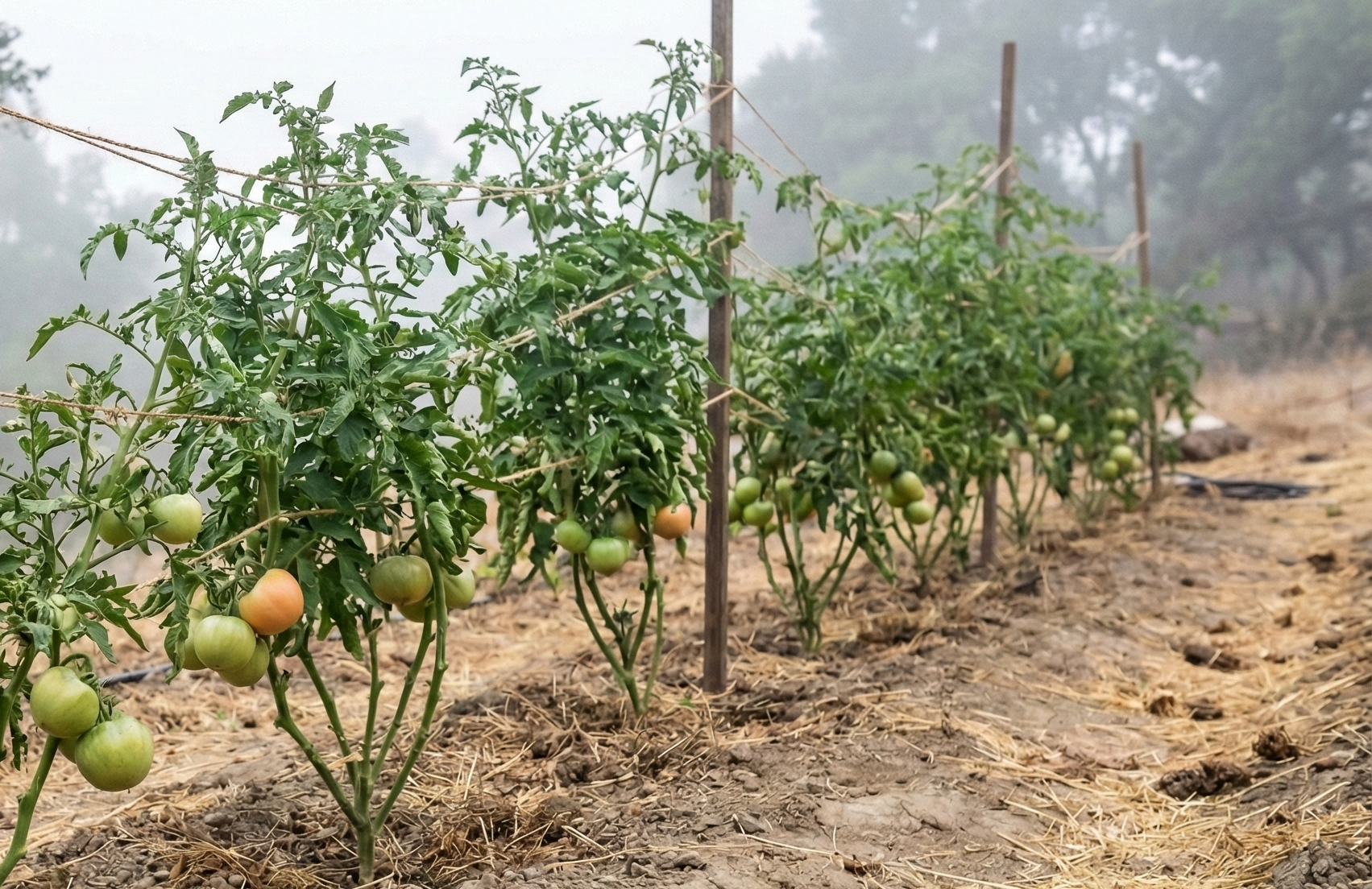
Dry-Farmed Tomatoes in Santa Cruz: Growing Intense Flavor with Less Water
Dry-farmed tomatoes produce intense, concentrated flavor by relying on stored soil moisture rather than irrigation. Learn which Santa Cruz microclimates can support this water-wise technique.
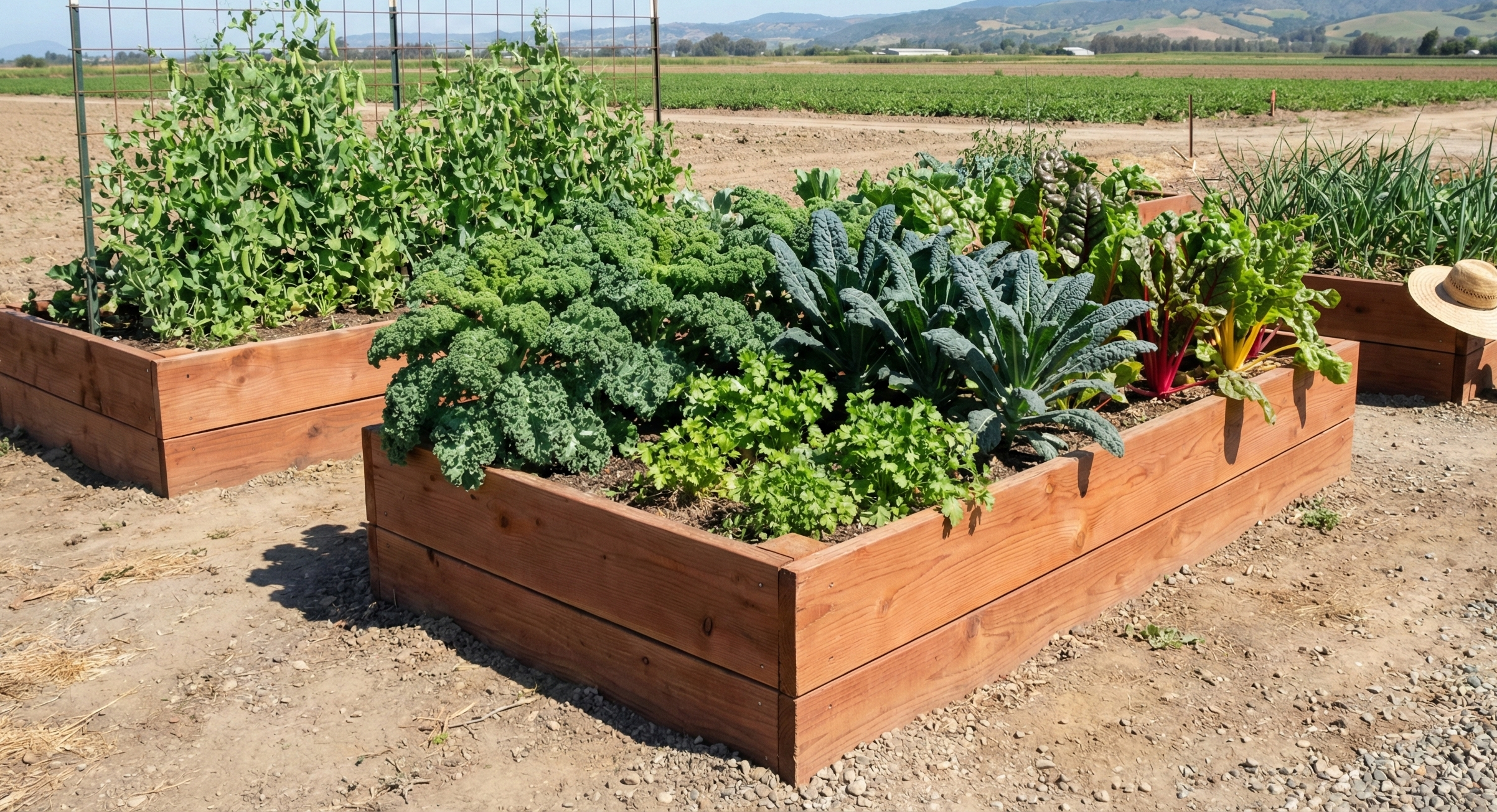
Gardening in Watsonville & the Pajaro Valley: Making the Most of Our Warmest Microclimate
If you garden in Watsonville, Freedom, Aromas, or anywhere in the Pajaro Valley, you won the Santa Cruz County growing lottery. You have the warmest temperatures, longest season, most sunshine, and most flexibility in the county. While coastal gardeners struggle to ripen tomatoes and mountain gardeners deal with extreme heat swings, you have ideal conditions for heat-lovers, greens, and just about everything. This guide covers what thrives here, seasonal timing, and strategies for making the most of your exceptional conditions.

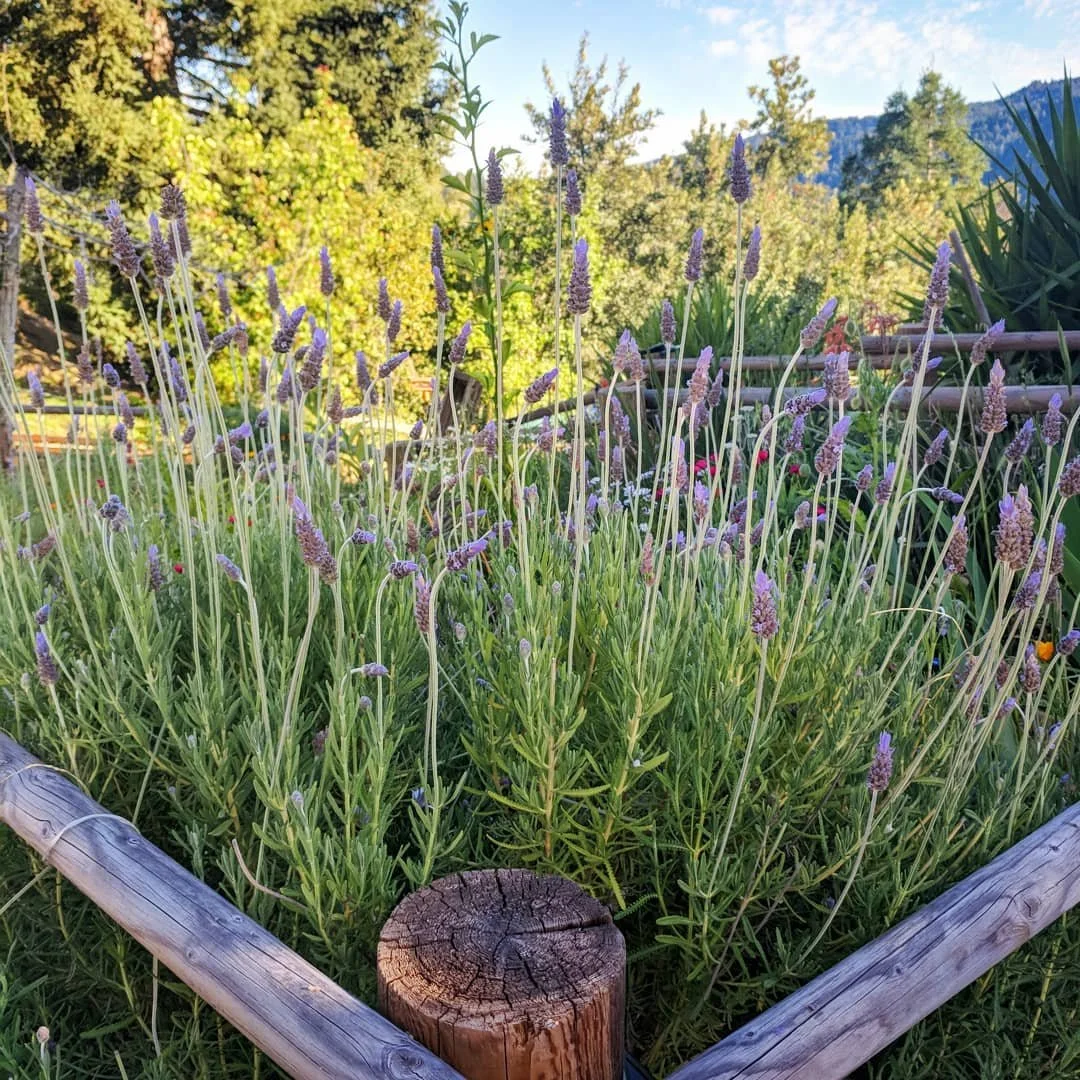
Fire-Wise Pollinator Gardens for Santa Cruz
Supporting pollinators doesn't have to conflict with fire safety. Learn how to design a pollinator garden that provides habitat for bees and butterflies while maintaining defensible space in fire-prone areas of Santa Cruz County.
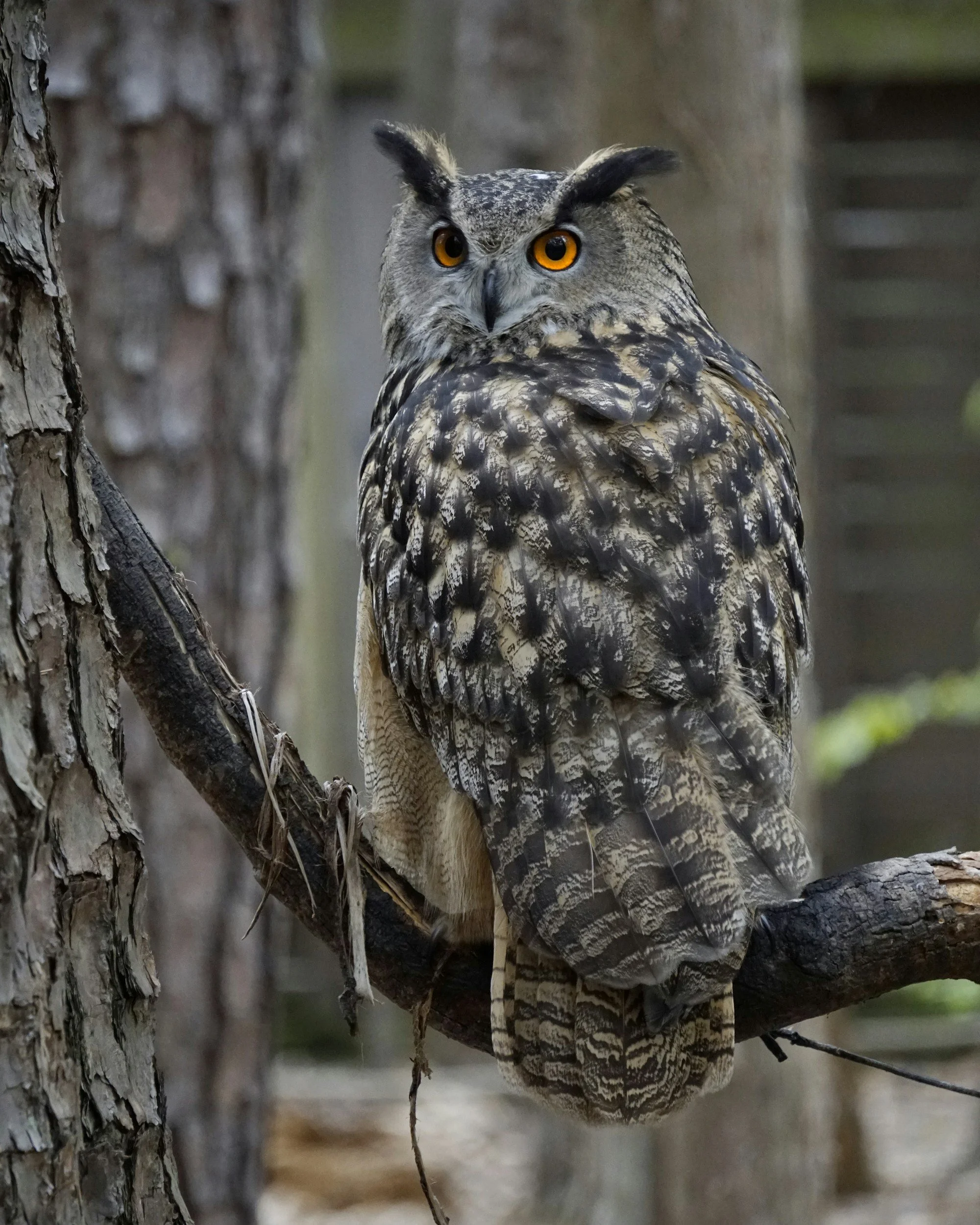
Owls as Garden Allies: Installing Owl Boxes for Natural Rodent Control
While you sleep, barn owls are hunting. A single barn owl family can consume 3,000 or more rodents per year, including gophers, rats, mice, and voles. For Santa Cruz gardeners battling rodents, attracting owls is one of the smartest investments you can make. This guide covers owl box design and placement, creating owl-friendly habitat, why avoiding rodent poison is critical, and what to expect when you welcome owls to your property.

Edible Flowers: Growing and Using Flowers in Your Kitchen
Learn to grow edible flowers in Santa Cruz County. Complete guide to nasturtiums, calendula, borage, and more, with growing tips, harvest timing, and culinary uses.
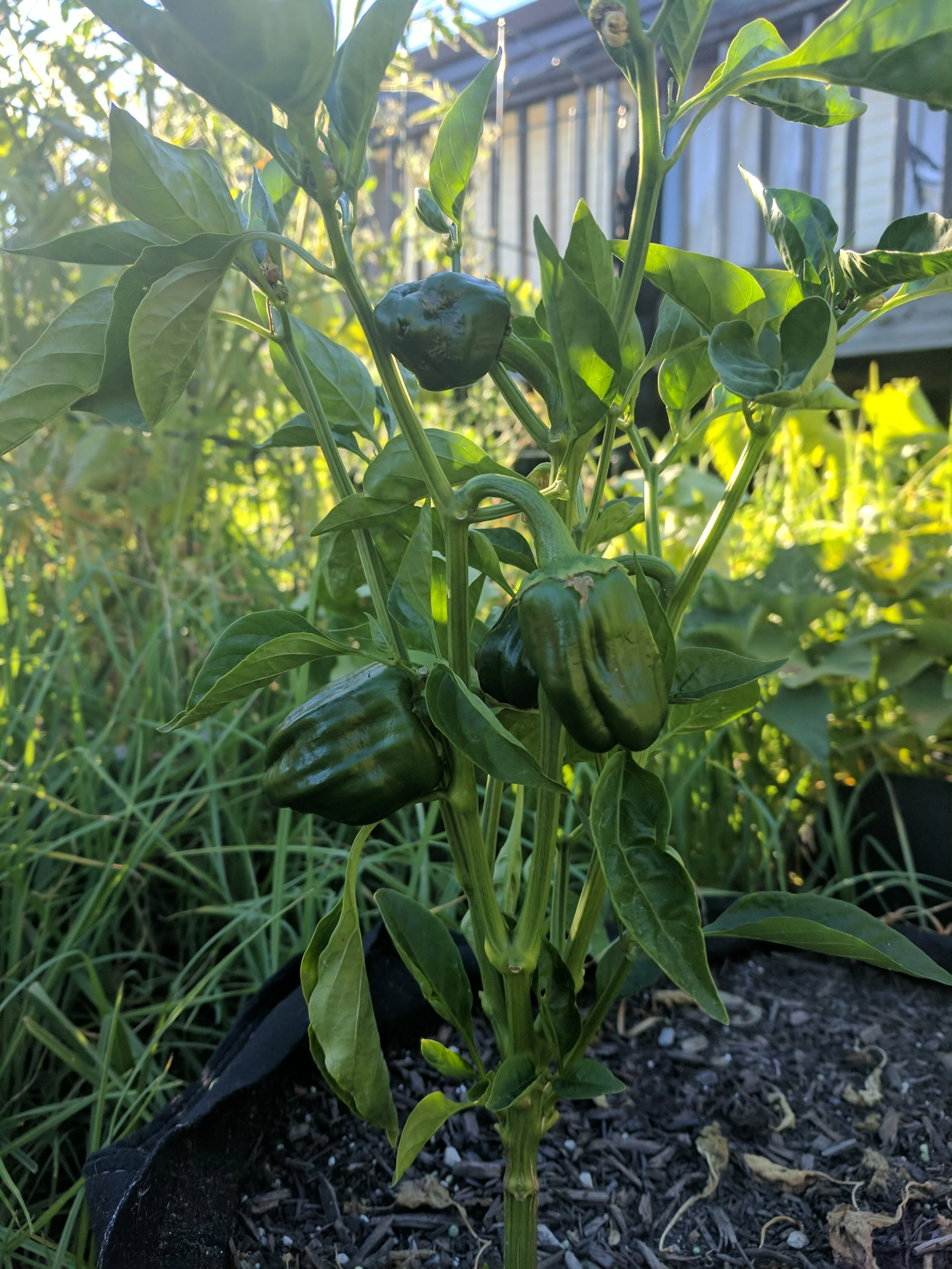
Why Your Peppers Won't Turn Red in Santa Cruz County
Your peppers reached full size weeks ago but refuse to change color. They're sitting on the plant, stubbornly green, while you wait for the red, yellow, or orange you expected. In Santa Cruz County's cool climate, this is one of the most common frustrations pepper growers face.
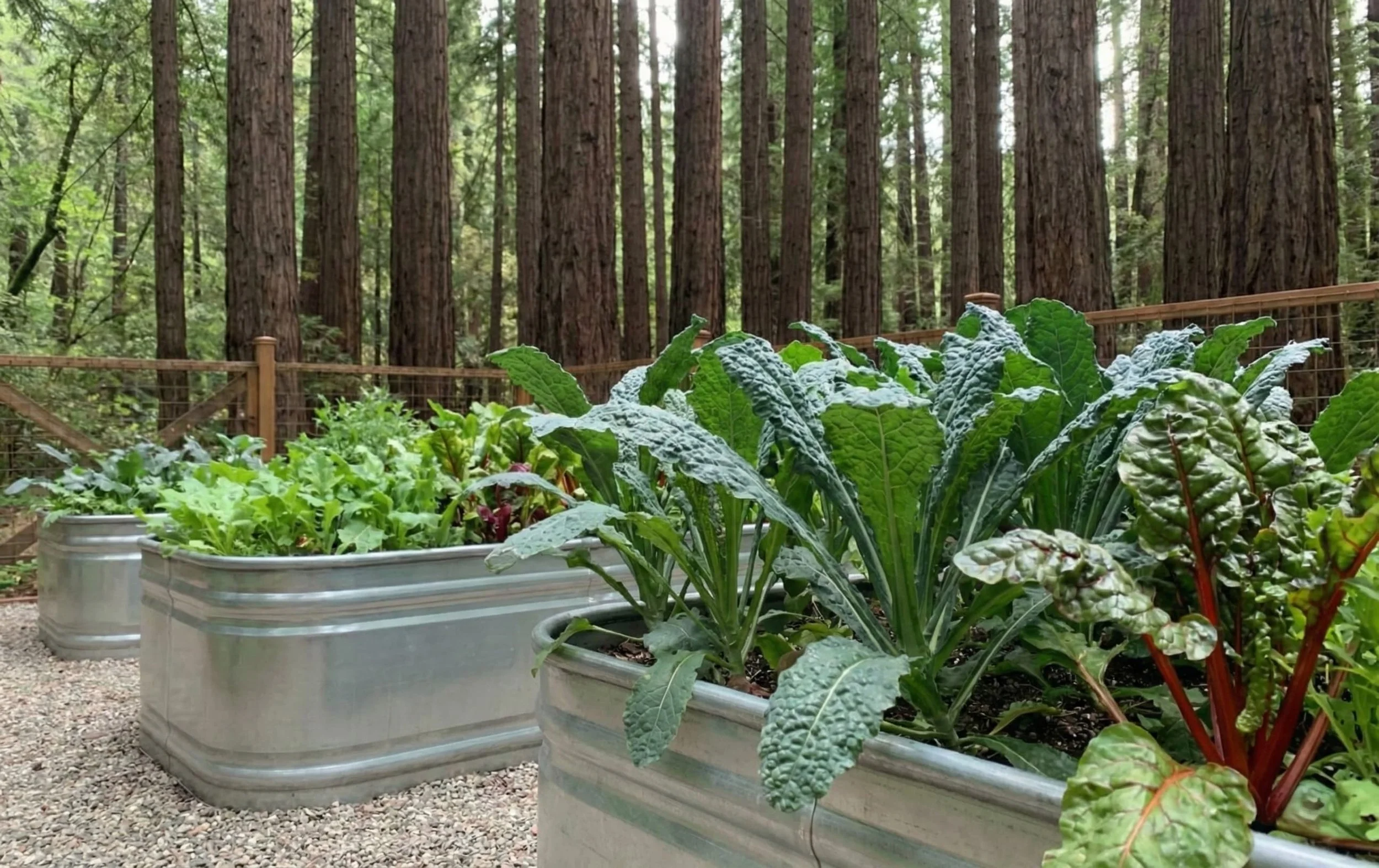
Transplants vs Seeds: When and Where to Buy in Santa Cruz County
One of the first decisions new gardeners face is whether to buy transplants or grow from seed. Both methods work, and most experienced gardeners use a combination depending on the crop and season. This guide breaks down which crops are worth starting from seed, which are better as transplants, and where to source quality plants locally in Santa Cruz County, including Love Apple Farms, Sierra Azul Nursery, UCSC Farm & Garden, local seed libraries, and mail-order options.
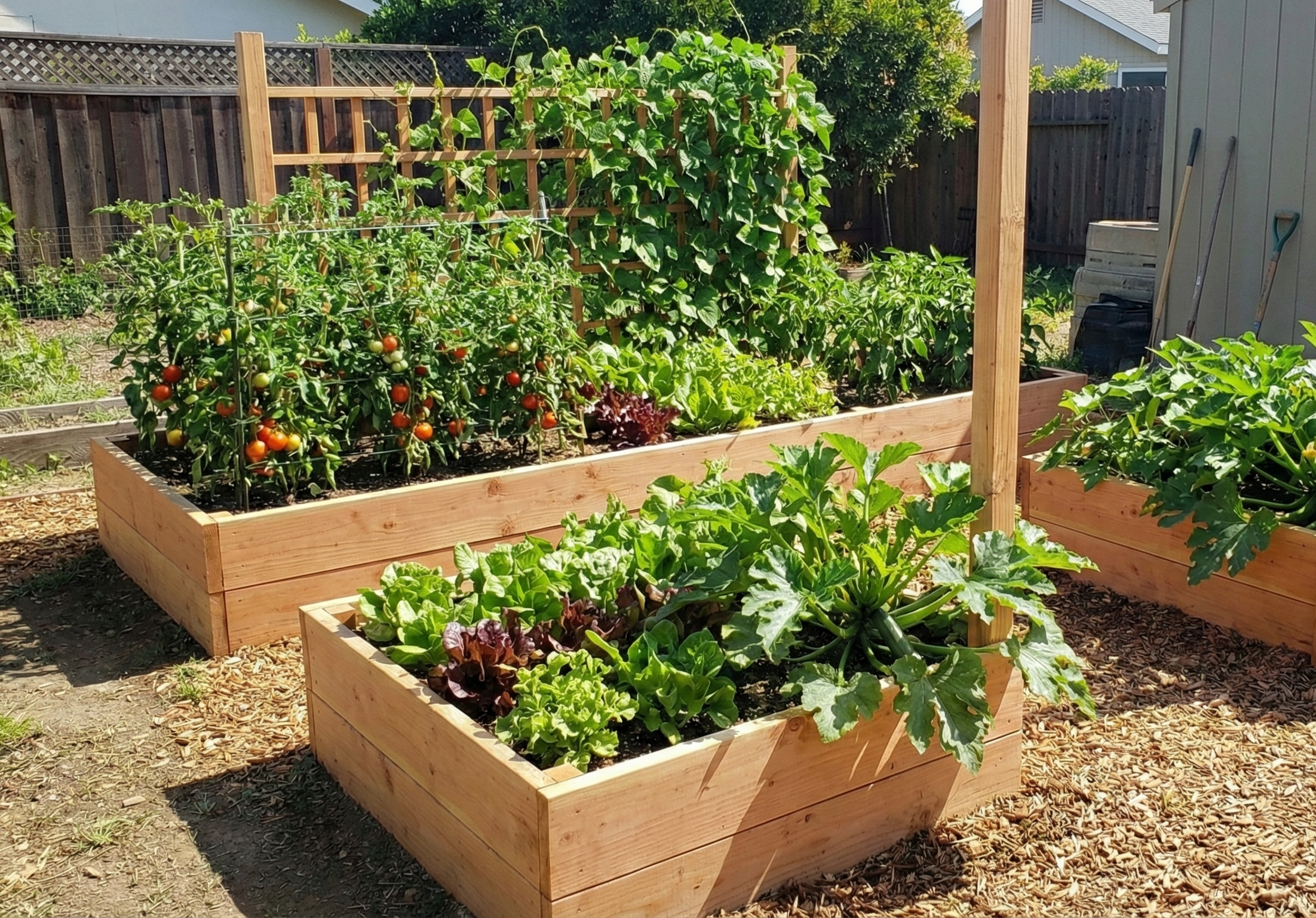
Garden Planning 101: Mapping Your Space
The difference between a frustrating garden and a thriving one often comes down to planning. A well-designed garden makes efficient use of space, maximizes sun exposure, simplifies maintenance, and sets you up for years of abundant harvests. This guide walks you through measuring your space, tracking sun patterns, identifying microclimates, designing bed layouts, planning pathways, and setting up crop rotation for Santa Cruz County's year-round growing season.
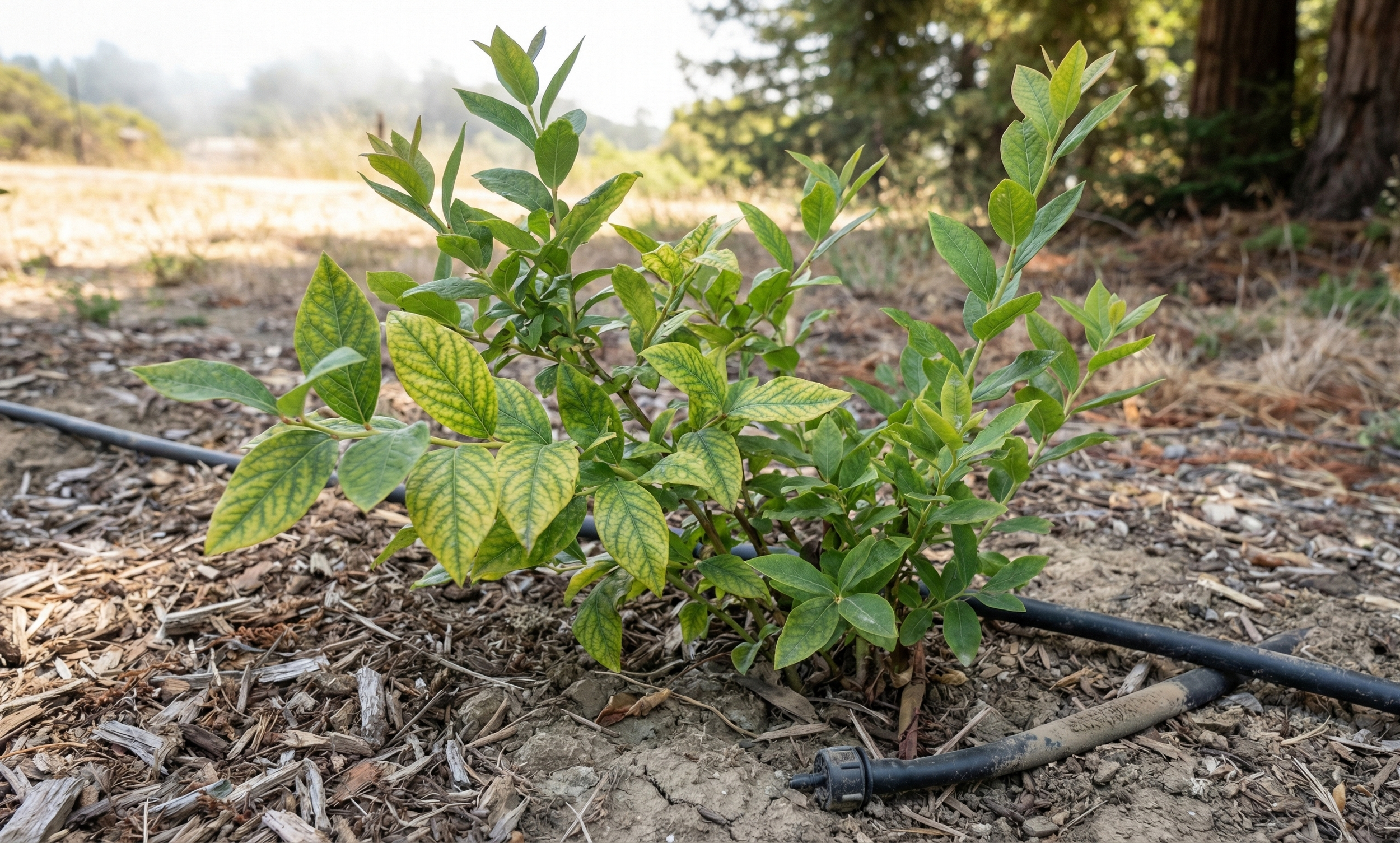
Blueberry Problems in California: Yellow Leaves, No Fruit, and Other Issues
Diagnose and fix common blueberry problems in California: yellow leaves, no fruit, leaf browning, pests, and diseases. Solutions for Santa Cruz County gardeners.
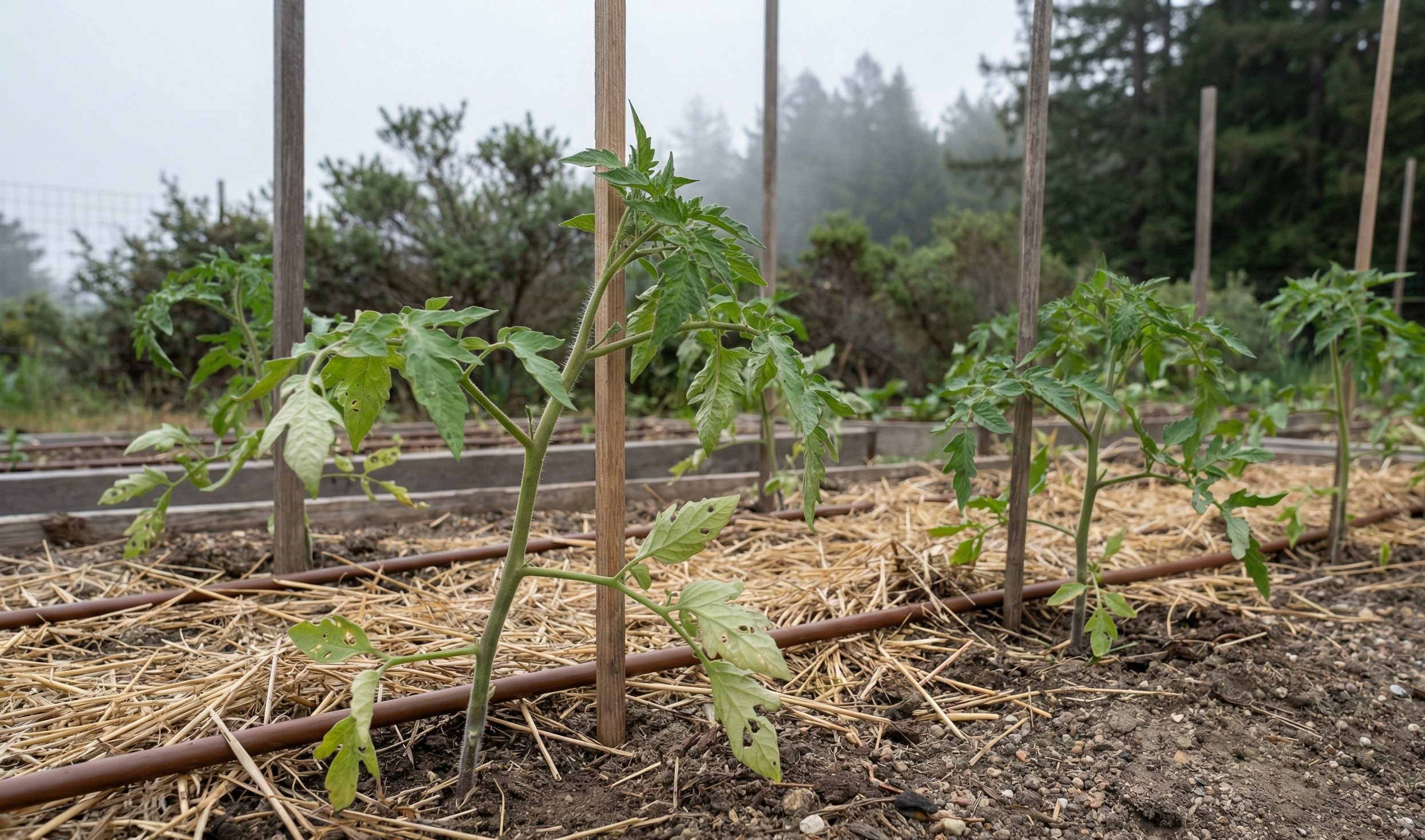
Watering Tomatoes in Santa Cruz County: How Much, How Often, and Common Mistakes
Learn how to water tomatoes properly in Santa Cruz County. Deep watering techniques, signs of problems, and tips for coastal vs. inland microclimates.
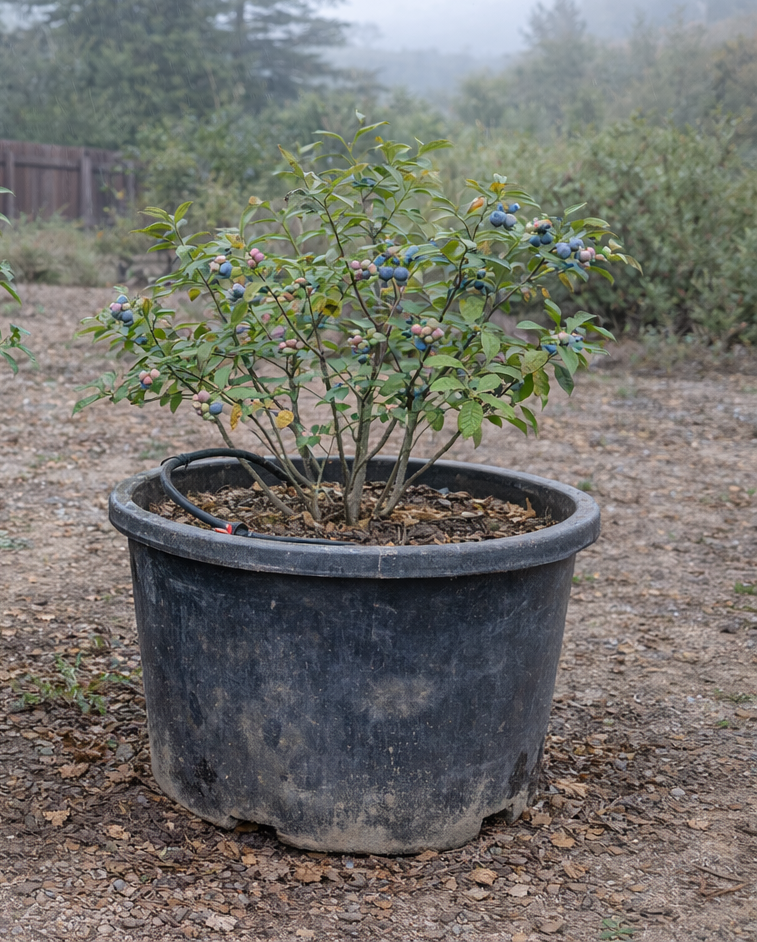
Acidifying Soil for Blueberries in California: A Step-by-Step Guide
How to acidify soil for blueberries in California. Sulfur application rates, water pH management, and ongoing maintenance for healthy, productive plants.