

Harvesting and Using Olallieberries: From Garden to Pie
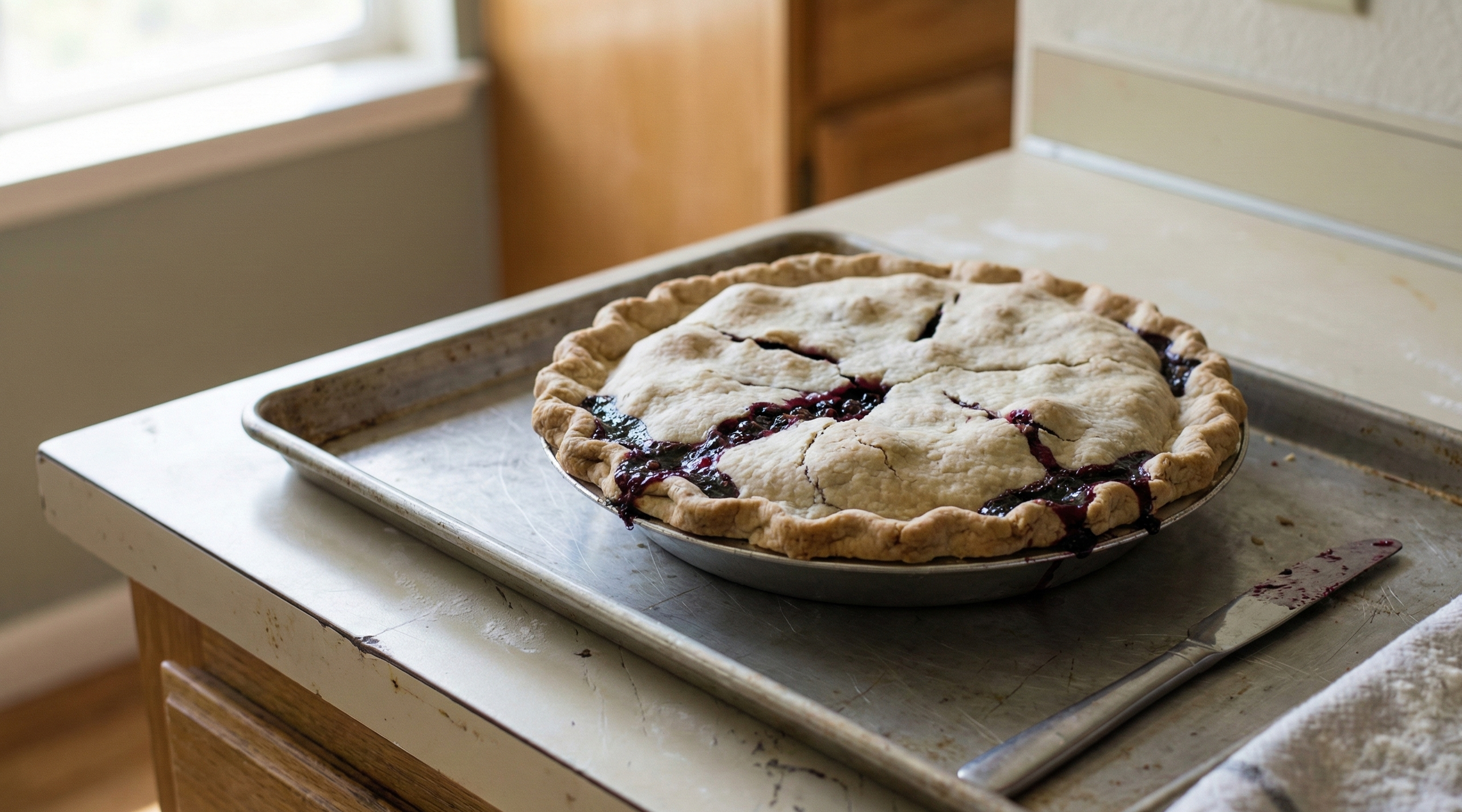
If you've ever lined up for a warm slice of olallieberry pie at Gizdich Ranch in Watsonville, you know the magic of this berry. That deep purple filling, intensely flavored and perfectly sweet-tart, is what summer on the Central Coast tastes like.
Now imagine walking into your backyard, picking a bowl of sun-warmed olallieberries, and baking that pie yourself. It's possible, and the window for doing it is brief - just a few weeks each June when the berries are at their peak.
According to UC Agriculture and Natural Resources, olallieberries are a blackberry-raspberry hybrid developed at Oregon State University that thrives in California's coastal climates. This guide covers everything from recognizing ripe berries to preserving them for year-round enjoyment, with a focus on making the most of that short, sweet harvest season.
When Are Olallieberries Ripe?
Olallieberries don't continue ripening after harvest, so picking at the right moment is crucial. Here's how to identify perfectly ripe fruit.
Visual Signs
Color: Fully ripe olallieberries are deep purple to almost black. Any red remaining means the berry isn't ready.
Surface: Ripe berries have a slightly dull surface rather than shiny. That glossy look indicates the berry needs another day or two.
Size: Individual drupelets (the small round segments) should be plump and full, not shrunken or uneven.
Touch Test
Ripe olallieberries are soft - much softer than store-bought blackberries. They should yield easily to gentle pressure without being mushy.
The Pull Test
A ripe olallieberry releases from the plant with minimal effort. If you have to tug, it's not ready. The berry should almost fall into your hand when you cradle and lift it gently.
Taste Test
When in doubt, eat one. Ripe olallieberries are sweet with balanced tartness and intense berry flavor. Underripe berries are noticeably sour and lack that aromatic complexity.
When Is Olallieberry Harvest Season in Santa Cruz County?
Olallieberries have a relatively short harvest window, especially compared to everbearing berries that produce for months.
Typical Timing
Home gardens: Late May through June is the primary harvest window in Santa Cruz County, with some variation based on microclimate and weather.
U-pick farms:
Swanton Berry Farm's organic olallieberry season typically runs June through August
Gizdich Ranch berry season progresses through summer, with olallieberries among the earlier crops
The Harvest Window
Expect approximately 3-4 weeks of main harvest, with the heaviest picking in the first half of that period. You'll get some early and late stragglers, but the bulk of the crop comes in a concentrated rush.
What this means for planning:
Check plants every 2-3 days during peak season
Have your processing plan ready before harvest begins
Clear your schedule for picking during the main flush
Coordinate with neighbors or friends to share the bounty
Weather Factors
Cool, foggy conditions can delay ripening slightly
Warm spells speed things up
Rain during harvest can cause fruit to split or mold
Hot weather can cause berries to soften too quickly
What Are the Best Techniques for Picking Olallieberries?
Olallieberries are delicate. Their thin skin and high juice content mean they damage easily. Proper picking technique preserves fruit quality.
How to Pick
Approach from underneath: Cup your hand under the berry cluster
Cradle the berry: Rest it lightly in your palm
Lift and roll: A slight upward motion detaches ripe berries cleanly
Don't squeeze: Let the berry fall into your hand; don't grasp it
One berry at a time: Resist the urge to strip clusters
Best Time to Pick
Morning is ideal: Berries are coolest and firmest, having absorbed overnight moisture from fog. Juice content is balanced.
Avoid midday heat: Warm berries are softer and more prone to crushing. If you must pick in the afternoon, refrigerate immediately.
Containers
Use shallow containers (no more than 3-4 inches deep)
Avoid piling berries on top of each other
Half-pint or pint containers work well
Line with paper towels to absorb excess juice
U-Pick Etiquette
If you're visiting Gizdich Ranch or Swanton Berry Farm:
Stay in designated picking areas
Watch for bees (they love the flowers too)
Don't sample excessively before paying
Bring your own shallow containers if allowed
Check farm websites or social media for current conditions before visiting
How Long Do Olallieberries Last After Picking?
Olallieberries are notoriously short-lived after picking. This isn't a berry you can leave in the fridge for a week.
Refrigerator Storage
Duration: 1-2 days maximum
Method:
Do not wash until ready to use (moisture promotes mold)
Spread berries in a single layer on a paper towel-lined tray
Cover loosely
Store in the coldest part of the refrigerator
Signs of Deterioration
Mold (fuzzy spots)
Excessive juice leakage
Off smell
Mushy texture throughout (not just soft)
The 48-Hour Rule
Think of freshly picked olallieberries as having a 48-hour clock:
Day 1 (Pick Day): Use for fresh eating, immediate baking, or prepare for freezing
Day 2: Last chance for baking; any remaining should be frozen
Day 3+: Quality declines rapidly. Freeze only sound berries; discard moldy or rotten fruit rather than trying to preserve it.
How Do You Freeze Olallieberries for Year-Round Use?
According to UC Cooperative Extension food preservation guidelines, freezing is the best way to preserve olallieberries for year-round enjoyment. Done correctly, frozen berries work beautifully in pies, cobblers, and jams months later.
Step-by-Step Freezing
Sort: Remove any damaged, moldy, or underripe berries
Gently rinse: Quick rinse under cool water if needed
Dry thoroughly: Pat with paper towels or air dry on towels
Single layer freeze: Spread berries on parchment-lined baking sheets
Flash freeze: Freeze until solid (2-4 hours)
Package: Transfer to freezer bags or vacuum-seal bags
Label: Date and quantity
Store: Keep at 0°F or below
Why Single-Layer Freezing Matters
Freezing berries touching each other creates a solid clump that's hard to use. The single-layer method keeps berries individual, so you can pour out exactly what you need.
Storage Duration
Best quality: Use within 6 months
Still good: Up to 12 months
After 12 months: Quality declines but still safe to eat
Using Frozen Olallieberries
For pies and cobblers: Use frozen without thawing (add 5-10 minutes baking time)
For jam: Thaw first to release juices
For smoothies: Use frozen directly
For fresh eating: Thaw in refrigerator; texture will be softer
The Gizdich Model
Gizdich Ranch sells frozen olallieberries for off-season baking, proving that properly frozen berries make excellent pies year-round. Your home-frozen berries can do the same.
How Do You Make Classic Olallieberry Pie and Other Recipes?
The Olallieberry Pie Tradition
Olallieberry pie is the signature dessert of Santa Cruz County, thanks largely to Gizdich Ranch, where Nita Gizdich began baking pies with the ranch's fruit in the 1980s. Today, olallieberry remains one of their most beloved flavors among roughly 17 varieties.
The berry's natural sweetness and balanced tartness make it ideal for pie. Unlike some berries that need excessive sugar, olallieberries bring enough natural sweetness that you can taste the fruit, not just the sugar.
Pie-Making Tips
Filling basics:
4-5 cups olallieberries (fresh or frozen)
3/4 to 1 cup sugar (adjust to taste and berry sweetness)
3-4 tablespoons thickener (cornstarch, tapioca, or flour)
Pinch of salt
Optional: lemon juice, cinnamon, or almond extract
Keys to success:
Taste your berries and adjust sugar accordingly
Don't overthicken - the filling should be juicy
Vent the top crust generously (olallieberries release a lot of juice)
Bake until filling bubbles thickly through the vents
Let cool at least an hour before cutting (hard, but worth it)
For the benchmark experience, visit Gizdich Ranch and taste their olallieberry pie. Consider it research for your own baking.
Jam and Preserves
Olallieberries make exceptional jam with deep color and complex flavor.
For shelf-stable jam: Use a complete tested recipe suitable for the berry you are preserving, and follow its ingredient quantities, jar size, headspace, preparation, and elevation-adjusted processing instructions exactly. The NCHFP berry-jam procedure is a preservation reference, but its page does not name olallieberries. Confirm recipe suitability for olallieberries with UC Master Food Preservers before canning. A setting test alone does not make jam shelf-stable.
For reduced-sugar jam, use a tested recipe designed for that pectin and sugar level. Keep improvised sauces or spreads for fresh use, refrigeration, or freezing; do not treat them as shelf-stable canned products.
What Other Recipes Work Well with Olallieberries?
Cobblers, Crisps, and Galettes
These are often easier than pie and just as delicious.
Cobbler: Sweetened berries topped with biscuit dough, baked until bubbling and golden
Crisp: Berries topped with oat-butter-brown sugar mixture, baked until topping is crunchy
Galette: Free-form tart with berries in the center, crust folded over the edges - rustic and forgiving
All work beautifully with frozen berries, making them great options for year-round baking.
Savory Applications
Olallieberries aren't just for dessert:
Berry sauce for meat: Reduce berries with a little wine, shallot, and stock for a sauce that pairs wonderfully with duck, pork, or lamb
Shrub (drinking vinegar): Macerate berries with sugar, add vinegar, strain. Use in cocktails or sparkling water
Salad: Fresh berries with mixed greens, goat cheese, and toasted nuts
Quick Ideas
Smoothies: Blend frozen berries with yogurt, banana, and a splash of orange juice
Syrup: Simmer berries with sugar and water, strain. Drizzle on pancakes, ice cream, or cheesecake
Ice cream topping: Warm berries with a little sugar until just softened; spoon over vanilla ice cream
Overnight oats: Fold fresh berries into chilled oats
Where Can You Find Olallieberries in Santa Cruz County?
The Gizdich Ranch Story
The Gizdich family has been growing olallieberries since 1950, when Vincent Gizdich and his son took a chance on the newly released variety from Oregon. The crop thrived in Watsonville's climate, and the Gizdiches eventually devoted 20 acres to olallieberries.
The pie shop came later. In the 1980s, Nita Gizdich began baking pies using the ranch's fruit, and what started as a way to use imperfect fruit became a destination. Today, Gizdich Ranch is as famous for its pies as its U-pick fields.
In the early days of U-pick at Gizdich, customers would harvest 50-60 pounds of olallieberries at a time for home preserving. The tradition continues, though quantities are often smaller now.
Where to Find Olallieberries
U-Pick:
Gizdich Ranch (Watsonville) - U-pick berries, pie shop, apple orchting in fall
Swanton Berry Farm (Davenport) - Organic U-pick, strawberries and olallieberries
Already picked:
Gizdich Ranch sells fresh and frozen berries in season
Local farmers markets (Santa Cruz, Aptos, Capitola) during season
Farm stands along Highway 1
Tips for U-pick visits:
Call ahead or check social media for current picking conditions
Arrive early for best selection
Bring cash (some farms are cash-only)
Wear clothes you don't mind staining
What Is the Best Plan for Using Olallieberries After Harvest?
Here's a practical framework for managing your harvest:
Immediately After Picking
Sort: Remove any damaged or overripe berries Decide: How much can you use fresh in the next 24-48 hours? Separate: Keep fresh-use berries in fridge; prep rest for freezing
If You Have 30 Minutes
Make a quick galette or crisp. These come together fast and showcase fresh berries beautifully.
If You Have 60 Minutes
Bake a pie. Fresh olallieberry pie is the ultimate use of your harvest.
If You Have 2-3 Hours
Make jam using a complete tested recipe confirmed suitable for olallieberries if you want shelf-stable jars for storage or gifts.
Before Bed on Pick Day
Freeze sound berries you have not used; discard any moldy or rotten fruit. Spread remaining berries on sheet pans and put in freezer. Package in bags the next morning.
Frequently Asked Questions
How many berries do I need for a pie?
Plan on 4-5 cups of berries for a standard 9-inch pie. A mature olallieberry plant can produce 10-15 pounds per season, so even one or two plants can supply plenty for pies.
Can I substitute olallieberries for blackberries in recipes?
Yes, with adjustments. Olallieberries are sweeter and juicier than many blackberries, so you may want to reduce sugar slightly and increase thickener a bit.
Why are my frozen berries mushy when thawed?
All frozen berries lose some texture when thawed because ice crystals break cell walls. For best texture, use frozen berries directly in baked goods without thawing.
How long do olallieberries really last in the fridge?
One to two days is the max for good quality. By day 3, you'll notice significant deterioration. Plan to use or freeze them quickly.
Can I dry or dehydrate olallieberries?
Yes, though they're very juicy so drying takes time. Dried olallieberries are intensely flavored but quite different from fresh. They work in granola, trail mix, or baked goods.
Where can I taste olallieberry pie before making my own?
Gizdich Ranch in Watsonville is the classic destination. Their pie shop sells whole pies and slices. Consider it essential research!
Savor the Season
The olallieberry harvest is a Central Coast treasure, brief but intense. Those few weeks in June when the berries are at their peak connect us to the generations of growers who recognized something special in this Oregon hybrid and made it a local institution.
Whether you grow your own, visit a U-pick field, or buy a box at the farmers market, make the most of the season. Eat some fresh, standing in the garden with purple-stained fingers. Bake a pie while the berries are at their peak. Freeze enough for a winter cobbler, a taste of summer when you need it most.
And if your pie doesn't turn out quite like Gizdich's on the first try, that's okay. You've got a year to practice before the next harvest.
Free Gardening Resources
Know Your Microclimate Worksheet: Understand your specific Santa Cruz County growing conditions
Seasonal Planting Calendar: Month-by-month guidance for Santa Cruz County
Companion Planting Guide: What grows well together
More Olallieberry Growing Guides
Part of our Complete Olallieberry Series for Santa Cruz County:
Growing Olallieberries in Santa Cruz County: The Complete Guide - Everything you need to know about growing these California-born berries in our unique coastal climate
How to Plant and Care for Olallieberries - Step-by-step planting instructions, soil preparation, trellising, and year-round care
Olallieberry vs. Blackberry: What's the Difference? - Learn how olallieberries compare to other blackberry varieties and which grows best here
Olallieberry Troubleshooting Guide: Common Problems and How to Fix Them - Identify and solve powdery mildew, gray mold, pests, and other common issues
