

Transplants vs Seeds: When and Where to Buy in Santa Cruz County
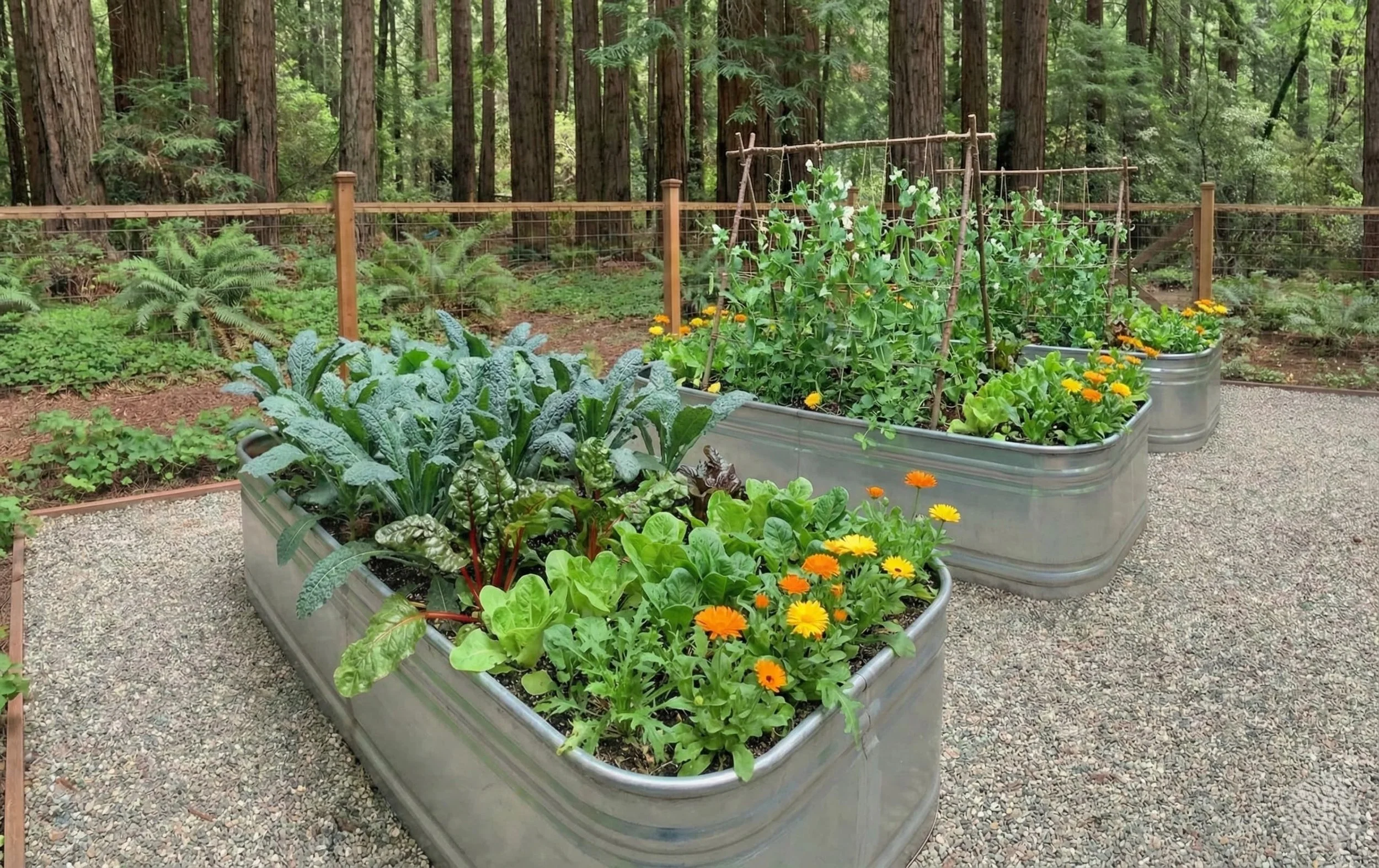
Some links in this guide are affiliate links. If you buy through them, we may earn a small commission at no extra cost to you. Read our full disclosure.
One of the first decisions new gardeners face is whether to buy transplants (seedlings already started) or grow from seed. Both methods work, and most experienced gardeners use a combination depending on the crop, season, and their available time.
Understanding which crops are worth starting from seed, which are better as transplants, and where to source quality plants locally will save you money, time, and frustration. This guide breaks down the decision-making process specific to Santa Cruz County gardening.
What Is the Difference Between Transplants and Seeds?
Transplants (also called starts, seedlings, or plugs) are young plants already growing in small pots. You buy them at nurseries, plant sales, or farmers markets, then transplant them into your garden. They're 3 to 8 weeks old typically.
Seeds are exactly what they sound like: you plant them directly in your garden beds or start them indoors in containers, nurturing them from germination through transplant size yourself.
When Should You Buy Transplants?
Some crops are significantly easier, faster, or more reliable when purchased as transplants.
Crops Best Bought as Transplants
Tomatoes
Why: Tomatoes need 6 to 8 weeks of growth before transplanting outdoors. Starting from seed means setting up lights, heat mats, and managing indoor seedlings for two months. Most beginners aren't equipped for this.
Transplant advantage: Ready to plant when the weather is right. You avoid the hassle of seed starting. Local nurseries offer varieties proven to work in Santa Cruz microclimates.
Where to buy locally:
Love Apple Farms annual tomato sale (Scotts Valley) - Hundreds of heirloom varieties specifically trialed for our climate. Check growbetterveggies.com for dates, usually April/May.
Sierra Azul Nursery (2660 E. Lake Avenue, Watsonville) - Excellent selection, knowledgeable staff
Dig Gardens (Santa Cruz: 420 Water Street, Aptos: 7765 Soquel Drive) - Organic starts, good varieties
San Lorenzo Garden Center (235 River Street, Santa Cruz) - Reliable selection
UCSC Farm & Garden spring plant sale - Organically grown, locally adapted varieties
Cost: $3 to $8 per plant depending on size and variety
Peppers
Why: Even longer to mature than tomatoes. Peppers need 8 to 10 weeks indoors before transplanting, and they're fussier about temperature. Not beginner-friendly from seed.
Transplant advantage: Same as tomatoes. Much easier to buy ready-to-plant starts.
Where to buy: Same sources as tomatoes. Love Apple Farms has an outstanding pepper selection including varieties that thrive in coastal cool.
Cost: $3 to $6 per plant
Eggplant
Why: Slow growers, heat-sensitive during germination, and not commonly grown by beginners. Buying transplants makes sense.
Where to buy: Most nurseries carry a basic selection. Love Apple Farms has unusual varieties.
Cost: $4 to $6 per plant
Broccoli, Cabbage, Cauliflower, Brussels Sprouts
Why: These brassicas need 4 to 6 weeks of growth before transplanting. While easier to start from seed than tomatoes, transplants save time and offer consistent results.
Transplant advantage: You can plant exactly when you need to (fall for winter harvest, early spring for spring harvest) without the indoor seed starting lead time.
Where to buy:
Most local nurseries carry six-packs in appropriate seasons
Farmers markets often have starts: Downtown Santa Cruz (Wednesdays), Westside (Saturdays), Live Oak (Sundays)
UCSC Farm & Garden fall plant sale
Cost: $3 to $5 per six-pack, or $0.50 to $1 per individual plant
Kale and Chard
Can go either way, but transplants are convenient. These are easy from seed but starting with transplants gets you harvesting 3 to 4 weeks sooner.
Where to buy: Widely available at nurseries and farmers markets.
Cost: $3 to $5 per six-pack
Why Buy Transplants: The Benefits
Faster harvest. Transplants have a 4 to 8 week head start over seeds.
Less risk. Germination is already done. No guessing if seeds will sprout.
No indoor setup needed. Skip the lights, heat mats, and seed trays.
Local varieties. Nurseries stock varieties proven to work in Santa Cruz County.
Fills gaps. Need to replace a plant that died or fill a space? Transplants provide instant solutions.
Small quantities. If you only want one or two plants, buying a seed packet with 30 seeds makes no sense.
When Should You Start from Seed?
Many crops are better, easier, or more economical when direct-seeded or started from seed.
Crops Best Grown from Seed
Beans (Bush and Pole)
Why: Beans germinate in 5 to 7 days and hate transplanting. Their roots are sensitive to disturbance. Direct seeding is easier and more reliable.
Seeding method: Direct sow into garden beds when soil is warm (60°F+), typically late April through July in Santa Cruz.
Cost: $3 to $5 for a packet that plants 10 to 20 feet of row
Where to buy seeds:
Mountain Feed & Farm Supply (9550 Highway 9, Ben Lomond)
Renee's Garden (based in Felton, available at many local nurseries or reneesgarden.com)
San Lorenzo Garden Center, Dig Gardens, Scarborough Gardens (all carry seed racks)
Peas
Why: Same as beans. Peas don't transplant well and germinate easily in cool soil.
Seeding method: Direct sow in fall (September through November) or early spring (January through March).
Cost: $3 to $5 per packet
Lettuce and Salad Greens
Why: Fast-growing (ready in 3 to 6 weeks), direct seed easily, and you want continuous harvests which means succession planting every 2 to 3 weeks. Buying transplants repeatedly gets expensive.
Seeding method: Scatter seeds thinly in rows or blocks, barely cover with soil, keep moist. Thin seedlings to proper spacing as they grow.
Transplants work too if you want a quick harvest or only need a few plants, but seeds are more economical for ongoing production.
Cost: $2 to $4 per packet, gives you multiple plantings
Where to buy seeds: Everywhere. Also check Felton Seed Lending Library (6121 Gushee Street, Felton) for free seeds.
Radishes
Why: Ready in 25 to 30 days from seed. Ridiculously easy to grow. No point buying transplants.
Seeding method: Direct sow, 1/2 inch deep, 1 inch apart. Thin to 2 inches apart.
Cost: $2 to $3 per packet
Carrots
Why: Long taproots don't transplant well. Must be direct-seeded.
Seeding method: Sprinkle seeds thinly in rows (they're tiny), barely cover, keep consistently moist until germination (7 to 14 days). Thin to 2 to 3 inches apart.
Tip: Carrot seeds germinate slowly. Cover seeded rows with a board or burlap to keep soil moist. Remove once sprouts appear.
Cost: $2 to $4 per packet
Beets and Turnips
Why: Easy from seed, fast-growing, don't transplant well.
Seeding method: Direct sow 1/2 inch deep, 2 inches apart. Each "seed" is actually a cluster, so you'll need to thin.
Cost: $2 to $4 per packet
Cucumbers and Summer Squash
Why: Germinate in 5 to 7 days, grow incredibly fast, and dislike transplanting. While transplants are sold at nurseries, seeds are easier and cheaper.
Seeding method: Direct sow 1 inch deep after soil warms (late April to July). Plant 2 to 3 seeds per spot, thin to strongest seedling.
Exception: If you want an early start or only need one plant, a transplant saves a week.
Cost: $3 to $5 per packet
Herbs: Cilantro, Dill, Parsley
Why: Cilantro and dill hate transplanting and bolt quickly when stressed. Parsley is slow to germinate but easy from seed if you're patient.
Seeding method: Direct sow cilantro and dill. Start parsley indoors or direct sow and wait 2 to 3 weeks for germination.
Basil: Easier as transplants unless you're growing a lot. Basil needs warmth to germinate and transplants save 3 to 4 weeks.
Cost: $2 to $4 per seed packet
Why Grow from Seed: The Benefits
Cost-effective. One seed packet costs $3 to $5 and provides dozens or hundreds of plants. One transplant costs $3 to $6.
Variety selection. Seed catalogs offer thousands of varieties. Nurseries stock maybe a dozen. Want unusual heirloom lettuce or purple carrots? You'll need seeds.
Succession planting. For crops like lettuce, beans, and radishes, you plant small amounts every 2 to 3 weeks for continuous harvest. Seeds make this affordable.
Self-sufficiency. Learning to grow from seed gives you control over your garden's timing and reduces reliance on nursery schedules.
Freshness. Seeds planted directly in your garden avoid transplant shock entirely.
Which Crops Work as Either Transplants or Seeds?
Lettuce: Direct seed for continuous production. Buy transplants for a quick harvest or if you only want a few plants.
Kale and Chard: Easy from seed but transplants save a month.
Basil: Transplants are easier for beginners. Seed is fine if you're growing lots of plants or want unusual varieties.
Cucumbers and Squash: Direct seeding is easier, but transplants work if you want a head start.
How Do You Spot Quality Transplants?
Not all transplants are created equal. Here's what to look for when buying:
Healthy green leaves. Avoid yellowing, spotting, or wilting.
Compact, stocky growth. Tall, leggy plants are "stretched," meaning they didn't get enough light. They're weaker and take longer to establish.
No flowers or fruit yet. Tomatoes and peppers shouldn't be flowering in their small pots. This stresses the plant. Pinch off any flowers before transplanting.
Roots visible but not circling. Gently tip the pot and peek. Roots should be present but not densely wound (root-bound).
No pests. Check undersides of leaves for aphids, whiteflies, or other insects.
Clean pots. Crusty, moldy, or dirty pots suggest poor care.
Know the variety. Labels should list the variety name, not just "tomato" or "pepper." This tells you the seller cares about what they're selling.
Where Can You Buy Seeds in Santa Cruz County?
Local sources:
Renee's Garden Seeds (based in Felton) - Varieties specifically chosen for coastal California. Available at many nurseries or order online at reneesgarden.com.
Mountain Feed & Farm Supply (9550 Highway 9, Ben Lomond) - Bulk seeds and regional varieties.
San Lorenzo Garden Center, Dig Gardens, Scarborough Gardens - Seed racks with decent selections.
Felton Seed Lending Library (Felton Branch Library, 6121 Gushee Street) - Borrow seeds free, grow, save, and return seeds if possible. Excellent community resource.
Farmers markets occasionally have seed vendors, especially in spring.
Mail-order sources (ship to Santa Cruz):
Territorial Seed Company - Pacific Northwest focus, many varieties work here
Kitazawa Seed Company - Oakland-based, excellent Asian vegetables that thrive in Santa Cruz
Baker Creek Heirloom Seeds - Huge heirloom selection, beautiful catalog
Johnny's Selected Seeds - Professional-grade seeds and tools
Botanical Interests - Detailed seed packets with growing info, good for beginners
Peaceful Valley Farm Supply (groworganic.com) - Organic seeds and supplies
Seed Savers Exchange - Heirloom varieties, nonprofit focused on preservation
When Should You Time Your Purchases?
Transplants:
Buy and plant transplants when the timing is right for your microclimate and the crop.
Warm-season crops (tomatoes, peppers, squash): Available at nurseries March through June. Buy in May (inland) or June (coastal) when you're ready to plant.
Cool-season crops (broccoli, kale, lettuce): Available August through October for fall planting, and February through April for spring planting.
Don't buy transplants too early "just in case." If your soil isn't warm enough or your beds aren't ready, they'll sit in pots getting stressed and root-bound.
Seeds:
Most seeds stay viable for 1 to 3 years if stored properly (cool, dry, dark). Buy seeds in winter and early spring when selection is best, even if you won't plant for months.
Seed companies restock in January and February. Popular varieties sell out by April.
How Do the Costs Compare?
Let's compare costs for a small garden:
Transplants (4 tomatoes, 2 peppers, 6 broccoli, 1 six-pack kale):
Tomatoes: 4 x $5 = $20
Peppers: 2 x $5 = $10
Broccoli: $4 per six-pack
Kale: $4 per six-pack
Total: $38
Seeds (beans, lettuce, carrots, radishes, cucumbers):
Beans: $4
Lettuce: $3
Carrots: $3
Radishes: $3
Cucumbers: $4
Total: $17 (and you'll have seeds left over for multiple plantings)
Combined approach (typical for most gardeners):
Transplants for slow-starters: $38
Seeds for direct-sow crops: $17
Total: $55 for a season
This gives you the convenience of transplants for challenging crops and the economy of seeds for easy crops.
What Are the Best Tips for Success?
Start small. Don't buy 12 tomato plants in your first year. Start with 4 to 6 and see how it goes.
Ask questions. Nursery staff at local places like Sierra Azul, Dig Gardens, and San Lorenzo Garden Center are knowledgeable. Ask which varieties work in your microclimate.
Buy local when possible. Plants sold at Love Apple Farms, UCSC Farm & Garden, and farmers markets are grown in or near Santa Cruz. They're already adapted to our conditions.
Read seed packets carefully. Days to maturity, spacing, and planting instructions vary. See our guide to reading seed packets for details.
Don't buy too early. It's tempting to buy transplants when they first appear at nurseries in March. But if you're not ready to plant, resist. Buy when you're actually ready to put plants in the ground.
Try both methods. Grow lettuce from seed and buy tomato transplants. See what works for you.
Frequently Asked Questions About Transplants and Seeds
Should I buy tomato transplants or start from seed?
Buy transplants for tomatoes unless you're experienced with seed starting. Tomatoes need 6-8 weeks of indoor growth under lights before transplanting outdoors. Most beginners aren't equipped for this. Buying transplants gives you a head start, avoids the hassle of indoor seed starting, and local nurseries offer varieties proven for Santa Cruz microclimates. Love Apple Farms' annual sale (April/May) has hundreds of heirloom varieties trialed specifically for our climate.
What vegetables should I direct seed instead of transplant?
Direct seed crops that germinate easily and don't transplant well: beans, peas, carrots, radishes, beets, and turnips. Also direct seed lettuce and salad greens for economical succession planting (every 2-3 weeks). These crops either have sensitive roots that don't like disturbance or grow so quickly that transplanting offers no real advantage. Cucumbers and squash can go either way but are easier from direct-seeded.
Where can I buy vegetable transplants in Santa Cruz County?
Best local sources include Love Apple Farms annual tomato sale (Scotts Valley, April/May), Sierra Azul Nursery (Watsonville), Dig Gardens (Santa Cruz and Aptos), San Lorenzo Garden Center (Santa Cruz), and UCSC Farm & Garden plant sales (spring and fall). Farmers markets often have starts too: Downtown Santa Cruz (Wednesdays), Westside (Saturdays), Live Oak (Sundays). Quality varies, so check for healthy green leaves and stocky growth.
Where can I buy seeds locally in Santa Cruz?
Renee's Garden Seeds is based in Felton and available at many local nurseries or online at reneesgarden.com. Mountain Feed & Farm Supply (Ben Lomond) has bulk seeds and regional varieties. San Lorenzo Garden Center, Dig Gardens, and Scarborough Gardens carry seed racks. For free seeds, visit the Felton Seed Lending Library at Felton Branch Library (6121 Gushee Street). Borrow seeds, grow, save, and return seeds if possible.
How do I spot quality transplants at the nursery?
Look for healthy green leaves without yellowing, spotting, or wilting. Choose compact, stocky plants (not tall and leggy). Avoid tomatoes and peppers already flowering or fruiting since this stresses the plant. Gently tip pots to check roots: visible but not densely wound (root-bound). Check leaf undersides for pests. Labels should list the variety name, not just "tomato." Clean pots suggest good care.
When should I buy transplants in Santa Cruz County?
Buy warm-season transplants (tomatoes, peppers, squash) in May (inland) or June (coastal) when you're actually ready to plant. Don't buy too early just because they're available in March. Cool-season transplants (broccoli, kale, lettuce) are available August-October for fall planting and February-April for spring. If your beds aren't ready, wait. Plants sitting in small pots get stressed and root-bound.
Is it cheaper to grow from seed or buy transplants?
Seeds are significantly cheaper per plant. One $3-4 seed packet provides dozens to hundreds of plants. One transplant costs $3-6. However, transplants save time and reduce risk for slow-growing crops like tomatoes and peppers. Most gardeners use both: transplants for tomatoes, peppers, and brassicas ($35-40), plus seeds for beans, lettuce, carrots, and radishes ($15-20). Combined cost for a season is around $50-60.
What's the Felton Seed Lending Library?
The Felton Seed Lending Library at Felton Branch Library (6121 Gushee Street, Felton) offers free seeds to gardeners. Borrow seeds, grow them in your garden, and ideally save and return some seeds at the end of the season. It's an excellent community resource for trying new varieties at no cost. The library focuses on seeds adapted to local growing conditions. Check their hours before visiting.
What Community Resources Are Available?
UCSC Farm & Garden hosts spring and fall plant sales with organically grown starts. Check ucsc.edu/farm for dates.
Love Apple Farms annual tomato and pepper sale is legendary. Hundreds of varieties, all trialed locally. Don't miss it if you're serious about tomatoes.
Master Gardeners of Monterey Bay (mbmg.ucanr.edu, 1432 Abbott Street, Salinas) offer advice on varieties and sources.
Local gardening groups on Facebook and Instagram share seed swaps and transplant trading. Search "Santa Cruz gardening" or "Santa Cruz seed exchange."
What Is the Bottom Line?
Buy transplants for slow-growing, fussy crops like tomatoes, peppers, and eggplant. Start from seed for fast-growing crops like beans, lettuce, carrots, and radishes that direct sow easily.
Use quality local sources that understand Santa Cruz microclimates. Don't overbuy in your first season. Start small, learn what works in your garden, then expand.
Both methods have their place. Over time, you'll develop a rhythm: buying transplants in spring and fall, succession-seeding lettuce and beans all season, and maybe even starting your own tomato seeds indoors once you've gained confidence.
Ready to start planting? Check out our guide to the first 5 vegetables to grow in Santa Cruz, or browse our seasonal planting guides for month-by-month recommendations.
Want planting reminders? Sign up for our free Santa Cruz planting calendar and get tips on when to buy transplants vs direct seed, delivered to your inbox monthly.
Free Planting Resources
Seed Starting Guide : Ready to try starting seeds indoors? This guide covers timing, supplies, step-by-step instructions, hardening off, and troubleshooting common problems for Santa Cruz gardeners.
Seasonal Planting Calendar : Month-by-month guide showing when to direct seed vs transplant each crop. Know exactly when to buy transplants and when to sow seeds directly in your Santa Cruz garden.
Beginner Garden Setup Checklist : Starting your first garden? This checklist helps you plan before buying any plants or seeds, so you're ready when you bring transplants home.
Vegetables by Season : Quick reference for what to plant in spring, summer, fall, and winter. Helps you know which transplants to buy and when to direct seed throughout the year.
For the starts that are worth a short drive, our guide to the vegetable nurseries worth the drive from Santa Cruz covers places like Mountain Feed in Ben Lomond and Yamagami's over the hill, and when their selection peaks.
