

Why Your Peppers Won't Turn Red in Santa Cruz County
Some links in this guide are affiliate links. If you buy through them, we may earn a small commission at no extra cost to you. Read our full disclosure.
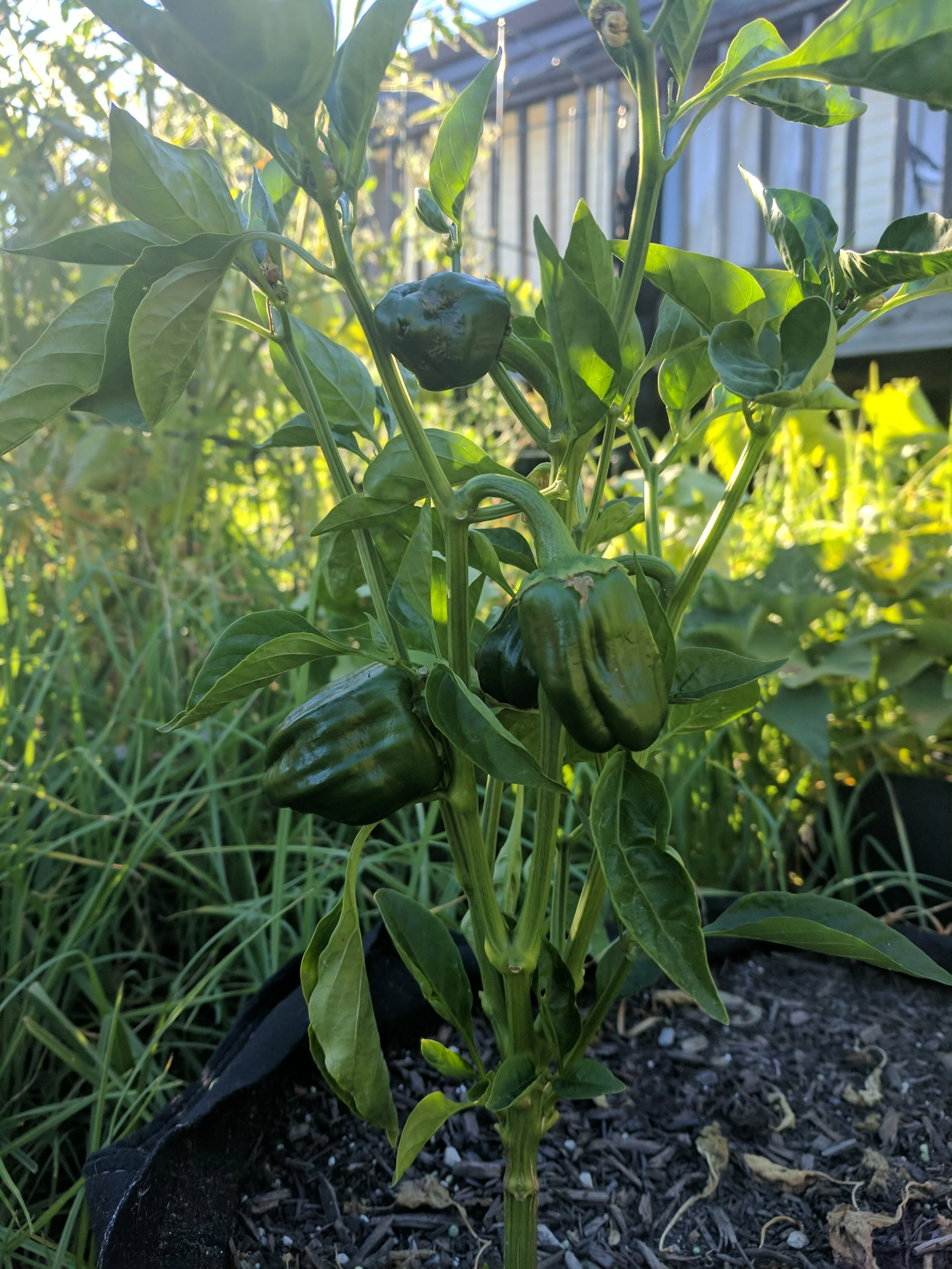
Your bell pepper plant is loaded with full-sized, glossy green peppers. You've been waiting weeks for them to turn red. They're still green. You wait another week. Still green. Another week. Stubbornly, impossibly, endlessly green.
Welcome to one of the most common frustrations of growing peppers in Santa Cruz County. (For tips on growing hot varieties specifically, see our guide to growing hot peppers in Santa Cruz.)
Your peppers are not defective and you have not done anything wrong. The challenge is our climate, and green peppers are perfectly delicious, and with the right strategies and variety choices, you can get more colorful peppers than you might expect.
Why Do Peppers Stay Green in Santa Cruz County?
All peppers start green. The colors we prize (red, yellow, orange, purple, brown) develop as peppers ripen on the plant. This color change requires two things: time and warmth.
The Warmth Factor
Pepper ripening is temperature-dependent. The process accelerates in warm conditions and slows dramatically in cool conditions. Peppers need sustained temperatures, especially warm nights, to trigger and complete the color change.
The ideal ripening conditions:
Daytime temperatures: 75-85 degrees F
Night temperatures: 55-65 degrees F, per UC ANR
Consistent warmth for 2-4 weeks after fruit reaches full size
In Santa Cruz County, we often struggle to provide these conditions, especially at night. Our coastal influence keeps nights cool even when days are warm, and microclimate differences across the county play a major role in whether your peppers ripen. Many summer nights here sit in the 50s, at or just below the bottom of that range. UC ANR notes that color change is favored by temperatures above 50 degrees, so our cool nights slow ripening rather than stopping it.
The Time Factor
Even under ideal conditions, ripening takes time. Most peppers need 2-4 weeks of appropriate temperatures after reaching full size to complete color change. Some large-fruited varieties take even longer.
In warmer climates, this timeline works fine because warm conditions extend from early summer through fall. In Santa Cruz County, our reliable warm period is shorter, and peppers that reach full size in late summer may simply run out of warm weather before ripening.
Example timeline comparison:
In Fresno (hot inland valley):
Full-sized green bell in late July
Ripe red bell by mid-August (2-3 weeks)
In coastal Santa Cruz:
Full-sized green bell in late July
Still mostly green in mid-August
Maybe turning by September, if weather cooperates
Or still green when cold weather arrives
Which Peppers Ripen Most Reliably in Our Climate?
Not all peppers face the same ripening challenges. Some varieties ripen faster, and some produce peppers that are excellent at the green stage.
Pepper Ripening Guide for Santa Cruz County
Which Varieties Ripen Reliably and Which to Enjoy Green
VarietyRipens ToRipening HereGreen QualityRecommendationShishitoRedEasyExcellent greenHarvest green (traditional). Will ripen to red if left.PadronRedEasyExcellent greenHarvest green (traditional). Become hotter if left to ripen.Mini Bells (Lunch Box)VariousEasyGood greenSmall size ripens faster. Good choice for colored peppers.CayenneRedEasyGood greenThin walls ripen fast. Can dry if left on plant.Thai PeppersRedEasyGood greenVery small, ripen quickly. Both colors used in cooking.JalapenoRedModerateExcellent greenTraditionally used green. Red jalapenos (chipotles) possible with patience.SerranoRedModerateExcellent greenBoth colors commonly used. Green is traditional for fresh salsas.PoblanoRed (Ancho)ModerateExcellent greenGreen for chiles rellenos. Red dried for ancho powder. Both delicious.Jimmy NardelloRedModerateGood greenThin walls help ripening. Much better fully red. Worth the wait.Gypsy/LipstickRedModerateGood greenBred for faster ripening. Better chance of color than standard bells.AnaheimRedModerateExcellent greenGreen for roasting/stuffing. Red for drying. Both traditional.Bell PeppersVariousDifficultOK greenLarge size, thick walls slow ripening. May not ripen in foggy areas. Choose early varieties.HabaneroOrange/RedDifficultUsable greenNeeds warmth. Best in warmest microclimates only. Flavor better ripe.SuperhotsVariousDifficultNot recommendedRarely ripen except Watsonville/sunny Boulder Creek. Heat develops when ripe.
Key Insight: Many delicious peppers are traditionally used green. Shishitos, padrons, jalapenos, serranos, poblanos, and Anaheims are all excellent at the green stage. You don't have to wait for ripening to enjoy great peppers.
Best Strategy: Grow a mix: fog-tolerant varieties you harvest green (shishitos, padrons), plus a few fast-ripening varieties (mini bells, cayenne) for colored peppers. Accept that large bells may not ripen.
Ripening Difficulty Key: Easy = Reliably ripens in most Santa Cruz microclimates. Moderate = Ripens with patience, may need warm microclimate. Difficult = Often won't ripen except in warmest locations.
Based on: Local Santa Cruz County growing experience and variety characteristics
Fast-Ripening Varieties
These reach color more reliably in our climate:
Small peppers: Smaller fruit ripen faster than large ones. Shishitos, padrons, Thai peppers, and mini sweet peppers often ripen to their final color even in foggy coastal gardens.
Thin-walled peppers: Jimmy Nardello, cayenne, and other thin-walled varieties ripen faster than thick-walled bells.
Early-maturing varieties: Gypsy, Lipstick, and Ace are bred for faster maturation and ripen more quickly than standard bells.
Varieties That Are Delicious Green
Many peppers are traditionally harvested and enjoyed at the green stage:
Shishito and Padron: Almost always harvested green
Jalapeno: Classically used green
Serrano: Excellent green or red
Poblano/Pasilla: Traditional uses call for green peppers
Anaheim: Often used green for chile rellenos
Cubanelle: Delicious at pale green/yellow stage
Varieties That Really Need to Ripen
Some peppers are significantly better ripe than green:
Bell peppers: Much sweeter and more nutritious when colored
Habaneros and superhots: Heat and flavor develop more fully when ripe
Italian frying peppers (Jimmy Nardello, Carmen): Best at full red
Free planting guide
Know what to plant, and when, in Santa Cruz County
Join the free Ambitious Harvest email list for seasonal planting reminders and practical Central Coast gardening notes. As a welcome, I will send you the one-page California Seed Starting Cheat Sheet, so you always know what to start indoors, what to sow direct, and the right timing for your zone.
Send me the planting guide
One email field, no name needed. Unsubscribe anytime.
If you want these varieties, plan for the extended ripening time or accept that some may not reach full color.
What Strategies Help Encourage Pepper Ripening?
While you can't control the weather, several strategies can help maximize your chances of ripe peppers.
Plant Earlier (With Protection)
The earlier peppers set fruit, the more warm weather they have to ripen. Use season extension techniques to get plants established earlier:
Wall O' Waters for early transplants
Black plastic mulch to warm soil
Row covers for cold protection
Container growing with mobility
Create Warm Microclimates
Position pepper plants in the warmest spots your garden offers:
Against south-facing walls (reflected heat)
On patios or driveways (heat absorbed and radiated)
In raised beds (warmer than ground level)
Away from cold air drainage paths
Reduce Fruit Load
Heavy fruit loads slow ripening because the plant's energy is divided among many peppers. Removing some green peppers can speed ripening of the remaining fruit.
Harvest some peppers green to cook with
Remove any damaged or misshapen fruit
Allow remaining peppers to receive more plant energy
Leave Peppers on the Plant
Peppers continue ripening as long as they stay on a healthy plant and conditions allow. If you want colored peppers:
Leave fruit on the plant as long as possible
Don't harvest at the first hint of color, let them ripen fully
Protect plants from frost to extend the season
Bring Peppers Indoors to Ripen
Peppers that are starting to change color (or even mature green peppers showing their final sheen) can continue ripening indoors.
Place in a warm spot, 65 to 75 degrees F, and do not refrigerate them while you wait, since peppers take chilling injury below 45 degrees
Indirect light is fine; they don't need direct sun
Check daily; remove any that show rot
Ripening takes 1-3 weeks depending on how far along they were
This works best for peppers that were already beginning to color. Fully green peppers may or may not ripen indoors.
What Is the Case for Embracing Green Peppers?
Green peppers are not inferior peppers waiting to become real peppers. They are a different vegetable with their own virtues.
Green Peppers Are Traditional
Many cuisines specifically call for green peppers:
Mexican: Green chiles for chile verde, green salsa, stuffed poblanos
Cajun/Creole: Green bells in the "holy trinity"
Chinese: Green bell peppers in stir-fries
Hungarian: Green peppers for paprikas
American: Green bells for stuffed peppers, fajitas
These dishes were developed using green peppers intentionally, not as a compromise.
Green Peppers Taste Different, Not Worse
Green peppers have a more vegetal, slightly bitter, grassy flavor that many cooks prefer for savory dishes. This flavor stands up to rich, fatty foods and bold seasonings in ways that sweeter ripe peppers don't.
Green peppers add brightness to heavy stews
Their slight bitterness balances rich cheeses
The firmer texture holds up better in cooking
Nutritional Differences
Red peppers have more vitamin C and vitamin A than green peppers. But green peppers are still highly nutritious, with plenty of vitamin C, fiber, and antioxidants. The vitamin C gap is modest. The vitamin A gap is not, because the red and orange pigments in a ripe pepper are the provitamin A carotenoids themselves.
Economic Gardening
Every pepper you harvest green is a pepper you get to eat. Waiting for ripening means:
Risk of losing peppers to pests, disease, or weather
Reduced total harvest (plant stops making new fruit while waiting)
Possible disappointment when ripening never happens
Harvesting some peppers green keeps plants productive while you wait for others to ripen.
What Is the Best Practical Approach for Santa Cruz Pepper Growers?
The most successful pepper growers in Santa Cruz County use a combined strategy:
Grow varieties suited to our climate: Shishitos, padrons, and other fog-tolerant varieties that produce reliably regardless of ripening.
Choose fast-ripening varieties for colored peppers: Gypsy, Lipstick, mini bells, and cayennes ripen faster than standard bells.
Harvest some peppers green: Keep plants productive and ensure you have peppers to eat while waiting.
Leave some peppers to ripen: Let a few fruit stay on healthy plants as long as possible for the best chance at color.
Accept what your climate provides: Some years you'll get beautiful red peppers. Some years most will stay green. Both outcomes provide excellent eating.
Free download
The California Pepper Growing Cheat Sheet
A free one-page quick reference for growing sweet and hot peppers in coastal California, from variety picks to timing and harvest. Enter your email and I will send the PDF straight to your inbox.
Send me the cheat sheet
You will also get practical Santa Cruz gardening tips. Unsubscribe anytime.
Frequently Asked Questions
Why do my peppers get full-sized but never change color?
Color change requires sustained warmth that our cool climate often doesn't provide. Peppers need 2-4 weeks of warm temperatures (especially warm nights) after reaching full size to ripen. Our cool nights slow this process dramatically, and some peppers simply don't receive enough warm weather to complete the change.
Will picking some green peppers help the others ripen?
Yes, reducing fruit load allows the plant to direct more energy to remaining peppers, which can speed ripening. It also keeps the plant productive, encouraging new flowers and fruit that may ripen during a later warm spell.
Can I ripen green peppers on my kitchen counter like tomatoes?
Sometimes. Peppers that are mature (full-sized, glossy, starting to show any color hint) may continue ripening in a warm spot indoors. Immature green peppers usually won't ripen off the plant. Place mature green peppers in a 65-75 degree F location and check daily.
Are green bell peppers just unripe red peppers?
Usually yes. Most bell pepper varieties turn from green to red (or yellow, orange, etc.) when fully ripe. However, some varieties are bred to be harvested green, and the green flavor is preferred for many culinary uses. Green peppers aren't inferior; they're a different product with different uses.
Why do my neighbor's peppers ripen when mine don't?
Microclimate differences. Your neighbor's garden may be warmer (south-facing, protected from wind, against a heat-absorbing surface). They may also be growing faster-ripening varieties or using season extension techniques.
Should I move my peppers to a sunnier spot to ripen?
If you're growing in containers, moving to a warmer spot can help, but warmth matters more than sun for ripening. A spot that's warm overnight is more valuable than one that's sunny but exposed to cold wind or cool nights. South-facing walls are ideal because they radiate warmth after sunset.
What's the point of growing peppers if they won't ripen?
Green peppers are delicious! Many pepper varieties (shishitos, padrons, jalapenos, serranos, poblanos) are traditionally used green. Even green bells are excellent for cooking. Shifting your expectation from "red peppers" to "productive pepper plants" makes the experience much more satisfying.
Will adding fertilizer help my peppers ripen?
No. Ripening is controlled by temperature and time, not nutrition. In fact, excess nitrogen can actually delay ripening by encouraging the plant to keep producing leaves instead of maturing fruit. If your peppers are full-sized but green, fertilizer won't help.
The reality of growing peppers in Santa Cruz County is that color isn't guaranteed. But flavor, abundance, and enjoyment absolutely can be. Choose varieties that work in your microclimate, embrace the delicious versatility of green peppers, use strategies that maximize your chances of ripening, and appreciate whatever your garden provides. The peppers you grow yourself, whatever their color, will be fresher, tastier, and more satisfying than anything you can buy. For research-based pepper growing guidance, see UC ANR's Peppers growing guide (PDF), Growing Great Peppers and Chiles, and Chile Pepper Production in California (PDF).
Downloadable Guides
Seasonal Planting Calendar: Optimize timing for best ripening chances.
Know Your Microclimate Worksheet: Find your warmest garden spots.
Related Articles
