

Strawberry Troubleshooting Guide
A few of the product links in this guide are affiliate links. If you buy through one, Ambitious Harvest may earn a small commission at no extra cost to you, which helps keep these guides free. We only point to gear we would use in our own Santa Cruz garden. As an Amazon Associate, we earn from qualifying purchases. Read our full disclosure.
Strawberries are generally easy to grow in Santa Cruz County, but even healthy patches encounter problems. This guide helps you identify what's going wrong and fix it: plants that won't fruit, pest damage, mysterious diseases, or disappointing harvests.
Don't panic when problems appear. Most strawberry issues have straightforward solutions, and catching them early makes a big difference.
| Symptom | Likely Cause | Solution | Urgency |
|---|---|---|---|
| No Fruit / Poor Production | |||
| Flowers but no berries | Environmental Poor pollination or temperature stress |
Encourage pollinators; hand-pollinate with small brush; protect flowers from frost; provide shade in heat waves | Medium |
| Lots of leaves, few flowers | Cultural Excess nitrogen fertilizer |
Stop nitrogen fertilizer; add phosphorus (bone meal); wait for plants to rebalance | Low |
| Plants declining, little growth | Cultural Plants too old (2-3+ years) |
Replace with new plants or rooted runners; renew patch every 2-3 years | Medium |
| Pest Damage | |||
| Holes in fruit, slime trails | Pest Slugs and snails |
Hand-pick at night; beer traps; iron phosphate bait (Sluggo); water in morning; clear hiding spots | High |
| Pecked, partially eaten ripe berries | Pest Birds |
Cover with bird netting before berries ripen; use hoops to hold netting off plants | High |
| Sticky leaves, clusters of small insects | Pest Aphids |
Spray off with strong water stream; insecticidal soap; encourage ladybugs; reduce nitrogen | Medium |
| Fine webbing, stippled/bronzed leaves | Pest Spider mites |
Spray plants with water; insecticidal soap or neem oil on leaf undersides; water consistently | Medium |
| Notched leaf edges, plant decline | Pest Root weevils |
Hand-pick adults at night; apply beneficial nematodes to soil; rotate planting locations | Medium |
| Disease Problems | |||
| Fuzzy gray mold on berries | Disease Botrytis (gray mold) |
Remove infected berries immediately; improve air circulation; mulch with straw; water at soil level; harvest promptly | High |
| White powder on leaf undersides | Disease Powdery mildew |
Remove affected leaves; improve air circulation; apply sulfur or neem oil; choose resistant varieties | Medium |
| Circular spots on leaves | Disease Leaf spot (fungal) |
Remove infected leaves; avoid overhead watering; apply copper fungicide if severe; clean up debris | Low |
| Wilting despite water, dark roots | Disease Root rot (Phytophthora) |
Prevention key: improve drainage, use raised beds, don't overwater. Remove infected plants; replant elsewhere with resistant varieties | High |
| Fruit Quality Issues | |||
| Small berries | Cultural Crowding, water, nutrients, or age |
Thin to 12-18" apart; water consistently; feed with compost; remove excess runners; replace old plants | Low |
| Misshapen berries | Environmental Poor pollination or frost damage |
Encourage pollinators; protect flowers from frost; check for tarnished plant bugs | Low |
| Soft, mushy berries | Cultural Overripe or weather damage |
Harvest when fully colored but still firm; water at soil level; pick before rain | Low |
Why Are Your Plants Not Producing Fruit?
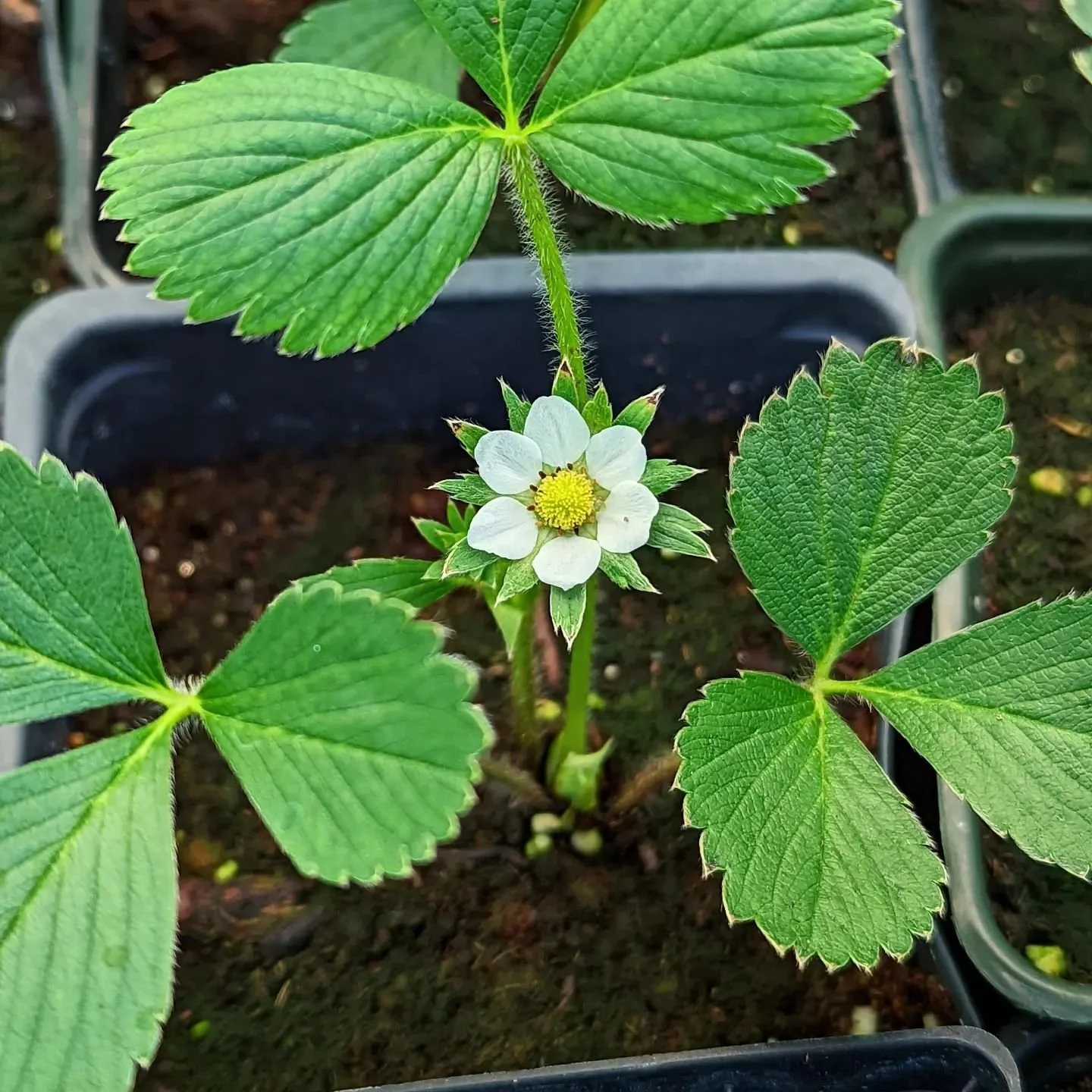
The most frustrating strawberry problem is a plant covered in healthy leaves and flowers that never produces berries. Here's what might be happening.
Problem: Lots of Flowers, No Fruit
Possible cause: Poor pollination
Strawberry flowers have both male and female parts and can self-pollinate, but they need help from wind, rain, or pollinators to move pollen effectively. Each strawberry has 200 or more seeds, and each seed requires pollination to develop properly. Incomplete pollination leads to misshapen or absent fruit.
Solutions:
Plant pollinator-attracting flowers nearby (see our Pollinator-Friendly Gardens Guide)
Avoid pesticides during bloom
Hand-pollinate by gently brushing a small paintbrush across flowers
Ensure good air circulation (some wind helps move pollen)
Possible cause: Temperature stress
Strawberry flowers are damaged by frost below about 28°F, and extreme heat (above 85°F) can cause flowers to abort. Our coastal areas rarely have this problem, but inland and San Lorenzo Valley gardeners may encounter both.
Solutions:
Cover plants with frost cloth during cold snaps
Provide afternoon shade during heat waves
Choose varieties suited to your microclimate
Problem: Healthy Plants, Few Flowers
Possible cause: Too much nitrogen
Excess nitrogen fertilizer pushes plants to produce lush, green foliage at the expense of flowers and fruit. UC IPM notes that excess nitrogen pushes fruiting plants to make more foliage and less fruit, and can reduce fruit quality and yield, so a heavily fertilized strawberry bed often disappoints at harvest.
Solutions:
Stop or reduce nitrogen fertilizer
Add phosphorus (bone meal) to encourage flowering
Wait for plants to use up excess nitrogen before expecting fruit
Possible cause: Plants are too young
First-year strawberry plants (especially from seed) may not produce much fruit as they establish root systems. This is normal.
Solutions:
Be patient with new plantings
Remove flowers from newly planted bare-root strawberries for the first few weeks to encourage root establishment
Possible cause: Wrong variety for the season
June-bearing varieties only flower during specific conditions. If you planted a June-bearing variety expecting year-round fruit, you'll be disappointed.
Solutions:
Identify your variety type (day-neutral vs. June-bearing)
Plant day-neutral varieties (Albion, Seascape) for extended production
Accept that June-bearing varieties produce one concentrated harvest
Problem: Plants in Decline, Little New Growth
Possible cause: Plants are too old
Strawberry plants decline after 2 to 3 years, producing fewer berries and smaller fruit.
Solutions:
Replace aging plants with fresh stock or rooted runners
Renew your patch every 2 to 3 years
Possible cause: Root problems
Gophers, root rot, or soil-borne diseases can damage roots and cause plant decline. Dig up a struggling plant and examine the roots.
Solutions:
Check for gopher damage (if roots are gone, see our Gopher Control Guide)
Examine roots for dark discoloration (indicates disease)
Improve drainage if soil stays waterlogged
Plant in raised beds or containers if root diseases persist
What Pest Problems Affect Strawberries?
| Problem | How to Identify | Organic Controls | Local Frequency |
|---|---|---|---|
| Common Pests | |||
| Slugs & Snails Mollusk Night feeders | Look for: Irregular holes in fruit and leaves; silvery slime trails; damage worse after rain or irrigation |
|
Very Common
Especially problematic in coastal and shaded areas. Worse during wet seasons.
|
| Birds Wildlife Day feeders | Look for: Pecked or partially eaten ripe (red) berries; damage during daylight hours |
|
Very Common
Once birds find your patch, they return daily. Prevention is easier than deterrence.
|
| Aphids Insect Spring peak | Look for: Clusters of small, soft-bodied insects on new growth; sticky honeydew; curled or distorted leaves |
|
Common
Populations usually crash naturally as beneficial insects arrive. Rarely fatal.
|
| Spider Mites Arachnid Hot, dry weather | Look for: Fine webbing on leaf undersides; stippled, bronzed, or yellowing leaves; tiny moving dots (use hand lens) |
|
Common Inland
More common in Watsonville and sunny SLV areas. Coastal fog usually keeps them in check.
|
| Common Diseases | |||
| Gray Mold (Botrytis) Fungal Cool, humid | Look for: Fuzzy gray mold on berries; starts on damaged or overripe fruit; spreads to healthy berries |
|
Very Common
#1 disease problem in Santa Cruz County. Our coastal humidity is ideal for Botrytis. Prevention is key.
|
| Powdery Mildew Fungal Dry, moderate temps | Look for: White, powdery patches on leaf undersides; leaves curling upward; purple-red blotches; deformed fruit |
|
Common
Often appears in fall or during dry spells. Resistant varieties largely prevent it.
|
| Root Rot Fungal (Phytophthora) Wet soil | Look for: Stunted plants; wilting despite adequate water; reddish leaves; dark, damaged roots when dug up |
|
Common in Heavy Soil
Worse in clay soils and low-lying areas. Raised beds largely prevent it.
|
| Leaf Spot Fungal Wet conditions | Look for: Circular spots on leaves with purple borders and tan/white centers; spots may merge |
|
Occasional
Usually more cosmetic than serious. Good cultural practices prevent most cases.
|
Slugs and Snails
Signs: Irregular holes in fruit and leaves, slime trails, damage worse in wet weather
Slugs and snails are major strawberry pests in Santa Cruz County, especially in our damp coastal and redwood-shaded areas. They feed at night and hide during the day.
Solutions:
Hand-pick at night with a flashlight (surprisingly effective)
Set beer traps (shallow containers of beer attract and drown them)
Apply iron phosphate bait (Sluggo) around plants
Clear hiding spots (boards, debris, dense groundcover) near the patch
Water in the morning so soil surface dries by evening
Birds
Signs: Pecked or partially eaten ripe berries, especially red ones
Birds love strawberries as much as you do. Once they discover your patch, they'll return daily.
Solutions:
Cover plants with bird netting before berries ripen
Use hoops or stakes to hold netting off the plants
Try reflective tape or fake predators (variable effectiveness)
Harvest promptly when berries ripen
Aphids
Signs: Clusters of small, soft-bodied insects on new growth; sticky residue on leaves; curled or distorted new leaves
Aphids rarely kill strawberry plants but can spread viral diseases and weaken plants. They're most common in spring when new growth is abundant.
Solutions:
Spray off with a strong stream of water (repeat every few days)
Apply insecticidal soap for heavier infestations
Encourage beneficial insects (ladybugs, lacewings) that eat aphids
Avoid excessive nitrogen fertilizer, which produces the tender growth aphids prefer
Spider Mites
Signs: Fine webbing on leaf undersides; stippled, bronzed, or yellowing leaves; tiny moving dots visible with a hand lens
Spider mites thrive in hot, dry conditions. They're more common inland than coastal, and worse during drought.
Solutions:
Spray plants with water to increase humidity and knock off mites
Apply insecticidal soap or neem oil (cover leaf undersides)
Avoid water stress; irrigate consistently
Remove heavily infested leaves
Strawberry Root Weevils
Signs: Notched leaf edges (adults); plants declining despite good care; white, C-shaped larvae in soil (check by digging)
Root weevil adults chew on leaves, but the real damage comes from larvae feeding on roots underground.
Solutions:
Hand-pick adults at night when they're active
Apply beneficial nematodes to soil to kill larvae
Use sticky barriers around raised beds to trap crawling adults
Rotate planting locations when renewing your patch
Earwigs
Signs: Irregular holes in fruit and flowers, especially damage inside fruit
Earwigs are omnivores that sometimes damage strawberries, though they also eat aphids and other pests.
Solutions:
Trap with rolled newspaper or cardboard tubes; dispose of trapped earwigs in soapy water
Remove mulch temporarily if populations are high (reduces hiding spots)
Keep ripe fruit picked promptly
What Disease Problems Affect Strawberries?
Gray Mold (Botrytis)
Signs: Fuzzy gray mold on berries; starts on damaged or overripe fruit and spreads to healthy berries; worst in cool, humid conditions
Gray mold is the most common strawberry disease in Santa Cruz County, thriving in our coastal humidity. According to Colorado State Extension, this fungus overwinters on dead plant material and spreads by spores.
Solutions:
Remove infected berries immediately (don't compost them)
Improve air circulation; don't overcrowd plants
Mulch with straw to keep berries off damp soil
Water at soil level, not overhead
Harvest frequently; don't let berries overripen on plants
Remove dead leaves and plant debris
Powdery Mildew
Signs: White, powdery patches on leaf undersides; leaves curling upward; purple-red blotches on leaves; deformed fruit
Powdery mildew is a fungal disease that affects many plants. Unlike gray mold, it thrives in dry conditions with moderate temperatures.
Solutions:
Choose resistant varieties (Albion and San Andreas have good resistance)
Improve air circulation
Remove affected leaves
Apply sulfur or neem oil at first signs
Avoid excessive nitrogen fertilizer
Leaf Spot (Various Types)
Signs: Circular spots on leaves, often with purple borders and tan or white centers; spots may merge in severe cases
Several fungal diseases cause leaf spots on strawberries. While usually not fatal, severe infections weaken plants and reduce fruit production.
Solutions:
Remove and destroy infected leaves
Avoid overhead watering
Improve air circulation
Apply fungicides if severe (copper-based products work for organic gardens)
Clear all plant debris at end of season
Root Rot (Phytophthora, Verticillium)
Signs: Stunted plants; wilting despite adequate water; reddish discoloration of leaves; dark roots when dug up
Root rot diseases are soil-borne and difficult to cure once established. They're worse in poorly drained soils.
Solutions:
Prevention is key: plant in well-drained soil or raised beds
Choose resistant varieties (Albion, San Andreas, Seascape)
Don't overwater; let soil dry slightly between waterings
Don't plant strawberries where previous plants have died from root rot
Solarize soil before replanting in infected areas
What Causes Fruit Quality Problems?
Small Berries
Possible causes:
Plants are too crowded (thin to 12 to 18 inches apart)
Plants need water (consistent moisture produces larger fruit)
Plants need nutrients (side-dress with compost)
Plants are old and declining (replace every 2 to 3 years)
Too many runners (remove excess runners to direct energy to fruit)
Misshapen Berries
Possible causes:
Poor pollination (see solutions above)
Frost damage to flowers
Tarnished plant bug feeding (causes "catfacing" or "button berries")
Botrytis infection during bloom
Solutions:
Encourage pollinators
Protect flowers from frost
Control tarnished plant bugs with row covers during bloom
Soft or Mushy Berries
Possible causes:
Overripe at harvest (pick when fully colored but still firm)
Rain or overhead watering during ripening
Gray mold infection
Heat stress
Solutions:
Harvest promptly when ripe
Water at soil level, not overhead
Pick before or after rain when possible
Provide afternoon shade during heat waves
Seedy, Hard Berries
Possible causes:
Powdery mildew infection
Insufficient water during fruit development
Nutrient deficiency
Solutions:
Address disease issues
Water consistently during fruiting
Feed with balanced fertilizer or compost
White or Green Shoulders (Uneven Ripening)
Possible causes:
Temperature fluctuations
Uneven sun exposure
Some varieties are prone to this
Solutions:
Mostly cosmetic; fruit is still edible
Ensure consistent conditions
Choose less susceptible varieties if it bothers you
What Environmental Problems Affect Strawberries?
Frost Damage
Signs: Blackened flower centers; no fruit development from damaged flowers; wilted new growth after cold nights
Frost damage is most common in San Lorenzo Valley and other inland areas with cold air drainage.
Solutions:
Cover plants with frost cloth on cold nights
Avoid planting in frost pockets (low areas where cold air settles)
Choose late-blooming varieties if frost is common in your area
Heat Stress
Signs: Wilting during hot days (even with adequate water); flower drop; small, poorly flavored fruit
Less common on the coast but possible inland during heat waves.
Solutions:
Mulch heavily to keep roots cool
Provide afternoon shade during extreme heat
Water deeply and consistently
Choose heat-tolerant varieties (Seascape) for warmer areas
Salt Damage (Coastal)
Signs: Brown leaf margins; stunted growth; poor fruit quality
Coastal gardeners near the ocean may see salt damage from wind-carried spray.
Solutions:
Rinse plants with fresh water after storms
Plant in locations sheltered from direct ocean wind
Improve soil drainage to prevent salt buildup
How Can You Quickly Diagnose Strawberry Problems?
Symptom → Most Likely Cause → First Step
Flowers but no fruit → Poor pollination → Encourage pollinators, hand-pollinate
Lots of leaves, few flowers → Too much nitrogen → Stop fertilizing, wait
Holes in ripe berries → Slugs or birds → Night patrol for slugs; netting for birds
Fuzzy gray mold on berries → Botrytis → Remove infected fruit, improve air circulation
White powder on leaves → Powdery mildew → Remove affected leaves, apply sulfur
Plants wilting despite water → Root problems → Dig up and examine roots
Small, declining plants → Age or root issues → Replace old plants; check for pests
Misshapen berries → Pollination or pest damage → Encourage pollinators; check for tarnished plant bugs
When Should You Give Up and Start Over?
Sometimes the best solution is to start fresh. Consider replacing your patch if:
Plants are more than 3 years old and declining
Soil-borne diseases keep killing plants
Gophers have destroyed the root systems
You've fought the same problems for multiple seasons
When replanting, choose a different location if possible, improve drainage, select disease-resistant varieties, and start with certified disease-free plants.
Frequently Asked Questions
Why do my strawberries have flowers but no fruit?
Most commonly, poor pollination or temperature stress. Encourage pollinators, avoid pesticides during bloom, and protect flowers from frost. See the detailed section above.
What's eating my strawberries?
If berries are damaged at night with slime trails, slugs are the culprit. If ripe berries are pecked during the day, birds are to blame. If you see irregular holes and damage, check for earwigs or caterpillars at night.
Why are my strawberry leaves turning brown?
Brown leaf edges suggest salt damage, drought stress, or fertilizer burn. Brown spots with purple borders indicate fungal leaf spot. Overall browning on older plants may indicate root problems or age.
How do I prevent gray mold?
Improve air circulation (don't crowd plants), mulch with straw to keep berries off soil, water at ground level rather than overhead, remove infected berries immediately, and harvest promptly when ripe.
Can I save plants with root rot?
Usually no. Root rot diseases are difficult to cure once established. It's better to remove infected plants, improve drainage, and replant with resistant varieties in a different location or in raised beds.
Should I spray my strawberries for pests?
Try cultural controls first (hand-picking, water sprays, traps). If spraying is needed, use targeted, low-toxicity options like insecticidal soap or neem oil. Avoid broad-spectrum pesticides that kill beneficial insects too.
Why are my strawberries small this year?
Check for overcrowding, water stress, nutrient deficiency, or plant age. Thin plants to 12 to 18 inches apart, water consistently, feed with compost or balanced fertilizer, and replace plants older than 3 years.
Is it safe to eat strawberries with mold on them?
Cut away moldy portions and check the rest carefully. If mold has penetrated into the fruit, discard it. Prevent future mold by picking promptly and improving growing conditions.
Why are my strawberries making runners but no fruit?
Runners are how strawberries reproduce vegetatively, so heavy runner growth with little fruit usually means the plant's energy is going the wrong direction. Too much nitrogen fertilizer is a common cause. June-bearing types also naturally throw runners after their spring crop, while day-neutral varieties tend to fruit more steadily. Pinch off runners on young plants and ease up on nitrogen. UC Master Gardeners offer strawberry guidance at mg.ucanr.edu.
Free Gardening Resources
Gopher Control Guide (PDF)
Companion Planting Guide (PDF)
Find all our free guides in Your Garden Toolkit.
More Strawberry Growing Guides
Part of our Complete Strawberry Series for Santa Cruz County:
Growing Strawberries in Santa Cruz County: A Local Guide to Sweet Success - Everything you need to know about growing strawberries in our coastal climate
Best Strawberry Varieties for Santa Cruz County - Which varieties thrive here and where to find them locally
Planting Bare-Root Strawberries: A Santa Cruz Guide - Step-by-step instructions for bare-root planting success
Growing Strawberries: In the Ground vs. Raised Beds vs. Containers - Compare your planting options and find the best fit for your space
Understanding Strawberry Growth Stages in Your Santa Cruz Garden - What to expect from dormancy through harvest
How to Multiply Strawberries from Runners (Free Plants Forever) - Propagate new plants from runners for an ever-expanding patch
Top Strawberry Mistakes New Gardeners Make (And How to Avoid Them) - Common pitfalls and how to sidestep them
Reviving Your Strawberry Patch After Harsh Weather - Recovery strategies for storm or heat-damaged plants
