

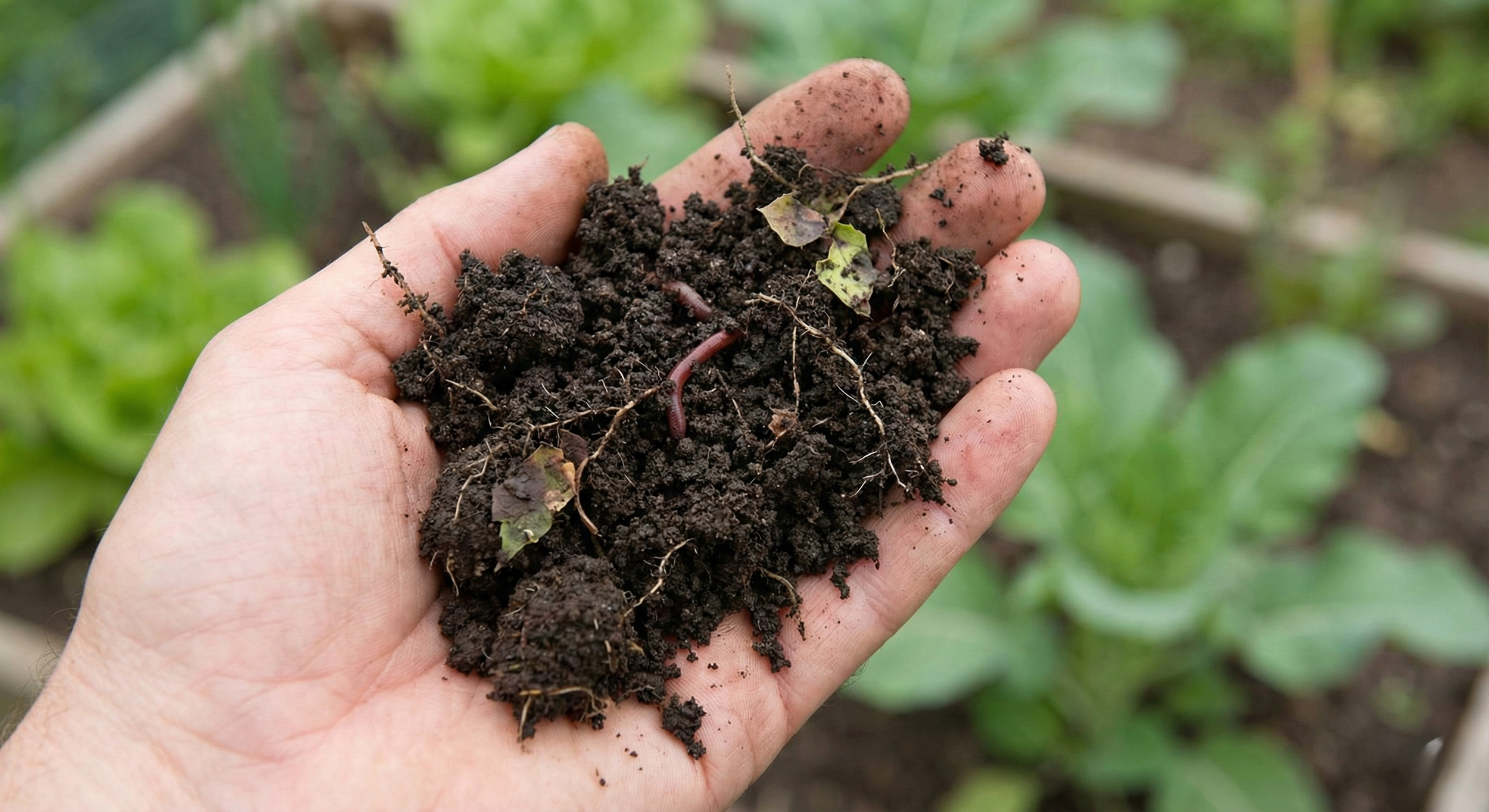
Understanding Your Soil: A Guide for Santa Cruz Gardeners
Soil is the foundation of your garden. In Santa Cruz County, we have dramatically different soil types depending on location. Coastal areas tend toward sandy, acidic soil. Inland valleys often have heavy clay. Properties under redwoods deal with acidic, often compacted forest soil. This guide helps you identify what you're working with and how to improve it for growing vegetables.
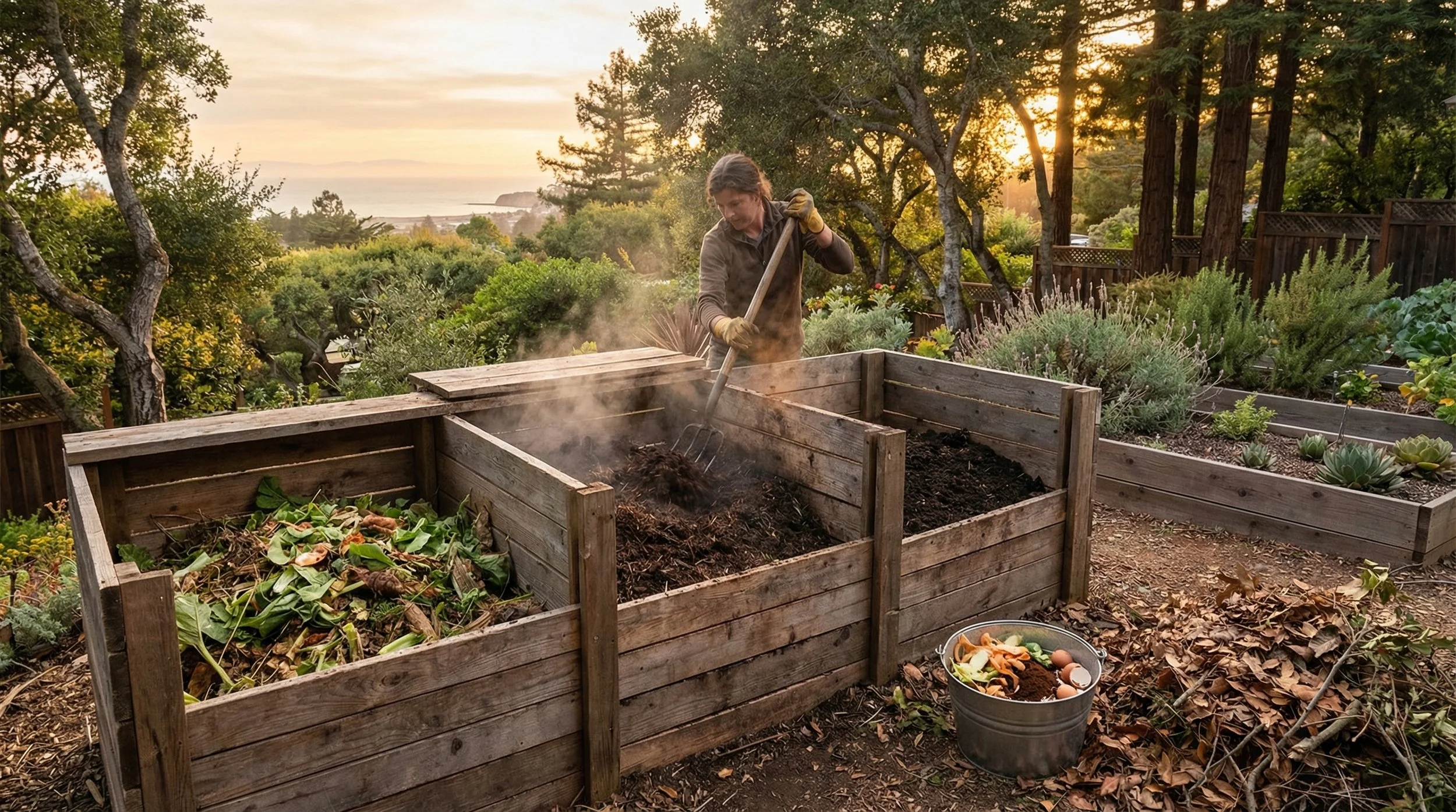
Composting 101: From Kitchen Scraps to Garden Gold
Composting turns kitchen scraps and yard waste into the best soil amendment you can get. Here is how to start, what to add, and how to troubleshoot common issues.
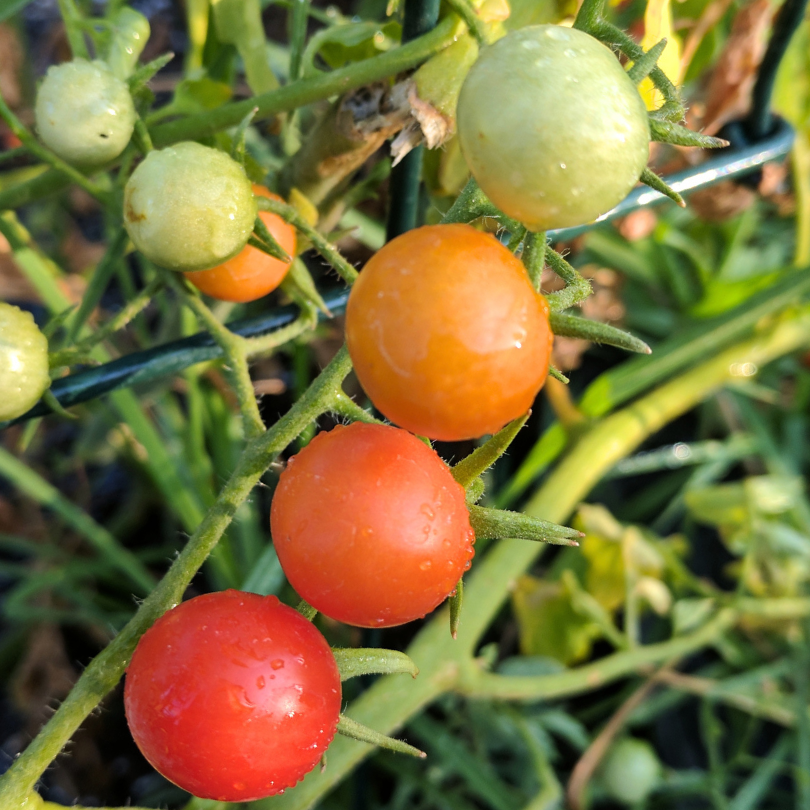
Growing Beefsteak Tomatoes in the Santa Cruz Banana Belt
If you garden in the county's warm sunny pocket, the hill belts above the fog around Soquel, Aptos, and the sunnier side of Santa Cruz, this is the page you want to read. The Banana Belt is the best place in Santa Cruz County to actually ripen a big beefsteak slicer.
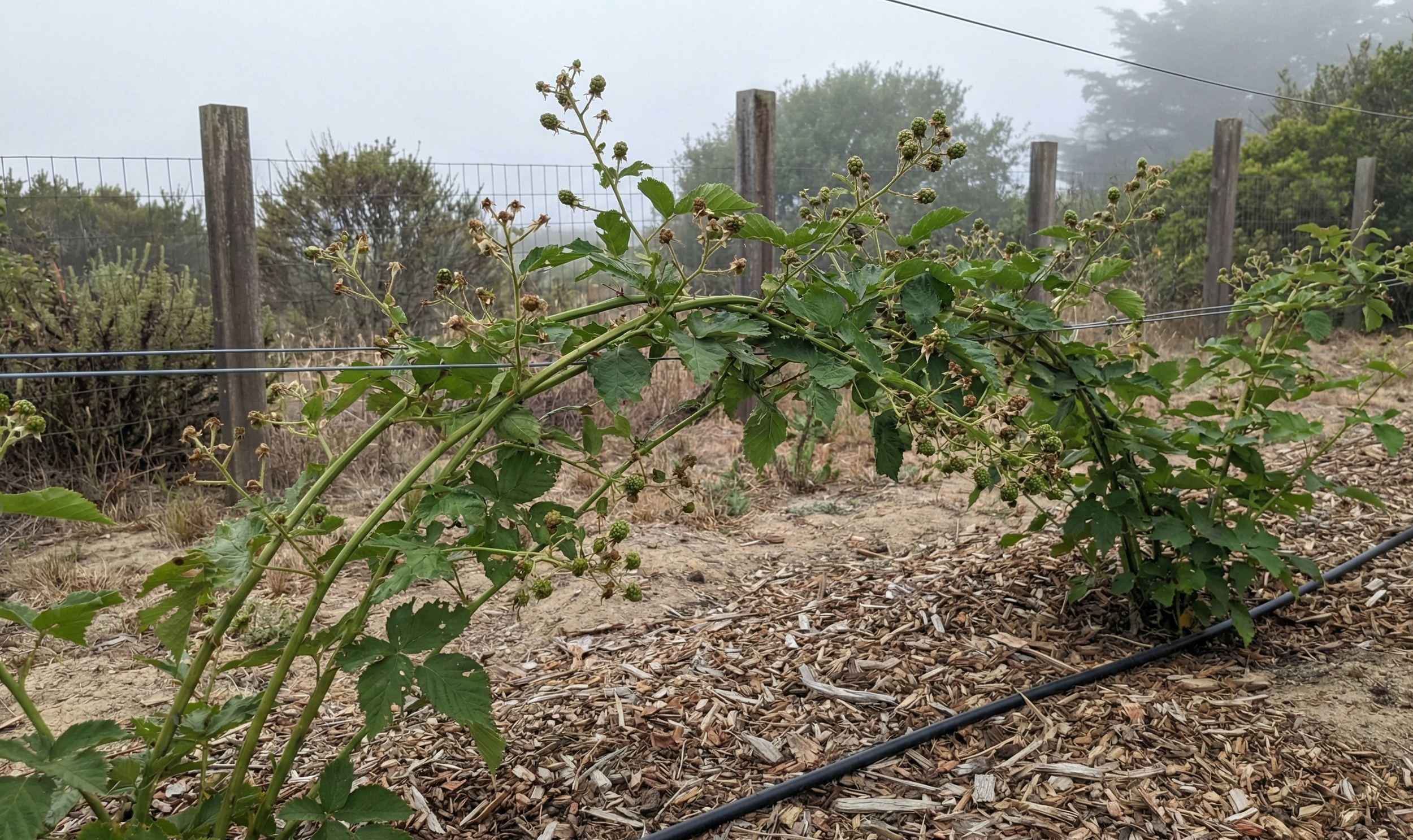
Olallieberry Care Troubleshooting Guide: Common Problems and How to Fix Them
Olallieberries love Santa Cruz's cool, foggy summers, but even healthy canes can run into mildew, fruit rots, insect outbreaks, or weird weather years that wreck a crop. This guide walks through the most common olallieberry problems local gardeners see, how to recognize them, and the simple cultural fixes that usually restore your plants. With practical solutions tested in our unique coastal climate, you'll learn to diagnose issues quickly and get your berry patch back on track.
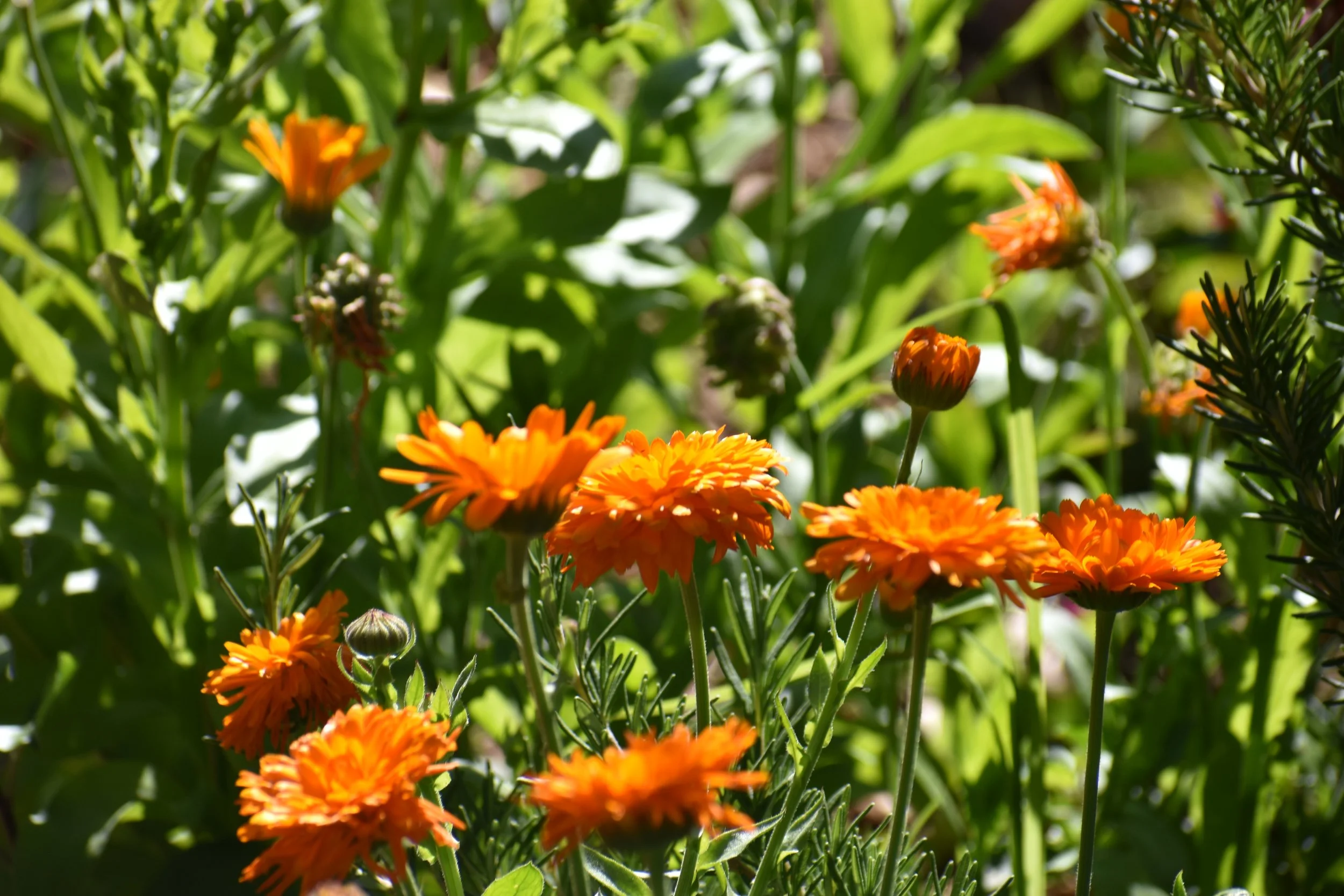
Growing Calendula in Santa Cruz: The Easiest Medicinal Flower for Your Garden
Calendula is the perfect flower for Santa Cruz gardens. It thrives in our fog, repels pests, attracts beneficials, and makes a healing salve. Here's everything you need to grow it successfully.
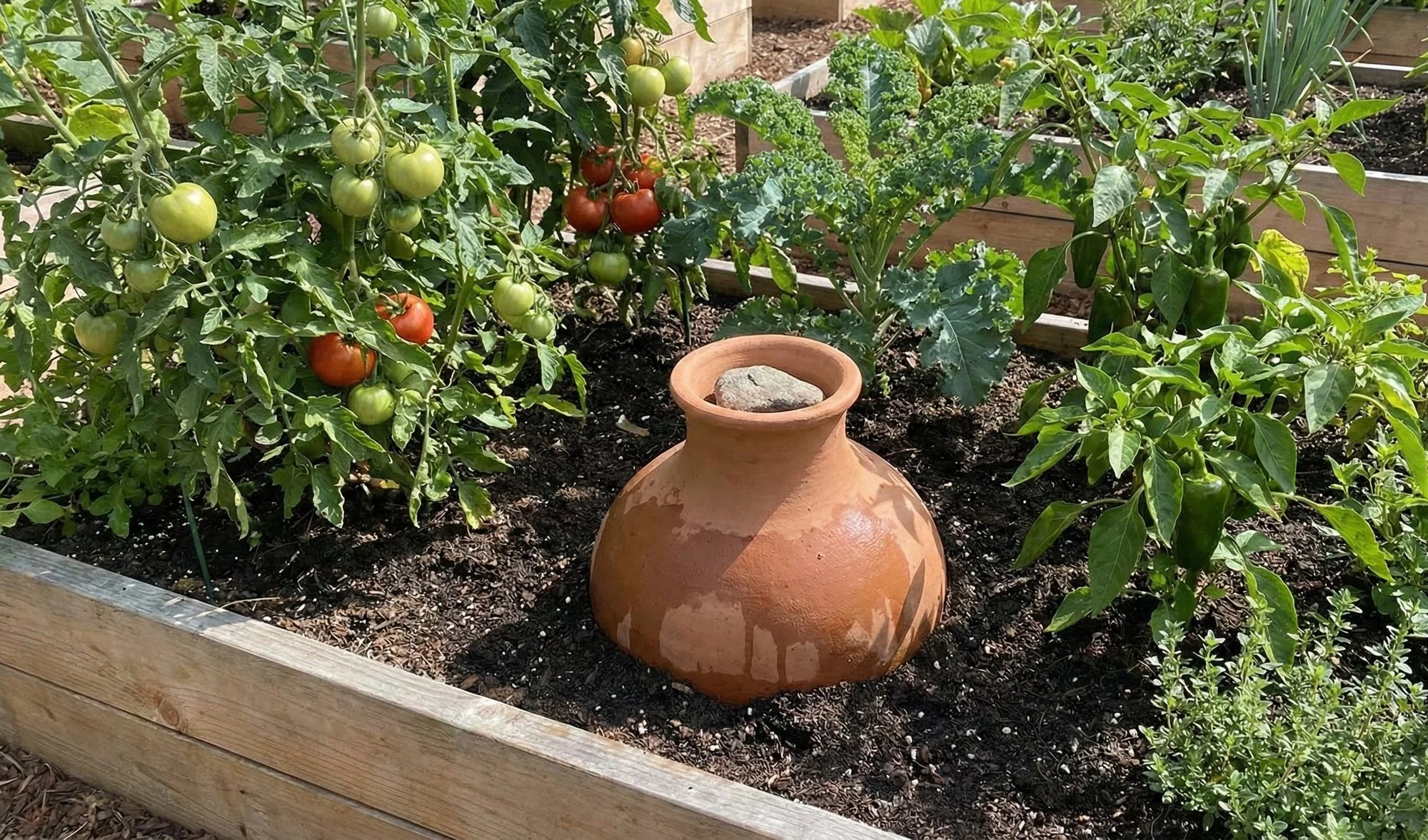
DIY Ollas: Sustainable Watering Made Simple
Ollas are unglazed clay pots buried in the soil that slowly release water directly to plant roots. They use 50 to 70 percent less water than surface irrigation.

Pruning and Training Fruit Trees in Santa Cruz County: Shape Your Trees for Better Harvests
Everything you need to know about pruning and training fruit trees in Santa Cruz County. From basic cuts and timing to espalier techniques and backyard orchard culture for small-space growing.
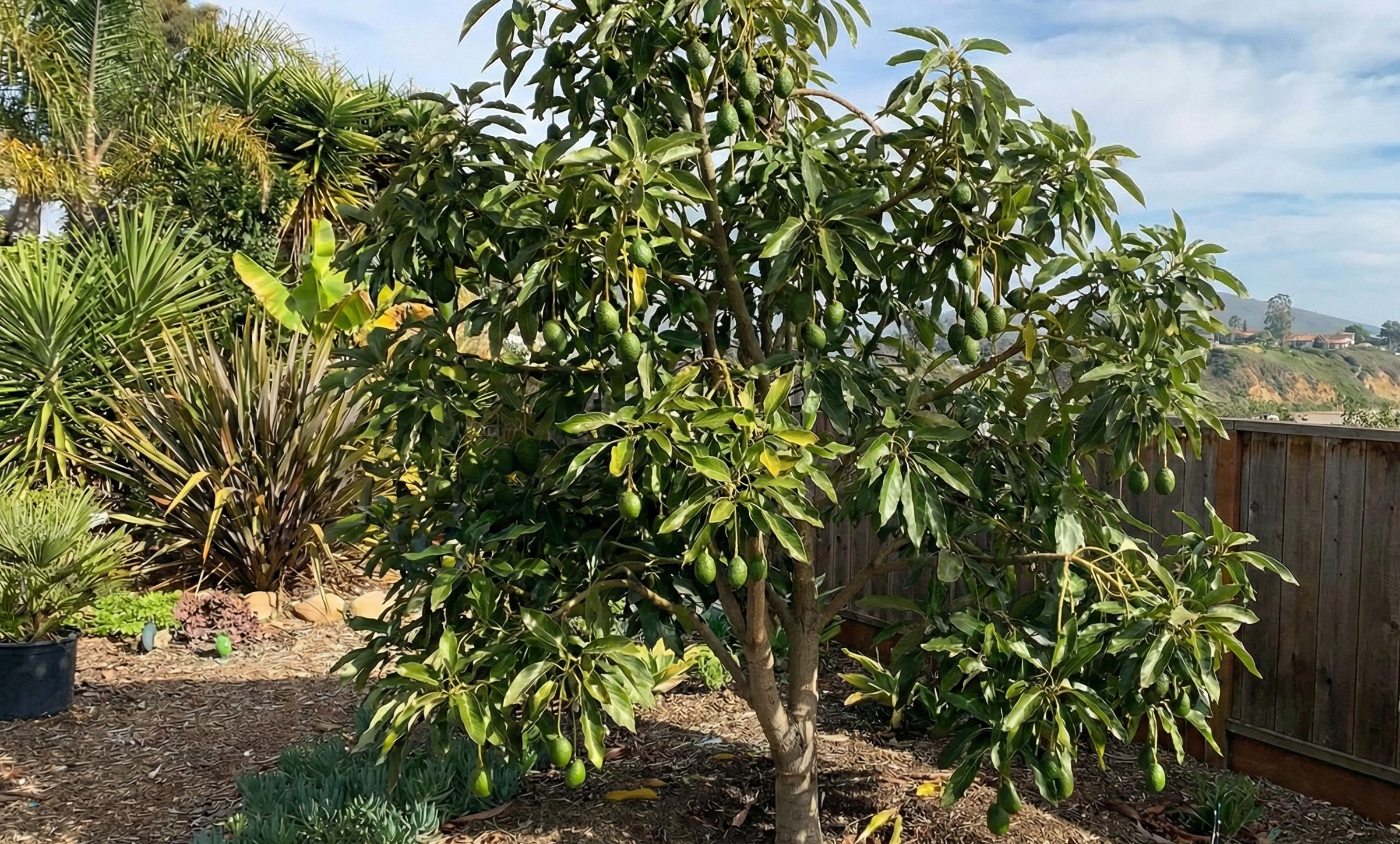
Growing Avocados in the Pajaro Valley
If you garden in the Pajaro Valley around Watsonville, you have warm summers and good soil on your side for an avocado, but you also have the valley floor's hidden risk: cold air that pools on still winter nights. Site the tree well and this is genuinely good avocado ground.
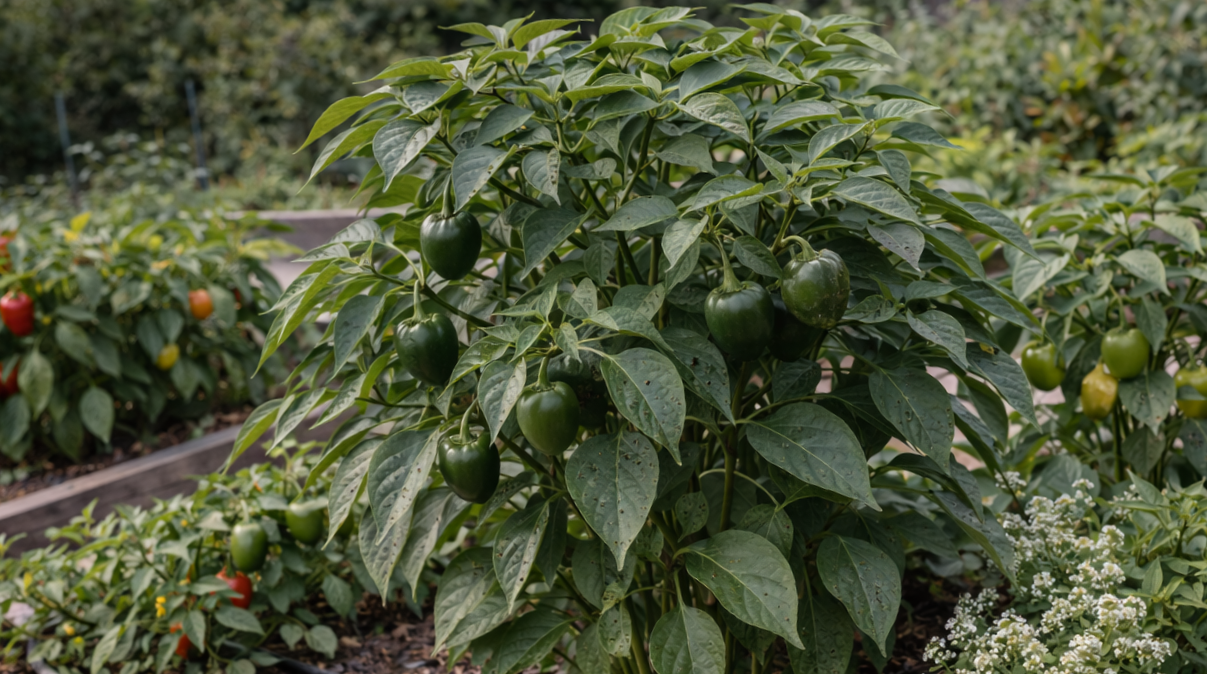
Manzano Peppers: The Hot Pepper Built for Cool Climates
Manzano peppers are uniquely suited to Santa Cruz County's mild climate. Unlike most hot peppers, they prefer cooler temperatures and can produce for years as perennials in our frost-free areas.
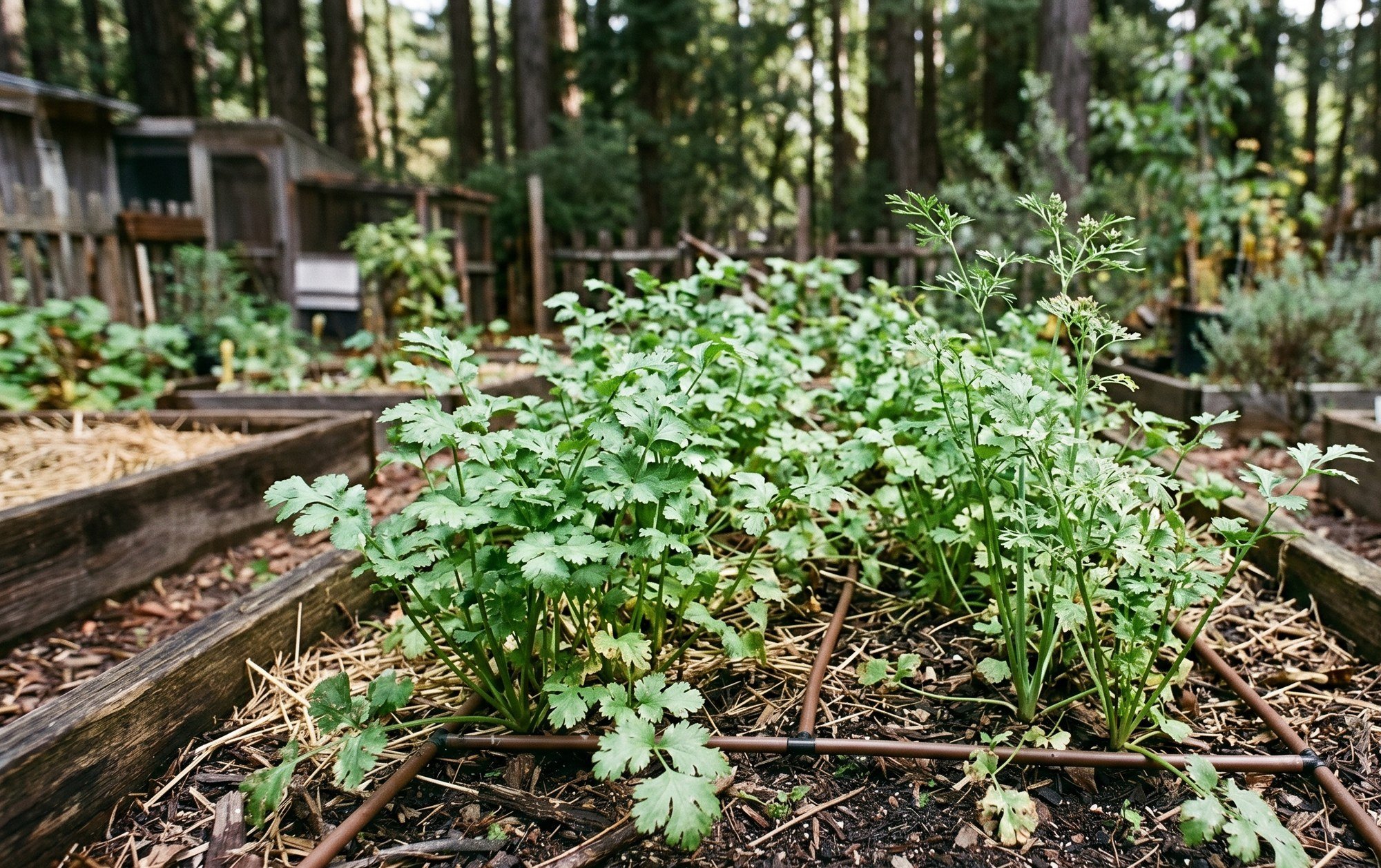
Growing Cilantro in Santa Cruz: Beat the Bolt for Longer Harvests
Cilantro is notorious for bolting at the first hint of warm weather, but Santa Cruz County's mild climate gives us advantages most gardeners don't have. With the right timing, variety selection, and succession planting, you can harvest fresh cilantro nearly year-round. Here's how to beat the bolt and keep this essential herb productive.
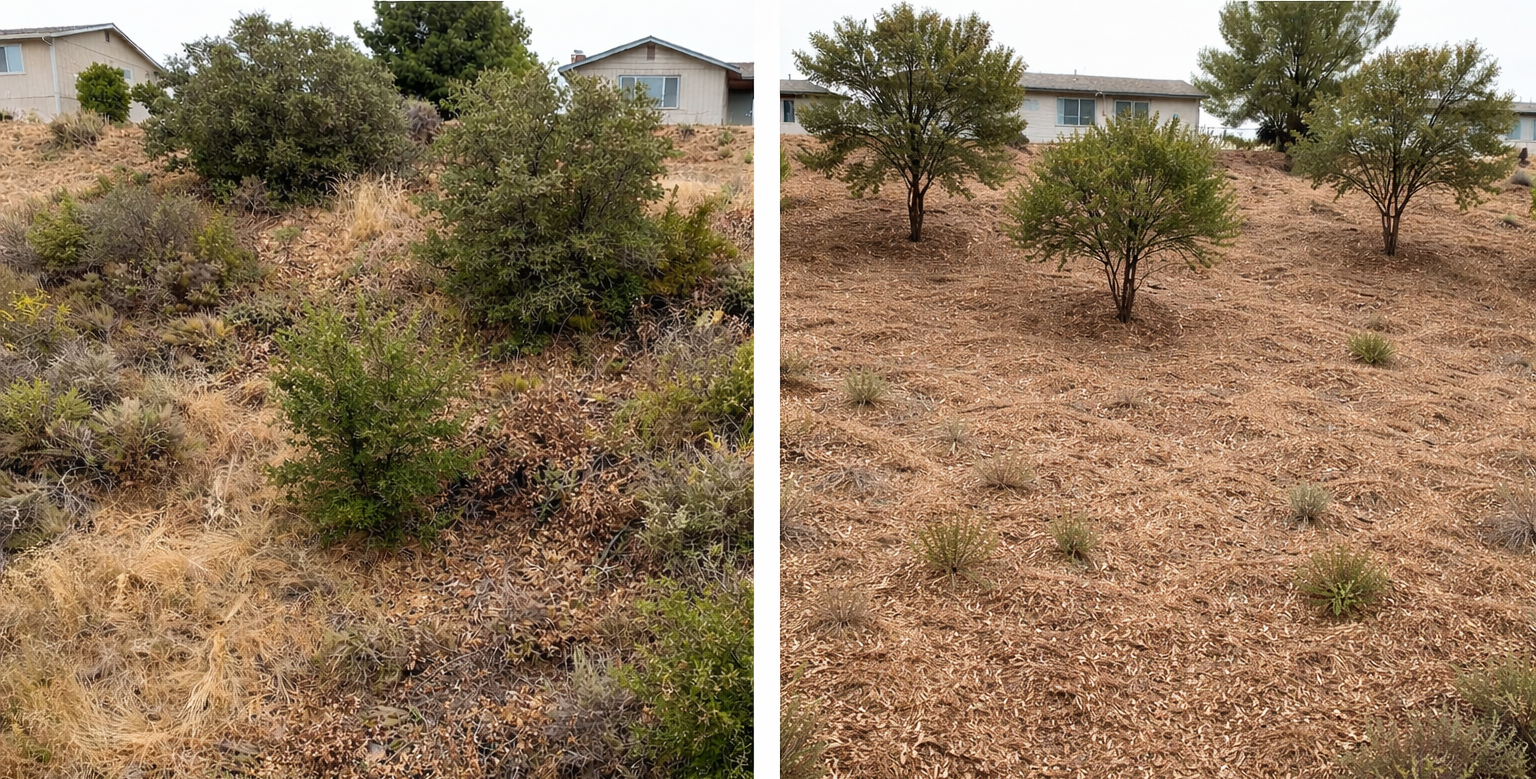
Fire-Wise Design for Slopes and Hillsides
Learn how to create defensible space on steep terrain in Santa Cruz County. Understand how fire behaves on slopes, expand your zones appropriately, and design fire-wise landscaping that balances fire safety with erosion control. Essential guide for Boulder Creek, Ben Lomond, Bonny Doon, and other hillside communities.
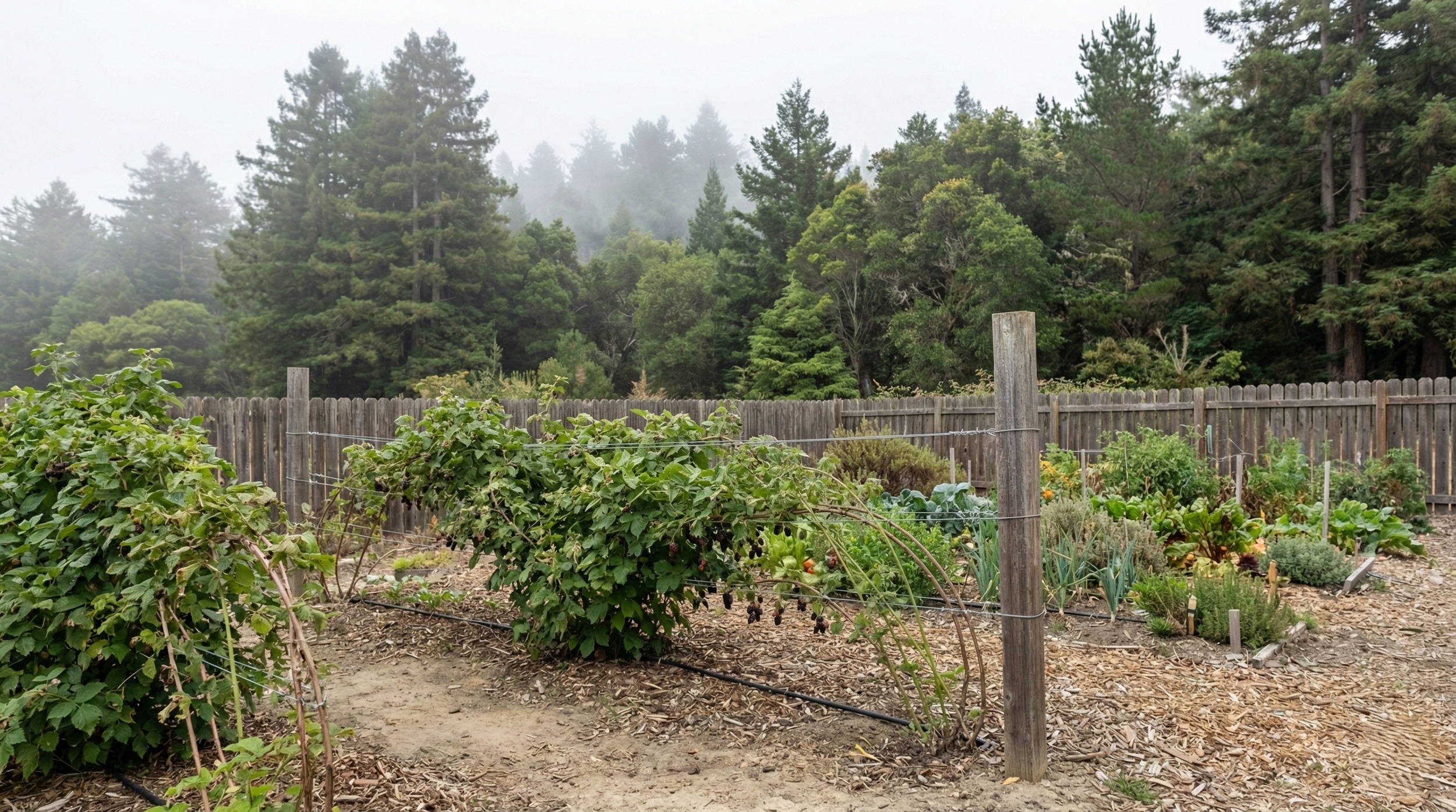
How to Plant and Care for Olallieberries: A Year-Round Guide
Step-by-step olallieberry planting and care for California gardens. Trellising, pruning, watering schedules, and a year-round maintenance calendar for Santa Cruz County.

How Much Do I Really Need to Water My Garden in Spring in Santa Cruz County?
Spring is when Santa Cruz County shifts from rain-fed to irrigation-dependent. Learn when to start watering again based on your microclimate, soil type, and what the local climate data tells us.
Growing Avocados in the Santa Cruz Coastal Fog Belt
If you garden in the foggy coastal band from Santa Cruz through Aptos and Capitola, you can grow an avocado, but only if you let go of the Hass dream and plant the right cold-hardy variety. This is the honest, marginal end of avocado country, and choosing well makes all the diffe
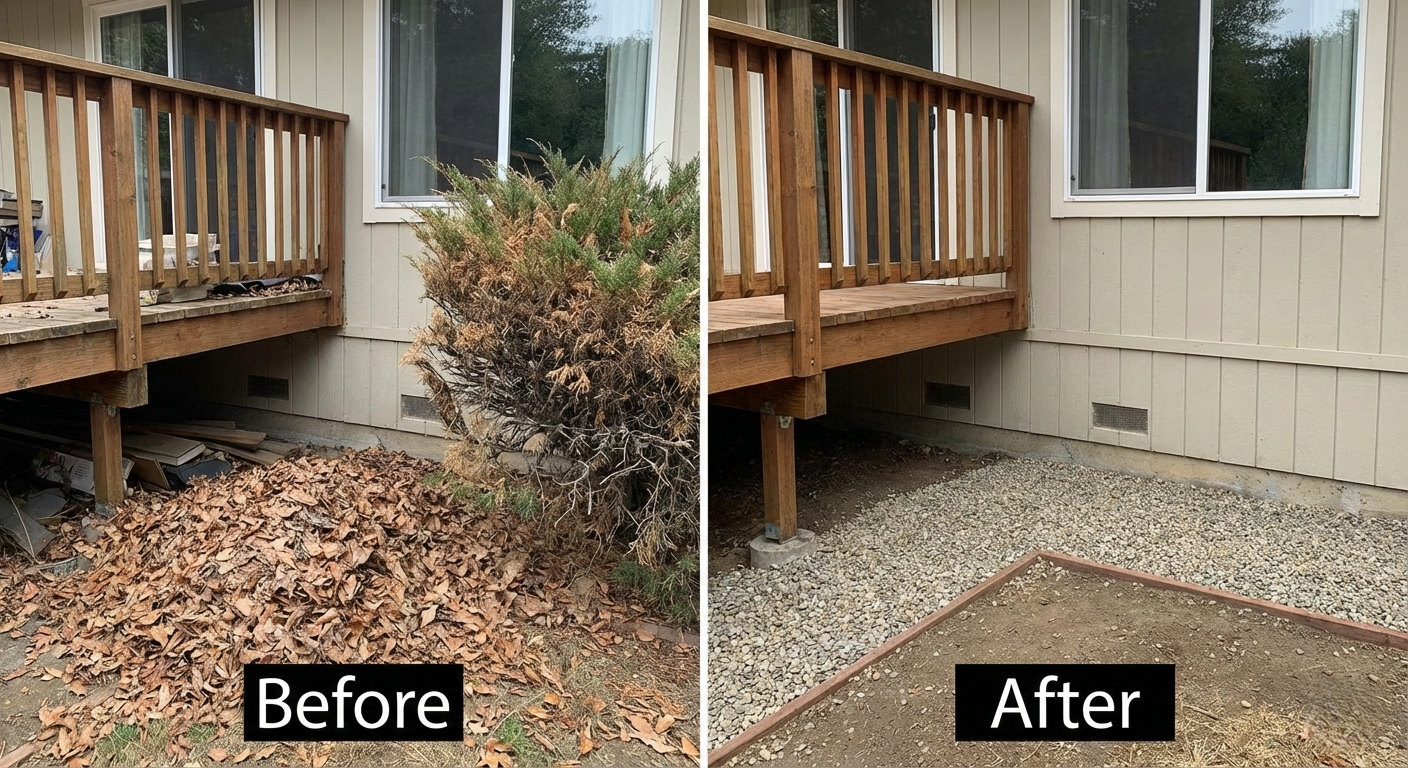
Zone 0 Makeover: Creating an Ember-Resistant Space Around Your Home
The first 5 feet around your home is where wildfire battles are won or lost. Learn how to create an ember-resistant Zone 0 with hardscape, gravel, and fire-safe plants for Santa Cruz County homes.
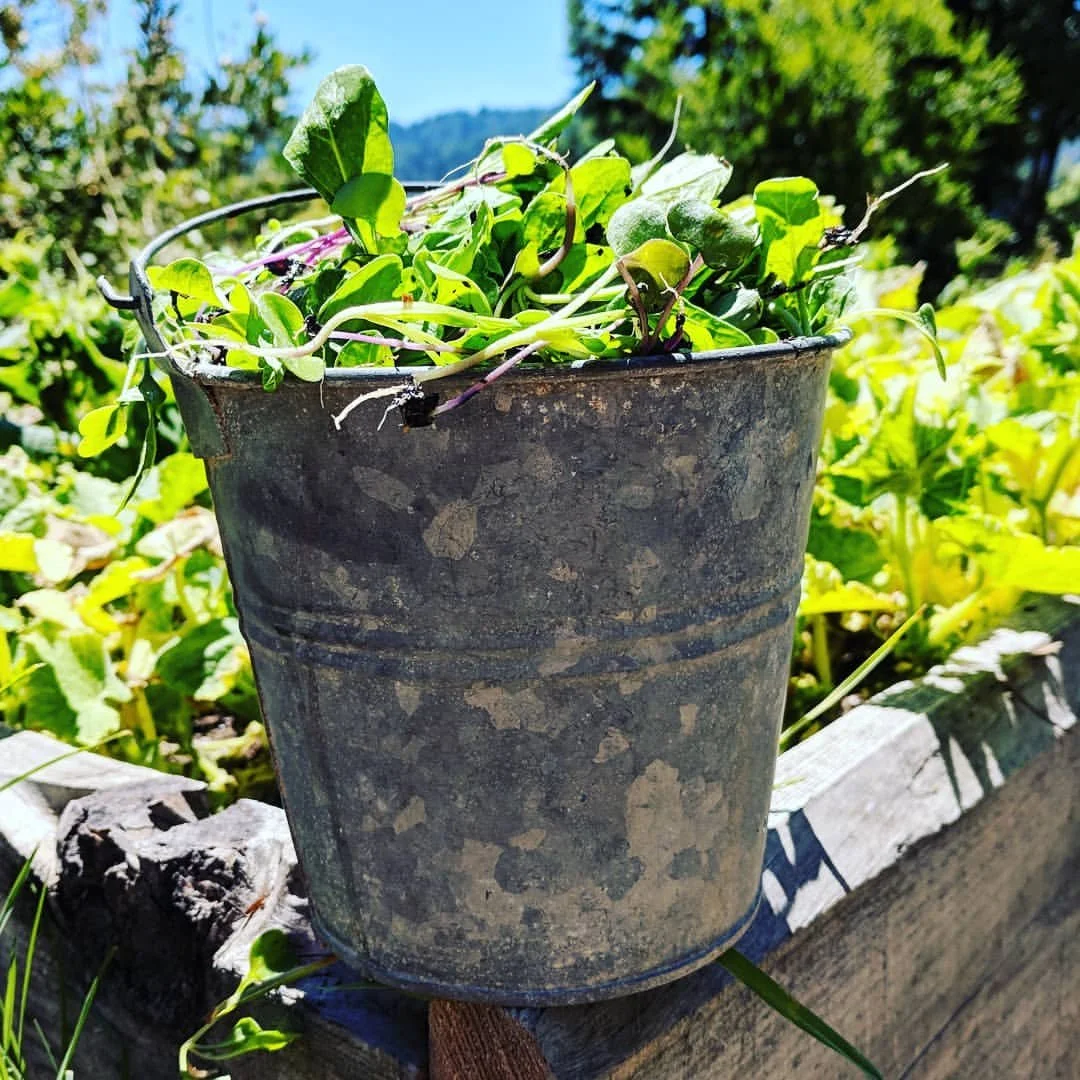
Best Microgreen Varieties to Grow at Home: Flavor, Nutrition, Ease
Discover the best microgreen varieties for flavor, nutrition, and ease. Includes days to harvest, seed density, taste profiles, and beginner-friendly picks.
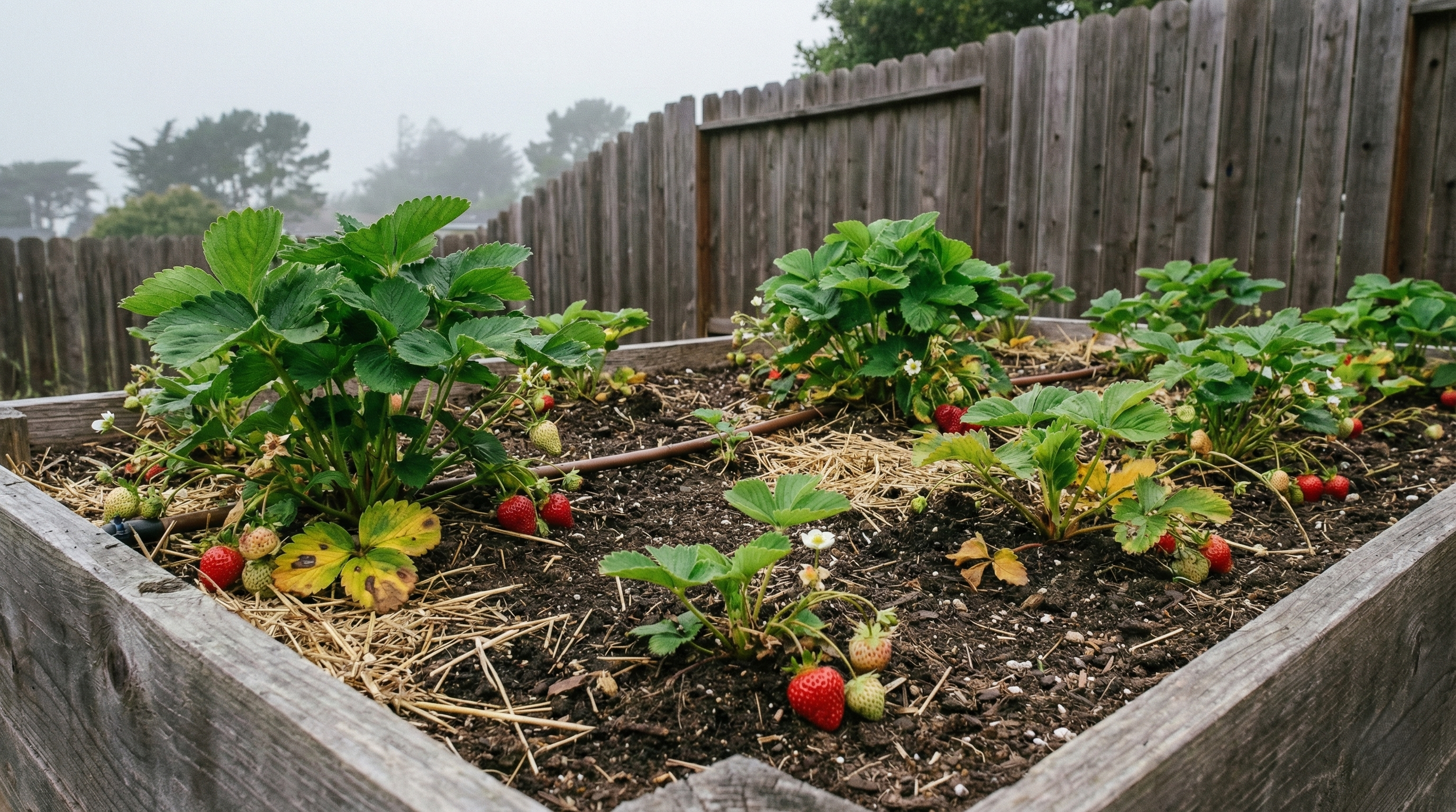
Reviving Your Strawberry Patch After Harsh Weather
Santa Cruz County's mild climate usually treats strawberries well, but extreme weather happens. This guide covers how to assess damage after frost, heat waves, or waterlogging, provide emergency care, and help your strawberry plants recover. Includes specific advice for coastal versus inland gardens and guidance on when to keep trying versus when to start fresh.
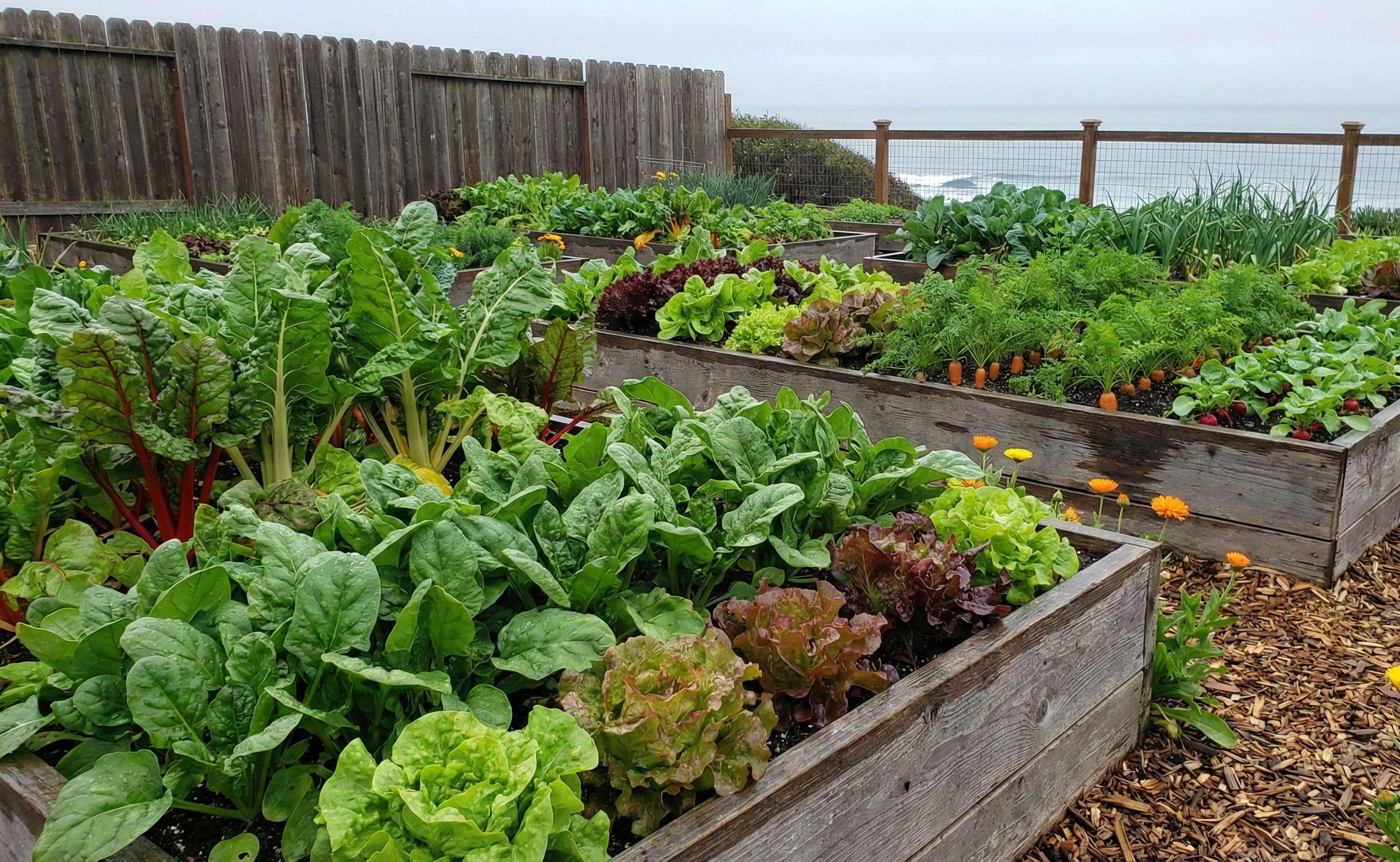
Gardening in Coastal Aptos & Capitola: Working with Fog and Stable Temperatures
Coastal Santa Cruz County offers year-round growing with fog, stable temperatures, and almost no frost. Learn which crops thrive and which to skip in Aptos, Capitola, Live Oak, and the Santa Cruz beaches.

Raised Bed Gardening in the Bay Area: Start Here
Raised beds solve Santa Cruz County's biggest gardening challenges: clay soil, gophers, and poor drainage. Learn how to build, fill, and maintain beds that will produce for years.
Growing Avocados in the Santa Cruz Banana Belt
If you garden in the county's warm thermal belt above the fog, you have the one Santa Cruz microclimate where avocados genuinely make sense. The extra winter warmth and rare hard frost are exactly what this frost-sensitive tree needs to survive and crop.