


Fire-Resistant Fruit Trees for Santa Cruz Gardens
Growing fruit trees in fire-prone areas of Santa Cruz County requires thoughtful selection. Learn which fruit trees offer fire resistance, where to plant them within defensible space zones, and how to maintain them for both safety and productivity.
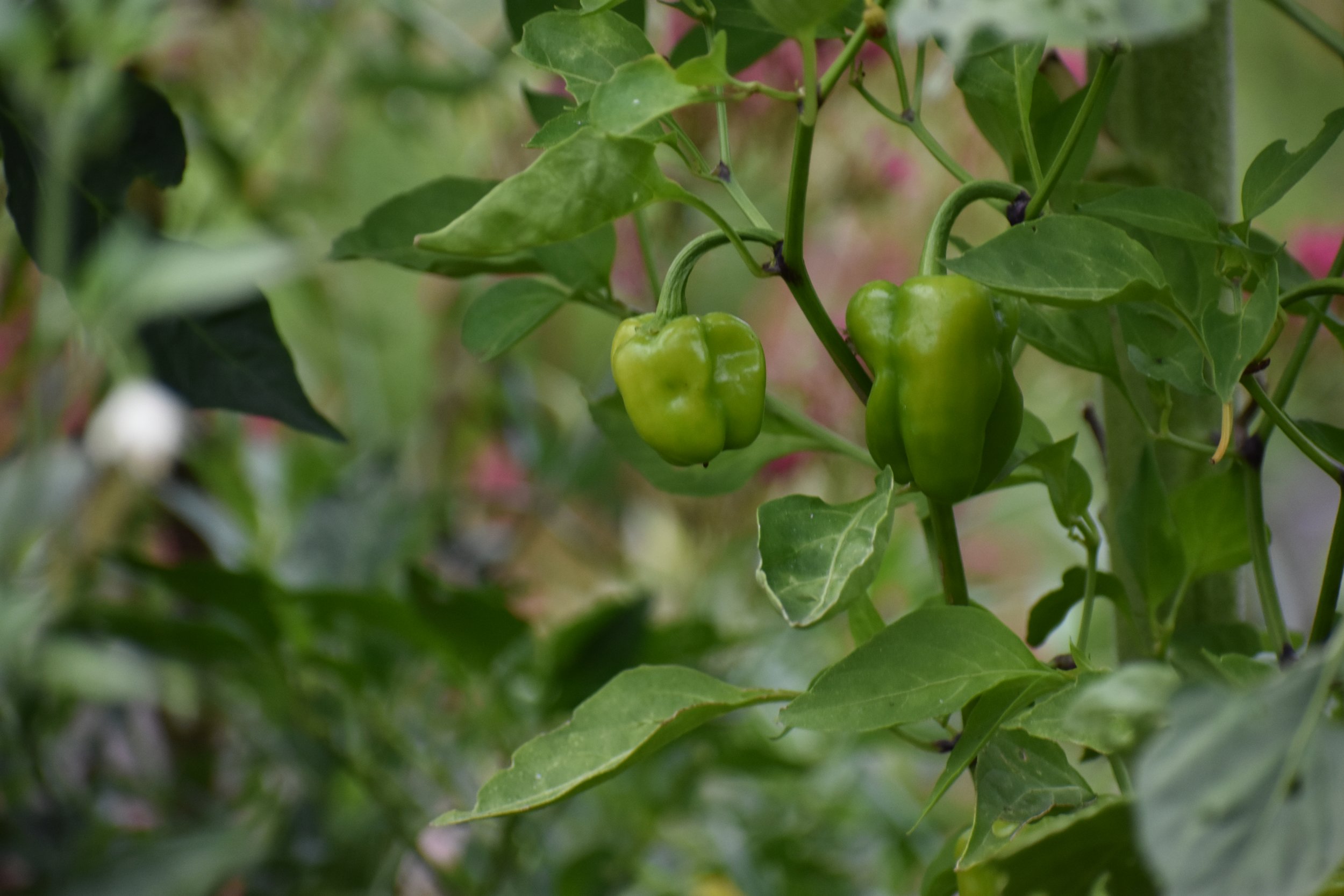
Growing Sweet Peppers in Santa Cruz County: The Varieties That Actually Succeed
Sweet peppers are notoriously challenging in Santa Cruz County's cool climate, but the right variety choices and growing strategies make all the difference. This guide covers which sweet peppers actually succeed here, from quick-maturing mini bells to fog-tolerant Italian frying types, plus the microclimate strategies that turn pepper frustration into abundant harvests.
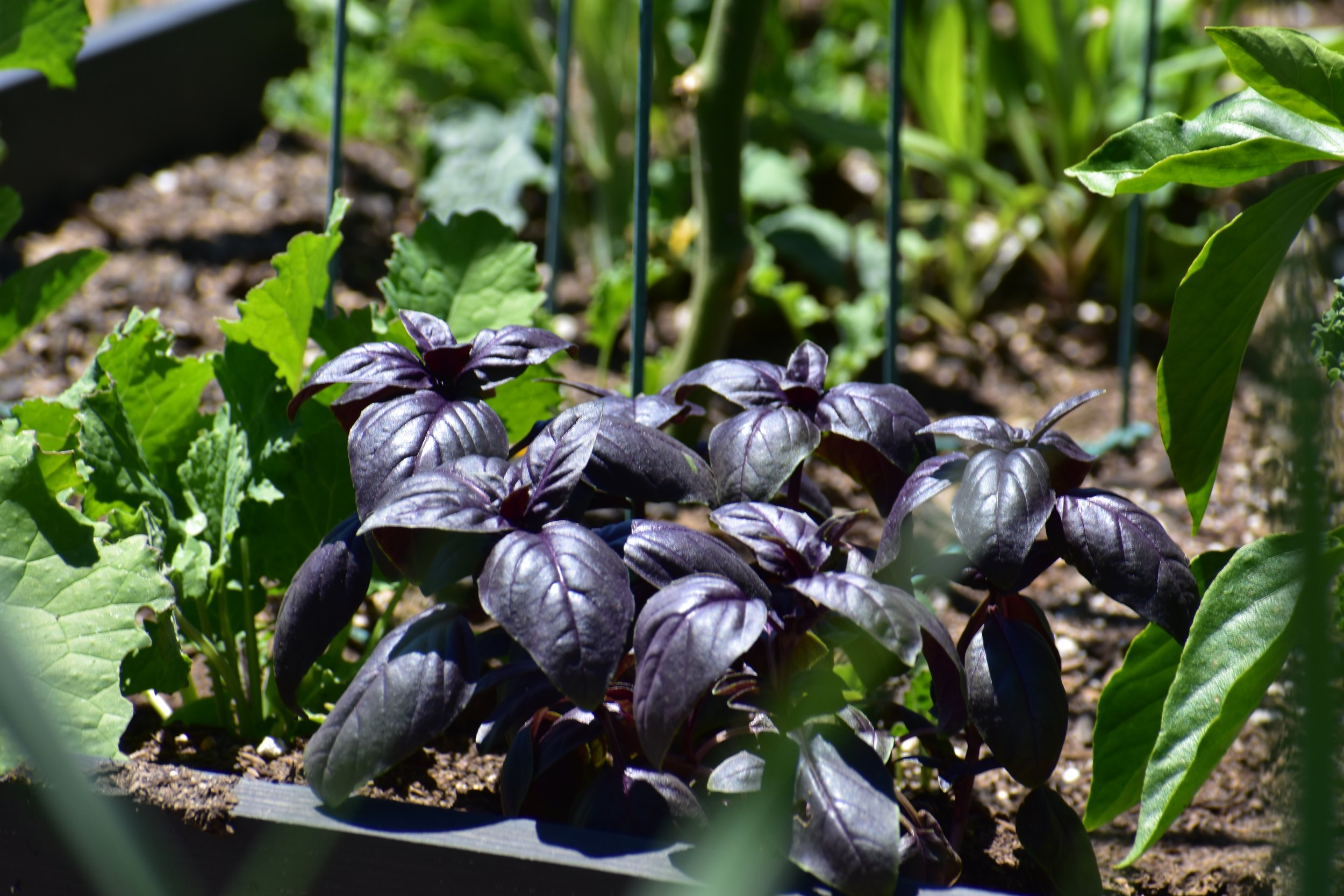
Preventing Basil from Bolting in Santa Cruz: Keep Your Plants Bushy and Productive
Nothing ends a basil harvest faster than bolting. Once those flower spikes appear, leaves turn bitter and production slows. The good news is that bolting is largely preventable. This guide explains why basil bolts in Santa Cruz County's variable climate and shares proven techniques to keep plants producing tender leaves all season long.
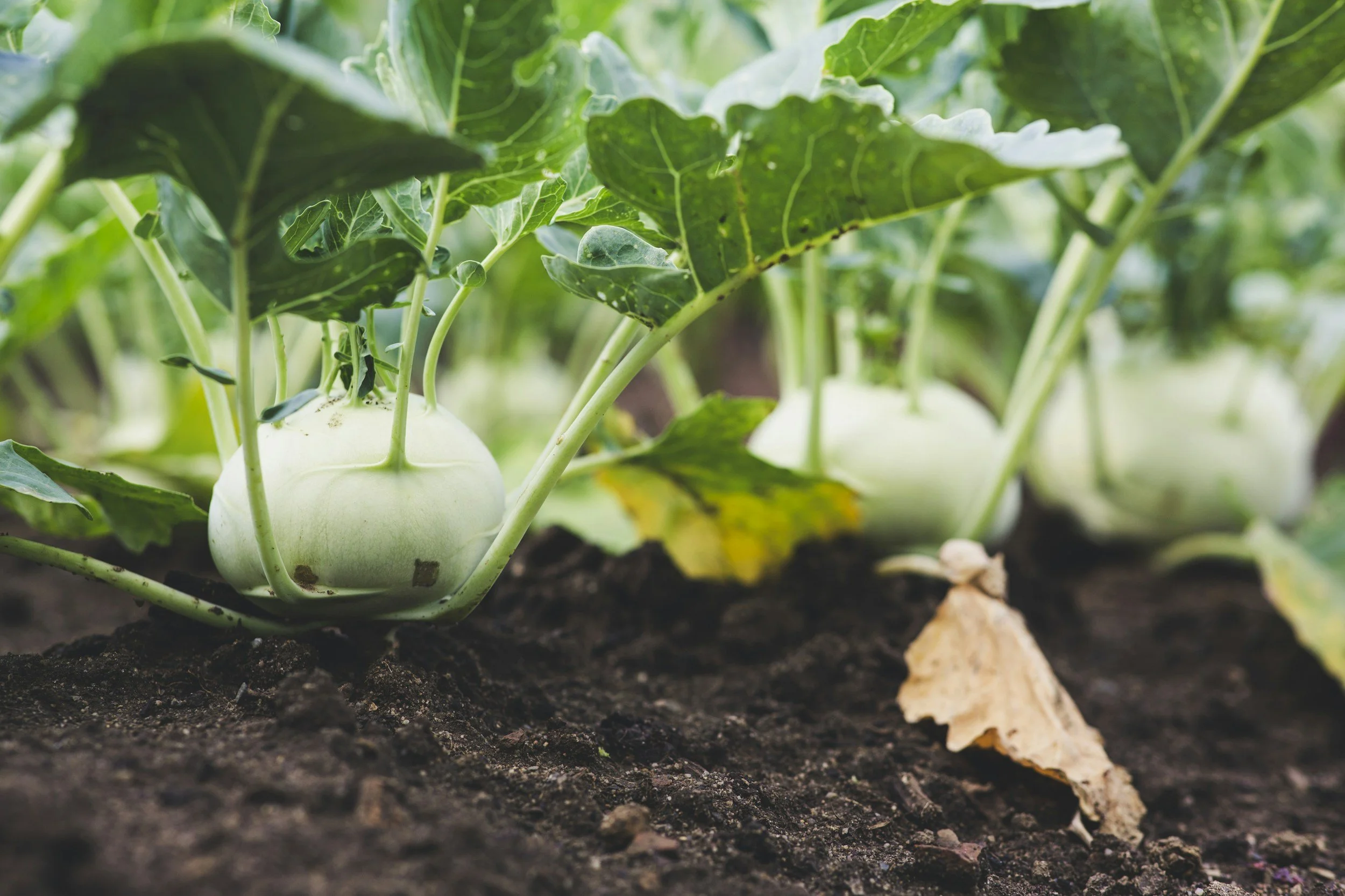
Growing Kohlrabi in Santa Cruz County: Cool-Season Crop Guide
Kohlrabi is a cool-season brassica that thrives in Santa Cruz County's mild climate. Learn when to plant, which varieties to grow, and how to harvest this crisp, mild vegetable.

Pepper Problems in Santa Cruz County: Troubleshooting Guide
When your pepper plants flower beautifully but never set fruit, or your peppers stay stubbornly green well into fall, the culprit is usually our cool Santa Cruz County climate. This troubleshooting guide covers the most common pepper problems, why they happen here specifically, and what you can actually do about them.
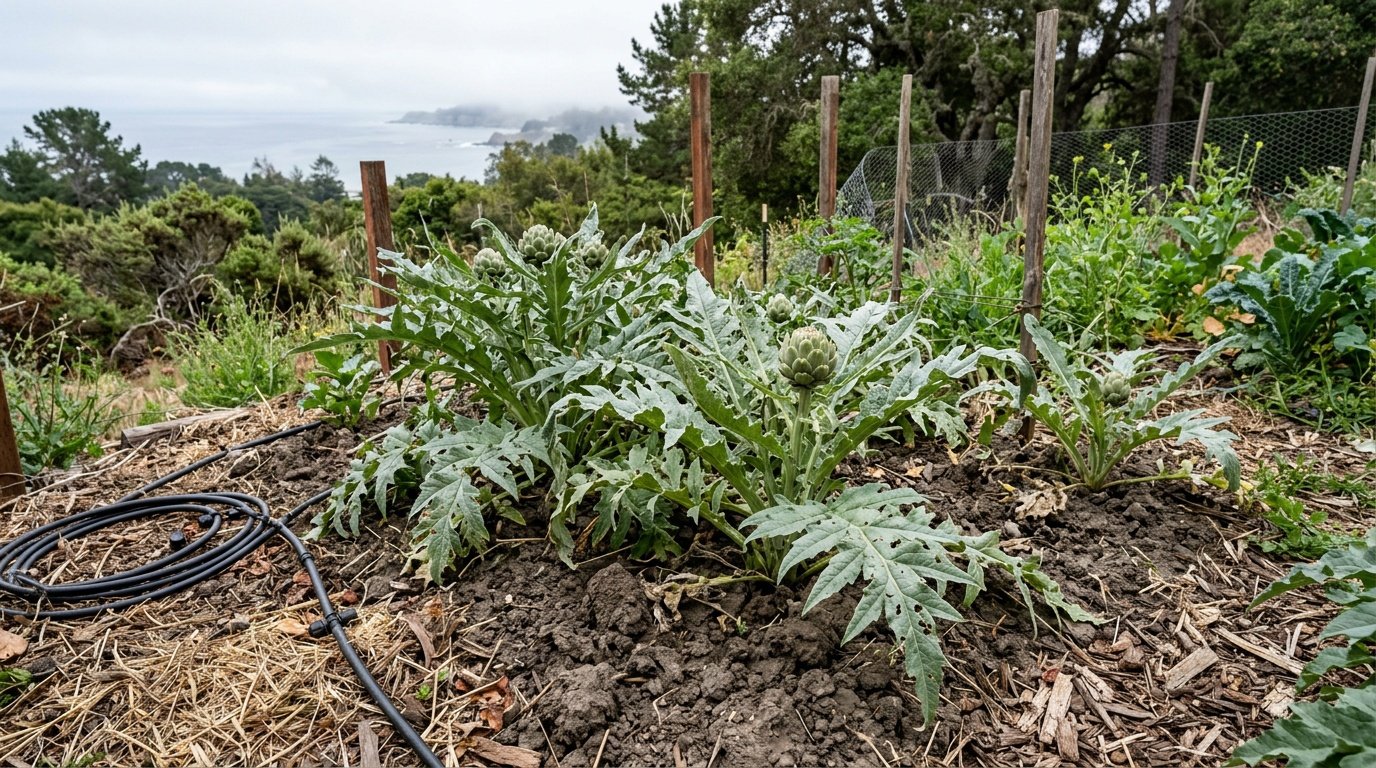
Growing Artichokes in the Pajaro Valley
If you garden in the Pajaro Valley around Watsonville, you are growing on some of the richest farm soil in California, in a valley that opens to the same Monterey Bay marine air that makes this region the artichoke capital of the country. For artichokes, that is a genuinely good
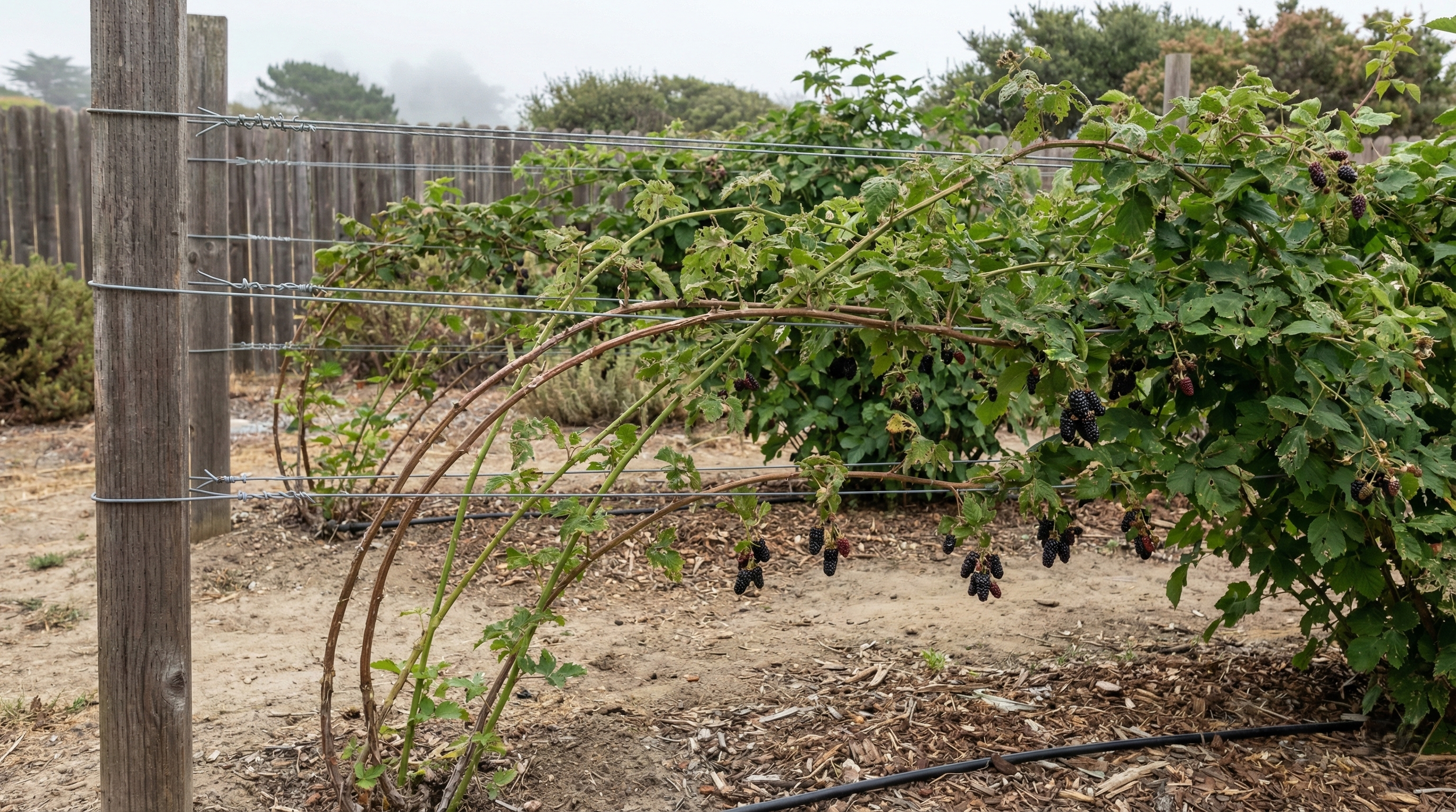
Growing Olallieberries in Santa Cruz County: Your Guide to California's Favorite Pie Berry
Learn how to grow olallieberries in Santa Cruz County, where these California pie berries thrive. Planting tips, trellising, harvest timing, and local farm connections.
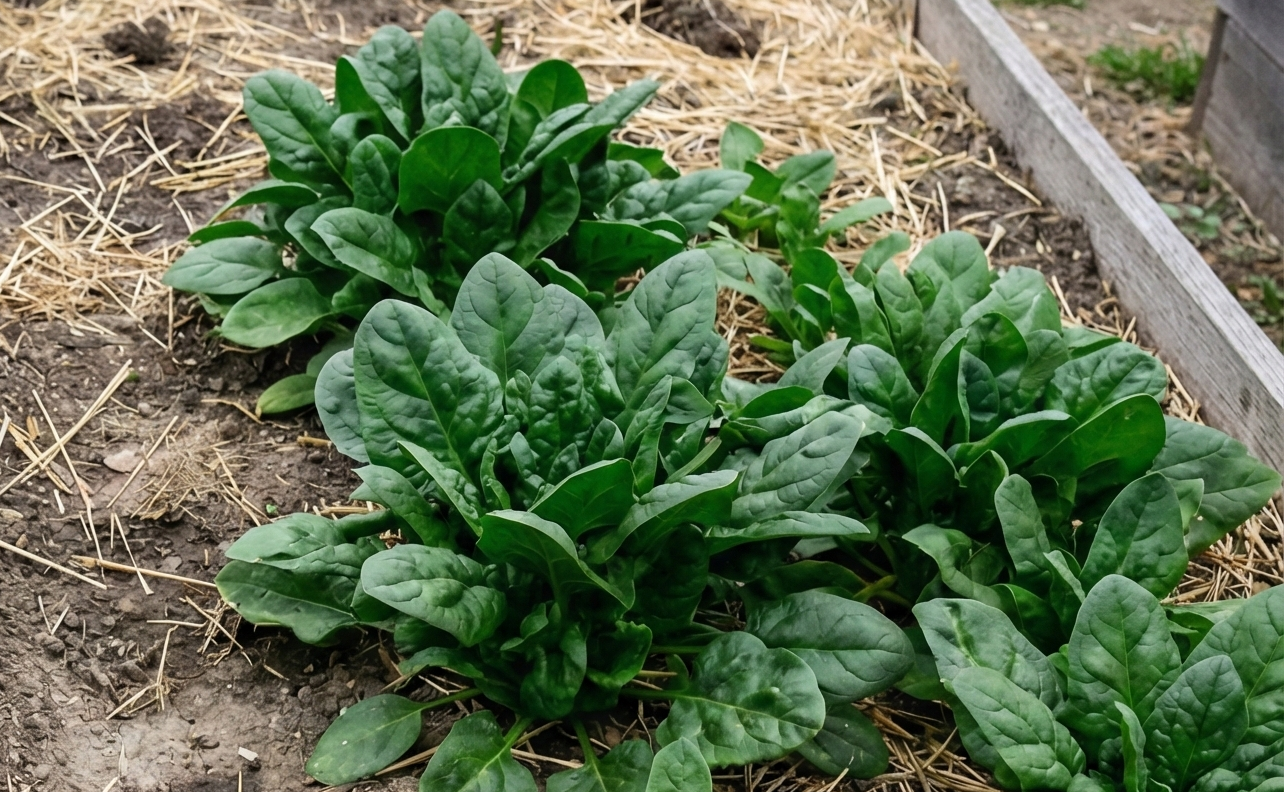
Growing Spinach in Santa Cruz (and Why It Bolts)
Learn why spinach bolts and how to grow it successfully in Santa Cruz County. Best varieties, planting times, and alternatives when spinach gives up.
Growing Artichokes in the Santa Cruz Coastal Fog Belt
If you garden in the cool coastal fog belt of Santa Cruz County, the immediate coast through Santa Cruz, Live Oak, and the foggy stretch toward Aptos, you are sitting on the single best artichoke climate in the United States. This is the page where the answer is an easy yes.
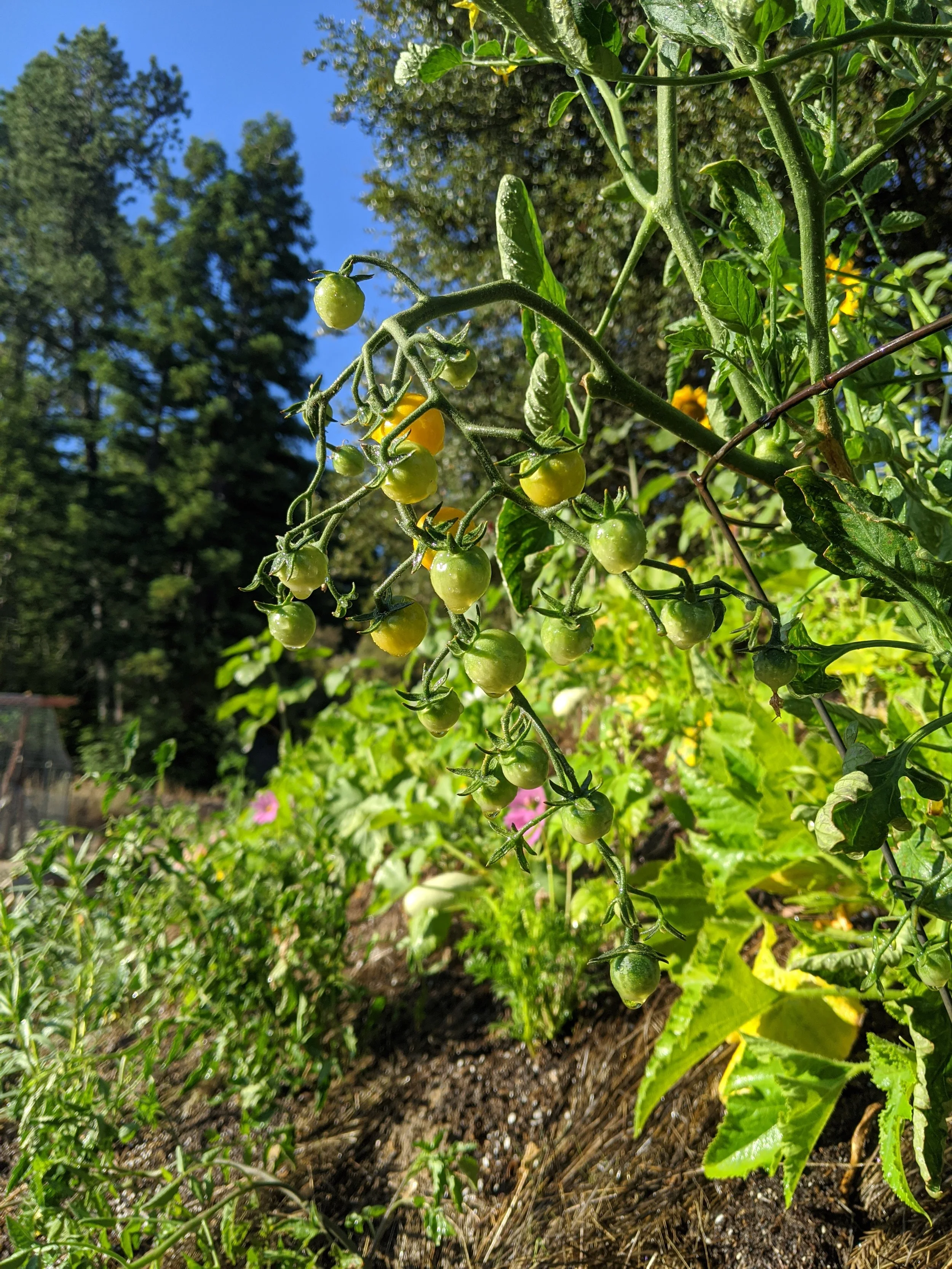
Tomato Fertilizing and Soil Preparation for Santa Cruz County
Learn how to prepare soil and fertilize tomatoes in Santa Cruz County. Local soil types, compost tips, and when to fertilize for best results.
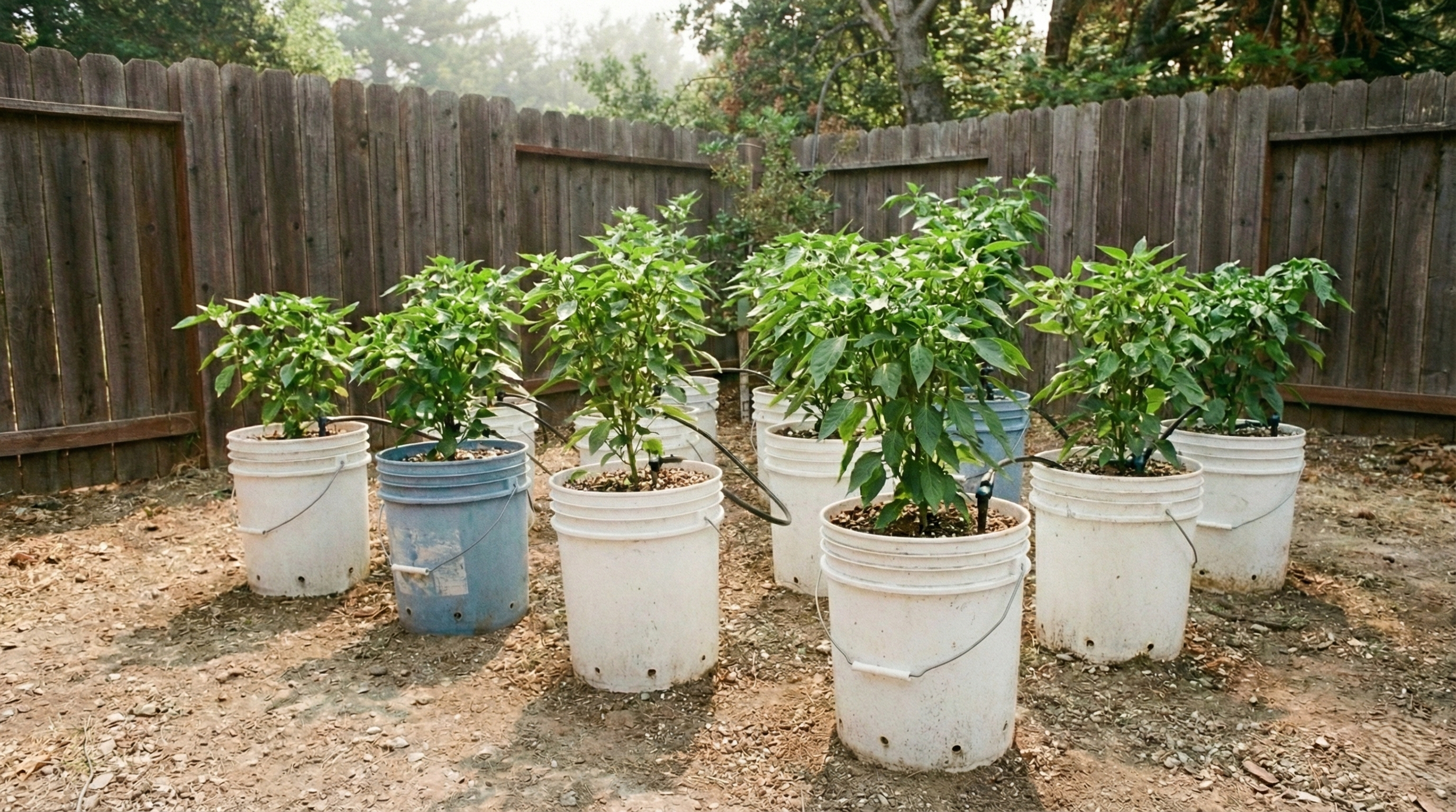
Growing Peppers in Containers in Santa Cruz County: The Mobility Advantage
Container growing is the secret weapon for pepper success in Santa Cruz County's challenging microclimates. The ability to move plants to chase sun, protect them from cold nights, and warm soil faster can transform your pepper harvest, especially in coastal and foggy areas where in-ground peppers struggle.
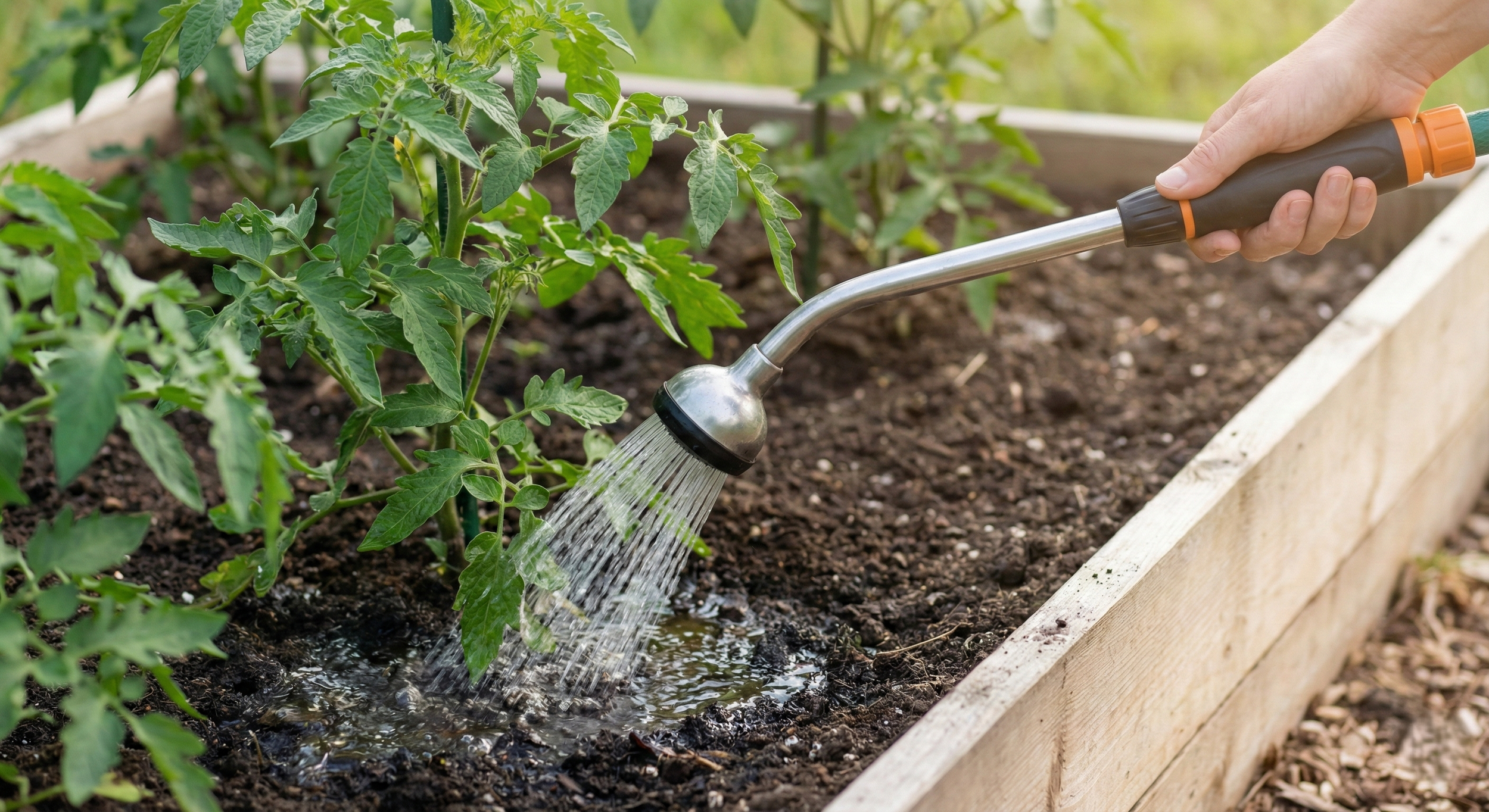
Watering Basics: How Much, How Often, and When
Watering is the most important garden task in Santa Cruz County's dry summers. Learn how much, how often, and when to water vegetables for healthy plants and abundant harvests year-round.
Growing Artichokes in the Santa Cruz Banana Belt
If you garden in the county's warm Banana Belt, the sunnier hill pockets above the fog around Soquel, Aptos, and the warmer side of Santa Cruz, artichokes are a solid, productive crop for you. You give up a little of the coast's perfect cool, but you gain warmth and earlier growt
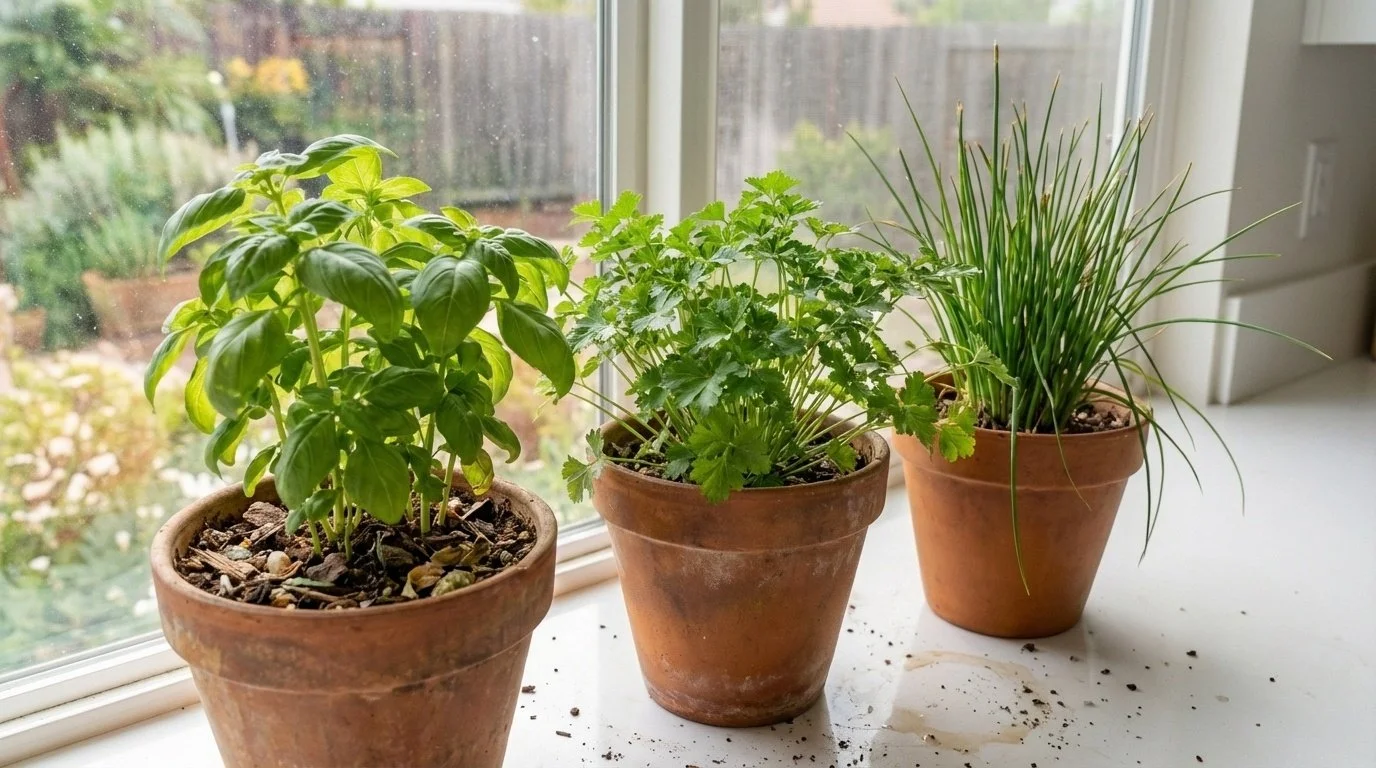
Growing Herbs on Your Windowsill in California: What Actually Thrives Indoors
Honest guide to growing herbs indoors on a California windowsill. What thrives, what struggles, grow light tips for fog belt homes, and how to transition outdoors.

Starting Tomatoes from Seed in Santa Cruz County
Learn when and how to start tomato seeds for Santa Cruz County's coastal climate. Timing guide, setup tips, and variety recommendations for local conditions.

Gardening in the San Lorenzo Valley: Sunny Ridges vs. Shaded Canyons
The San Lorenzo Valley has two distinct growing zones: hot sunny ridges where tomatoes thrive through November, and cool shaded canyons where lettuce grows all summer. Learn what works where.
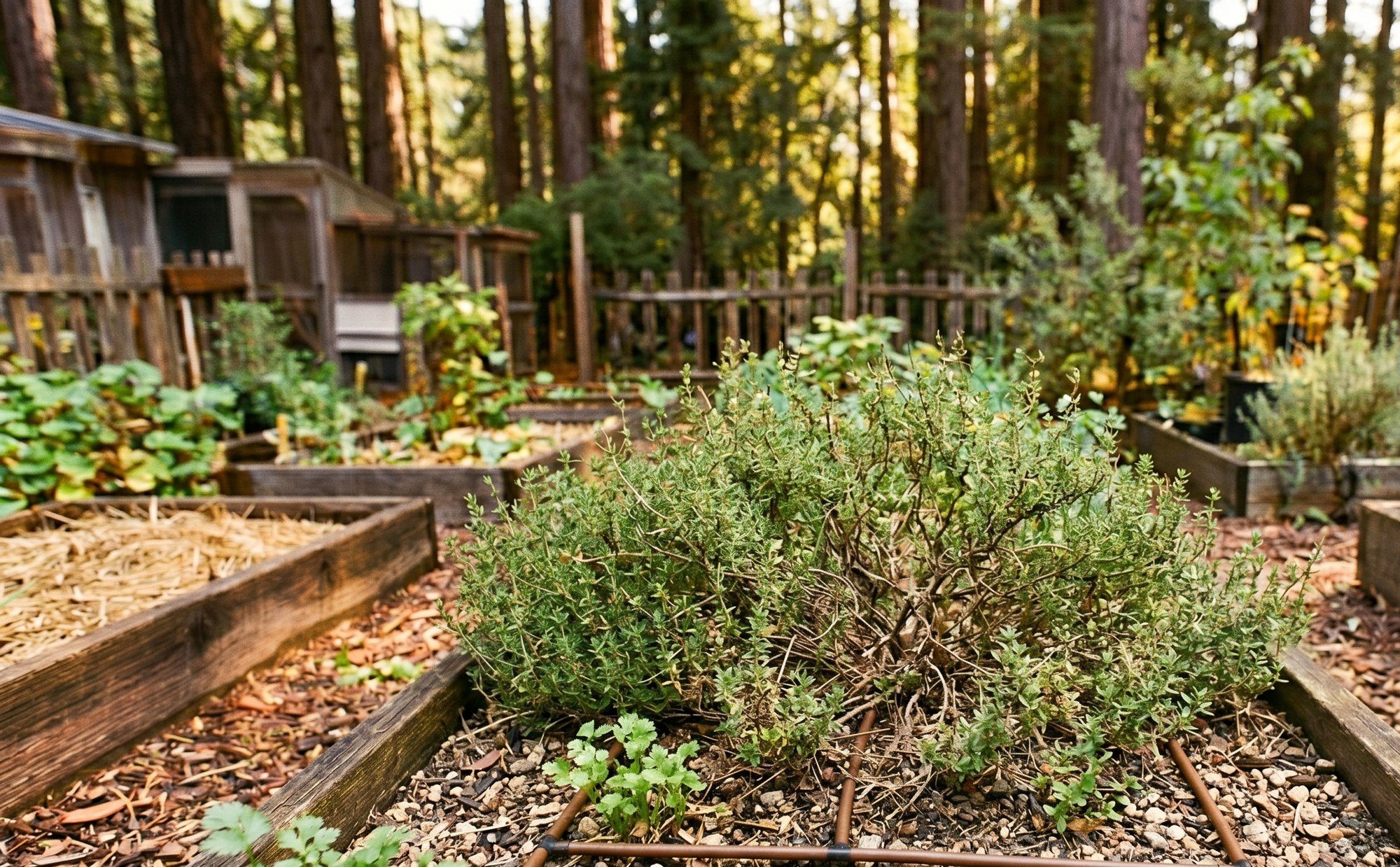
Growing Thyme in Santa Cruz: Varieties, Care, and Culinary Uses
Thyme is a Mediterranean herb that feels right at home in Santa Cruz County gardens. With dozens of varieties offering different flavors, growth habits, and ornamental qualities, there's a thyme for every garden and every cook. This guide covers everything from variety selection to harvest techniques for our local growing conditions.
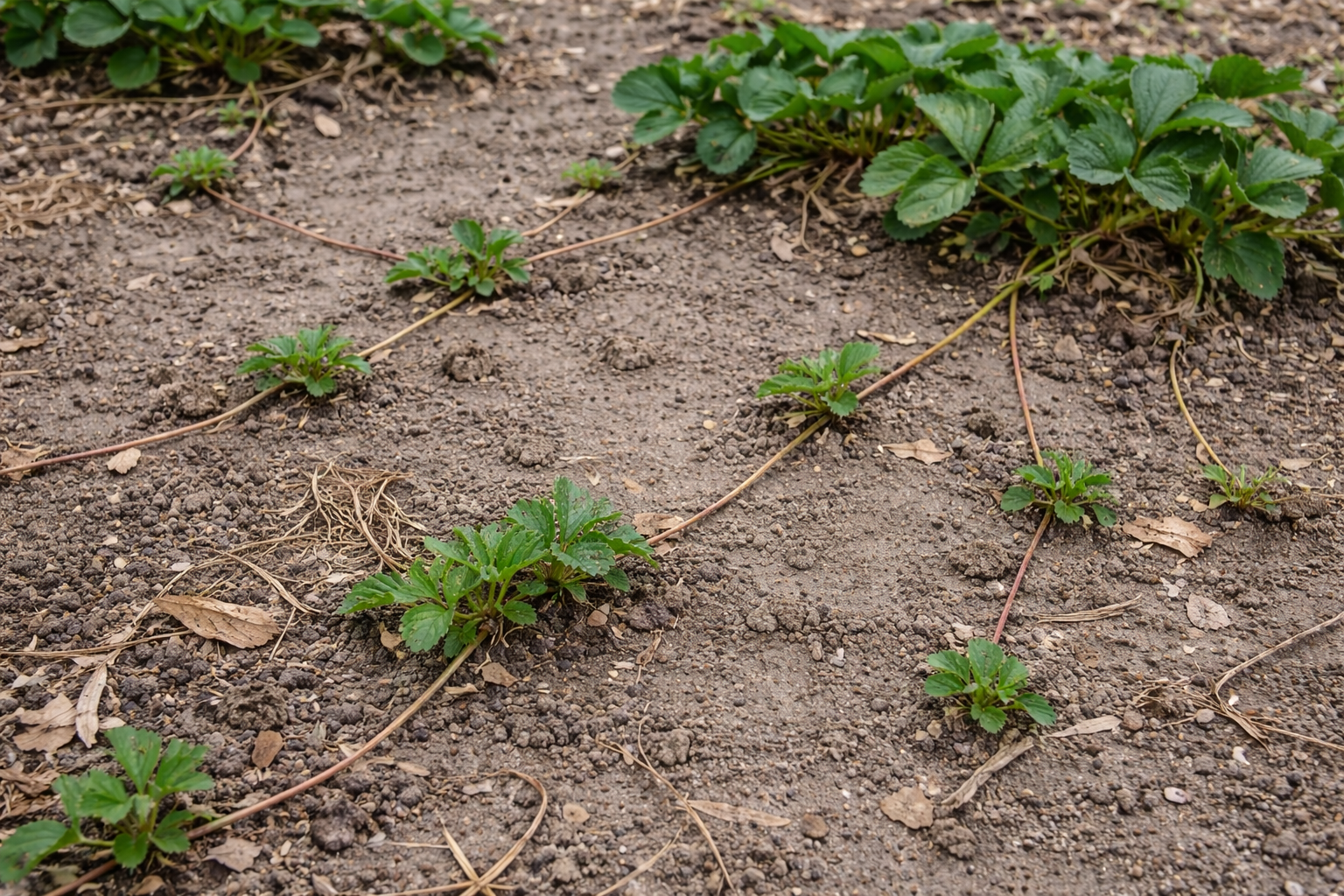
How to Multiply Strawberries from Runners (Free Plants Forever)
Strawberry runners are a free plant factory waiting to be harvested. This guide teaches Santa Cruz County gardeners three methods for rooting runners, when to propagate for best results, how to care for new plants, and how to create a perpetual strawberry patch that renews itself indefinitely. Stop buying strawberry plants and start multiplying your own.
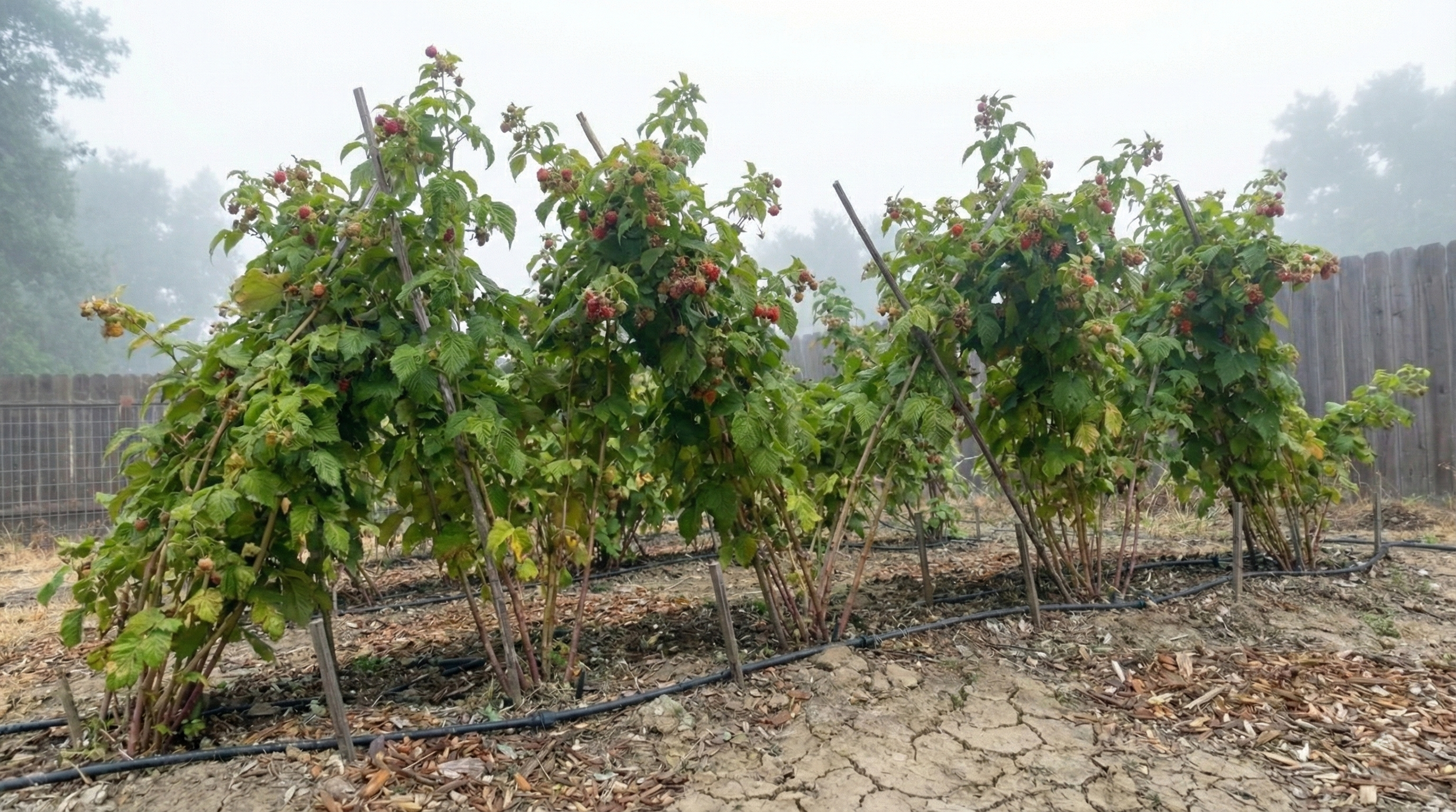
Raspberry Growth Stages: A Year-by-Year Visual Guide
Raspberries follow a multi-year ramp-up and predictable seasonal rhythm that can confuse new growers. A small crop in year one isn't failure. Canes dying after fruiting isn't disease. This guide explains what your raspberry plants should look like at each stage, when to expect real harvests, and how to recognize when normal development differs from actual problems.
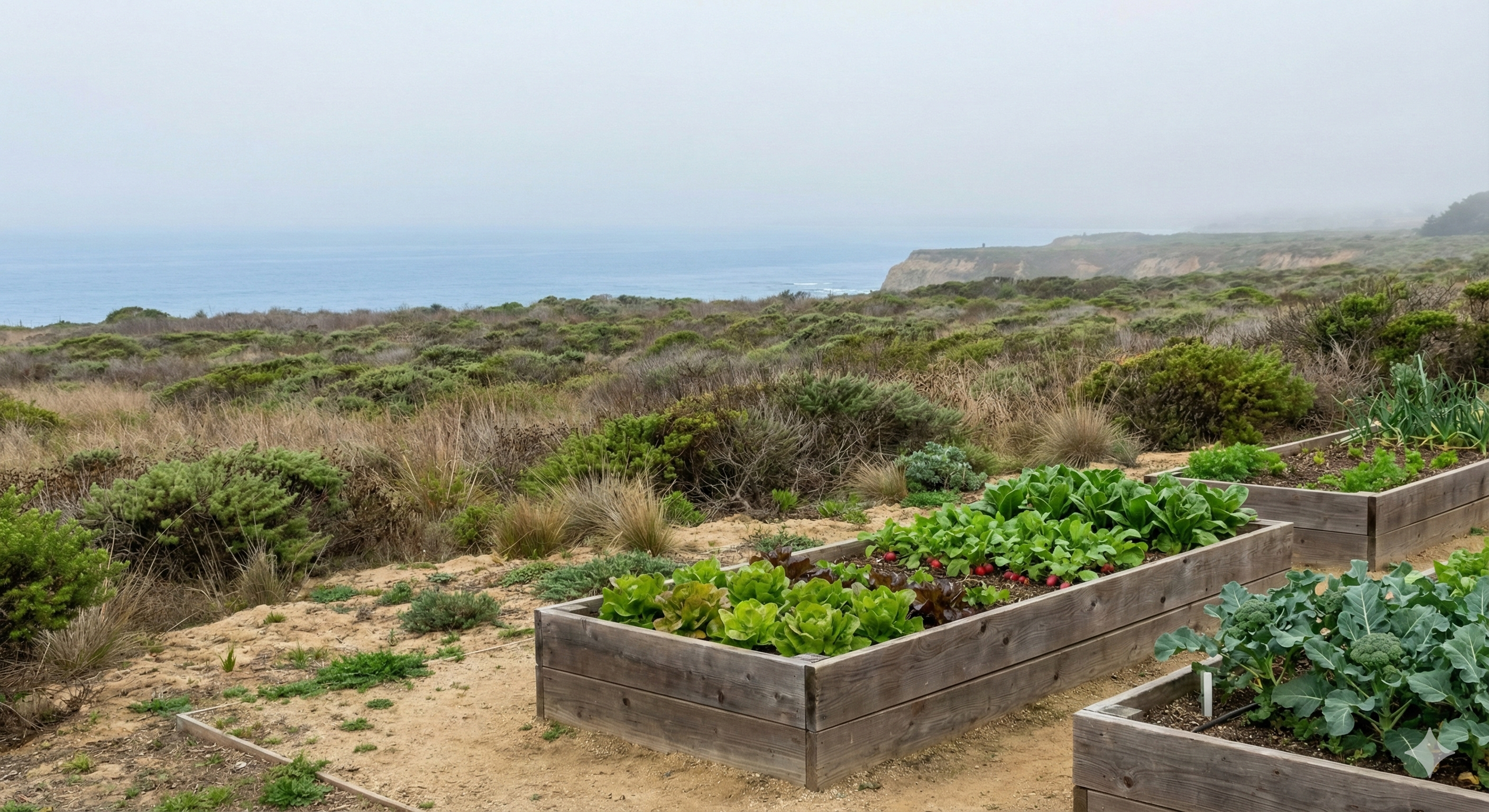
What to Plant in Santa Cruz & the Bay Area in December
December is the garden's quiet month, but you can still plant bare-root fruit trees, cold-hardy greens, and perennials. Plus, it's the best time to plan next year's Santa Cruz garden.