

Growing Calendula in Santa Cruz: The Easiest Medicinal Flower for Your Garden
A few of the product links in this guide are affiliate links. If you buy through one, Ambitious Harvest may earn a small commission at no extra cost to you, which helps keep these guides free. We only point to gear we would use in our own Santa Cruz garden. As an Amazon Associate, we earn from qualifying purchases. Read our full disclosure.
Learn how to grow calendula in Santa Cruz and the Bay Area. This easy-to-grow medicinal flower thrives in our climate, repels pests, and can be made into healing salves.

Growing Calendula in Santa Cruz: The Easiest Medicinal Flower for Your Garden
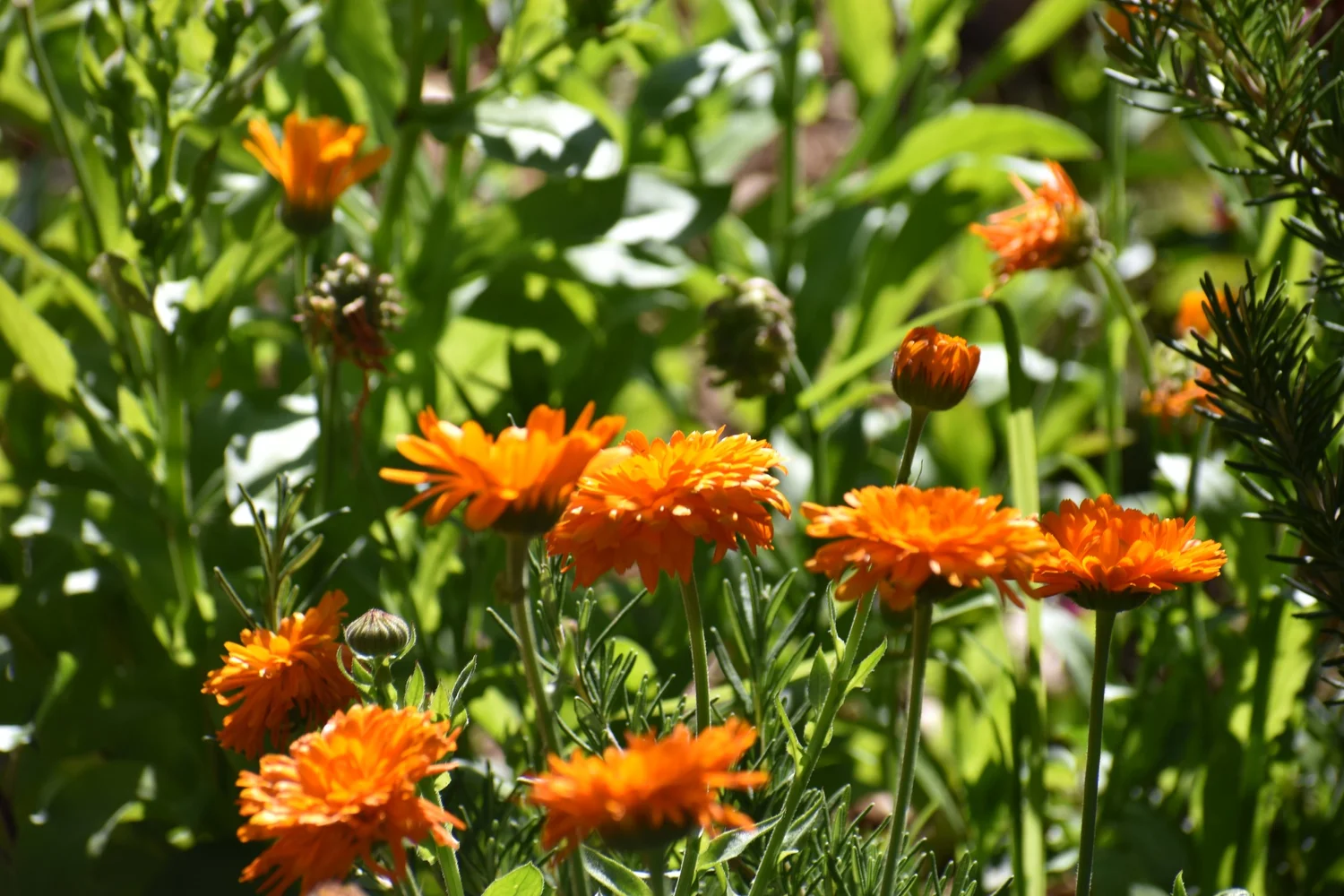
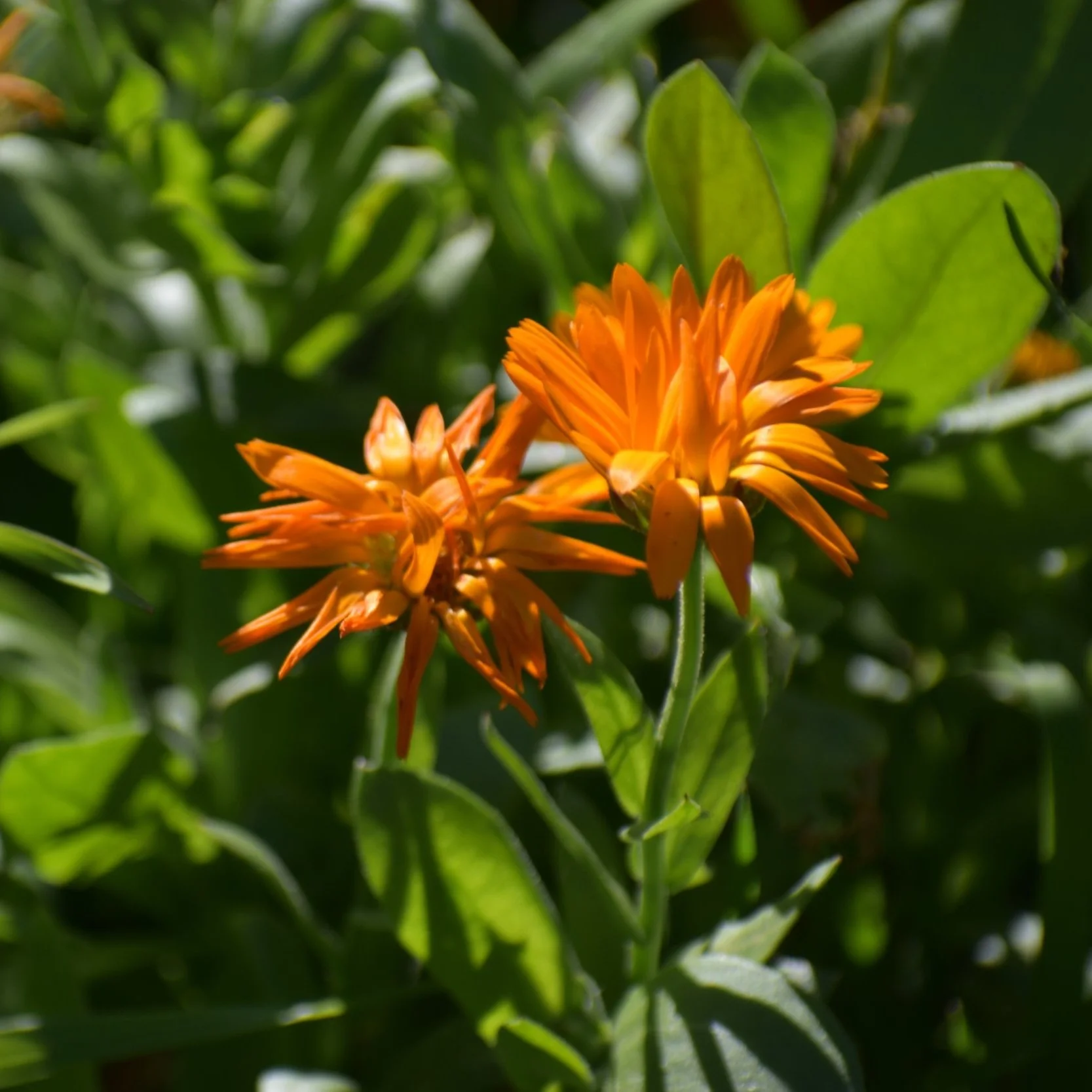
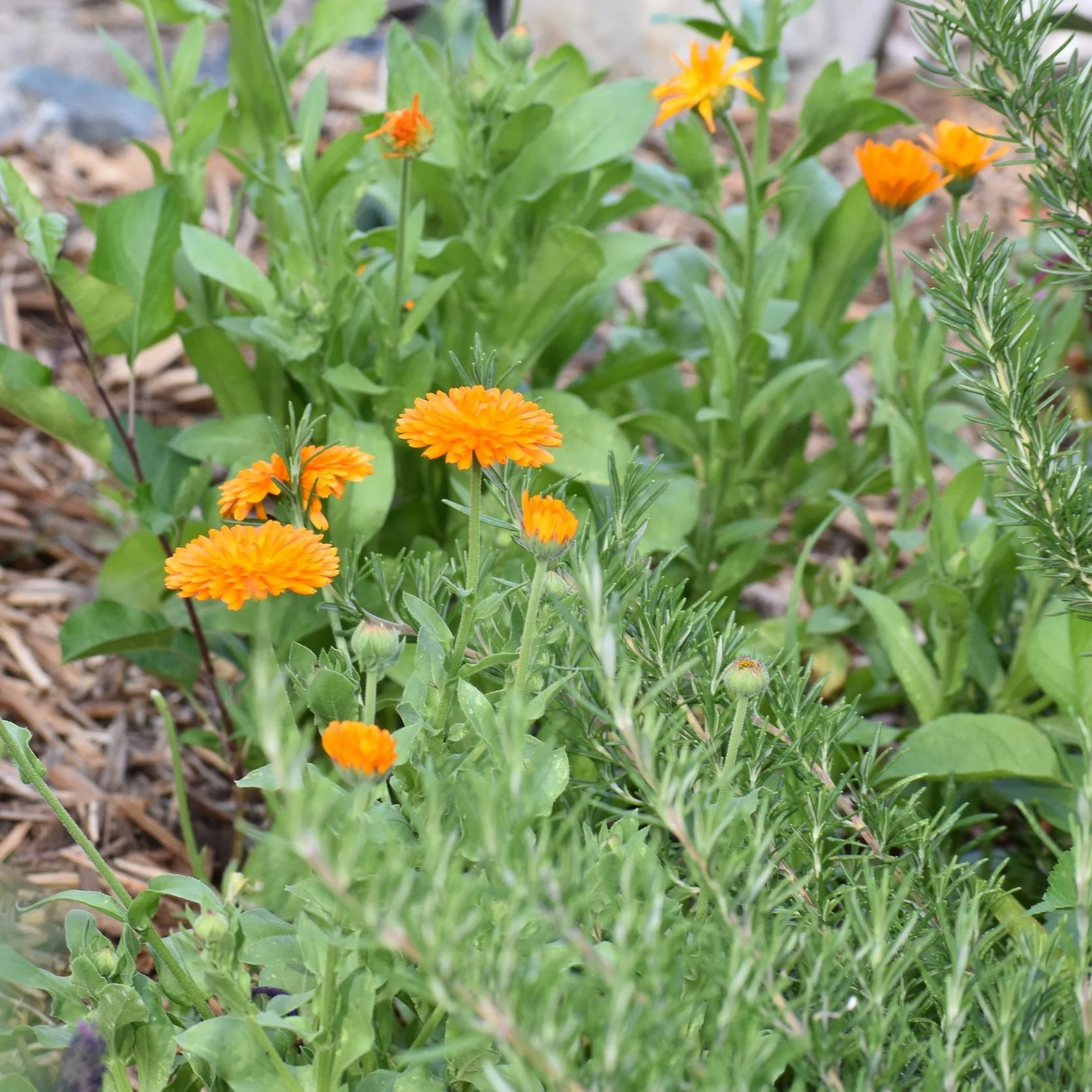
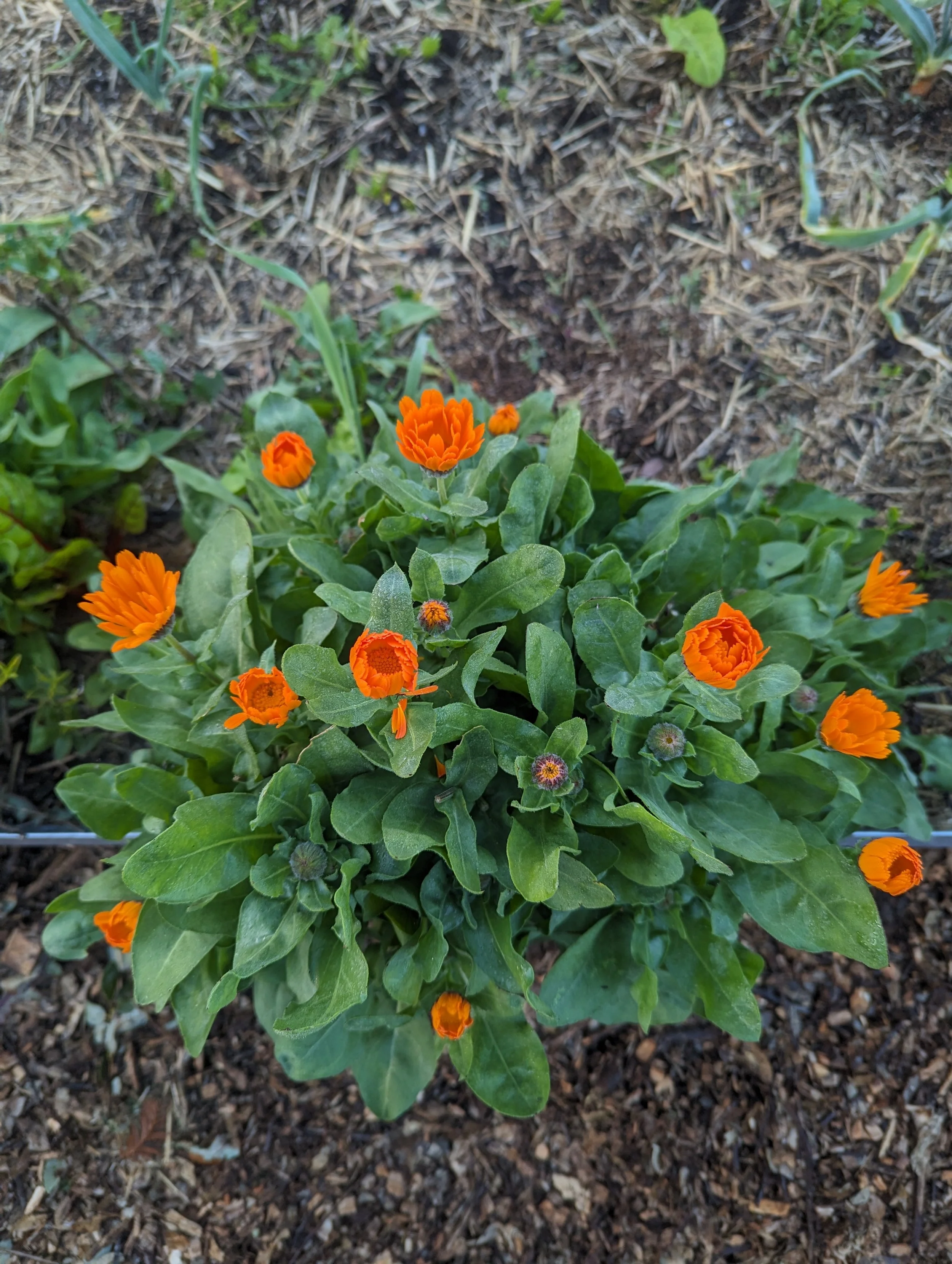
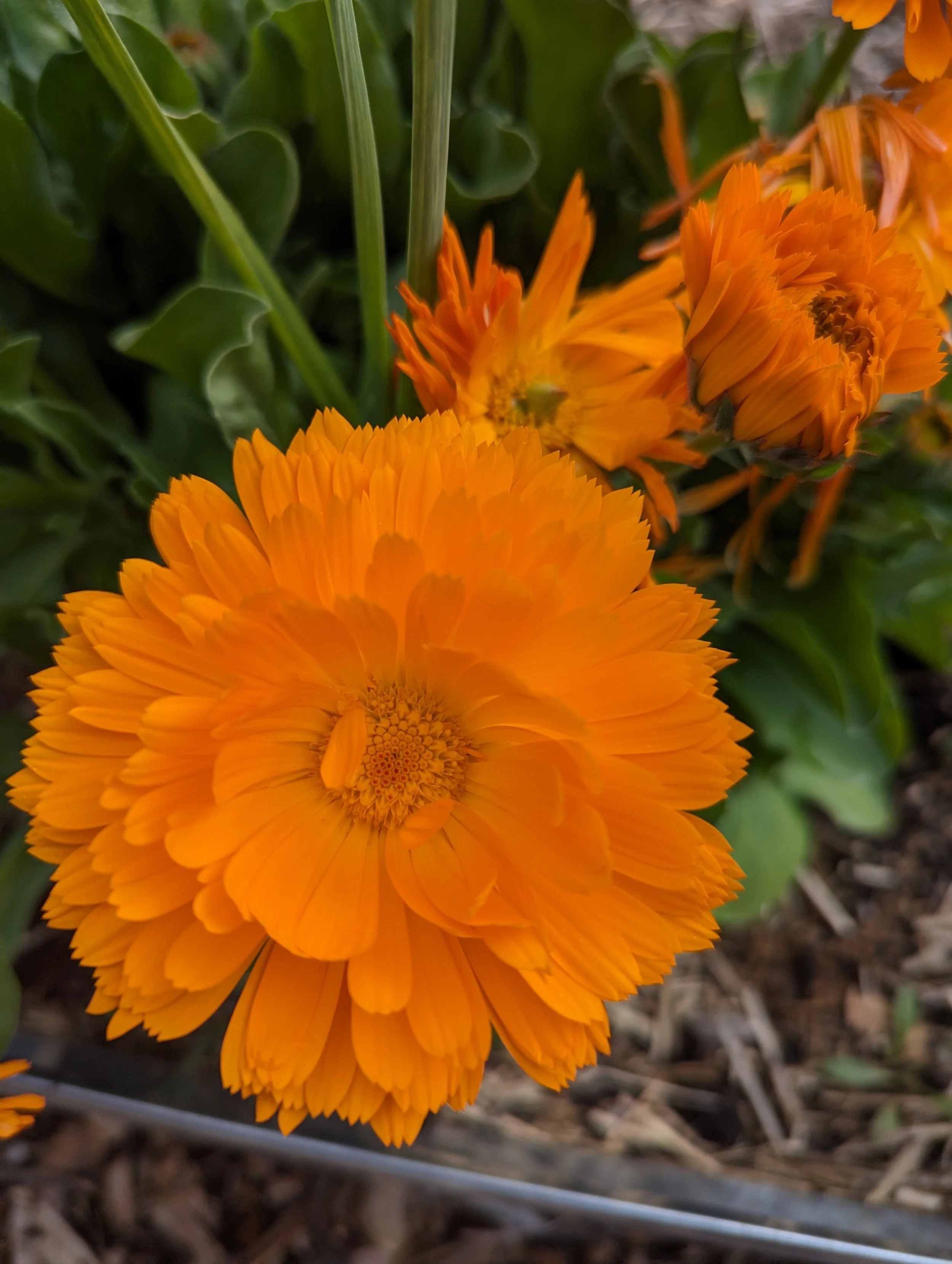
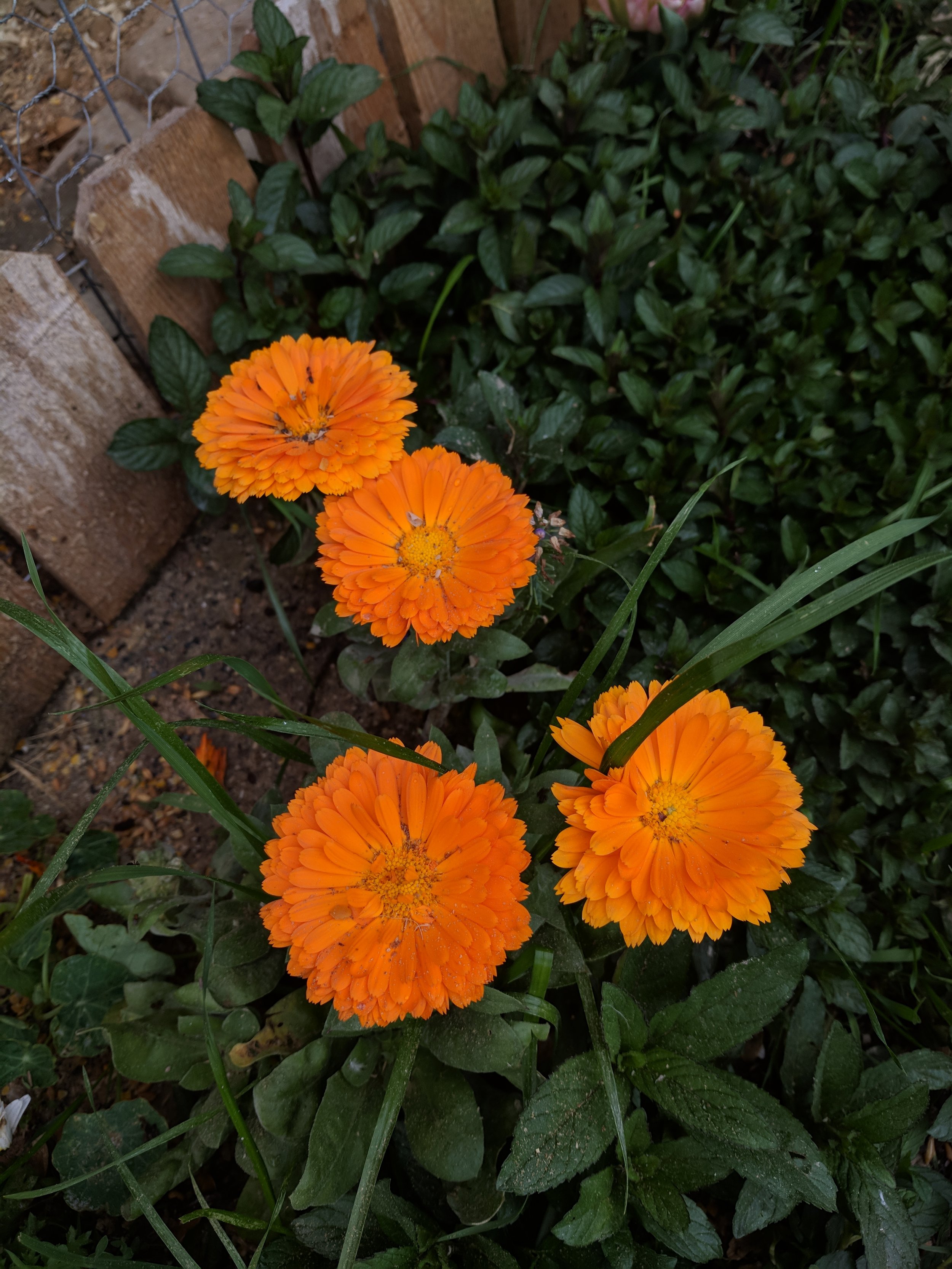
If I could recommend just one flower for the vegetable garden, it would be calendula. This cheerful, orange-petaled plant does everything: it attracts beneficial insects, repels pests, adds color to your salads, and makes a healing salve for cuts and scrapes. And in our Santa Cruz climate, it practically grows itself.
Calendula (Calendula officinalis), sometimes called pot marigold, has been grown in kitchen gardens for centuries. It's one of those rare plants that's as useful as it is beautiful, and it thrives in our mild, Mediterranean conditions with almost no effort on your part.
Why Does Calendula Thrive in Santa Cruz County?
Santa Cruz County's climate is nearly perfect for calendula. Unlike many flowers that struggle with our dry summers or cool coastal fog, calendula adapts to both.
What makes our climate ideal:
Mild winters mean you can grow calendula almost year-round
Cool coastal temperatures keep plants blooming longer (calendula sulks in extreme heat)
Our dry summers don't bother this drought-tolerant plant
Even foggy gardens in Aptos or Capitola get enough light for calendula
According to the UC Master Gardeners of Sonoma County, calendula is one of the most reliable flowering plants for our Mediterranean climate zones. In hotter inland areas like Boulder Creek or Watsonville, calendula may slow down in midsummer but will bounce back as temperatures cool in fall. Gardeners in the San Lorenzo Valley's sunny spots might see a brief pause in July and August, while coastal gardeners in Live Oak and Santa Cruz enjoy continuous blooms. Understanding your specific Santa Cruz microclimate helps you choose the best planting window for calendula.
Which Calendula Varieties Are Worth Growing?
All calendula varieties share the same easy-going nature and medicinal properties, but they vary in color and flower size.
Pacific Beauty is the classic choice with large, vibrant flowers in shades of orange and yellow. It's widely available and reliably productive.
Resina is bred specifically for high resin content, making it the best choice if you're growing primarily for salves and medicinal use.
Flashback Mix offers something different with petals that have a pinkish-red hue on the undersides that catch the light beautifully.
Lemon Cream provides softer, pale yellow blooms that blend well with other garden colors.
For most gardeners, a packet of mixed calendula seeds offers plenty of variety. Renee's Garden Seeds (based right here in Felton) carries several excellent calendula varieties selected for our climate. Save seeds from your favorites to grow again next year.
When and How Should You Plant Calendula in Santa Cruz?
Calendula is one of the easiest plants to grow from seed, and there's no need to start them indoors.
When to Plant
In Santa Cruz County, you have two main planting windows:
Fall (September through October): Plant seeds for winter and spring blooms. Calendula is frost-tolerant and will sail through our mild winters. This timing often produces the strongest plants because they establish roots during our rainy season and bloom prolifically in spring.
Early spring (February through March): Plant for late spring and summer blooms.
Coastal gardeners in Aptos and Capitola can push these windows even further since frost is rare. Inland gardeners in Scotts Valley or the San Lorenzo Valley should stick closer to these dates, especially for fall planting.
How to Plant
Choose a spot with full sun to partial shade. Calendula tolerates more shade than most flowers, making it useful for those partly shady Santa Cruz gardens (especially under the edges of redwood canopies).
Scatter seeds directly where you want them to grow, or plant in rows about ¼ inch deep
Space plants 8 to 10 inches apart, or thin seedlings to this spacing once they're a few inches tall
Water gently until seeds germinate (usually within one to two weeks)
That's it. No fancy soil preparation, no fertilizer, no fussing. Calendula thrives in average garden soil and actually blooms better without rich amendments.
How Should You Care for Calendula?
Calendula requires minimal attention once established.
Watering: Water regularly during dry periods, but don't overdo it. Calendula tolerates drought better than soggy soil. Once established, weekly deep watering is usually sufficient, even during our dry summers. Coastal gardens with regular fog may need even less.
Fertilizing: Skip it. Calendula doesn't need fertilizer and may produce more leaves than flowers if overfed.
Deadheading: This is the one task that makes a real difference. Pinch or cut off spent flowers regularly, and your calendula will keep blooming for months. Stop deadheading and it will go to seed instead.
Pest and disease: Calendula is remarkably trouble-free. Aphids occasionally appear but rarely cause serious damage. Powdery mildew can develop in humid conditions (more common in shaded canyon gardens in Felton or Ben Lomond). The UC Integrated Pest Management Program recommends improving air circulation by spacing plants adequately, which is the simplest prevention strategy.
How Does Calendula Work as a Companion Plant?
Calendula earns its place in the vegetable garden through more than just beauty.
Benefits to Your Vegetables
Attracts beneficial insects: Bees, hoverflies, and parasitic wasps love calendula flowers. Research from UC Agriculture and Natural Resources confirms that flowering companion plants like calendula support populations of natural pest enemies. These beneficials pollinate your crops and prey on garden pests. If you want to build a full habitat for these helpers, our pollinator-friendly gardens guide covers additional plants that work well alongside calendula.
Repels some pests: Calendula is said to repel tomato hornworms, asparagus beetles, and other unwanted visitors. The evidence is partly anecdotal, but generations of gardeners swear by it.
Trap crop for aphids: Aphids sometimes prefer calendula to your vegetables, concentrating on the flowers where they're easier to manage.
Living mulch: Dense calendula plantings shade the soil, reducing water loss and suppressing weeds (particularly helpful during our dry summers).
Good Companions
Calendula works well planted alongside:
Tomatoes and peppers
Brassicas (broccoli, cabbage, kale)
Leafy greens
Cucumbers and squash
Beans and peas
Tuck calendula throughout your vegetable beds rather than isolating it in a separate flower area. The closer it is to your crops, the more benefit it provides. For a deeper look at pairing flowers and vegetables, see our companion planting guide.
When Should You Harvest Calendula?
Harvest flowers in the morning after dew has dried but before the heat of the day. This is when the medicinal resin content is highest.
For fresh use: Pick flowers as needed. They'll last several days in water.
For drying: Harvest fully open flowers. Spread them in a single layer on screens or drying racks in a warm, dry location out of direct sunlight. They're ready when the petals feel papery and crisp (usually within one to two weeks). Our coastal humidity can slow drying, so choose a spot with good airflow or consider using a food dehydrator.
For seed saving: Let some flowers go to seed at the end of the season. The seeds are curved, bumpy, and easy to recognize. Collect dried seed heads, separate the seeds, and store in a paper envelope in a cool, dry place. They'll remain viable for several years. Consider sharing extras with the Felton Seed Lending Library or the Live Oak Seed Library.
Can You Eat Calendula?
Calendula petals are edible and have been used in cooking for centuries. The flavor is mild (slightly peppery, slightly tangy) and the color is stunning.
Ways to use calendula in the kitchen:
Salads: Scatter fresh petals over green salads for color and mild flavor
Rice and grains: Add dried petals to cooking water for a golden hue (calendula was historically called "poor man's saffron")
Soups and stews: Stir in petals at the end of cooking for color
Baked goods: Fold petals into muffin or cake batter
Butter and cheese: Infuse softened butter with petals, or add to homemade cheese for golden color
Tea: Steep fresh or dried petals in hot water for a mild, soothing tea
Use only the petals, not the green base of the flower. And as with any edible flower, make sure your calendula hasn't been treated with pesticides.
How Do You Make Calendula Salve?
This is where calendula really shines. A homemade calendula salve is gentle enough for babies, effective on everything from diaper rash to gardener's cracked hands, and surprisingly easy to make.
What You'll Need
1 cup dried calendula petals (loosely packed)
1 cup carrier oil (olive oil works well and is easy to find)
1 ounce beeswax (about 2 tablespoons of pellets)
Small glass jars or tins for storage
Optional: a few drops of lavender essential oil
Step 1: Infuse the Oil
Place dried calendula petals in a clean glass jar and cover completely with oil. You have two options:
Sun infusion (slower but traditional): Seal the jar and place in a sunny windowsill for 4 to 6 weeks, shaking occasionally.
Heat infusion (faster): Place the jar in a pot of water (like a double boiler) and heat on low for 2 to 3 hours. Don't let the oil get too hot. You're infusing, not frying.
Strain the oil through cheesecloth, squeezing to extract as much as possible. Compost the spent petals.
Step 2: Make the Salve
Measure your infused oil (you should have close to 1 cup). Pour it into a small pot or double boiler and add the beeswax.
Heat gently, stirring, until the beeswax melts completely. Remove from heat.
If using essential oil, add it now and stir to combine.
Pour immediately into clean jars or tins. The salve will begin to set as it cools.
Step 3: Use and Store
Apply to minor cuts, scrapes, burns, bug bites, dry skin, chapped lips, or anywhere skin needs soothing. The salve will keep for about a year stored in a cool, dry place.
How Do You Grow Calendula with Kids?
Calendula is an excellent plant for young gardeners. The seeds are large enough for small hands to handle, germination is quick and reliable, and the bright flowers provide almost instant gratification.
Kids can:
Plant seeds directly in the garden or in containers
Watch for seedlings (calendula germinates in one to two weeks)
Deadhead spent flowers to keep blooms coming
Harvest and dry petals
Help make salve (with adult supervision for the heating steps)
There's something magical about a child using a healing salve they grew and made themselves. It's a lesson in self-sufficiency that sticks.
Can You Grow Calendula Year-Round in Santa Cruz?
With our mild climate, you can have calendula blooming nearly year-round with successive plantings:
Fall planting (September through October): Blooms winter through spring
Spring planting (February through March): Blooms late spring through summer
Self-sowing: Once established, calendula often reseeds itself, popping up wherever conditions suit it
Let a few plants go to seed each season, and you may find calendula becoming a permanent, self-sustaining part of your garden. Most gardeners consider this a feature, not a problem.
Where Can You Buy Calendula in Santa Cruz County?
Seeds
Renee's Garden Seeds (based in Felton) carries several calendula varieties bred for our climate. Available at local nurseries or online.
Mountain Feed & Farm Supply (Ben Lomond) stocks calendula seeds along with other flower and herb seeds.
Felton Seed Lending Library (Felton Branch Library) and Live Oak Seed Library (Live Oak Library) often have calendula seeds available for free.
Transplants
San Lorenzo Garden Center (Santa Cruz) often carries calendula starts in spring and fall.
Dig Gardens (Santa Cruz and Aptos) sometimes stocks calendula among their seasonal offerings.
Sierra Azul Nursery (Watsonville) may have starts available during planting season.
Local farmers markets (check the Santa Cruz Community Farmers Markets schedule) occasionally have flower starts including calendula.
For the best selection and lowest cost, growing from seed is the way to go. A single packet will give you dozens of plants.
Frequently Asked Questions About Growing Calendula
When is the best time to plant calendula in Santa Cruz County?
Fall planting (September through October) produces the strongest plants because they establish during our rainy season and bloom abundantly in spring. You can also plant in early spring (February through March) for summer blooms. Coastal gardeners can push these windows since frost is rare in Aptos, Capitola, and Santa Cruz.
Can calendula grow in shade?
Calendula tolerates partial shade better than most flowering plants, making it useful for gardens with limited sun. It will bloom in 4 to 6 hours of direct light, though full sun (6 or more hours) produces the most flowers. Gardens under the edges of redwood canopies or on the foggy side of buildings can still grow calendula successfully.
Is calendula the same as marigold?
Calendula is sometimes called "pot marigold," but it's a completely different plant from the common garden marigold (Tagetes). They're not related. Calendula has edible petals and medicinal properties, while garden marigolds are primarily ornamental. The confusion comes from the similar orange and yellow flower colors.
How do I keep calendula blooming all season?
Deadheading is the key. Remove spent flowers regularly by pinching or cutting them off, and your plants will keep producing new blooms for months. Once you stop deadheading, the plant puts its energy into making seeds instead of flowers.
Can I eat calendula flowers?
Yes, calendula petals are edible and have been used in cooking for centuries. They have a mild, slightly peppery flavor and add beautiful color to salads, rice dishes, baked goods, and tea. Use only the petals (not the green base), and make sure your plants haven't been treated with pesticides.
Will calendula come back every year?
Calendula is technically an annual, but it self-seeds readily in Santa Cruz gardens. Let some flowers go to seed at the end of the season, and you'll likely have volunteer plants popping up the following year. Many local gardeners find that calendula becomes a permanent garden resident without any effort.
Does calendula really repel pests?
Calendula has a reputation for repelling certain pests including tomato hornworms and aphids. The evidence is partly anecdotal, but many experienced gardeners plant calendula throughout their vegetable beds and report fewer pest problems. At minimum, calendula attracts beneficial insects like hoverflies and parasitic wasps that prey on garden pests.
How do I dry calendula for salves and tea?
Harvest fully open flowers in the morning after dew has dried. Spread them in a single layer on screens or drying racks in a warm spot with good airflow, out of direct sunlight. Petals are ready when they feel papery and crisp, usually within one to two weeks. Our coastal humidity can slow drying, so choose a well-ventilated location or use a food dehydrator for faster results.
What Are the Best Free Calendula Growing Resources?
Companion Planting Guide: See which vegetables benefit most from calendula as a companion plant, plus other beneficial flower and herb pairings for your garden.
Seasonal Planting Calendar: Month-by-month guide showing exactly when to plant calendula and other crops in Santa Cruz County.
Seed Starting Guide: Everything you need to know about starting seeds successfully, though calendula is easy enough to direct sow.
Seasonal Tasks Checklist: Stay on track with what your garden needs each season, including when to plant and harvest flowers like calendula.
Why Is Calendula the Ultimate Garden Workhorse?
Calendula doesn't demand attention. It doesn't need perfect soil, constant watering, or careful fertilizing. It just grows, blooms, and keeps on giving: flowers for your table, medicine for your skin, habitat for beneficial insects, and cheerful color through the gray days of winter.
In a Santa Cruz garden, where we're already blessed with a climate that lets us grow almost anything, calendula is an easy yes. Plant some this season and see for yourself.
