

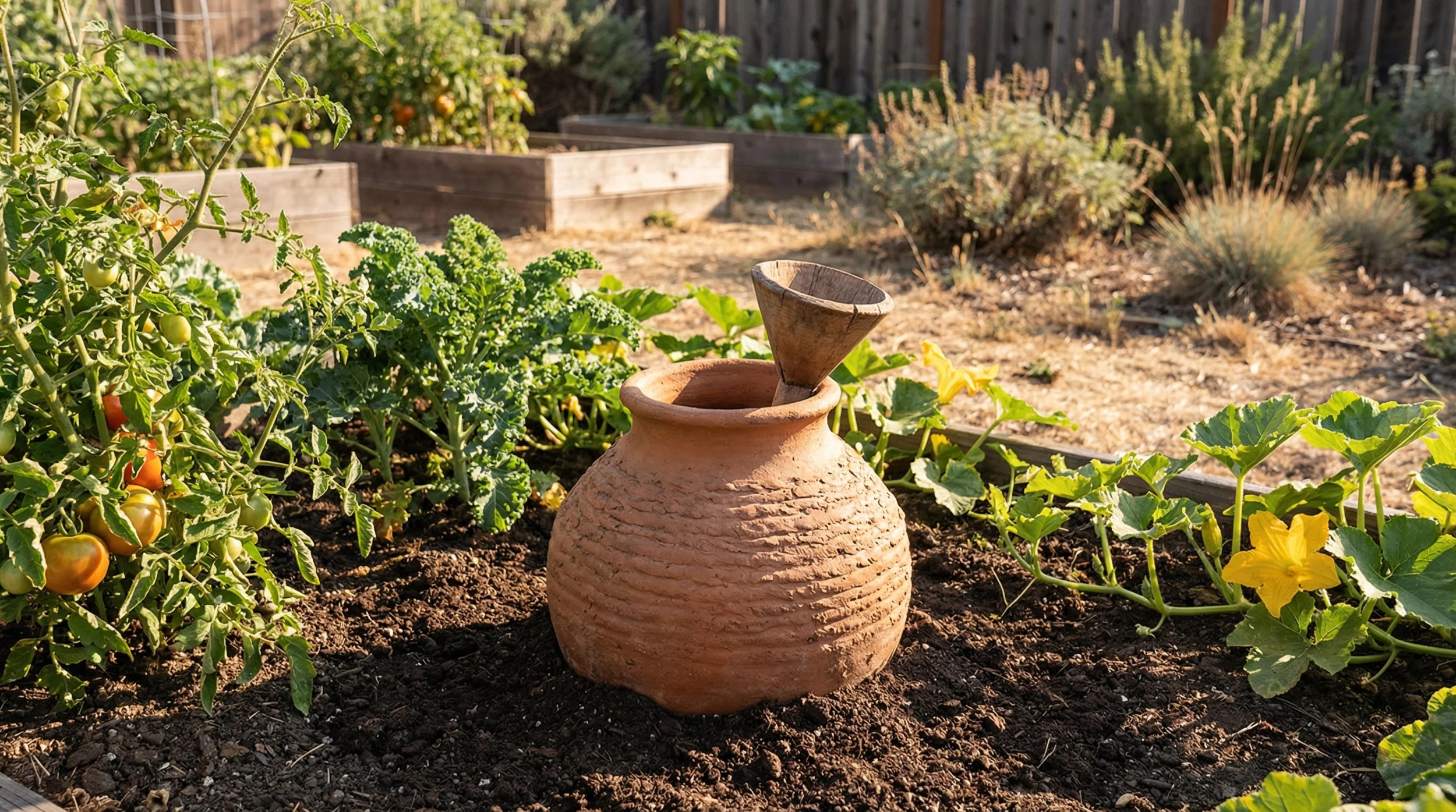
DIY Ollas: Sustainable Watering Made Simple
Ollas are unglazed clay pots buried in the soil that slowly release water directly to plant roots. They use 50 to 70 percent less water than surface irrigation.

Pruning and Training Fruit Trees in Santa Cruz County: Shape Your Trees for Better Harvests
Everything you need to know about pruning and training fruit trees in Santa Cruz County. From basic cuts and timing to espalier techniques and backyard orchard culture for small-space growing.
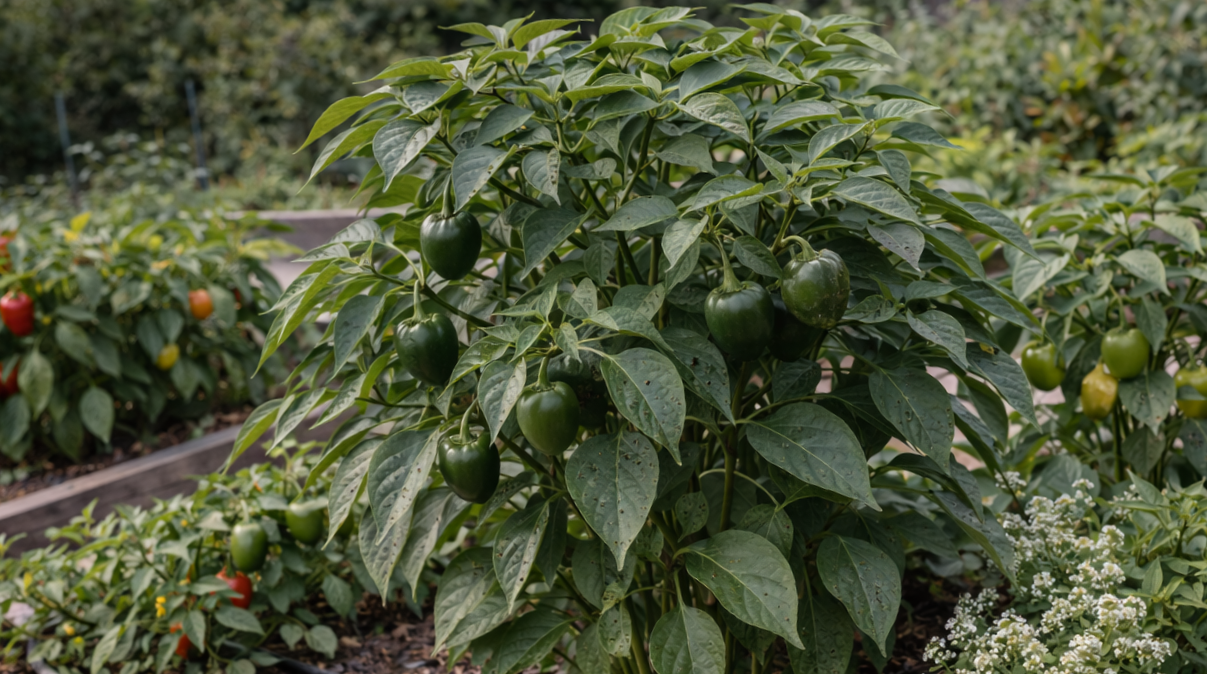
Manzano Peppers: The Hot Pepper Built for Cool Climates
Manzano peppers are uniquely suited to Santa Cruz County's mild climate. Unlike most hot peppers, they prefer cooler temperatures and can produce for years as perennials in our frost-free areas.
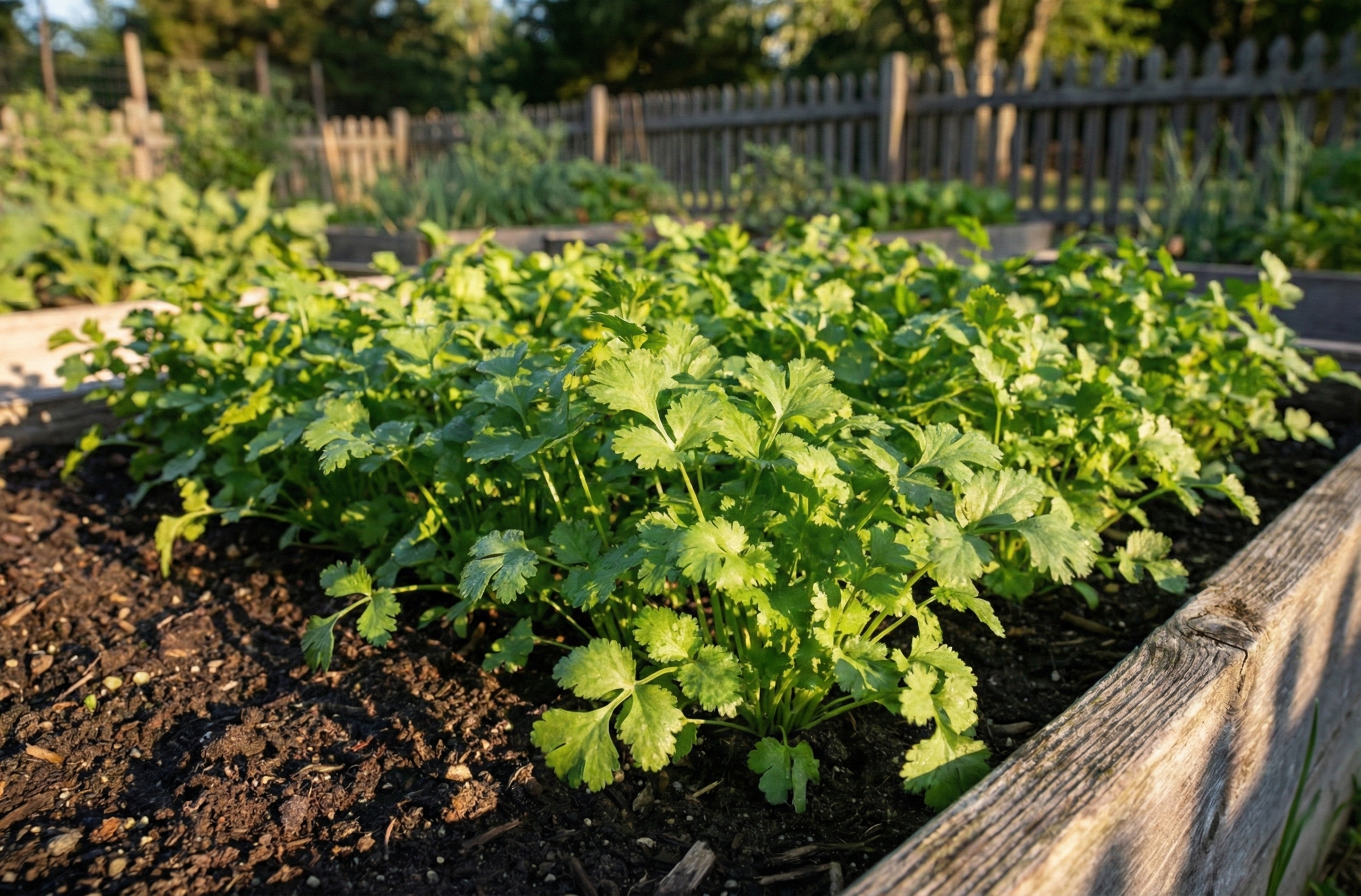
Growing Cilantro in Santa Cruz: Beat the Bolt for Longer Harvests
Cilantro is notorious for bolting at the first hint of warm weather, but Santa Cruz County's mild climate gives us advantages most gardeners don't have. With the right timing, variety selection, and succession planting, you can harvest fresh cilantro nearly year-round. Here's how to beat the bolt and keep this essential herb productive.
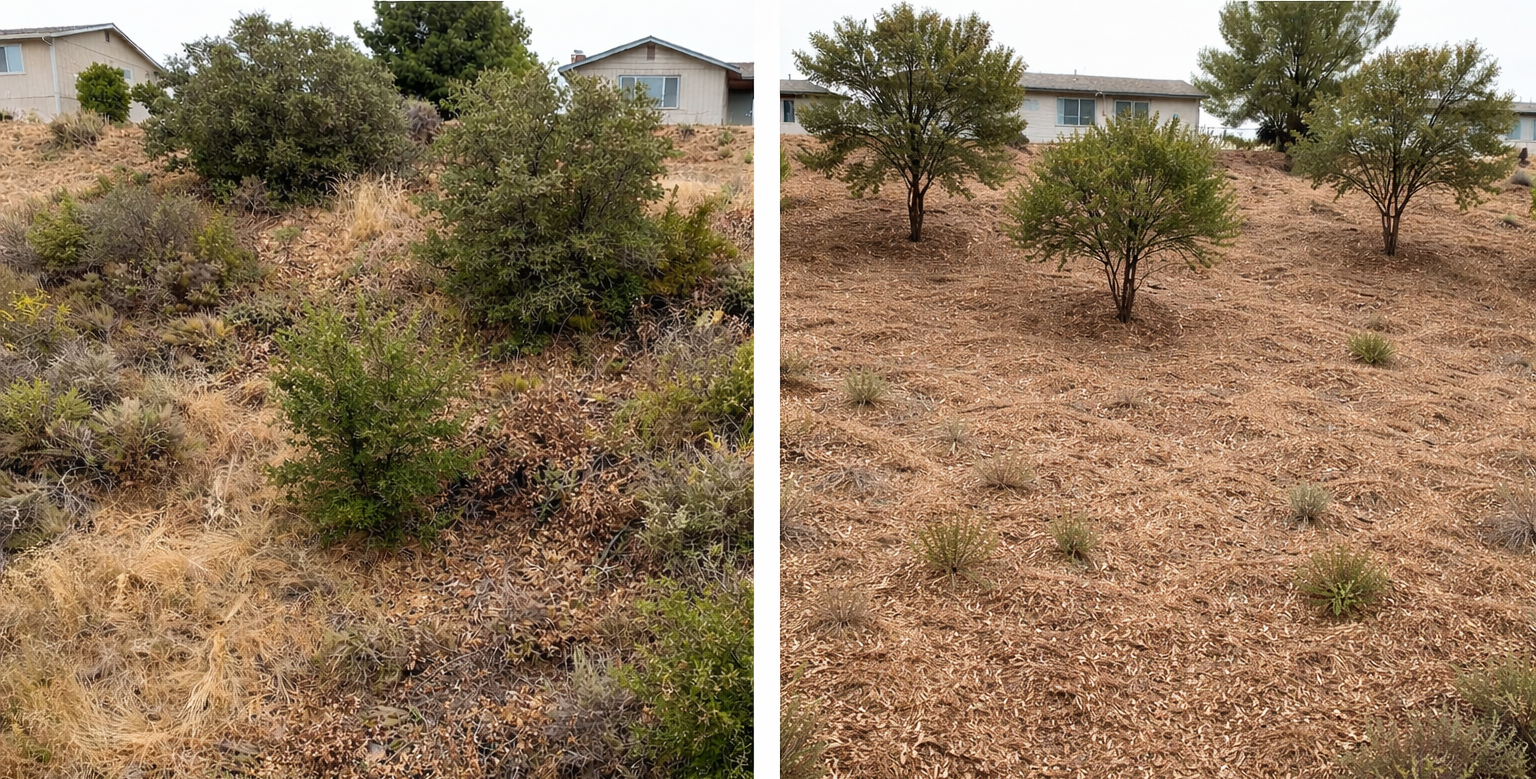
Fire-Wise Design for Slopes and Hillsides
Learn how to create defensible space on steep terrain in Santa Cruz County. Understand how fire behaves on slopes, expand your zones appropriately, and design fire-wise landscaping that balances fire safety with erosion control. Essential guide for Boulder Creek, Ben Lomond, Bonny Doon, and other hillside communities.
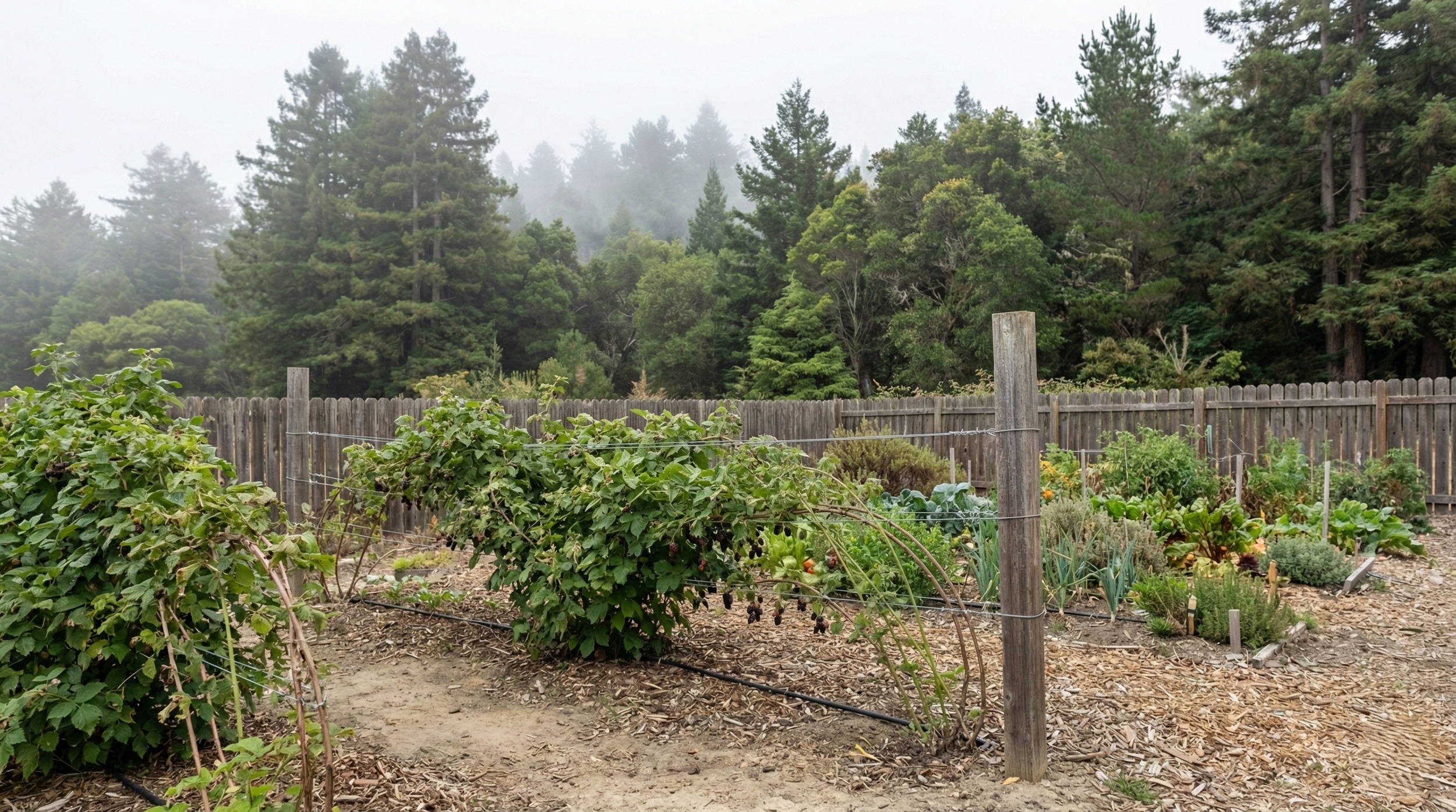
How to Plant and Care for Olallieberries: A Year-Round Guide
Step-by-step olallieberry planting and care for California gardens. Trellising, pruning, watering schedules, and a year-round maintenance calendar for Santa Cruz County.

How Much Do I Really Need to Water My Garden in Spring in Santa Cruz County?
Spring is when Santa Cruz County shifts from rain-fed to irrigation-dependent. Learn when to start watering again based on your microclimate, soil type, and what the local climate data tells us.
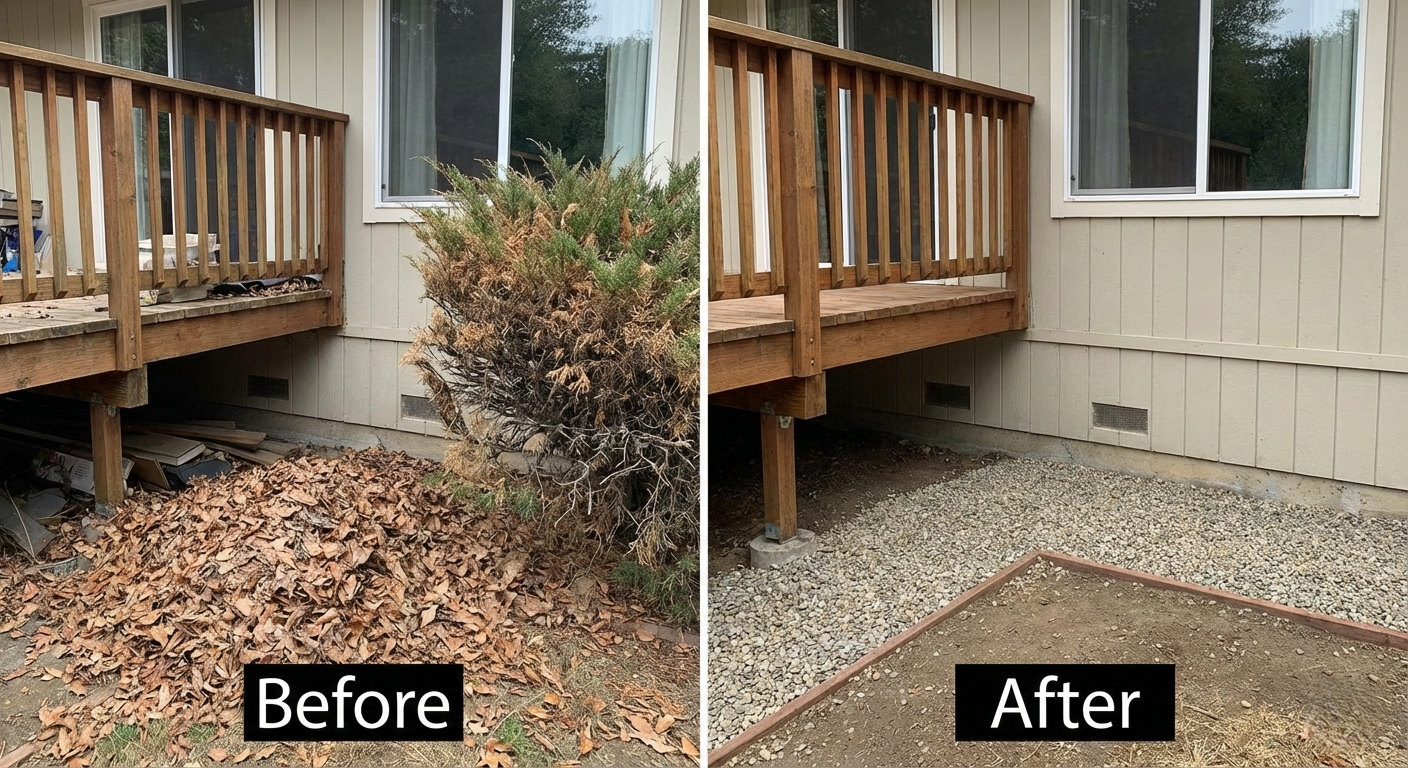
Zone 0 Makeover: Creating an Ember-Resistant Space Around Your Home
The first 5 feet around your home is where wildfire battles are won or lost. Learn how to create an ember-resistant Zone 0 with hardscape, gravel, and fire-safe plants for Santa Cruz County homes.
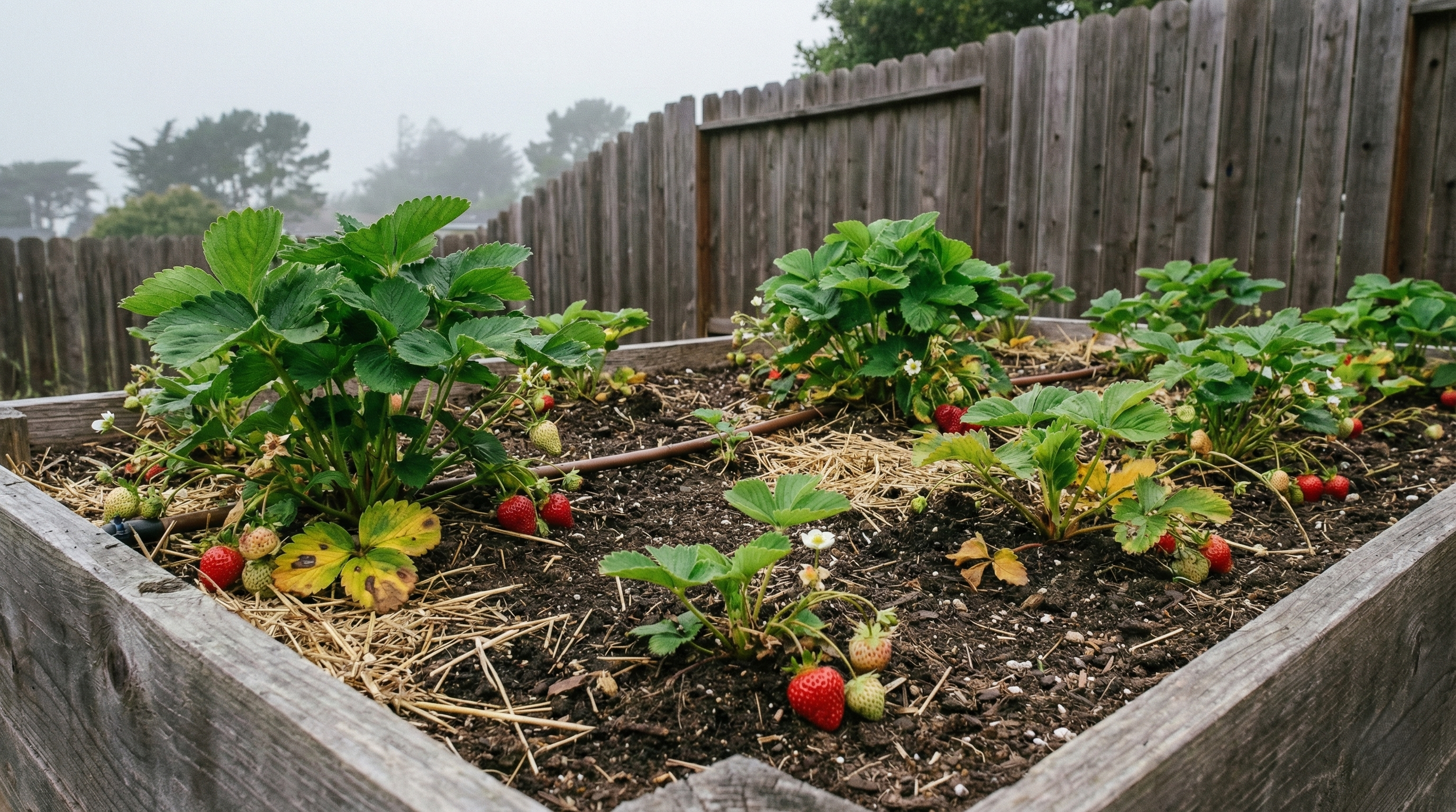
Reviving Your Strawberry Patch After Harsh Weather
Santa Cruz County's mild climate usually treats strawberries well, but extreme weather happens. This guide covers how to assess damage after frost, heat waves, or waterlogging, provide emergency care, and help your strawberry plants recover. Includes specific advice for coastal versus inland gardens and guidance on when to keep trying versus when to start fresh.
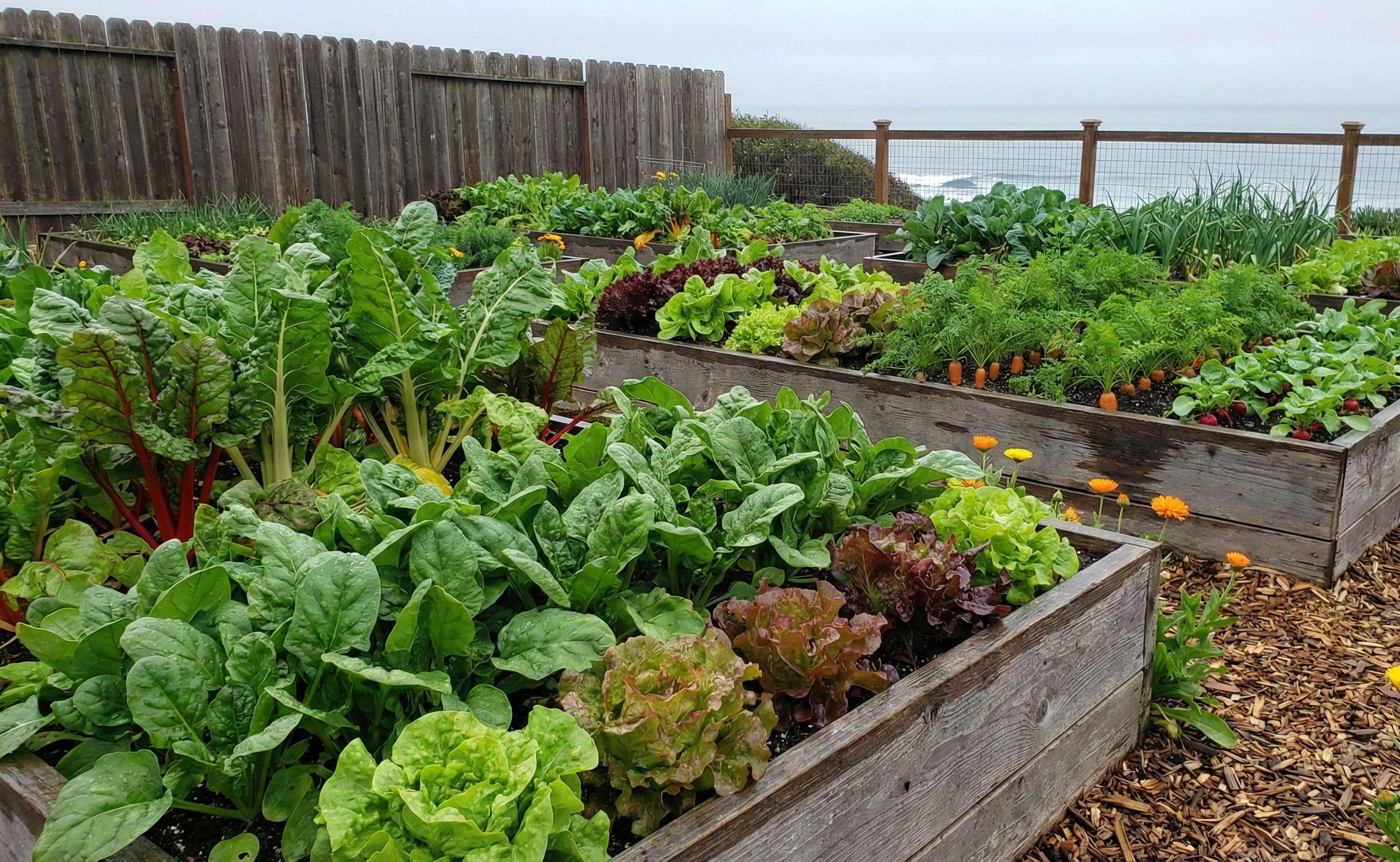
Gardening in Coastal Aptos & Capitola: Working with Fog and Stable Temperatures
Coastal Santa Cruz County offers year-round growing with fog, stable temperatures, and almost no frost. Learn which crops thrive and which to skip in Aptos, Capitola, Live Oak, and the Santa Cruz beaches.

Raised Bed Gardening in the Bay Area: Start Here
Raised beds solve Santa Cruz County's biggest gardening challenges: clay soil, gophers, and poor drainage. Learn how to build, fill, and maintain beds that will produce for years.

Fire-Resistant Fruit Trees for Santa Cruz Gardens
Growing fruit trees in fire-prone areas of Santa Cruz County requires thoughtful selection. Learn which fruit trees offer fire resistance, where to plant them within defensible space zones, and how to maintain them for both safety and productivity.
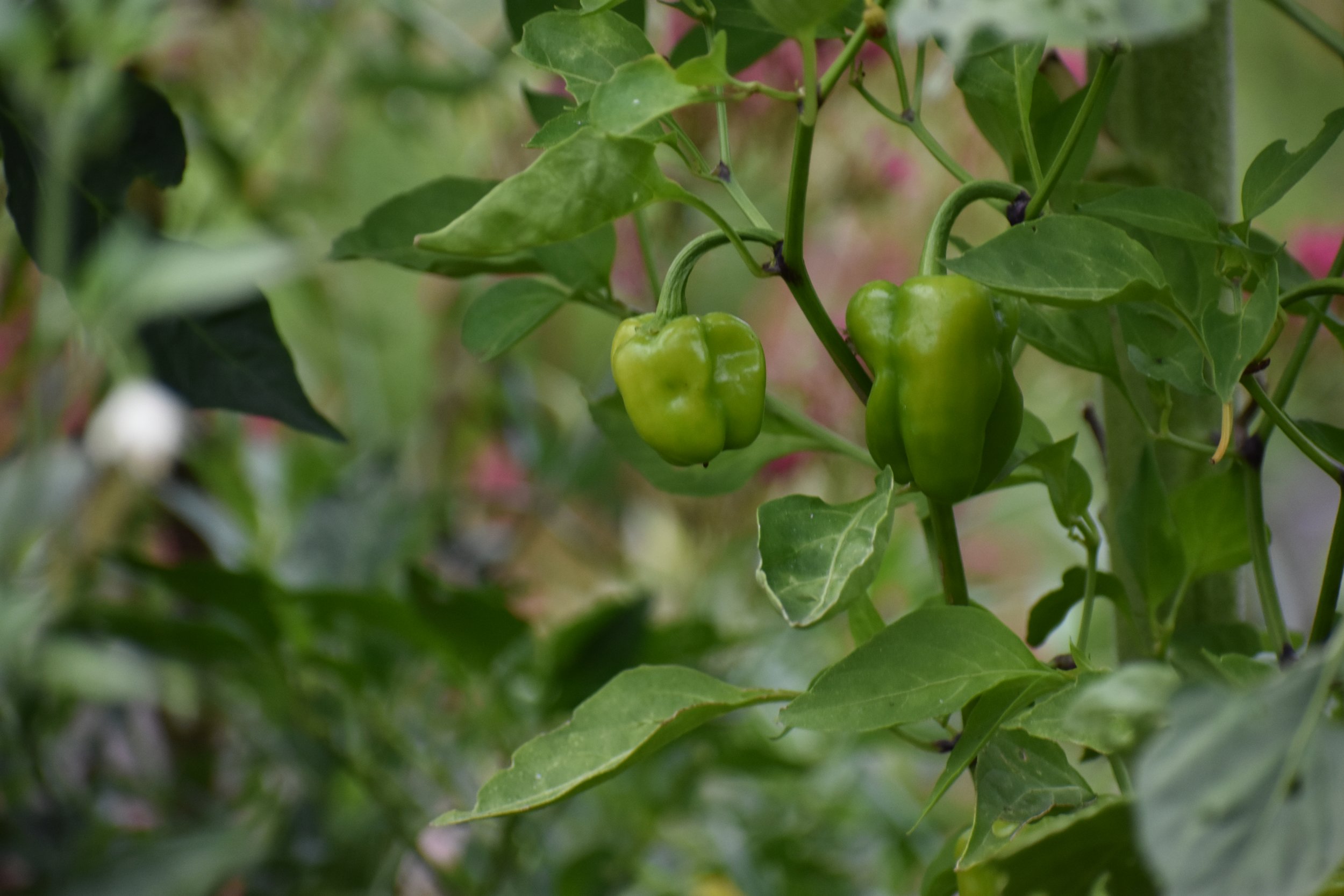
Growing Sweet Peppers in Santa Cruz County: The Varieties That Actually Succeed
Sweet peppers are notoriously challenging in Santa Cruz County's cool climate, but the right variety choices and growing strategies make all the difference. This guide covers which sweet peppers actually succeed here, from quick-maturing mini bells to fog-tolerant Italian frying types, plus the microclimate strategies that turn pepper frustration into abundant harvests.
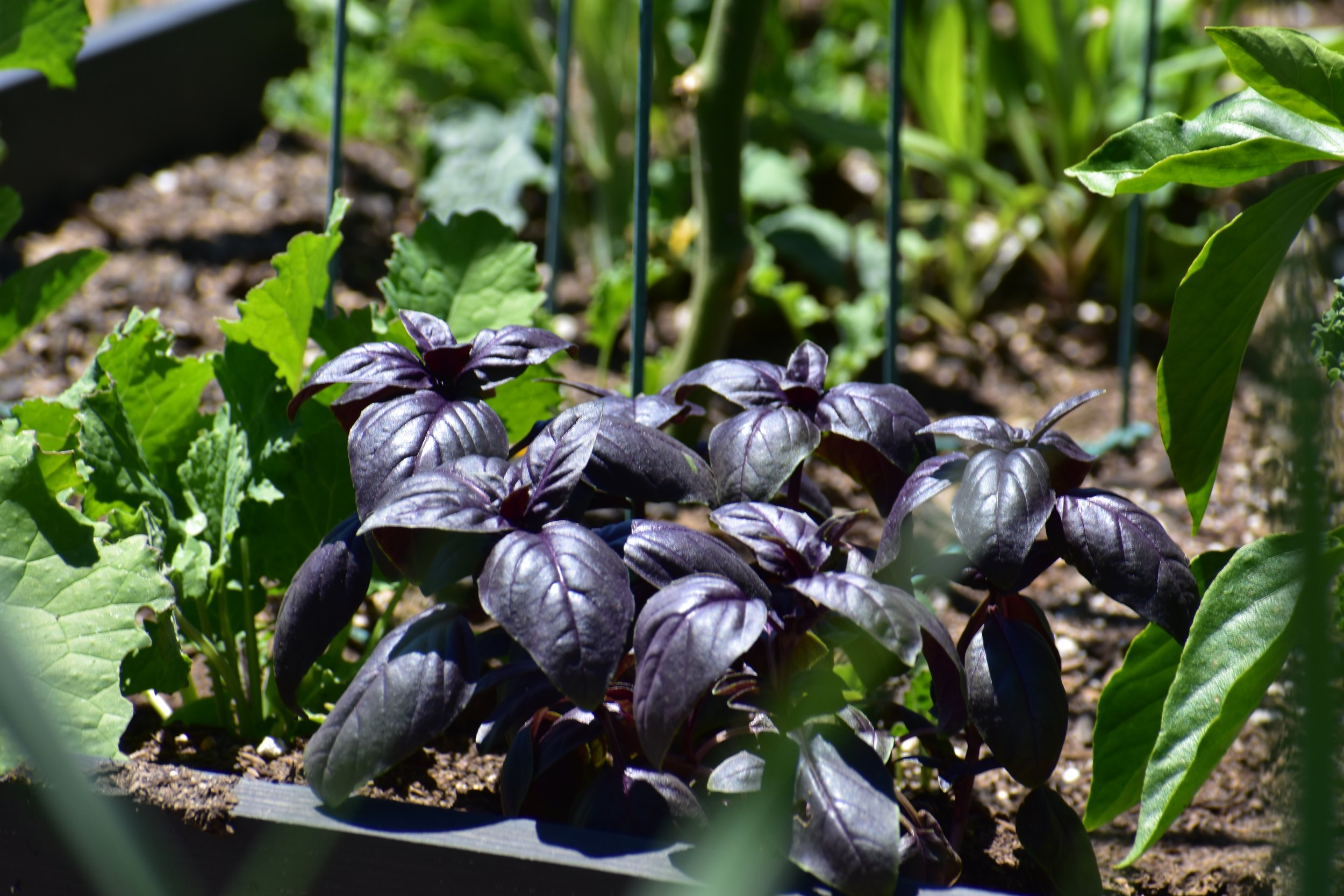
Preventing Basil from Bolting in Santa Cruz: Keep Your Plants Bushy and Productive
Nothing ends a basil harvest faster than bolting. Once those flower spikes appear, leaves turn bitter and production slows. The good news is that bolting is largely preventable. This guide explains why basil bolts in Santa Cruz County's variable climate and shares proven techniques to keep plants producing tender leaves all season long.
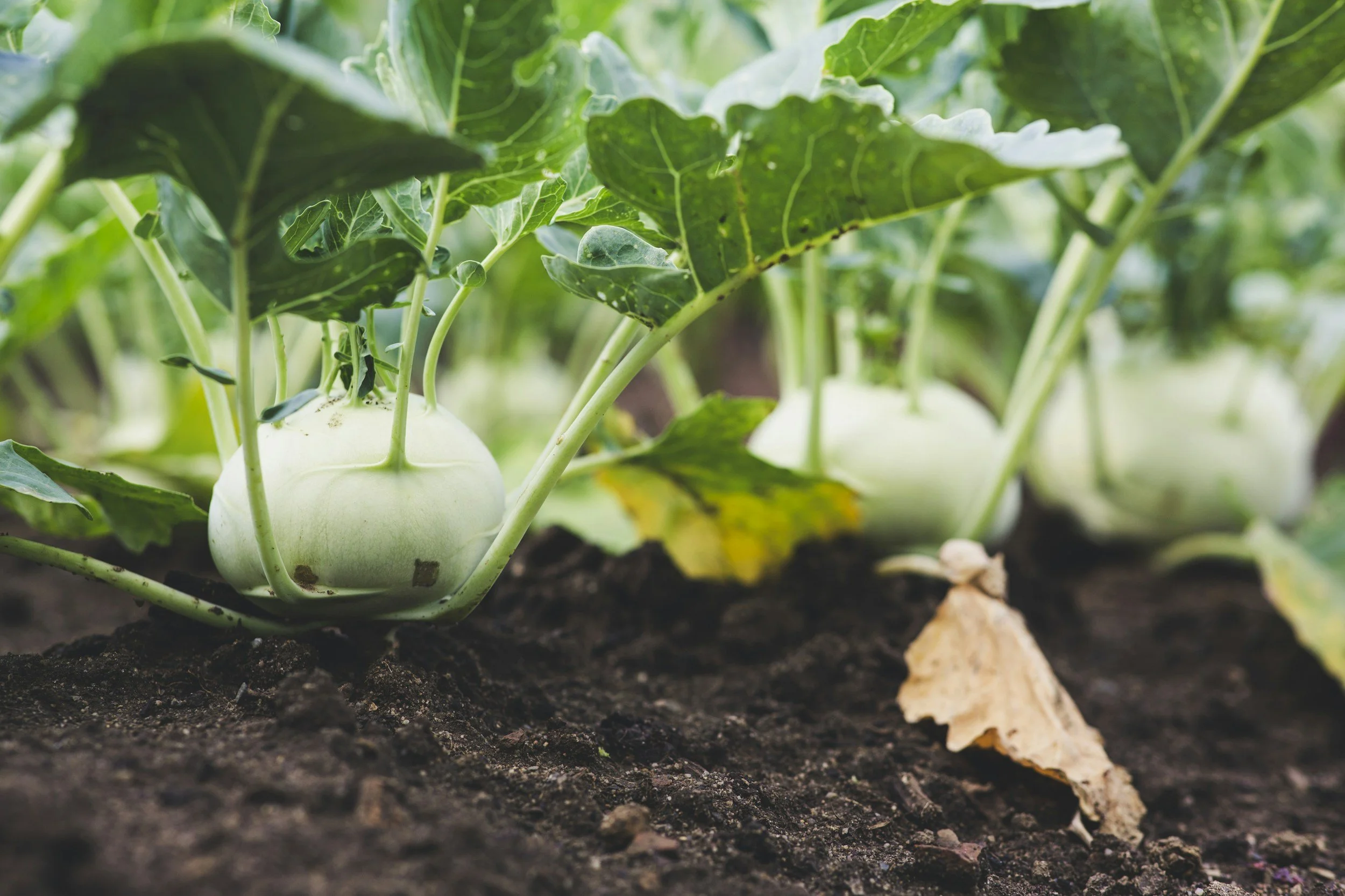
Growing Kohlrabi in Santa Cruz County: Cool-Season Crop Guide
Kohlrabi is a cool-season brassica that thrives in Santa Cruz County's mild climate. Learn when to plant, which varieties to grow, and how to harvest this crisp, mild vegetable.

Pepper Problems in Santa Cruz County: Troubleshooting Guide
When your pepper plants flower beautifully but never set fruit, or your peppers stay stubbornly green well into fall, the culprit is usually our cool Santa Cruz County climate. This troubleshooting guide covers the most common pepper problems, why they happen here specifically, and what you can actually do about them.
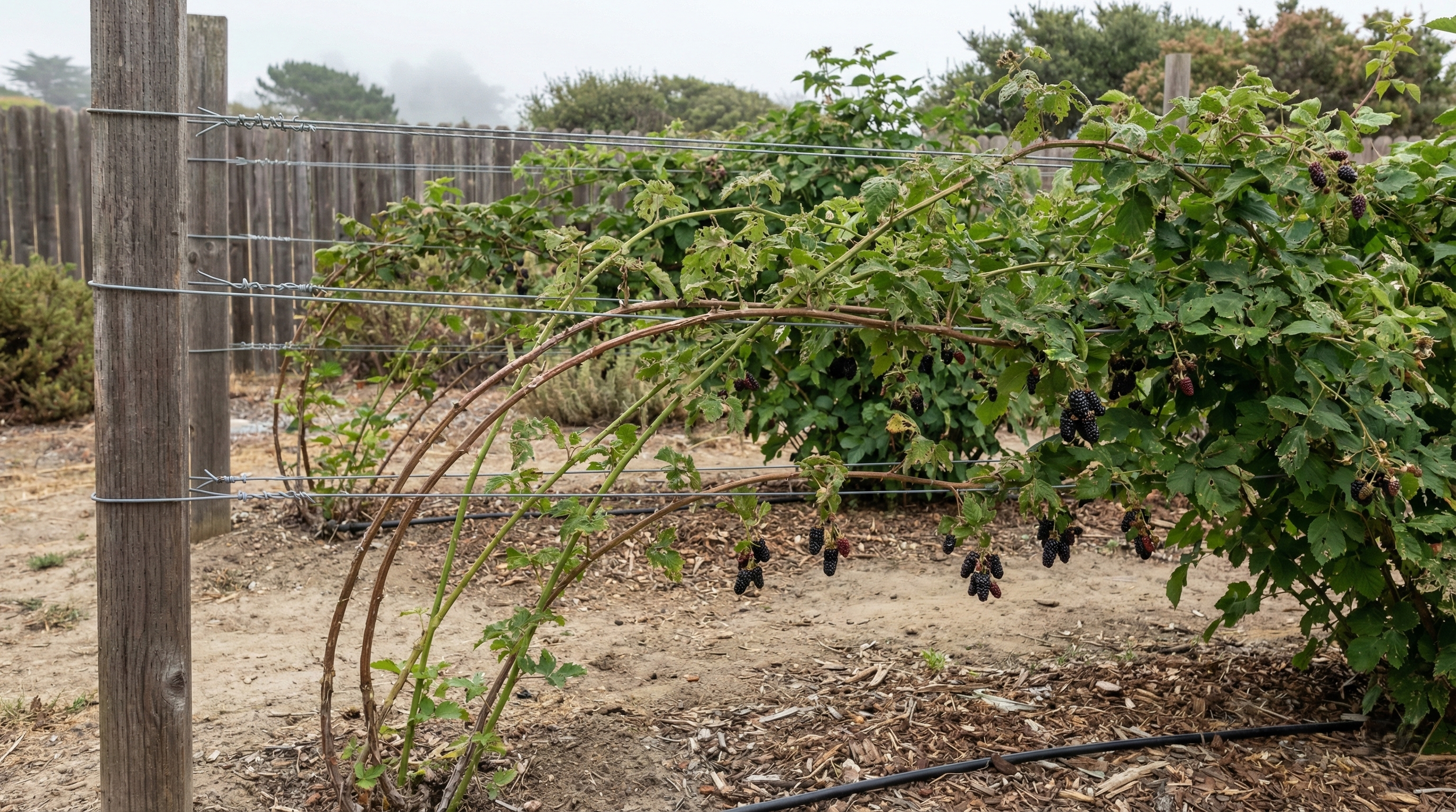
Growing Olallieberries in Santa Cruz County: Your Guide to California's Favorite Pie Berry
Learn how to grow olallieberries in Santa Cruz County, where these California pie berries thrive. Planting tips, trellising, harvest timing, and local farm connections.
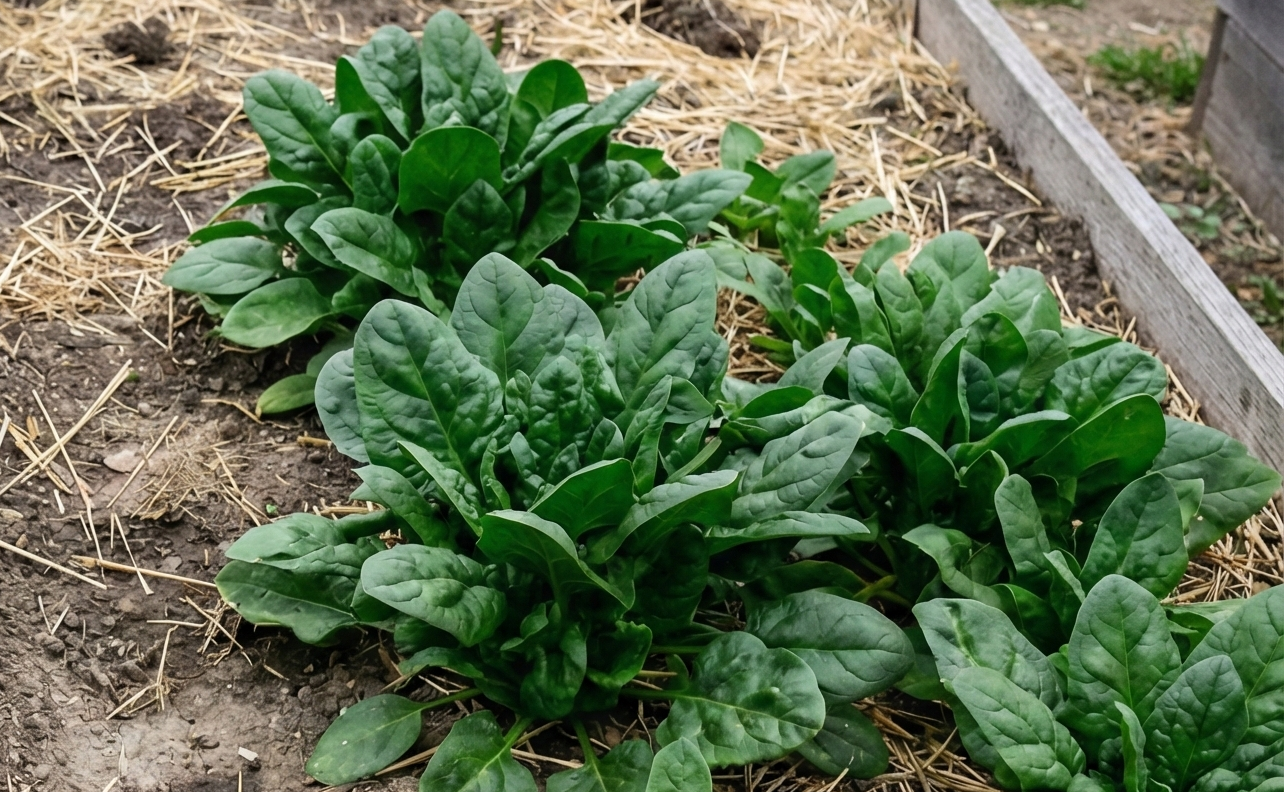
Growing Spinach in Santa Cruz (and Why It Bolts)
Learn why spinach bolts and how to grow it successfully in Santa Cruz County. Best varieties, planting times, and alternatives when spinach gives up.
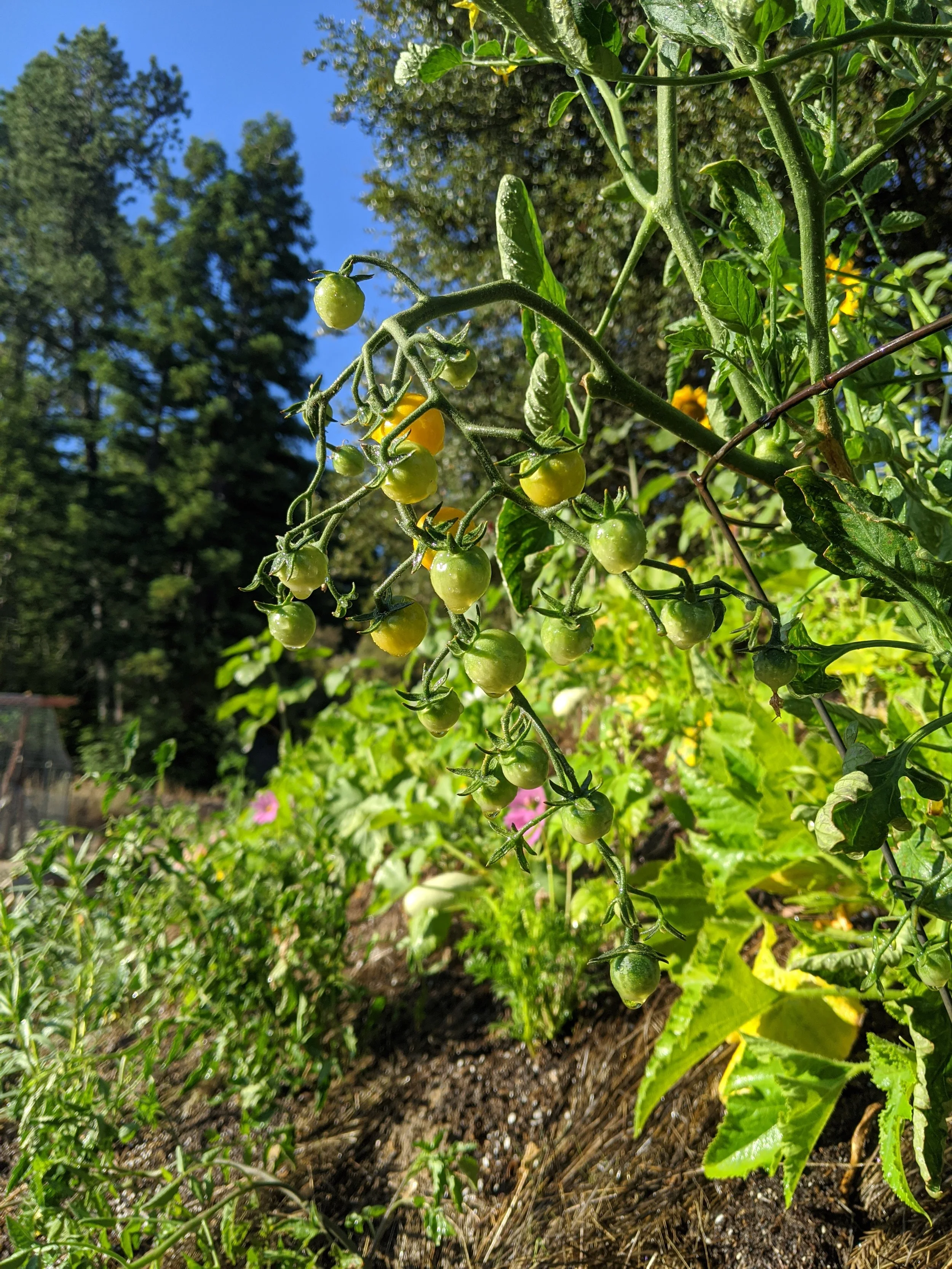
Tomato Fertilizing and Soil Preparation for Santa Cruz County
Learn how to prepare soil and fertilize tomatoes in Santa Cruz County. Local soil types, compost tips, and when to fertilize for best results.
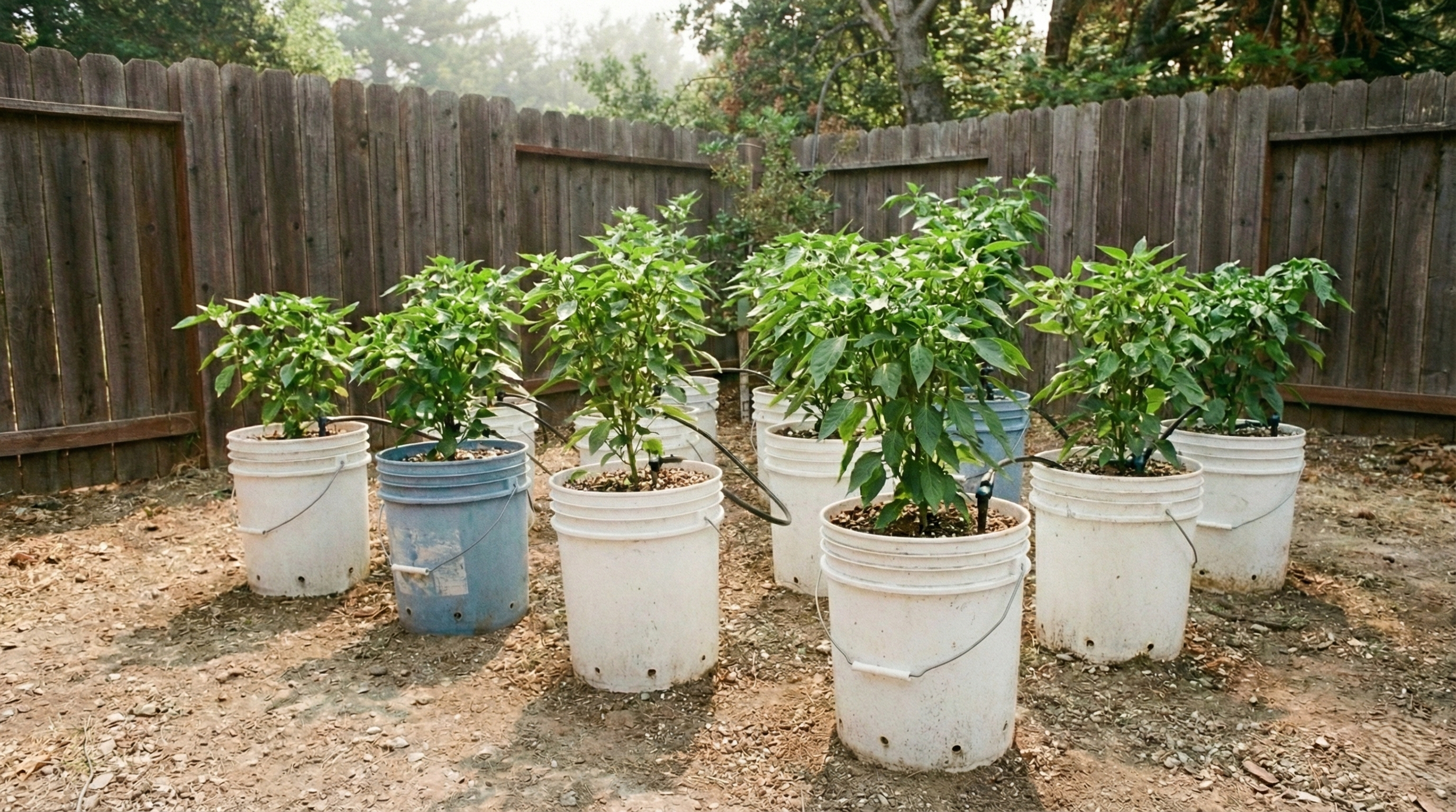
Growing Peppers in Containers in Santa Cruz County: The Mobility Advantage
Container growing is the secret weapon for pepper success in Santa Cruz County's challenging microclimates. The ability to move plants to chase sun, protect them from cold nights, and warm soil faster can transform your pepper harvest, especially in coastal and foggy areas where in-ground peppers struggle.