

Growing Sweet Peppers in Santa Cruz County: The Varieties That Actually Succeed
A few of the product links in this guide are affiliate links. If you buy through one, Ambitious Harvest may earn a small commission at no extra cost to you, which helps keep these guides free. We only point to gear we would use in our own Santa Cruz garden. As an Amazon Associate, we earn from qualifying purchases. Read our full disclosure.
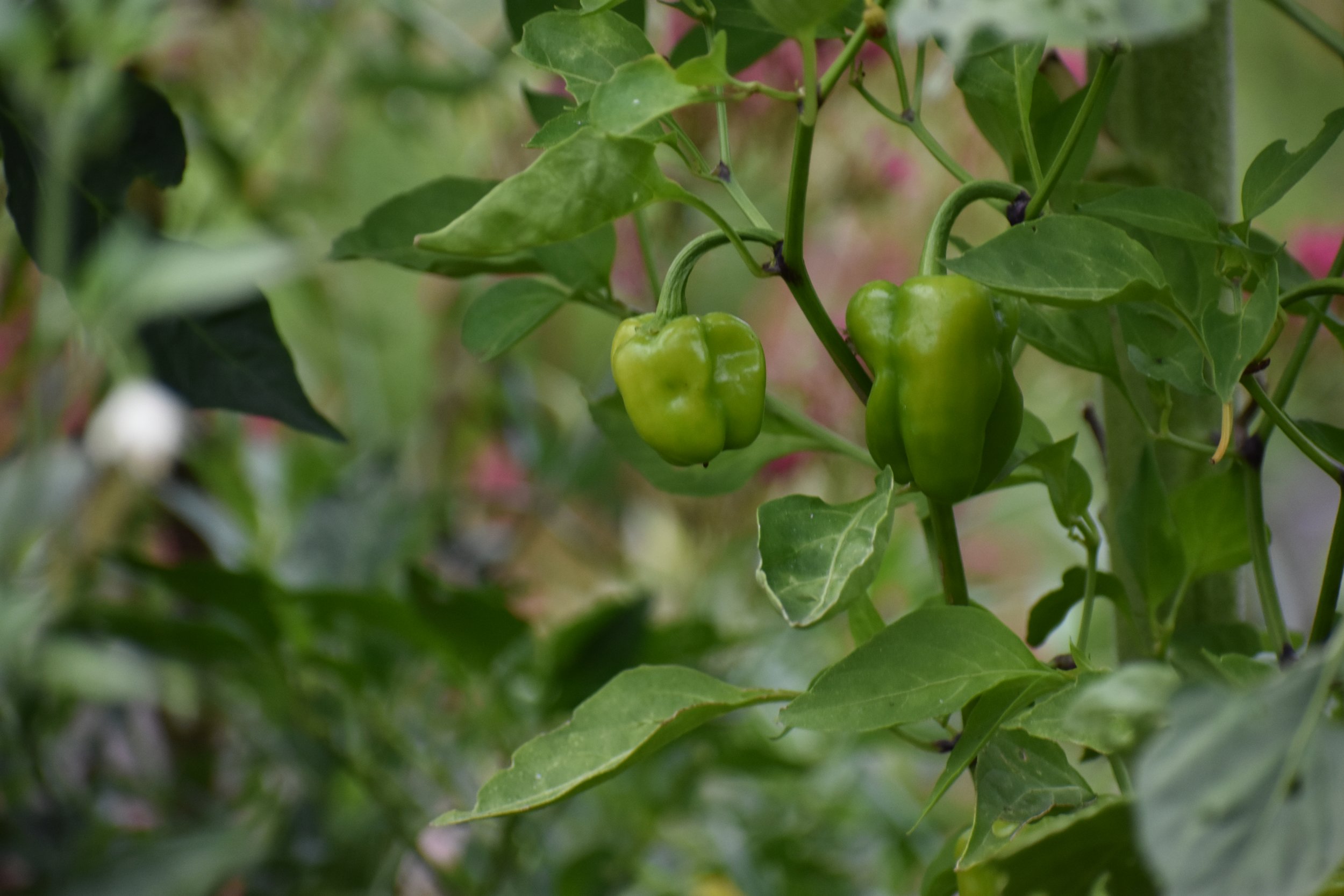
Sweet peppers are one of the most requested crops in Santa Cruz County gardens, and one of the most frustrating. Gardeners who grow beautiful tomatoes and abundant squash watch their bell pepper plants sit there, flowering but never setting fruit, or producing small, bitter peppers that barely resemble the glossy red bells at the grocery store.
If this sounds familiar, you're not doing anything wrong. You're just growing the wrong peppers for our climate.
Standard bell peppers were bred for regions with long, hot summers. They need 75-90 days of warm weather after transplanting, consistent daytime temperatures in the 80s, and nights that stay above 60 degrees F. Santa Cruz County rarely delivers any of that, especially on the coast.
The good news is that plenty of sweet pepper varieties thrive in our cooler conditions. You just need to know which ones to plant. (And if you are interested in heat, see our guide to growing hot peppers in Santa Cruz.)
Why Do Bell Peppers Struggle Here?
Understanding why traditional bell peppers fail helps explain which alternatives succeed.
The Temperature Problem
Peppers are tropical plants. Unlike tomatoes, which tolerate a wider temperature range, peppers are extremely sensitive to both heat and cold.
Blossom drop: Pepper flowers fall off without setting fruit when night temperatures drop below 55 degrees F or rise above 75 degrees F. In coastal Santa Cruz, summer nights regularly dip into the low 50s. Even inland areas see cool nights early and late in the season.
Slow growth: Peppers essentially stop growing when temperatures fall below 60 degrees F. Our foggy mornings and cool evenings mean peppers spend fewer hours in their optimal growth range than they would in warmer regions.
Incomplete ripening: Bell peppers need to stay on the plant for weeks after reaching full size to develop their final color and sweetness. In our short warm season, many fruits never get there.
The Days-to-Maturity Trap
Seed packets list "days to maturity" as if it's a reliable timeline. It's not, especially for peppers in cool climates.
A pepper listed at 75 days to maturity assumes optimal growing conditions: warm soil at transplanting, consistent daytime heat, warm nights. In Santa Cruz County, that 75-day pepper might take 90-100 days, or never mature at all.
The math problem: If you transplant peppers in mid-May (our typical safe date) and need 90+ actual days to harvest, you're looking at mid-August for your first ripe pepper. By then, days are getting shorter and nights cooler. The window closes fast.
Why Some Gardeners Succeed
You probably know someone who grows gorgeous bell peppers in Santa Cruz. How?
Microclimate advantage: A south-facing wall in Scotts Valley experiences completely different conditions than an exposed coastal garden in Live Oak. Location matters enormously.
Variety selection: Experienced pepper growers choose early-maturing varieties or types bred for cooler climates.
Season extension: Techniques like Wall O' Waters, black plastic mulch, and container growing can add crucial warmth.
Which Sweet Pepper Types Work in Santa Cruz?
Not all sweet peppers are bell peppers. Several other types mature faster, tolerate cooler conditions, and often taste better than grocery store bells.
| Variety | Days | Color | Best For | Notes |
|---|---|---|---|---|
| Lunch Box Mix | 60 | Red, Orange, Yellow | Coastal Top Pick | Mini bells, incredibly productive. One of the most reliable sweet peppers for fog zones. |
| Mini Belle | 55-60 | Red, Yellow, Orange | Coastal | Very early, compact plants. Sets fruit in cool conditions. Excellent for containers. |
| Lipstick | 55 | Green to Red | Coastal Top Pick | 4" tapered fruits, exceptionally sweet. Very early and reliable. |
| Lunchbox Orange | 60 | Orange | Coastal | Snack-size, sweet and crunchy. Heavy producer. |
| Variety | Days | Color | Best For | Notes |
|---|---|---|---|---|
| Jimmy Nardello | 75 | Green to Red | Inland Top Pick | Legendary Italian heirloom. 8-10" thin fruits, incredible fried. Heavy producer once started. |
| Cubanelle | 65-70 | Light Green to Red | Coastal Inland | Classic frying pepper. 6" long, mild, very productive. Earlier than most frying types. |
| Marconi Red | 70-72 | Green to Red | Inland | Long Italian sweet, 6-8". Slightly thicker walls than Jimmy Nardello. |
| Carmen | 75 | Green to Red | Inland Top Pick | All-America winner. Italian-style, brilliant red, exceptional flavor. Very productive. |
| Corno di Toro | 70-80 | Red or Yellow | Warm Only | Large "Bull's Horn" Italian. Thick, sweet flesh. Needs warmest sites. |
| Variety | Days | Color | Best For | Notes |
|---|---|---|---|---|
| Gypsy | 60-65 | Yellow to Orange-Red | Coastal Top Pick | All-America winner bred for cool climates. Sets fruit in cool conditions. Very reliable. |
| Pimento L | 75 | Green to Red | Inland | Classic heart-shaped, 3-4". Incredibly sweet. Great roasted or fresh. |
| Cherry Stuffer | 60-65 | Green to Red | Coastal Inland | Round 2-3" fruits perfect for stuffing with cheese. Early, heavy producer. |
| Apple | 75 | Green to Red | Inland | Round stuffing pepper. Compact plants. Sweet thick walls. |
| Variety | Days | Color | Best For | Notes |
|---|---|---|---|---|
| King of the North | 65-70 | Green to Red | Coastal Top Pick | Bred for cold climates. Sets fruit at lower temps than most bells. Your best bell option for fog zones. |
| Ace | 50-60 | Green to Red | Coastal Inland | Very early. Medium-sized bells. Reliable cool-weather fruit set. |
| Lady Bell | 62 | Green to Red | Coastal Inland | Compact plants, medium bells. Early and productive. Good for containers. |
| North Star | 65-70 | Green to Red | Coastal Inland | Another short-season bell for cool climates. Reliable producer. |
| California Wonder 300 | 75 | Green to Red | Inland Warm Only | Improved classic for Western conditions. Large fruits, thick walls. Needs warmth. |
| Variety | Days | Color | Best For | Notes |
|---|---|---|---|---|
| Sweet Banana | 65-70 | Yellow to Red | Coastal Inland | Long tapered 6-8" fruits. Mild, sweet, productive. Great fried or pickled. |
| Shishito | 60-75 | Green (harvest green) | Coastal Top Pick | Japanese blistering pepper. Most fog-tolerant pepper you can grow. See dedicated article. |
| Padrón | 60-70 | Green (harvest green) | Coastal Top Pick | Spanish blistering pepper from Galicia (climate like ours). See dedicated article. |
Mini and Snack Peppers
Small peppers mature faster than large ones simply because there's less fruit to develop. Mini bells and snack peppers are among the most reliable sweet peppers for Santa Cruz.
Why they work: 55-65 days to maturity (versus 75-90 for full-size bells), smaller fruits develop and ripen faster, plants often more compact and productive.
Best varieties for Santa Cruz:
Lunch Box Mix: Three-color mini bells (red, orange, yellow) that mature in about 60 days. Thin walls, sweet flavor, incredibly productive. One of the most reliable sweet peppers for coastal gardens.
Mini Belle: Compact plants with 1-2 inch bell-shaped fruits. Very early (55-60 days), sets fruit in cool conditions. Good for containers.
Lipstick: Not technically a mini, but small (4-inch) tapered fruits ripen to bright red in about 55 days. Exceptionally sweet, reliable producer.
Italian Frying Peppers
Italian sweet peppers, sometimes called frying peppers or Cubanelles, are thin-walled varieties perfect for sautéing. They mature faster than bells and tolerate cooler conditions.
Why they work: Thin walls develop faster than thick bell walls, many varieties bred in cooler Mediterranean climates, excellent flavor when cooked, typically 60-70 days to maturity.
Best varieties for Santa Cruz:
Jimmy Nardello: An heirloom Italian sweet pepper that's legendary for both flavor and productivity. Long, thin fruits (8-10 inches) ripen bright red. Sweet enough to eat raw, but incredible when fried. 75 days to maturity but produces heavily once it starts.
Corno di Toro (Bull's Horn): Large Italian sweet pepper with thick, sweet flesh. Red and yellow types available. Needs warmth but produces well in inland gardens. 70-80 days.
Marconi: Long Italian sweet peppers (6-8 inches) with slightly thicker walls than Jimmy Nardello. Available in red, yellow, and gold. 70-72 days.
Cubanelle: Classic frying pepper used in Latin cuisine. Light green to red, 6 inches long, mild and sweet. 65-70 days. Very productive.
Pimento and Roasting Peppers
Heart-shaped pimento peppers and other roasting types offer thick, sweet flesh without the long maturity times of full-size bells.
Why they work: Compact fruits mature faster, many are early-maturing varieties, thick sweet flesh similar to bells.
Best varieties for Santa Cruz:
Pimento L: Classic heart-shaped pimento, 3-4 inches, incredibly sweet. 75 days but compact fruits ripen faster. Great for roasting, stuffing, or fresh eating.
Cherry Stuffer: Round, 2-3 inch peppers perfect for stuffing with cheese. Early (60-65 days), heavy producer.
Gypsy: An All-America winner specifically bred for cooler climates. Wedge-shaped fruits start pale yellow and ripen to orange-red. 60-65 days. Very productive, sets fruit in cool conditions.
Early-Maturing Bell Peppers
If you're determined to grow bell peppers, choose varieties bred for short seasons.
Why they (sometimes) work: Bred specifically for cooler climates or short seasons, 55-65 days versus 75-90 for standard bells, smaller fruits but true bell shape.
Best varieties for Santa Cruz:
King of the North: Bred for cold climates. Medium-size green bells (red when fully ripe) on compact plants. Sets fruit at lower temperatures than most bells. 65-70 days.
Ace: Early (50-60 days), medium-sized bells that ripen from green to red. Sets fruit reliably in cool conditions. Not the largest bells, but consistent producer.
California Wonder 300: An improved version of the classic California Wonder, bred for Western conditions. 75 days but more reliable than many bells. Large fruits, thick walls.
Lady Bell: Compact plants with medium bells. Early (62 days) and productive. Good for containers.
North Star: Another short-season bell bred for cool climates. Green to red, 65-70 days.
Specialty Sweet Peppers Worth Trying
Some sweet peppers don't fit neatly into categories but perform well here.
Sweet Banana: Long, tapered yellow peppers (6-8 inches) maturing in 65-70 days. Mild, sweet, productive. Great for frying, pickling, or fresh.
Carmen: An All-America winner. Elongated Italian-style sweet pepper, brilliant red when ripe. 75 days but very productive. Exceptional flavor.
Apple: Round peppers, 3-4 inches, stuffing variety. Green to red, about 75 days. Compact plants.
How Do You Grow Sweet Peppers by Microclimate?
Your location within Santa Cruz County dramatically affects which sweet peppers you can grow.
| Microclimate | Bell Peppers | Best Varieties | Transplant Window | Key Strategies |
|---|---|---|---|---|
|
Coastal Aptos, Capitola, Santa Cruz, Live Oak |
Shishito, Padrón, Lunch Box, Lipstick, Mini Belle, Gypsy, King of the North, Ace | Late May - Mid June | Containers for mobility. South-facing walls. Black plastic mulch. Wall O' Waters. Expect mostly green harvests. | |
|
Inland Valleys Scotts Valley, Soquel |
All mini/snack types, Italian frying peppers (Jimmy Nardello, Cubanelle, Carmen), early bells, Sweet Banana | Mid-May - Early June | Full sun essential. Consistent watering. Mulch to retain warmth. Multiple varieties extend harvest. | |
|
Warmest Areas Watsonville, sunny Boulder Creek |
All varieties succeed including full-size bells, California Wonder, Corno di Toro, longer-season types | Late April - Mid May | Take advantage of early planting. Grow multiple varieties. Some afternoon shade during rare heat waves. | |
|
San Lorenzo Valley - Sunny Sunny ridges in Boulder Creek, Ben Lomond |
Mini peppers, Italian frying types, early bells, shishitos/padróns | Mid-May - Early June | Full sun is essential (6+ hours). Protect from late frost if planting early. Similar to inland valleys. | |
|
San Lorenzo Valley - Shaded Canyons in Felton, Ben Lomond, Boulder Creek |
Shishito, Padrón, mini peppers only (or skip peppers entirely) | Late May - June | Consider whether peppers are worth the space. Limited sun and cool air pooling make most peppers struggle. | |
|
Heavy Fog Zones Davenport, very exposed coast |
Shishito, Padrón (these are your best options). Possibly Gypsy or King of the North in containers. | Early-Mid June | Containers essential. Move to chase sun. Wall O' Waters. Accept smaller harvests. Focus on fog-tolerant varieties. |
Coastal Areas (Aptos, Capitola, Santa Cruz, Live Oak)
The challenge: Fog, cool nights, reduced sun hours, short warm season.
The assessment: Full-size bell peppers rarely succeed on the coast. Focus on early-maturing varieties and types bred for cool climates.
Best choices:
Mini peppers: Lunch Box, Mini Belle, Lipstick
Snack types: Any snacking pepper
Early bells: King of the North, Ace
Gypsy (bred for cool climates)
Shishitos and padróns (covered in separate article)
Strategies for success:
Grow in containers for mobility (move to sunny spots, protect from wind)
Plant against south-facing walls for reflected heat
Use black plastic mulch to warm soil
Use Wall O' Waters at transplant time
Delay transplanting until late May or early June
Expect green peppers more often than fully colored ones
Realistic expectations: Plan for modest harvests of smaller peppers. A coastal garden might produce 10-20 peppers per plant of early varieties, compared to 30-50 in warmer areas.
Inland Valleys (Scotts Valley, Soquel)
The advantage: Warmer days, more sun hours, longer warm season than the coast.
Best choices: Most sweet peppers work here with appropriate variety selection.
All mini and snack peppers
Italian frying types: Jimmy Nardello, Marconi, Cubanelle
Early bells: Ace, King of the North, Lady Bell
With good site selection: Carmen, Corno di Toro
Strategies for success:
Full sun (minimum 6-8 hours)
Transplant mid-May when soil warms
Mulch to retain soil warmth and moisture
Consistent watering during fruit set
Realistic expectations: Good harvests of early and mid-season varieties. Full-size bells possible with warm microclimate.
Warmest Areas (Watsonville, Sunny Boulder Creek)
The advantage: The warmest conditions in the county. Longest warm season.
Best choices: Nearly any sweet pepper can succeed here, including full-size bells.
Standard bell peppers (with early varieties as backup)
Italian roasting types
Specialty varieties like Carmen, Corno di Toro
Longer-season varieties that struggle elsewhere
Strategies for success:
Take advantage of early planting (late April possible in warm spots)
Plant multiple varieties for extended harvest
Some afternoon shade helpful during heat waves (rare but possible)
Realistic expectations: Abundant harvests, including fully colored bell peppers. Multiple harvests per season possible with succession planting.
San Lorenzo Valley (Boulder Creek, Ben Lomond, Felton)
The variable factor: Conditions vary dramatically depending on sun exposure. Sunny ridges versus shaded canyons can be 15-20 degrees different.
Sunny exposures: Treat like inland valleys. Good pepper growing possible.
Shaded canyons: Treat like coastal areas or skip peppers entirely. Cool air pooling and limited sun make peppers very challenging.
Best choices for sunny sites:
Mini and snack peppers
Italian frying types
Early bells
Best choices for mixed exposure:
Mini peppers only
Shishitos and padróns (most fog-tolerant)
Realistic expectations: Highly variable. Know your specific microclimate.
When Should You Plant Sweet Peppers in Santa Cruz?
Timing is critical for pepper success.
Soil Temperature Requirements
Peppers won't thrive in cold soil. Wait until soil temperature reaches 60 degrees F at 4 inches deep, and preferably 65 degrees F.
Starting Seeds vs. Buying Transplants
Starting from seed:
Start indoors 8-10 weeks before transplant date
For mid-May transplant, start seeds in early to mid-March
Use heat mat (peppers need 75-85 degrees F soil for germination)
Slow growers compared to tomatoes
Buying transplants:
Available at local nurseries April through May
Look for stocky plants without flowers
Ask nurseries about specific varieties
The variety trade-off: Starting from seed gives access to the best varieties for our climate. Nurseries often carry standard bell peppers that struggle here. If you want Jimmy Nardello or King of the North, you'll likely need to grow from seed.
When and How Should You Plant and Care?
Site Selection
Sun: Full sun is essential. Peppers need minimum 6-8 hours of direct sun. More is better.
Wind protection: Peppers dislike constant wind. Sheltered spots near buildings or fences help.
Soil: Well-draining, fertile soil. Add compost before planting. Peppers prefer slightly acidic to neutral pH (6.0-7.0).
Spacing: 18-24 inches apart for most varieties.
Planting Steps
Harden off seedlings for 7-10 days before transplanting
Wait for warm soil (60 degrees F minimum)
Plant at same depth as pot (or slightly deeper is fine)
Water deeply after planting
Apply 2-3 inches of mulch (keep away from stem)
Consider support stakes for heavily producing varieties
Watering
The goal: Consistent moisture without waterlogging.
Signs of underwatering: Wilting, blossom drop, small or bitter fruit.
Signs of overwatering: Yellow leaves, slow growth, root rot.
Schedule: Deep water when top inch of soil is dry. In peak summer, this might be every 2-3 days.
Fertilizing
Peppers are moderate feeders. Too much nitrogen creates leafy plants with few peppers.
Schedule:
At planting: Work compost into soil
At first flower: Side-dress with balanced organic fertilizer
Monthly during production: Light feeding or compost tea
Common Problems
Blossom drop: Flowers fall without setting fruit.
Causes: Cool nights (below 55F), hot days (above 90F), inconsistent watering, too much nitrogen
Solutions: Choose tolerant varieties, water consistently, reduce nitrogen
Small or bitter peppers:
Causes: Insufficient warmth, water stress, harvesting too early
Solutions: Improve growing conditions, water consistently, allow full maturity
Blossom end rot: Dark sunken spots on fruit bottom.
Cause: Calcium uptake issue, usually from inconsistent watering
Solution: Water deeply and consistently
Aphids: Clusters of small insects on new growth.
Solution: Strong water spray, insecticidal soap if severe
Sunscald: White or tan patches on fruit.
Cause: Sudden sun exposure on fruit (usually after leaf loss)
Solution: Maintain healthy foliage, shade cloth in extreme heat
When Should You Harvest Sweet Peppers?
When to Harvest
Green stage: All sweet peppers are edible when green and full-sized. Green peppers are slightly more bitter and have less developed flavor, but still good.
Color stage: For best flavor and sweetness, allow peppers to fully ripen to their final color (red, yellow, orange, depending on variety). This takes 2-4 additional weeks after reaching full size.
The Santa Cruz trade-off: Letting peppers fully ripen means fewer total peppers, since each fruit stays on the plant longer. Many gardeners harvest some green and let others ripen for variety.
Harvesting Tips
Use scissors or pruners to cut stems (pulling can damage plants)
Harvest regularly to encourage continued production
Pick any peppers before first frost
Yield Expectations
Yields vary dramatically by variety, microclimate, and growing conditions:
Mini peppers: 30-60 fruits per plant Italian frying peppers: 15-30 fruits per plant Early bells: 8-15 fruits per plant Full-size bells: 4-8 fruits per plant (in favorable conditions)
Frequently Asked Questions
Why do my pepper plants flower but not produce fruit?
This is almost always blossom drop from temperature issues. Peppers drop flowers when nights are below 55 degrees F or days exceed 90 degrees F (rare here). The solution is choosing varieties that set fruit in cooler conditions, like King of the North, Gypsy, or mini peppers.
Can I grow bell peppers on the coast?
You can try, but success is limited. Standard bells rarely produce well in foggy coastal areas. Your best options are early-maturing varieties like Ace or King of the North, grown in containers against a warm south-facing wall. Even then, expect small harvests of mostly green peppers.
Why are my peppers staying small?
Small fruit usually indicates stress: not enough water, not enough warmth, or too many peppers for the plant to support. Try removing some small peppers to let the plant focus energy on fewer fruits. Also ensure consistent watering and adequate sun.
Should I let peppers turn red or harvest them green?
Either is fine. Red (or yellow, orange) peppers have more developed flavor and higher sugar content. Green peppers are perfectly edible but slightly more bitter. Letting peppers ripen fully means fewer total peppers, since each one occupies the plant longer. Many gardeners harvest a mix.
How many pepper plants should I grow?
For a household that eats peppers regularly, 4-6 plants of productive varieties provide good harvests. Start with 2-3 plants if you're testing varieties. Grow more of mini and frying types (heavy producers) and fewer large bells (lower yields).
Can I save seeds from my sweet peppers?
Yes, but peppers cross-pollinate easily. If you grow multiple pepper varieties (including hot peppers), saved seeds may produce hybrids with unpredictable traits. For true-to-type seeds, grow only one variety or isolate plants.
Why are some peppers on my plant sweet and others hot?
If you're growing sweet varieties, this shouldn't happen. However, if sweet and hot peppers cross-pollinate, the resulting seeds can produce plants with variable heat levels. This won't affect the current generation but will affect saved seeds.
What's the difference between green and red bell peppers at the store?
They're the same pepper at different ripeness stages. Green bells are unripe. Red, yellow, and orange bells are fully ripe, which is why they cost more (they take longer to grow). The same pepper, left on the plant, would turn from green to its final color.
Downloadable Guides
These free PDF guides support your pepper-growing success:
Seasonal Planting Calendar: Month-by-month planting guidance including peppers.
Companion Planting Guide: What to plant near your peppers.
Know Your Microclimate Worksheet: Determine your growing conditions.
Local Resources
UC Master Gardeners of Monterey and Santa Cruz Counties: Free gardening advice and pepper variety guidance.
San Lorenzo Garden Center: Carries pepper transplants in spring.
Mountain Feed & Farm Supply: Seeds including harder-to-find pepper varieties.
Renee's Garden Seeds: Felton-based seed company with excellent pepper selection.
Love Apple Farms: Annual plant sales often include specialty pepper varieties.
Kitazawa Seed Company: Asian vegetable specialist with shishito and other cool-tolerant peppers.
Related Articles
Growing Sweet Peppers in Santa Cruz
Growing Peppers in Containers in Santa Cruz County (The Mobility Advantage)
