

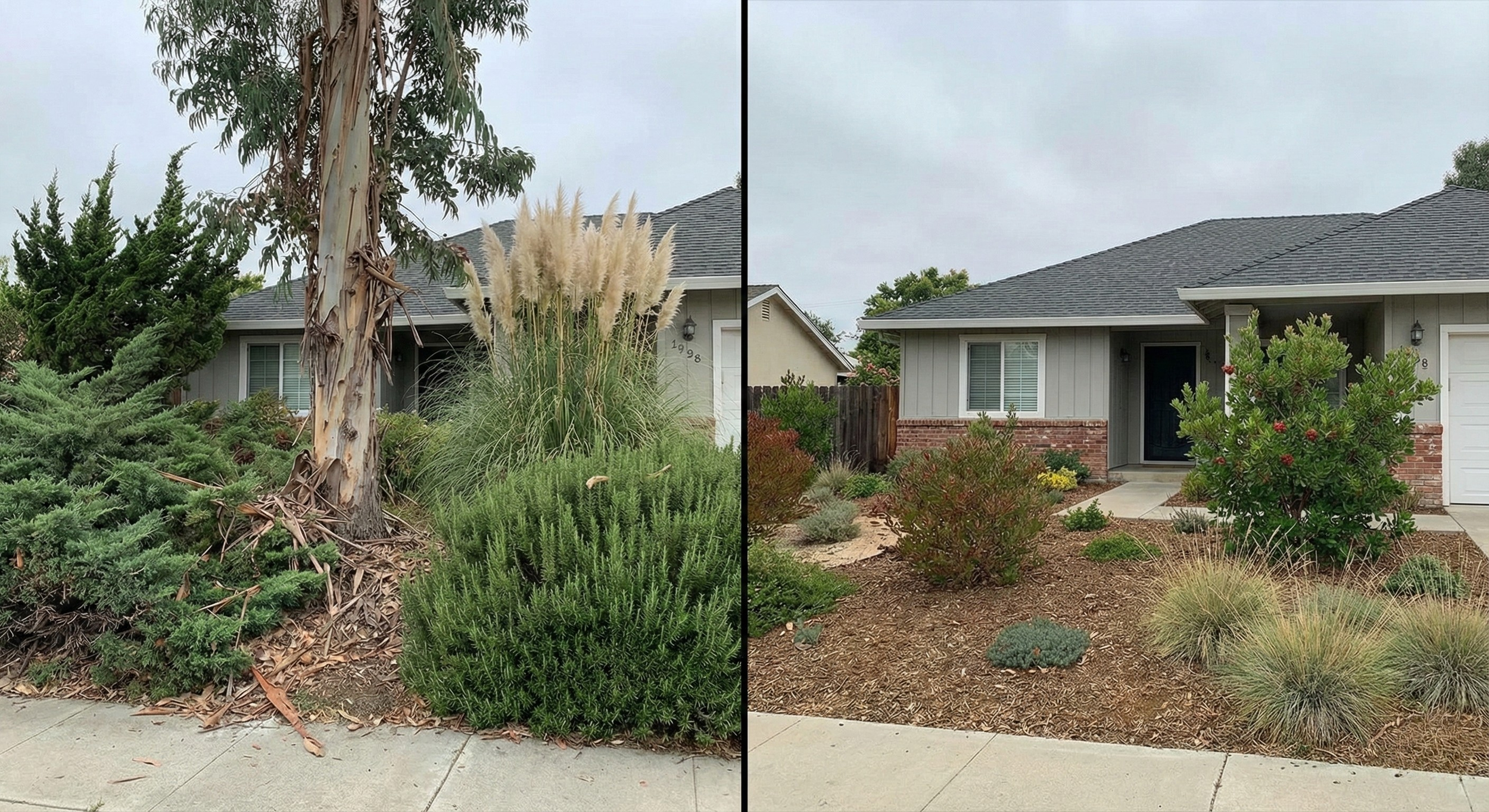
What NOT to Plant Near Your Home: Fire-Hazard Plants to Avoid
Some of the most common landscaping plants in Santa Cruz County are also the most dangerous in fire season. Juniper, eucalyptus, cypress, and pampas grass create fire pathways to your home. Learn which plants to avoid or remove from your defensible space, especially in high-risk areas like Boulder Creek, Ben Lomond, Brookdale, and Felton. Knowing what NOT to plant is just as important as choosing fire-resistant alternatives.
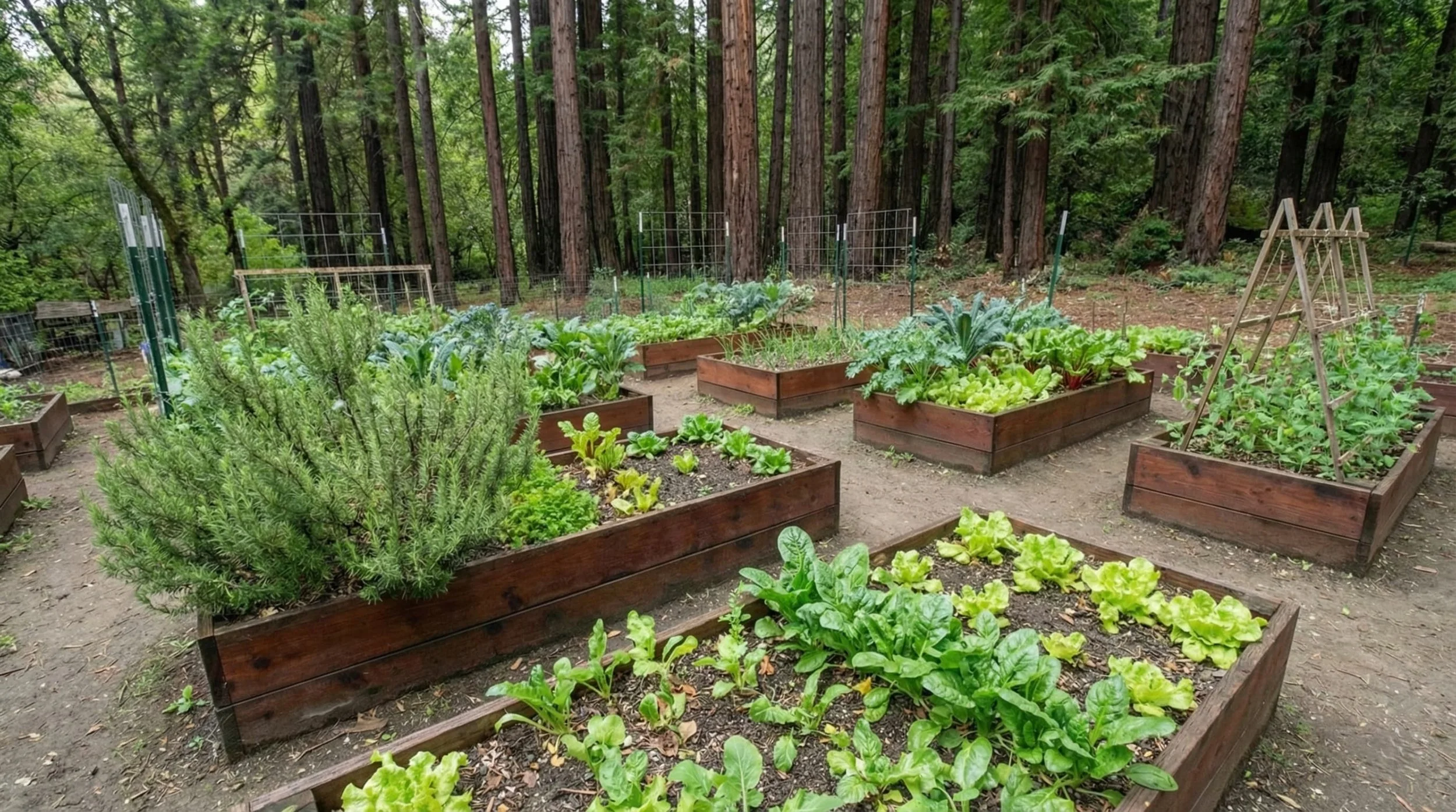
Your First Season Timeline: What to Expect Month by Month
Know what to expect in your first year of vegetable gardening in Santa Cruz County. Month-by-month guide covering planting, harvesting, common surprises, and when to worry versus when to be patient.
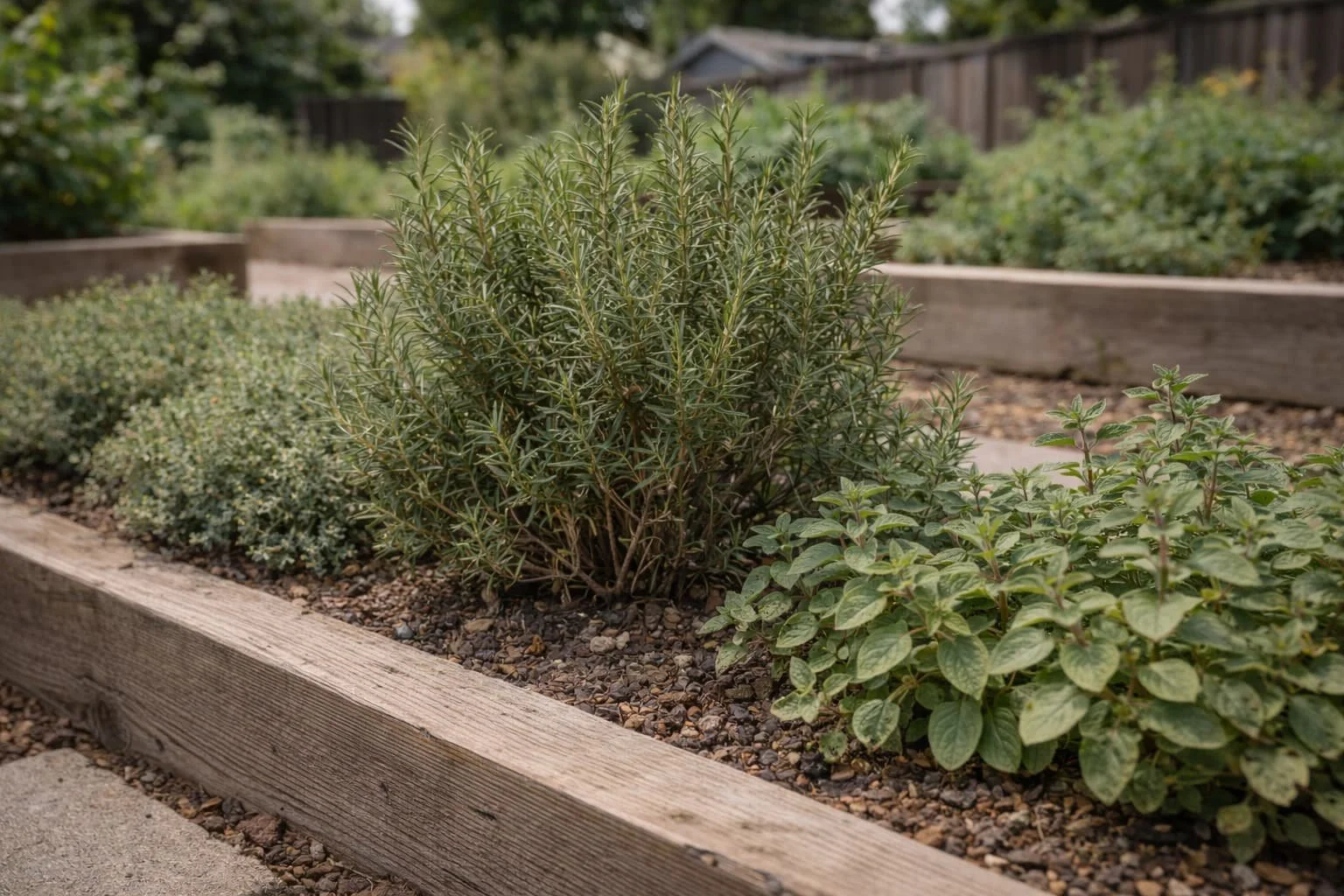
Fire-Wise Herb Gardens: Low-Growing, High-Moisture Plants
Herbs are essential for any food garden, but not all herbs are fire-safe. Learn which herbs work well in defensible space, which popular herbs to keep away from structures, and how to design an herb garden that's both productive and fire-wise.

How Gardening Supports Kids' Mental Health: Building Emotional Resilience in the Garden
Regular time in the garden can support children's mood, stress regulation, and emotional wellbeing. Here's what the research shows and how to make it work.
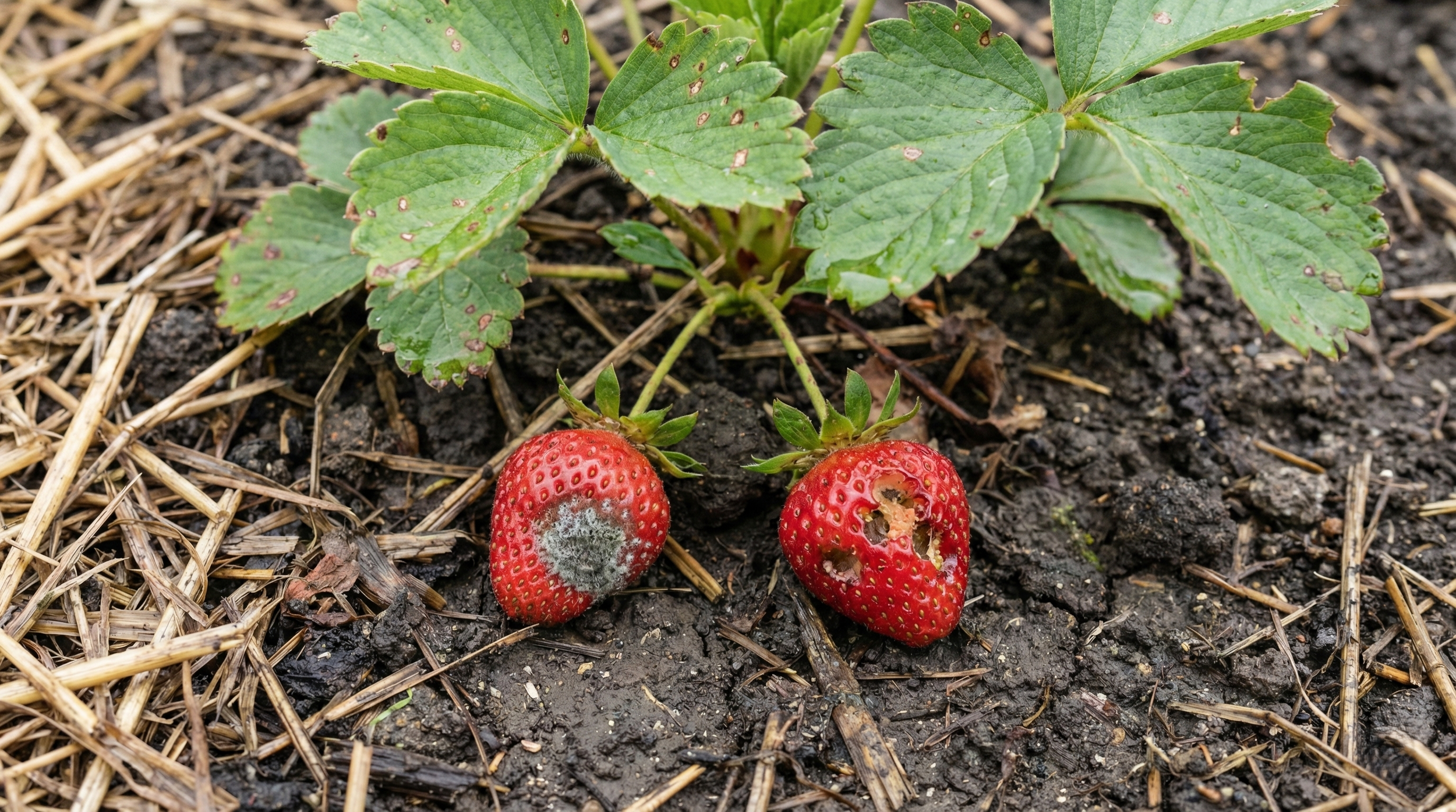
Top Strawberry Mistakes New Gardeners Make (And How to Avoid Them)
Most strawberry failures come from a handful of predictable mistakes. This guide covers the 12 most common errors new gardeners make when growing strawberries, from planting crowns too deep to ignoring runner management. Each mistake includes a clear fix so you can grow strawberries successfully the first time.

Succession Planting for Beginners
Succession planting means staggering plantings over time for continuous harvests. In Santa Cruz County's year-round growing season, this technique transforms your garden into a steady food source.
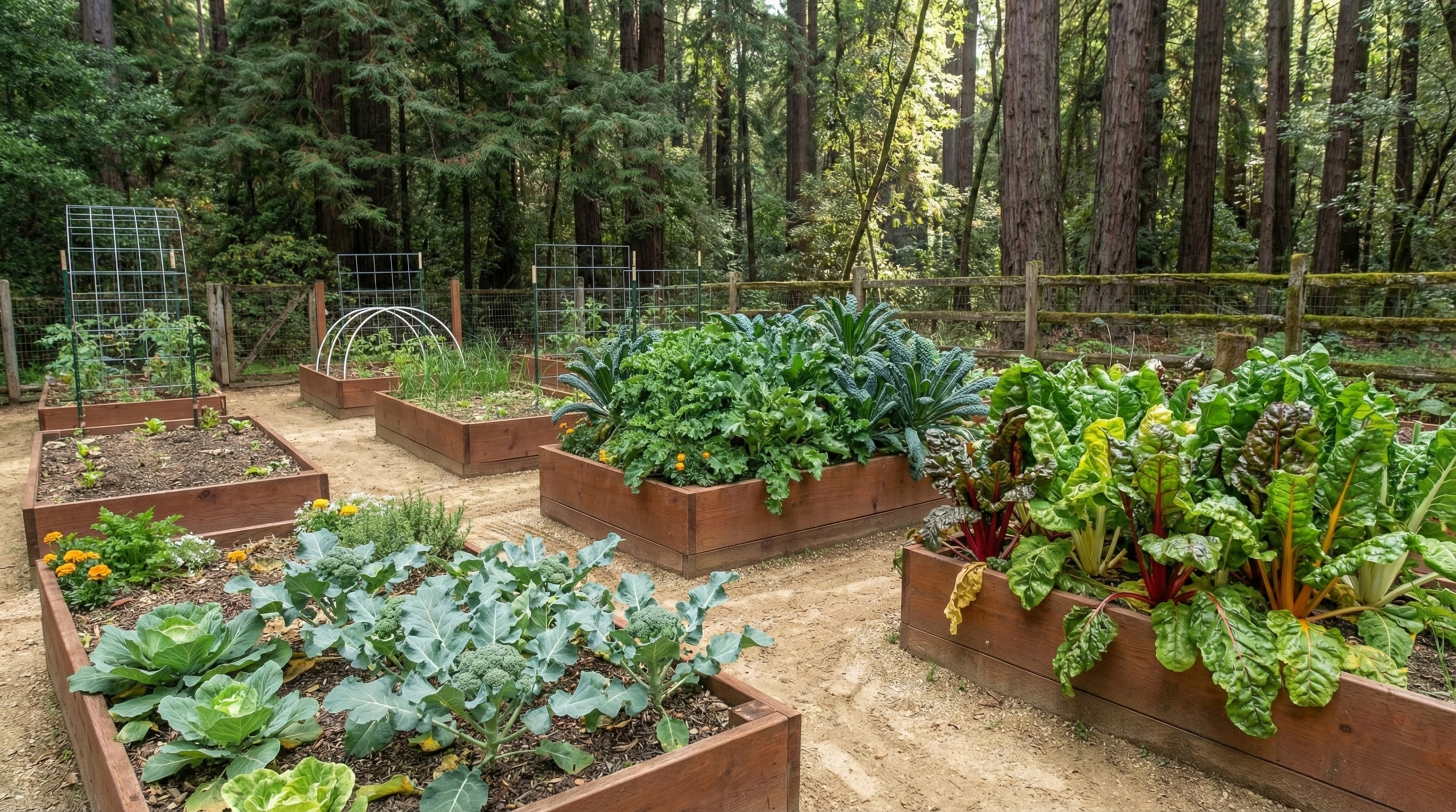
The 3 Best Bulk Soils for Santa Cruz County Vegetable Gardens (And Where to Get Them)
Building raised beds or amending your garden? Buying soil by the bag gets expensive fast. Here are the three best bulk soil options in Santa Cruz County, where to get them, and how to choose the right one for your garden.

Best Berries to Grow in Santa Cruz County: 5 Top Picks for Coastal Gardens
Santa Cruz County's mild temperatures and coastal influence create ideal conditions for growing berries. These five varieties thrive here, producing abundant harvests with the right care.
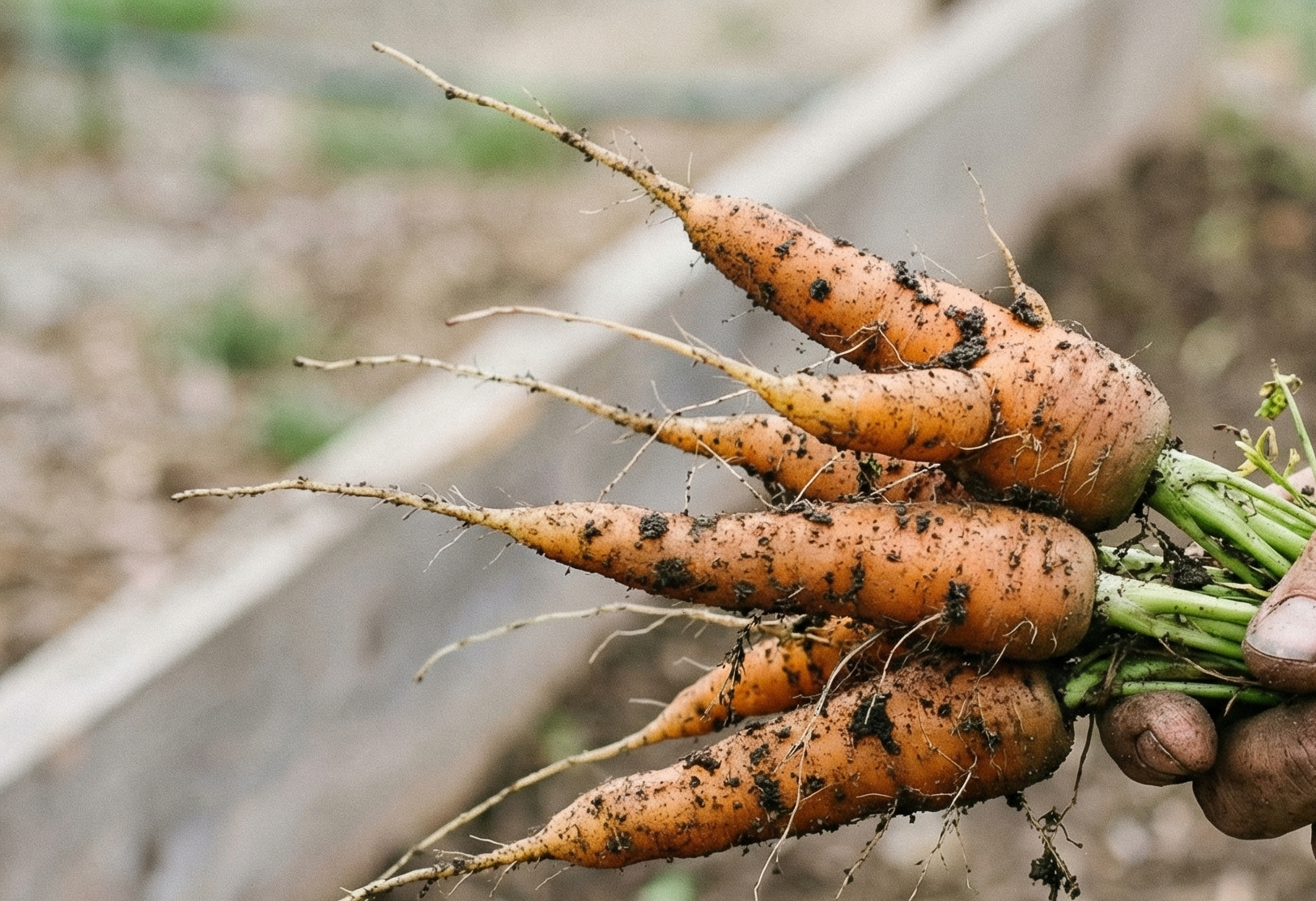
Carrot Troubleshooting Guide: Pests, Diseases, and Growing Problems in Santa Cruz County
From forked roots to vanishing plants, this guide diagnoses every carrot problem and provides local solutions for Santa Cruz County gardens.
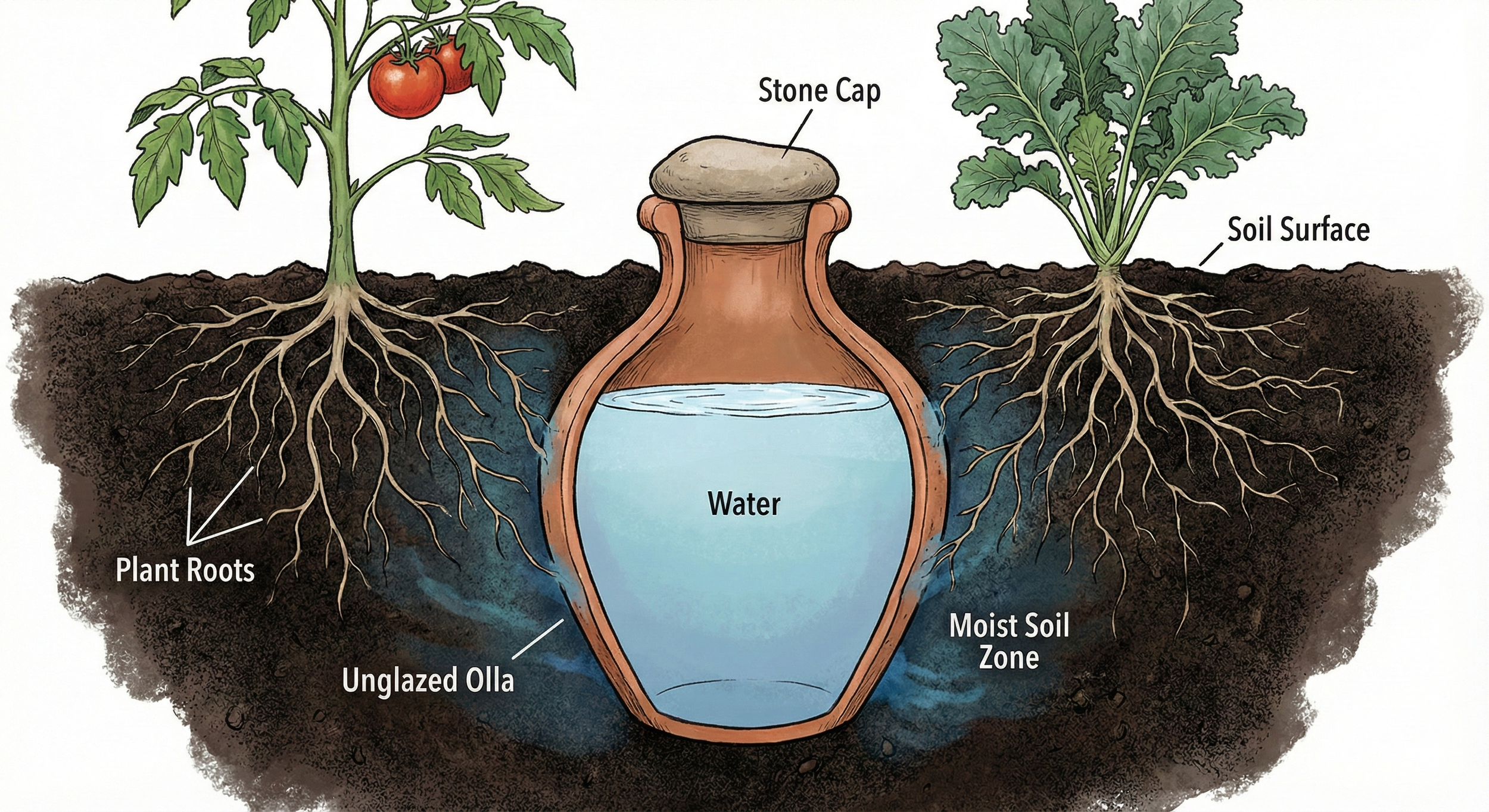
Ollas: Ancient Irrigation That's Perfect for Santa Cruz Gardens
California's dry summers demand water-wise irrigation, and ollas offer an elegant 4,000-year-old solution. These unglazed clay pots buried in your garden slowly release water directly to plant roots, using 50 to 70 percent less water than surface irrigation. Perfect for Santa Cruz County's Mediterranean climate, ollas work in foggy Aptos, clay soil in Soquel, or sandy soil in Boulder Creek. Learn how to install, use, and even make your own DIY ollas.
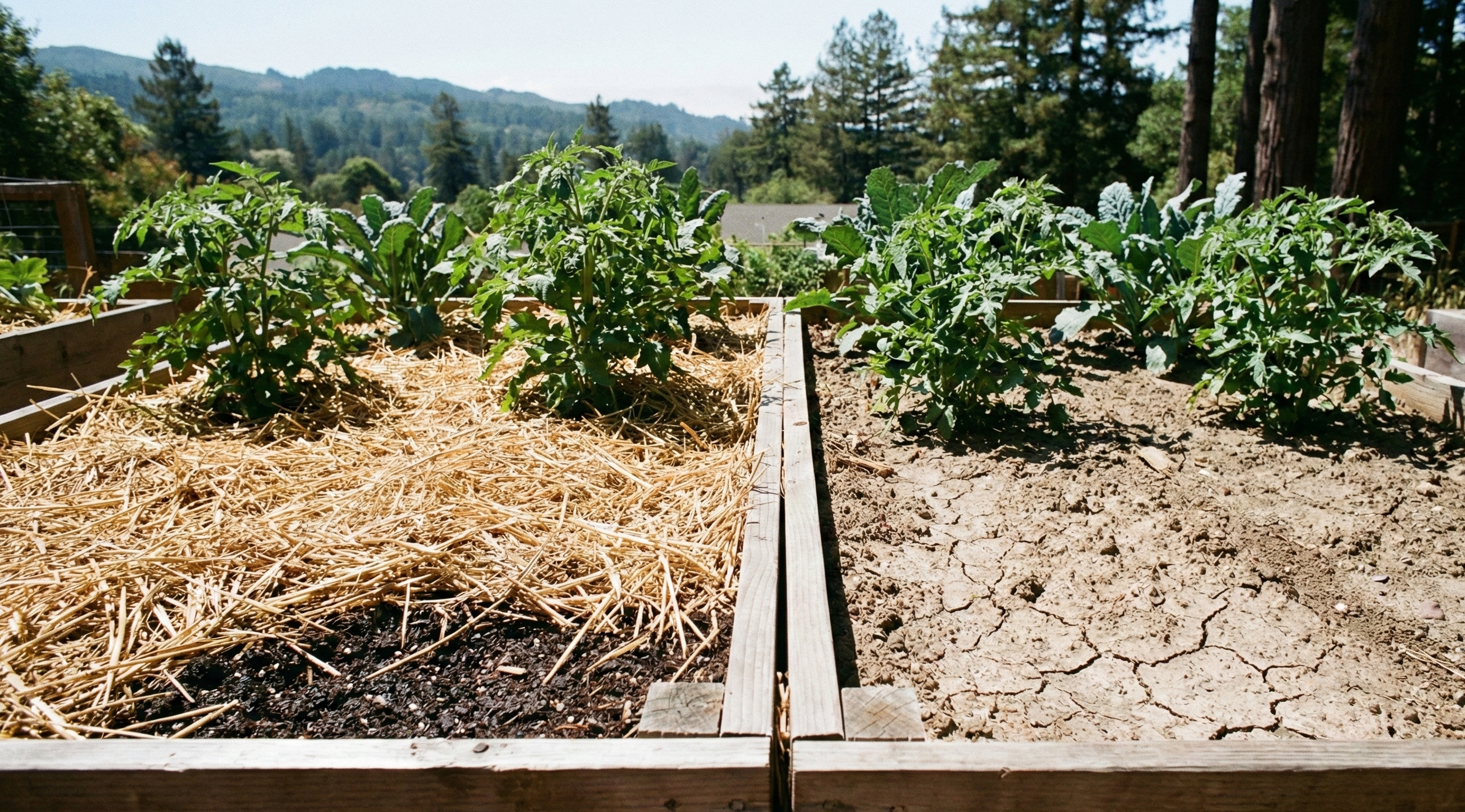
Mulch and Soil Health: The Hidden Irrigation System in Your Santa Cruz County Garden
Mulch and healthy soil act like hidden irrigation, keeping moisture in your garden longer between waterings. Learn how much mulch to use and how to build soil that holds water in Santa Cruz County.
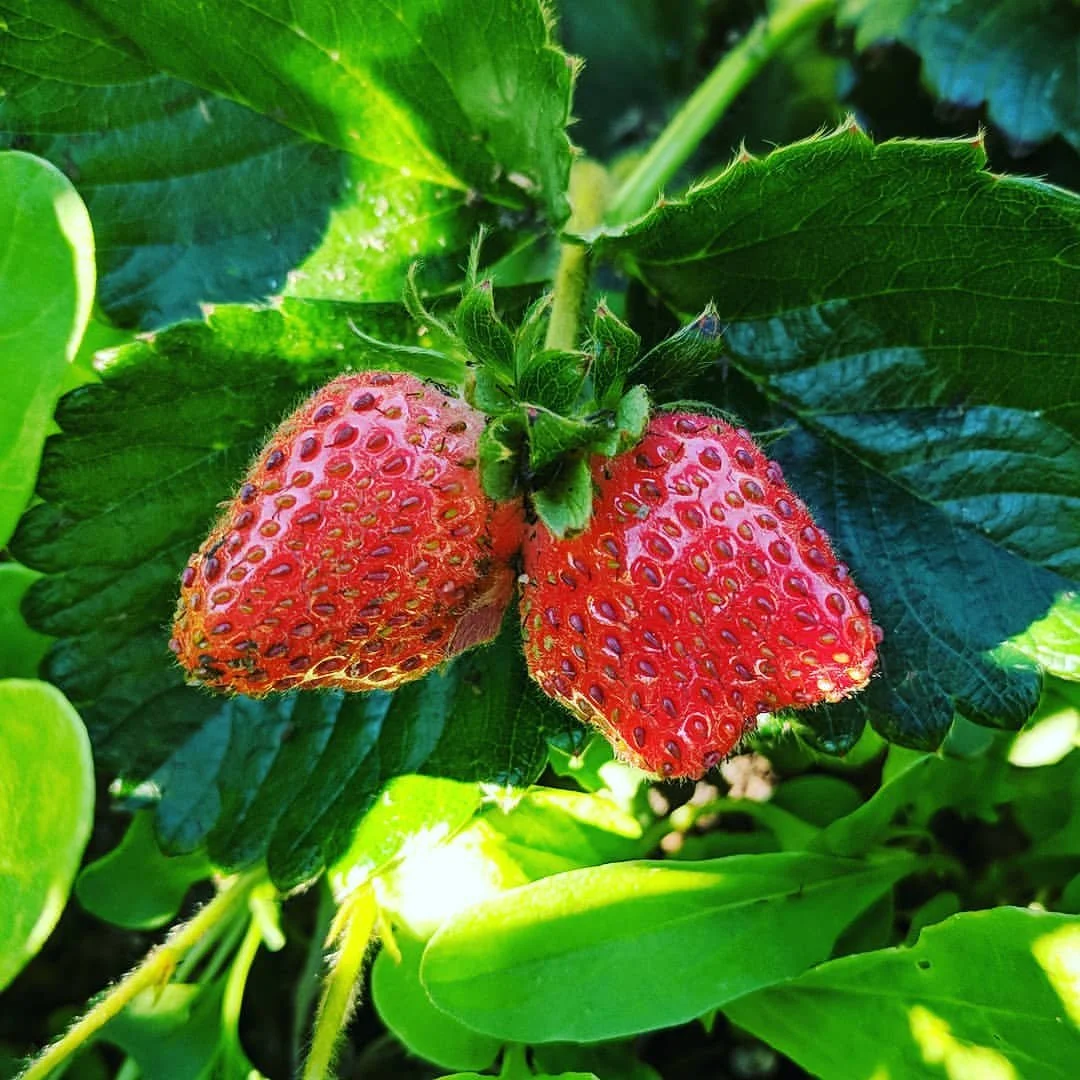
Best Strawberry Varieties for Santa Cruz County
A deep dive into strawberry varieties that thrive in Santa Cruz County, with recommendations matched to your specific microclimate.
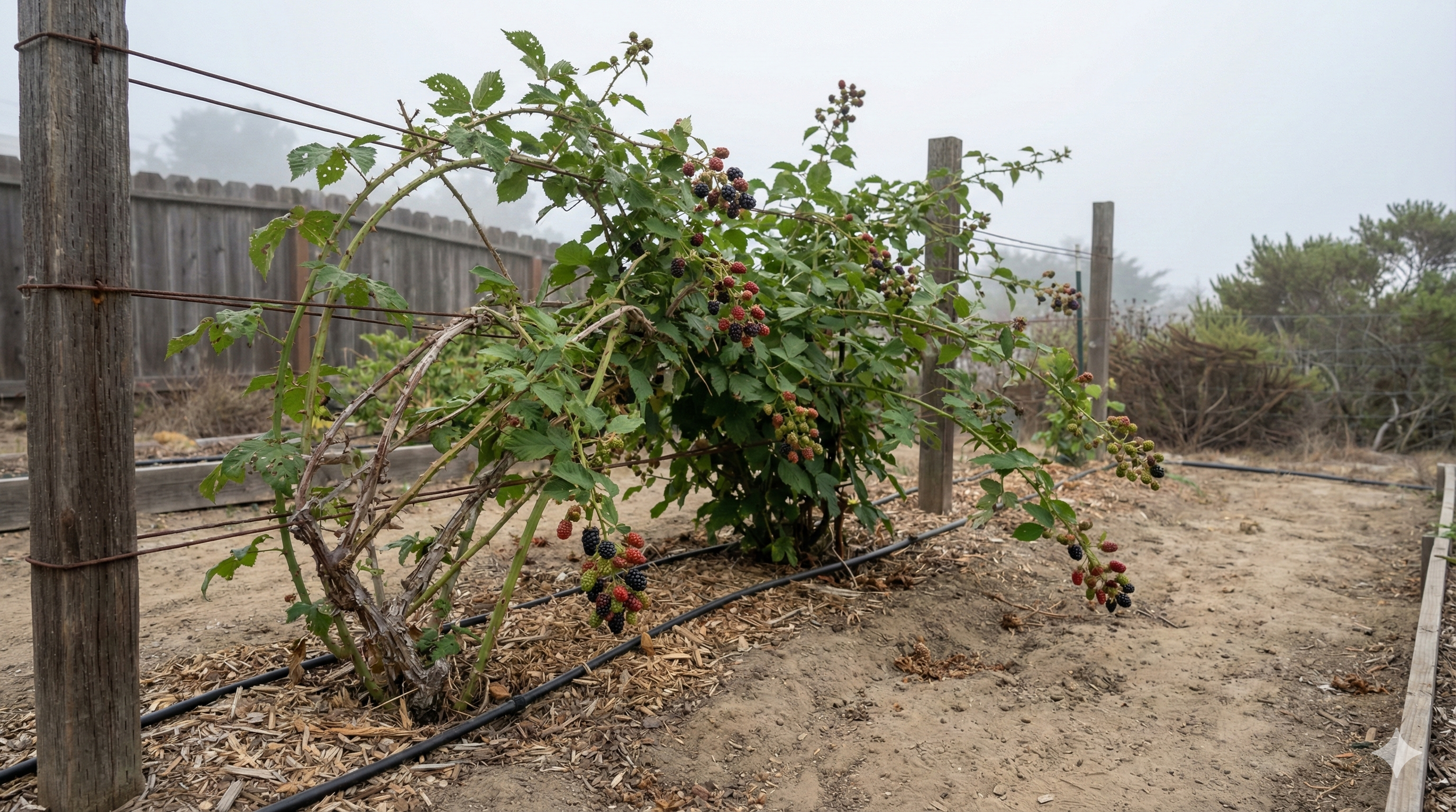
Blackberry Problems: Pests, Diseases, and Common Issues
From orange rust (remove the whole plant!) to spotted wing drosophila, learn to identify and treat common blackberry problems. Includes organic solutions for Santa Cruz County gardeners.
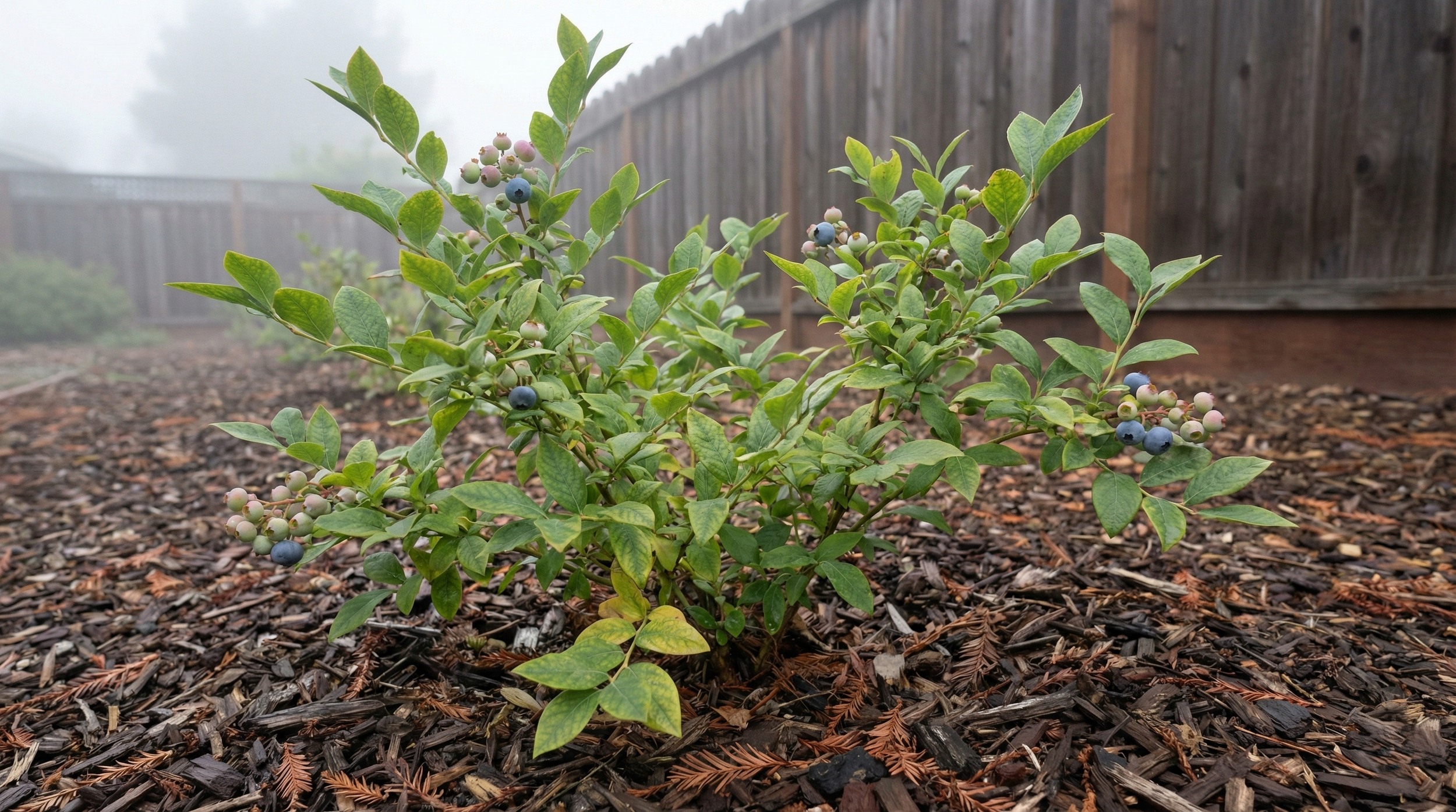
Best Blueberry Varieties for Santa Cruz County Gardens
The best blueberry varieties for California gardens. Southern Highbush picks for low-chill areas, including Sunshine Blue, Sharpblue, and Misty - with local growing notes.

5 Easy Crops Kids Can Grow in Santa Cruz
The secret to getting kids excited about gardening? Quick wins. These 5 crops are perfect for Santa Cruz County kids: sunflowers grow dramatically tall, cherry tomatoes provide endless sweet snacks, snap peas climb and crunch, radishes are ready in just a month, and strawberries turn into a daily treasure hunt. Our mild climate means you can try these nearly year-round.
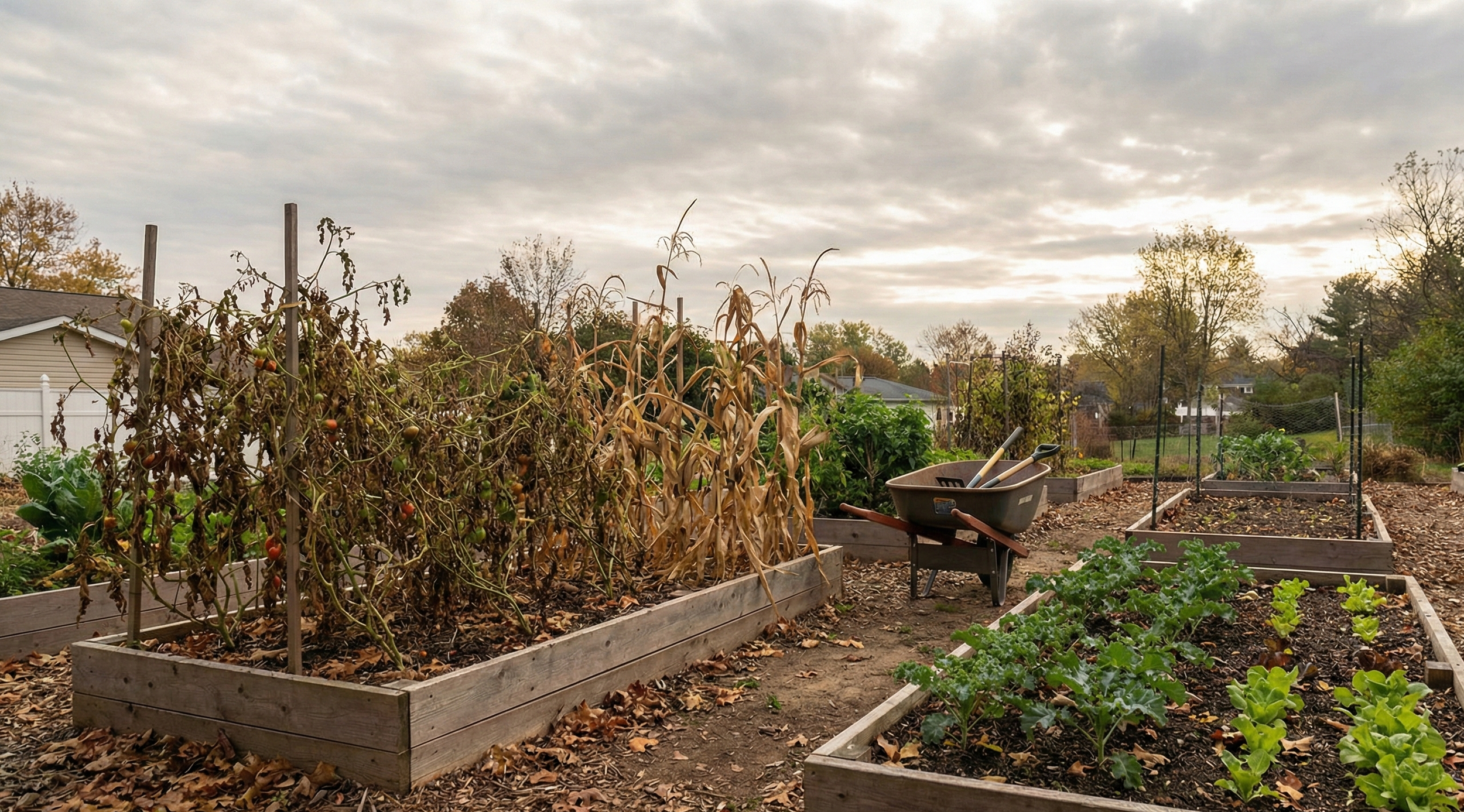
How Much Do I Really Need to Water My Garden in Fall in Santa Cruz County?
Fall is the trickiest irrigation season in Santa Cruz County. Learn when to keep watering, when to scale back, and how to transition from summer irrigation to rain-fed gardening by late November.
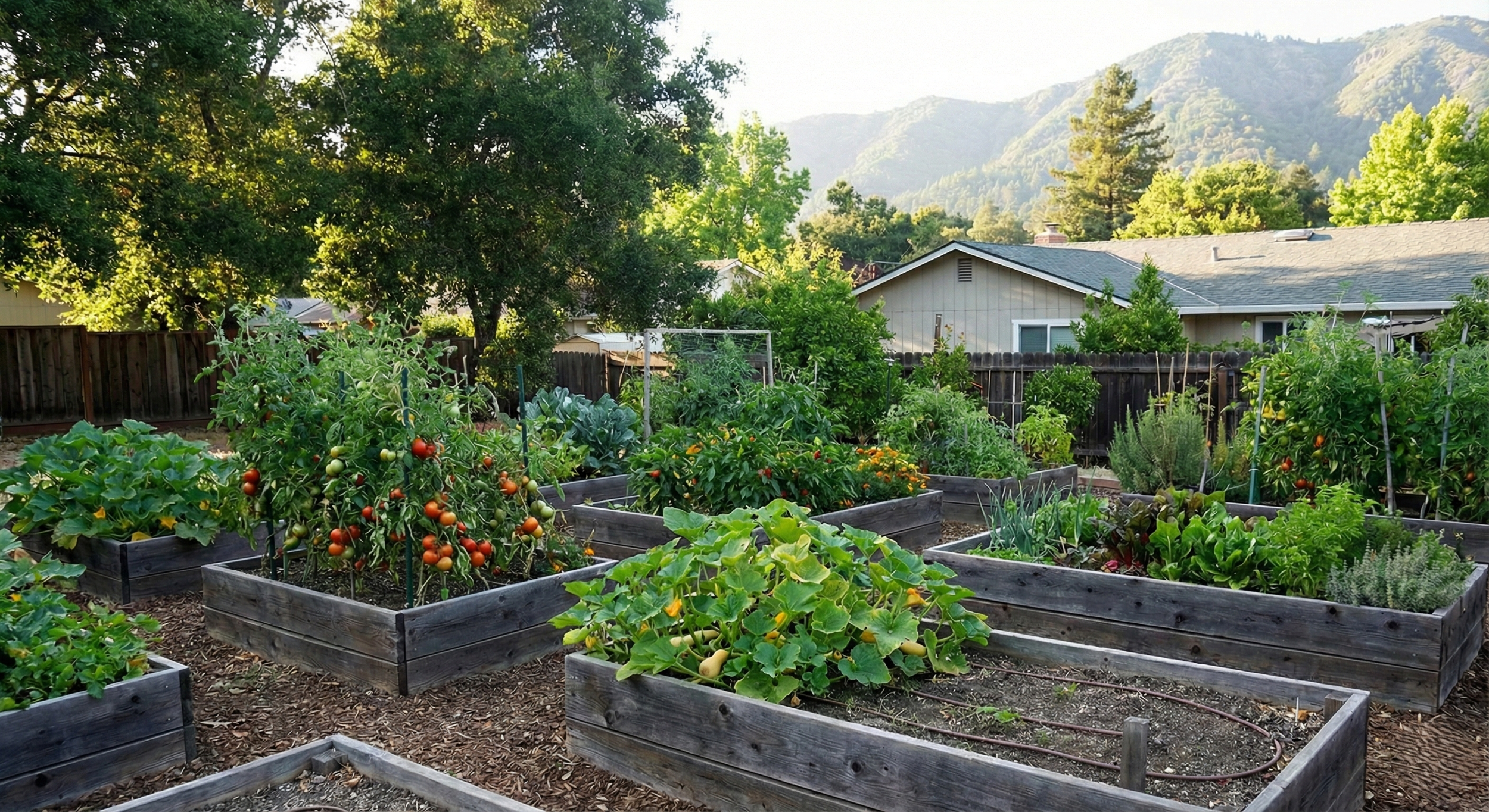
The First 5 Vegetables to Grow in Santa Cruz County
New to vegetable gardening in Santa Cruz County? Start with these 5 forgiving, productive crops chosen specifically for our microclimates: cherry tomatoes (productive and delicious), summer squash (fast and abundant), lettuce (quick harvests year-round), essential herbs (basil, cilantro, parsley), and bush beans (nearly foolproof). Build confidence with these winners, then expand from there.
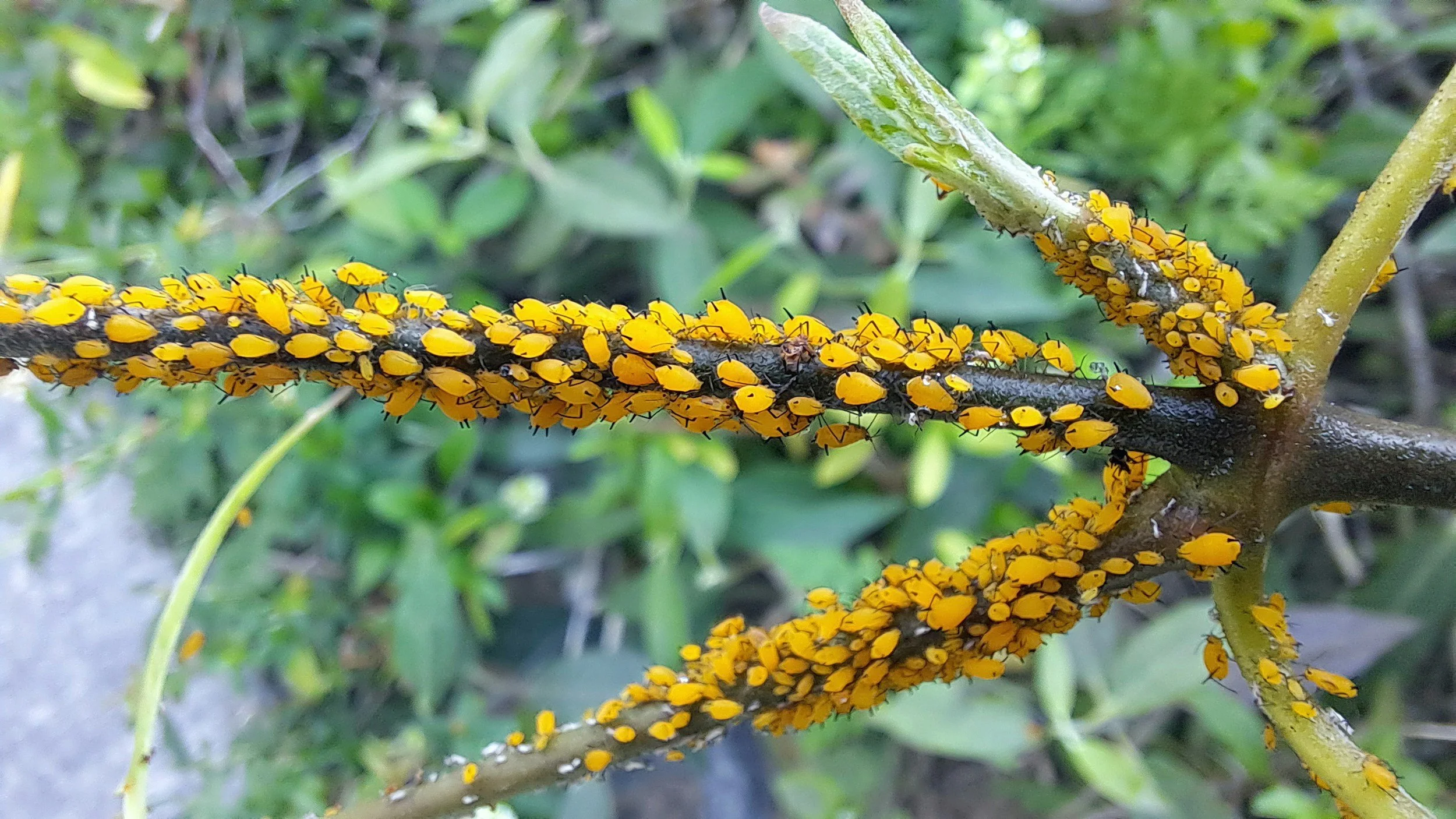
Common Garden Pests in Santa Cruz County (And How to Beat Them)
Every Santa Cruz County garden has pests. Our mild climate means they're active year-round without hard freezes to knock back populations. This guide covers the most common pests in local vegetable gardens (aphids, slugs, cabbage worms, whiteflies, tomato hornworms, squash bugs, spider mites, and flea beetles), how to identify them, and organic control methods that actually work.
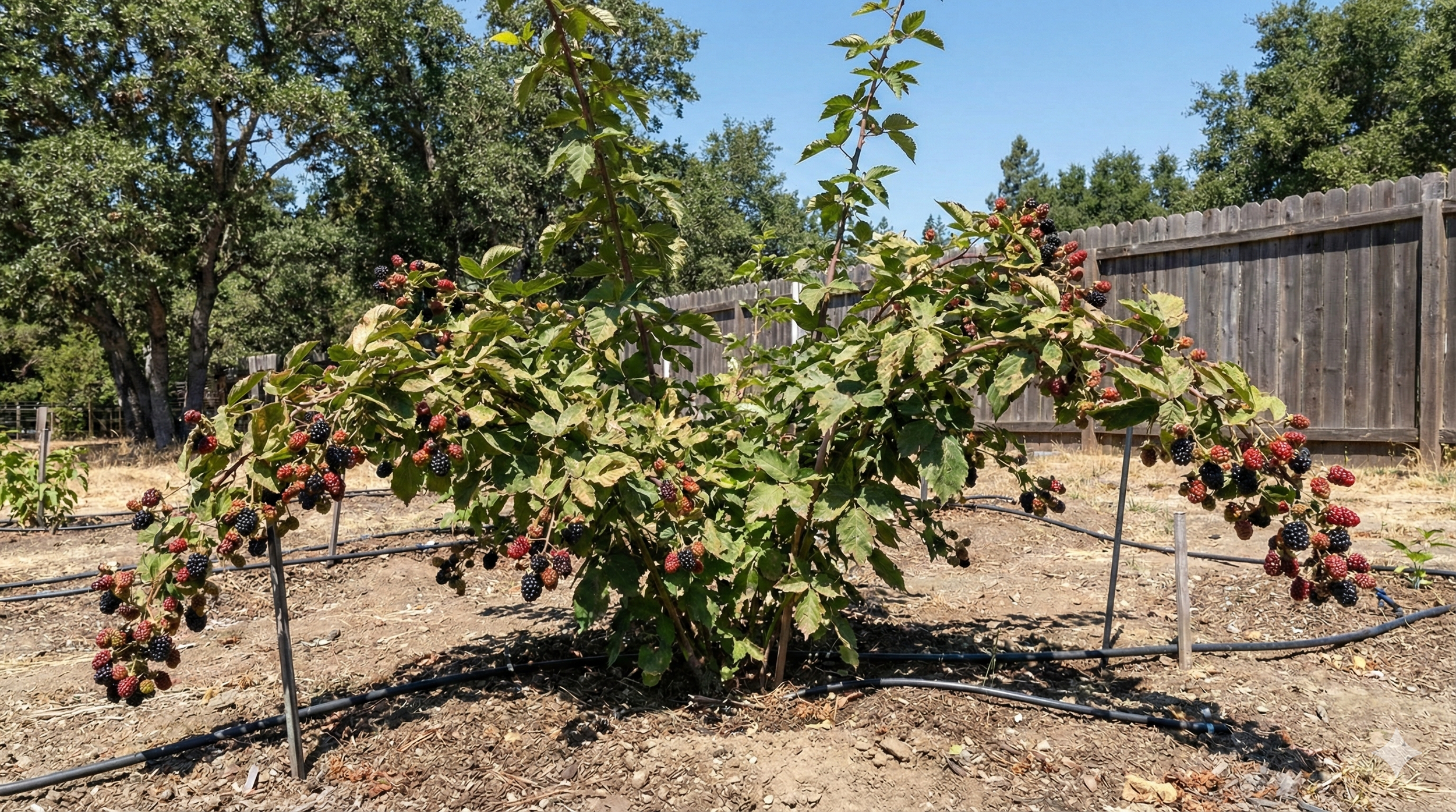
How to Propagate Blackberries and Olallieberries: Complete Guide
Get free blackberry and olallieberry plants through simple propagation techniques. Tip layering is the easiest method—canes root naturally when tips touch soil. Here's how to do it right.
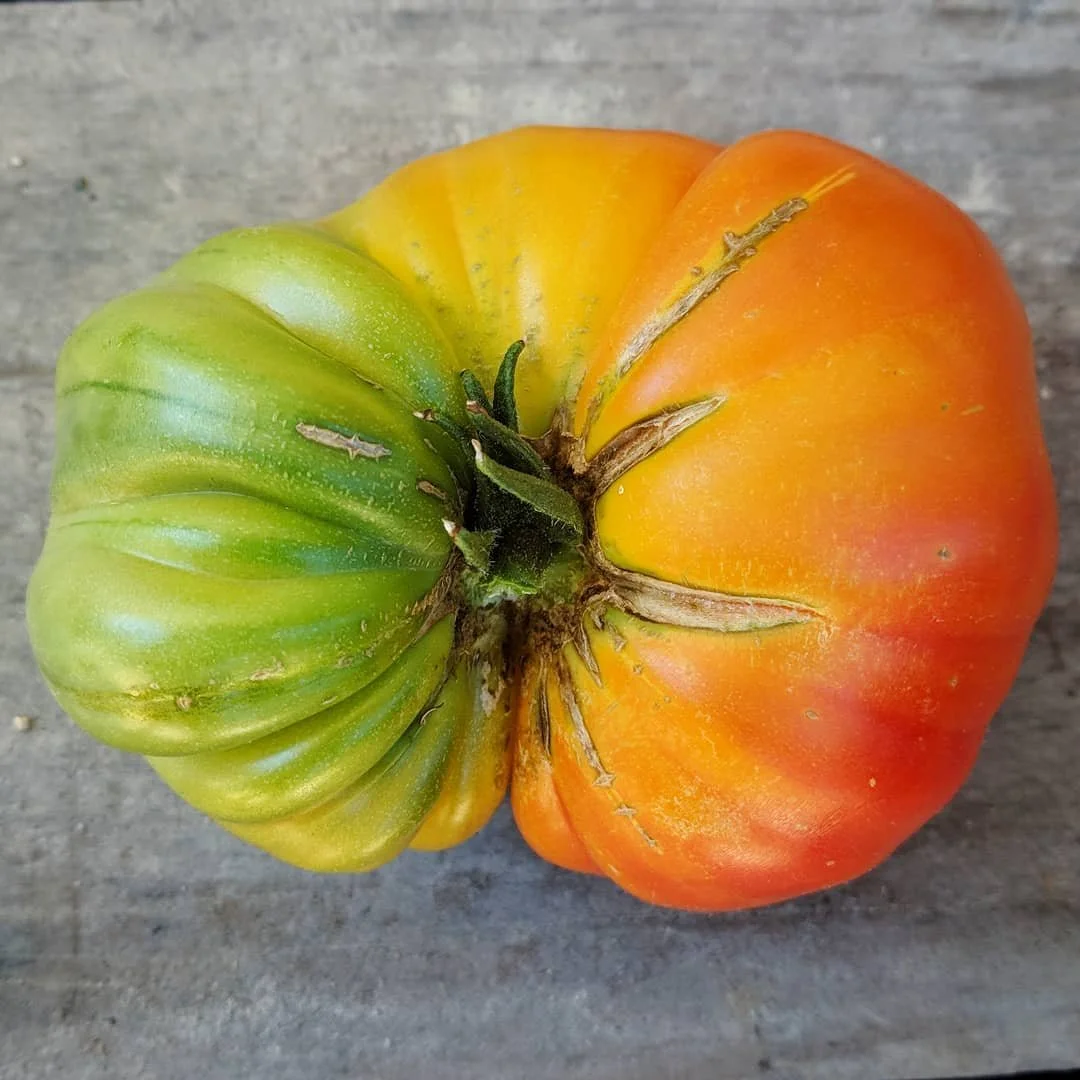
Growing Pineapple Tomatoes in Santa Cruz County: A Beefsteak Worth the Challenge
Pineapple tomatoes produce massive bicolor fruits with sweet, low-acid flavor. This heirloom beefsteak is worth growing in Santa Cruz County's warmest microclimates for its exceptional eating quality.