

How Much Do I Really Need to Water My Garden in Fall in Santa Cruz County?
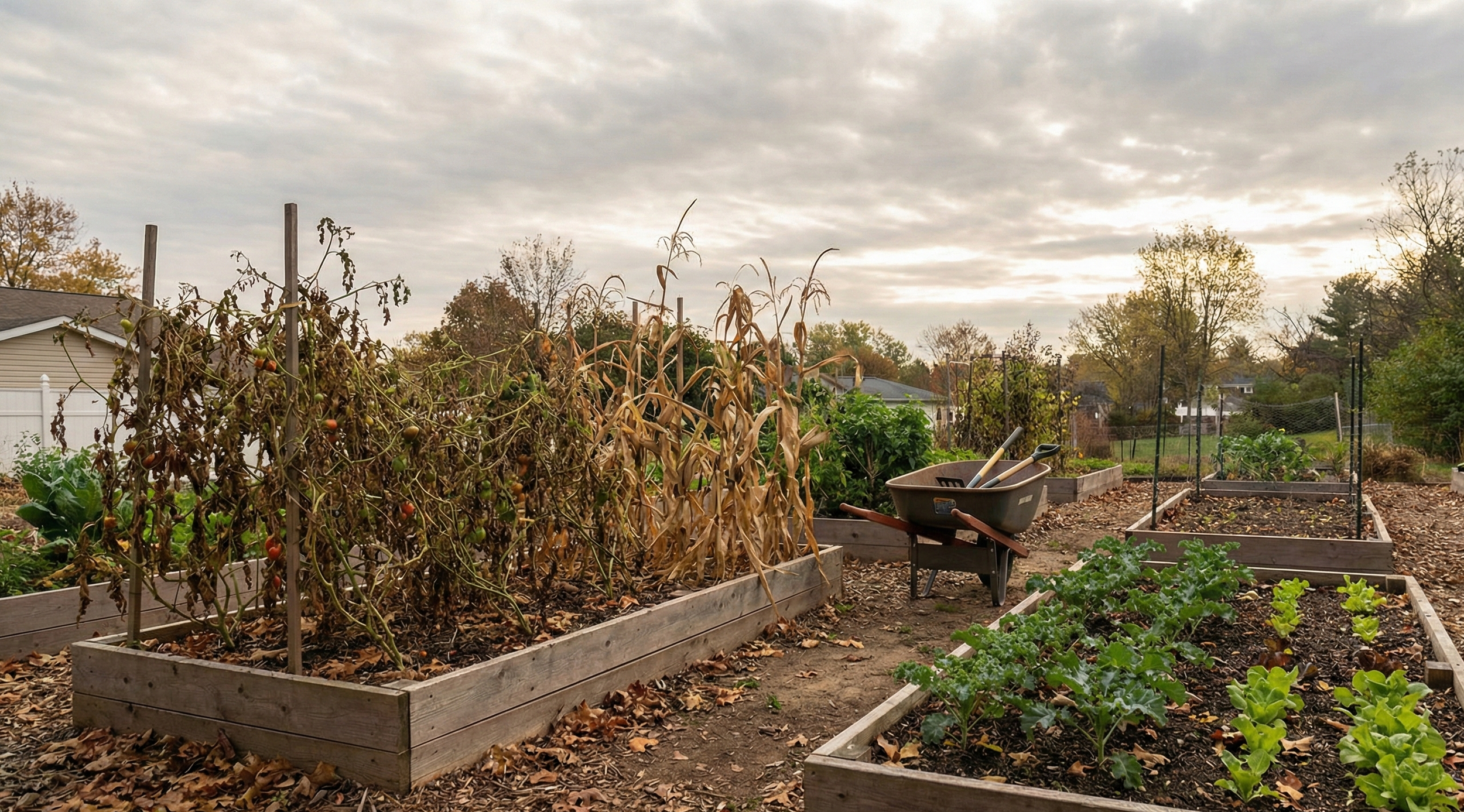
Fall is the hinge season in Santa Cruz County: summer drought is still hanging on in September, light rains start to return in October, and by November the first real storms begin to recharge the soil. That makes fall the trickiest time to answer "How much do I really need to water?" because the right answer changes over just a few weeks and depends heavily on where you are in the county.
Unlike summer's straightforward "you're the rain now" reality or winter's "turn it off and relax" simplicity, fall requires paying attention and adjusting as you go. The gardeners who navigate it best are the ones who watch their soil and their weather, not their calendars.
In this guide, I'll walk you through how fall unfolds across the county's three main microclimates, explain the math behind declining water needs, and give you practical guidance for making the transition from irrigation season to rain-fed gardening.
What Fall Actually Looks Like Here
Across the county, fall is mild and drying at first, then gradually wetter and cooler. The transition happens faster than you might expect.
In Santa Cruz, daily highs drop from about 77°F in September to 74°F in October and 67°F in November, while nights cool from the mid-50s into the mid-40s. September often feels like the best month of summer (locals know this secret), but by November, the air has a distinctly different quality.
Rainfall stays very low through September (around 0.11 inches), then climbs to about 1.34 inches in October and 3.27 inches in November on long-term records. That's a dramatic shift: September is essentially still summer, while November starts behaving like a mild winter month.
Hydrology reports for the San Lorenzo watershed show lowest streamflows and soil moisture in late summer and very early fall, with conditions improving only after the first substantial storms of the wet season. When the creeks start rising again, that's your signal that the soil is finally recharging.
In other words: September still behaves like summer for watering purposes, while November begins to behave like winter. October is the gray zone where you're constantly adjusting.
How Do Coast, Valley, and Mountain Areas Differ in Fall?
The three regions move through this transition on slightly different timelines, shaped by their rainfall patterns and temperature curves.
Santa Cruz Coastal
September is actually one of the warmest months on average along the coast, with highs around 77°F and comfortable, dry afternoons. The summer fog often retreats in September, giving coastal gardeners their sunniest weather of the year.
Rain is minimal through September (around 0.11 inches), then modest in October (around 1.34 inches) and more meaningful in November (around 3.27 inches). The marine layer continues to moderate temperatures, but it's not providing meaningful moisture until the storms return.
San Lorenzo Valley and Mountains
Warm, clear September days and fewer foggy afternoons mean soils can stay quite dry until the first real storms arrive. South-facing slopes and clearings that dried out in summer remain thirsty well into fall.
Annual rain totals are high here (50 to 55+ inches), but fall is still part of the dry shoulder season. Most of that impressive total arrives later in winter. The San Lorenzo Valley Water District's rainfall page tracks how the wet season develops in real time.
The county's hydrology data shows that the driest soil conditions of the year often occur in late summer and early fall, before the big storms return. Don't assume your valley garden is wet just because winter rainfall is high.
Watsonville and Pajaro Farmlands
Fall highs ease down into the low 70s°F by September and around 70°F in October, with cool nights in the 40s by November. The weather feels pleasant, but the soil is still dry.
Rain remains scarce through September (about 0.07 inches), then jumps to roughly 0.81 inches in October, with a more substantial increase by November. The Western Regional Climate Center data confirms Watsonville's fall stays drier longer than coastal Santa Cruz.
For water needs, that means:
September still behaves like summer almost everywhere
October is a "mixed" month: some irrigation plus some help from light rains
November is often the start of the "turn things off after storms" pattern, especially in wetter areas and heavier soils
How Much Water Does a Fall Garden Really Need?
The same ET logic from summer applies, but the numbers slide down as days shorten and temperatures drop.
According to UC Master Gardener watering guidelines, reference ET around Santa Cruz and the Central Coast drops from summer peaks toward 3 to 4 inches per month in early fall, then lower as days shorten and temperatures fall further. By November, ET is approaching winter levels.
A mixed ornamental or vegetable bed with a typical landscape coefficient (around 0.7 to 0.8) might use roughly 2 to 3 inches of water in September and perhaps 1.5 to 2.5 inches in October, depending on sun exposure and whether you're inland or coastal.
Using the same 100-square-foot bed example from earlier in this series:
September
Assume approximately 3 inches of water use for a still-vigorous bed.
Gallons = 3 × 0.623 × 100 = approximately 187 gallons for the month
Rain contributes almost nothing in Santa Cruz and Watsonville (around 0.11 and 0.07 inches respectively), so irrigation still covers nearly all of this demand. September is basically summer with better weather.
October
Assume water use drops to approximately 2 inches as temperatures fall and days shorten.
Gallons = 2 × 0.623 × 100 = approximately 125 gallons for the month
In Santa Cruz (1.34 inches of average rain) and Watsonville (around 0.81 inches), storms can cover roughly half to two-thirds of that demand, depending on how well water soaks in rather than running off. October is when you start getting real help from the sky.
November
By November, plant water use drops further (perhaps 1 to 1.5 inches for many beds), and rainfall in most of the county exceeds that amount. This is when many gardens can transition to the winter pattern of "water only during extended dry spells."
The key idea: September still needs nearly full summer irrigation. October can be a "half step" with reduced frequency. November begins to behave like winter once you get a couple of 1-inch-plus storms.
Santa Cruz Coastal: Fall Watering Timeline
Coastal gardeners often feel the "magic" of fall: warm days, fewer crowds, spectacular light. But the soil doesn't share your enthusiasm. It's still waiting for rain.
September
Treat like summer for in-ground vegetables and thirsty ornamentals. Keep roughly the same weekly watering target as August (around 1 inch per week for vegetables), then start trimming frequency slightly as nights cool and plant growth naturally slows.
This is a great month for the garden, but don't mistake pleasant weather for adequate moisture. Your plants are still depending on you.
October
With about 1.34 inches of average rain, you can start skipping irrigation the week you get a solid storm and reduce run times slightly afterward, especially for established perennials. But don't abandon your system yet. October rain is helpful, not sufficient.
A reasonable October approach: maintain your regular schedule until a storm drops at least half an inch, then skip your next scheduled watering and check soil moisture before resuming. You're responding to actual conditions now, not running on autopilot.
November
Once the first 1 to 2 significant storms have dropped a combined 2 to 3 inches, many established in-ground beds can shift to "water only during long dry breaks," edging into the winter pattern described in the first article of this series.
New plantings, containers, and areas under eaves still need attention, but the bulk of your garden is transitioning to rain-fed. For year-round strategies, see our water-wise gardening guide.
San Lorenzo Valley and Mountains: Fall Watering Timeline
In the valley, the soil profile is deeper and winter rains will be heavier, but the driest soil conditions of the year often occur in late summer and early fall before the big storms return. Don't let the reputation for wetness fool you in September.
September
Still full-on irrigation for vegetables and sun-baked slopes. Think like summer, especially on shallow or rocky soils. The San Lorenzo Valley Water District rainfall data will show you that September typically delivers almost nothing.
Shaded areas under redwoods may feel moister, but sunny clearings and south-facing slopes are as dry as they've been all year. Water accordingly.
October
First storms may wet the top layers, but deep recharge takes time. You can shorten run times after a good rain, but usually should keep a regular (if slightly reduced) schedule for sensitive plantings until late in the month.
The valley's heavier soils hold water longer once they're wet, but they take more soaking to get wet in the first place after a dry summer. Early October rains often just wet the surface while deeper soil stays dry.
November
With higher watershed rainfall and more intense storms, deep soils and shaded areas can often move to a mostly "off" schedule once a few inches have fallen. Keep spot-watering only for areas under dense canopy (where rain doesn't penetrate) or newly planted areas that haven't rooted in yet.
By late November, most established valley gardens are running on rain. Save your attention for the exceptions.
Watsonville and Pajaro Farmlands: Fall Watering Timeline
In Watsonville and the Pajaro Valley, fall dryness shows up clearly and lingers longer than in other parts of the county, especially on the lighter soils common in the area.
September
Still behaves like late summer for water needs. That 0.07 inches of average rain is negligible for irrigation purposes, so keep a summer-style schedule for crops and thirsty ornamentals. Your garden doesn't know it's technically fall.
October
Average rainfall (around 0.81 inches) is enough to take the edge off but not enough to fully replace a month's worth of plant water use. Consider cutting back on run times and skipping watering right after storms, but don't shut systems off yet.
On lighter sandy soils, that October rain drains through quickly. Heavier clay soils in parts of the valley will hold it longer. Adjust based on what you're working with.
November
As larger storms begin to arrive, you can often transition to deeper, less frequent watering. By late November, move many established in-ground plants toward the winter "off unless it's been dry for a while" pattern.
Watsonville typically makes this transition a week or two later than coastal Santa Cruz, simply because less total rain falls. Watch your soil, not the calendar.
Fall Watering by Region: Quick Reference
| Region | Sept rain | Oct rain | Nov rain | Typical Sept high | Irrigation pattern by late fall |
|---|---|---|---|---|---|
| Santa Cruz coastal | ~0.11 in | ~1.34 in | ~3.27 in | ~77°F | Summer-style through Sept; begin cutting back after Oct storms; many in-ground beds mostly off after first big Nov storms |
| San Lorenzo Valley / Mountains | Low (~0 in) | Increasing (a few early storms) | Rising quickly into winter totals | Warm 70s to low 80s early fall | Full irrigation into Sept; gradual reduction through Oct; many deep, shaded soils near “off” by late Nov after several inches of rain |
| Watsonville / Pajaro Valley | ~0.07 in | ~0.81 in | Rising into early wet-season values | Low to mid-70s°F | Summer-like in Sept; reduced but regular irrigation in Oct; transition toward winter pattern only after multiple Nov storms |
These values are based on climate normals and watershed reports and should be treated as guidelines, not fixed rules. Your specific garden may transition earlier or later depending on soil type, sun exposure, and what you're growing.
How Should You Water Fall Plantings?
Fall is prime planting season in Santa Cruz County for California natives, perennials, shrubs, and trees. The strategy is to get plants in the ground early enough to establish roots before winter rains take over.
New fall plantings need extra attention. Even as you're reducing irrigation for established plants, new transplants need consistent moisture until they root in. Plan to water new plantings regularly through October and November, regardless of what your established beds need.
The ideal fall planting window is October through early November: cool enough that plants aren't heat-stressed, early enough that winter rains can take over watering duties by December or January.
Cool-season vegetables (lettuce, brassicas, peas, garlic, see our companion planting guide) planted in fall need regular water to establish, then can often transition to rain-fed by late November in most years. Keep checking soil moisture around these plants even as you back off on the rest of the garden.
What Local Rules Require in Fall
Santa Cruz County's water efficiency regulations continue to apply as you transition out of irrigation season.
Rain sensors and smart controllers become more important in fall as storms become more frequent. Make sure your system actually shuts off when it rains. A controller that runs your irrigation right after a November storm wastes water and may violate prohibited water use rules.
Fall is also a good time to:
Winterize irrigation systems in areas prone to freezing (mainly upper San Lorenzo Valley)
Repair any damage from the summer season before winter storms arrive
Adjust smart controller seasonal settings downward as plant demand drops
Clear debris from rain sensors so they function properly
How Do You Make Watering Decisions in Real Time?
Because fall varies significantly from year to year, fixed calendar dates don't work as well as reading your actual conditions. Here's how to make good decisions as the season unfolds.
Watch the First Real Storms, Not Just the Calendar
A "real" storm for irrigation purposes is something like 1 inch or more in a day, or 2 to 3 inches over a week. That's enough to soak deeper than the mulch layer and actually recharge soil moisture.
Light drizzle that wets the surface but evaporates by afternoon doesn't count. Neither does fog drip. You're waiting for storms that show up on local rainfall tracking sites with meaningful totals.
Use a Shovel or Trowel as Your Sensor
The best irrigation tool in fall is a trowel. Push it into the soil 4 to 6 inches down and check what you find.
If soil is still dry at that depth a few days after a small rain, keep watering. The storm didn't penetrate deep enough to matter.
If soil is moist and cool at that depth after a big storm, you can safely skip irrigation cycles for a while. The recharge you've been waiting for has begun.
Let Plants Tell You When They're Done With Summer
As days shorten, plant growth naturally slows and water demand drops. Once you see fewer new leaves and cooler nights have arrived, you can usually cut back 20 to 30% on run times, then adjust again after each major rain event.
Plants that looked thirsty in September will look comfortable in November even with less water. They're responding to the same seasonal signals you are.
The Soil Moisture Gradient
Research on urban garden soil shows that moisture levels can vary dramatically across short distances based on sun exposure, soil type, and mulch depth. In fall, this variation becomes more pronounced.
Check multiple spots in your garden, not just one. The sunny vegetable bed may still need water while the shaded perennial border has gone dormant. Treat different zones differently rather than running everything on the same schedule.
What Are the Most Common Fall Watering Mistakes?
Turning off irrigation too early. A few cloudy days or one light rain doesn't mean fall irrigation is over. September needs summer-level watering, and October needs careful attention. Don't abandon your garden just because the calendar says fall.
Ignoring September entirely. September is often the sneakiest month for plant stress. The weather feels perfect, gardeners get complacent, and plants quietly struggle. Keep watering through September as if it were summer.
Watering right after storms. Once meaningful rain arrives, skip your next scheduled irrigation and check soil moisture before resuming. Watering on top of rain is wasteful and can waterlog plants that are adjusting to dormancy.
Forgetting new plantings. Even as established plants need less, new fall transplants need consistent moisture to root in before winter. Don't reduce irrigation for new plantings just because everything else is backing off.
Not adjusting run times. As ET drops, your summer run times become excessive. Cut back gradually (20 to 30% in October, more as November progresses) rather than running summer schedules until you abruptly shut off.
Frequently Asked Questions About Fall Watering in Santa Cruz County
When should I stop watering in fall in Santa Cruz County?
There's no single date. September typically needs summer-level irrigation. October is transitional, with reduced watering between storms. By late November, most established in-ground plants can shift to "water only during extended dry spells." Watch rainfall totals and check soil moisture rather than following a calendar date.
How do I know when fall rains are enough to stop irrigating?
Look for storms that deliver at least 1 inch over a day or 2 to 3 inches over a week. After such a storm, check soil moisture 4 to 6 inches deep. If it's cool and moist at that depth, you can skip irrigation until conditions change. Light drizzle that only wets the surface doesn't count.
Should I water in September even though it feels like fall?
Yes. September in Santa Cruz County averages only about 0.1 inches of rain, which is essentially nothing. Continue summer-style watering through September, reducing frequency slightly as nights cool and plant growth slows. October is when you can start making meaningful reductions.
How much should I reduce watering in October?
October typically needs about 30 to 50% less water than September, depending on rainfall. Skip scheduled irrigations after storms that deliver half an inch or more, and reduce overall run times as temperatures drop and days shorten. Check soil moisture regularly and adjust based on what you find.
Do fall-planted vegetables need different watering than summer crops?
Fall vegetables like lettuce, brassicas, and peas need consistent moisture to establish, but generally less total water than summer crops because of cooler temperatures and shorter days. Water regularly until plants are well rooted, then let increasing rainfall take over. By late November, many fall vegetables can transition to rain-fed in typical years.
How do I handle irrigation for new shrubs and trees planted in fall?
New plantings need regular irrigation through fall regardless of what established plants need. Water deeply once or twice a week through October and November until rains become consistent enough to take over (usually late November or December). New plants haven't developed the root systems to tap into deeper moisture yet.
Is fall watering different in an El Niño or La Niña year?
El Niño years tend to bring earlier and wetter fall rains, potentially allowing you to reduce irrigation sooner. La Niña years often mean later, lighter fall precipitation, extending irrigation season into November or even early December. Pay attention to actual rainfall rather than forecasts, and let soil moisture guide your decisions.
Should I winterize my irrigation system in fall?
In most of Santa Cruz County, winterization isn't necessary since temperatures rarely drop below freezing. However, in upper San Lorenzo Valley and higher elevations, protecting exposed pipes and draining systems before the first hard freeze is wise. Late November is typically the right time for any winterization tasks.
Free Water-Wise Gardening Resources
Water-Wise Gardening Guide , A comprehensive guide to irrigation strategies, drought-tolerant plants, and water conservation techniques for Santa Cruz County gardens.
Know Your Microclimate Worksheet , Use this worksheet to identify your specific microclimate conditions, including sun exposure, fog patterns, and typical moisture levels that affect fall watering decisions.
Seasonal Garden Tasks Checklist , A month-by-month guide to garden maintenance tasks, including fall irrigation adjustments and system winterization.
Seasonal Planting Calendar , Know what to plant in fall and how to time plantings with the transition from irrigation to rain-fed gardening.
How Does the Fall Handoff Work?
Fall in Santa Cruz County is about gradually handing responsibility back to nature. You've been your garden's sole water source since May or June. By December, rain will take over entirely. Fall is the transition between those two realities.
September asks you to keep watering like it's summer, because for practical purposes, it is. October lets you start easing off, responding to each storm by skipping irrigation and checking soil before resuming. November, in most years, brings enough rain that established in-ground plants can shift to winter mode: irrigation off unless an extended dry spell demands otherwise.
The gardens that handle fall best are the ones whose owners pay attention. Check your soil. Watch the storms. Adjust as you go. Fixed schedules don't work in a season that changes week by week.
By the time November's first real storms arrive, you'll feel the shift. The garden relaxes. The soil darkens and stays damp. The creeks start running again. Your job changes from provider to observer, at least until spring arrives and the cycle begins again.
