

Best Strawberry Varieties for Santa Cruz County
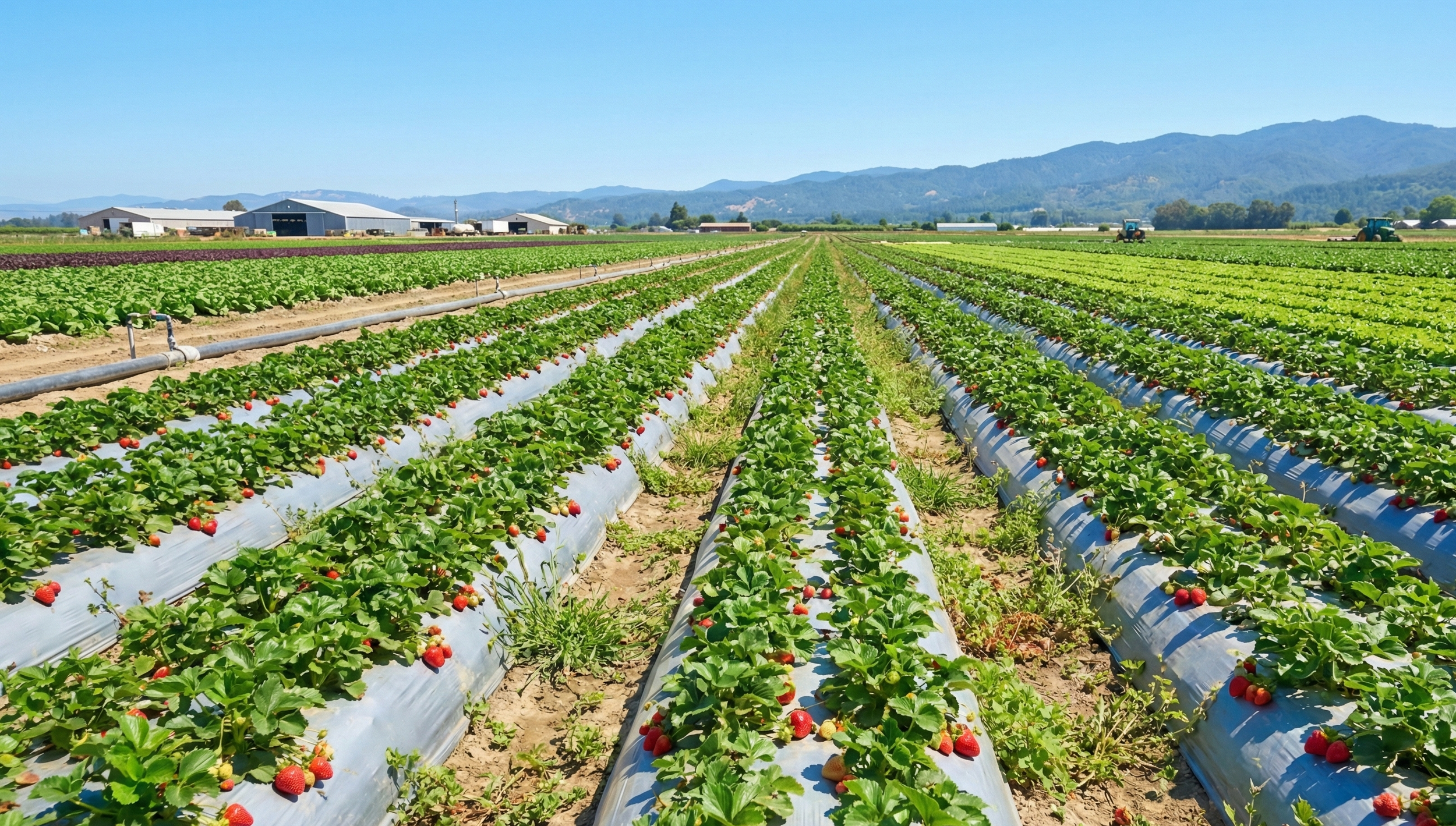
Choosing the right strawberry variety makes the difference between a struggling patch and one that produces baskets of berries for months. Here in Santa Cruz County, we have the advantage of growing conditions similar to California's commercial strawberry fields, but our diverse microclimates mean not every variety performs equally everywhere.
This guide goes deep on variety selection, helping you match strawberry plants to your specific location and goals.
What Are the Different Strawberry Types?
Before we get to specific varieties, it helps to understand how strawberries are classified by their fruiting behavior.
| Variety | Fruit Quality | Disease Resistance | Best Locations | Best For | Source |
|---|---|---|---|---|---|
| Day-Neutral Varieties (Extended Season) | |||||
| AlbionTop Pick UC Davis release | Medium-large, firm, excellent sweet flavor | Verticillium, Phytophthora, anthracnose |
Coastal Inland SLV Watsonville | Beginners, all-around reliability | Lassen Canyon |
| SeascapeTop Pick UC Davis release | Large, glossy, sweet, good flavor | CA viral diseases, good heat tolerance |
Watsonville Inland Coastal | Warmer areas, adaptability | Strawberry Plants |
| San Andreas UC Davis release | Large, firm, conical, sweet | Excellent overall; improved Albion |
All areas | Disease-prone areas | Lassen Canyon |
| Monterey UC Davis release | Large, sweet, softer texture | Good overall |
All areas | High yields, fresh eating | Lassen Canyon |
| June-Bearing Varieties (Concentrated Harvest) | |||||
| Chandler UC Davis release | Large, firm, sweet, great for jam | Moderate |
Coastal Inland Scotts Valley | Preserving, big harvests | Lassen Canyon |
| Sequoia Coastal CA classic | Large, very sweet, soft, incredibly juicy | Moderate |
Coastal Santa Cruz Aptos | Maximum flavor | East Bay Nursery |
| Camarosa UC Davis release | Very large, firm, good flavor | Needs good air circulation |
Watsonville Sunny inland | Early production | Lassen Canyon |
| Specialty Varieties | |||||
| Mara des Bois French gourmet | Medium, intensely aromatic, exceptional flavor | Needs cool conditions |
Coastal only | Gourmet flavor | , |
| Alpine (various) Fragaria vesca | Tiny, intensely sweet and aromatic | Generally hardy |
Partial shade OK Under trees | Shade tolerance | , |
Day-Neutral Varieties
Day-neutral strawberries produce fruit whenever temperatures stay between roughly 40°F and 90°F, regardless of day length. In Santa Cruz County's mild climate, this translates to an extended harvest season, often from late winter through fall. UC Master Gardeners note that day-neutral varieties keep fruiting as long as day length is 12 hours or more and temperatures stay between 40 and 90 degrees, a window that covers most of the coastal growing season here.
Best for: Gardeners who want fresh berries over many months rather than one big harvest. Excellent for most Santa Cruz County locations.
June-Bearing (Short-Day) Varieties
June-bearing strawberries (also called short-day varieties) form flower buds when days are short in fall and winter, then produce one concentrated harvest in late spring to early summer. The harvest window is typically 2 to 4 weeks.
Best for: Gardeners who want a large harvest for preserving (jam, freezing, dehydrating) or who enjoy an abundant but brief strawberry season.
Everbearing Varieties
True everbearing varieties produce two to three distinct flushes of fruit per year (typically spring and fall), with lighter production between. The term is sometimes used interchangeably with day-neutral, though they behave slightly differently.
Best for: Gardeners who want multiple harvests without continuous production.
What Are the Best Day-Neutral Varieties for Santa Cruz County?
Day-neutral varieties are the workhorses of Santa Cruz County strawberry patches. They perform well across our microclimates and reward you with berries over an extended season.
Albion
The reliable all-rounder
Albion is a University of California release that has become the gold standard for California home gardens. It produces medium to large, firm berries with excellent sweet flavor and good disease resistance.
Fruit: Medium-large, conical, firm with excellent flavor
Disease resistance: Good resistance to Verticillium wilt, Phytophthora crown rot, and anthracnose
Season: Long production from spring through fall
Best locations: Performs well throughout Santa Cruz County, from coastal to inland
Why it works here: Albion was bred specifically for California conditions. It handles our coastal fog without problems and produces reliably in both cooler and warmer microclimates. If you're planting only one variety, Albion is a safe choice.
Seascape
The heat-tolerant producer
Seascape is another UC release, developed with tolerance to common California viral diseases. It requires fewer chill hours than many varieties and handles heat better than most.
Fruit: Large, glossy, sweet with good flavor
Disease resistance: Bred for resistance to California viral diseases
Season: Extended production, often starting earlier than other varieties
Best locations: Excellent for Watsonville and Pajaro Valley; also performs well coastal
Why it works here: Seascape's heat tolerance makes it particularly valuable for the warmer parts of Santa Cruz County. It also does well in cooler areas, making it one of the most adaptable varieties available.
San Andreas
The Albion successor
San Andreas is a newer UC release that builds on Albion's strengths while adding improved disease resistance and slightly larger fruit.
Fruit: Large, firm, conical with sweet flavor
Disease resistance: Excellent, including resistance to Verticillium, Phytophthora, and anthracnose
Season: Long production similar to Albion
Best locations: All Santa Cruz County microclimates
Why it works here: San Andreas offers a slight upgrade over Albion for gardeners dealing with disease pressure. It's becoming increasingly available at local nurseries.
Monterey
The vigorous producer
Monterey produces abundant berries on vigorous plants. The fruit is large and sweet, though slightly softer than Albion.
Fruit: Large, sweet, somewhat softer texture
Disease resistance: Good overall
Season: Heavy production, especially in spring and fall flushes
Best locations: All areas, particularly good for gardeners who want high yields
Why it works here: Monterey's vigor means strong establishment and heavy production. The softer fruit is perfect for eating fresh (less ideal for farmers' market sales, but that's not your concern as a home gardener).
What Are the Best June-Bearing Varieties for Santa Cruz County?
If you want one big harvest for preserving, or if you simply love the anticipation of strawberry season, June-bearing varieties deliver.
Chandler
The commercial favorite
Chandler is a UC variety that dominated California commercial production for years. It produces large, firm, sweet berries that are excellent for both fresh eating and preserving.
Fruit: Large, firm, sweet, excellent for jam
Disease resistance: Moderate
Season: Heavy spring harvest over 2 to 4 weeks
Best locations: Mild coastal and inland climates (Scotts Valley, Aptos, Santa Cruz)
Why it works here: Chandler's combination of size, flavor, and firmness makes it ideal for gardeners who want to put up strawberry jam or freeze berries for later.
Sequoia
The flavor champion
Sequoia was developed specifically for coastal California and remains a favorite among gardeners who prioritize flavor above all else. The berries are large, intensely sweet, and exceptionally juicy.
Fruit: Large, very sweet, soft and juicy
Disease resistance: Moderate
Season: Spring into early summer
Best locations: Coastal fog zones (Santa Cruz, Aptos, Capitola)
Why it works here: Sequoia was bred for exactly our conditions. The soft fruit doesn't ship well (which is why you rarely see it commercially), but for backyard picking where the berries travel only from garden to mouth, nothing beats its flavor.
Camarosa
The early producer
Camarosa produces very large, firm berries early in the season. It was a major commercial variety before being replaced by newer releases.
Fruit: Very large, firm, good flavor
Disease resistance: Susceptible to some diseases; benefits from good air circulation
Season: Early spring harvest
Best locations: Warmer microclimates (Watsonville, sunny inland areas)
Why it works here: Camarosa's early production means you're eating strawberries while neighbors are still waiting. Best for gardeners in warmer spots who can provide good cultural conditions.
Specialty and Heirloom Varieties
For gardeners who want something different, these varieties offer unique characteristics.
Alpine Strawberries (Fragaria vesca)
The tiny flavor bombs
Alpine strawberries produce small (pinky-nail sized) but intensely flavored berries. They're different from standard garden strawberries, forming clumps rather than spreading by runners.
Fruit: Tiny, intensely sweet and aromatic
Growth habit: Clumping, no runners
Season: Light but continuous production spring through fall
Best locations: Partial shade tolerated; good for under-planting in orchards
Why they work here: Alpines are the most shade-tolerant strawberry option. If you're gardening under the redwoods with limited sun, alpines are worth trying when standard varieties would fail.
Varieties to try: Alexandria, Mignonette, Yellow Wonder (yellow fruit)
Mara des Bois
The French gourmet choice
This French variety combines the intense flavor of wild strawberries with the larger fruit size of modern cultivars. It's day-neutral with excellent repeat fruiting.
Fruit: Medium-sized, intensely aromatic, exceptional flavor
Growth habit: Standard, produces runners
Season: Day-neutral with good repeat production
Best locations: Coastal areas where it can stay cool
Why it works here: Mara des Bois struggles in heat but thrives in our cool coastal conditions. If you prioritize flavor and aroma over size and yield, this is the gourmet choice.
How Should You Choose Varieties by Microclimate?
| Microclimate | Top Variety Picks | Avoid | Local Advantage |
|---|---|---|---|
| Coastal Fog Zone Aptos, Capitola, Santa Cruz, Live Oak |
|
|
Cool conditions extend season into summer. Sequoia was bred for exactly these conditions. Low disease pressure from good air movement.
You can grow berries later into summer than inland gardeners
|
| San Lorenzo Valley Boulder Creek, Ben Lomond, Felton |
|
|
Conditions vary by sun exposure. Sunny ridges can grow anything; shaded canyons need Alpines. Watch frost pockets.
Spring planting safer than fall in frost-prone areas
|
| Inland Valleys Scotts Valley, Soquel hills |
|
|
Moderate conditions offer maximum flexibility. You can grow nearly any variety successfully. Choose based on goals (fresh vs. preserving).
Best of both worlds: enough warmth for sweetness, enough cool for long season
|
| Pajaro Valley Watsonville, Freedom |
|
|
You're in strawberry country! Same conditions as commercial fields. Longest season, earliest spring production. Heat-tolerant varieties shine.
Your conditions match the Strawberry Capital of the World
|
| Under Redwoods Shaded areas throughout county |
|
|
Standard strawberries won't produce in shade. Alpine strawberries are your only realistic option, but they're delicious and form attractive clumps.
Alpines tolerate partial shade and acidic soil better than any other strawberry
|
Coastal Fog Zone (Aptos, Capitola, Santa Cruz, Live Oak)
Your cool, foggy conditions are excellent for strawberries. Focus on:
Top picks: Sequoia (for flavor), Albion (for reliability), Mara des Bois (for gourmet flavor)
Avoid: Varieties that need lots of heat to develop sweetness
Timing advantage: You can grow strawberries later into summer than inland gardeners because your temperatures stay moderate.
San Lorenzo Valley (Boulder Creek, Ben Lomond, Felton)
Your conditions vary dramatically based on sun exposure. Sunny slopes have different needs than shaded canyons.
Sunny exposures: Seascape, Albion, Chandler all perform well
Shadier areas: Consider Alpine strawberries if you have less than 6 hours of sun
Frost consideration: Spring planting after frost danger is safer than fall planting; protect fall-planted strawberries with heavy mulch
Inland Valleys (Scotts Valley, Soquel Hills)
Your moderate conditions offer flexibility.
Top picks: Albion, Seascape, San Andreas, Chandler
Advantage: You can grow the full range of varieties; choose based on your harvest preferences (extended season vs. concentrated harvest)
Pajaro Valley (Watsonville)
Your warmer conditions and longer season match commercial strawberry production.
Top picks: Seascape (heat-tolerant), Albion, San Andreas, Camarosa (early production)
Advantage: You can push the season on both ends, with earlier spring production and later fall berries
How Many Plants Do You Need?
A rough guide for planning your patch:
Fresh eating only: 5 to 10 plants per person
Fresh eating plus some preserving: 15 to 25 plants per person
Serious preserving (jam, freezing): 25 to 50 plants per person
Day-neutral varieties produce less fruit at any one time but over a longer season. June-bearing varieties produce more fruit but all at once. Plan accordingly based on your goals.
Where to Buy Strawberry Plants Locally
Local Nurseries
San Lorenzo Garden Center carries seasonal strawberry starts
Dig Gardens offers organic options
Mountain Feed & Farm Supply stocks plants for San Lorenzo Valley gardeners
Mail Order (Better Variety Selection)
Lassen Canyon Nursery ships bare-root plants throughout California with excellent variety selection
Peaceful Valley Farm Supply offers organic bare-root plants
Check our Garden Events Calendar for plant sales where you might find specialty varieties.
Frequently Asked Questions
What's the single best strawberry variety for Santa Cruz County?
If you can only plant one variety, choose Albion. It's reliable across all our microclimates, produces over a long season, has good disease resistance, and the fruit tastes great. Seascape is an equally good choice, especially for warmer areas.
Should I plant day-neutral or June-bearing varieties?
It depends on your goals. Day-neutral varieties (Albion, Seascape) give you berries over many months, which is great for fresh eating. June-bearing varieties (Chandler, Sequoia) give you one large harvest, which is better for preserving. Many gardeners plant both.
Can I grow strawberries in shade?
Standard strawberries need at least 6 hours of direct sun to produce well. If you have less sun, Alpine strawberries are your best option, as they tolerate partial shade better than any other type.
How long do strawberry plants produce?
Most strawberry plants produce well for 2 to 3 years before declining. Plan to renew your patch periodically by replacing old plants with new ones or rooted runners.
What varieties resist diseases best?
Albion, San Andreas, and Seascape all have good disease resistance bred into them. These UC varieties were developed specifically to handle California's common strawberry diseases.
When should I plant bare-root strawberries?
In coastal Santa Cruz County, fall planting (September through November) is ideal. In areas with harder frosts (San Lorenzo Valley), late winter to early spring (February through March) is safer. See our main strawberry guide for detailed timing by microclimate.
Are organic strawberry plants available?
Yes. Dig Gardens carries organic starts, and mail-order suppliers like Peaceful Valley Farm Supply specialize in certified organic bare-root plants.
What's the difference between Albion and San Andreas?
San Andreas is a newer variety that's essentially an improved Albion. It has slightly better disease resistance and can produce larger fruit. If you find San Andreas at your local nursery, it's worth trying, but Albion remains an excellent choice.
Free Gardening Resources
Find all our free guides in Your Garden Toolkit.
More Strawberry Growing Guides
Part of our Complete Strawberry Series for Santa Cruz County:
Growing Strawberries in Santa Cruz County: A Local Guide to Sweet Success - Everything you need to know about growing strawberries in our coastal climate
Planting Bare-Root Strawberries: A Santa Cruz Guide - Step-by-step instructions for bare-root planting success
Growing Strawberries: In the Ground vs. Raised Beds vs. Containers - Compare your planting options and find the best fit for your space
Understanding Strawberry Growth Stages in Your Santa Cruz Garden - What to expect from dormancy through harvest
How to Multiply Strawberries from Runners (Free Plants Forever) - Propagate new plants from runners for an ever-expanding patch
Top Strawberry Mistakes New Gardeners Make (And How to Avoid Them) - Common pitfalls and how to sidestep them
Strawberry Troubleshooting Guide - Identify and solve pests, diseases, and growing problems
Reviving Your Strawberry Patch After Harsh Weather - Recovery strategies for storm or heat-damaged plants
