

5 Edible Plants for Your Landscape and Your Dinner Plate
Some links in this guide are affiliate links. If you buy through them, we may earn a small commission at no extra cost to you. Read our full disclosure.
Introduction to Edible Landscape Design
Edible landscape design is all about mixing function with beauty. It's turning your yard into a space where everything looks great and you can eat it too. Think about it: instead of just flowers, you've got tomatoes. Where you might have a bush, you now have blueberry bushes. It's all about getting the most out of your space. This isn't just about having a vegetable garden in the back corner of your yard. It's about integrating those veggies and fruits into your landscape in a way that looks as good as it tastes. So, you're not just planting food; you're designing a beautiful, edible garden. This means you can enjoy your landscape in more ways than one – it's pleasing to the eye and the stomach. Whether you've got a small patio or a big backyard, edible landscape design can work for you. Plus, it's a smart choice for the environment and your wallet. You're growing your own food, cutting down on grocery bills, and reducing the distance food travels to get to your plate. In a nutshell, edible landscape design is where practicality meets aesthetics, adding both flavor and charm to your outdoor space.
Creating a Feast for the Eyes and Palate: A Garden of Edible Delights
Transforming your garden into a visually stunning and productive space is an exciting journey. By integrating the right edible plants, you can create a beautiful landscape that offers a bounty for the table. Here are the top five edible plants that are not only easy to grow but will bring color, texture, and flavor to your garden.
Tomatoes: The Versatile Showstopper
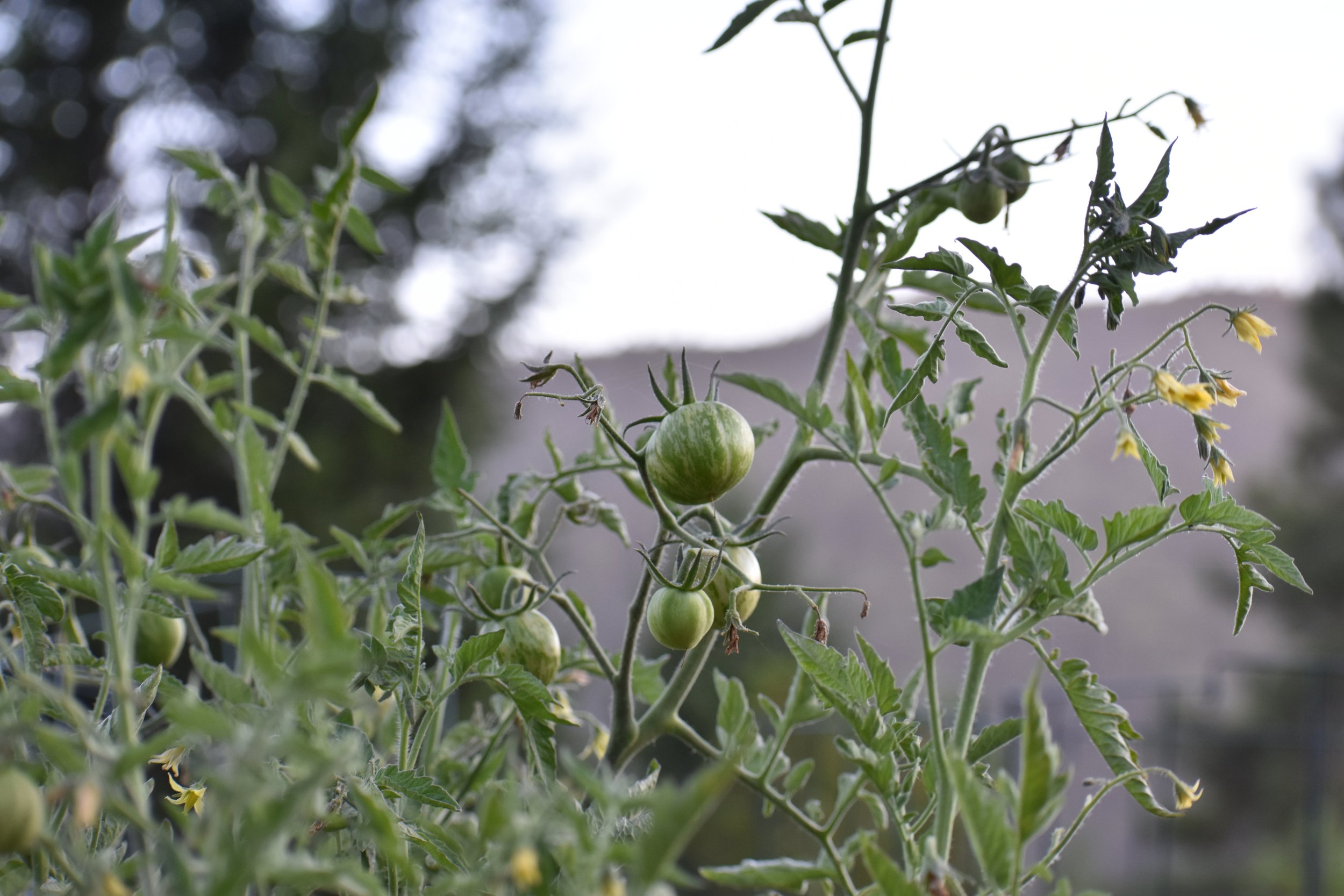
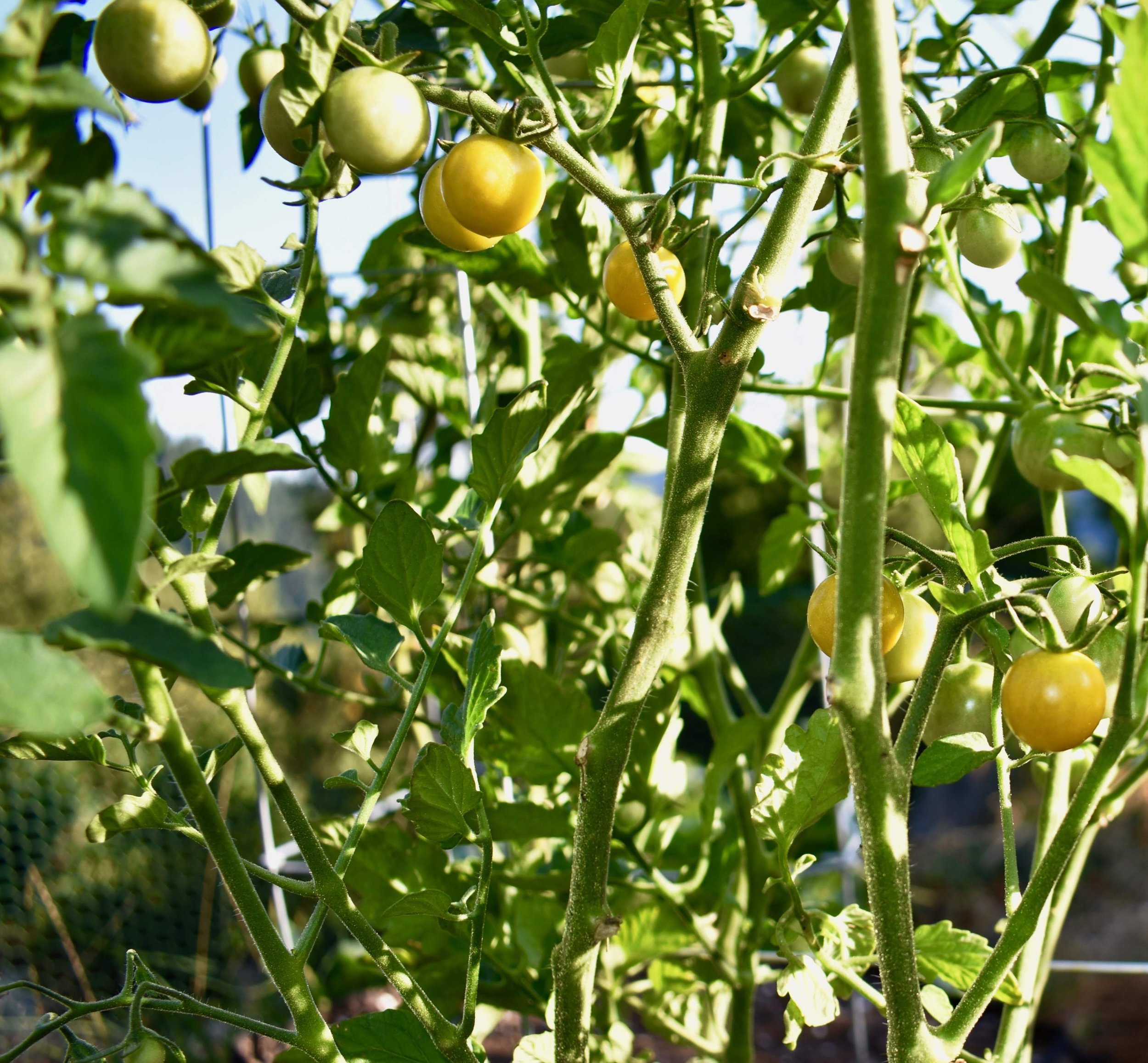
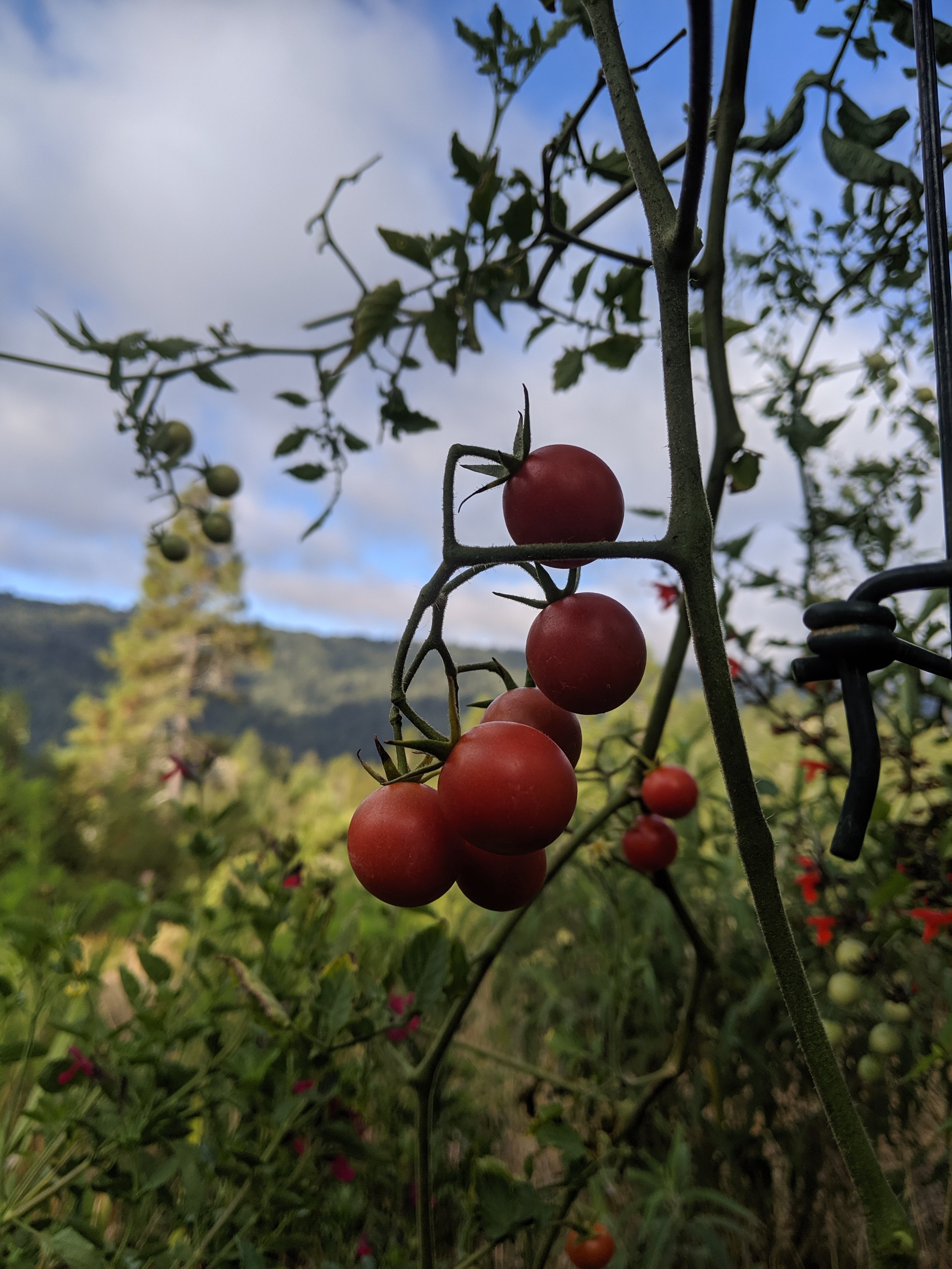
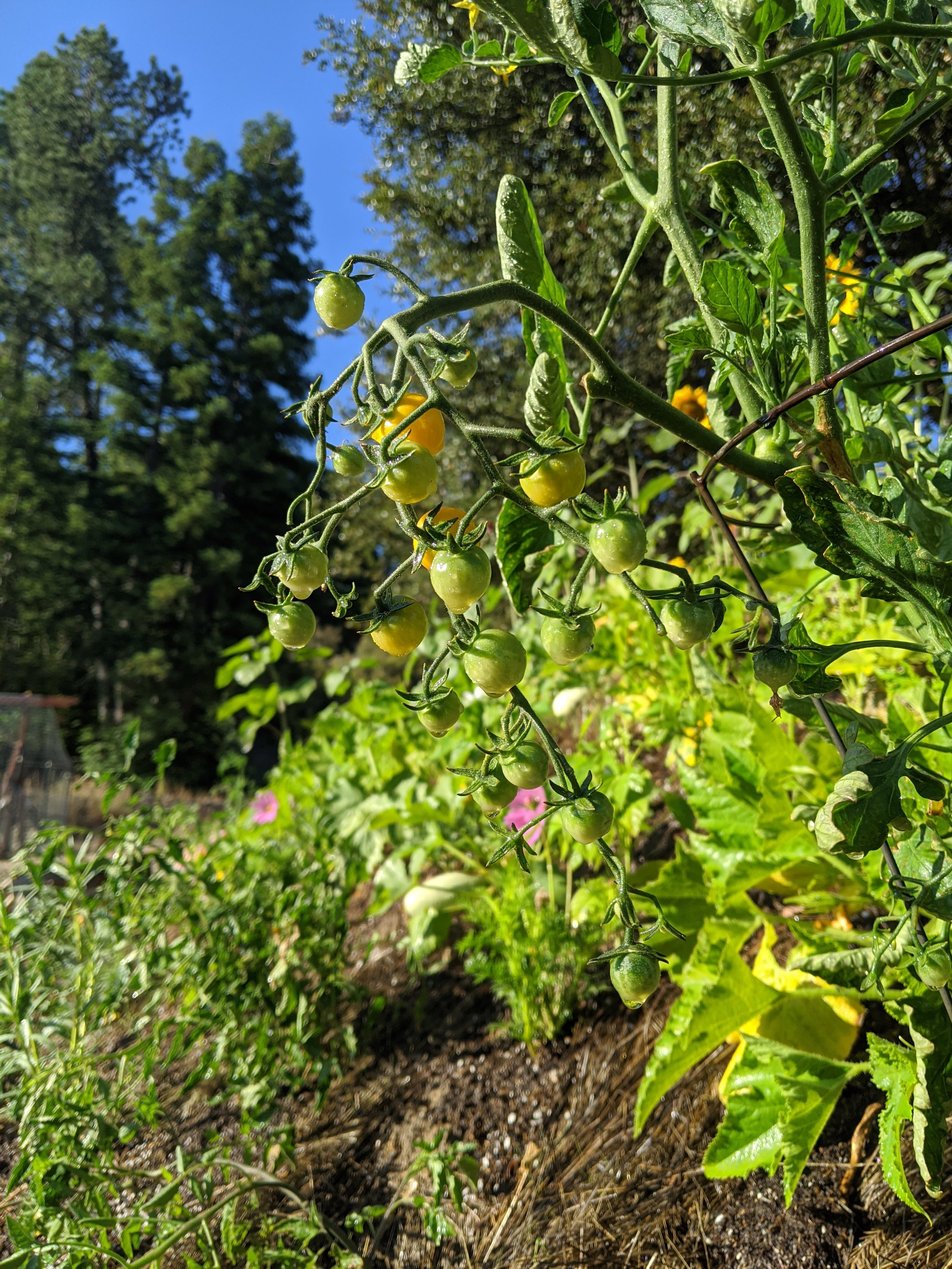
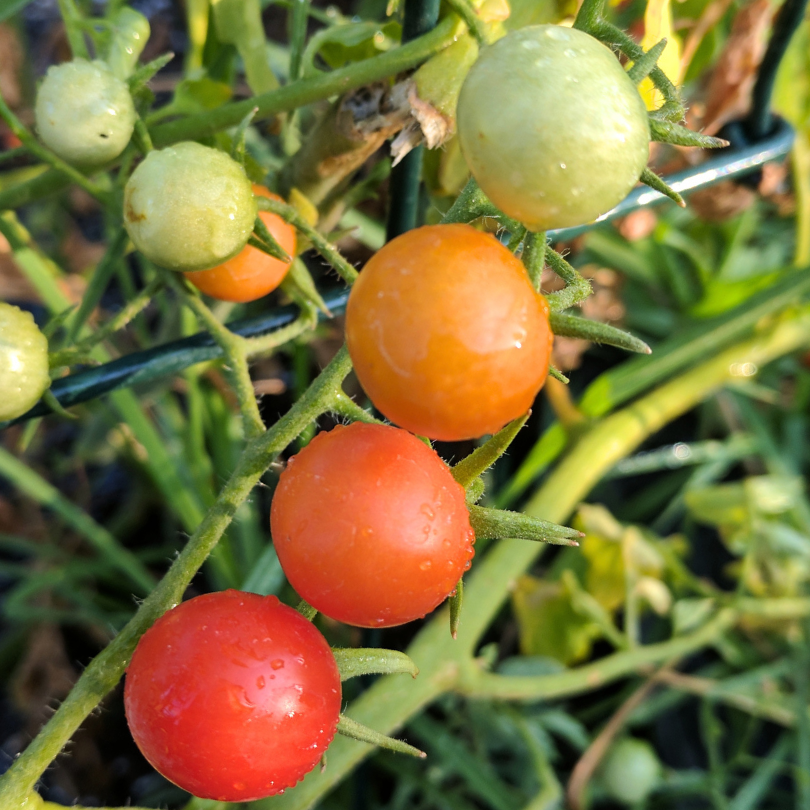
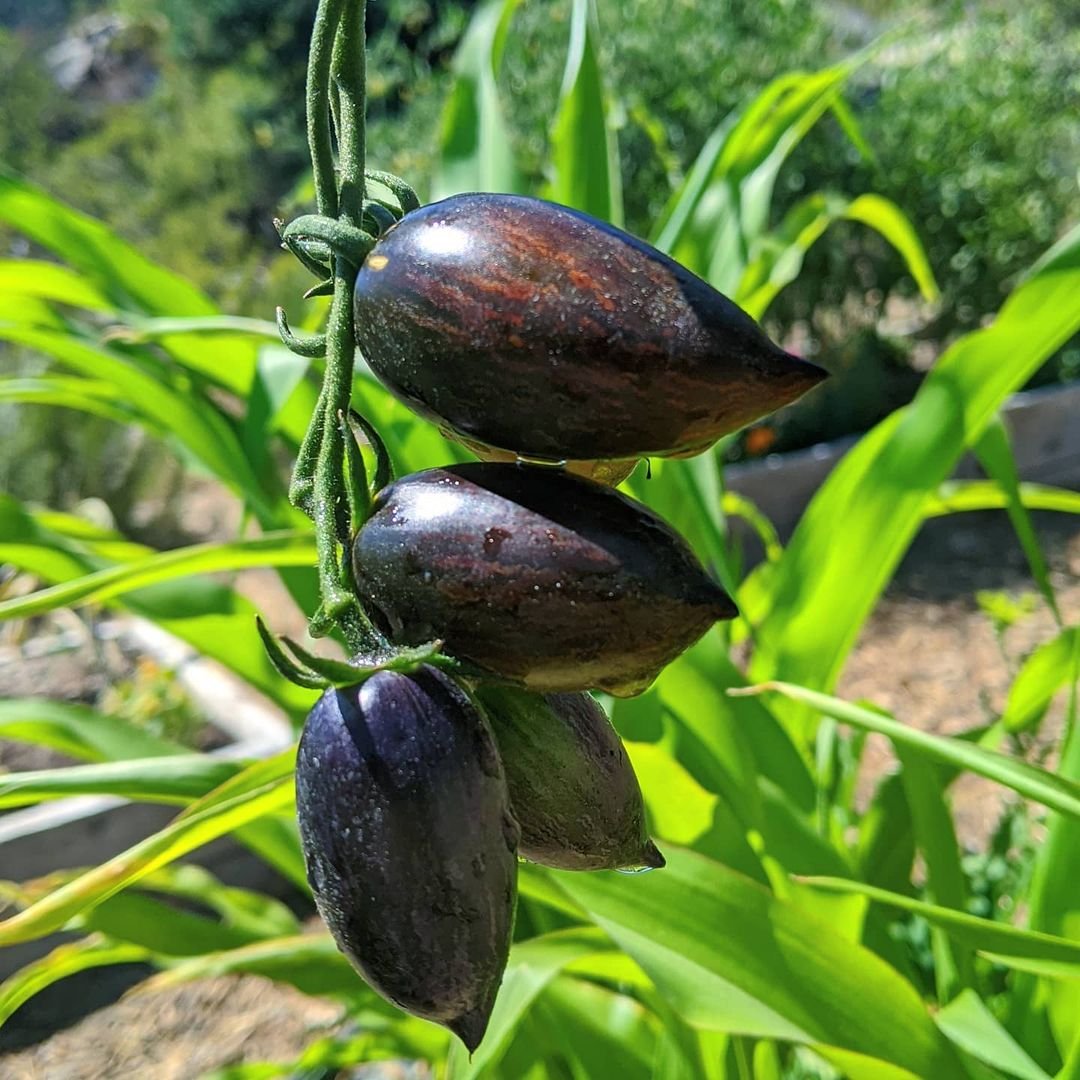
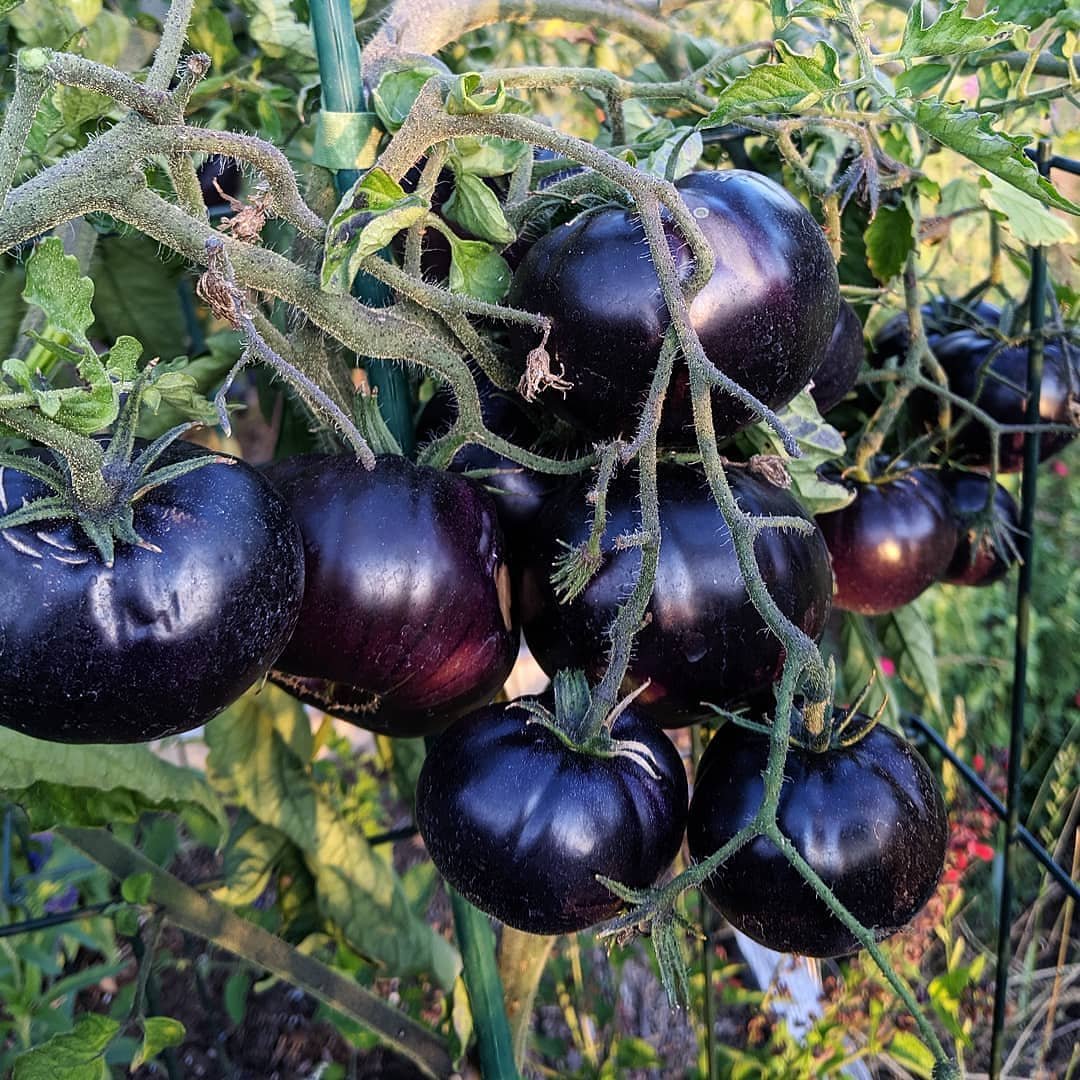
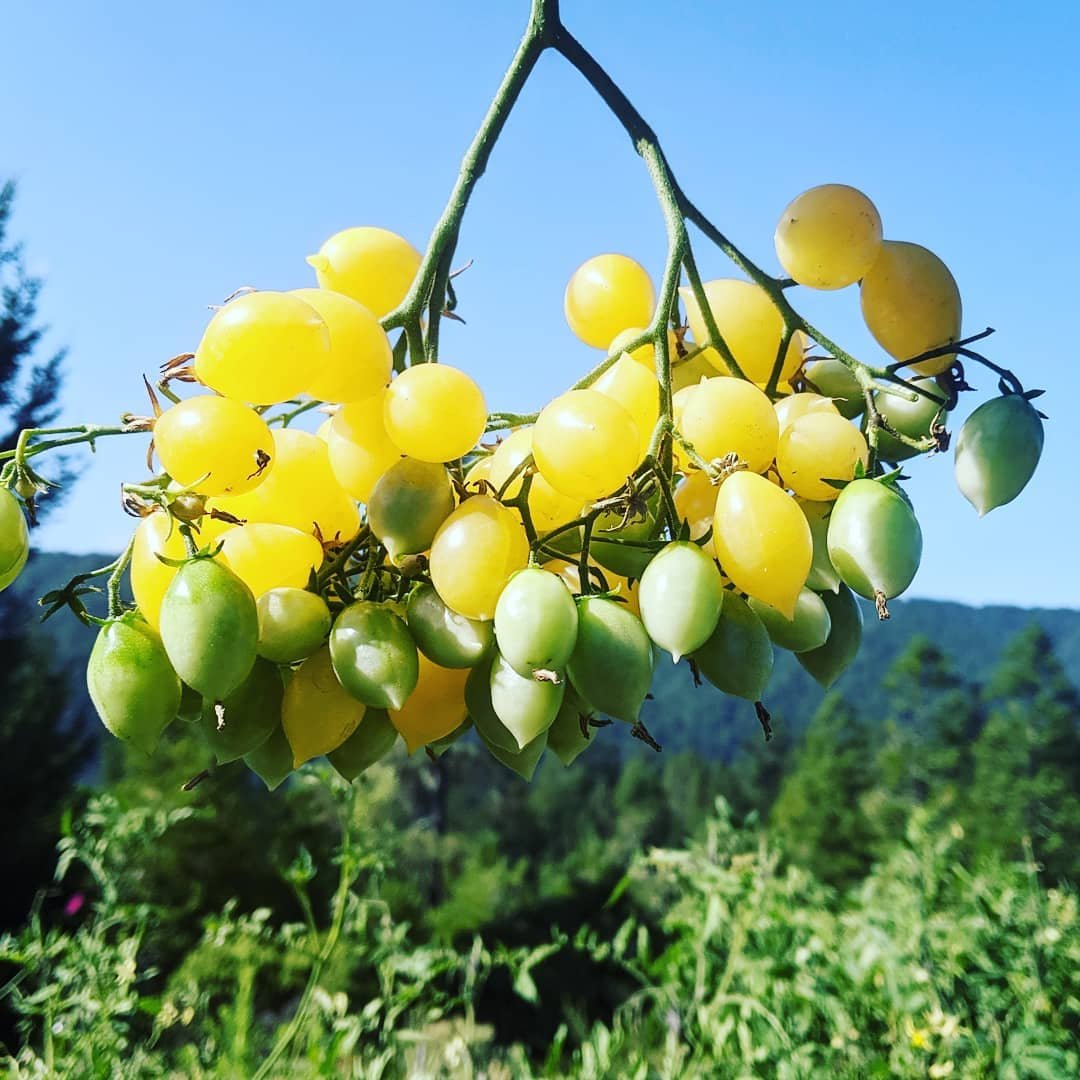
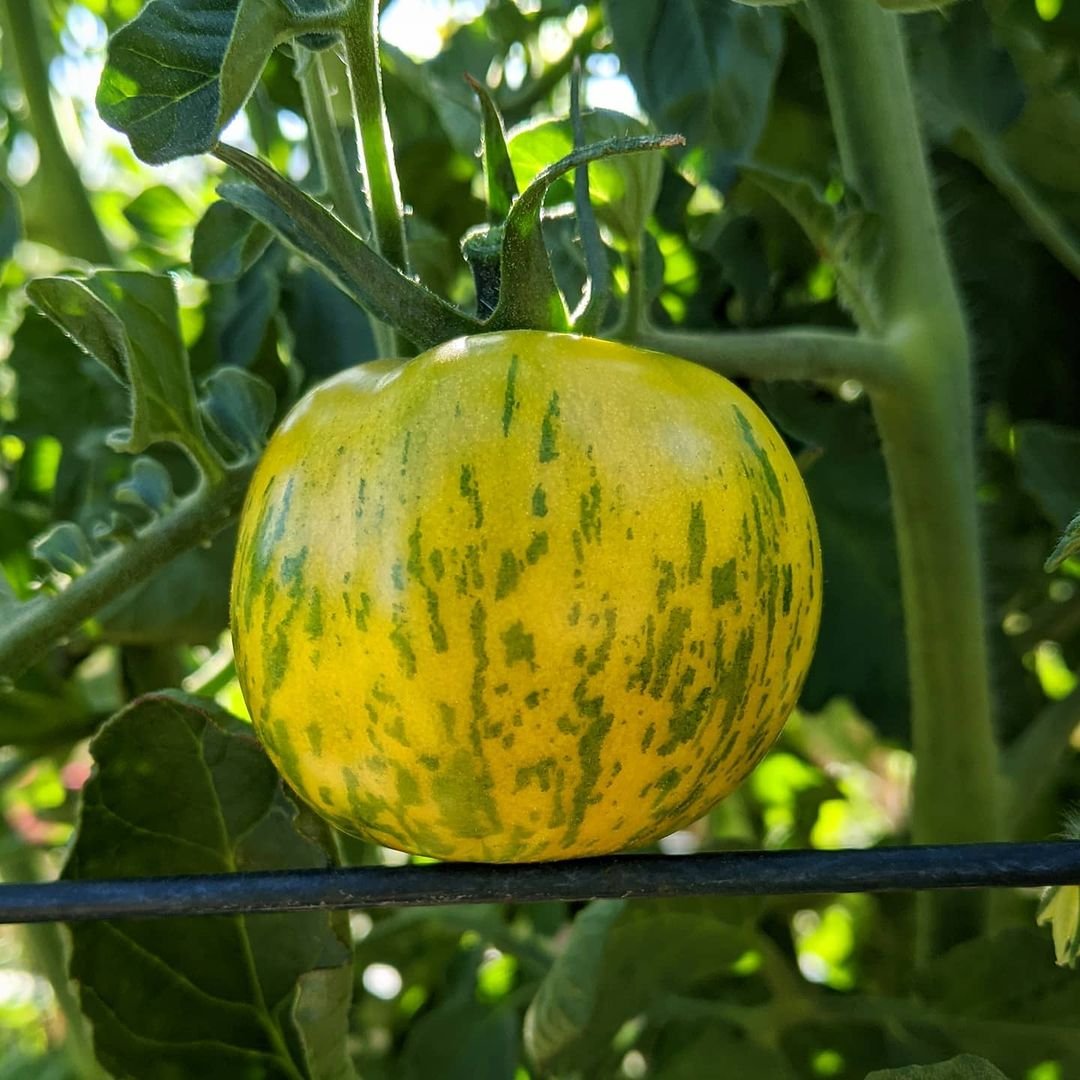
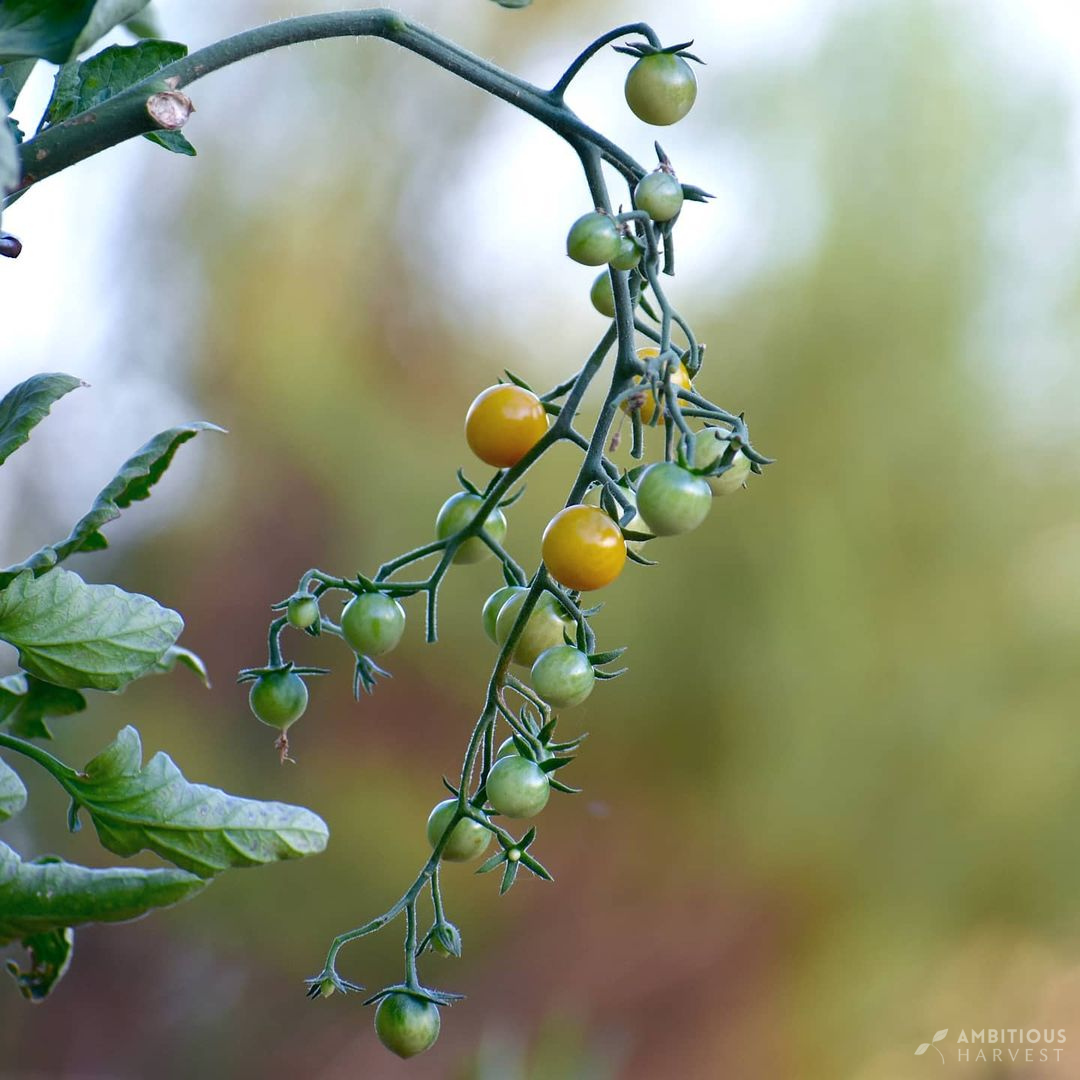
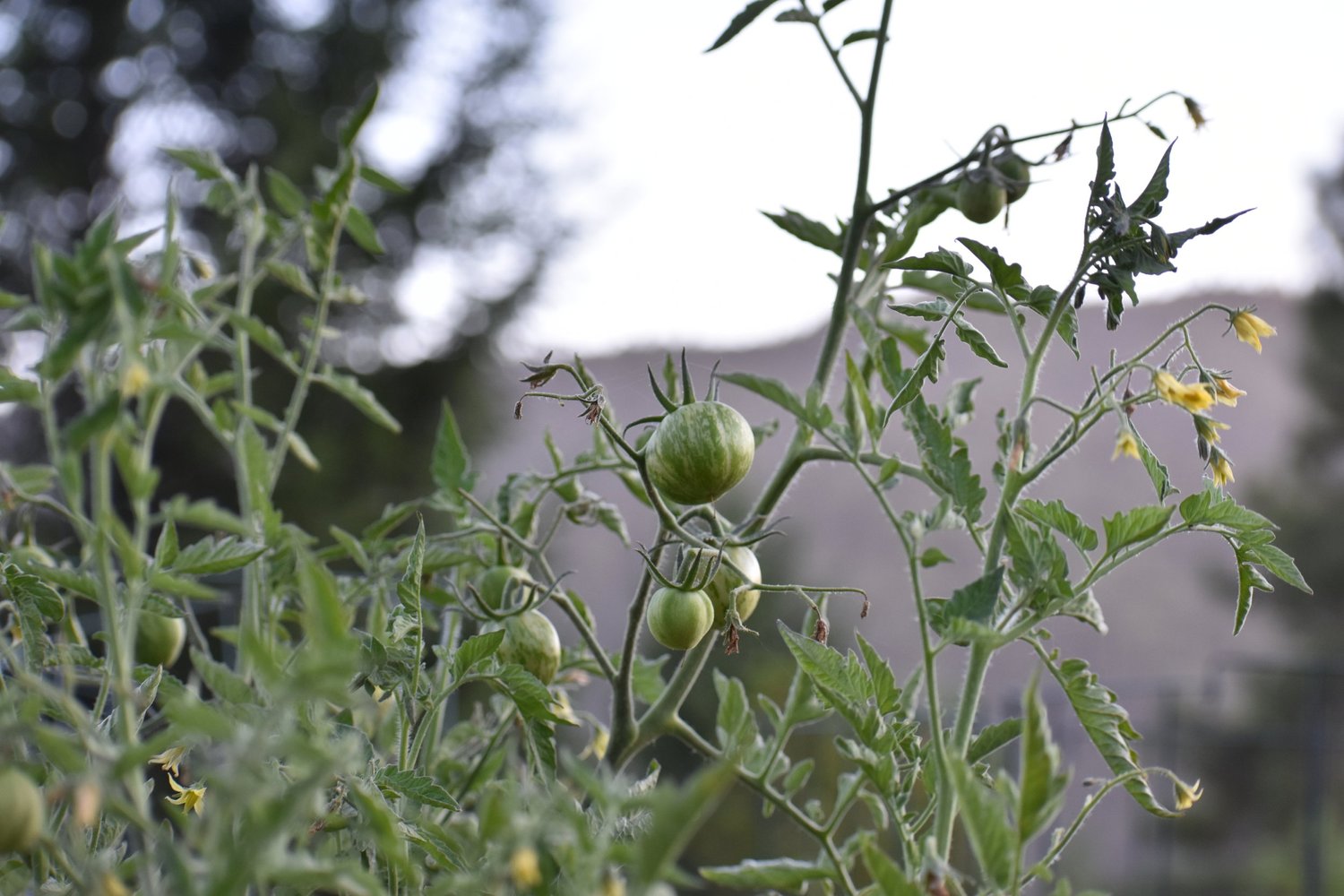
Tomatoes are the stars of the edible garden, with varieties ranging from the sweet, bite-sized Brad’s Atomic Grape and Barry’s Crazy Cherry to the hearty Costoluto Genovese and Ananas Noir. Imagine plucking sun-warmed cherry tomatoes directly from the vine for a fresh garden snack or slicing up a Pineapple tomato for a summer barbecue. Their vibrant colors and various shapes make tomatoes a visual feast in any garden setup, creating an appealing blend of form and function.
Herbs: Aromatic and Practical
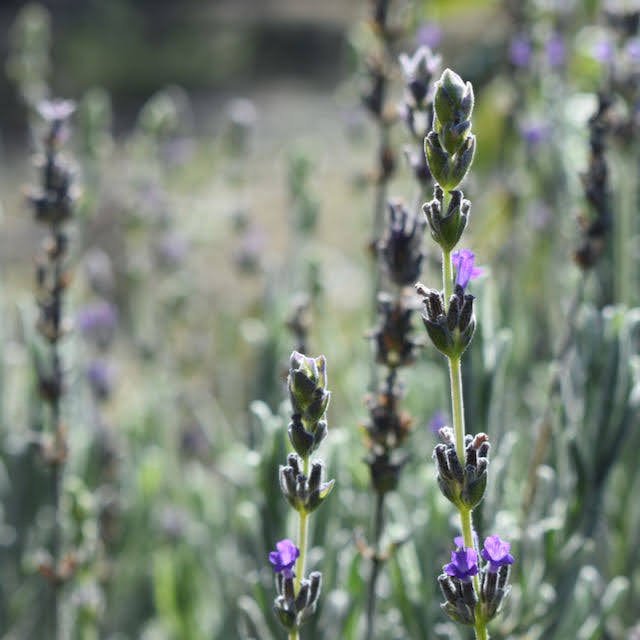


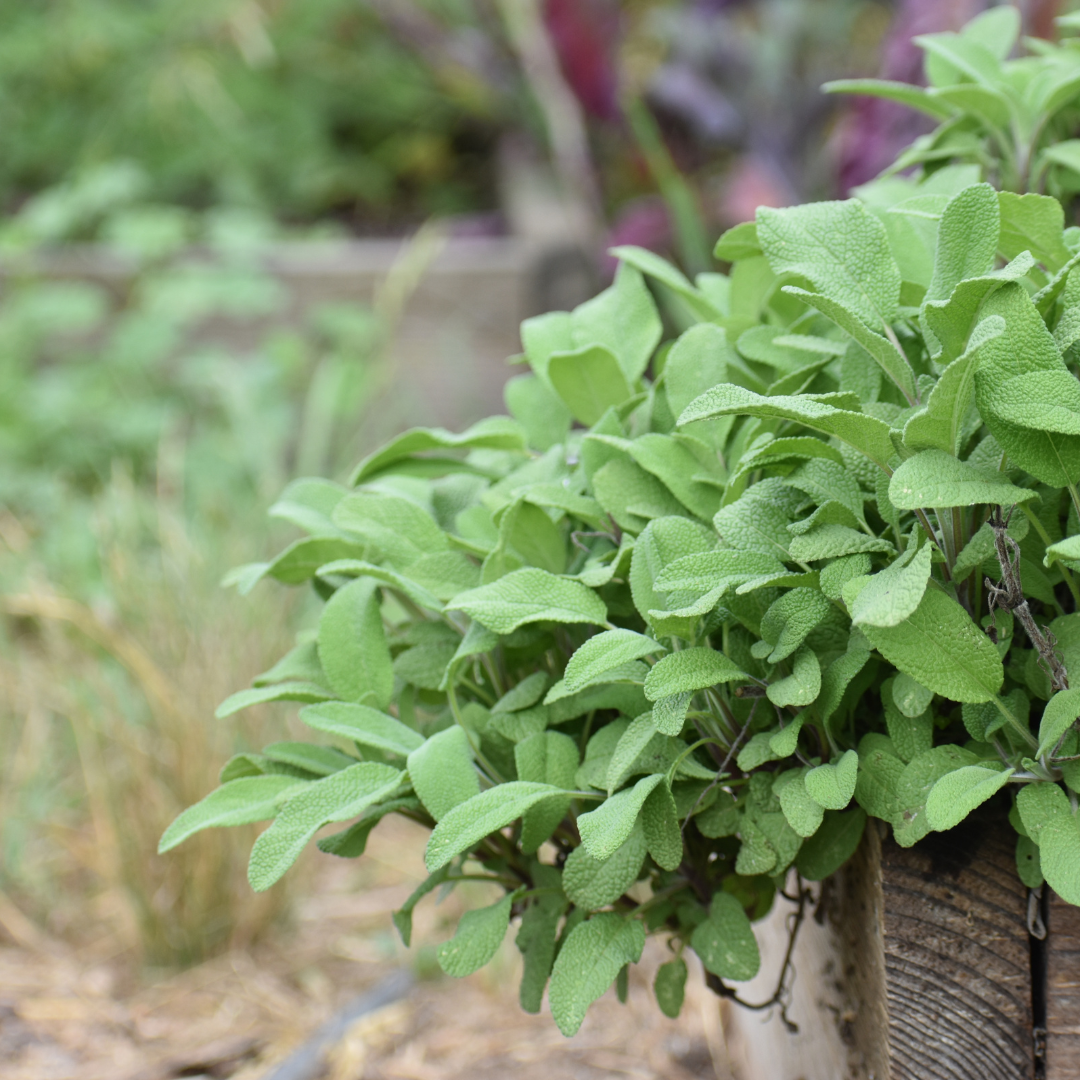

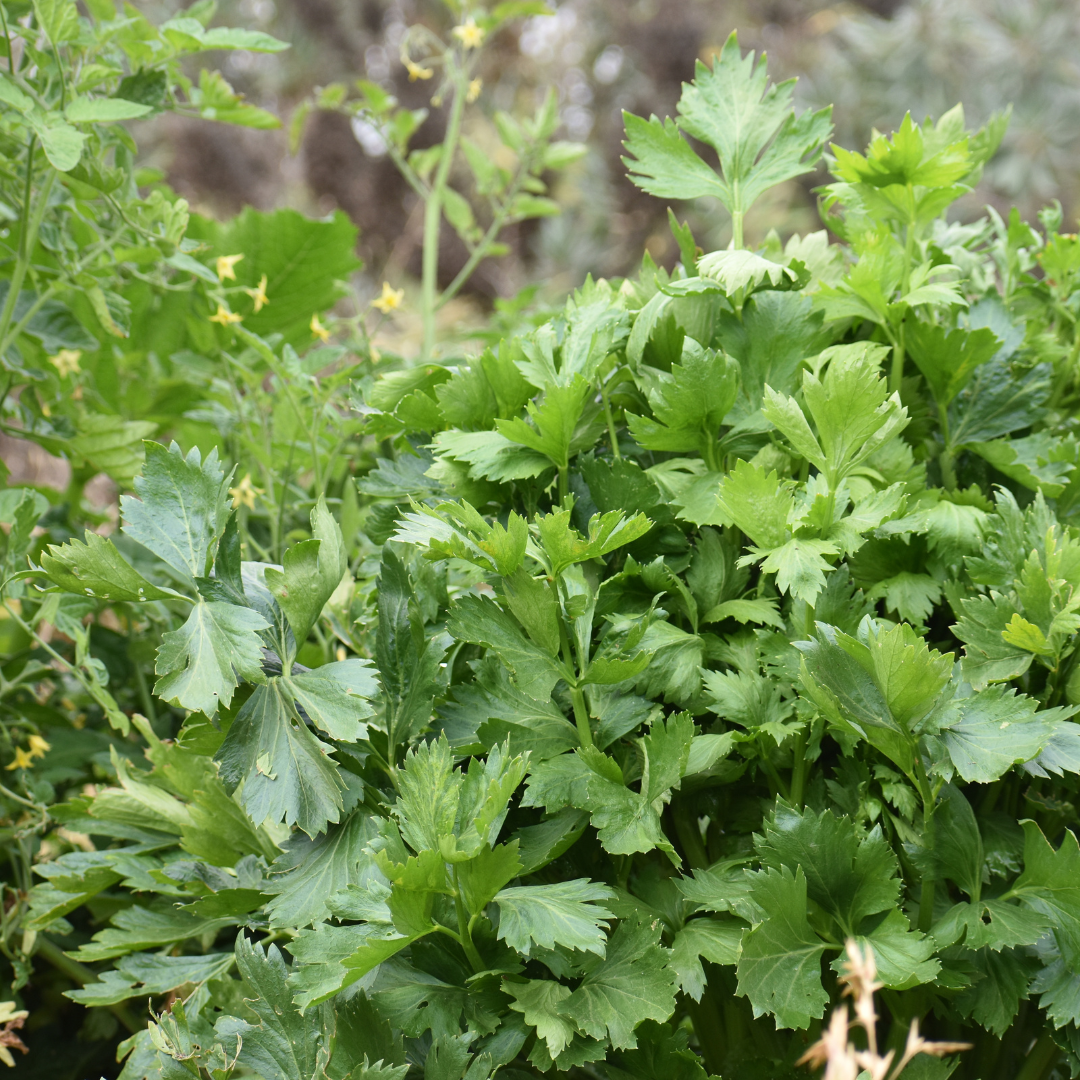


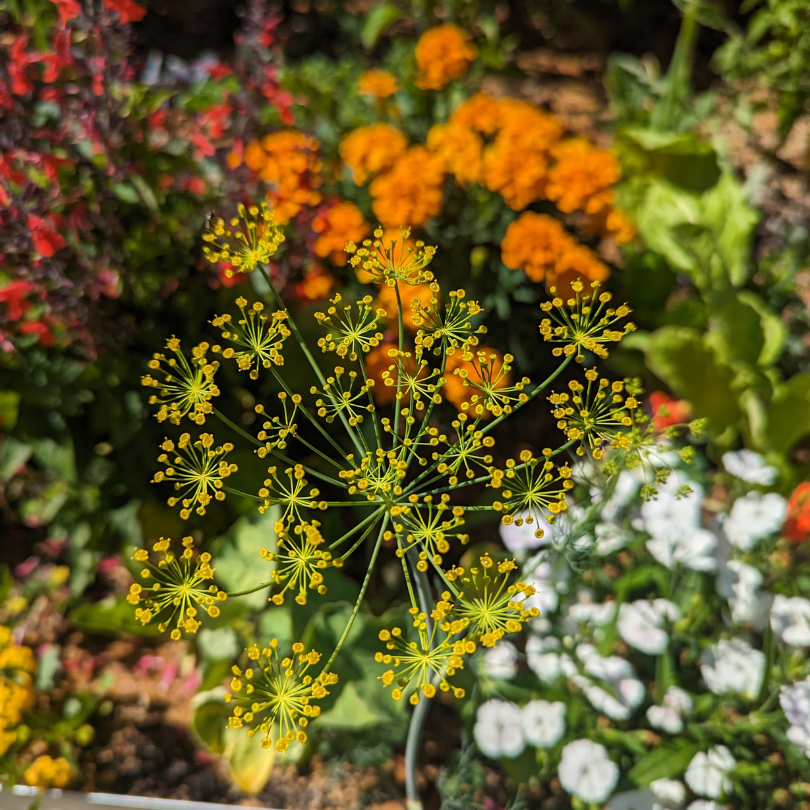
Herbs are the unsung heroes of the garden. They’re not just about flavor; they also bring delightful fragrances and a variety of textures. Basil Genovese, with its large, flavorful leaves, is a must for any herb garden, while Spearmint offers a refreshing aroma and can beautifully fill in garden spaces as a natural ground cover. These herbs serve as both a culinary delight and a feast for the senses, enhancing your garden’s appeal in every way.
Leafy Greens: Lush and Nutritious


Leafy greens like Lacinato kale and Bloomsdale spinach are garden essentials. Lacinato offers a dramatic flair with its dark, textured leaves, and Bloomsdale brings a classic spinach look with its lush, crinkly foliage. These greens are not just nutrient powerhouses; they add a beautiful canopy of green to your garden, thriving even in the cooler, shadier parts.
Strawberries: Sweet and Decorative


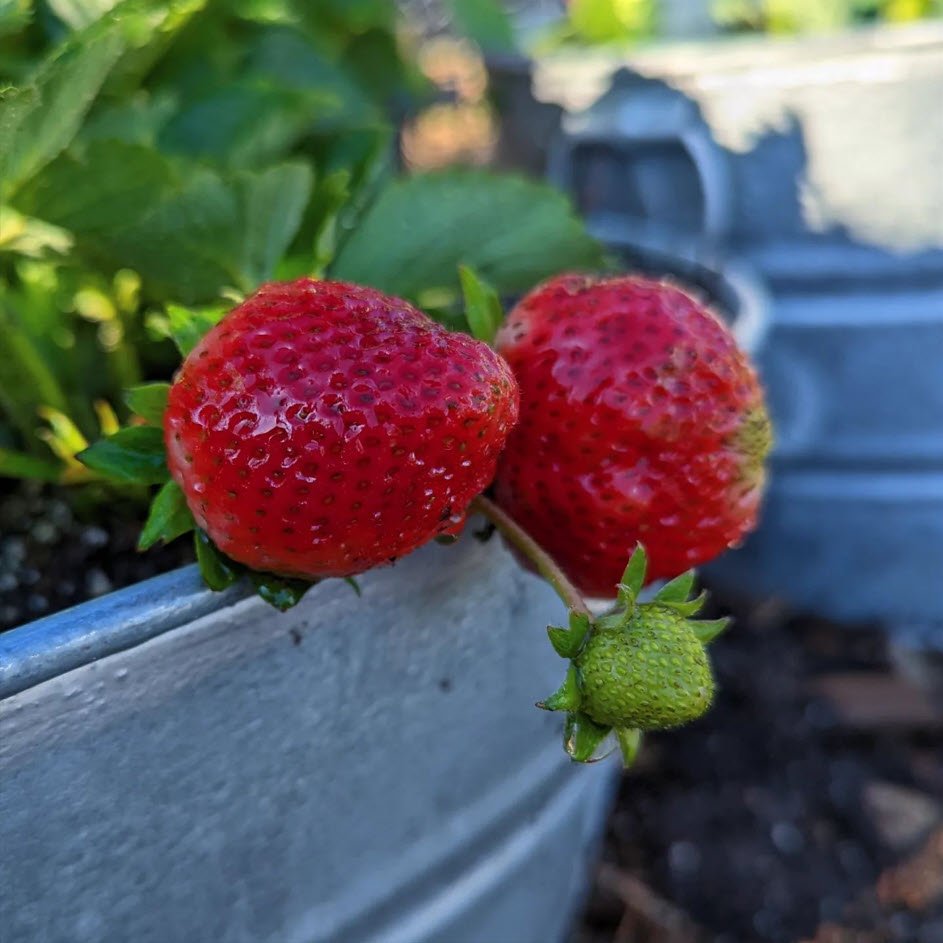


Strawberries are the charming gems of the garden. Varieties like Sequoia and Albion provide not only delectable fruits but also delightful ground covers with their dainty flowers and bright red berries. Whether in ground beds, containers, or hanging baskets, strawberries add a touch of whimsy and sweetness, making your garden beautiful and delicious.
Peppers: Colorful and Flavorful
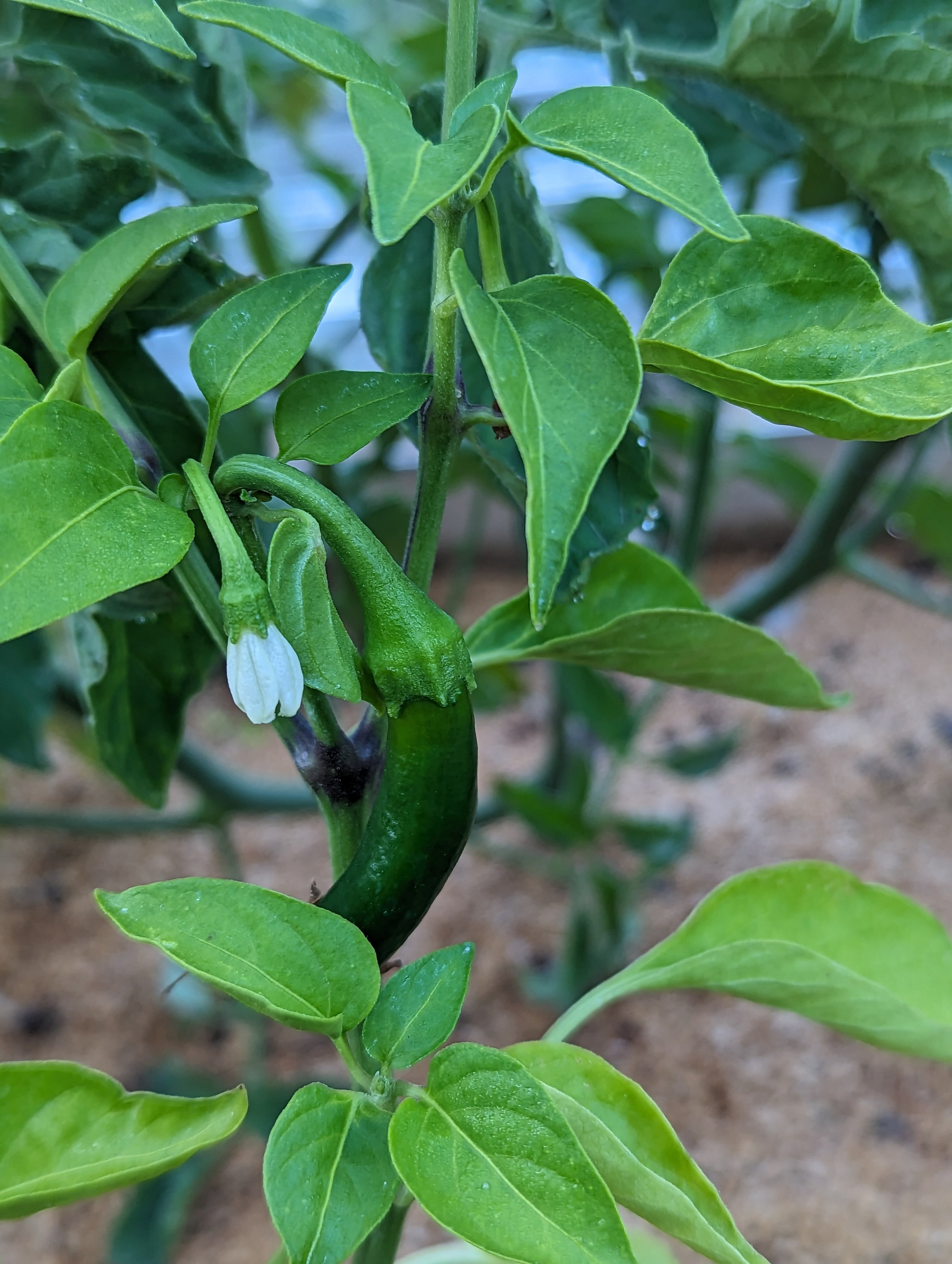
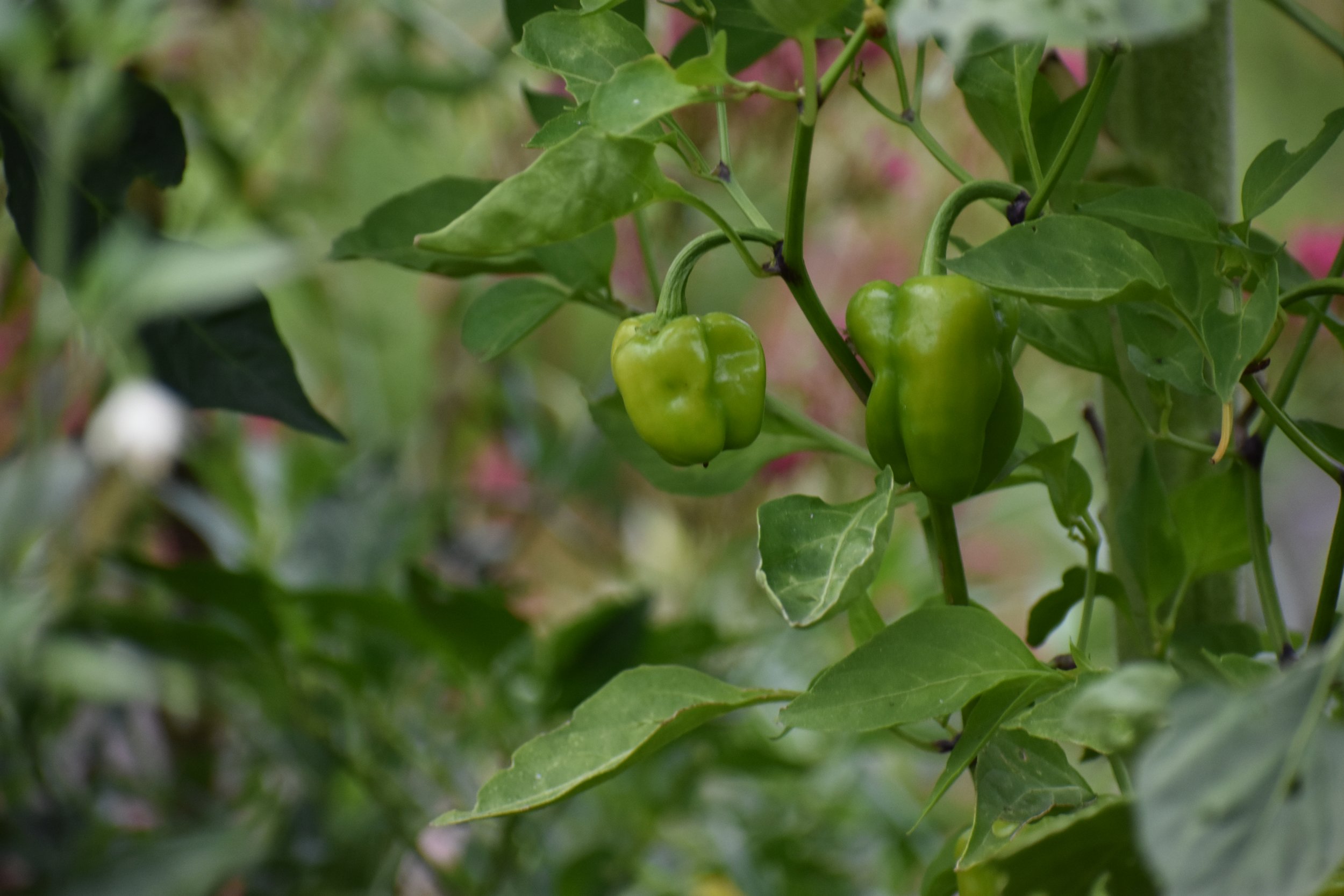
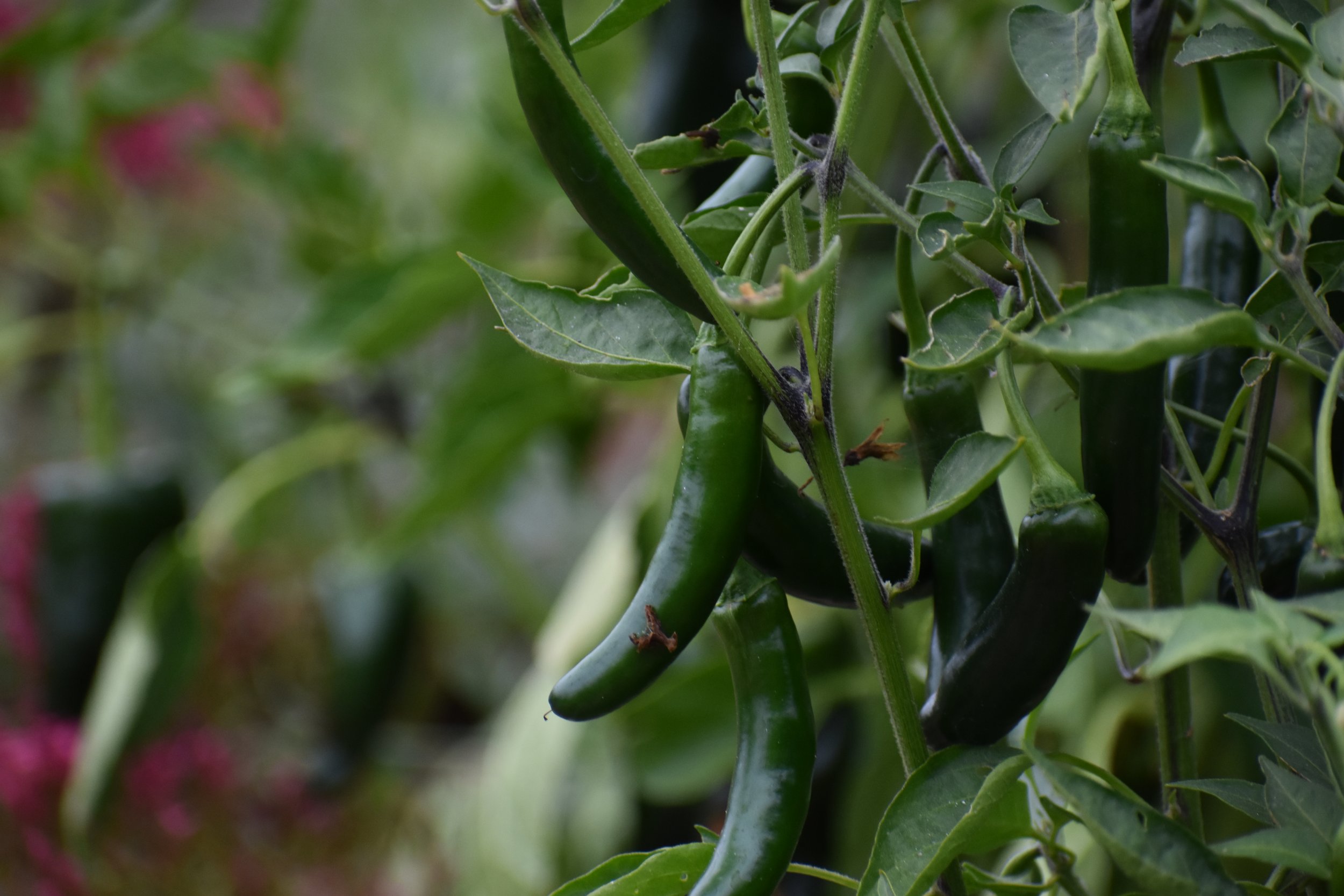
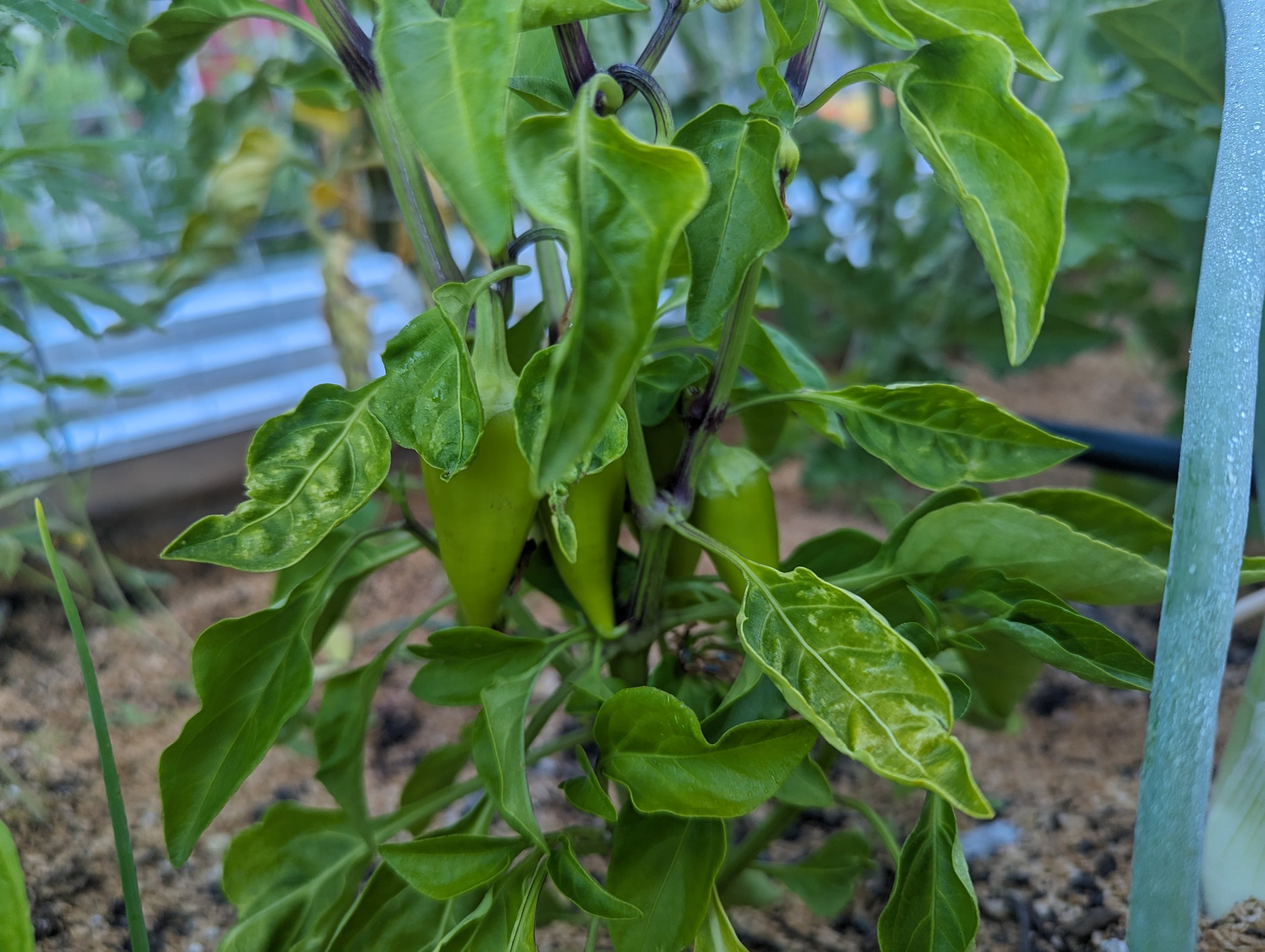
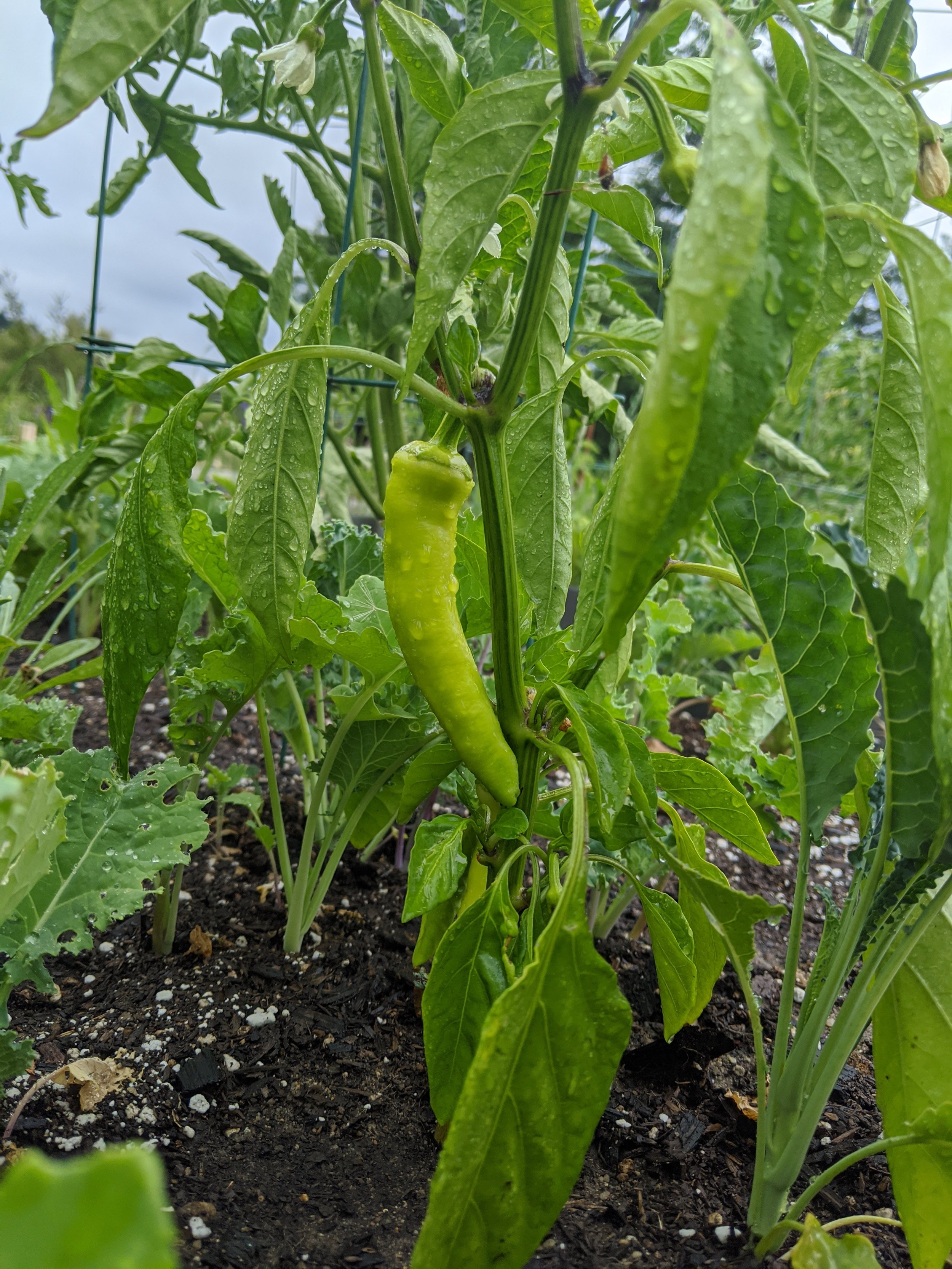
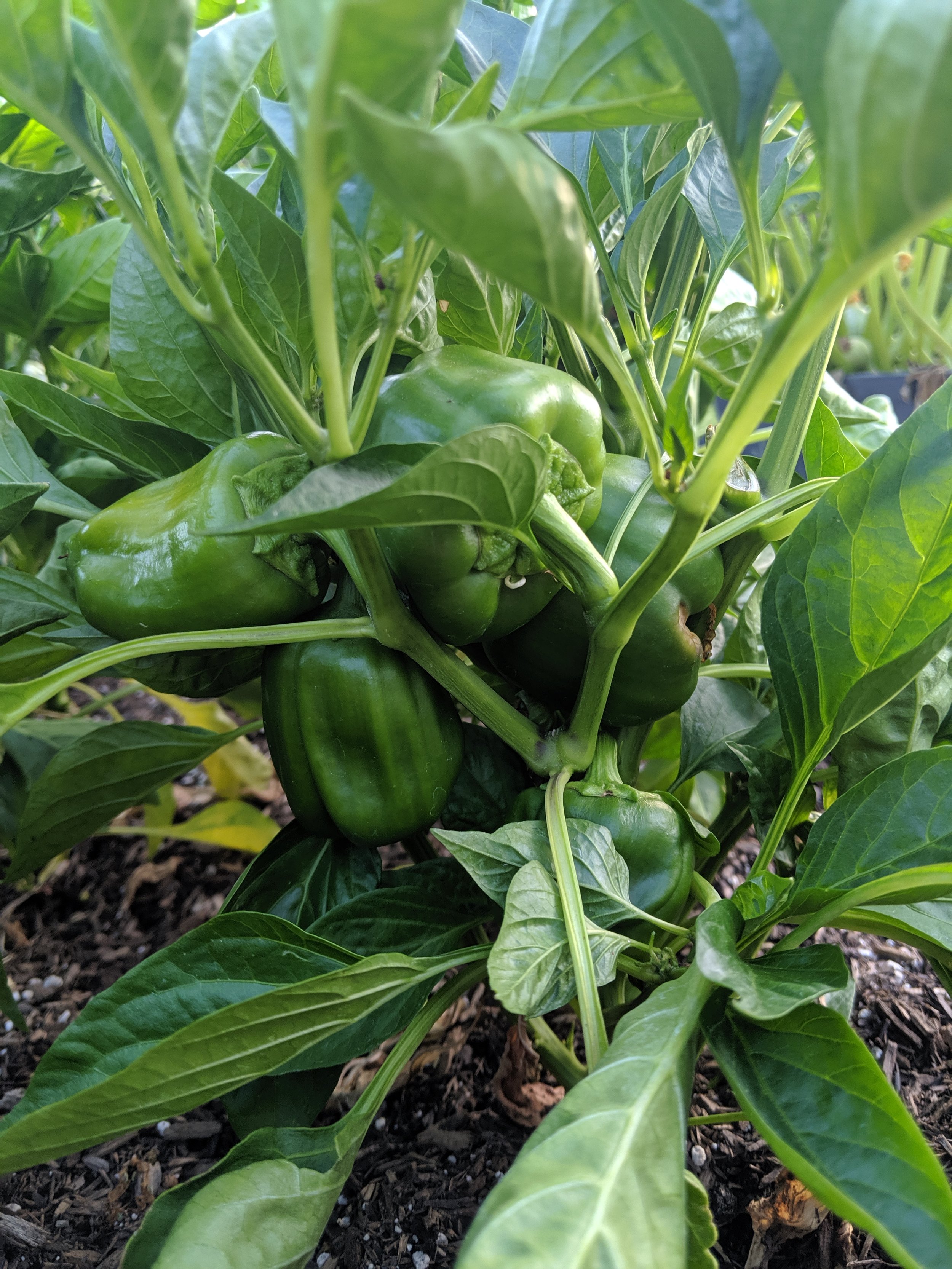


Peppers, from the crisp California Wonder bell peppers to the zesty Buena Mulata are garden show-stoppers. Picture your garden dotted with the bright hues of ripening peppers. California Wonder starts as a lush green and matures into a deep red, while Buena Mulata brings a bright pop of purple and slender, fiery elegance to your garden beds. Their culinary versatility matches their aesthetic diversity, making them perfect for any garden-to-table experience.
A Garden That Tastes as Good as It Looks
Your garden can be a living, productive art piece. By thoughtfully selecting and planting these edible varieties, you create a space that is a feast for the senses. Each of these plants offers its unique aesthetic and culinary benefits, making your garden a true delight for both the eyes and the palate.
Design principles for an edible landscape
A yard that is both beautiful and productive comes down to a few design ideas borrowed from ornamental gardening:
- Build in structure first. Use evergreen edibles like rosemary, blueberry, or citrus as the "bones" so the garden still looks intentional in winter when annual vegetables are gone.
- Think in layers. Stack a small fruit tree over a berry shrub over a groundcover of strawberries, the way a natural planting fills every level.
- Repeat plants and colors. Repeating a chard color or a lavender edge down a bed reads as design rather than a random patch of vegetables.
- Treat foliage and form as features. Rainbow chard, artichoke, and purple basil earn their spot on looks alone, then feed you on top of it.
A California edible palette by landscape role
Choose plants the way a designer does, by the job they do in the yard:
- Structure and hedging: pineapple guava (feijoa), blueberry, rosemary, and dwarf citrus all hold their shape and stay evergreen along our coast.
- Groundcover: alpine and everbearing strawberries, creeping thyme, and oregano knit together at the front of a bed and smell wonderful underfoot.
- Vertical interest: scarlet runner beans, grapes, and passionfruit climb a fence or arbor and turn a blank wall into a harvest.
- Ornamental edibles: artichoke for its silver architecture, rainbow chard and red orach for color, lavender and society garlic for flowers the bees love.
- Small trees: dwarf apple, plum, and fig give shade, spring bloom, and fruit in a footprint that fits a real yard.
Designing for our Mediterranean climate
The Central Coast's dry summers and mild, wet winters reward a little planning:
- Group by water need. Keep thirsty crops like berries and leafy greens together on one valve, and lean drought-tolerant herbs and Mediterranean edibles on another, so you are not overwatering half the yard to keep the other half alive.
- Lean on evergreen and perennial edibles. Herbs, artichokes, citrus, and berries carry the design through every season with far less replanting than annual vegetables.
- Mind fire-wise spacing. In our wildland-edge neighborhoods, keep the first five feet around the house and attached decks ember-resistant with noncombustible surfaces. Remove woody vegetation, combustible mulch and accumulated debris from this area. Beyond it, maintain plant spacing and remove dead growth. Check applicable local fire requirements with your fire agency.
How to start small
You do not need to redo the whole yard at once. Replace one ornamental shrub with a blueberry, edge an existing bed with strawberries or chard, or tuck a dwarf citrus into a sunny corner. Mulch well, set up simple drip irrigation, and add one or two new edibles each season. Within a couple of years the line between "garden" and "landscape" disappears, and the whole yard is working for you.
Frequently Asked Questions
What is edible landscaping?
It is the practice of designing your yard so the plants are both attractive and edible, weaving fruits, vegetables, and herbs into the landscape instead of keeping them in a separate vegetable patch.
What are good evergreen edible plants for a California yard?
Rosemary, blueberry, pineapple guava (feijoa), and dwarf citrus all stay green year-round on the Central Coast and give the garden structure when annual crops are gone.
Is an edible landscape hard to maintain?
Not if you lean on perennials and group plants by water need. Herbs, berries, artichokes, and citrus carry the design with far less replanting than annual vegetables, and drip irrigation keeps upkeep low.
How do I start an edible landscape without redoing my whole yard?
Start small. Replace one ornamental shrub with a blueberry, edge a bed with strawberries or chard, or add a dwarf citrus in a sunny corner, then add one or two edibles each season.
