

Heirloom Tomatoes for Santa Cruz County: Varieties Worth Growing
A few of the product links in this guide are affiliate links. If you buy through one, Ambitious Harvest may earn a small commission at no extra cost to you, which helps keep these guides free. We only point to gear we would use in our own Santa Cruz garden. As an Amazon Associate, we earn from qualifying purchases. Read our full disclosure.
Heirloom Tomatoes for Santa Cruz County: Varieties Worth Growing
Heirloom tomatoes represent everything industrial agriculture has bred out of the supermarket tomato: complex flavors, interesting textures, stunning colors, and stories that stretch back generations. Growing them connects you to gardening traditions that predate modern hybrids.
But heirlooms come with trade-offs. They're often less disease-resistant, more prone to cracking, and, crucially for Santa Cruz County, many require more heat and longer seasons than our coastal climate provides.
The key to heirloom success here isn't giving up on them; it's choosing carefully. Some heirlooms thrive in our conditions while others consistently disappoint. This guide helps you select varieties suited to Santa Cruz County's unique microclimates.
What Makes a Tomato an Heirloom?
The Definition
Heirloom tomatoes are generally defined as open-pollinated varieties that have been passed down through generations, typically for at least 50 years. Unlike modern F1 hybrids (which are crosses between two specific parent lines), heirlooms breed true from seed, meaning seeds saved from this year's tomato will produce the same variety next year.
Why Heirlooms Matter
Flavor: Many heirlooms were selected over decades primarily for taste, not shipping durability or uniform appearance. The result is often dramatically better flavor than commercial varieties.
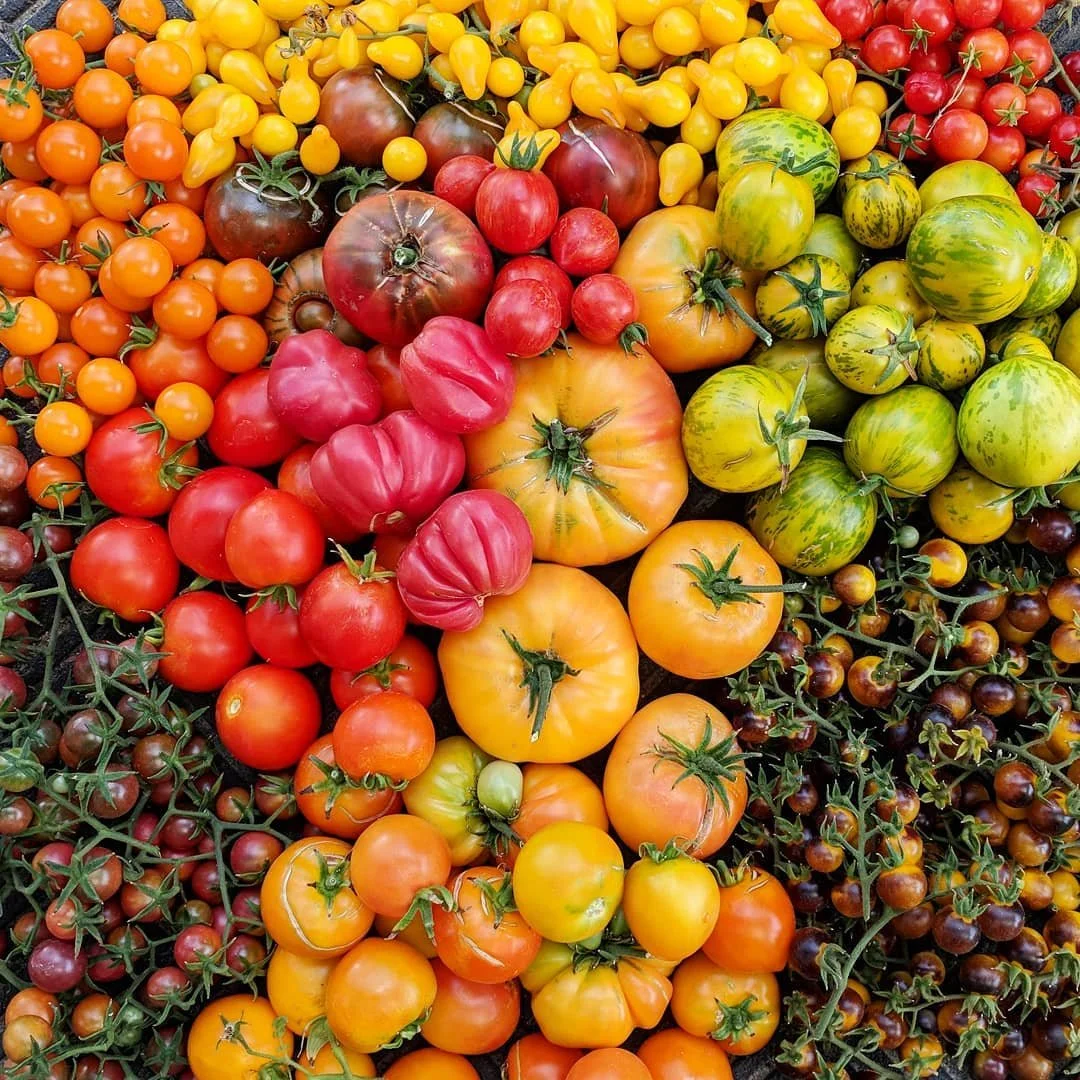
Diversity: Heirlooms come in remarkable variety: purple, yellow, green, striped, ribbed, tiny, huge, and everything between. This diversity is genetic treasure.
Seed saving: Because they're open-pollinated, you can save seeds and grow the same variety year after year, potentially adapting it to your specific conditions over time.
History: Many heirlooms carry stories, from the names of the families who preserved them to the regions where they originated and the gardeners who kept them alive.
The Trade-offs
Disease susceptibility: Most heirlooms lack the disease resistance bred into modern hybrids. In Santa Cruz's humid, foggy conditions, this matters.
Productivity: Heirlooms often produce less total fruit than hybrids bred for yield.
Sensitivity: Many heirlooms are more sensitive to weather stress, irregular watering, and other growing challenges.
Days to maturity: Large-fruited heirlooms often need 80-100 days of warm weather to mature, which is more than coastal Santa Cruz reliably provides.
Understanding Your Options: Heirloom vs. Hybrid Tomatoes
| Heirloom Tomatoes | Hybrid Tomatoes (F1) |
|---|---|
| Definition: Open-pollinated varieties passed down for 50+ years. Seeds grow "true to type." | Definition: First-generation cross of two parent varieties. Bred for specific traits. |
| Flavor: Often superior, complex flavors with depth and nuance. This is why we grow them! | Flavor: Good to excellent. Some modern hybrids rival heirlooms. |
| Seed Saving: Yes! Seeds produce identical plants. Save your favorites. | Seed Saving: No. Seeds won't produce identical plants. Buy new seeds each year. |
| Disease Resistance: Generally lower. More susceptible to blights and wilts. | Disease Resistance: Often excellent. Bred for resistance to common problems. |
| Productivity: Often lower yields. Worth it for flavor! | Productivity: High yields, consistent performance. More forgiving. |
| Appearance: Beautiful diversity! Cracks, catfacing, and irregular shapes are normal and charming. | Appearance: Uniform, "perfect" looking. Bred for supermarket appeal and shipping. |
Bottom Line: Grow heirlooms for flavor and seed saving, hybrids for reliability. The best gardens include both!
What Are the Coastal Constraints for Growing Heirlooms?
Before choosing heirloom varieties, understand what makes Santa Cruz County different from the conditions where many heirlooms were developed.
Our Cool, Foggy Reality
UC's "Growing Tomatoes in the Home Garden" identifies Santa Cruz and similar areas as part of a cool coastal zone where evening temperatures often range 45-55 degrees and summer heat is limited.
This means:
- Shorter effective season: Even though frost is rare, truly warm tomato-growing weather may only last 8-12 weeks
- Cool nights: Temperatures below 55 degrees interfere with fruit set
- Limited heat accumulation: Large, late varieties may never ripen fully
- Fog impact: Reduced light further slows growth and ripening
What This Means for Heirlooms
UC Master Gardeners in coastal areas stress that in foggy gardens, the key is choosing varieties with relatively short days to maturity or those that reliably produce in cooler conditions.
For heirlooms, this means:
- Focus on early to mid-season varieties (55-75 days)
- Smaller-fruited heirlooms often outperform large beefsteaks
- Reserve long-season giants for warmest microclimates only
- Accept that some beloved heirlooms simply won't work here
Which Heirloom Varieties Work Best by Microclimate?
| Microclimate | Best Heirloom Types | Top Varieties | Days to Harvest | Key Considerations |
|---|---|---|---|---|
| Coastal Fog Zone Aptos, Capitola, Santa Cruz, Live Oak | Early-maturing, cold-tolerant varieties | Stupice, Glacier, San Francisco Fog, Sungold (cherry), Black Cherry | 55-70 days | Focus on varieties that set fruit in cool temps (below 55 degree nights). Cherry types most reliable. |
| Redwood Understory Felton, Ben Lomond canyons, Scotts Valley shade | Ultra-early, shade-tolerant varieties | Stupice, Glacier, Siletz, Oregon Spring, Tiny Tim (dwarf) | 50-65 days | Limited sun hours. Container growing allows chasing sunlight. Focus on earliest varieties. |
| San Lorenzo Valley (Sunny) Boulder Creek, Ben Lomond ridges | Mid-season, good flavor varieties | Cherokee Purple, Black Krim, Mortgage Lifter, Brandywine (pink), Green Zebra | 70-85 days | More heat = more variety options! Can grow classic beefsteaks. Still plant early varieties as backup. |
| Inland Valleys Scotts Valley, Soquel hills | Good range of early to mid-season | Cherokee Purple, Paul Robeson, Japanese Black Trifele, Costoluto Genovese, Amana Orange | 70-85 days | Mixed conditions. Choose varieties based on your specific site's sun exposure. |
| Pajaro Valley Watsonville, Corralitos | Full range including late-season | Brandywine, Cherokee Purple, San Marzano (paste), Mortgage Lifter, Pineapple | 75-100 days | Best heat in the county! Can grow large beefsteaks and late-season varieties successfully. |
Variety recommendations based on UC Cooperative Extension research and local tomato trial results.
How Should You Select Heirloom Varieties?
How to Choose Heirloom Varieties for Your Garden
-
Days to Maturity (DTM)
The most critical factor in Santa Cruz. Choose 55-75 day varieties on the coast, 70-90 days inland. Count from transplanting, not seed starting.
Coastal: 55-75 Inland: 70-90 days
-
Cold Tolerance
Can the variety set fruit when night temps drop below 55 degrees? Essential for coastal success. Look for varieties from cold climates (Czech, Russian, Scandinavian).
Below 55 degrees? Check origin story
-
Growth Habit
Determinate varieties are compact, ripen all at once, and need less staking. Indeterminate vines produce longer but need significant support.
Space matters Containers: determinate
-
Fruit Size
Cherry tomatoes are most reliable in cool climates. Large beefsteaks need more heat and time to ripen. Match fruit size to your conditions.
Cool = small Warm = any size
-
Disease Resistance
Heirlooms are generally less resistant than hybrids. In humid coastal areas, choose varieties with some blight tolerance if available.
Foggy = higher risk Good spacing helps
Days to Maturity (DTM)
This is the most important number for coastal Santa Cruz gardeners. DTM indicates days from transplanting to first ripe fruit under good conditions.
For the fog belt: Prioritize varieties under 75 days. Varieties listed at 80+ days are risky.
For warmer inland: You have more flexibility. Varieties up to 85-90 days can succeed in good years.
Reality check: DTM is measured under optimal conditions. In coastal Santa Cruz, add 1-2 weeks to listed times.
Fruit Size
Smaller fruits ripen faster because they need less total heat accumulation. In cool climates:
- Cherry tomatoes (1 oz) ripen most reliably
- Small slicers (2-4 oz) are good choices
- Medium slicers (6-8 oz) can work with good variety selection
- Large beefsteaks (1+ lb) are challenging in the fog belt
Growth Habit
Determinate heirlooms: Less common but useful for containers and short seasons. They fruit over a concentrated period, which can be advantageous when trying to beat fall cooling.
Indeterminate heirlooms: Most heirlooms are indeterminate. They'll produce over a longer period but need warm weather throughout to keep ripening fruit.
Cold Tolerance
Some heirlooms were developed in cold climates (Russia, Eastern Europe) and tolerate cool nights better than varieties from warmer regions. Seek out:
- 'Stupice' (Czech Republic)
- 'Moskvich' (Russia)
- 'Glacier' (developed for northern gardens)
- 'Siberian' types
How Do You Grow Heirlooms Successfully in Santa Cruz?
Start with the Right Varieties
This cannot be overstated. No amount of technique compensates for a variety unsuited to your climate. Start with varieties known to perform in cool coastal conditions, then experiment with others in your warmest spots. For a full breakdown of variety performance by neighborhood, see our guide to growing tomatoes in Santa Cruz County.
Maximize Your Microclimate
Position heirloom tomatoes in your garden's warmest spots:
- Against south-facing walls
- On raised beds (warmer soil)
- In sheltered areas protected from wind
- On slopes where cold air drains away
Reserve challenging long-season heirlooms for these prime locations.
Start Early
Because heirlooms often need more days to mature, maximize your season:
- Start seeds indoors 6-8 weeks before transplanting
- Warm soil with black plastic before planting
- Use row cover or cloches to protect early transplants
- Don't plant too early into cold soil, as this delays growth more than it helps
Accept Some Challenges
Heirlooms are more prone to:
Cracking: Especially in variable coastal weather. Harvest at first color and ripen indoors to reduce cracking.
Disease: Many lack resistance genes. Space plants well, water at soil level, and remove affected foliage promptly.
Irregular fruit: Catfacing and odd shapes are common, especially in cool weather during flowering. The fruit tastes fine.
Harvest Strategy
Don't wait for full ripeness on the vine in coastal gardens:
- Harvest at "breaker" stage (first color) and ripen indoors
- This reduces cracking, pest damage, and disease exposure
- Indoor-ripened heirlooms still taste far better than supermarket tomatoes
Which Heirlooms Should You Avoid in Cool Coastal Areas?
Best Heirloom Tomatoes for Coastal Santa Cruz
These varieties are proven performers in foggy, cool conditions.
Stupice - 55-60 days
Czech Heirloom | 2-3" fruit | Indeterminate
The coastal gardener's secret weapon. Exceptional cold tolerance with potato-leaf foliage. Sets fruit when other tomatoes won't. Complex, rich flavor despite early maturity.
Growing Tip: Plant extra! Stupice produces early and often, filling gaps while waiting for larger varieties.
Glacier - 55 days
Swedish Origin | 2-3" fruit | Determinate
Sets fruit at remarkably low temperatures (down to 38 degrees!). Compact plants perfect for containers. Red, round fruit with good flavor for such an early variety.
Growing Tip: Plant in containers and move to warmest spots. Great "insurance" variety.
San Francisco Fog - 60-70 days
California Bred | 6-8 oz fruit | Indeterminate
Bred specifically for Bay Area fog! Full-sized red slicing tomato that actually performs in our climate. Tangy-sweet flavor. One of the few larger heirlooms for coastal areas.
Growing Tip: Still benefits from a south-facing wall. Plant against warm surfaces.
Black Cherry - 64 days
Modern Heirloom | 1" fruit | Indeterminate
Deep purple-brown cherries with rich, complex "black tomato" flavor. More cold-tolerant than larger black varieties. Prolific producer even in fog.
Growing Tip: Harvest when fully colored for best flavor. Beautiful in salads!
Siletz - 52-55 days
Oregon State | 8-12 oz fruit | Determinate
Developed by Oregon State University for cool coastal conditions. Sets fruit at low temps while producing full-sized slicers. Excellent disease resistance.
Growing Tip: Compact plants don't need extensive staking. Great for small spaces.
Green Zebra - 75-80 days
Tom Wagner Heirloom | 3-4 oz fruit | Indeterminate
Striking green with yellow stripes. Bright, tangy-sweet flavor perfect for salads. More reliable in cool weather than many mid-season varieties. Alice Waters favorite!
Growing Tip: Harvest when fruit yields to gentle pressure. Still green when ripe!
Varieties to Avoid
These varieties need more heat than coastal Santa Cruz reliably provides. They may produce some fruit but typically underperform:
- Beefmaster: Very late, needs consistent heat
- Big Rainbow: Late, needs warmth for proper coloring
- German Johnson: Late, large fruits need extended warmth
- Radiator Charlie's Mortgage Lifter: Classic but very late
- Yellow Brandywine: Even later than pink Brandywine
- Most "giant" varieties: Generally too late for fog belt
You can try these in warmer inland microclimates or against south-facing walls, but expect modest results in coastal gardens.
Where Can You Find Heirloom Seeds and Starts Locally?
Seed Sources
Renee's Garden Seeds (Felton-based): the trial gardens start in Renee's own backyard in Felton, and about 300 new varieties are tested every year. reneesgarden.com
Territorial Seed Company: Pacific Northwest focus makes their selections generally good for cool-summer climates. territorialseed.com
Baker Creek Heirloom Seeds: Huge heirloom selection; check DTM carefully for coastal gardens. rareseeds.com
Johnny's Selected Seeds: Detailed variety information helps you select for your conditions. johnnyseeds.com
Seed Savers Exchange: Historic varieties, including many not available elsewhere. seedsavers.org
Local Nurseries
Look for nurseries that label days to maturity and growth habit:
- San Lorenzo Garden Center
- Sierra Azul Nursery (for native and unusual plants)
- Dig Gardens
Plant Sales
UC Master Gardener plant sales often feature tomato varieties specifically selected for local conditions. Check for spring sales in Monterey Bay area.
How Do You Save Seed from Your Heirlooms?
One of the greatest advantages of heirloom tomatoes is the ability to save seed. See our companion article Saving Tomato Seeds: Preserve Your Favorite Varieties for detailed instructions.
Over time, seeds saved from your best performers can become adapted to your specific microclimate, creating a true local heirloom.
Frequently Asked Questions
Why won't my heirloom tomatoes ripen?
Most likely the variety needs more heat than your location provides. Try earlier-maturing varieties, harvest at first color and ripen indoors, or plant in your warmest microclimate next year.
Are heirloom tomatoes harder to grow than hybrids?
Generally yes. Most heirlooms lack disease resistance bred into modern hybrids, and many need more heat. In Santa Cruz's challenging climate, variety selection matters even more with heirlooms.
What's the best heirloom for a beginner in coastal Santa Cruz?
Start with 'Stupice' (early slicer) and 'Black Cherry' (cherry). Both have good cold tolerance and relatively short days to maturity. Once you have success, experiment with others.
Can I grow Brandywine in the fog belt?
Probably not successfully. Brandywine needs 80-100 days of warm weather to produce well. In warmer inland areas or against a south-facing wall, you might get some fruit. In foggy coastal areas, it's likely to disappoint.
Why do my heirloom tomatoes crack so much?
Cracking results from moisture fluctuations, especially heavy water after dry periods. Coastal fog and variable weather make this common. Harvest at first color and ripen indoors to reduce cracking.
Can I save seeds from any heirloom?
Yes, as long as it's truly open-pollinated (not a hybrid labeled as "heirloom style"). Seeds from F1 hybrids won't breed true.
What should I plant alongside my heirloom tomatoes?
Basil, marigolds, and nasturtiums are classic tomato companions that can help with pest management and pollination. See our companion planting guide for the full list of beneficial pairings.
What Is the Heirloom Mindset?
Growing heirlooms in Santa Cruz County requires adjusting expectations. You may not get the massive harvests that inland gardeners enjoy. Your 'Brandywine' may never reach its full potential. Some years, fog wins.
But even modest heirloom harvests deliver flavors that no supermarket can match. A single perfect 'Cherokee Purple' slice, sun-warmed and eaten at the garden, is worth more than bushels of bland commercial tomatoes.
Choose varieties suited to your microclimate, provide good care, and accept imperfection. The rewards, from flavor and diversity to a deep connection to gardening tradition, are worth the extra effort.
Free Gardening Resources
- Know Your Microclimate Worksheet: Find your garden's warmest spots for heirlooms
- Tomato Variety Selector: Match varieties to your conditions
Related Tomato Articles
- Growing Tomatoes in Santa Cruz County
- Starting Tomatoes From Seed
- Growing Tomatoes in Containers
- Best Tomatoes by Microclimate
- Heirloom Tomatoes for Santa Cruz
- Determinate vs Indeterminate Tomatoes
- Watering Tomatoes in Santa Cruz
- Tomato Fertilizing + Soil Prep
- Tomato Problems + Troubleshooting
- Extending Tomato Season
- Harvesting Tomatoes for Peak Flavor
- Saving Tomato Seeds
- Dry-Farmed Tomatoes
